Uganda Safari Itineraries for Groups: How Solo Travelers Join Small-Group Tours
Table of Contents
At a Glance
Solo travelers can book scheduled Uganda small-group safaris and get matched with others on fixed departure dates.
Small groups (about 6–10) share a guide, vehicle, and costs; rooming can be single or shared.
Popular routes cover Murchison Falls, Kibale (chimps), and Queen Elizabeth (Kazinga Channel).
Longer trips add Bwindi gorilla trekking; permits can sell out in peak seasons.
Costs vary by lodge tier, trip length, permits, and group size; green season is cheaper but muddier.
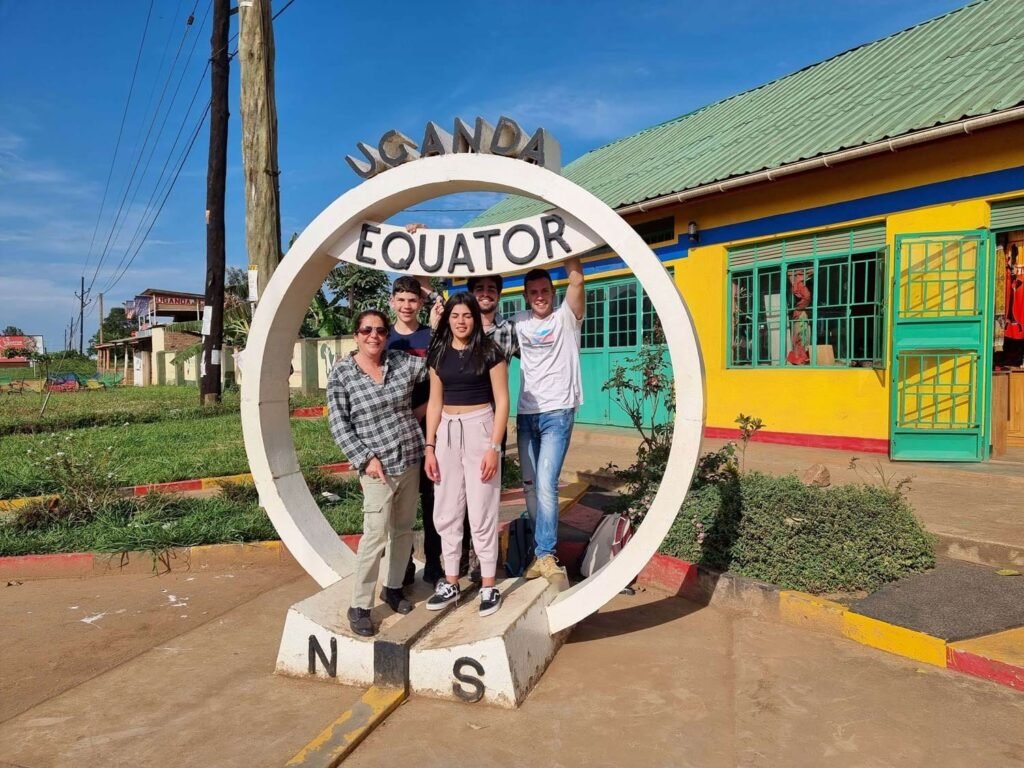
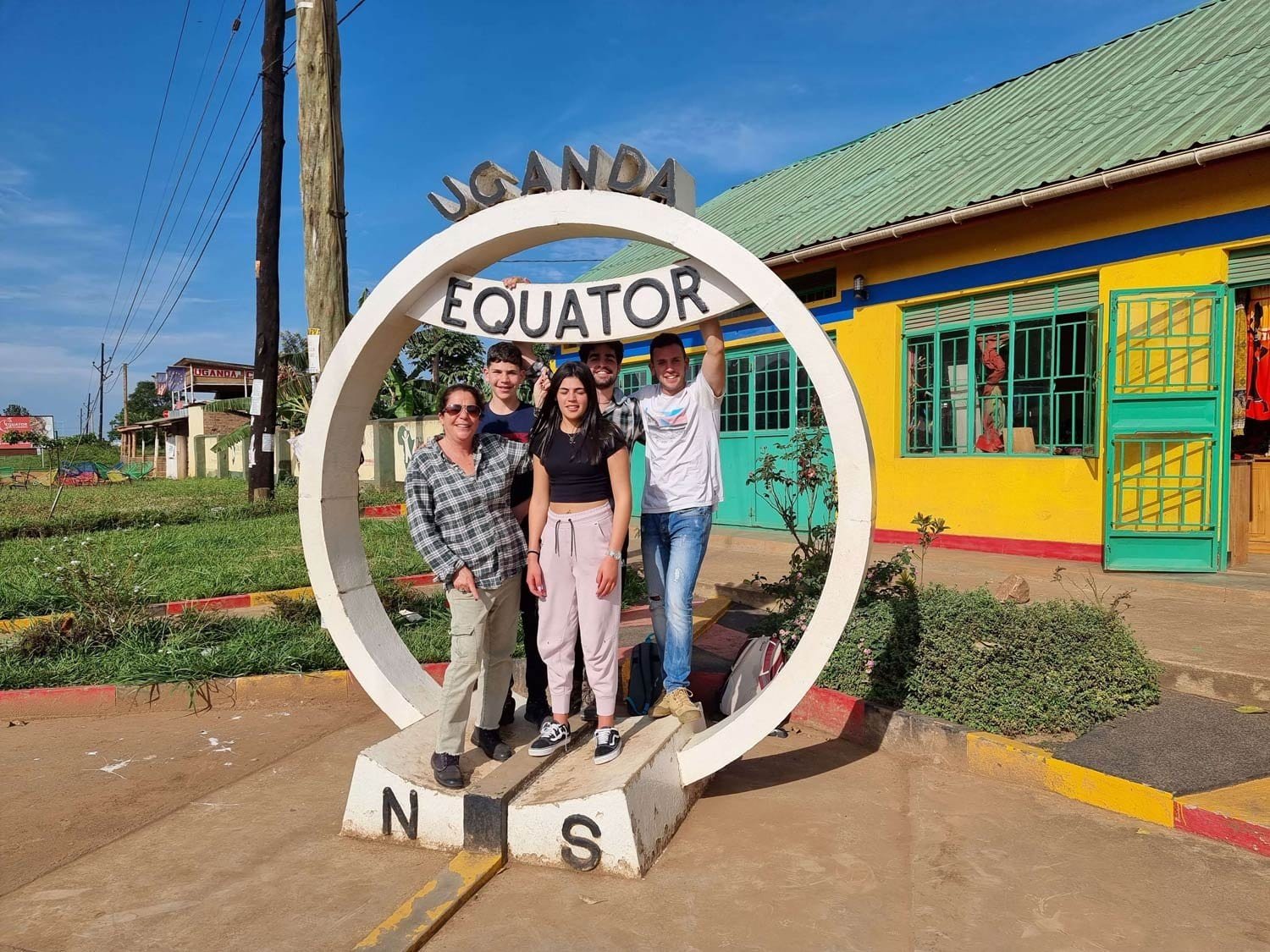
Planning a Uganda safari doesn’t necessarily mean traveling with a group of friends. Many travelers arrive on their own and join a small scheduled safari, sharing the vehicle, guide and many of the trip’s fixed costs with other travelers.
That’s where Uganda’s group-joining safaris come in. You book your place individually, meet your fellow travelers when the journey begins, and suddenly you’re on the road together perhaps sharing binoculars on the Kazinga Channel by day two like old friends.
How Uganda Group Safari Tours Work for Solo Travelers
Amatsiko Tours offers scheduled small-group departures that allow solo travelers to join an existing safari rather than paying for a private vehicle on their own. You book your place on a planned departure, then travel with other guests who have chosen the same itinerary.
The practical side is straightforward: once your booking is confirmed, the tour operator coordinates the main safari logistics, including transportation, accommodation and activities included in the itinerary. That means you don’t have to find several other travelers yourself before the trip can go ahead.
For accommodation, solo travelers should check the rooming arrangement and single-supplement policy for their specific departure. Depending on the package, sharing or single occupancy may be available. If a pre-trip WhatsApp group is provided for your departure, it can also be a useful way to introduce yourself to the other travelers before arriving in Uganda.
Rooming is flexible. Solo travelers get single-occupancy options or can pair up to reduce costs (your call, not forced). WhatsApp groups go live before departure so you can say hello before you land.
What makes this different from a large overland tour? Scale. These aren’t 20-person buses. They’re small group tours, maybe six to ten people in a safari vehicle, which means the guide can actually adjust pace, answer questions, and stop when someone spots a shoebill.
The important distinction is that a group-joining safari is different from a private safari: you book your own place, but the vehicle, guide and itinerary are shared with other travelers.
The 7-Day Uganda Safari Itinerary: A Group Route That Covers the Essentials
The 7-day itinerary is the most popular Uganda safari itinerary for groups, and honestly, it earns that. It threads together Murchison Falls, Kibale Forest, and Queen Elizabeth National Park without feeling rushed.
Here’s the day-by-day:
Day | Location | Highlights |
|---|---|---|
1 | Entebbe arrival | Transfer to Kampala or Lake Victoria accommodation |
2 | Murchison Falls NP | Ziwa Rhino Sanctuary stop, afternoon game drive |
3 | Murchison Falls NP | Morning game drive, Nile boat safari to the falls base |
4 | Kibale Forest NP | Transfer day, chimpanzee tracking briefing |
5 | Kibale Forest NP | Chimpanzee tracking, transfer to Queen Elizabeth NP |
6 | Queen Elizabeth NP | Kasenyi plains game drive, Kazinga Channel boat cruise |
7 | Return to Entebbe | Departure or overnight |
The Nile boat safari on day three is the one people talk about for months. You motor upriver toward the base of the falls, hippos surfacing maybe ten meters from the boat, Goliath herons standing still as statues on the bank. The mist from the falls hits your face before you see the full cascade. That’s the sensory memory that sticks.
What the 7 days feel like on the road
The beauty of a group safari isn’t just the places on the itinerary. It’s the rhythm between them: early starts, long conversations in the vehicle, roadside stops, wildlife suddenly appearing beyond the window, and the gradual feeling that the people you met at the beginning of the trip are no longer strangers.
Is 7 Days Enough for Uganda?
Seven days gives you a taste of several of Uganda’s major wildlife experiences, but it isn’t designed to cover everything. If gorilla trekking is a priority, you’ll want to add Bwindi Impenetrable National Park and allow additional time for the journey south. Longer itineraries can also make the travel days feel less rushed and leave room for Lake Bunyonyi or additional community and cultural experiences.
What the 7 Days Feel Like on the Road
The beauty of a group safari isn’t just the places on the itinerary. It’s the rhythm between them: early starts, long conversations in the vehicle, roadside stops, wildlife suddenly appearing beyond the window, and the gradual feeling that the people you met at the beginning of the trip are no longer strangers.
Day 1 — Arrive and Meet the Group
Your Uganda adventure begins in Entebbe, where the pace is deliberately gentle. After the journey to Uganda, there is something comforting about knowing that the logistics are already being organized and that you are about to meet the people with whom you’ll share the road. Depending on the itinerary and arrival time, the first evening is more about settling in than ticking attractions off a list. Have dinner, exchange stories with your fellow travelers, and get some sleep. Tomorrow, the safari begins.
Day 2 — Rhinos and the Road to Murchison Falls
The road north takes you away from the bustle of Entebbe and toward Uganda’s bigger landscapes. A stop at Ziwa Rhino Sanctuary can add an important conservation dimension to the journey before continuing toward Murchison Falls National Park. By the afternoon, the feeling changes. You are properly on safari now, with everyone scanning the bush for movement while the guide explains what you’re seeing. In a group, those first wildlife sightings have an extra layer of excitement because everyone experiences them together.
Day 3 — Wildlife and the Nile
This is one of the days that gives the itinerary its character. An early game drive brings the possibility of seeing wildlife while the morning is still cool, before the day moves toward the Nile. Later, the boat safari changes your perspective completely. Instead of watching the landscape from the vehicle, you move slowly along the water, with hippos surfacing nearby and birds lining the banks. As you approach the falls, the sound grows louder and the air becomes cooler with spray. It is one of those moments when the group tends to go quiet—not because there is nothing to say, but because everyone is taking it in.
Day 4 — From Murchison Falls to Kibale
Today is largely about the journey south toward Kibale Forest. Long transfer days are part of an overland safari, but they also give you time to watch Uganda change outside the window—from savannah landscapes toward greener, more densely forested country. By the time you arrive near Kibale, the atmosphere feels different again. Tomorrow brings one of the trip’s most anticipated experiences: chimpanzee tracking.
Day 5 — Chimpanzees and the Journey to Queen Elizabeth
The morning begins in Kibale Forest, where chimpanzee tracking takes you beneath a canopy alive with calls, movement and the sound of insects. After the forest experience, the journey continues toward Queen Elizabeth National Park. By now, the group has had several days together, and the dynamic is usually very different from that first meeting in Entebbe. Shared early mornings, wildlife sightings and long drives have a way of turning strangers into travel companions.
Day 6 — The Kazinga Channel
An early game drive around the Kasenyi plains gives you another opportunity to search for lions, buffalo, elephants and other wildlife before the day’s highlight on the water. The Kazinga Channel boat cruise offers a completely different perspective, with hippos in the shallows, crocodiles along the banks and birds filling the shoreline. From the boat, the landscape feels slower and quieter, giving you time to simply watch.
Day 7 — Back to Entebbe
The final day is a transition back toward Entebbe, but it doesn’t necessarily feel like the safari is over. There are photographs to exchange, stories to retell and perhaps a few new friendships that began with nothing more than sharing a vehicle. Depending on your departure time and the specific itinerary, you may leave Uganda the same day or spend another night before your flight home.
For groups wanting gorilla trekking, the 10-day and 14-day itineraries add Bwindi Impenetrable National Park (gorilla permits required, secured by Amatsiko) and, on the 14-day route, a cross-border extension into Rwanda’s Volcanoes National Park and Kigali. The 10-day version is the sweet spot for most first-time Africa travelers who want gorillas, chimps, and Big Five wildlife in one trip.
Budget Safari Options Uganda: What Group Travel Actually Costs
Gorilla trekking is one of the biggest costs in a Uganda safari, so it is worth looking at the full package price rather than comparing accommodation or transport costs alone. A group departure can help spread the other fixed costs of the journey across several travelers.
What determines your price:
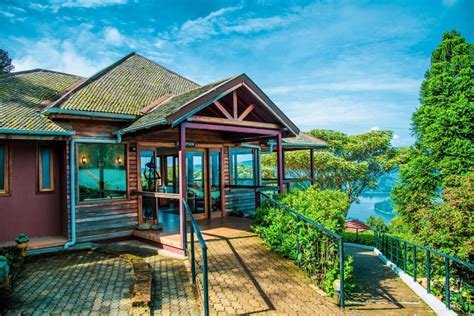
Accommodation tier: budget (basic lodges, camping), mid-range (comfortable lodges with hot water and good food), or luxury (high-end lodges with private verandas)
Itinerary length: 7, 10, or 14 days
Transport: shared group vehicle (standard) or private upgrade
Permits: gorilla and chimpanzee tracking permits are separate line items
Group size: more people sharing a vehicle means lower per-person transport costs
Group departures can reduce the per-person cost compared with booking a private vehicle because expenses such as transport, fuel and guiding are shared among travelers. That’s one of the main reasons group-joining safaris appeal to solo travelers.
What Determines the Price of a Uganda Group Safari?
There isn’t one fixed price for a Uganda group safari. The final cost depends on the length of the itinerary, accommodation level, whether you’re traveling in single or shared occupancy, the activities included, and whether permits such as gorilla or chimpanzee tracking are part of the package.
Current small-group departures can be particularly useful for solo travelers because the shared vehicle, guide and other fixed safari costs are spread across several guests. As one current example, Amatsiko Tours lists an 8-day 2026 small-group Uganda safari at $2,930 per person for single occupancy or $2,680 for double occupancy, with gorilla and chimpanzee permits included. Prices can change between departures, so travelers should check exactly what is included in the package they are considering before booking.
Top Destinations for Uganda Group Safaris
Uganda brings together an unusually wide range of wildlife experiences in one journey: mountain gorillas in Bwindi, chimpanzees in Kibale, savannah wildlife in Queen Elizabeth and Murchison Falls, and the rhinos of Ziwa. For a group safari, the appeal is that these experiences can be combined into different routes depending on how much time you have and what you most want to see.
Here are the destinations that deserve the most attention when planning a Uganda group safari:
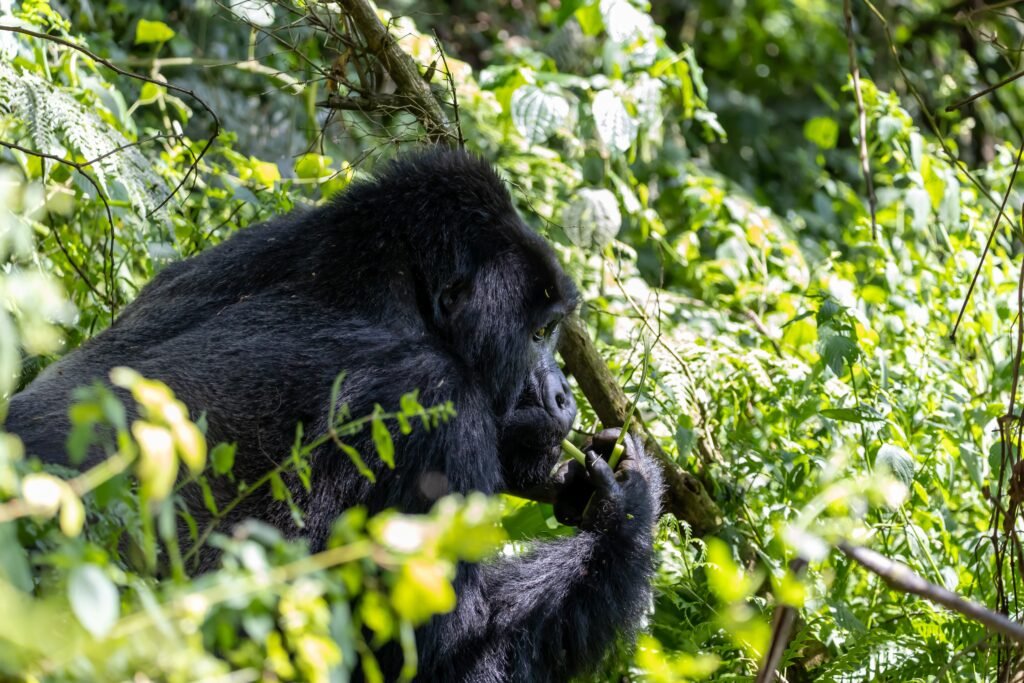
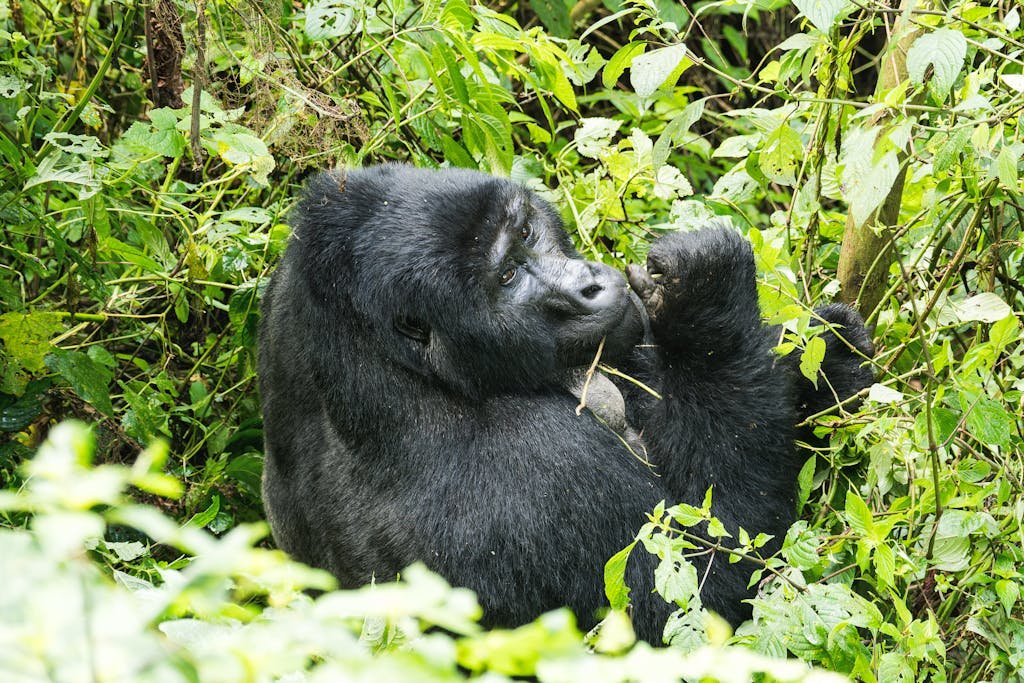
Bwindi Impenetrable National Park Home to roughly half the world’s remaining mountain gorillas. The trek itself takes anywhere from 30 minutes to 7 hours depending on where the gorilla family is that morning. Elevation ranges from about 1,160 to 2,607 meters, so fitness matters. The hour you spend with the gorillas, sitting in damp undergrowth while a silverback pulls bamboo three meters away, is worth every minute of the hike.
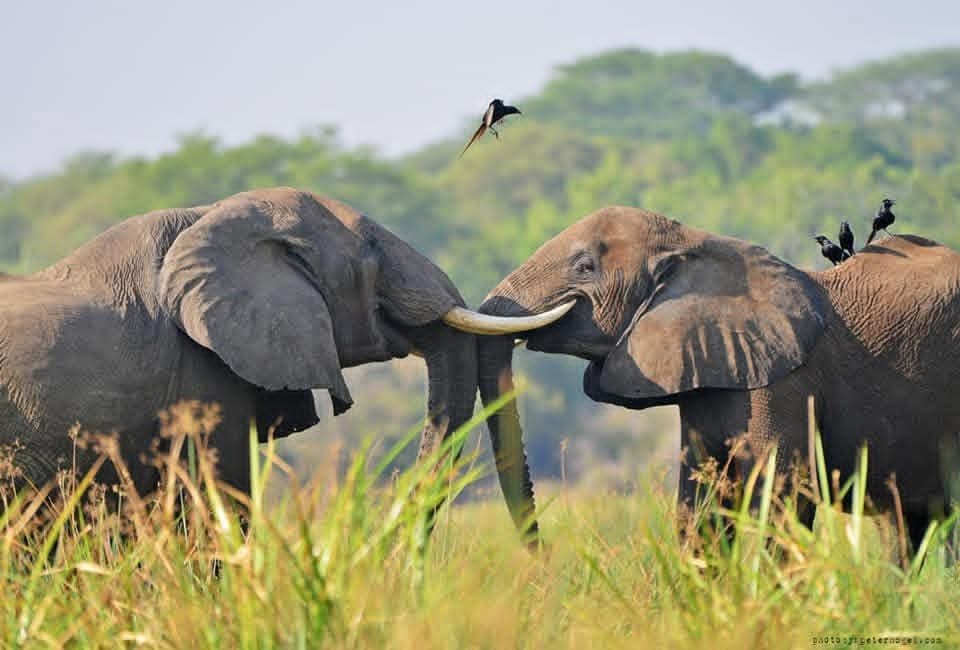
Queen Elizabeth National Park The Kazinga Channel boat cruise here is the best wildlife-per-hour experience in Uganda. Elephants drinking at the waterline, crocodiles on the banks, pelicans in absurd numbers. The Kasenyi plains deliver lion and buffalo sightings regularly. Tree-climbing lions in the Ishasha sector if your itinerary extends south.
Murchison Falls National Park Uganda’s largest national park. The falls themselves force the entire Nile through a gap about 7 meters wide. The sound alone is something.
Kibale Forest National Park The best place in East Africa for chimpanzee tracking. Around 1,500 chimps live in the forest. Morning treks start early, and the guides here (if I’m honest) are some of the sharpest wildlife trackers I’ve encountered anywhere on the continent.
Lake Bunyonyi Not a wildlife destination. A decompression stop. Terraced hills, still water, dugout canoes. Women’s craft cooperatives operate along the shore. This is where group safaris build in a rest day, and you’ll be grateful for it after consecutive early-morning game drives.
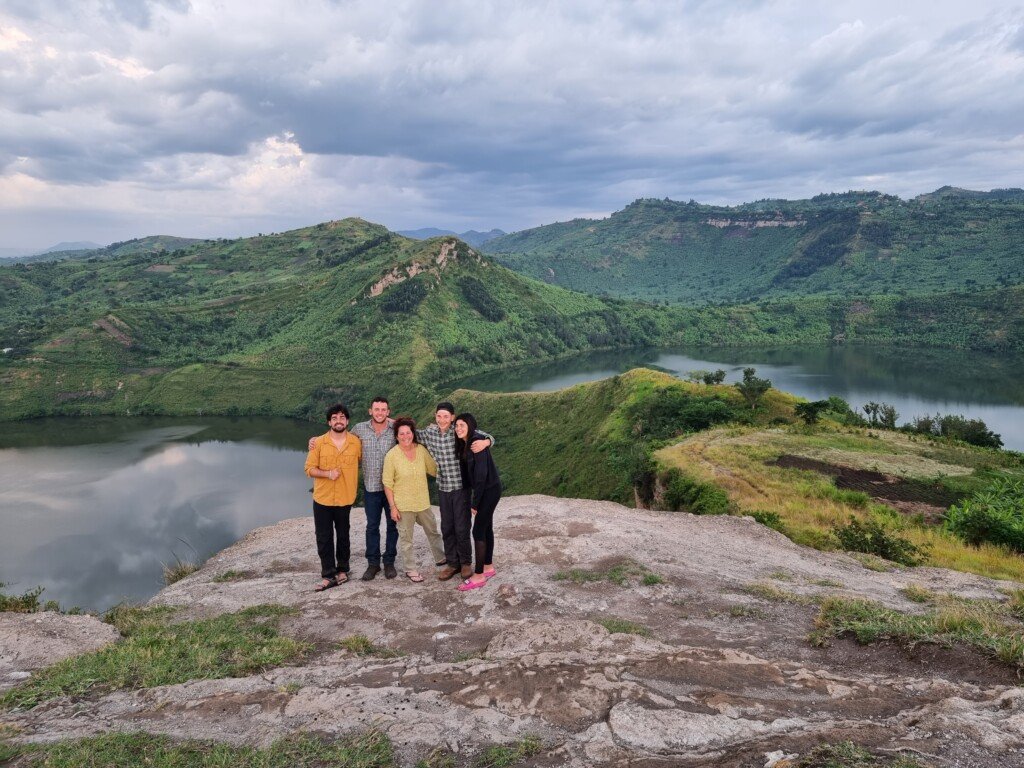
What to Expect on a Uganda Group Safari
Once you’ve chosen your dates and itinerary, the practical side of a group safari becomes much simpler: you share the vehicle, guide and daily journey with the other travelers on your departure. But the real experience is about more than logistics. It’s the early-morning starts, the unexpected wildlife sightings, the conversations during long drives and the small routines that develop as the group gets to know one another.
The pace is early, but not necessarily rushed. Game drives often begin in the morning when wildlife is active, followed by time at the lodge before afternoon activities. Some days involve longer road transfers, while others leave more time for wildlife viewing or boat excursions. The rhythm is less about ticking attractions off a list and more about allowing the landscape to unfold around you.
The food can be another small pleasure of the journey. Lodge kitchens across western Uganda serve solid meals, often with local ingredients. Matoke (steamed green banana), fresh avocado, chapati, and strong Ugandan coffee at breakfast. The smell of wood smoke and roasting groundnuts at a community cooking session is the kind of thing that catches you off guard.
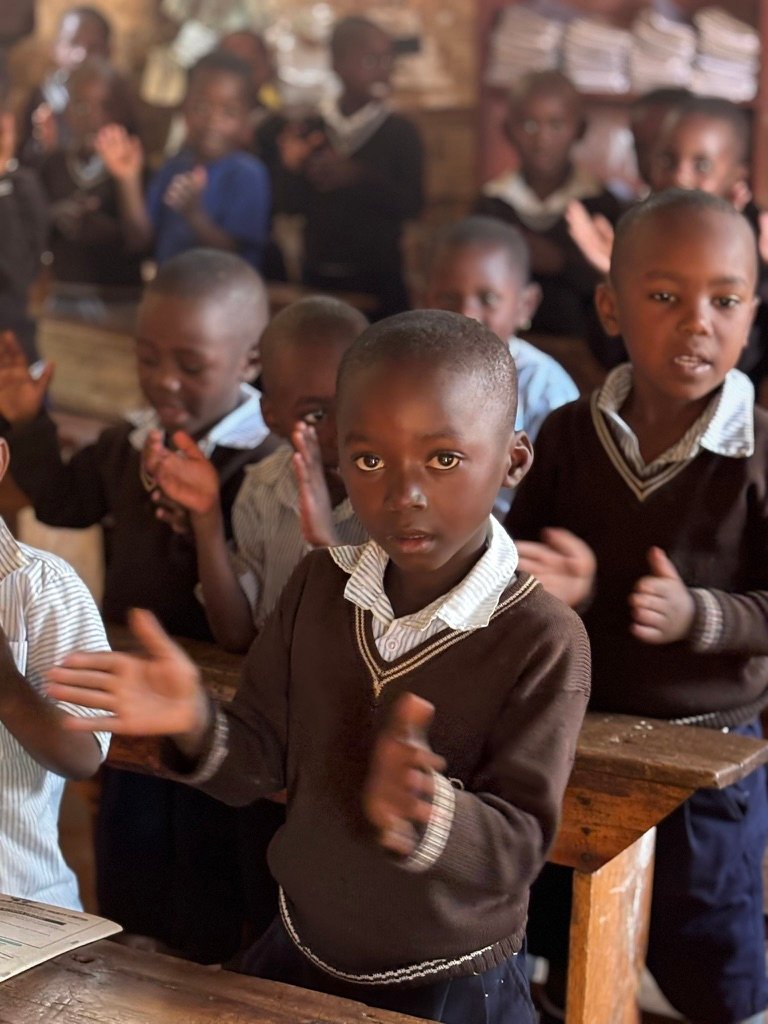
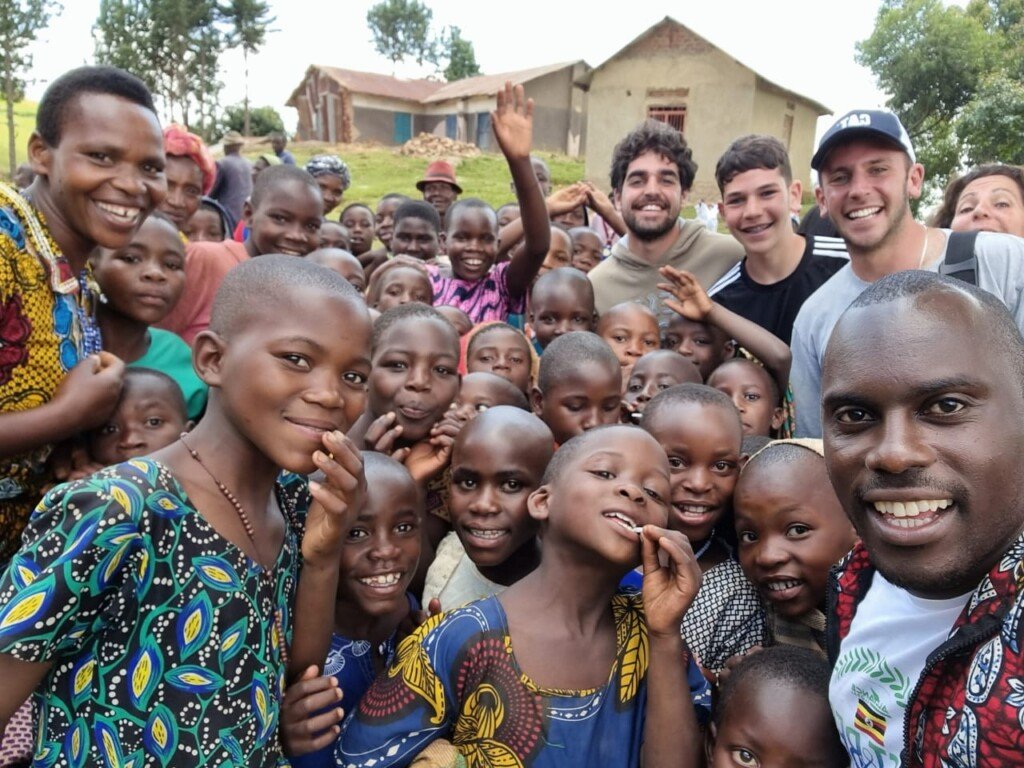
Community experiences can add a very different dimension to the safari. Depending on the itinerary, activities may include village walks, traditional cooking, storytelling, visits to local schools or women’s handicraft initiatives. The most meaningful encounters are the ones that give local people space to share their own stories, skills and perspectives rather than turning everyday life into a photo opportunity. You sit, you talk, you learn something—and ideally, your visit also supports the people and businesses you meet along the way.
20% of every Amatsiko Tours booking fee funds Amatsiko Preparatory School directly. That’s not a vague “we give back” claim. The school is in southwestern Uganda, it’s visitable, and the impact is specific: education, care, and support for orphaned and vulnerable children.
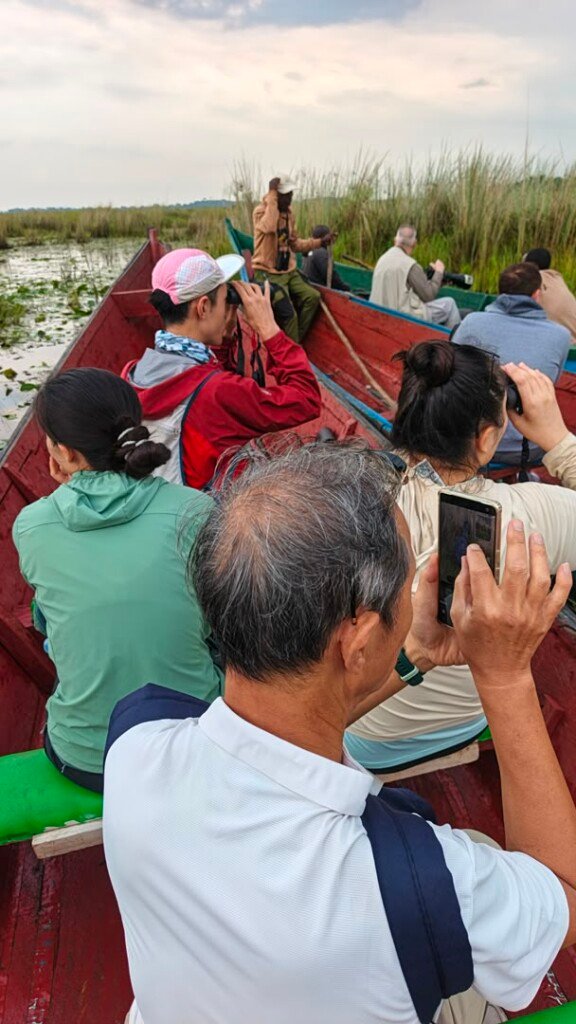
How to Save Money on a Ugandan Safari
Joining a group safari can already reduce the per-person cost compared with booking a private vehicle, but there are other ways to keep the budget under control without taking away the experiences that make Uganda special.
Travel in the green season (March to May and October to November). Some lodges and safari operators may offer lower rates during these periods, and you’ll often encounter fewer visitors. The landscape can be particularly lush and dramatic after the rains. The trade-off is wetter weather and potentially muddier roads and trekking trails.
Choose mid-range lodges over luxury. The wildlife doesn’t change. The difference is often the level of accommodation, service and extras rather than what animals live in the park.
Combine destinations efficiently. A well-planned route can reduce unnecessary backtracking and make better use of your time and transport costs. Longer isn’t automatically better if your budget is tight—although adding a few extra days can make a longer transfer-heavy itinerary feel more relaxed.
Book permits early. If gorilla trekking or chimpanzee tracking is central to your trip, securing the relevant permit before finalizing your travel dates can give you more flexibility. Availability and booking procedures can change, so confirm the current requirements with your operator or Uganda Wildlife Authority.
Join a group. Sharing the safari vehicle, fuel and guiding costs across several travelers can make a significant difference to the per-person price. For solo travelers, this is one of the main financial advantages of a group-joining safari.
Depending on the itinerary, Amatsiko Tours offers different accommodation levels, allowing travelers to balance comfort and budget. The parks and wildlife experience remain the focus; the main difference is the level of accommodation. Same parks, same gorillas. Different pillows.
Uganda Safari Itinerary for Families: Adjustments That Matter
Families can join Uganda group safaris too, although the itinerary needs to be adapted to the ages of the children. Uganda Wildlife Authority currently sets the minimum age for gorilla tracking at 15, while its published chimpanzee-tracking rules set the minimum age at 12.
For younger children, a family itinerary can focus instead on game drives in Queen Elizabeth and Murchison Falls National Parks, boat safaris, nature experiences and community-based activities. This can make the safari enjoyable for the whole family without building the trip around an activity that some children are too young to join.
Lake Bunyonyi can be a relaxing addition to a family itinerary, particularly after several days of driving and wildlife activities. Canoe rides, lakeside walks and visits to local craft cooperatives offer a change of pace and give families opportunities to experience a different side of southwestern Uganda.
The school visit at Amatsiko Preparatory School is genuinely meaningful for traveling families. Kids interact with kids. It’s not staged, and it tends to be the moment families remember most clearly.
Planning a family safari? Age restrictions can vary by activity, so confirm the current requirements with your tour operator and Uganda Wildlife Authority before booking permits or finalizing the itinerary.

Dry Season or Green Season: When to Book Your Group Safari
Factor | Dry Season (Jun–Sep, Dec–Feb) | Green Season (Mar–May, Oct–Nov) |
|---|---|---|
Wildlife visibility | Higher (animals gather at water sources) | Lower (dispersed across lush vegetation) |
Gorilla trekking conditions | Drier trails, easier footing | Muddier, more physically demanding |
Crowds | Peak, especially Jul–Aug | Noticeably fewer visitors |
Photography | Dustier light, golden tones | Dramatic skies, saturated greens |
Pricing | Higher lodge rates, permits sell faster | Lower rates, better availability |
Birding | Good year-round | Best (migratory species present) |
For group wildlife safaris Uganda departures, dry season fills faster. If you want the best group joining safaris in Uganda at the lowest price, green season is the move. Your mileage may vary on the mud.
A Locally Led Operation with Measurable Impact
Amatsiko Tours was founded by Alex Atuheire, a tourism entrepreneur and community development leader with more than 18 years of experience working with NGOs, schools, and community empowerment initiatives in southwestern Uganda. The company is locally owned, locally staffed, and locally guided.
This matters because the money stays in the community. Guides are from the region. Lodges are locally operated. The 20% funding model for Amatsiko Preparatory School isn’t a bolt-on CSR initiative. It’s the reason the company exists.
For solo travelers from the US, UK, Canada, or Germany considering affordable Uganda safaris with a group, the practical question is always: can I trust a small operator I’ve never met? The answer here is specific. Amatsiko Tours maintains a 4.9 out of 5 rating across guest reviews. Guests describe the experience as “transformative,” “not staged,” and “stress-free logistics.” Full safari planning support covers permits, accommodation, transport, and guiding.
Uganda’s safari infrastructure has grown steadily, and the country now offers group joining options that rival Kenya and Tanzania on wildlife density while costing considerably less. Over 1,000 bird species. Half the world’s mountain gorillas. And a community tourism model that lets you see exactly where your money goes.
Frequently Asked Questions
Can I join a Uganda safari if I’m traveling alone?
Yes. Group-joining safaris are designed for travelers who want to book individually and then travel with other guests on a scheduled departure. You share the safari vehicle, guide and itinerary with the rest of the group, making this a practical option if you don’t have a travel companion.
How many people are usually in a Uganda group safari?
Group size depends on the specific departure and vehicle arrangement. When comparing tours, ask the operator for the confirmed group size for your dates rather than assuming every small-group safari has the same number of travelers.
Will I have my own room on a group safari?
That depends on the package you book. Some departures offer single occupancy, while others are priced around shared accommodation. Always check the single supplement and rooming arrangements before confirming your booking.
Are gorilla and chimpanzee permits included in the safari price?
It depends on the itinerary. Some packages include the relevant permits, while others may quote them separately. Check the inclusions carefully before comparing prices between operators, because a lower headline price does not necessarily mean a lower final trip cost.
Can children join a Uganda group safari?
Yes, but the activities available to children depend on their age. Uganda Wildlife Authority restrictions apply to activities such as gorilla and chimpanzee tracking, so families should confirm the current age requirements before booking permits.
Is seven days enough for a Uganda safari?
Seven days can give you a rewarding introduction to several major wildlife destinations, but it won’t cover everything. If gorilla trekking is a priority, or if you want to include Bwindi, Lake Bunyonyi and additional cultural experiences, consider a longer itinerary.
Is a group safari cheaper than traveling privately?
It can be, particularly for solo travelers, because costs such as the vehicle, fuel and guide are shared among several guests. The actual saving depends on the itinerary, accommodation, group size and what is included in the package.
When should I book a Uganda group safari?
If gorilla trekking is part of your plans, it’s sensible to start planning well in advance because permits are limited and specific dates may not always be available. For any safari, confirm the current departure dates, inclusions and permit requirements before making your final arrangements.
Ready to See Uganda for Yourself?
Traveling alone doesn’t mean you have to experience Uganda alone.
From the mist of Murchison Falls to chimpanzees calling through the forests of Kibale and elephants gathering along the Kazinga Channel, a small-group safari gives you the chance to experience the country while sharing the journey with other travelers.
If you’ve been dreaming about gorillas, wildlife and the landscapes of Uganda but haven’t had someone to travel with, this could be the moment to start planning.
Explore current Uganda group safari departures and speak with a safari specialist to find an itinerary that fits your dates, interests and budget.
Not ready to book yet? Save this guide, share it with a fellow traveler, or send it to the friend you’ve been waiting to travel with.
Alex Atuheire
 Powered by TypeHero