
Queen Elizabeth National Park
Queen Elizabeth National Park Uganda – A Classic African Safari Experience
Queen Elizabeth National Park is Uganda’s most iconic safari destination, offering one of the most diverse and rewarding wildlife safari experiences in East Africa. Spanning nearly 2,000 square kilometres (770 square miles) in western Uganda, the park is a breathtaking mosaic of rolling savannahs, crater lakes, lush wetlands, and tropical forests.
Renowned for its incredible biodiversity, Queen Elizabeth National Park Uganda is home to over 95 mammal species and more than 600 bird species, making it a top destination for Uganda wildlife safaris and birdwatching tours.
Unforgettable Wildlife Encounters
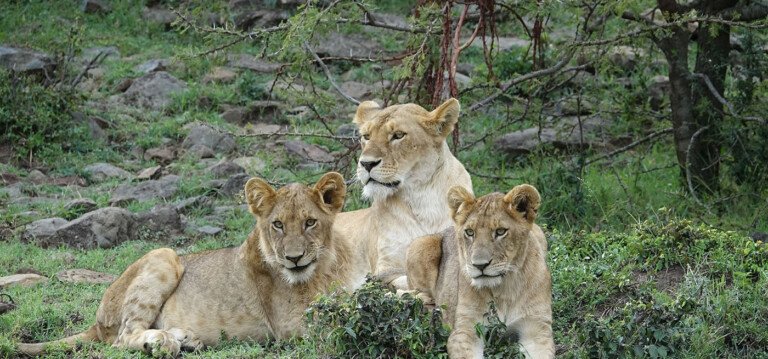
Step into the heart of the African wilderness, where unforgettable safari moments unfold at every turn. Watch herds of elephants roam freely across golden plains, and head to the Ishasha sector, famous for its rare tree-climbing lions in Uganda, often seen resting in fig trees.
A highlight of any visit is a boat cruise along the Kazinga Channel, one of the best places in Africa to see large concentrations of hippos, buffalo, crocodiles, and water birds up close. As the sun sets, the channel comes alive with wildlife activity, offering one of the most scenic safari experiences in Uganda.
Track elusive leopards on game drives, spot African fish eagles soaring overhead, and immerse yourself in the raw beauty of a park that perfectly captures the spirit of a classic African safari in Uganda.
Top Activities in Queen Elizabeth National Park Uganda
Queen Elizabeth National Park offers one of the most diverse ranges of safari activities in Uganda, making it a top destination for wildlife lovers, birdwatchers, and adventure travelers.
A Birdwatcher’s Paradise
With over 600 bird species recorded, Queen Elizabeth National Park Uganda is one of the best destinations for birdwatching in Africa. From the rare shoebill stork to the vibrant malachite kingfisher, the park’s wetlands, savannahs, and forests are alive with colour and sound.
Whether you are an experienced birder or a first-time visitor, birdwatching in Queen Elizabeth National Park offers an unforgettable experience in one of East Africa’s richest ecosystems.
Tree-Climbing Lions in the Ishasha Sector
The Ishasha sector of Queen Elizabeth National Park is famous for its rare tree-climbing lions, a unique behaviour not commonly seen elsewhere in Africa.
During game drives, visitors may spot these iconic lions resting in fig trees an extraordinary sight that makes this region one of the highlights of any Uganda wildlife safari.
Crater Lakes & Scenic Views
Formed by ancient volcanic activity, the park’s crater lakes region offers breathtaking panoramic views and some of the most scenic landscapes in Uganda.
Explore rolling hills, deep craters, and shimmering lakes, with the majestic Rwenzori Mountains providing a dramatic backdrop. Guided nature walks around the crater lakes offer a peaceful contrast to game drives, allowing visitors to fully appreciate the park’s natural beauty.
Cultural Encounters & Community Experiences
A visit to Queen Elizabeth National Park is not complete without experiencing the rich culture of surrounding communities.
Travelers can explore traditional music and dance, visit Lake Katwe to learn about local salt mining practices, and engage with communities that have lived alongside wildlife for generations. These cultural experiences add depth, authenticity, and meaning to your safari journey.
Things to Do in Queen Elizabeth National Park
- Game drives in Kasenyi Plains and Ishasha sector
- Boat safaris on the Kazinga Channel
- Birdwatching in Queen Elizabeth National Park
- Nature walks and crater lake hikes
- Chimpanzee trekking in Kyambura Gorge
- Cultural and community tours (including Lake Katwe)
- Wildlife photography safaris
- Lion tracking experience
- Scenic views of the Rwenzori Mountains
Facts
Queen Elizabeth National Park – Quick Facts
With its diverse ecosystems, abundant wildlife, and postcard-worthy landscapes, Queen Elizabeth National Park Uganda offers one of the most unforgettable Uganda safari experiences. Come for the game drives, stay for the soul-stirring sunsets, and leave with memories that last a lifetime.
- Established: 1952 (originally Kazinga National Park), renamed in 1954 after Queen Elizabeth II’s visit
- Location: Western Uganda, within the Albertine Rift Valley
- Size: Approximately 1,978 km² (764 sq mi)
- Biodiversity: Over 95 mammal species and 600+ bird species, making it one of Africa’s most biologically diverse national parks
- Landscape: A stunning mix of savannah plains, crater lakes, tropical forests, wetlands, and volcanic features
- Wildlife Highlights: African elephants, hippos, buffaloes, leopards, chimpanzees, crocodiles, Uganda kob, and the famous tree-climbing lions of Ishasha
- Top Experiences: Game drives, Kazinga Channel boat cruises, chimpanzee trekking in Kyambura Gorge, birdwatching, crater lake walks, and cultural encounters with local communities
Most Common Animals
- Elephants
- Lions (including tree-climbing lions)
- Hippos
- Leopards
- Buffalo
- Ugandan kob
- Warthogs
- Crocodiles
- Chimpanzees (in Kyambura Gorge)
- Over 600 bird species
How to get there
By air: Scheduled flights are available from Entebbe to Mweya or Kasese Airstrip.
By road: A full-day drive (7–8 hours) from Kampala through Fort Portal or Mbarara, with scenic stops along the way.
Climate
The park has a warm climate year-round, with average temperatures ranging from 18°C to 29°C. Rainy seasons are March to May and September to November, but wildlife sightings are excellent throughout the year.
Best Time To Visit
Dry seasons (June to August, December to February) offer easier game viewing and better road conditions. However, the park is beautiful and rewarding all year—especially for birders and travellers seeking quieter experiences.
Let us create your tailor-made trip
Receive a free, no obligation quote

Call an expert
Our Ugandan specialists are here to help you create your dream trip.