Yellow Fever Certificate Uganda: New Entry Requirements for Travelers in 2026
Traveling to Uganda? Here’s the latest Yellow Fever entry update, what has changed, what hasn’t, and what you should know before your safari.
Table of Contents
Updated: October 2026
There is good news for travelers planning a journey to the Pearl of Africa. A Yellow Fever certificate is no longer mandatory for entry into Uganda.
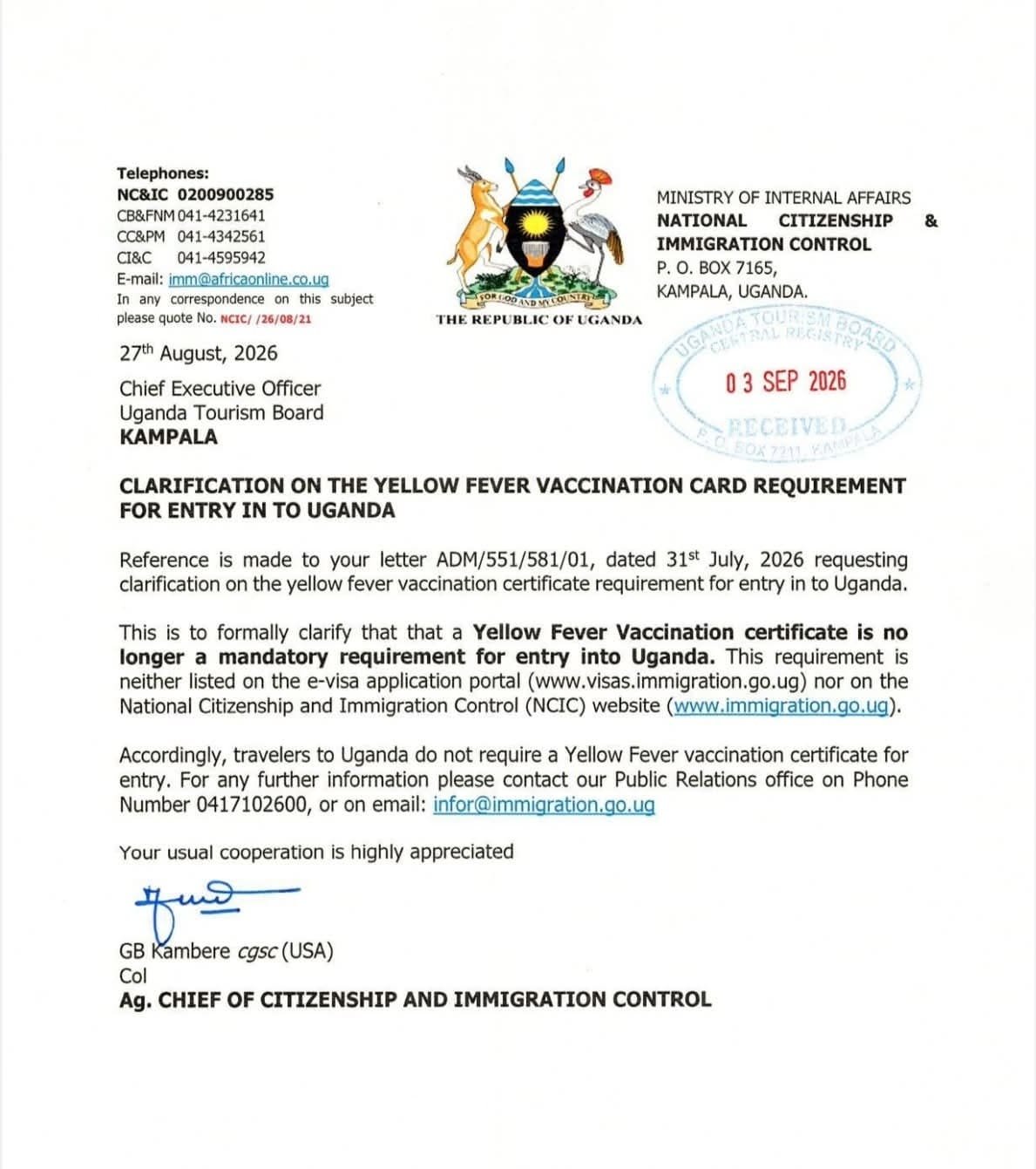
On October 2, 2026, Uganda’s National Citizenship and Immigration Control (NCIC) officially confirmed that travelers entering Uganda no longer need to present a Yellow Fever Vaccination Certificate at the border. The requirement has also been removed from Uganda’s official e-Visa application requirements.
For anyone preparing for a Uganda safari, gorilla trekking adventure, wildlife holiday or cultural journey, this makes the paperwork a little simpler.
But there is an important detail that travelers should understand.
The removal of the Yellow Fever certificate requirement does not mean that Yellow Fever vaccination is no longer recommended for travel to Uganda.
Uganda remains a country where Yellow Fever transmission occurs, and the World Health Organization continues to recommend vaccination for travelers visiting areas where there is a risk of Yellow Fever transmission, subject to individual medical considerations.
So, what exactly has changed?
Let’s take a closer look.
Yellow Fever Certificate Uganda: What Has Changed?
The biggest change is straightforward.
Travelers to Uganda no longer need a Yellow Fever vaccination certificate as a mandatory entry document.
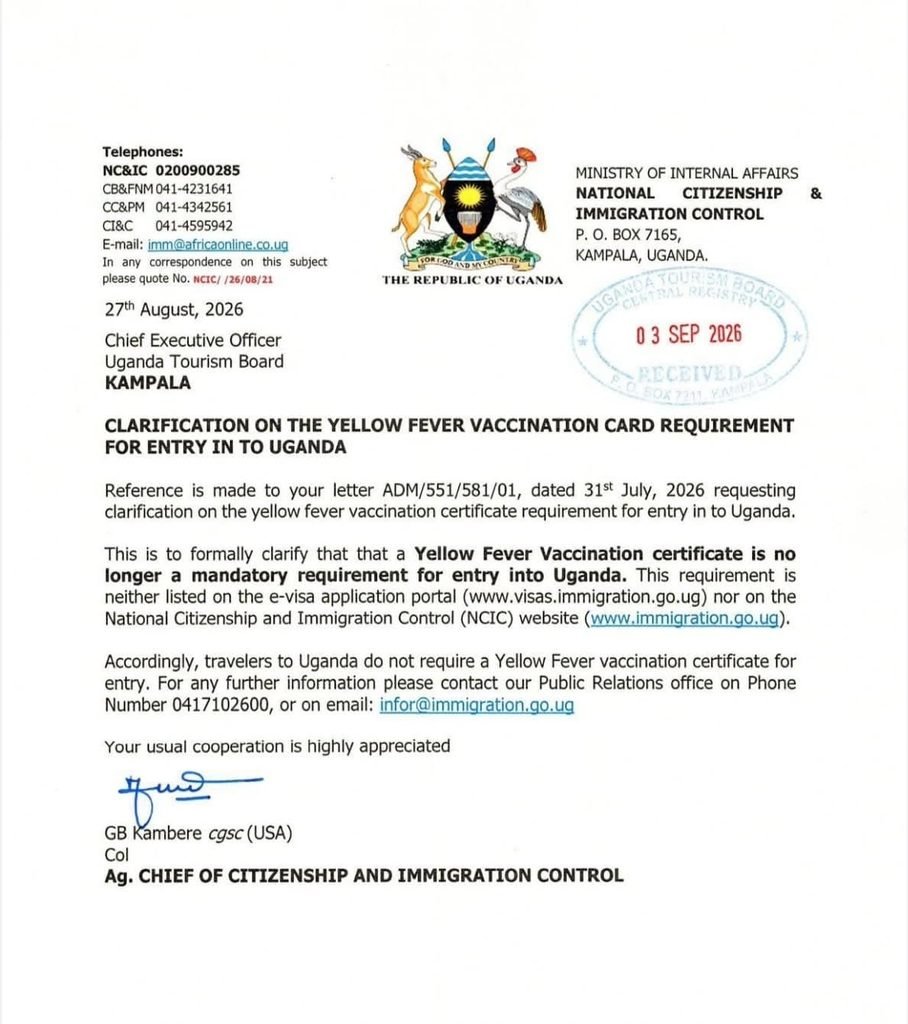
Uganda’s National Citizenship and Immigration Control published an official notice on October 2, 2026, confirming that the Yellow Fever Vaccination Certificate is no longer a mandatory requirement for entry into Uganda. NCIC also confirmed that the requirement is no longer listed on the official e-Visa application portal or the NCIC website.
You can read the official NCIC Yellow Fever entry notice for the government’s confirmation of this change.
This is important because Yellow Fever documentation has traditionally been one of the travel-health considerations people associate with visiting Uganda.
If you are arriving for a safari, gorilla trekking or a cultural adventure, you therefore no longer need to prepare your travel documents around the expectation that immigration officers will require a Yellow Fever certificate for entry.
However, we recommend keeping an eye on official travel information as your departure date approaches. Immigration and health requirements can change, and your personal itinerary may involve other countries with their own rules.
The simple version
Before the October 2026 announcement:
Travelers commonly had to consider a Yellow Fever vaccination certificate as part of their Uganda entry documentation.
From October 2, 2026:
Uganda’s NCIC confirmed that the certificate is no longer mandatory for entry.
What remains important:
Yellow Fever vaccination is still recommended for travelers visiting Uganda because the country has a risk of Yellow Fever transmission.
That last distinction is perhaps the most important part of this entire update.
Is Yellow Fever Vaccination Still Recommended for Uganda?
Yes.
The fact that Uganda has removed the certificate requirement does not mean that the health risk has disappeared.
These are two different things.
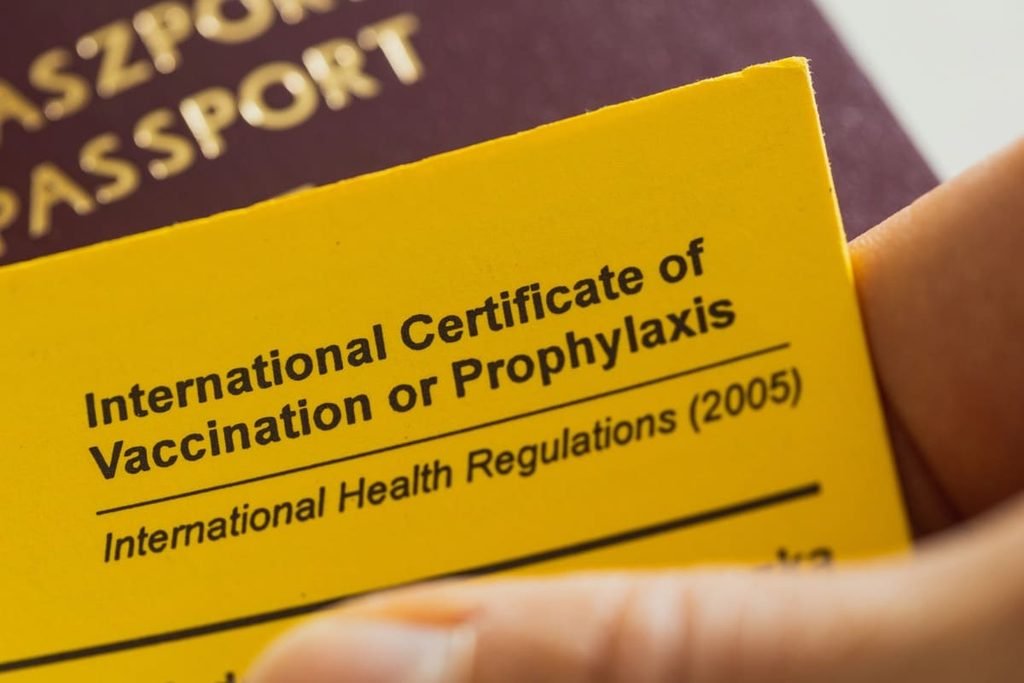
A vaccination certificate is a travel document. Vaccination itself is a health measure designed to protect you against Yellow Fever.
The World Health Organization’s Yellow Fever guidance continues to provide recommendations for travelers visiting areas where Yellow Fever transmission occurs.
For this reason, travelers should not interpret the new immigration announcement as medical advice to skip vaccination.
Instead, think of it this way:
Entry requirement: You no longer need to present the Yellow Fever certificate to enter Uganda.
Health recommendation: Yellow Fever vaccination may still be recommended to protect you while traveling in Uganda.
Before your journey, speak with a doctor or qualified travel-health professional about your personal circumstances, itinerary, previous vaccinations and any medical considerations that may affect vaccination decisions.
You can also explore our Uganda Vaccinations and Travel Health Guide for additional practical information when preparing for your trip.
Why Did Uganda Remove the Yellow Fever Certificate Requirement?
The official NCIC announcement confirms the change, but it does not provide a detailed explanation of why the policy was changed.
What we can say with certainty is that the requirement has been removed from the official entry requirements published by Uganda’s immigration authorities and from the country’s e-Visa application portal.
For travelers, the practical effect is what matters most: Yellow Fever vaccination documentation is no longer a mandatory entry document for Uganda.
Because travel requirements can evolve, we recommend checking the official Uganda immigration website before departure rather than relying on an old blog post, social media comment or travel forum.
This is particularly important when traveling through several countries.
What If Uganda Is Only One Stop on Your Trip?
This is something many travelers overlook.
Perhaps your journey begins in Kenya, continues to Uganda and then takes you to Rwanda or Tanzania. Or perhaps you are flying through another African country before arriving in Entebbe.
In that case, Uganda’s rules are only one part of the picture.
The entry requirements of other countries on your itinerary may be different.
The fact that Uganda no longer requires a Yellow Fever certificate does not automatically mean that another country you visit or transit through has removed its own requirements.
If your trip involves several destinations, check the current requirements for each country and discuss your complete itinerary with a qualified travel-health professional.
This small step can save a lot of stress later.
What Else Should You Prepare Before Traveling to Uganda?
Once the Yellow Fever question is settled, there are still several practical things to organize before your adventure begins.
At Amatsiko Tours, we believe preparation should make travel feel easier, not more complicated. The goal is to arrive in Uganda ready to enjoy the red earth, green hills, rainforest sounds, warm hospitality and incredible wildlife.
Here are some of the essentials to consider.
1. Check Your Passport and Visa Requirements
Make sure your passport meets the requirements for your journey and check whether you need a Ugandan visa.
Uganda’s immigration authority operates an official electronic visa system, so always use the current government information when checking visa requirements.
For the latest information, visit the Uganda National Citizenship and Immigration Control website.
Do not rely solely on information published by tour operators or older travel articles, particularly when it comes to immigration rules.
2. Speak to a Travel-Health Professional
Your health preparation should go beyond Yellow Fever.
Depending on your itinerary and personal circumstances, a travel-health professional may discuss vaccinations, malaria prevention, insect-bite protection and other precautions with you.
Our Uganda Vaccinations and Travel Health Guide can help you understand the main issues to consider before your trip.
But remember: online travel information cannot replace personalized medical advice.
3. Think About Malaria Prevention
Malaria is another important consideration for many travelers to Uganda.
Your travel-health professional can advise you about appropriate prevention based on your itinerary and health circumstances.
Simple habits can also help: use insect repellent, wear appropriate clothing in the evening and follow the medical advice you receive before departure.
4. Prepare for the Kind of Uganda You Want to Experience
Uganda is not simply a safari destination.
You can wake up to mist rolling across the hills around Bwindi, listen to forest birds while trekking for gorillas, watch hippos along the Kazinga Channel, walk through communities around Lake Bunyonyi or meet people whose livelihoods are connected to tourism.
If gorilla trekking is part of your dream, explore our Gorilla Trekking in Uganda guide.
For travelers looking for a broader experience, discover our Uganda Safaris and Tours and start imagining how you would like to experience the Pearl of Africa.
Planning a Uganda Gorilla Trek After the New Entry Update?
For many visitors, the Yellow Fever update is just one small piece of a much bigger adventure.
Imagine waking before sunrise in southwestern Uganda.
The air is cool. The hills disappear into soft morning mist. Your boots are damp from the forest trail, and somewhere ahead, deep inside the ancient rainforest, a gorilla family is beginning its day.
Then the forest becomes quiet.
Your guide signals that you are close.
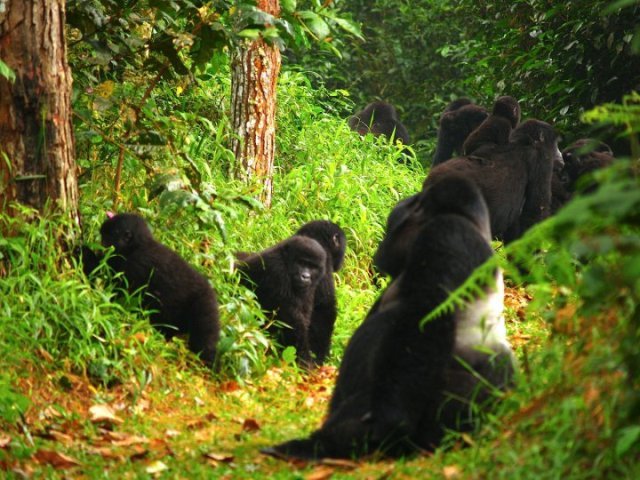
A few minutes later, leaves move and a dark shape appears through the vegetation.
This is the moment many travelers come to Uganda for.
Gorilla trekking takes place in Uganda’s southwestern protected forests, including Bwindi Impenetrable National Park and Mgahinga Gorilla National Park. The experience combines wildlife, rainforest, physical adventure and interaction with local guides and communities.
But responsible travel matters here.
Following ranger instructions, maintaining the required distance from wildlife, avoiding litter and respecting local communities all help protect the places and people that make the experience possible.
If this is part of your plans, read our detailed Gorilla Trekking in Uganda guide before you travel.
Traveling Responsibly in Uganda
A change in an entry requirement is a useful reminder that responsible travel is about more than paperwork.
It is also about how we behave once we arrive.
Uganda’s forests, lakes, savannahs and communities are not simply attractions. They are living places.
When you travel here, small choices can make a meaningful difference.
Support Local Businesses
Choose locally owned accommodation, restaurants, guides and craftspeople where possible.
That means more of your travel spending remains within the communities you visit.
A locally guided experience can also give you something a large international tour operation cannot easily provide: personal stories, local knowledge and a deeper understanding of the place you are visiting.
Respect Wildlife
Whether you are watching elephants on safari or gorillas in the forest, follow your guide and ranger’s instructions.
Wild animals should never be treated like performers.
Keep your distance, avoid loud noises and never attempt to feed wildlife.
Reduce Plastic Waste
Carry a reusable water bottle where practical and refill it at safe water stations rather than continually buying single-use plastic bottles.
It is a small habit, but when thousands of visitors make similar choices, the impact adds up.
Respect Communities and Culture
Ask before taking photographs of people, listen to local guides and approach cultural experiences with curiosity rather than judgment.
Remember that you are a guest.
A friendly greeting, patience and genuine interest can turn a short encounter into one of the most memorable parts of your journey.
Leave Natural Places as You Found Them
The simplest rule is often the best: take your rubbish with you and leave plants, rocks and other natural features where they belong.
These habits do not make a Uganda trip less enjoyable.
They make the experience richer.
When you know that your visit is helping support local livelihoods and conservation, the journey can feel much more meaningful.
What Should You Pack for Uganda?
The ideal packing list depends on your itinerary.
A traveler heading into Bwindi for gorilla trekking will need different equipment from someone spending most of their trip on game drives.
For a general Uganda adventure, consider:
- Lightweight, breathable clothing
- A light waterproof jacket
- Comfortable walking shoes
- Sturdy hiking boots for trekking
- Insect repellent
- Sun protection
- Personal medication
- A reusable water bottle
- A small daypack
- Camera or phone
- Binoculars for wildlife viewing
- A waterproof bag or protection for electronics
If gorilla trekking is on your itinerary, our Bwindi trekking packing guide provides more specific advice about what to bring on the forest trails.
Yellow Fever Certificate Uganda: Frequently Asked Questions
Do I need a Yellow Fever certificate to enter Uganda in 2026?
No. Uganda’s National Citizenship and Immigration Control confirmed on October 2, 2026 that a Yellow Fever Vaccination Certificate is no longer mandatory for entry into Uganda.
You can read the official NCIC announcement for the latest government confirmation.
Do I still need to get vaccinated against Yellow Fever?
The removal of the entry certificate requirement does not mean that vaccination is no longer recommended.
The World Health Organization’s Yellow Fever guidance continues to provide health recommendations for travelers visiting areas where Yellow Fever transmission occurs.
Speak with a qualified travel-health professional about what is appropriate for you.
Is the Yellow Fever certificate still required for the Uganda e-Visa?
According to the October 2, 2026 NCIC notice, the Yellow Fever certificate requirement is no longer listed on Uganda’s official e-Visa application portal.
Travelers should nevertheless check the official Uganda immigration website before applying, as immigration requirements can change.
Can Yellow Fever entry requirements change again?
Yes.
Immigration and public-health requirements can change. Travelers should check the latest official information before departure, especially if their trip is several months away.
What if I am traveling to Uganda from another African country?
Check the requirements for your complete itinerary.
Other countries may have their own Yellow Fever documentation rules, and those rules may differ from Uganda’s.
This is especially important if your trip involves international transit or several destinations.
Where can I find the official Uganda immigration update?
The official announcement was published by Uganda’s National Citizenship and Immigration Control on October 2, 2026.
You can read the official NCIC Yellow Fever notice.
Where can I find information about Yellow Fever health recommendations?
The World Health Organization Yellow Fever information page provides international health information and recommendations.
What This Means for Your Uganda Adventure
For travelers dreaming of Uganda, this is a welcome simplification.
You can now arrive without worrying about presenting a Yellow Fever vaccination certificate as a mandatory entry document.
But the sensible approach is not to stop there.
Prepare your passport and visa requirements. Check your health needs. Talk to a qualified travel-health professional. Look at the requirements for every country on your itinerary.
And then start thinking about the exciting part.
The misty forests of Bwindi.
The golden savannah of Queen Elizabeth National Park.
The chimpanzees of Kibale.
The still waters of Lake Bunyonyi.
The thunder of the Nile at Murchison Falls.
The warmth of Ugandan communities.
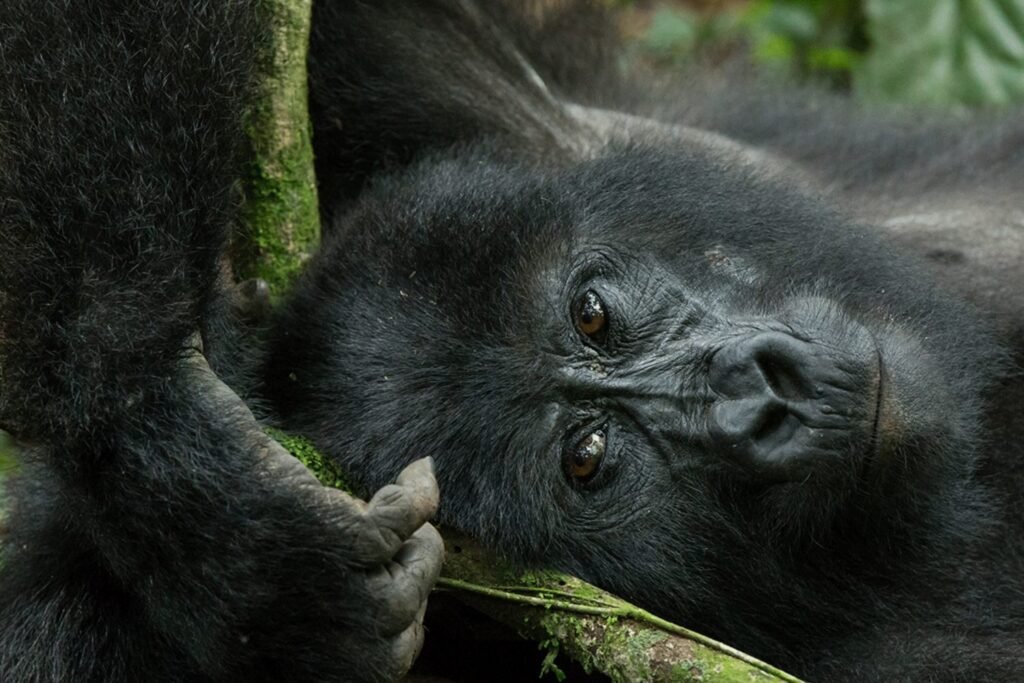
And the quiet moment when a mountain gorilla looks back at you through the green forest.
That is Uganda.
At Amatsiko Tours, we believe the best journeys are about more than ticking places off a list. They are about meeting people, understanding landscapes, supporting local communities and returning home with stories that stay with you.
Whether you are planning your first Uganda safari or returning for a deeper experience, we would love to help you create a journey that connects wildlife, culture and community.
Ready to experience Uganda beyond the ordinary safari?
Explore our Uganda Safaris and Tours and start planning your journey.
Official Sources
For the latest information, travelers should always prioritize official sources:
- Uganda National Citizenship and Immigration Control — Official Yellow Fever Notice
- Uganda National Citizenship and Immigration Control
- World Health Organization — Yellow Fever
Travel requirements and health recommendations can change. This article reflects the October 2, 2026 NCIC announcement and the health information available at the time of publication. Travelers should verify current requirements before departure and seek individualized medical advice from a qualified health professional.