Best Time to Visit Pian Upe Wildlife Reserve | Uganda Safari Guide (2026)
At a Glance
Dry seasons (June–August, December–February) are best for safaris and reliable road conditions.
Table of Contents
Rainy seasons (March–May, September–November) are ideal for birdwatching with greener landscapes.
Early mornings offer the best wildlife viewing opportunities.
Dry months provide better logistics and fewer delays.
Plan activities according to the season for a more enjoyable experience.
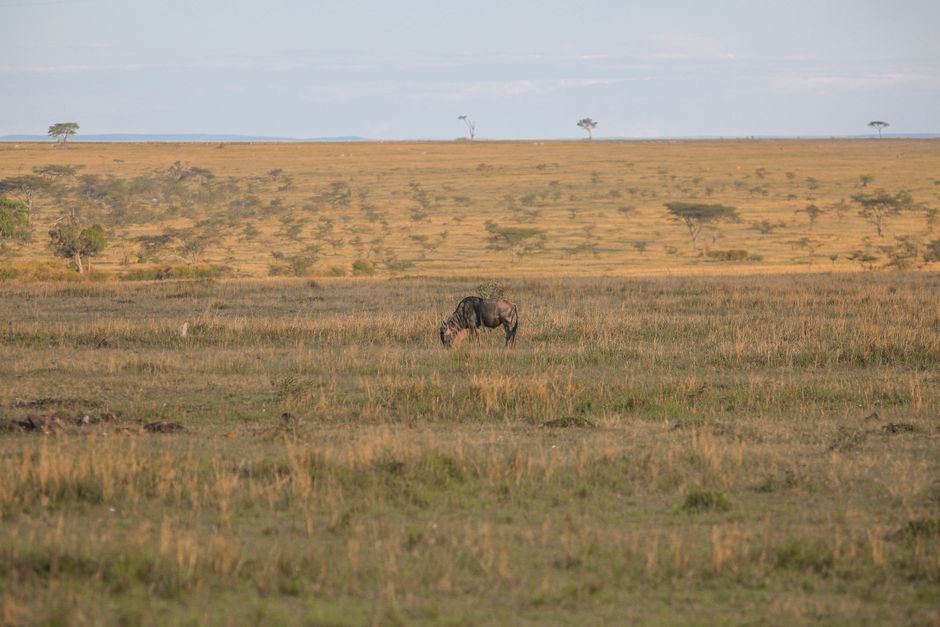
The best time to visit Pian Upe Wildlife Reserve lines up with Uganda’s dry seasons, June–August and December–February, when roads stay more reliable and game drives run on schedule. Pian Upe rewards you with space, silence, and long sightlines across open savannah. You’ll hear wind in the grass, distant bird calls, and the crunch of tires on dry tracks.
This is an off-the-beaten-path reserve in northeastern Uganda. Plan it like you mean it. Timing changes everything.
Best time to visit Pian Upe Wildlife Reserve for wildlife viewing
Dry-season travel, June–August and December–February, gives you the clearest, most predictable safari days in Pian Upe. You get shorter grass, better visibility, and fewer weather delays on park tracks. If you’re building a wider itinerary, this timing also matches the best time to visit Uganda for classic savannah parks.
Go early. First light is the whole point here.
Wildlife in Pian Upe is about scanning, listening, and staying patient. The reserve’s wide savannah landscapes suit long, steady game drives rather than quick “big sighting” loops. And because Pian Upe is less crowded, you’ll spend more time parked with the engine off, letting the place settle around you.
Practical, insider detail: keep your first drive of the day for the coolest hours, then save a slower nature walk for later when the sun’s up and you can read tracks in the dust without rushing.
“We searched for a wholly local tour operator hoping our visit to Uganda might benefit local communities as well as including Uganda’s natural beauty and wildlife. Amatsiko Tours is owned and operated by Alex and Alphonse, who have dedicated their working lives to helping the most vulnerable in their communities. Alex curated a two weeks itinerary for us that provided the most amazing and memorable experiences: visiting remote communities and schools, welcomed by so many people in out of the way places, gaining insights into community life and culture, walking with rhinos, giraffes and zebras, and of course gorilla and chimpanzee trekking.”
— lorrainebL9532PA, TripAdvisor, 5.00
“From the moment we arrived, everything was handled with a level of care and professionalism that made the entire experience effortless. Airport pickup, beautiful accommodations, seamless transportation, and delicious meals. Every detail was thoughtfully arranged. We were driven in a spotless, comfortable vehicle and never once had to worry about logistics. We could simply be present and absorb the experience.”
— 565carolyno, TripAdvisor, 5.00
“If you’re considering a trip to Uganda, stop searching. Amatsiko Tours is in a class entirely of its own. From the moment we arrived, everything was handled with a level of care and professionalism that made the entire experience effortless. What truly sets Amatsiko apart is Alex and Alphonse. They don’t just guide you. They invite you into the heart of Uganda.”
— Sophie Schneeberger, Google, 5.00
Pian Upe Wildlife Reserve weather and seasonal feel
Pian Upe Wildlife Reserve weather shapes your comfort as much as your sightings. Uganda’s seasons run in two dry windows, June–August and December–February, and two rainy windows, March–May and September–November. In dry months you’ll deal with dust and bright skies. In rainy months you’ll trade easier driving for green grass, heavier air, and muddier roads.
Dry season feels crisp at dawn, then warms fast. You’ll smell dust, sun-warmed grass, and diesel on the first start-up. Rainy season feels softer and cooler on the skin, with damp earth and that “storm’s coming” smell in the air.
Two planning rules we use:
If you want the smoothest logistics, stick to dry months.
If you want fewer visitors and strong bird activity, accept rain and build buffer time.
And yes, the best time to visit Uganda for many travelers still lands in the dry seasons because it keeps road transfers predictable across multiple parks.
Best time to visit Pian Upe Wildlife Reserve for birdwatching
The best time to visit Pian Upe for birdwatching usually sits in Uganda’s greener, rainy seasons, March–May and September–November, when habitats look fuller and birdlife stays active. Uganda supports 1,000+ bird species overall, and green months generally bring more movement, more calls, more variety.
You’ll hear it before you see it. A chorus at sunrise, then single sharp notes as the day heats up.
This is where your pacing matters. Birding in open savannah works best when you stop often and scan slowly, not when you chase distance. If you’re being picky, avoid the temptation to cram birdwatching into the same rushed morning as a long game drive. Give it its own block of time.
The best time to visit Pian Upe for birdwatching also depends on your tolerance for road conditions. If you hate uncertainty, choose late in a rainy window rather than the start, and keep your itinerary flexible.
Pian Upe Wildlife Reserve activities that fit each season
Pian Upe Wildlife Reserve activities change with the seasons, and you’ll enjoy the reserve more when you match the activity to the conditions. Dry months favor long drives and walking. Rainy months favor slower, more local days with extra time for culture and birding.
Here’s how we’d sequence your days:
Dry-season Pian Upe Wildlife Reserve activities
Dry season supports the cleanest safari rhythm: early drive, break, late drive. The air feels drier, and your clothes pick up fine dust by mid-morning.
Prioritize:
Game drives with long sightlines across savannah
Nature walks when the ground is firm underfoot
Cultural encounters that don’t depend on perfect road timing
Photography days when you want consistent light and fewer rain interruptions
Rainy-season Pian Upe Wildlife Reserve activities
Rainy season demands patience. Roads slow down, and wildlife in Pian Upe spreads out because water sits in more places. But the landscape looks greener, skies turn dramatic, and birdlife stays busy.
Prioritize:
Birdwatching blocks during active morning hours
Shorter game drives with realistic expectations
Cultural encounters as a “fixed point” day when weather shifts
Walks only when conditions are safe and firm enough
Honest limitation: if you’re set on a tight schedule with zero wiggle room, rainy months will frustrate you. Pian Upe is peaceful wilderness, not a place to sprint.
Best time to visit Pian Upe Wildlife Reserve within a wider Uganda itinerary
The best time to visit Pian Upe Wildlife Reserve gets even clearer when you connect it to the best time to visit Uganda overall. Uganda’s dry seasons, June–August and December–February, are the most reliable windows for multi-park travel because road conditions improve and day plans hold.
If you’re pairing experiences, keep the season logic consistent:
Dry season for savannah circuits and smooth transfers
Rainy season for greener landscapes, fewer visitors, and stronger birding
If you’re adding primates elsewhere in Uganda, note that gorilla trekking in Bwindi Impenetrable National Park and Mgahinga Gorilla National Park is strongest in the same dry windows. Treks commonly run 2–6 hours, and you typically spend one hour with the gorillas once located.
Cluster planning helps. Start with broader park context using our guide to national parks in Uganda, then tighten your route around the season you’ve chosen.
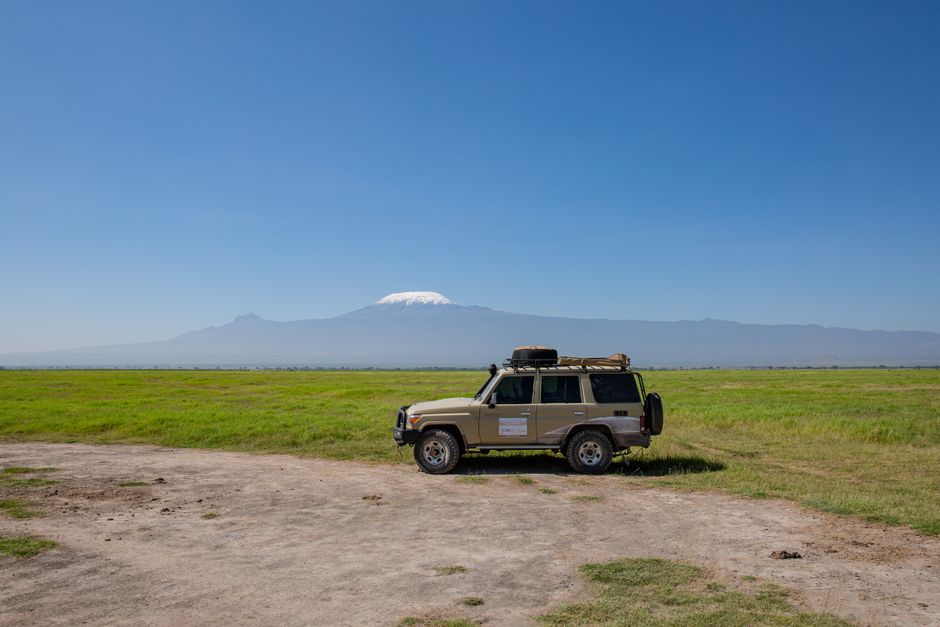
A practical call: if you’re traveling in the dry season, lock your key dates early. Demand rises in these months across Uganda, and availability tightens in the same windows that deliver the easiest logistics.
How to get to Pian Upe Wildlife Reserve and plan around road conditions
How to get to Pian Upe Wildlife Reserve becomes a timing question in rainy months. Uganda’s rainy seasons, March–May and September–November, bring muddier or rutted roads in remote areas, slower transfers, and occasional delays. Dry seasons, June–August and December–February, reduce that friction.
Treat access like a core part of your wildlife plan. If your drive day runs long, you lose the best light and the best animal activity.
Use these on-the-ground rules:
Arrive with enough daylight to settle in, not at dusk after a long transfer
Keep your first full day for a dawn game drive, not for “recovery”
Build a buffer day in rainy months so one slow road doesn’t erase your best safari window
Pack dust protection in dry months, waterproofing in rainy months
For broader logistics and readiness, keep travel advice for visitors to Uganda open while you plan.
Pian Upe Wildlife Reserve accommodations and comfort strategy
Pian Upe Wildlife Reserve accommodations matter because this is a quiet destination. You’re not coming for nightlife. You’re coming to sleep early, wake before dawn, and spend your best hours outside.
Your comfort strategy should follow the season:
Dry season: dust gets into everything, so bring sealed bags for cameras and a soft cloth for lenses
Rainy season: prioritize quick-dry layers and a rain shell you’ll actually wear for an hour
And pick your base with intention. Shorter drives to the day’s starting point buy you more time in good light and less time bouncing on rough roads. That’s a real upgrade here.
For a broader look at safari styles and trip structures, use Uganda tours and safaris as your pillar reference.
Month-by-month timing guide for Pian Upe planning
Month-by-month thinking keeps your expectations clean. Uganda’s dry seasons sit in June–August and December–February. Rainy seasons sit in March–May and September–November. Pian Upe follows that national pattern in the ways that matter most to you: road reliability, visibility on drives, and how concentrated wildlife in Pian Upe feels around water.
Keep it simple:
Month | Season window | What you plan around | Best-fit focus |
|---|---|---|---|
Jan | Dry (Dec–Feb) | Strong road reliability | Game drives, walking |
Feb | Dry (Dec–Feb) | Clear logistics, dust | Best safaris in Pian Upe Wildlife Reserve |
Mar | Rainy (Mar–May) | Roads slow, landscapes green | Birdwatching, culture |
Apr | Rainy (Mar–May) | Wettest-feeling stretch | Flexible pacing, fewer visitors |
May | Rainy (Mar–May) | Variable conditions | Value, quiet days |
Jun | Dry (Jun–Aug) | Dry tracks, better sightlines | Wildlife in Pian Upe focus |
Jul | Dry (Jun–Aug) | Peak dry conditions | Long game drives |
Aug | Dry (Jun–Aug) | Stable travel days | Photography, drives |
Sep | Rainy (Sep–Nov) | Transition variability | Birding blocks, buffer time |
Oct | Rainy (Sep–Nov) | Greener, fewer visitors | Exploring cultural encounters in Pian Upe |
Nov | Rainy (Sep–Nov) | Slow roads, strong birding | Birdwatching, short drives |
Dec | Dry (Dec–Feb) | Dry season returns | Game drives, walking |
One more honest note: September can feel like a hinge month. Your mileage may vary, so plan a little slack in your schedule.
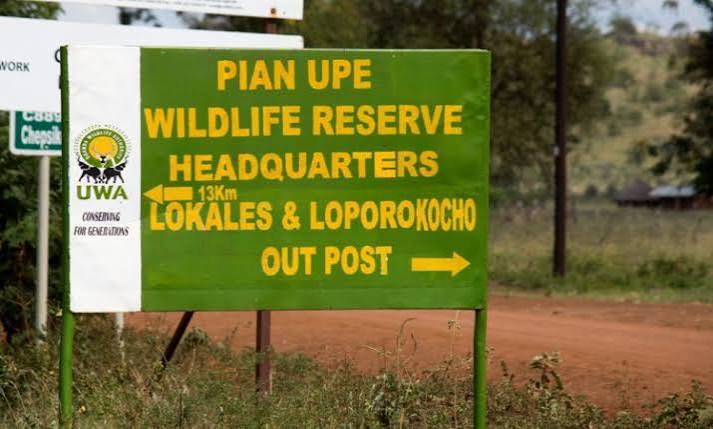
If you want one clean answer, choose June–August or December–February and build your days around dawn and late afternoon. That’s where Pian Upe pays you back.
Pian Upe Wildlife Reserve visitor tips that change your day
Pian Upe Wildlife Reserve visitor tips should be practical, not poetic. This reserve runs on quiet discipline: early starts, patient scanning, and respect for distance.
Here’s what we tell friends, and what we follow ourselves:
Start your first drive at dawn, not after breakfast
Keep your voice low on stops, you’ll hear more wildlife in Pian Upe
Carry water on every outing, heat builds fast on open savannah
Pack a light layer for early morning chill, then strip down as the day warms
Bring dust protection in dry season and waterproofing in rainy season
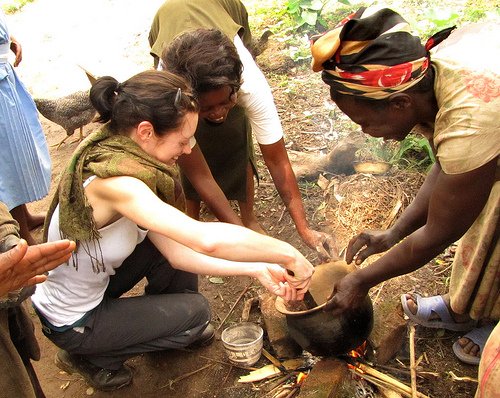
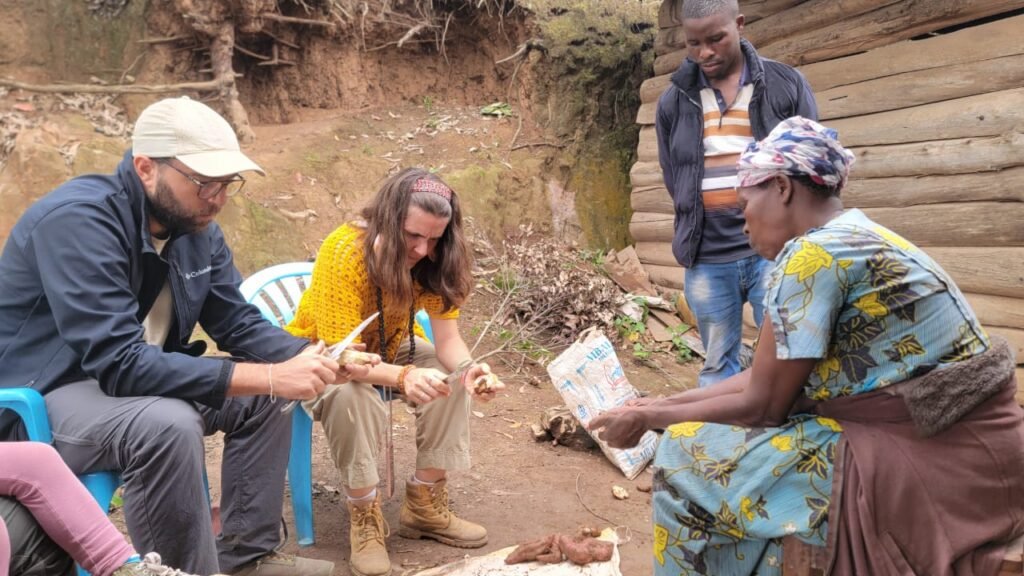
Treat cultural encounters as a core activity, not a filler between drives
Leave room for delays in rainy months, especially on transfer days
The hyper-specific detail most people miss: keep your phone on airplane mode during drives. Signal is inconsistent, battery drain is real, and you want your camera ready when something crosses the track.
For packing and trip prep, pair this with what to pack for Uganda and keep it season-specific.
Pian Upe Wildlife Reserve map planning and navigation habits
A Pian Upe Wildlife Reserve map is useful for pacing more than for precision. You’re planning distances, drive loops, and where you’ll spend your best light. In a less crowded reserve, the “best” route is the one you can drive slowly without pressure.
Use map thinking like this:
Plan one primary loop for dawn and one for late afternoon
Mark your turnaround time, so you don’t drive back in darkness
Keep your walk routes short and close to where you start, especially in rainy months
If you’re building a wider circuit, connect Pian Upe to your national park shortlist using national parks in Uganda planning notes.
And for the human side of planning, we keep our approach public. See how we travel with purpose at Amatsiko Tours.

Walks are quieter than drives. You’ll hear grass brushing your boots and the small clicks of insects. Keep your steps slow.
Key takeaways for timing Pian Upe without overthinking it
The best time to visit Pian Upe Wildlife Reserve is Uganda’s dry seasons, June–August and December–February, for reliable roads, clearer visibility, and smoother game drives. Rainy seasons, March–May and September–November, bring greener landscapes, fewer visitors, and strong bird activity, but slower transfers and muddier tracks. The best time to visit Uganda for multi-park logistics still sits in dry months, while green months suit flexible travelers who prioritize birding and quiet.

Frequently Asked Questions
1. When is the best time to visit Pian Upe Wildlife Reserve for a safari?
The best time for a safari in Pian Upe Wildlife Reserve aligns with Uganda’s dry seasons, from June to August and December to February. These months offer reliable road conditions, clear visibility, and consistent safari schedules.
2. What can I expect from the weather in Pian Upe Wildlife Reserve?
Pian Upe experiences two dry seasons, June to August and December to February, characterized by bright skies and dusty conditions. The rainy seasons, March to May and September to November, bring greener landscapes and cooler temperatures but can result in muddier roads.
3. What activities are best during the dry season in Pian Upe?
During the dry season, prioritize long game drives with extended sightlines, nature walks on firm ground, and cultural encounters that are less dependent on perfect timing. These activities benefit from the dry and clear conditions.
4. Which season is ideal for birdwatching in Pian Upe Wildlife Reserve?
The best time for birdwatching in Pian Upe is during the rainy seasons, from March to May and September to November. These months see increased bird activity due to fuller habitats and more movement among bird species.
5. How should I plan my visit to Pian Upe Wildlife Reserve around road conditions?
In the dry seasons, road conditions are more predictable, making travel easier. During rainy seasons, expect slower transfers and potentially muddier roads. It’s wise to plan for buffer days to accommodate any weather-related delays.
6. What are essential tips for visiting Pian Upe Wildlife Reserve?
Start your game drives at dawn, keep your voice low to hear more wildlife, carry water for hydration, and pack appropriate gear for the season—dust protection in dry months and waterproofing in rainy ones. Treat cultural encounters as a core part of your visit.
7. How do Pian Upe Wildlife Reserve accommodations vary by season?
During the dry season, dust tends to get into everything, so it’s advisable to bring sealed bags for cameras and soft cloths for lenses. In the rainy season, prioritize quick-dry clothing and reliable rain gear for comfort.