The First Time I Crossed the Uganda–Rwanda Border
I still remember the exact moment the bus slowed down near the hills of southwestern Uganda. The air felt colder. The roads became quieter. And somewhere between the rolling green landscapes and the nervous excitement in my chest, I realized something:
Table of Contents
This wasn’t just another trip.
This was my first Uganda Rwanda border crossing, and I had absolutely no idea how deeply it would stay with me.
At first, I thought it would be simple, a passport stamp, a quick bag check, maybe a long queue. But what happened instead felt like stepping into another rhythm of life entirely.
And honestly?
I wasn’t prepared for how emotional it would become.
Why the Uganda Rwanda Border Crossing Feels So Different
If you’ve never traveled through East Africa by road, it’s hard to explain the feeling.
The closer you get to the border, the more the atmosphere changes. Small roadside shops appear with both Ugandan shillings and Rwandan francs. Languages blend together. Music changes. Even the energy of the people feels different.
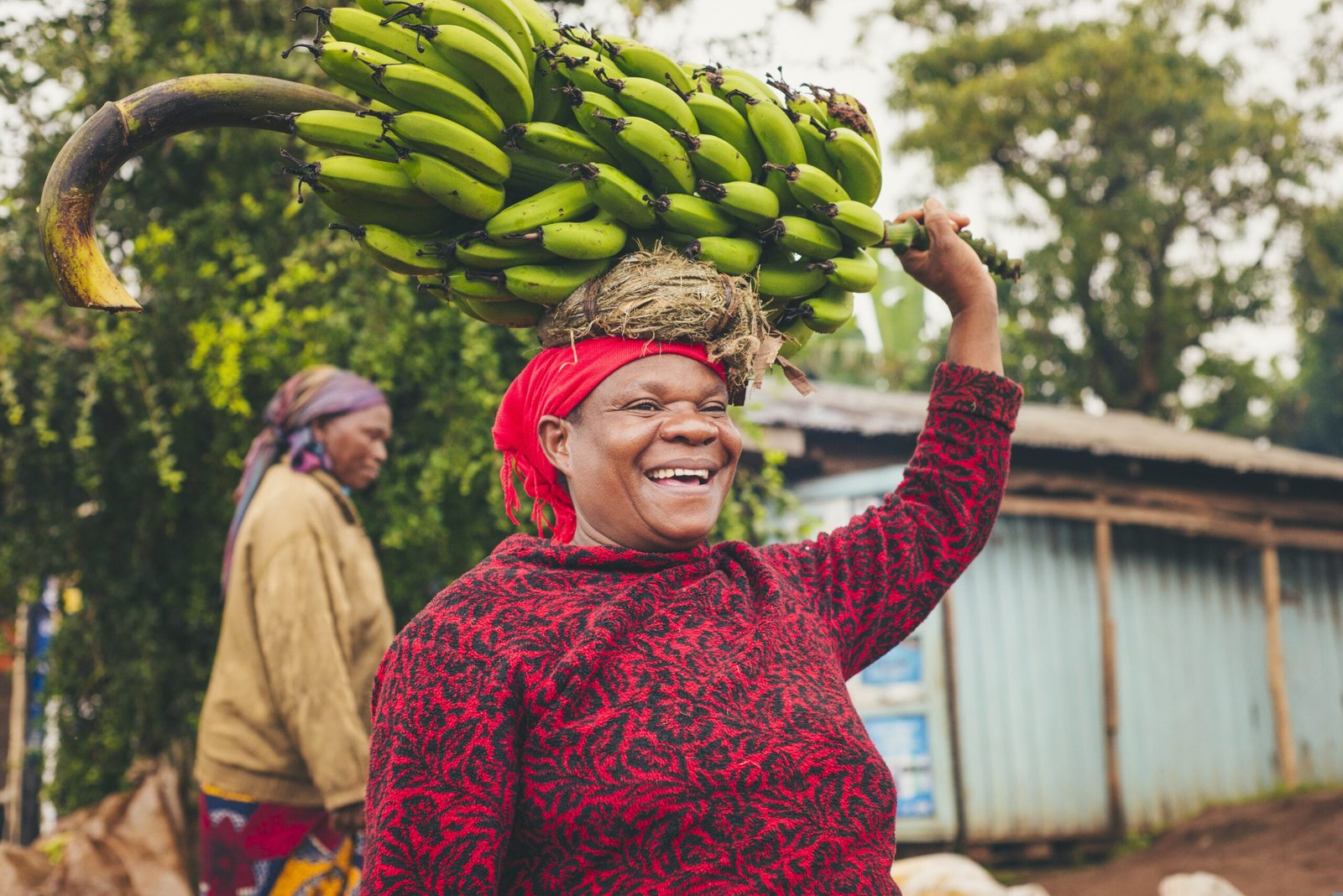
As our bus approached the Katuna/Gatuna border post, the sun was beginning to disappear behind the hills. Women carried baskets of fruit on their heads. Motorcycle taxis rushed past us. Travelers stood quietly holding passports, yellow fever cards, and backpacks dusty from long journeys.
And suddenly, it hit me:
I was leaving one world and entering another.
Not forever.
But enough to feel it.
The Moment Everything Became Real
The immigration building itself wasn’t dramatic.
No giant gates. No cinematic soundtrack.
Just fluorescent lights, tired travelers, immigration officers, and silence hanging in the air.
But emotionally?
It felt enormous.
I remember standing in line clutching my passport tighter than necessary. Around me were students, traders, tourists, and families moving between two countries as if it were routine.
For them, maybe it was.
For me, it felt like crossing an invisible emotional line.
The immigration officer glanced at me, stamped my passport, and slid it back across the desk.
That tiny sound — thump.
I’ll never forget it.
Because in that moment, Rwanda stopped being a place I had only seen online.
It became real.
The Unexpected Culture Shift After Crossing Into Rwanda
The first thing I noticed after the Uganda Rwanda border crossing was the silence.
Not empty silence.
Clean silence.
The roads looked smoother. The streets felt organized. Plastic bags had disappeared. Even the motorcycle drivers wore matching helmets and reflective jackets.
Everything seemed calm.
Intentional.
Disciplined.
And yet only minutes earlier, I had been standing in the lively, chaotic warmth of Uganda.
The contrast was fascinating.
Uganda felt spontaneous and energetic; loud laughter, roadside conversations, music spilling from shops.
Rwanda felt composed, polished, almost unbelievably orderly.
Neither was better.
Just different.
And that difference is what made the journey unforgettable.
The Hills of Rwanda Hit Me Emotionally
People call Rwanda “The Land of a Thousand Hills.”
But nobody tells you what those hills do to your emotions.
As we drove toward Kigali, the roads curved through endless green mountains wrapped in mist. Tiny homes sat on steep hillsides. Children waved at passing buses. Farmers worked quietly beneath the fading evening light.
I pressed my forehead against the bus window and just stared.
There was something deeply peaceful about it all.
Something that slowed my thoughts down.
Travel sometimes gives you excitement.
But sometimes it gives you perspective.
And somewhere on those winding Rwandan roads, I felt both.
The Conversation That Changed My Entire Trip
A few hours into the drive, I started talking to a Rwandan passenger sitting beside me.
At first, it was casual conversation.
Where are you from?
Is this your first time in Rwanda?
What do you think so far?
But then he said something I still think about today.
“Most people cross borders physically. Few people cross them emotionally.”
I didn’t respond immediately because… honestly… he was right.
Before that journey, I thought travel was mostly about places.
But that border crossing taught me it’s actually about perspective.
The moment you leave what feels familiar, your mind opens in ways you never expect.
And suddenly, even simple things; language, food, traffic, silence, become unforgettable experiences.
What Nobody Tells You About Crossing the Uganda Rwanda Border
Everyone online talks about visas, transport, and paperwork.
And yes, those things matter.
But nobody talks enough about the emotional side of crossing borders in Africa.
The humility.
The curiosity.
The realization that entire cultures can shift within a few kilometers.
Nobody tells you how strange and beautiful it feels to hear different accents within minutes.
Or how quickly your assumptions disappear once you start speaking to locals.
Or how crossing into another country can quietly change how you see your own.
That’s the part that stayed with me.
Not the passport stamp.
The feeling.
Responsible Travel During a Uganda Rwanda Border Crossing
One thing this journey taught me is that travel becomes more meaningful when approached with respect.
If you ever experience a Uganda Rwanda border crossing, travel kindly and consciously:
Travel Kindly: How to Leave a Positive Footprint Here
- Support local businesses instead of international chains whenever possible.
- Carry a reusable water bottle to reduce plastic waste.
- Learn a few local greetings in Luganda or Kinyarwanda, even simple words create beautiful human connections.
- Be patient and respectful with border officials and local transport workers.
- Ask permission before photographing people, especially near border communities.
Responsible travel isn’t about perfection.
It’s about awareness.
And East Africa rewards travelers who arrive with humility.
Practical Guide for the Uganda Rwanda Border Crossing
Best Time to Cross
The dry seasons (June–September and December–February) usually make road travel easier and more comfortable.
Main Border Post
Most travelers use the Katuna (Uganda) – Gatuna (Rwanda) border.
Documents You May Need
- Valid passport
- Visa (depending on nationality)
- Yellow fever certificate
- East Africa Tourist Visa (recommended for multi-country travel)
Currency
Uganda uses Ugandan Shillings (UGX), while Rwanda uses Rwandan Francs (RWF).
Transport Options
- Buses between Kampala and Kigali
- Private transfers
- Shared taxis and minibuses
Recommended External Resources
FAQs About the Uganda Rwanda Border Crossing
1. Is the Uganda Rwanda border crossing safe?
Yes, the Uganda Rwanda border crossing is generally safe for travelers. Always carry proper documents and stay updated on travel advisories.
2. Which border is most commonly used between Uganda and Rwanda?
The most popular crossing point is the Katuna/Gatuna border near Kabale.
3. Do I need a visa for Rwanda?
Many travelers can obtain a visa on arrival, but requirements depend on nationality. The East Africa Tourist Visa is a great option for regional travel.
4. How long does the Uganda Rwanda border crossing take?
It can take anywhere from 30 minutes to several hours depending on traffic and immigration queues.
5. What surprised you most during the journey?
Honestly, the emotional and cultural shift. I expected paperwork not perspective.
Final Thoughts
That first Uganda Rwanda border crossing gave me more than a travel memory.
It reminded me that borders are strange things.
On maps, they look like lines.
But in real life, they’re moments.
Moments where landscapes change. Languages change. Energy changes.
And sometimes… you change too.
If you ever take this journey yourself, don’t rush it.
Watch the hills.
Listen to the conversations.
Feel the transition.
Because the real journey starts long before the passport stamp.
Planning your own Uganda Rwanda border crossing soon?
Drop your questions below, and I’ll gladly help you prepare for the journey or just contact us for planning