Uganda Experiential Tourism: 7 Powerful Ways to Travel Deeper & Smarter
Beyond safaris. Into real life.
Table of Contents
Uganda experiential tourism is redefining how we travel in Africa
Uganda experiential tourism is transforming the way international travelers, slow explorers, and travel partners experience Africa — shifting journeys away from rushed sightseeing and into meaningful human connection, cultural immersion, and nature-based learning.
Uganda has always been rich in landscapes and wildlife. But what makes it truly powerful today is something quieter and deeper: the warmth of its people, the rhythm of daily life, and the opportunity to travel with purpose, patience, and presence.
At Amatsiko Tours, we believe Uganda is not just participating in experiential tourism — it is becoming one of Africa’s most natural leaders in this movement.
Let me take you deeper.
What Is Uganda Experiential Tourism?
Uganda experiential tourism is a form of travel that prioritizes active participation over passive observation. Instead of simply seeing Uganda, travelers live it — even if only for a short time.
This means:
- Sharing meals with local families
- Walking through villages with community hosts
- Learning crafts, food traditions, and stories
- Exploring nature with local guides and conservationists
- Slowing down to understand how people and landscapes are connected
In Uganda, these experiences are not manufactured. They already exist — woven into everyday life. Experiential tourism simply creates a respectful bridge between visitors and hosts.
Why Uganda Experiential Tourism Appeals to Slow Travelers
Slow travel is not about doing less — it’s about experiencing more deeply.
Uganda is ideal for slow travelers because:
- Distances encourage longer stays
- Cultural diversity invites curiosity
- Community life is open and welcoming
- Nature is accessible and intimate
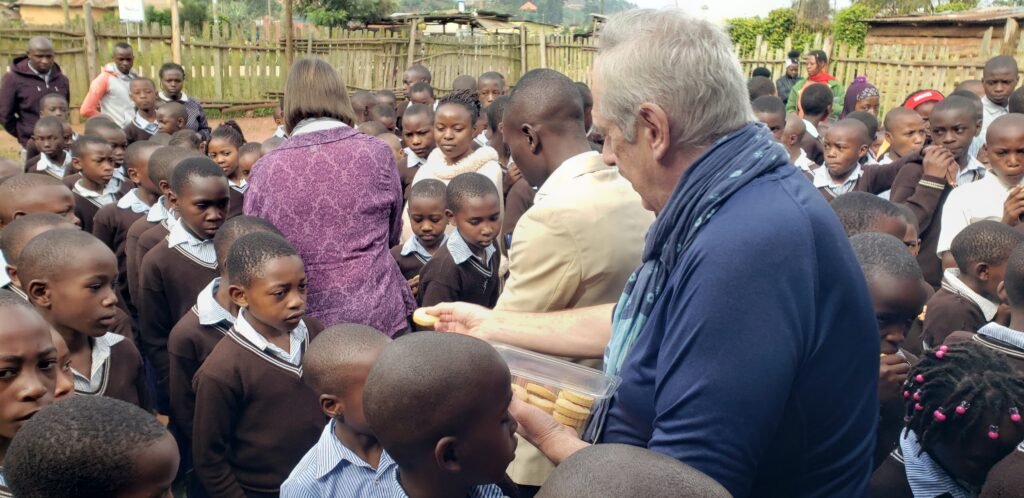
Instead of hopping from one attraction to another, experiential travelers in Uganda stay longer, listen more, and build genuine relationships. This leads to richer memories and more positive impact for host communities.
Uganda Experiential Tourism in Real Life: Immersive Journeys
To understand Uganda experiential tourism, you need to see how it unfolds on the ground. Here are seven powerful experiential moments that define meaningful travel in Uganda.
1. Community-Based Experiences in Uganda
Your journey begins not with a checklist, but with a welcome.
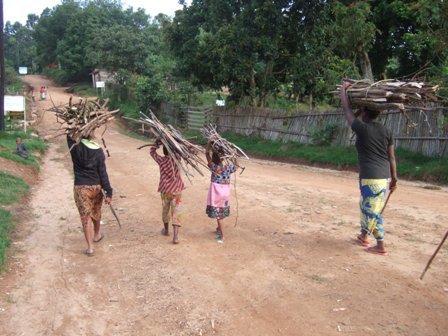
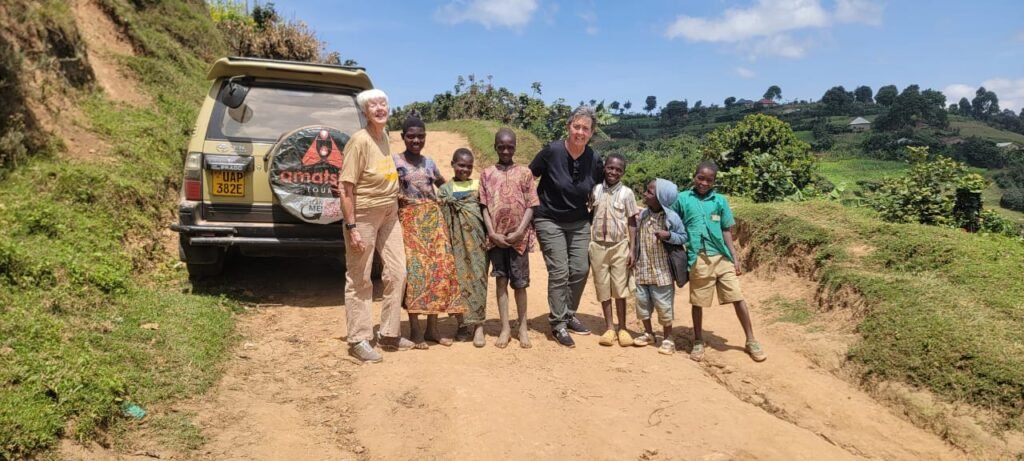
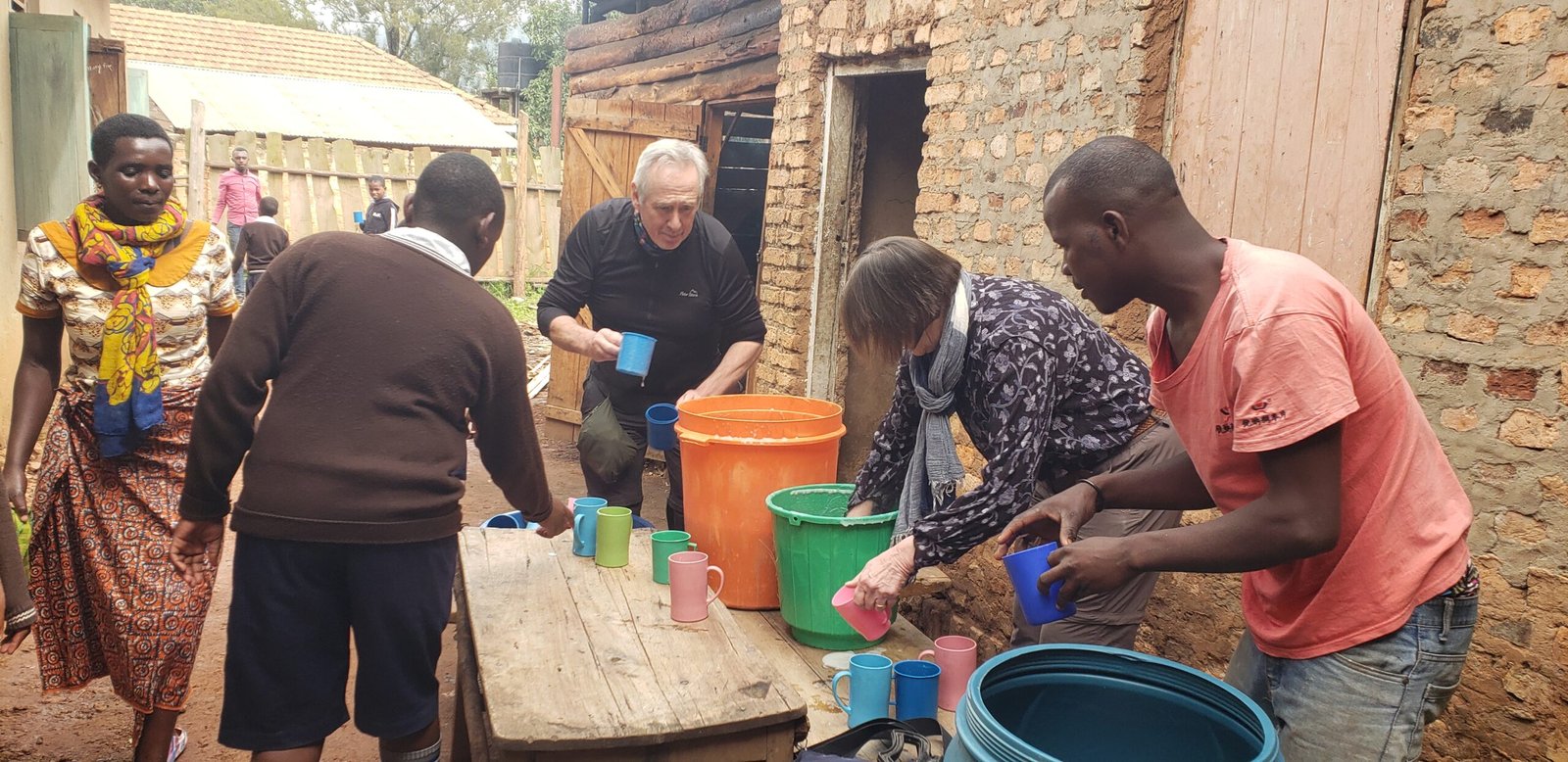
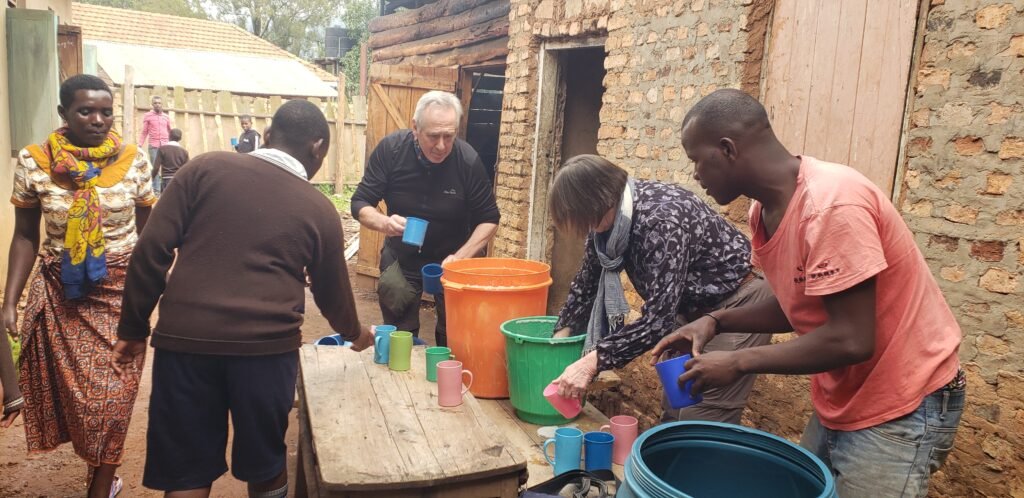
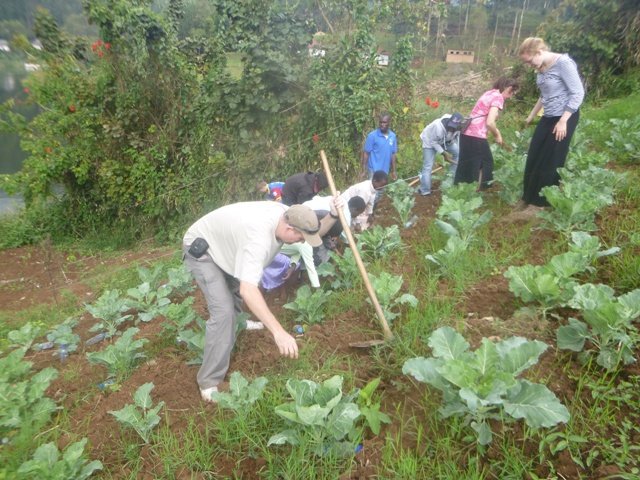
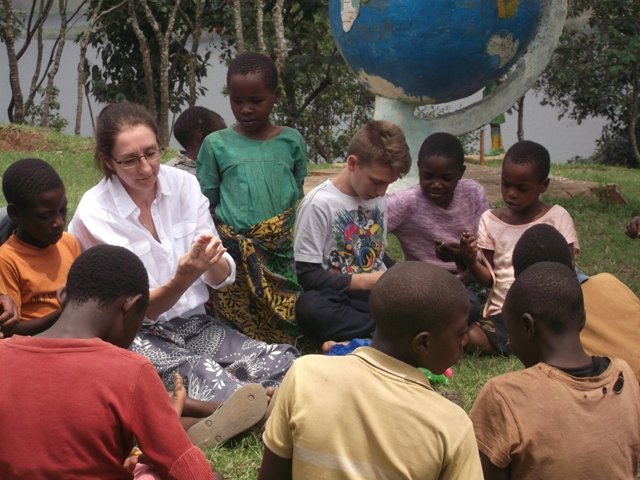
In a village setting, travelers are received by local hosts who introduce them to daily life — gardens, kitchens, family stories. You might help prepare a meal, learn about traditional farming, or simply sit together under a mango tree talking about life.
These moments feel simple, yet deeply human. They create dignity, pride, and income for communities while giving travelers insight no guidebook can offer.
2. Food as a Gateway to Culture
Food is one of Uganda’s most powerful storytellers.
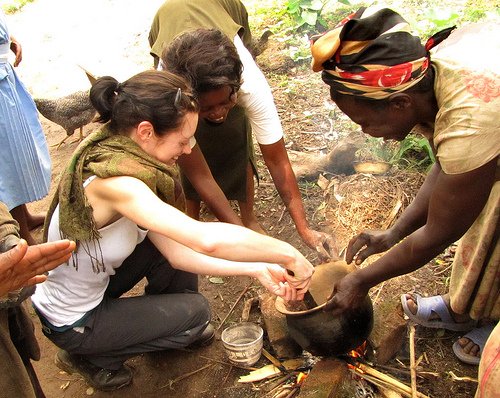
Experiential travelers learn how matoke is prepared, how groundnut sauce is made, and why meals are shared communally. Cooking becomes a conversation — about land, family, and tradition.
By sourcing ingredients locally and eating with hosts, travelers support small farmers and keep food traditions alive.
3. Nature and Wildlife Through Local Knowledge
Uganda experiential tourism doesn’t remove wildlife — it reframes it.
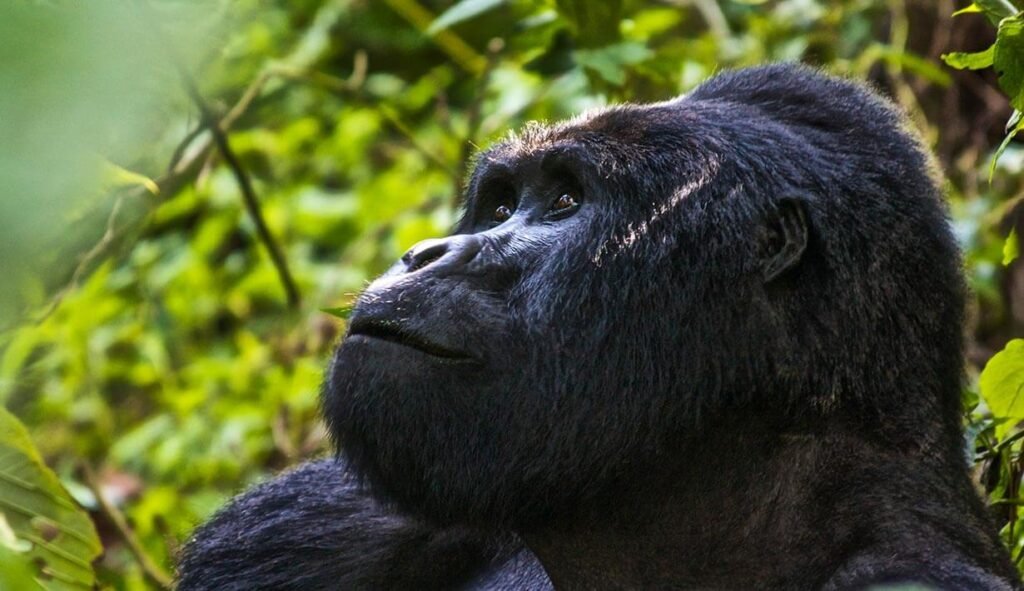
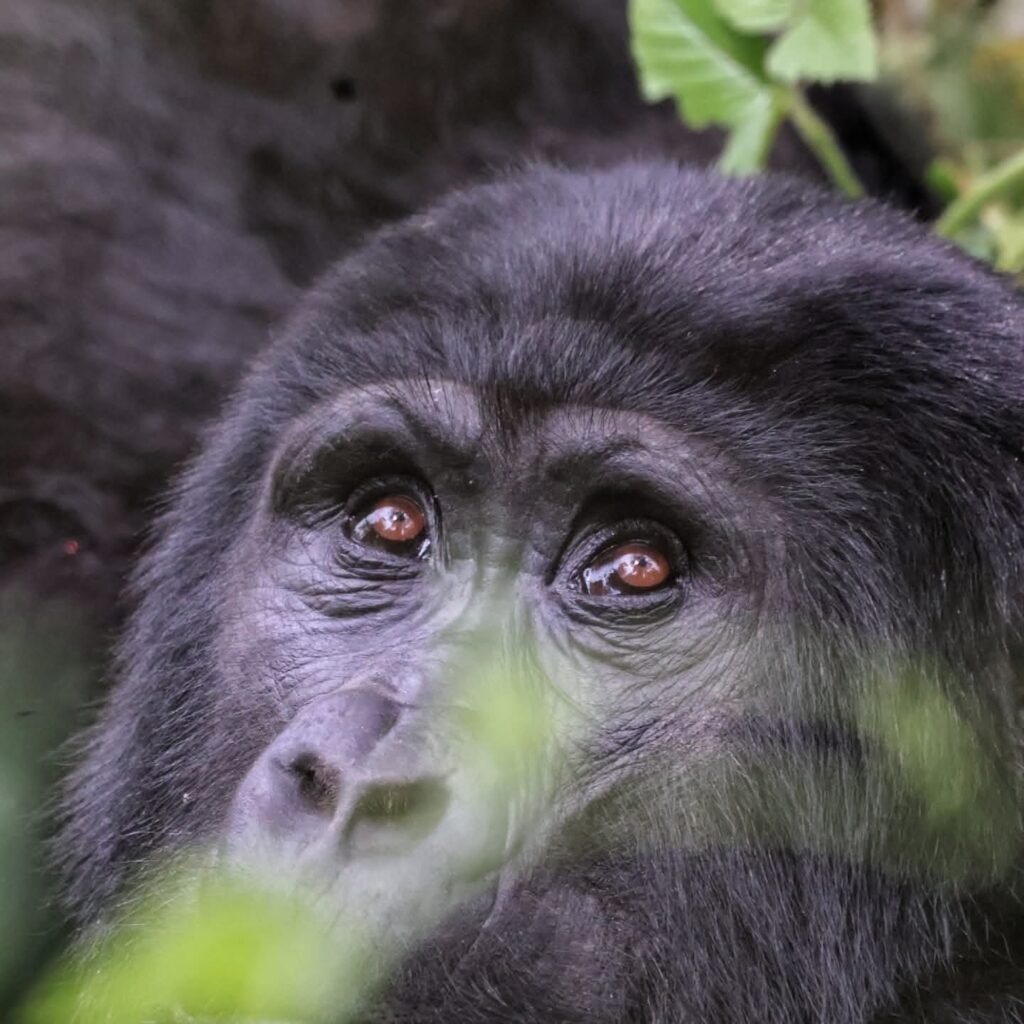
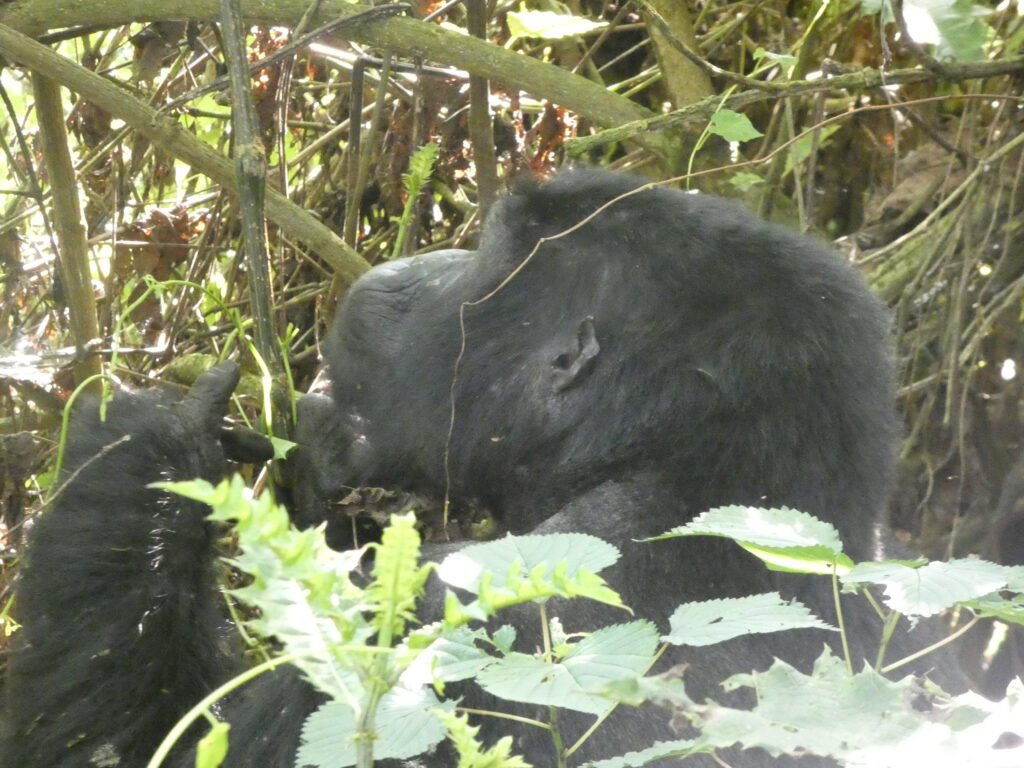
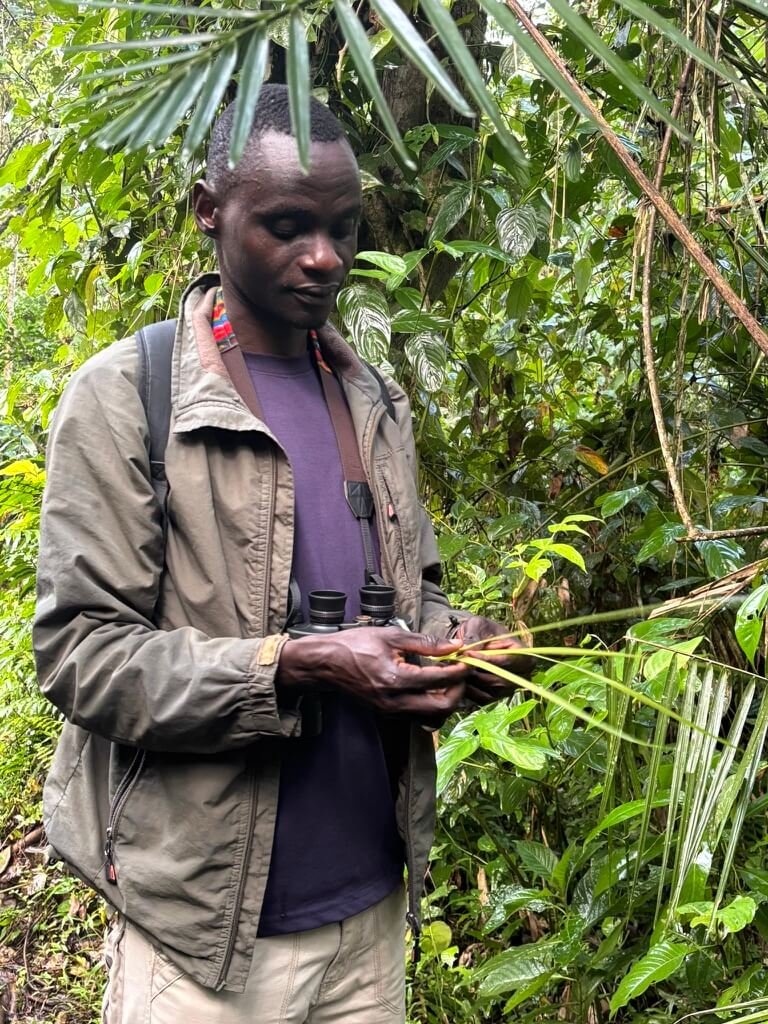
Instead of only game drives, travelers walk with local guides who explain how forests, wetlands, and rivers sustain both people and animals. In places like Kibale, Budongo, or Mabamba Swamp, wildlife encounters become lessons in coexistence and conservation.
Local guides are not just experts — they are guardians of the land.
4. Craft, Heritage, and Living History
Uganda’s cultures are living, evolving, and proud.
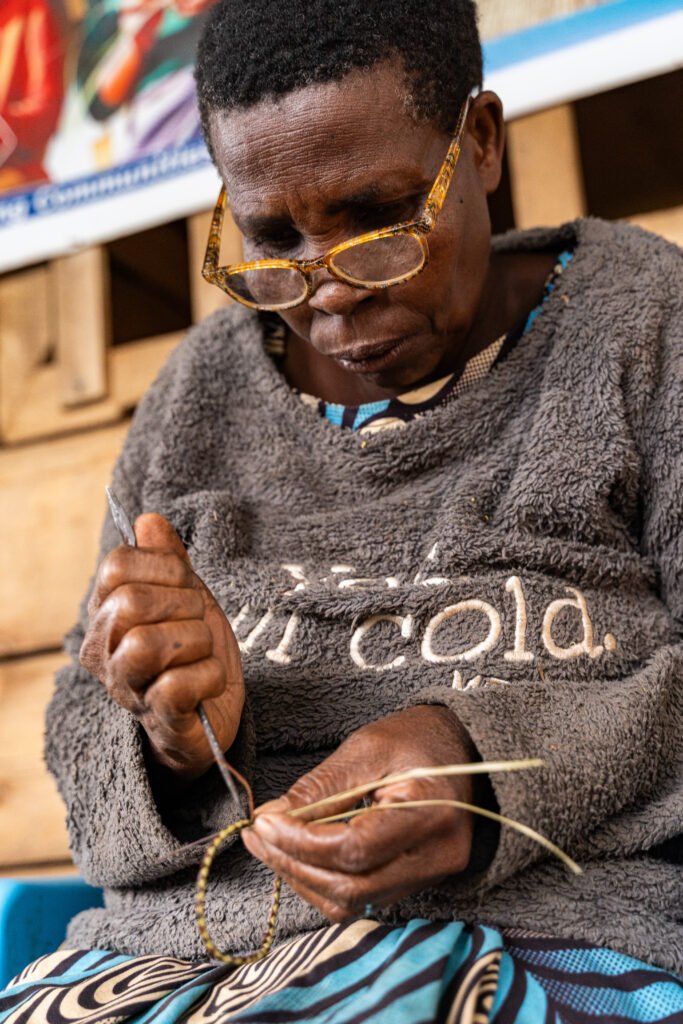
Experiential travelers spend time with artisans weaving baskets, making bark cloth, or shaping pottery. These are not performances — they are livelihoods and identities shared with care.
By participating respectfully, travelers help keep traditions relevant and economically viable for future generations.
5. Slow Travel in Uganda’s Landscapes
Uganda rewards patience.
Whether near crater lakes, along rivers, or in highland communities, slow travel allows time for reflection. There is space to journal, walk, listen, and simply be.
This slower rhythm is where transformation happens — for both traveler and host.

6. Learning Through Exchange, Not Observation
Experiential tourism is a two-way journey.
Travelers share stories from their own lives while learning from Ugandan communities. These exchanges build mutual respect and challenge stereotypes on both sides.
This is travel that educates — quietly, powerfully, and honestly.
7. Responsible Design Makes the Difference
Experiential tourism only works when it is carefully designed.
At Amatsiko Tours, experiences are co-created with communities to ensure:
- Fair compensation
- Cultural dignity
- Environmental protection
- Long-term partnerships
This approach positions Amatsiko Tours as a leader in Uganda experiential tourism, trusted by travelers and international partners alike.
Why Amatsiko Tours Leads Uganda Experiential Tourism
Experiential tourism cannot be rushed or mass-produced.
Amatsiko Tours leads by:
- Working directly with local communities
- Designing slow, immersive itineraries
- Prioritizing learning over spectacle
- Ensuring benefits stay local
For travel partners, educators, and conscious travelers, Amatsiko Tours is not just an operator — but a bridge between cultures.
Travel Kindly: How to Leave a Positive Footprint in Uganda
To experience Uganda well, travel kindly.
- Choose local, community-focused operators
- Stay longer instead of rushing
- Ask before taking photos
- Support local food and crafts
- Listen more than you speak
Small actions create lasting impact.
Final Reflection: Uganda Is Not a Destination to Consume
Uganda experiential tourism reminds us why travel matters.
This is not a place to rush through — it is a place to connect, learn, and grow.
For slow travelers and travel partners seeking journeys with meaning, Uganda offers something rare: authentic human connection, still intact.
When you travel Uganda with openness and respect, it doesn’t just change your trip — it changes you.
Useful Information at a Glance
- Best time to visit: June–September, December–February
- Ideal trip length: 10–21 days
- Starting point: Entebbe International Airport or Kigali Airport
- Travel style: Community-based, slow, experiential
- Who it’s for: Slow travelers, educators, travel partners, conscious explorers
Frequently Asked Questions (FAQs)
What is Uganda experiential tourism?
Uganda experiential tourism focuses on immersive travel that connects visitors with local communities, culture, and nature rather than fast sightseeing.
Why is Uganda ideal for experiential tourism?
Uganda’s cultural diversity, welcoming communities, and accessible nature make it perfect for slow, meaningful travel experiences.
Is experiential tourism in Uganda sustainable?
Yes. When led by local operators like Amatsiko Tours, it supports communities, protects nature, and creates shared value.
How long should an experiential trip to Uganda be?
Ideally 10–21 days to allow deeper engagement and slower travel.
Who is Uganda experiential tourism best for?
Slow travelers, conscious explorers, educational groups, and international travel partners.