7 Powerful Ways Gorilla Permits Conservation in Uganda and Rwanda Protects Gorillas (And Why It Matters)
Your Visit, Their Survival
Where Your Journey Becomes Protection
Gorilla permits conservation Uganda Rwanda is one of the most powerful examples of how travel can protect wildlife and uplift communities.
Table of Contents
Let me take you to a place where the air feels alive.
You’re standing at the edge of a dense, misty forest in Bwindi Impenetrable National Park. The ground beneath your boots is soft and damp, the scent of earth rising with every step. Somewhere deep in the jungle, branches crack softly.
Your guide pauses.
And then… you see them.
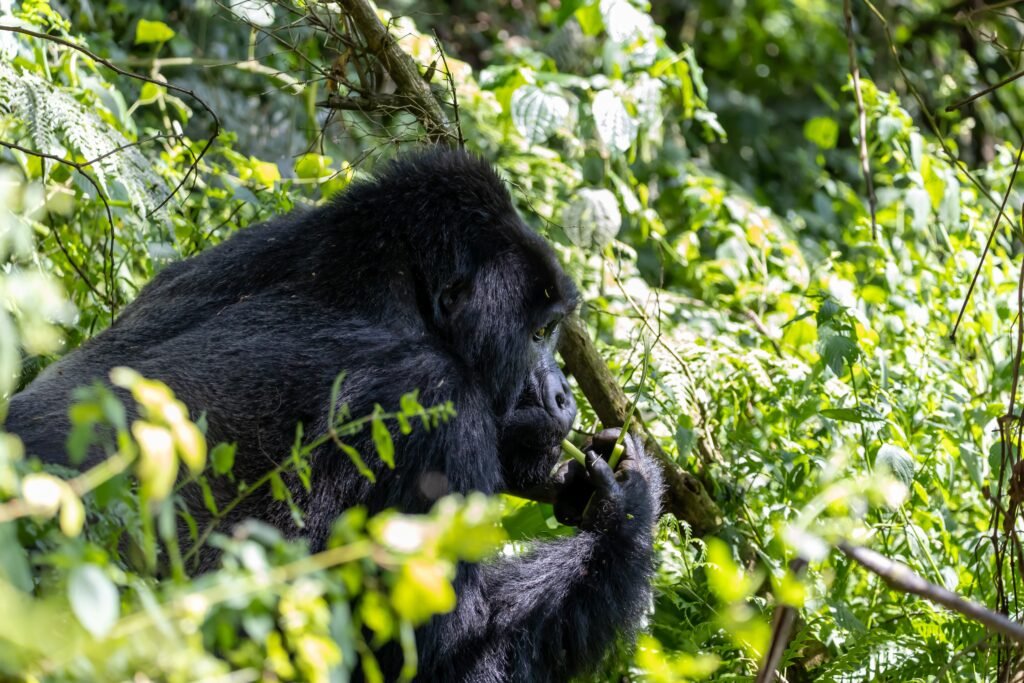
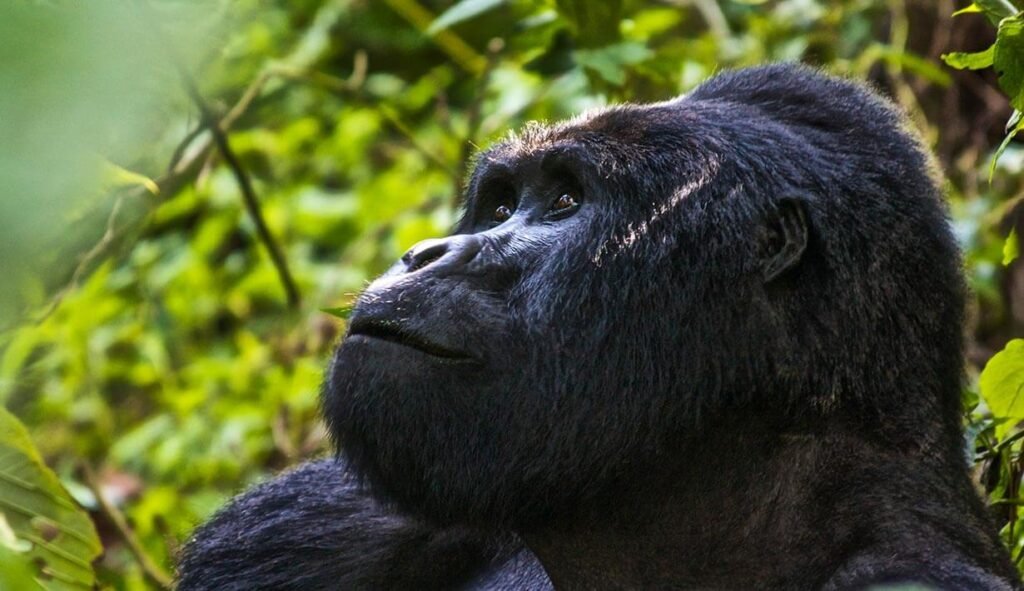
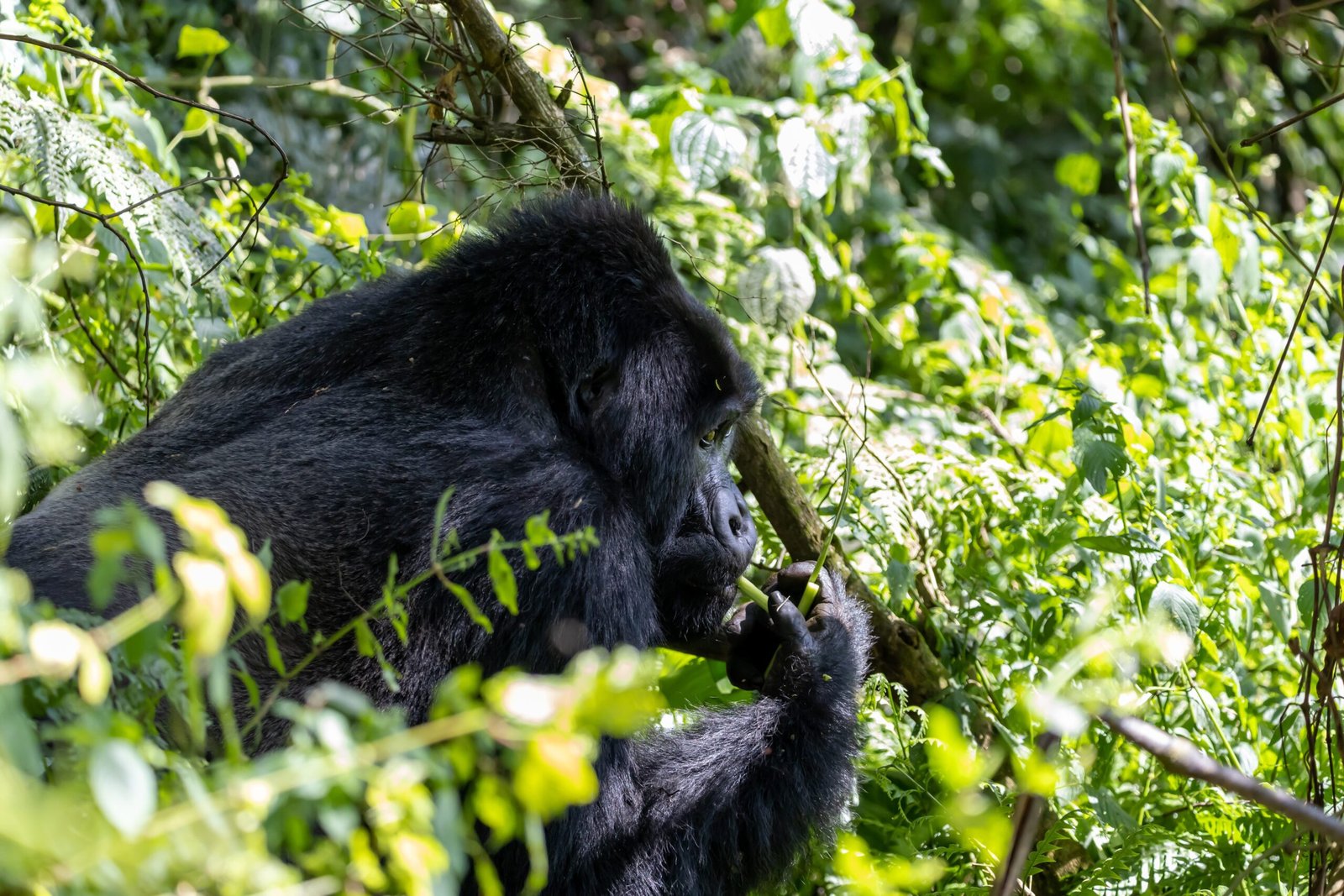
A silverback gorilla, massive and calm, watching you with quiet intelligence. A young one rolls playfully beside him, completely unaware of how rare and fragile this moment is.
It feels magical.
But it’s not accidental.
That single hour you spend with gorillas exists because of a system designed to protect them. And at the heart of that system is something simple:
A permit.
What seems like just a ticket is, in reality, one of the most powerful conservation tools in Africa.
How Gorilla Permits Support Conservation in Uganda and Rwanda
Before we dive deeper, here’s a quick look at the impact your permit creates:
- Protects endangered mountain gorillas
- Preserves ancient forest ecosystems
- Supports local communities and livelihoods
- Funds anti-poaching and conservation efforts
- Creates long-term incentives to protect wildlife
Now, let’s explore how this truly works.
1. Gorilla Permit Cost vs Conservation Impact
At first glance, the price can feel shocking.
Around $700–$800 for gorilla permits in Uganda. Up to $1,500 in Rwanda.
It’s a question almost every first-time traveler asks:
Why is gorilla trekking so expensive?
But here’s the truth, this isn’t mass tourism. It’s intentionally limited.
Only a small number of visitors are allowed each day in places like Mgahinga Gorilla National Park and Volcanoes National Park. Groups are small. Time is restricted to one hour.
This isn’t about maximizing profit.
It’s about minimizing impact.
Your permit ensures that gorillas are not overwhelmed, stressed, or exposed to unnecessary risk. It protects their space, their health, and their natural behavior.
And that’s where its true value begins.
2. How Gorilla Tourism Protects Mountain Gorillas
Not long ago, mountain gorillas were on the brink.
Poaching, habitat destruction, and human conflict threatened their survival.
But today, something remarkable has happened.
Mountain gorillas are one of the only great ape species whose population is increasing.
And a big part of that success comes from gorilla permits conservation in Uganda and Rwanda.
Your permit helps fund:
- Daily ranger patrols deep inside dense forests
- Monitoring of gorilla families to ensure their safety
- Veterinary care for injured or sick gorillas
- Long-term conservation research
I once spoke to a ranger who said:
“When people come to see gorillas, the forest becomes more valuable alive than destroyed.”
That single idea has transformed everything.
3. Community Benefits of Gorilla Permits
Now imagine living near these forests.
For generations, communities depended on them for food, firewood, and land.
When conservation efforts began, access was restricted. Without benefits, this could have created conflict.
But gorilla tourism changed the story.
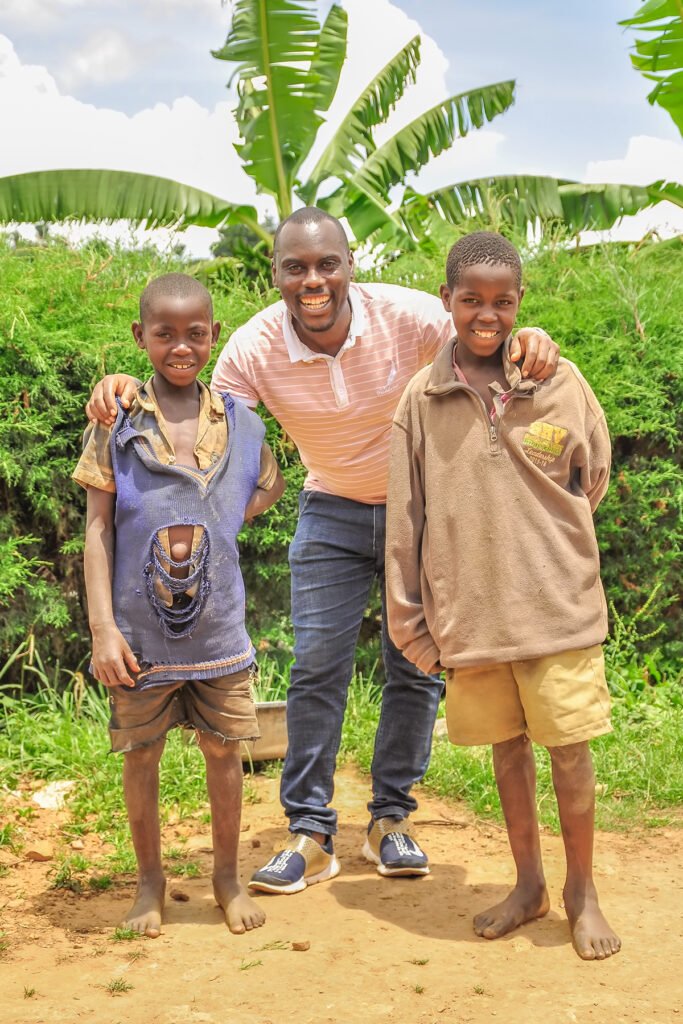
A portion of permit revenue is shared with local communities. And you can see the results:
- Schools built where none existed
- Health clinics serving rural families
- Clean water systems improving daily life
- Infrastructure supporting local growth
When you hire a porter during your trek, you’re doing more than getting help carrying your bag.
You’re supporting someone’s livelihood.
Many porters are former poachers, people who once hunted wildlife but now protect it.
That transformation is powerful.
And it’s made possible by travelers like you.
4. Conservation Tourism in Africa That Actually Works
There are many conversations around sustainable travel.
But few real success stories.
Gorilla permits conservation in Uganda and Rwanda is one of them.
This model works because it creates a simple but powerful equation:
Wildlife = Value = Protection
Instead of exploiting natural resources, communities benefit from preserving them.
This is high-value, low-volume tourism:
- Fewer visitors
- Higher contribution per traveler
- Lower environmental impact
- Greater local benefit
It’s not just eco-tourism.
It’s regenerative travel, where your presence actively improves the destination.
5. Luxury Travel That Makes a Real Impact
For luxury travelers, there’s often a deeper question:
Does my trip actually matter?
Here, the answer is yes.
Gorilla trekking offers something rare, a chance to experience something extraordinary while directly contributing to its protection.
From eco-lodges that employ local staff to guided treks led by trained community members, every part of the journey supports a larger system.
You’re not just visiting.
You’re participating in conservation.
And that makes the experience far more meaningful.
6. Is Gorilla Trekking Ethical? (The Honest Truth)
Let’s be honest.
No conservation model is perfect.
Not every dollar goes directly where you might imagine. There are systems, structures, and challenges behind the scenes.
And tourism must be managed carefully.
That’s why strict rules exist:
- Keep a safe distance from gorillas
- Wear masks when required
- Never trek when sick
- Limit time spent with each group
These rules are not restrictions.
They are protections.
Because gorillas share much of our DNA and that makes them vulnerable to human diseases.
When done responsibly, gorilla trekking is not harmful.
It is one of the most effective conservation tools we have.
7. The Moment You Realize Your Impact
Back in the forest, something shifts.
You’re no longer just a visitor.
You’re part of the story.
The ranger guiding you is funded by conservation efforts. The forest you walk through is protected because of tourism. The gorillas in front of you are alive, in part, because people like you chose to come.
And suddenly, that permit feels different.
Not like a ticket.
But like a contribution.
A connection.
A responsibility.
Travel Kindly: How to Leave a Positive Footprint Here
If you choose to go and I hope you do, here’s how to make your journey meaningful:
- Follow all trekking rules strictly
- Hire a local porter to support livelihoods
- Choose eco-conscious lodges
- Travel slowly and respectfully
- Learn about conservation before you go
Small actions create real impact.
Final Reflection: Why This Journey Matters
There are many trips you can take in this world.
But very few where your presence truly matters.
Gorilla permits conservation in Uganda and Rwanda proves that travel can be a force for good.
It protects wildlife.
It empowers communities.
And it creates a future where both can thrive together.
So if you’ve ever dreamed of standing face-to-face with a gorilla in the wild…
Go.
But go with intention.
Because that one hour?
It helps protect an entire world.
Useful Info Box: Planning Your Gorilla Trek
📅 Best Time to Go:
June–September and December–February
📍 Top Locations:
- Bwindi Impenetrable National Park
- Mgahinga Gorilla National Park
- Volcanoes National Park
⏳ Duration:
1 day for trekking (combine with a 4–7 day safari)
🎟️ Booking Tip:
Reserve permits months in advance, availability is limited
Frequently Asked Questions About Gorilla permits Conservation in Uganda and Rwanda
1. Why are gorilla permits so expensive?
They fund conservation, protect gorillas, and support local communities while limiting visitor numbers.
2. How do gorilla permits help conservation?
They fund anti-poaching patrols, veterinary care, habitat protection, and community development.
3. Is gorilla trekking ethical?
Yes—when done responsibly under strict guidelines, it directly supports conservation.
4. Which is better: Uganda or Rwanda for gorilla trekking?
Uganda offers more affordable permits and dense jungle experiences, while Rwanda offers easier access and luxury options.
5. How many people can visit a gorilla group?
Only 8 people per group per day to minimize impact.
Your Turn
Would you take this journey into the wild?
Or maybe you already have?
Come experience Uganda in a way that goes beyond sightseeing, where every encounter with nature and wildlife becomes a story worth telling.
Share your thoughts, your dreams, or your questions about meeting these incredible creatures.