Is It Safe to Travel to Uganda and Rwanda in 2026? 7 Shocking Truths First-Time Safari Travelers Must Know
Safe or Scary? Truth Inside
The Question That Quietly Shapes Your Decision
Is it safe to travel to Uganda and Rwanda in 2026?
Table of Contents
If you’re planning your first safari or dreaming about coming face-to-face with mountain gorillas, this question is probably sitting somewhere in the back of your mind.
And that’s completely fair.
I remember arriving in Bwindi Impenetrable Forest, early in the morning, mist rolling slowly over the hills. There was a stillness… broken only by birds and distant voices of guides preparing for the day.
Nothing about it felt dangerous.
It felt alive. Grounded. Real.
But here’s the truth most blogs won’t tell you:
Safety in Africa is not about fear, it’s about understanding context.
And in both Uganda and Rwanda, that context might surprise you.
Let me walk you through it, honestly.
Quick Overview: 7 Truths You Need to Know
- Truth #1: Is it safe to travel to Uganda and Rwanda in 2026 for tourists?
- Truth #2: Gorilla trekking safety explained
- Truth #3: Why the “Africa is unsafe” myth is misleading
- Truth #4: Solo female travel safety in Uganda and Rwanda
- Truth #5: Safari safety—what really happens in the wild
- Truth #6: Rwanda vs Uganda safety comparison
- Truth #7: Why responsible travel actually increases safety
Truth #1: Is It Safe to Travel to Uganda and Rwanda in 2026 for Tourists?
Let’s answer this clearly.
Yes, it is safe to travel to Uganda and Rwanda in 2026, especially within established tourism circuits.
In Uganda, areas like:
- Bwindi Impenetrable Forest
- Queen Elizabeth National Park
are not random, unmanaged spaces.
They are protected ecosystems, where:
- Rangers monitor movement daily
- Tourism is regulated
- Safety protocols are strictly followed
Before my trek in Bwindi, our ranger stood calmly and explained everything, not with fear, but with confidence.
That moment stayed with me.
Because you realize quickly:
You’re not entering danger.
You’re entering a system designed to protect both you and the wildlife.
Truth #2: Gorilla Trekking Safety Is Surprisingly High
If you’re wondering “is it safe to travel to Uganda and Rwanda for gorilla trekking?”, this might be the most reassuring part.
In both:
- Bwindi Impenetrable Forest
- Volcanoes National Park
gorilla trekking is one of the most controlled wildlife experiences in the world.
Here’s what actually happens:
- Small groups (usually 8 people max)
- Assigned expert trackers
- Armed rangers accompany every group
- Gorilla families are monitored daily
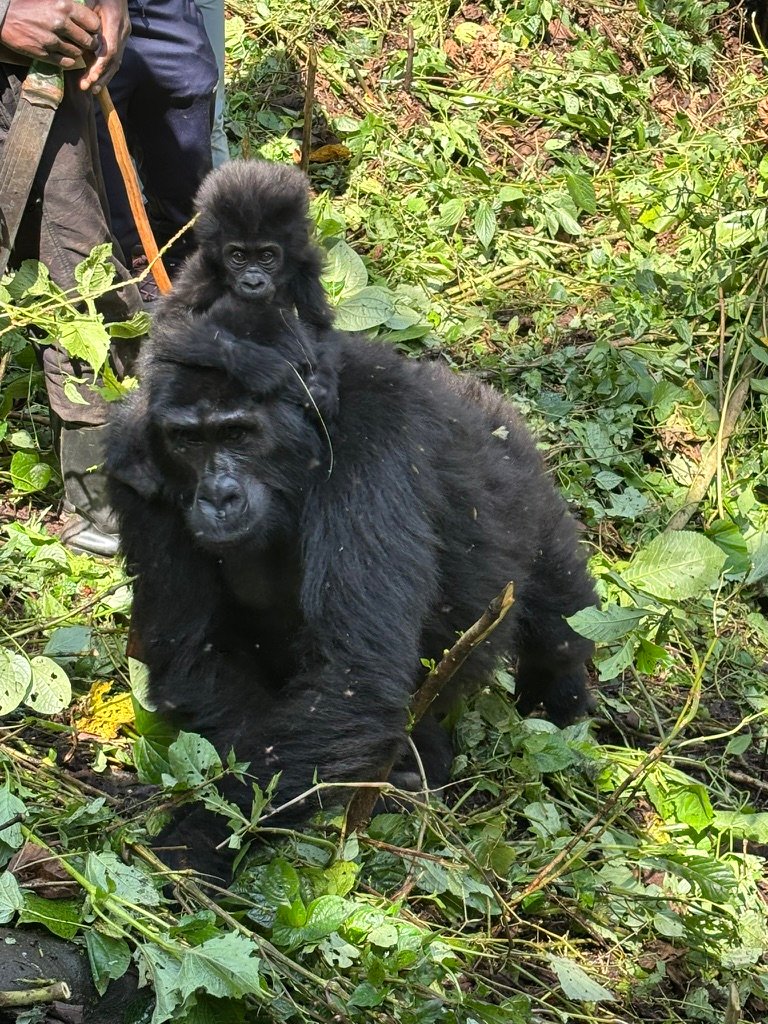
When I finally stood in front of a silverback, just meters away…
There was no fear.
Just a deep, quiet awareness.
The kind that makes you breathe slower.
And here’s the bigger picture:
Your visit directly funds conservation and local communities.
Safety and sustainability go hand in hand.
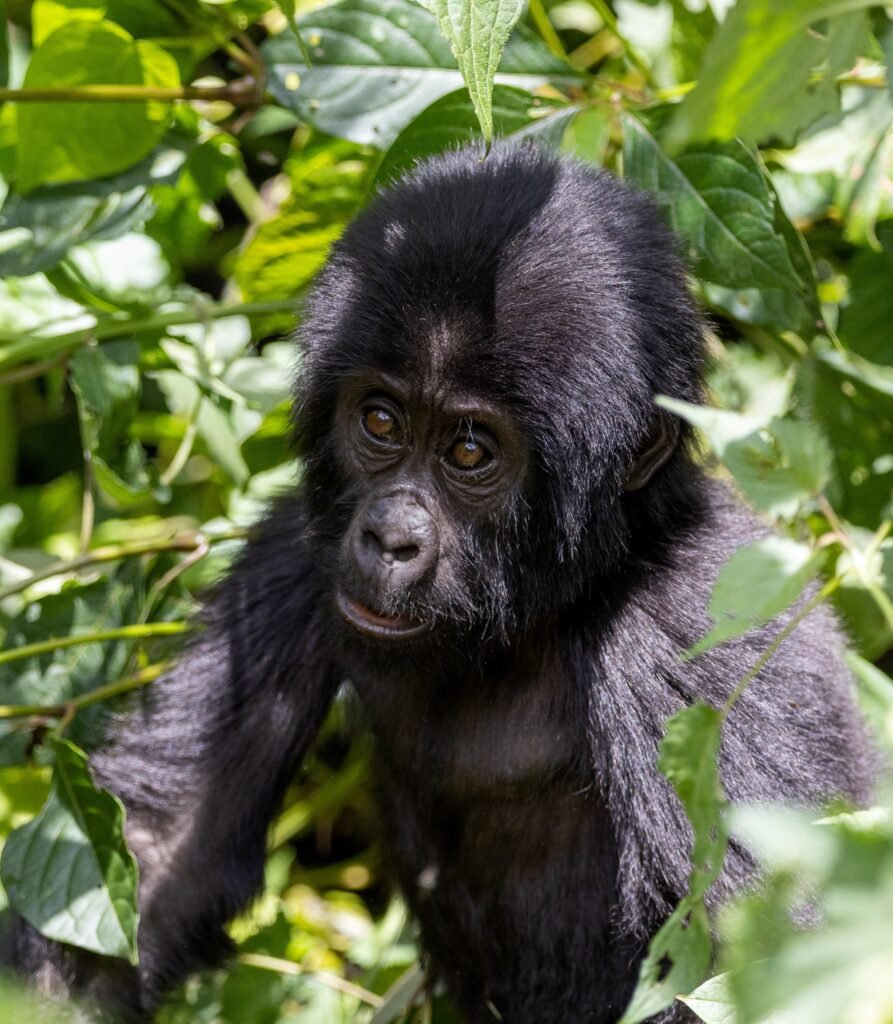
Thinking About Gorilla Trekking?
This is one of those experiences you don’t just “plan”, you feel called to it.
We work directly with local experts around Bwindi Impenetrable Forest and Volcanoes National Park to create safe, ethical, and unforgettable trekking journeys.
💬 Ask us anything—we’re happy to guide you.
Truth #3: “Africa Is Unsafe”; A Myth That Needs to End
Let’s be honest.
The idea that “Africa is unsafe” is one of the most persistent and misleading travel myths.
Africa is a continent of 54 countries.
Saying it’s unsafe is like saying:
“Is Europe dangerous?” without context.
Both Uganda and Rwanda have built strong reputations in tourism.
Rwanda, especially, feels incredibly structured.
Walking through Kigali, you notice:
- Clean streets
- Order
- A calm, almost quiet energy
Uganda feels more vibrant, more layered, less polished, but deeply welcoming.
In both places, I felt something unexpected:
Not fear.
But connection.
Truth #4: Is It Safe for Solo Female Travelers?
This is one of the most important questions.
And again, yes, it is safe to travel to Uganda and Rwanda as a solo female traveler, with the right approach.
I met Sarah, a solo traveler from Canada, in Bwindi.
She told me:
“I feel safer here than I expected—people actually look out for you.”
And that’s the key difference.
What makes it safe:
- Guided experiences
- Secure lodges and eco-camps
- Strong community involvement
What to be mindful of:
- Dress modestly in rural areas
- Avoid walking alone late at night in towns
- Use trusted transport
This isn’t about fear.
It’s about respect and awareness.
And when you move with that mindset, the experience becomes incredibly empowering.
Truth #5: Safari Safety Is Built Into the Experience
If you’re picturing wild, unpredictable danger, let’s reshape that image.
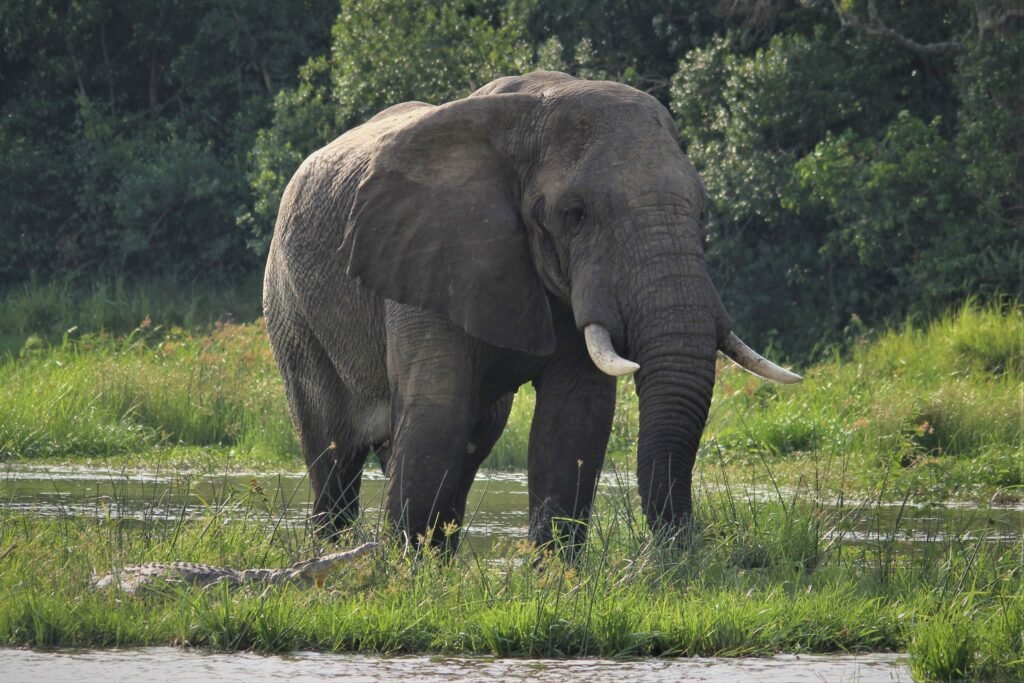
Imagine sitting in a safari vehicle in Queen Elizabeth National Park.
The sun rises. The air is cool.
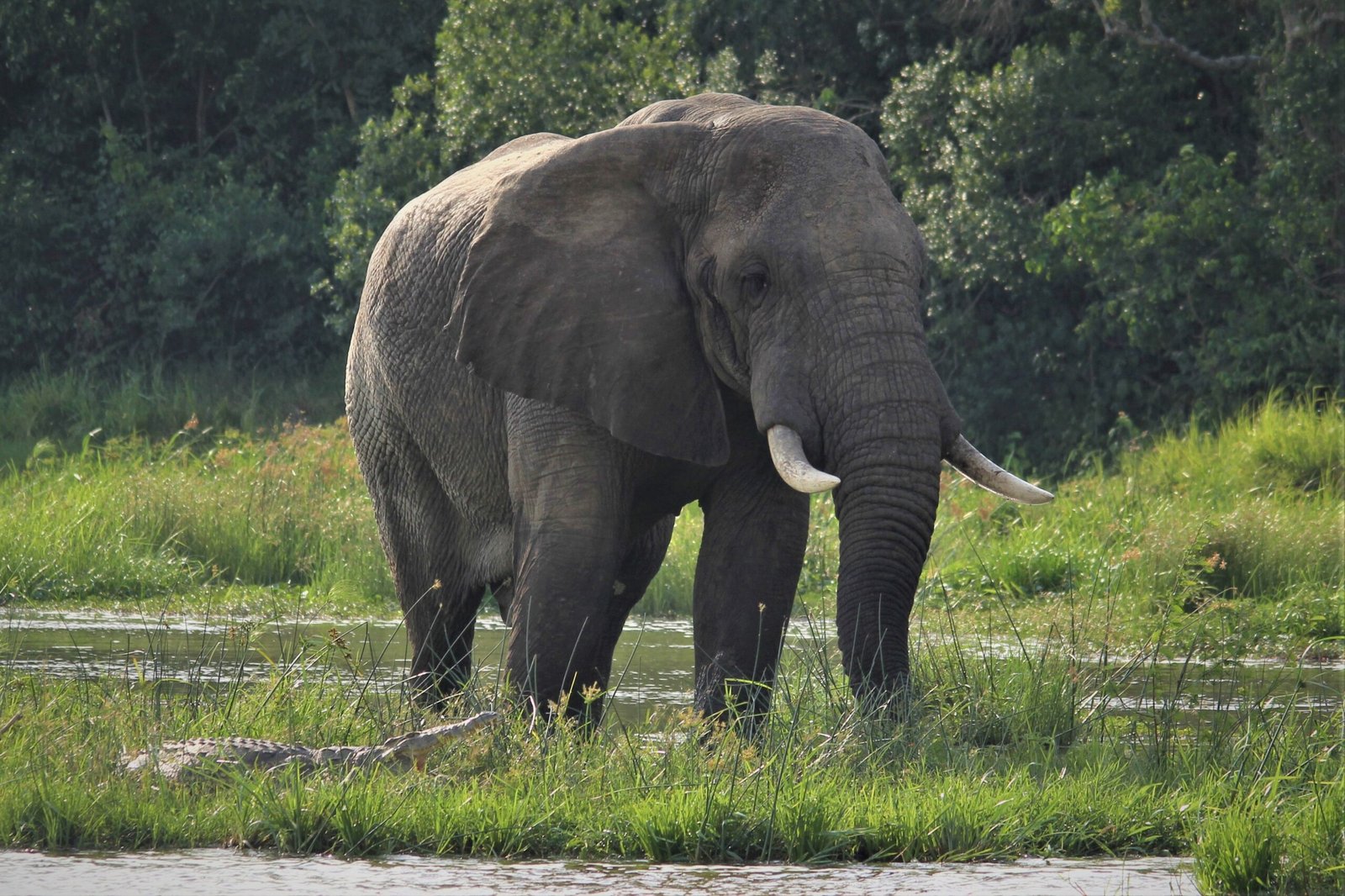
Then, in the distance, elephants.
Massive. Free. Wild.
And yet, you feel completely at ease.
Why?
Because:
- You’re guided by professionals
- Animals are respected, not chased
- There are clear, enforced rules
Your guide reads the land like a story.
Every movement. Every sound.
Safety here isn’t luck.
It’s experience.
Truth #6: Rwanda vs Uganda — Which Is Safer?
If you’re still asking “is it safe to travel to Uganda and Rwanda and which is safer?”, here’s the honest breakdown:
🇷🇼 Rwanda
- Highly organized
- Very clean and structured
- Feels controlled and predictable
🇺🇬 Uganda
- More adventurous and diverse
- Less polished, more authentic
- Deep human connection
Rwanda feels safer on the surface
Uganda feels richer beneath it
But both are safe.
It just depends on your travel style.
Truth #7: Responsible Travel Makes You Safer
This is something most people overlook.
When you travel responsibly:
- You support local communities
- You build trust
- You’re welcomed differently
I stayed in a small eco-lodge near Bwindi.
We refilled water bottles instead of using plastic. Ate food grown nearby. Talked with staff who lived in the village.
And something shifted.
You’re no longer just a visitor.
You’re part of the story.
And that creates a sense of safety no security system can replicate.
Travel Kindly: How to Leave a Positive Footprint Here
- Choose locally owned lodges and guides
- Avoid single-use plastics
- Respect local culture and dress modestly
- Ask before taking photos
- Support community experiences
Final Reflection: Fear vs Reality
So…
Is it safe to travel to Uganda and Rwanda in 2026?
Yes.
But more importantly, it’s meaningful.
Because somewhere between the forests, the people, and the wildlife…
You stop seeing this place through fear.
And start seeing it through connection.
And that changes everything.
Useful Info Box
Best time to go:
June–September, December–February
How to get there:
Fly into Entebbe (Uganda) or Kigali (Rwanda)
Ideal trip length:
5–10 days
Top experiences:
Gorilla trekking, safari, cultural visits
Recommended approach:
Travel with ethical, locally rooted operators
FAQs- Is it safe to travel to Uganda and Rwanda ?
1. Is it safe to travel to Uganda and Rwanda in 2026?
Yes, especially in tourism areas, which are well managed and secure.
2. Is gorilla trekking safe?
Yes, it is highly regulated with trained guides and strict safety protocols.
3. Is Africa unsafe for tourists?
No, this is a misconception. Safety varies by country, and Uganda and Rwanda are safe for tourism.
4. Can women travel alone safely?
Yes, particularly with guided tours and proper planning.
5. Which is safer: Uganda or Rwanda?
Both are safe, Rwanda feels more structured, Uganda more adventurous.
Ready to Experience Uganda and Rwanda for Yourself?
If this journey sparked something in you, the curiosity, the excitement, maybe even a little courage, then this is your moment.
Let us help you plan a safe, seamless, and deeply meaningful safari or gorilla trekking experience in Uganda and Rwanda.
From trusted local guides to handpicked eco-lodges, every detail is designed with your comfort, safety, and impact in mind.
Contact us today to start planning your journey