The Uganda You Don’t See in the Headlines
Beyond the stories. Beyond the headlines. Meet Uganda.
There are places in the world that people think they know before they have ever set foot there.
Table of Contents
Uganda is one of them.
Recently, someone I connected with told me something that stayed with me. Her understanding of Uganda had been shaped largely by things she had seen and heard from the outside; stories of conflict, poverty, suffering and difficult moments in Africa’s history.
She was honest about it. She had not yet experienced the Uganda I know.
I understood.
If you have never travelled here, how could you know what it feels like to wake up to mist floating above the hills around Kabale? How could you know the laughter of children filling a school courtyard, the smell of food cooking over a fire, the sound of birds around Lake Bunyonyi, or the quiet that settles over the forest in Bwindi?
How could you know the warmth of being welcomed into someone’s home?
This is why I love travel.
Travel gives us the chance to replace assumptions with encounters.
And if you are thinking about Uganda travel, I would love you to discover this country not simply as a place to tick off a safari or photograph a gorilla, but as a place to meet people, listen to stories, taste food, walk through villages, experience extraordinary landscapes and understand how tourism can become part of a community’s future.
This is the Uganda I know.
Before You Meet Uganda, Meet Its Story
Before we set off into Uganda’s forests, lakes and hills, there is something worth remembering.
Uganda has never been just one story.
Long before modern Uganda existed as a country, this region was home to diverse societies and kingdoms, including Buganda, Bunyoro, Toro, Ankole and others, each with their own histories, traditions, systems of leadership and cultural identities.
Colonial rule later reshaped the region, and Uganda became a British protectorate in the late nineteenth century. The country eventually gained independence in 1962.
The decades that followed were difficult ones. Political upheaval, violence and economic hardship left deep scars, and some of those stories became the images through which people outside Uganda came to know the country.
We should not pretend those chapters did not happen.
History matters.
But history is not destiny.
Uganda today is a country of extraordinary cultural diversity, with dozens of languages, communities and traditions, alongside rapidly changing cities, growing businesses, farmers, artists, teachers, entrepreneurs and young people imagining very different futures. The Uganda Tourism Board itself describes the country as a destination of diverse cultures, historical kingdoms and community experiences.
And that is important to me.
Because when someone tells me that their image of Uganda is still dominated by stories from decades ago, I don’t want to argue with them.
I want to invite them to come and see what came afterwards.
Come and meet today’s Uganda.
From Lake Victoria to the Source of the Nile
If you are going to understand Uganda, start with water.
Uganda sits on the northern shores of Lake Victoria, Africa’s largest lake by surface area and one of the defining features of East Africa.
Stand beside it and the word “lake” can almost feel inadequate.
The horizon stretches away like the sea.
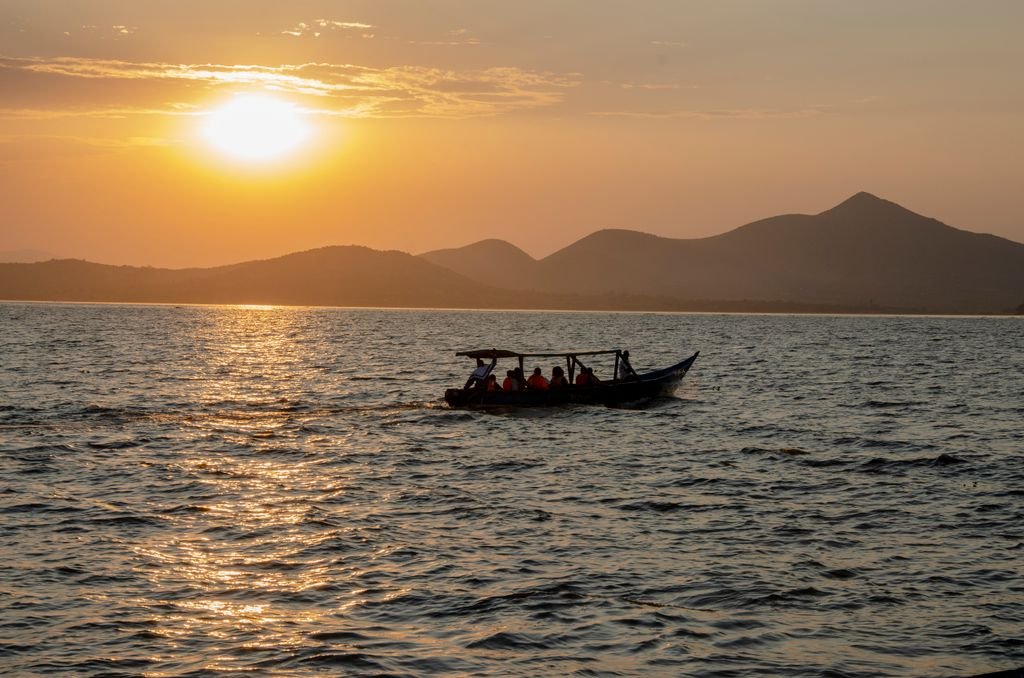
There is wind on the water, fishing boats moving across the surface and that particular smell of fresh water, vegetation and warm earth.
And somewhere in this immense landscape, one of the world’s great rivers begins its journey.
The White Nile flows out from Lake Victoria at Jinja, creating one of Uganda’s most famous geographical and cultural landmarks. Uganda Tourism Board describes the country as the source of the Nile and highlights the connection between Lake Victoria and the river as one of the country’s defining natural features.
Jinja is therefore much more than a place for adventure activities.
Yes, you can raft the Nile.
You can kayak.
You can take a boat.
You can explore the river.
But you can also simply stand there for a moment and think about where that water is going.
From here, the river continues northwards through Uganda and beyond, becoming part of one of the most famous waterways on Earth.
I love that feeling of standing in a place where geography suddenly becomes real.
You are not looking at a line on a map.
You are standing beside it.
Where the Equator Crosses Uganda
Then there is another line on the map that becomes surprisingly tangible when you are standing on it.
The Equator.
Uganda is one of the countries crossed by the Equator, and stopping here is one of those wonderfully simple travel experiences that makes you smile.
You can stand with one foot in one hemisphere and the other foot in the next.
It is playful, of course.
Take the photograph.
Have a laugh.
But then look around.
The Equator is also a reminder of just how extraordinary Uganda’s geography is.
This is a country where Lake Victoria, the Nile, tropical forests, mountains, savannahs and equatorial landscapes come together in one relatively compact journey.
That geographical variety is one reason Uganda offers such a remarkable range of travel experiences. The country’s official tourism strategy describes Uganda as a destination where travellers can combine multiple experiences rather than rushing from one isolated attraction to another.
And that is exactly how I think Uganda should be travelled.
Slowly.
Curiously.
With enough time to let one experience lead naturally into the next.

1. Kabale: Where My Uganda Begins
For me, Uganda does not begin with a safari vehicle.
It begins in Kabale.
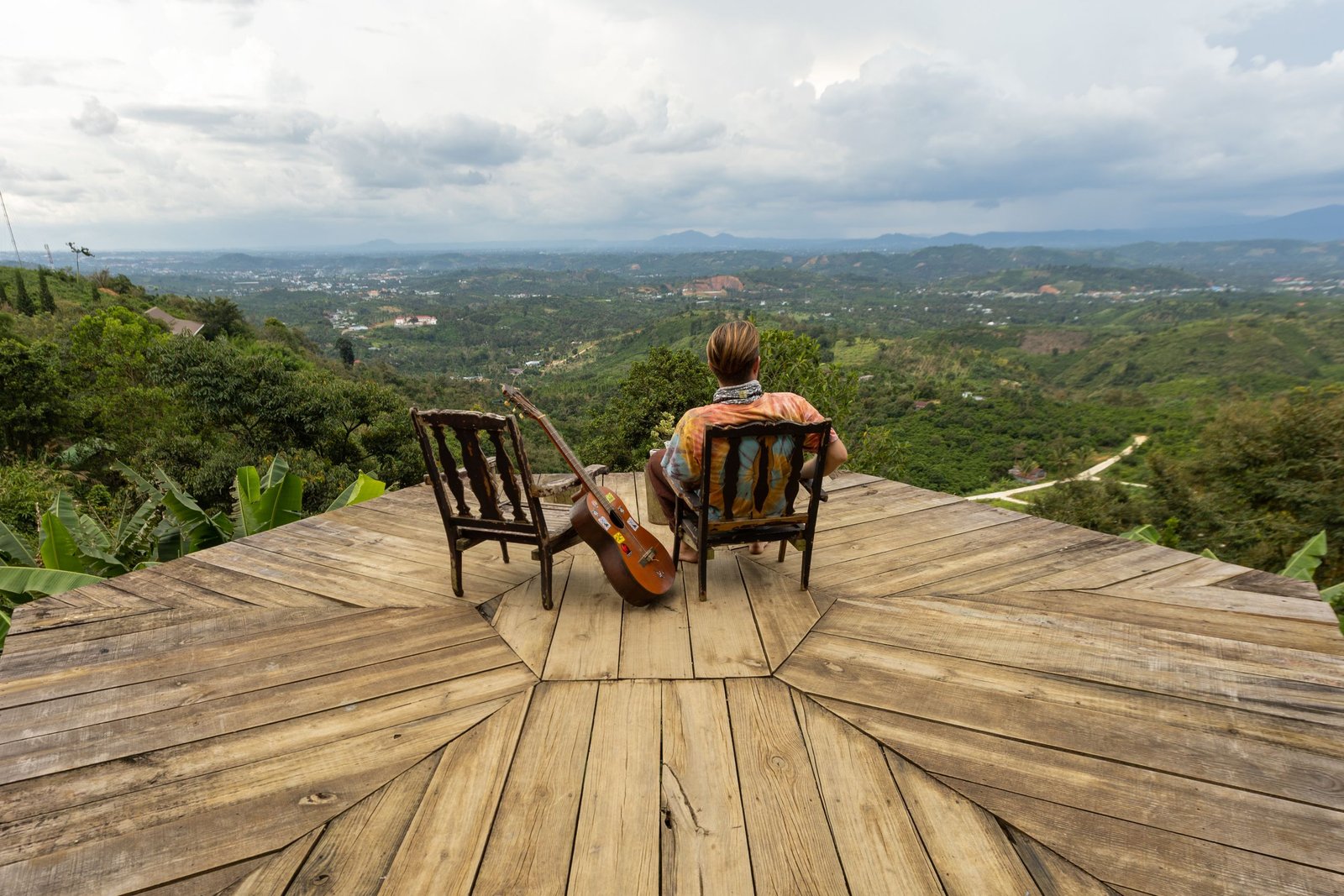
Drive into southwestern Uganda and the landscape seems to fold itself into layer after layer of green hills. Small fields climb slopes that sometimes appear impossibly steep. Roads wind between homes, gardens and trading centres. People walk along the roadside carrying vegetables, baskets, water containers or bundles of firewood.
There is movement everywhere.
And yet there is also a feeling of calm.
Kabale is not the Uganda of glossy wildlife documentaries. It is everyday Uganda. It is the woman selling tomatoes at the market. It is boda bodas moving through town. It is farmers working their land. It is children walking to school. It is conversations, greetings and the small interactions that never make it into a tourism brochure.
This is exactly why I encourage visitors to spend time here.
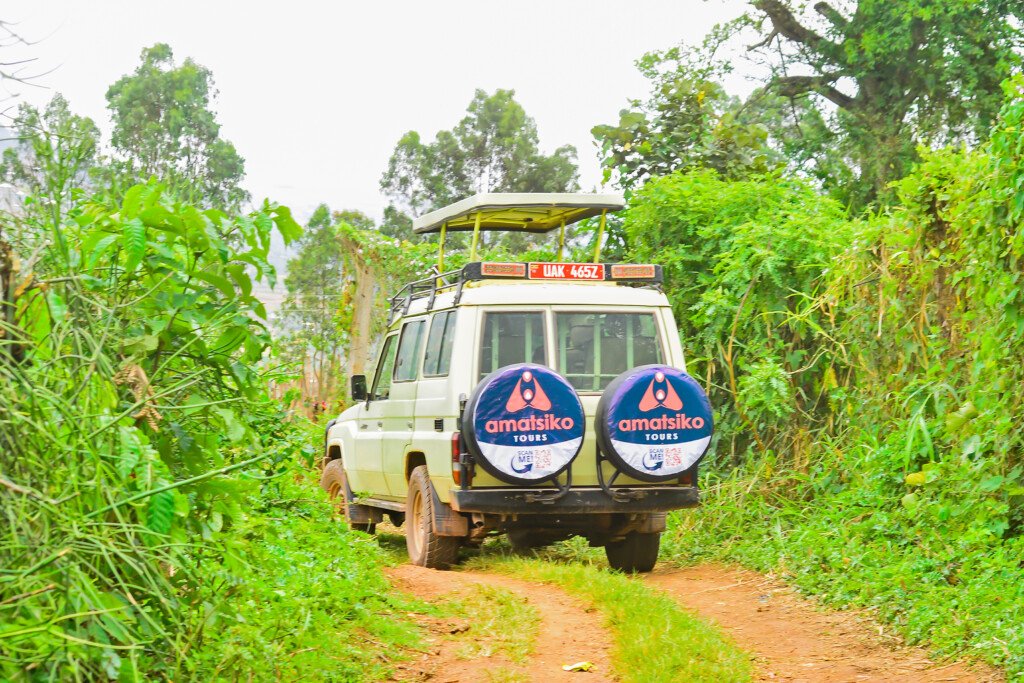
At Amatsiko Tours, we believe that one of the best ways to understand Uganda is to slow down enough to let the country introduce itself to you. Our Uganda travel and immersion experiences are designed around that idea: community, culture, nature and genuine human connection.
And that brings me to one of the places closest to my heart.

2. Amatsiko Preparatory School: Where a Different Future Begins
There is something very special about walking into a school.
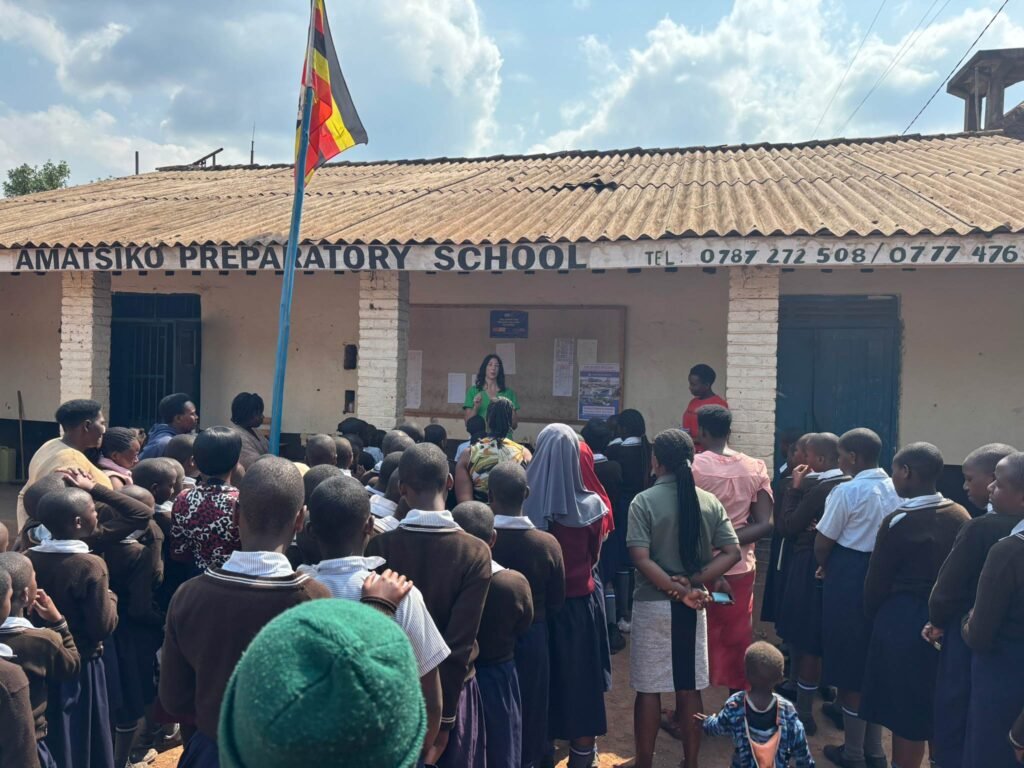
You hear the voices first.
Then the laughter.
Then the questions.
At Amatsiko Preparatory School, in Kabale, education is about much more than passing exams. The school was created to support vulnerable children who might otherwise struggle to access education, and its wider work brings together learning, meals, mentoring, family support and practical skills.
When I look at the children here, I don’t see statistics.
I see personalities.
I see curiosity.
I see football fans, future teachers, farmers, doctors, entrepreneurs and community leaders.
That is why I believe education deserves a place in a conversation about Uganda tourism.
Because responsible travel is not only about protecting forests and avoiding plastic bottles.
It is also about asking whether tourism can help create opportunities for the people who live in the places we visit.
Visitors who spend time with communities through properly organised experiences can learn something while also contributing to local livelihoods and locally led initiatives.
And sometimes the most memorable moment isn’t seeing something extraordinary.
It is sitting with someone and talking.
It is a child showing you a drawing.
It is learning a few words in the local language.
It is discovering that despite the enormous differences between our lives, we laugh about many of the same things.
That is when a destination becomes personal.
3. Buzaniro: Seeing Change from the Ground Up
From Kabale, another story unfolds in the hills of Kisoro.
This is where I would encourage travellers to look beyond the traditional idea of “tourist attractions.”
Because sometimes the most interesting thing you can see is people solving problems together.
Through Go Dream Village, families in Buzaniro have been working on practical solutions around water harvesting, food production, nutrition and livelihoods.
Imagine living in a steep rural landscape where water is not simply something you turn on with a tap.
Imagine walking long distances to collect it.
Then imagine what changes when rainwater can be captured close to home.
Suddenly, the story becomes much bigger than water.
It becomes about time.
It becomes about health.
It becomes about children having more opportunity to attend school.
It becomes about families growing more of their own food.
It becomes about dignity.
That is one of the things I want visitors to understand about community tourism in Uganda.
Positive change does not always arrive as a huge project with a big sign announcing itself.
Sometimes it looks like a vegetable garden.
Sometimes it is a water tank.
Sometimes it is a family learning a new farming technique.
Sometimes it is a child going to school instead of spending the day searching for water.
When you visit places like Buzaniro responsibly, you are not coming to “save” anyone.
You are coming to learn.
And that distinction matters.
The people who live here are not simply beneficiaries of tourism. They are farmers, parents, teachers, entrepreneurs, artisans and community members with their own knowledge, ambitions and ideas about the future.
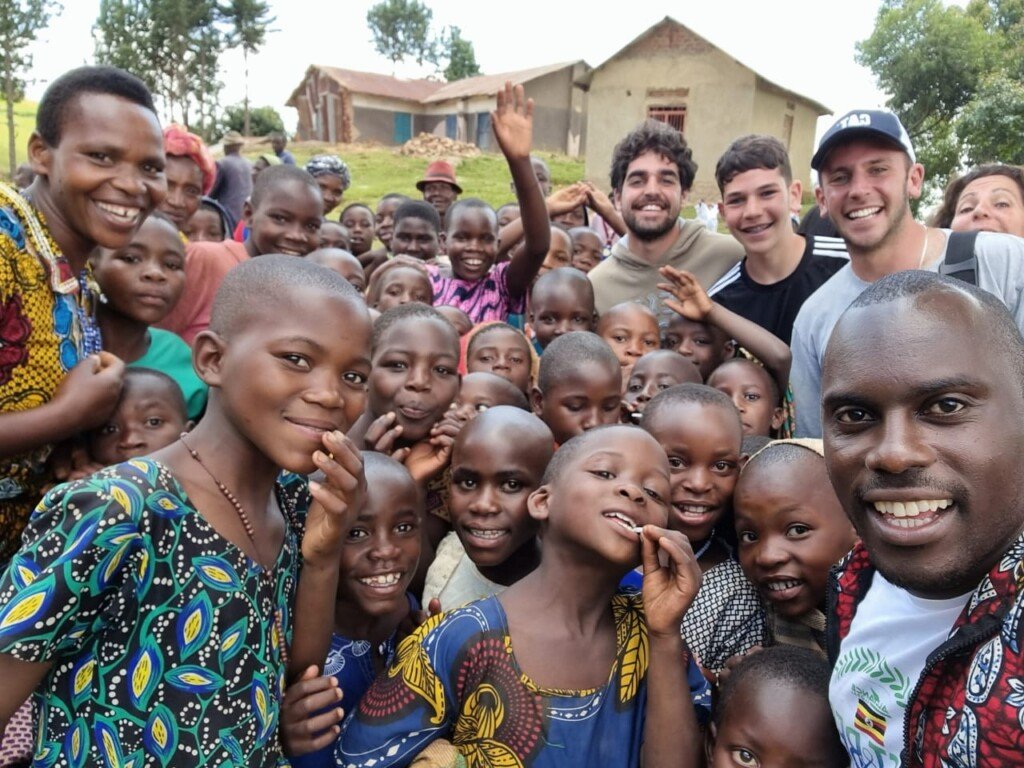
4. Lake Bunyonyi: When the Landscape Takes Your Breath Away
Then comes Lake Bunyonyi.
Even after seeing photographs, the first view can make you stop.
The lake spreads between steep green hills, dotted with islands. Canoes move quietly across the water. In the morning, mist can hang low above the surface, softening the edges of the landscape.
This is one of those places where Uganda makes it very easy to slow down.
You don’t need to fill every minute.
Sit.
Listen.
Watch.
Take a boat across the lake.
Meet local people.
Taste local food.
Learn about the region’s history and culture.
And perhaps most importantly, resist the temptation to turn the whole experience into a photography competition.
Put the camera down for a moment.
Look at the lake.
Feel the breeze.
Listen to the paddle touching the water.
This is also a wonderful place to understand why I believe tourism works best when local people are part of the experience.
Stay in locally owned accommodation where possible. Eat locally. Buy crafts directly from artisans. Choose guides who are properly connected to the communities you visit.
Your money then travels further into the destination.
Instead of simply paying for a bed and a view, you are helping support the people who make the place what it is.
That is the kind of responsible Uganda travel I want to encourage.
Not tourism that consumes places.
Tourism that connects people.
5. Bwindi: Into the Forest
Eventually, the hills lead you towards Bwindi.
And here the atmosphere changes.
The roads become more winding. The landscape becomes thicker, greener and wilder.
Then the forest appears.
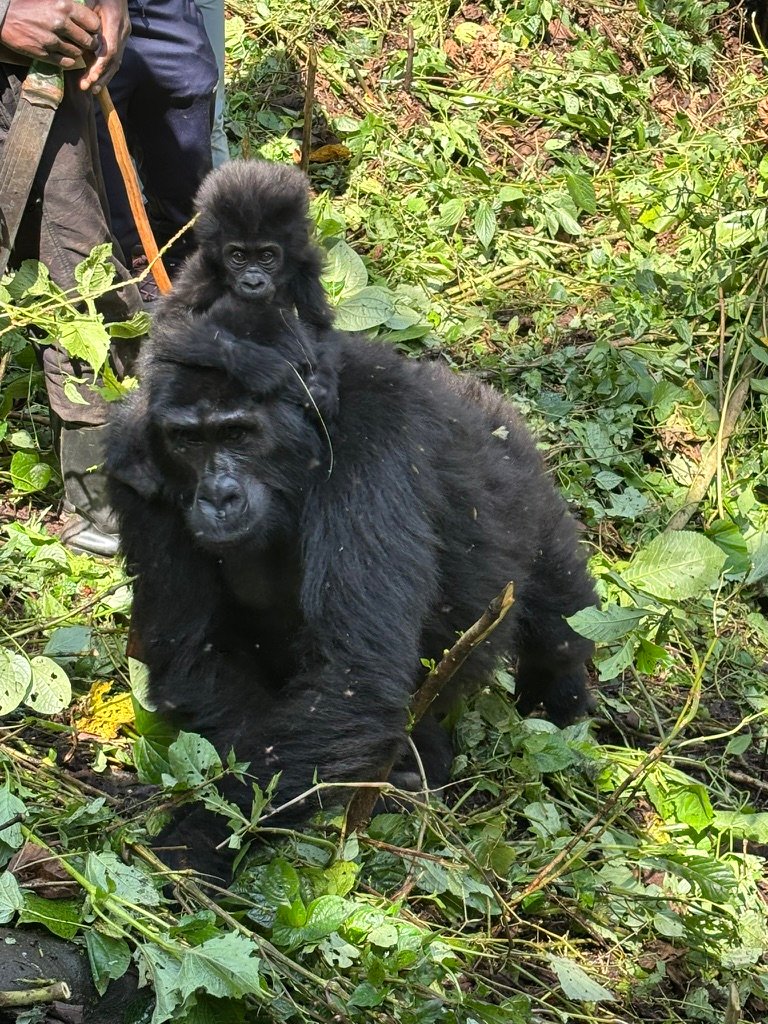
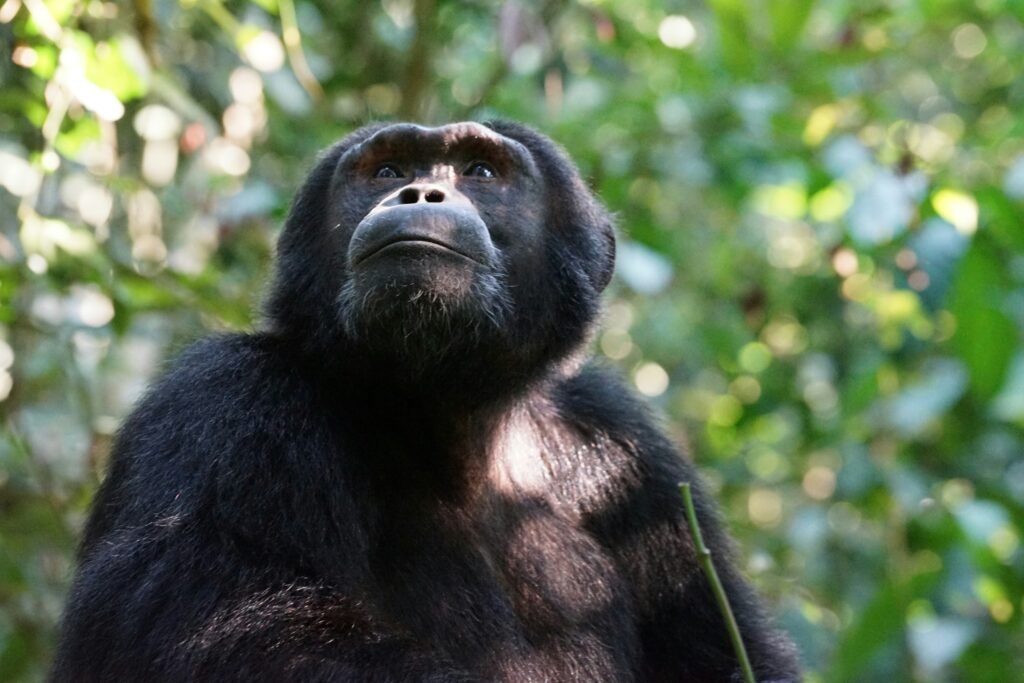
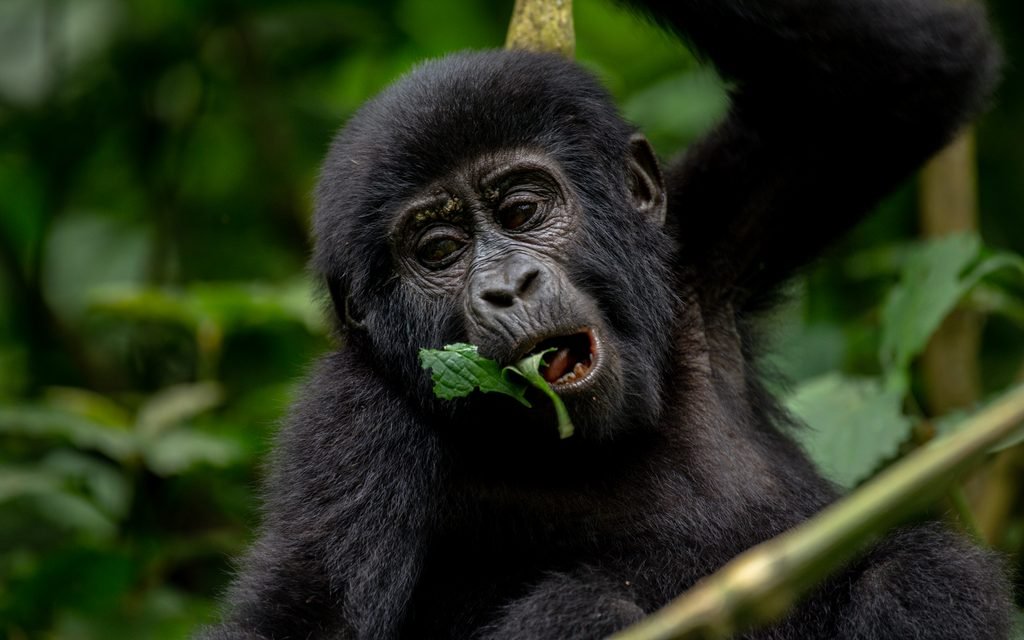
Bwindi Impenetrable National Park is one of the world’s great places to encounter mountain gorillas, but what stays with me is not simply the excitement of seeing a gorilla.
It is the feeling of being inside that forest.
The damp earth beneath your boots.
Leaves brushing your arms.
The calls of birds somewhere above you.
The sudden silence when everyone realises the gorillas are nearby.
And then, perhaps, a face emerging through the vegetation.
A pair of eyes meeting yours.
For a few seconds, everything else disappears.
Gorilla trekking is rightly one of Uganda’s most famous experiences, but it also carries an important lesson: wildlife conservation cannot exist separately from the people who live around protected areas.
Communities need opportunities.
Families need livelihoods.
Children need schools.
And conservation needs local support.
Uganda Wildlife Authority reported in June 2025 that more than UGX 2.19 billion in revenue-sharing funds was distributed to communities around the Bwindi-Mgahinga Conservation Area, supporting priorities including schools, health facilities, water systems and alternative livelihoods.
That connection between conservation and communities is enormously important.
The future of the forest is not only about what happens inside the park boundaries.
It is also about what happens outside them.
So when you trek for gorillas, remember that you are entering a living landscape with a much bigger story behind it.
Walk gently.
Follow the ranger’s instructions.
Keep your distance from wildlife.
Do not leave anything behind.
And appreciate the privilege.
6. Mgahinga: Mountains, Golden Monkeys and Living Heritage
Not far away, Mgahinga offers another extraordinary experience.
The mountains rise dramatically above the landscape, and the feeling here is different again.
If Bwindi feels like entering a hidden green world, Mgahinga feels almost monumental.
The park is part of the larger Virunga landscape, and for travellers who want to understand southwestern Uganda beyond one famous animal, it offers a chance to explore mountain ecosystems, wildlife and cultural heritage.
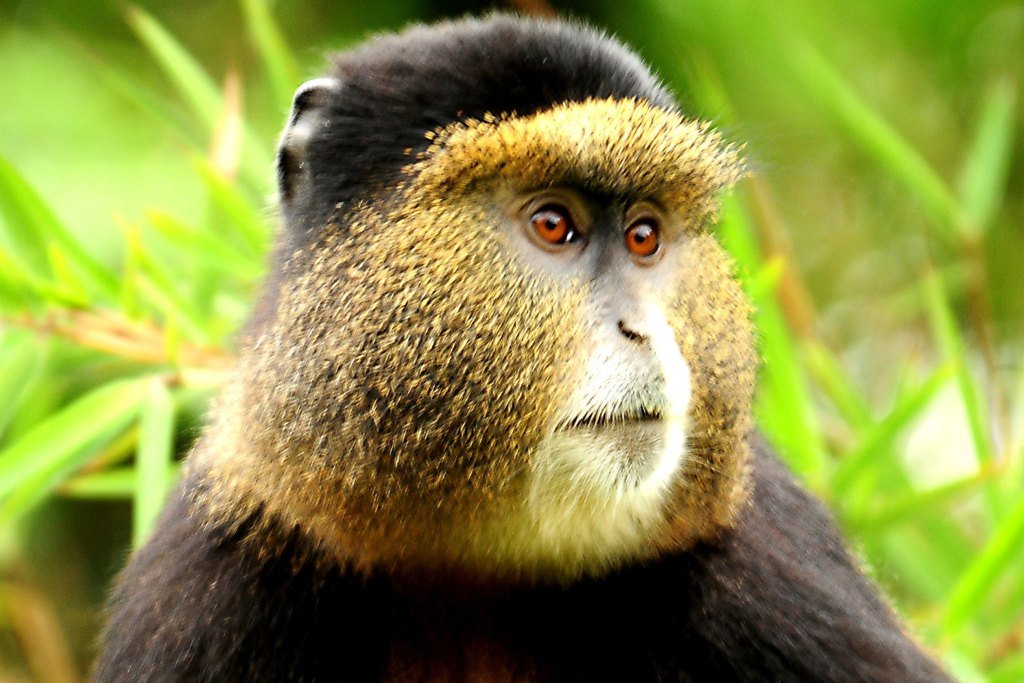
Golden monkey trekking can be particularly rewarding.
They move quickly.
One moment you see them; the next they disappear into the vegetation.
You follow the sounds, look up through the branches and suddenly there they are again.
But I would also encourage travellers to learn about the people whose history is tied to these forests.
Cultural experiences should be approached with respect. Ask questions. Listen. Avoid treating culture as a performance created solely for visitors.
When cultural encounters are community-led and fairly compensated, tourism can help keep traditions, skills and stories alive while giving visitors something much more meaningful than a staged photograph.
You leave not simply knowing that Uganda has mountains.
You leave understanding that these landscapes have human stories woven through them.
7. Queen Elizabeth National Park: Uganda Opens Up Again
Then the landscape changes one more time.
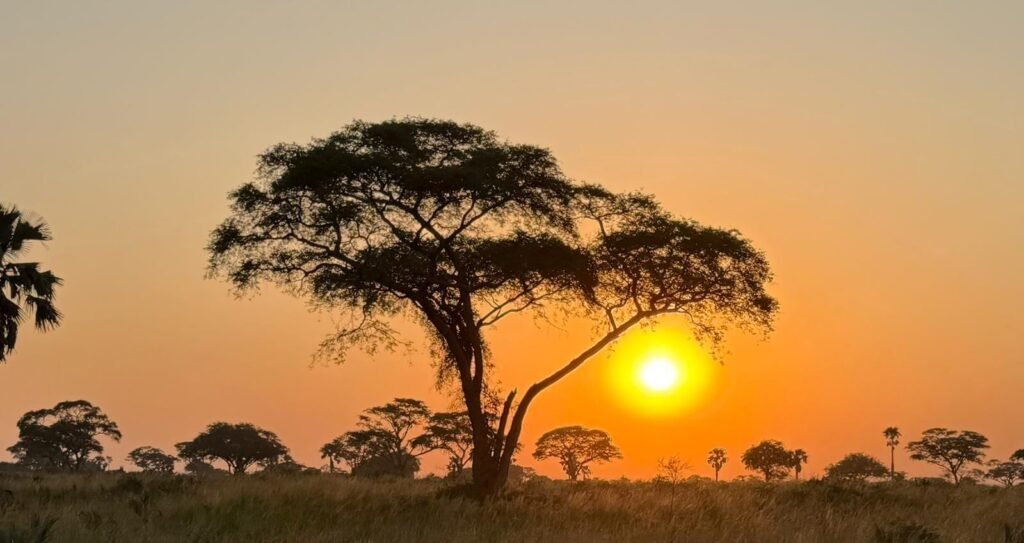
The dense green hills give way to open savannah.
Welcome to Queen Elizabeth National Park.
This is where the Uganda of forests and mountains opens into a much wider world.
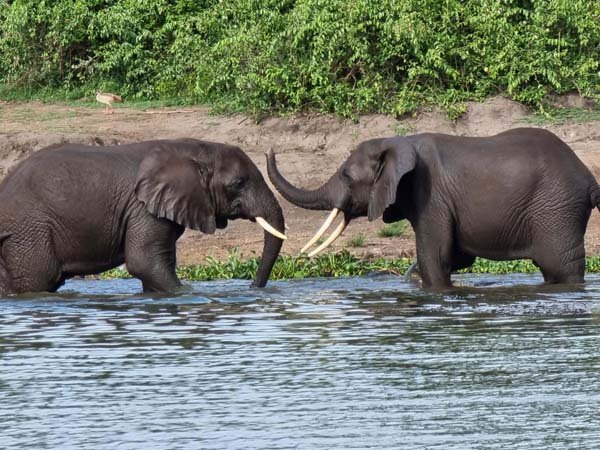
Grasslands stretch towards the horizon. Hippos gather in the water. Buffalo watch from the shallows. Birds fill the air with calls. And somewhere beyond the road, elephants move through the landscape.
The Kazinga Channel is particularly memorable.
From a boat, you see the park from a completely different perspective. The water brings wildlife close, while the banks seem to be constantly moving with life.
A crocodile lies motionless.
A hippo disappears beneath the surface.
Birds lift from the shoreline.
And then, if you are lucky, the light begins to change and the whole landscape turns golden.
This is the Uganda many visitors dream about when they book a safari.
But after spending time in Kabale, Buzaniro, Bunyonyi and the communities around the forests, the wildlife means something different to me.
I no longer see conservation as simply protecting animals so that tourists can photograph them.
I see it as protecting landscapes that support people, livelihoods, water, agriculture, biodiversity and future generations.
And that is why the best Uganda safari is not only about what you see through the binoculars.
It is about understanding what makes the whole ecosystem possible.
Travel Kindly: How to Leave a Positive Footprint in Uganda
If you come to Uganda, I hope you arrive curious.
But I also hope you arrive gently.
Choose locally owned businesses
Where possible, stay, eat, shop and travel with Ugandan-owned businesses. Your spending becomes much more meaningful when more of it remains within the local economy.
Meet people, not just attractions
Give yourself time to talk with your guide, eat with local families, visit a market or learn from an artisan. Human connection is one of the greatest things you can take home from Uganda.
Respect children
If you visit schools or community projects, remember that children are not tourist attractions. Ask permission before taking photographs and follow the guidance of the organisation you are visiting.
Keep Uganda beautiful
Carry a reusable water bottle where practical, avoid unnecessary single-use plastic, take your rubbish with you and respect wildlife and protected areas.
Choose experiences that give back
Look for community-led experiences and tourism operators that can explain where your money goes and how local people participate in the experience.
This is one reason we at Amatsiko Tours put community connection at the heart of many of our journeys. Our Travel with Purpose experience combines community experiences, Buzaniro, Lake Bunyonyi, Bwindi and wildlife rather than treating community work as something separate from the holiday.
The Uganda I Wish More People Could Meet
So, what do I wish people knew about Uganda?
I wish they knew that the country cannot be reduced to the difficult stories that have appeared in international headlines.
I wish they could see Lake Victoria shimmering beneath the morning sun.
I wish they could stand at the Equator and laugh as they take the obligatory photograph.
I wish they could stand beside the Nile at Jinja and think about the extraordinary journey that begins there.
I wish they could see Kampala buzzing with life.
I wish they could see Kabale early in the morning.
I wish they could hear children laughing at Amatsiko school.
I wish they could walk through Buzaniro and meet families who are working hard to create better lives with the resources around them.
I wish they could sit beside Lake Bunyonyi when the mist rises from the water.
I wish they could stand quietly in Bwindi and realise how extraordinary it is to share a forest with mountain gorillas.
I wish they could watch golden monkeys disappearing into the trees of Mgahinga.
I wish they could sit on a boat along the Kazinga Channel as the sun begins to fall.
But most of all, I wish they could meet the people.
Because that is what changed my understanding of travel.
A country becomes real when you stop looking at it from a distance.
You begin with an image.
Then you meet someone.
You hear their story.
You share a meal.
You laugh.
You learn.
And suddenly the country is no longer an idea.
It is a collection of faces.
Uganda is not perfect. No country is.
There are challenges here. There is poverty. There are difficult histories and difficult realities that should not be ignored.
But those things are not the whole story.
There is also extraordinary generosity.
There is creativity.
There is resilience.
There is humour.
There are children dreaming about their futures.
There are communities building solutions.
There are forests being protected.
There are farmers working their land.
There are guides who know every bend in the road.
There are families opening their homes.
And there are travellers arriving as strangers and leaving with friends.
That is the Uganda I know.
And perhaps that is the real gift of travel.
Not that it confirms everything we already believed.
But that it gives us the courage to discover that we were missing part of the story.
So if you are thinking about visiting Uganda, come.
Come for the gorillas.
Come for the landscapes.
Come for Lake Victoria.
Come for the Equator.
Come for the Nile.
Come for Lake Bunyonyi.
Come for the wildlife.
Come for the mountains.
But stay long enough to meet the people.
Because somewhere between the waters of Lake Victoria, the source of the Nile, the hills of Kabale, the waters of Bunyonyi, the forests of Bwindi and the savannahs of Queen Elizabeth National Park, you may discover something I have learned again and again:
The Uganda you imagined before arriving is only the beginning.
The Uganda you experience is something much richer.
And perhaps, like so many travellers before you, you will leave with a story you never expected to tell.
Practical Information for Your Uganda Journey
Best time to visit Uganda: Uganda can be visited throughout the year, but many travellers prefer the generally drier periods around June–August and December–February. Weather varies by region and altitude, so your itinerary should be planned around the experiences you want most.
Getting to Uganda: Most international visitors arrive through Entebbe International Airport. From there, your journey can begin with Lake Victoria and Entebbe, continue through Kampala and Jinja, and then head west towards the Equator, Kabale, Lake Bunyonyi and Bwindi.
Getting to southwestern Uganda: Kabale can be reached by road from Kampala/Entebbe, while travellers arriving through Rwanda can often reach the region more quickly via Kigali and the Katuna border area. Amatsiko Tours can help arrange transfers and tailor the route around your arrival point.
How long should you spend? For a first journey combining the Nile, Lake Victoria, the Equator, community experiences, Lake Bunyonyi, Bwindi and wildlife, I recommend at least 10–14 days. More time allows the journey to breathe rather than turning every day into a long transfer.
Community projects: Visitors interested in the education work can learn more through Amatsiko Organisation. Those interested in the Buzaniro community project can explore Go Dream Village.
Wildlife and conservation: For official information about Uganda’s national parks, conservation policies and protected areas, consult the Uganda Wildlife Authority.
Planning your trip: If you want to combine Lake Victoria, the Nile, the Equator, community immersion, Lake Bunyonyi, gorilla trekking and Uganda’s wildlife, Amatsiko Tours can help create a journey around your interests rather than forcing you into a standard itinerary.