Uganda Road Trip: The Ultimate 10-Day Itinerary from Entebbe
Beyond the Headlines
Table of Contents
Discover Uganda on a 10 day Uganda road trip itinerary from Entebbe, exploring spectacular waterfalls, wildlife-rich national parks, misty rainforests, mountain gorillas, beautiful lakes, and community experiences that bring you closer to the people who call Uganda home.
There is a particular kind of excitement that comes with starting a road trip in a country you have never explored properly. You leave the airport behind, the landscape begins to change, and suddenly the journey becomes about much more than reaching your next destination.
In Uganda, that feeling arrives quickly.
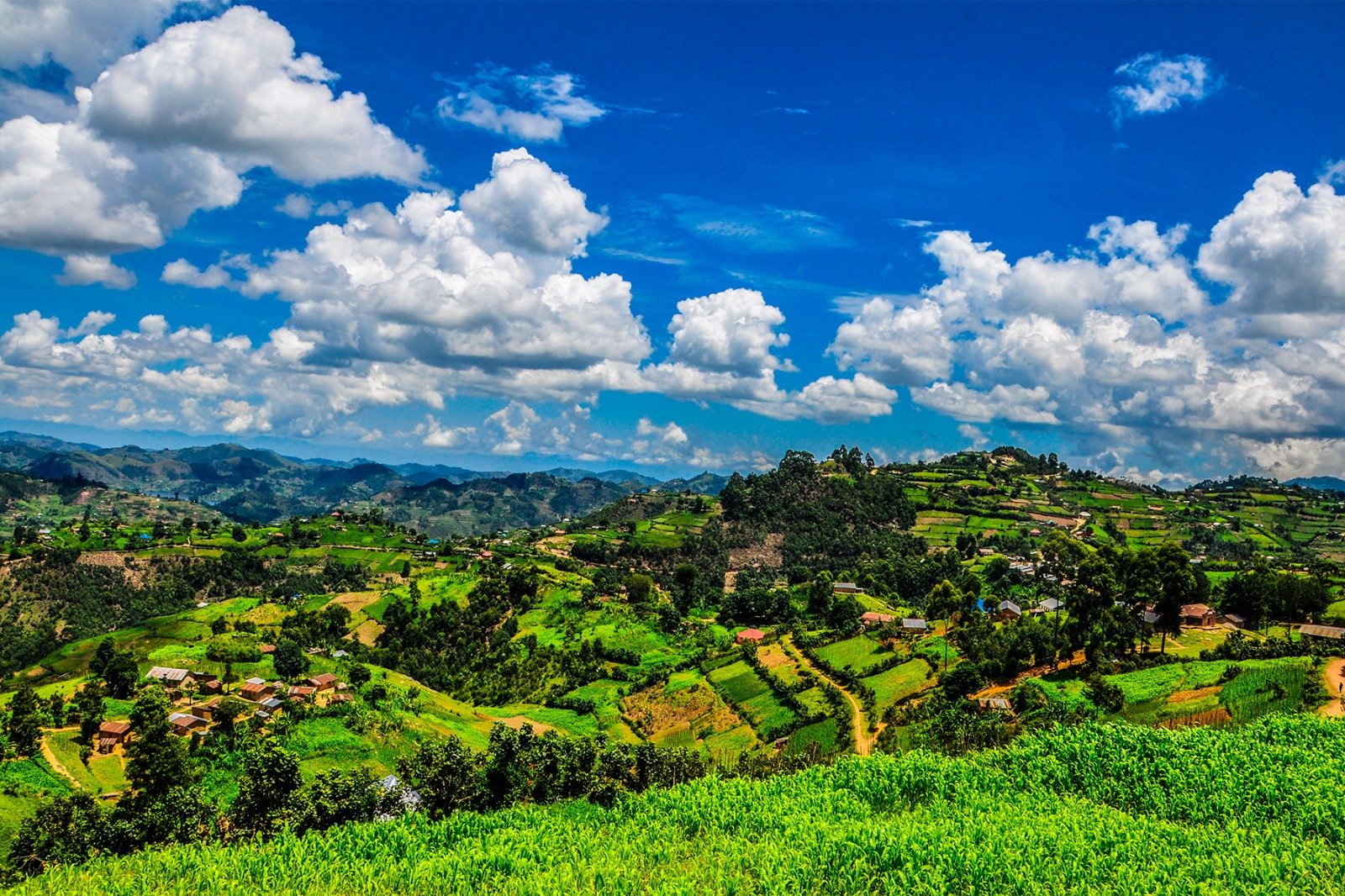
One moment, you are driving through the lively streets around Entebbe, with the warmth of Lake Victoria in the air. A little later, you might be passing roadside fruit stalls, green fields, bustling trading centres, and villages where everyday life unfolds beneath the tropical sun. Keep travelling west, and the scenery changes again: forests rise over the road, hills roll towards the horizon, and the sound of the city gives way to birdsong and the distant calls of wildlife.
A Uganda road trip is one of the most rewarding ways to discover the country’s extraordinary variety. Within a single journey, you can experience the power of the Nile at Murchison Falls, walk through a rainforest in search of chimpanzees, watch elephants roam across the savannah, meet mountain gorillas in their forest home, and slow down beside the beautiful waters of Lake Bunyonyi.
But there is another side to the journey that deserves just as much attention.
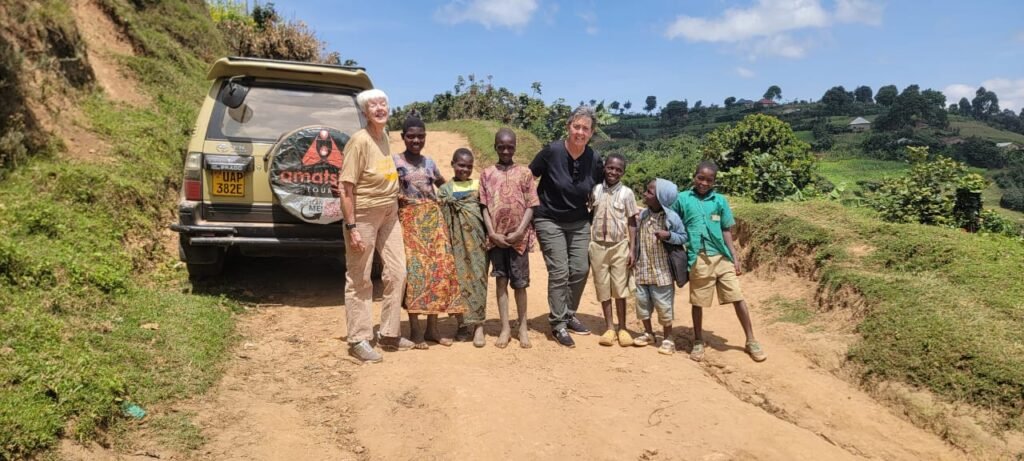
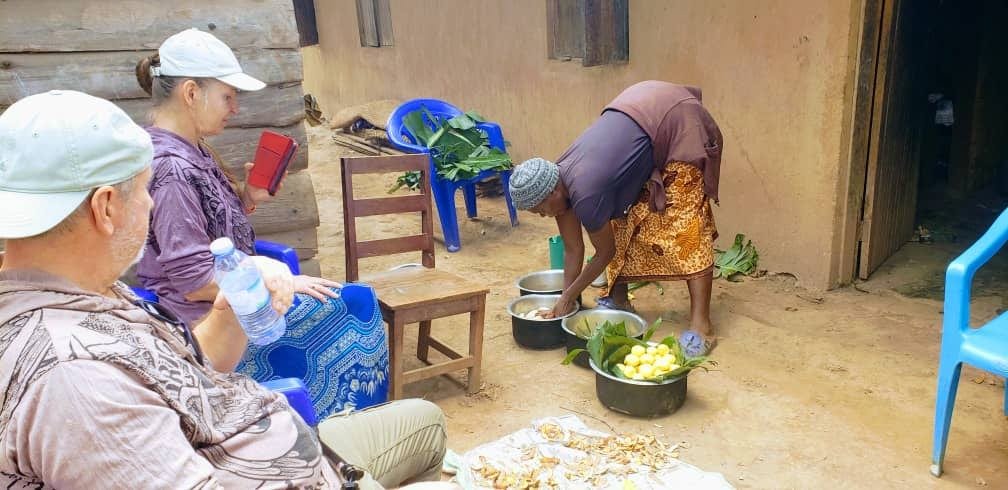
It is the Uganda you discover when you sit down for a conversation with a local guide, learn how a traditional meal is prepared, browse handmade crafts, or spend time with a community working towards a better future for its children.
At Amatsiko Tours, we believe these encounters are an important part of understanding a destination. Our recent article, The Uganda You Don’t See in the Headlines, explores the people, places, and everyday stories that make Uganda so much more than the headlines suggest.
This road trip is an invitation to experience that story for yourself.
Whether you are planning your first visit to Uganda or returning to explore more deeply, this 10-day itinerary combines famous attractions with opportunities to connect with the people and communities who make the journey memorable.
So, fill your water bottle, pack your camera, leave a little room for unexpected stops, and let’s discover Uganda one road at a time.
Uganda Road Trip at a Glance
Here is how the 10-day journey unfolds.
- Day 1: Entebbe — Arrive, settle in, and discover the shores of Lake Victoria.
- Day 2: Entebbe to Murchison Falls National Park — Travel north through Uganda’s countryside, with an optional stop at Ziwa Rhino Sanctuary.
- Day 3: Murchison Falls National Park — Experience the Nile, enjoy a game drive, and discover one of Uganda’s most dramatic natural landmarks.
- Day 4: Murchison Falls to Fort Portal — Cross changing landscapes on the journey towards western Uganda.
- Day 5: Kibale Forest and Bigodi — Look for chimpanzees and experience community-led nature and cultural tourism.
- Day 6: Queen Elizabeth National Park — Explore savannah landscapes and enjoy wildlife viewing.
- Day 7: Queen Elizabeth to Bwindi — Travel towards the misty forests of southwestern Uganda.
- Day 8: Bwindi Impenetrable National Park — Experience mountain gorilla trekking with an authorized guide and permit.
- Day 9: Lake Bunyonyi and community experiences — Enjoy scenic lake views, local culture, and opportunities to learn about community initiatives.
- Day 10: Return to Entebbe — Complete the road trip and prepare for departure.
A note about the pace: This is an ambitious itinerary, particularly on Days 2, 4, 7, and 10. Actual driving times depend on the route, weather, road conditions, traffic, and stops. If you prefer a slower holiday, I recommend extending the trip by two or three days. If your international flight leaves early on Day 10, arrange an additional overnight stay near Entebbe instead of attempting the full return drive that morning.
Day 1: Entebbe — Where Your Uganda Road Trip Begins
Your Uganda road trip begins in Entebbe, a relaxed lakeside town that offers a gentle introduction to the country.
After a long international flight, there is no need to rush straight into a safari. Take time to settle into your accommodation, enjoy a good meal, and let the excitement of arriving in Uganda sink in.
If you arrive early enough, visit the Entebbe Botanical Gardens, where mature trees create welcome shade and birds move through the branches above the paths. You can also explore the lakeside, watch fishing boats move across the water, or simply sit somewhere peaceful and enjoy the warm breeze coming off Lake Victoria.
For many visitors, this first day is when Uganda begins to feel real. The air is warm, the streets are lively, and the country moves at a rhythm that can feel very different from home. You might hear conversations in Luganda, smell freshly prepared food drifting from a nearby restaurant, or find yourself watching everyday life unfold beside the road.
These small moments matter. They remind us that Uganda is not simply a collection of national parks waiting to be explored. It is a living country, with its own routines, stories, and communities.
I recommend choosing a locally owned restaurant for your first dinner. Try a Ugandan meal such as matoke, groundnut sauce, or a freshly prepared fish dish if it is available. Ask your host or guide about local specialities rather than ordering only what you already know.
If you have a little time before your trip, explore the Amatsiko Tours website to discover the different ways of combining wildlife, landscapes, and community experiences during your stay.
Responsible travel tip: Allow time to recover from your flight, carry a reusable water bottle where safe refill facilities are available, and support local businesses when choosing food, transport, and accommodation.
Overnight: Entebbe.

Day 2: Entebbe to Murchison Falls — Into Uganda’s Green Countryside
Wake up early, enjoy breakfast, and begin the drive north towards Murchison Falls National Park.
This is where the road trip starts to unfold. As you leave the Entebbe and Kampala area, urban life gradually gives way to greener landscapes, roadside markets, agricultural land, and small trading centres. The journey is an opportunity to observe the country beyond the destinations that usually appear on safari brochures.
You may see people selling bananas, pineapples, roasted maize, and other seasonal produce beside the road. Boda-boda riders weave through busy centres, while shops open their doors for another day of business. If you travel with a knowledgeable local driver-guide, these everyday scenes can become an introduction to Uganda’s food, livelihoods, and regional cultures.
Plan for a substantial driving day. The journey can take several hours, and traffic, roadworks, weather, and the route you choose can affect arrival time. Rather than treating every roadside stop as a distraction, build in a few safe breaks to stretch your legs, buy refreshments, and enjoy the changing scenery.
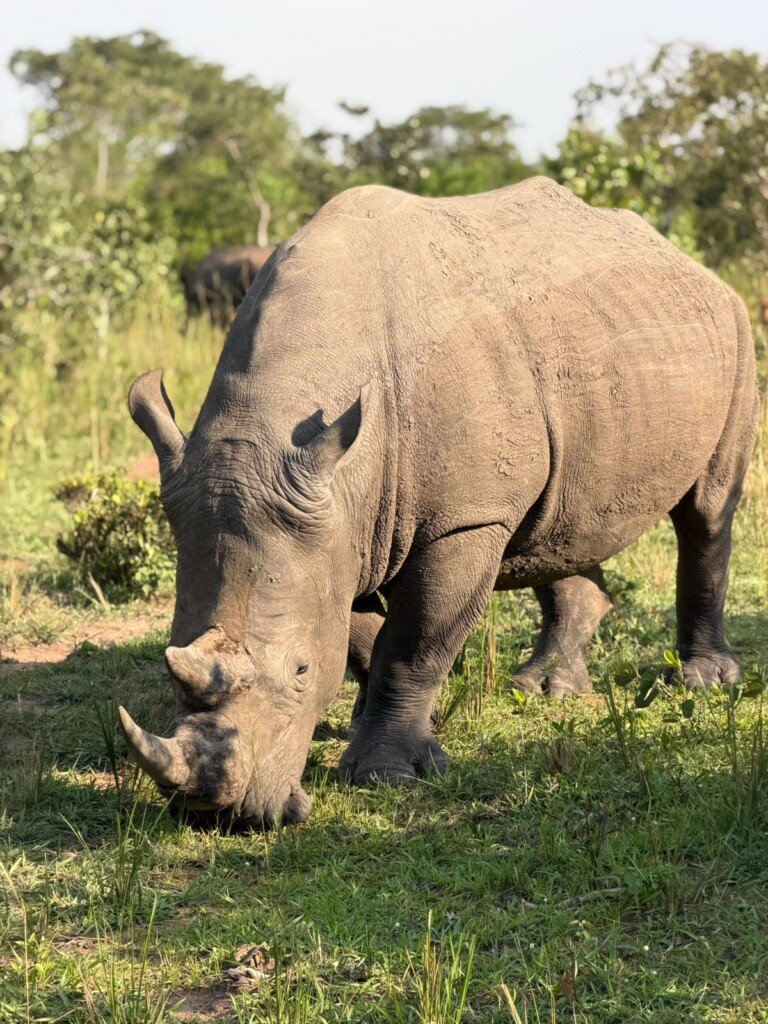
If your schedule and arrival time allow, you can consider visiting Ziwa Rhino Sanctuary en route. The sanctuary offers guided rhino-tracking experiences that introduce visitors to Uganda’s rhino conservation story. However, a tracking visit takes time, so it should be arranged in advance and included in your driving plan rather than added at the last minute.
Seeing rhinos in a protected environment is a reminder that conservation is a long-term commitment. Wildlife protection involves habitat management, monitoring, trained staff, funding, and the cooperation of people living near conservation areas.
By late afternoon, continue towards your accommodation near Murchison Falls National Park. Depending on your route and arrival time, you may have an opportunity to enjoy the surroundings before dinner.
Responsible travel tip: Stop only in safe, permitted places. When buying produce or refreshments, pay fairly and remember that roadside vendors are people working to support their livelihoods, not props for holiday photographs.
Overnight: Near Murchison Falls National Park.
Day 3: Murchison Falls National Park — Where the Nile Roars
Some landscapes are impressive because of their size. Others capture your attention because of the sheer force of nature.
Murchison Falls offers both.
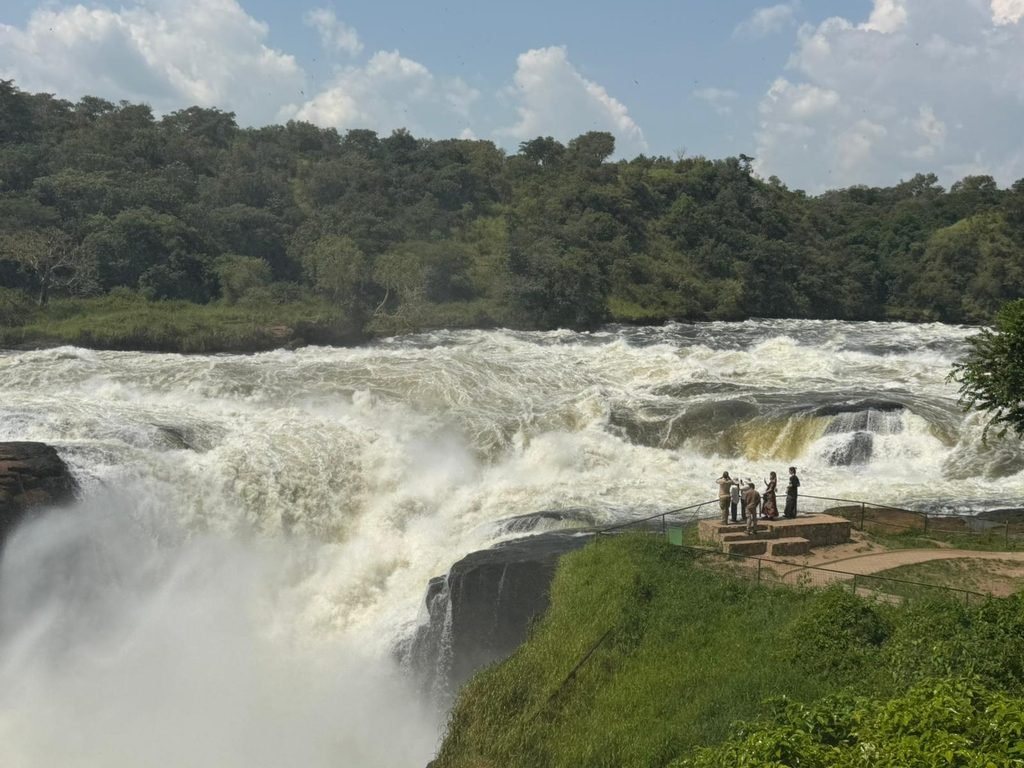
Here, the Victoria Nile pushes through a narrow rocky gorge before plunging into the river below. The sound of rushing water, the spray rising from the rocks, and the sheer energy of the river make this one of the most memorable natural sights in Uganda.
Depending on the conditions and your chosen activities, you can visit the designated viewpoint to appreciate the falls from above. A guided game drive in the park offers a different experience, with opportunities to look for elephants, giraffes, buffaloes, antelopes, and other wildlife.
Early mornings are often rewarding for wildlife viewing, when the air is cooler and animals may be active. Your guide can help interpret animal behaviour, explain the landscape, and identify species that might otherwise go unnoticed.
If your schedule allows, consider a boat trip along the Nile. From the water, you may see hippos, crocodiles, waterbirds, and other wildlife along the riverbanks. The perspective is different from a game drive: the river becomes the centre of the experience, and the surrounding landscape seems to open up around you.
No wildlife encounter is guaranteed, and that is part of the adventure. The pleasure comes from observing animals in their natural environment rather than expecting nature to perform on demand.
Murchison Falls also offers a chance to think about the relationship between tourism and conservation. National parks require careful management, and responsible visitors can contribute by following regulations, using authorized operators, and treating wildlife habitats with respect.
Before travelling, consult the Uganda Wildlife Authority for official information about protected areas, visitor requirements, and conservation regulations. For additional destination inspiration, you can also explore Tourism Uganda’s guide to Murchison Falls National Park.
Responsible travel tip: Never approach, feed, or deliberately disturb wildlife. Follow your guide’s instructions, remain inside your vehicle where required, and keep a respectful distance from animals.
Overnight: Near Murchison Falls National Park.
Day 4: Murchison Falls to Fort Portal — A Road Through Rural Uganda
Today, the road trip turns towards western Uganda.
This is one of the longer driving days, so start early and make sure your driver has planned the route, fuel stops, meal breaks, and expected arrival time. It is worth checking the current road conditions before departure, particularly during periods of heavy rain.
Rather than treating this day as nothing more than a transfer, pay attention to the country unfolding outside your window.
You may pass fields, roadside stalls, schools, churches, small workshops, and trading centres where people gather to buy and sell goods. The landscapes change gradually, offering glimpses of rural life that can be easy to miss when travelling only between major attractions.
If you want to stop for photographs, ask your guide to find a safe place where stopping is permitted. When people appear in your photographs, ask their permission first. A friendly conversation is often more rewarding than a quick picture taken through a car window.
Fort Portal makes an appealing base for exploring western Uganda. The town is known for its green surroundings and access to the crater lakes and forested landscapes of the region. On a clear day, the scenery around the Rwenzori Mountains can be spectacular, although clouds may obscure the peaks.
Depending on your arrival time, you might enjoy a relaxed evening, sample local food, or take a short walk near your accommodation.
Resist the temptation to pack too much into the afternoon. Tomorrow brings a very different experience: a rainforest, the possibility of encountering chimpanzees, and a community tourism initiative where local knowledge and conservation meet.
Responsible travel tip: Long-distance driving can be tiring. Choose a qualified driver who knows the route, take regular breaks, and avoid rushing to reach your accommodation after dark.
Overnight: Fort Portal or the Kibale Forest area.
Day 5: Kibale Forest and Bigodi — Meet Uganda Through Nature and Community
The forest around Kibale offers a wonderful change of pace.
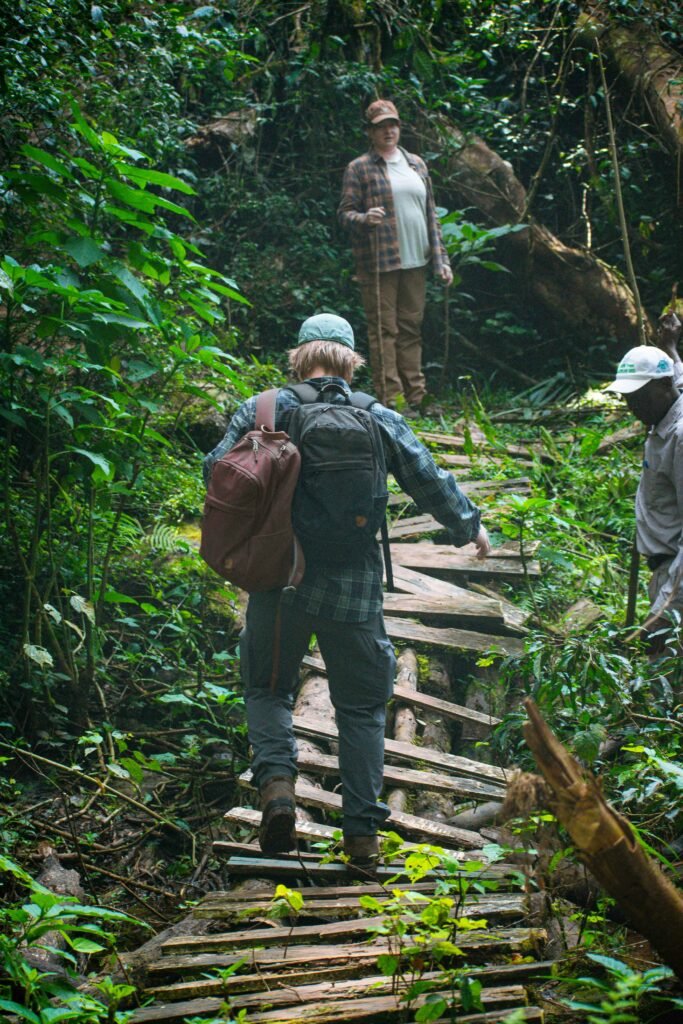
Step beneath the trees and the atmosphere shifts. Light filters through the canopy, leaves rustle overhead, and the sounds of birds and insects fill the spaces between your guide’s explanations.
Kibale is particularly well known for its primates, including chimpanzees. With an authorized guide and the appropriate permit or booking, visitors can join a guided chimpanzee-tracking experience.
Finding chimpanzees in the forest can be thrilling. You may hear calls before you see the animals, and the guide’s knowledge helps you understand what is happening around you. Chimpanzees are wild animals, however, and sightings and viewing conditions depend on their movements and the rules in force at the time of your visit.
Follow all instructions during the experience. Maintaining the required distance, avoiding sudden movements, and complying with health and hygiene rules help protect both visitors and the animals.
But the day should not end with wildlife.
Nearby Bigodi offers a wonderful opportunity to experience community-based tourism. The Bigodi Tourism website describes experiences managed by the Kibale Association for Rural and Environmental Development, known as KAFRED.
Depending on the activities available, you can arrange a guided walk in the Bigodi Wetland Sanctuary or a cultural village walk. Local guides can introduce visitors to the area’s wildlife, vegetation, traditional knowledge, and community life.
The experience is richer when you approach it with curiosity. Instead of simply asking what you can see, ask your guide how the wetland is used, why it matters, and how tourism contributes to local livelihoods and conservation.
You may also have the opportunity to purchase locally made crafts or other products through participating community groups. These small transactions can help support local livelihoods while allowing you to take home something connected to the place you visited.
KAFRED explains its community-focused approach on its official website. Reading about the organization before your visit can help you understand the relationship between tourism, environmental protection, and local development.
Responsible travel tip: Book community experiences directly with the relevant organization where practical. Ask before photographing people, respect private homes and community spaces, and remember that local guides are sharing knowledge that deserves fair compensation.
Overnight: Kibale or Fort Portal.
Day 6: Queen Elizabeth National Park — Into Uganda’s Wild Heart
After the forests of Kibale, the landscapes begin to open as you travel towards Queen Elizabeth National Park.
The transition is one of the pleasures of a Uganda road trip. Green hills and forested areas gradually give way to more open scenery, and the journey introduces you to another side of the country’s remarkable ecological variety.
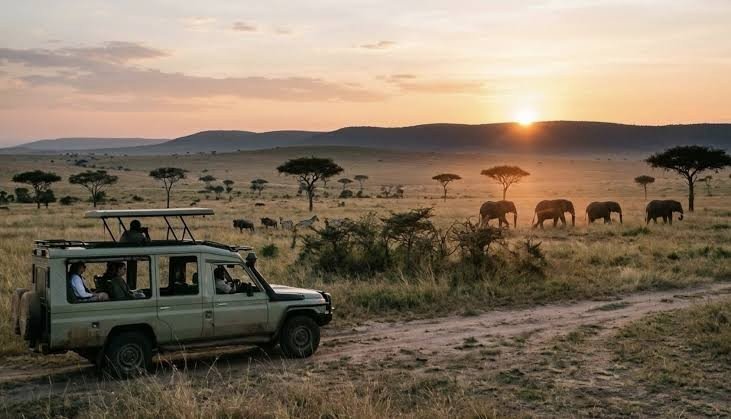
Queen Elizabeth National Park is known for its diverse habitats and wildlife. Depending on where you travel in the park and the time of year, you may encounter elephants, buffaloes, antelopes, warthogs, and a wide variety of birds. Lions and other predators also inhabit the park, although sightings are never guaranteed.
If you arrive with enough time, a game drive can be a rewarding introduction. Travel with an authorized guide who can explain the landscape, identify wildlife, and help you understand how animals use different habitats.
Try to resist the idea that a successful safari depends only on seeing a particular animal. Sometimes the memorable moments are quieter: a herd of elephants crossing the grassland, a fish eagle calling above the water, or the way the late-afternoon light changes the colour of the landscape.
Queen Elizabeth is also an important place to think about the relationship between conservation and neighbouring communities. Protected areas exist within a wider human landscape, and responsible tourism should respect both wildlife and the people whose lives are connected to the region.
Choose accommodation and activities carefully, and ask providers about their environmental practices and their relationships with local communities.
For official planning information, consult the Uganda Wildlife Authority and Tourism Uganda.
Responsible travel tip: Stay on permitted routes, follow your guide’s instructions, and never encourage a driver to approach wildlife more closely just to obtain a better photograph.
Overnight: Queen Elizabeth National Park area.

Day 7: Queen Elizabeth to Bwindi — Towards the Mountain Forests
Today, the journey continues towards southwestern Uganda and the extraordinary forest landscape of Bwindi Impenetrable National Park.
The drive can take several hours, depending on your starting point, destination sector, road conditions, and any stops along the way. An early departure is advisable, particularly if you want time to enjoy the scenery without arriving at your lodge late in the day.
This is a journey of changing landscapes. The open country around Queen Elizabeth gradually gives way to rolling hills, cultivated slopes, and increasingly forested terrain.
If your route and conditions allow, your guide may be able to include a stop in the Ishasha sector. This part of Queen Elizabeth National Park is known for the possibility of seeing tree-climbing lions, but sightings are not guaranteed. Only include the detour if there is enough time to complete the journey safely.
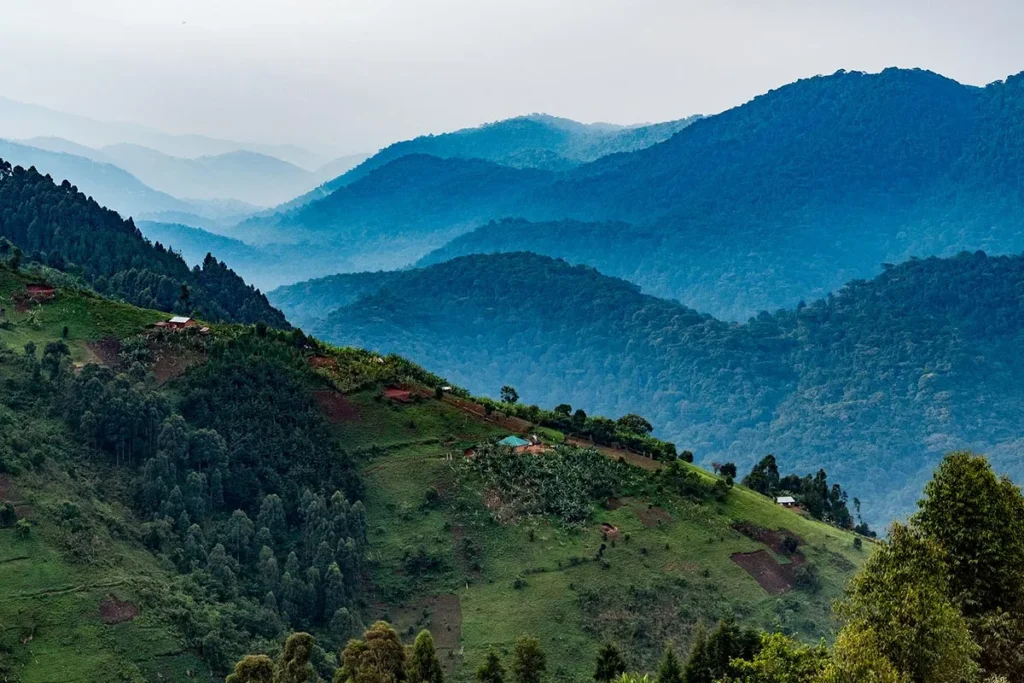
As you approach Bwindi, the scenery becomes increasingly dramatic. The forested hills rise around narrow roads, and mist can settle over the slopes, especially after rain.
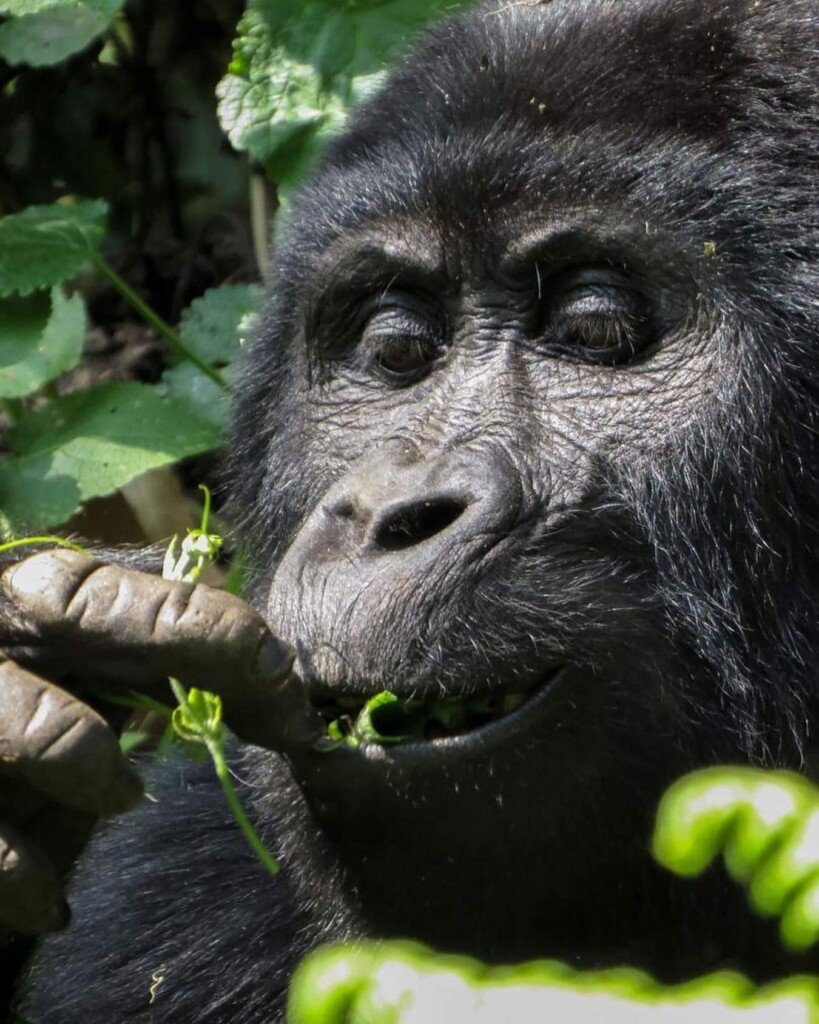
Bwindi is one of the world’s most important habitats for endangered mountain gorillas. The forest also supports other wildlife and a remarkable variety of plant life, making it valuable far beyond its famous gorilla population.
Spend the evening preparing for the next day’s activity. Check your permit and meeting arrangements, organize your clothing, and follow your accommodation or guide’s advice about the start time.
If you are planning gorilla trekking, remember that your permit is tied to specific arrangements and a designated trekking area. Your accommodation should be chosen with the correct sector and meeting point in mind.
For current park information and official requirements, consult the Uganda Wildlife Authority and arrange your visit well in advance.
Responsible travel tip: Choose accommodation and services that respect the surrounding environment. Keep litter secure, avoid unnecessary noise, and remember that the forest is a living habitat, not simply a backdrop for photographs.
Overnight: Near the designated Bwindi trekking sector.
Day 8: Bwindi Impenetrable National Park — The Unforgettable Experience of Gorilla Trekking
For many visitors, mountain gorilla trekking is one of the main reasons to travel to Uganda.
The day usually begins early, with a briefing from authorized park personnel before trekking groups enter the forest. Your guide explains the rules, what to expect, and how to behave if gorillas are found.
Then the walk begins.
The terrain can be steep and muddy, and the forest may feel cool and damp even when the weather elsewhere is warm. Roots cross the paths, leaves brush against your clothing, and the sounds of the forest rise and fall as you move through the vegetation.
The duration and difficulty of a trek vary because gorillas move through their habitat rather than remaining in a fixed location. A visit may involve substantial walking, so a reasonable level of fitness and suitable clothing are important.
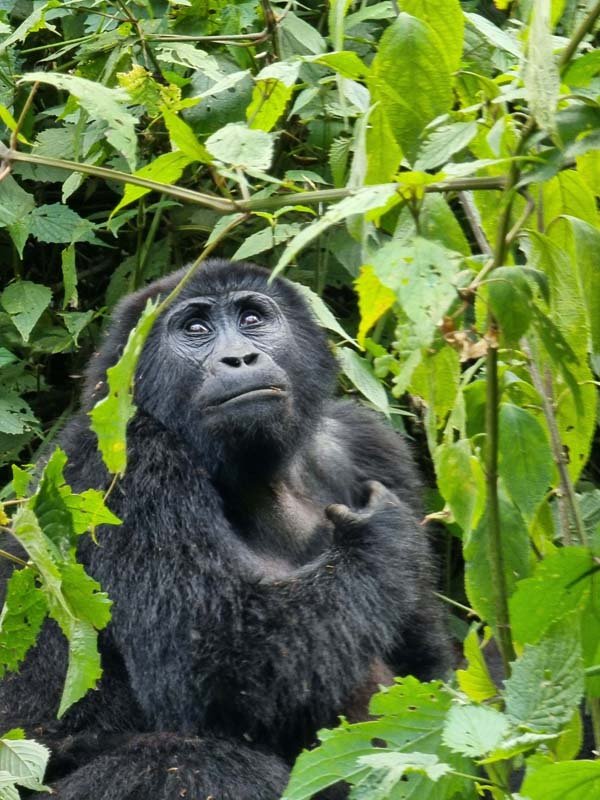
When a gorilla family is located, the experience is carefully managed under current wildlife regulations. Watching these powerful yet often remarkably calm animals in their natural environment can be deeply moving.
You may notice a young gorilla playing, an adult feeding, or an individual resting quietly among the vegetation. These are wild animals living according to their own rhythms, and the privilege of observing them comes with a responsibility to protect their wellbeing.
Follow all instructions about viewing distance, time limits, photography, and health precautions. Never touch, feed, or attempt to attract a gorilla’s attention.
Gorilla trekking also provides an opportunity to learn about the conservation work needed to protect the species and its habitat. The experience should be understood as part of a wider conservation effort, rather than an isolated wildlife encounter.
Planning your permit: Gorilla trekking requires an appropriate permit and advance arrangements. Availability, fees, age requirements, health rules, and other conditions can change. Check the latest information with the Uganda Wildlife Authority before booking.
What to wear and bring:
- Sturdy hiking boots with good grip.
- Long trousers and long socks.
- A lightweight waterproof jacket.
- Gardening-style gloves if recommended for the terrain.
- Drinking water and a small daypack.
- Any personal medication you need.
- A camera, used in accordance with the rules.
A walking stick may be available through your trekking arrangements. Ask in advance about porter services if you would like help carrying your daypack; hiring a porter through an authorized arrangement can provide paid work for a local community member.
After the trek, return to your accommodation for a well-earned rest. If your itinerary permits, you may have time for a quiet evening reflecting on the experience.
Responsible travel tip: Gorilla trekking rules protect the animals and visitors alike. Follow the briefing carefully, stay with your group, and never prioritize a photograph over the gorillas’ wellbeing.
Overnight: Near Bwindi or in the location arranged for your onward journey.
Day 9: Lake Bunyonyi — Beautiful Scenery, Local Culture, and Community Connection
After the intensity of gorilla trekking, Lake Bunyonyi offers a chance to slow down.
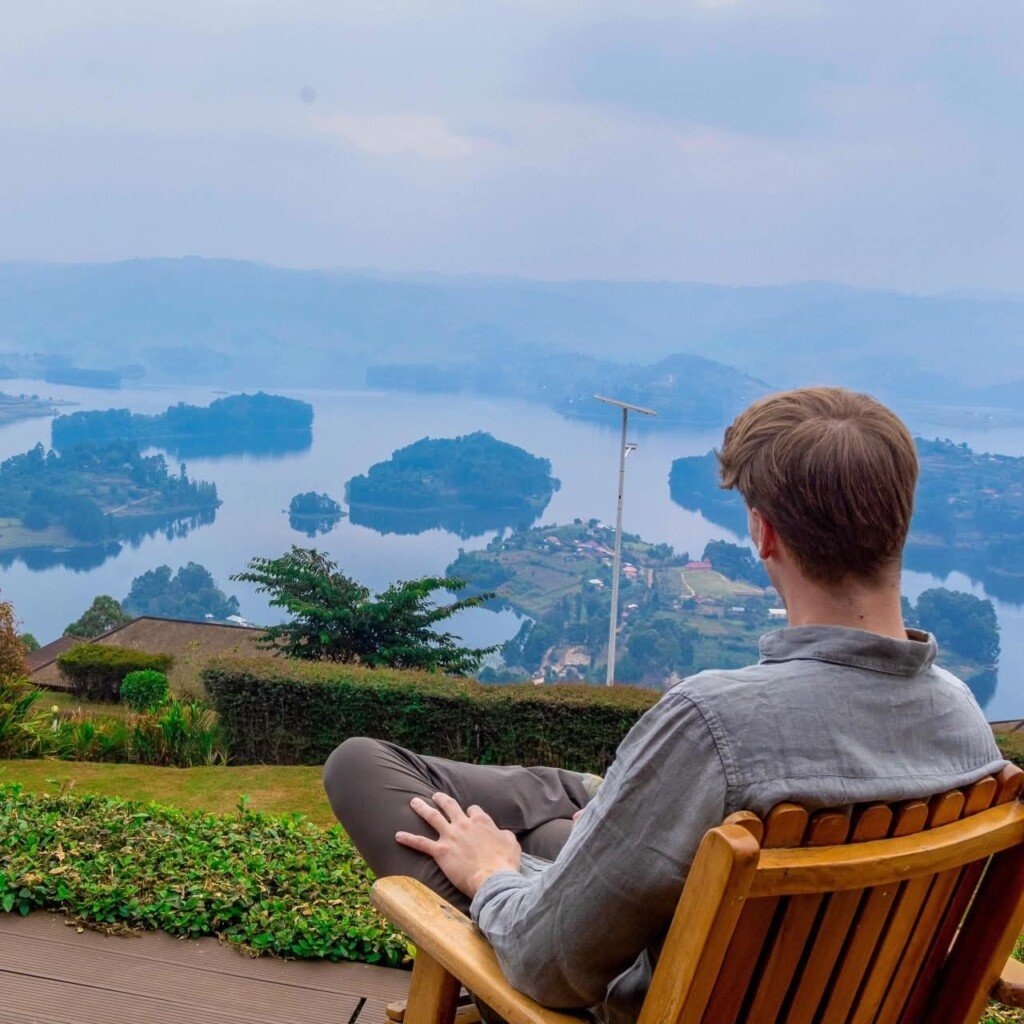
The lake is surrounded by green, terraced hills and dotted with islands. In the early morning, the water can appear almost still, reflecting the slopes around it. Canoes and boats move between the islands, while the surrounding communities begin their day.
It is easy to understand why many visitors choose to spend extra time here. The landscape invites you to pause rather than rush towards the next attraction.
Depending on your interests, you can arrange a guided boat trip, a scenic walk, or a cultural experience with local people. Ask your guide about traditional crafts, regional food, local stories, and activities that are currently available through community partners.
You may have the opportunity to learn about basket weaving, cooking, farming, or other aspects of everyday life. The best experiences are those organized with the people who are sharing their knowledge, with enough time for genuine conversation rather than a hurried visit.
Lake Bunyonyi is also an opportunity to connect the journey with the work of Amatsiko Tours.
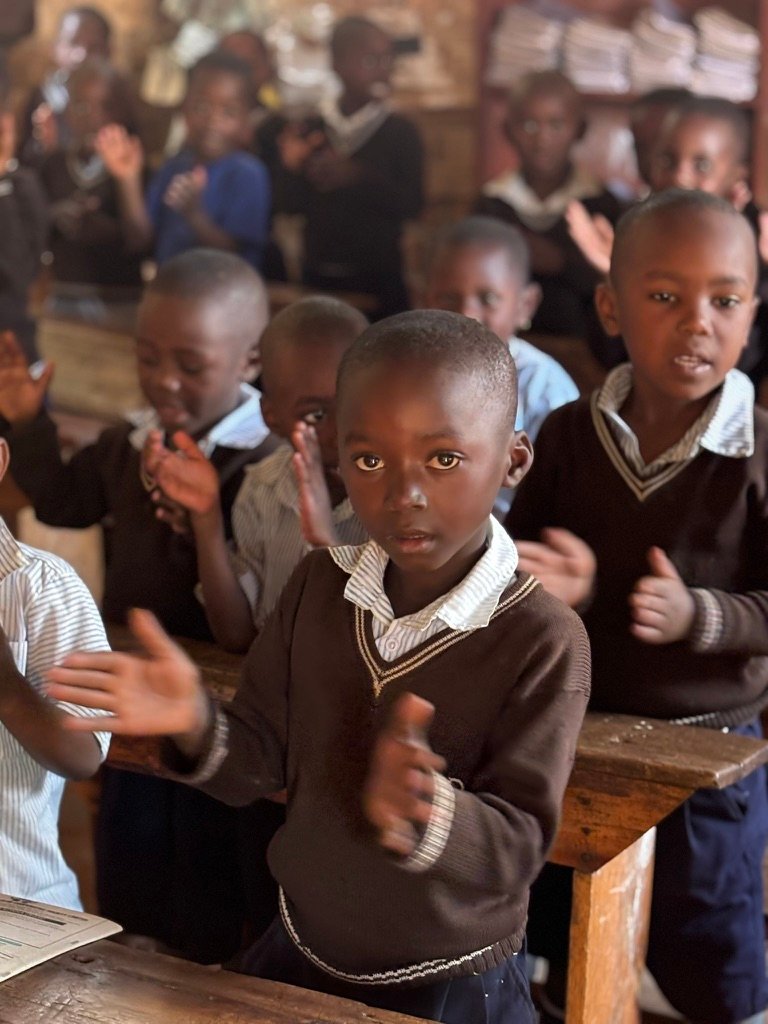
Through its community-focused travel experiences, Amatsiko connects visitors with local initiatives around Kabale and the surrounding region. Depending on the itinerary and arrangements, this may include learning about Amatsiko Preparatory School, community initiatives in Buzaniro, and projects focused on education, practical skills, food production, or livelihoods.
These experiences should be arranged in advance and in consultation with the organizations involved. School visits, in particular, need to respect the children’s privacy, routines, and safeguarding requirements. A meaningful visit is not about treating people as attractions; it is about learning from local partners and understanding the work they are doing.
You can explore Amatsiko’s approach in its article on community-based tourism in Uganda.
The central idea is simple: travel can create opportunities for connection while supporting local businesses and community-led initiatives. The exact impact depends on how the experience is organized, who participates, and how revenue is managed, so it is always reasonable to ask questions.
Before leaving Lake Bunyonyi, take a little time to enjoy the view. After days of driving, wildlife watching, and forest walks, a quiet moment beside the water can become one of the most memorable parts of the entire road trip.
Responsible travel tip: Ask permission before photographing people, respect private spaces, buy crafts directly from makers where possible, and arrange school or community visits through the organizations themselves.
Overnight: Lake Bunyonyi or Kabale, depending on your return route and departure arrangements.
Day 10: The Road Back to Entebbe — Taking Uganda Home With You
Every road trip has a final journey, but the drive back to Entebbe does not have to feel like the end of the experience.
As you leave southwestern Uganda, the landscapes begin to unfold in reverse. Hills and cultivated slopes give way to wider stretches of countryside, and the roadside trading centres become familiar reminders of the journey you have taken.
You may find yourself thinking about the experiences that stayed with you most. Perhaps it was the sound of Murchison Falls, the excitement of watching wildlife, or the extraordinary privilege of seeing mountain gorillas in the forest.
But perhaps it was something smaller.
A conversation with your guide. A meal shared with local people. A craft made by hand. A story about a community project. A quiet morning beside Lake Bunyonyi.
Those moments can change the way we understand a place. They remind us that travel is not only about the landmarks we photograph; it is also about the people who welcome us, the knowledge they share, and the everyday lives unfolding beyond the main attractions.
The return drive from Lake Bunyonyi to Entebbe is long. Allow plenty of time for stops, traffic, and changing road conditions. If you have an international flight on the same day, discuss the timing with your tour operator before booking your itinerary. For an early departure, an additional night near Entebbe is the safer option.
If you have time before leaving Uganda, enjoy a final meal featuring local ingredients or pick up a souvenir from a Ugandan maker. Choose something that reminds you of the people and places you encountered along the way.
And if this journey has inspired you to explore more of the country, take a look at Amatsiko Tours’ experiences, which combine Uganda’s landscapes and wildlife with opportunities to connect with local communities.
A road trip can end when the vehicle reaches its final destination. The memories, however, often continue long after you return home.
How to Travel Responsibly on a Uganda Road Trip
A memorable journey should leave you with wonderful stories and, wherever possible, a positive contribution to the places you visit.
Responsible travel does not mean avoiding every convenience or turning a holiday into a list of rules. It means making thoughtful choices that improve your experience while respecting local people, wildlife, and the environment.
Here are five practical ways to do that.
1. Choose Local Guides and Businesses
Whenever practical, book activities with qualified local guides and established community organizations. Eat at local restaurants, buy locally made crafts, and ask your tour operator how its experiences involve local people.
Your spending can help sustain local businesses and create opportunities beyond the main tourist attractions.
2. Respect Wildlife and Protected Areas
Uganda’s wildlife is extraordinary, but animals should never be treated as performers.
Follow the instructions of park rangers and authorized guides. Keep your distance, avoid feeding animals, stay on permitted routes, and comply with all rules during chimpanzee tracking and gorilla trekking.
3. Approach Community Visits With Curiosity and Respect
Community experiences are most meaningful when local people help shape them and choose how they want to participate.
Ask permission before taking photographs, respect cultural preferences, and avoid making assumptions about people’s lives. If you visit a school or community project, follow the host organization’s guidance and safeguarding rules.
4. Reduce Waste and Use Resources Thoughtfully
Carry a reusable water bottle where safe refilling is available, bring a reusable shopping bag, and avoid leaving rubbish behind.
Choose accommodation that takes practical steps to manage waste and water responsibly. Small actions become more valuable when they are repeated throughout a journey.
5. Ask How Your Visit Makes a Difference
Community tourism can support livelihoods, but its benefits depend on how each experience is organized.
Ask who leads the activity, how local participants are compensated, and whether the experience supports a community initiative. Clear answers help you make informed decisions and recognize organizations that take local partnerships seriously.
At Amatsiko Tours, community connection is part of the way we approach travel. Our aim is to help visitors experience Uganda while creating opportunities for meaningful engagement with local people and initiatives.
You can learn more about this approach in our guide to community-based tourism experiences in Uganda.
Practical Information: Planning Your Uganda Road Trip
A little preparation can make the difference between a stressful journey and a memorable adventure.
When Is the Best Time for a Uganda Road Trip?
Uganda can be visited throughout the year, but many travelers prefer the generally drier periods from June to September and December to February.
These periods often offer favorable conditions for game drives, road travel, and trekking. However, weather varies across the country, and rain can occur in forested and mountainous areas even during drier months.
The wetter periods can bring lush scenery and rewarding birdwatching, but heavy rain may affect road conditions and trekking trails.
Your best travel dates depend on your priorities, budget, and preferred activities. If gorilla trekking is central to your plans, arrange permits and accommodation before finalizing the rest of the itinerary.
For additional seasonal guidance, consult Tourism Uganda’s travel information.
How Do You Get to Uganda?
Most international visitors begin their journey at Entebbe International Airport, near Lake Victoria.
You can arrange a private road trip with a driver-guide or consider a self-drive journey if you have the relevant experience, documentation, and confidence navigating local roads.
For a route that includes several national parks and gorilla trekking, a knowledgeable local driver-guide can make logistics considerably easier. They can help with route planning, activity arrangements, local context, and changes caused by weather or road conditions.
How Long Does This Road Trip Take?
This itinerary covers 10 days, including arrival and departure from Entebbe.
It is a fast-paced journey, with several substantial drives between destinations. If you want more time for cultural activities, relaxed mornings, additional wildlife viewing, or unexpected discoveries, consider extending it to 12–14 days.
The extra time is especially valuable if you want a deeper community experience around Lake Bunyonyi or Kabale rather than fitting everything into a single afternoon.
Do You Need to Book Gorilla Trekking in Advance?
Yes, advance planning is strongly recommended.
Gorilla trekking requires an appropriate permit and arrangements for a designated trekking area. Availability can be limited, particularly during popular travel periods.
Confirm current fees, booking procedures, age requirements, health rules, and trekking arrangements directly with the Uganda Wildlife Authority or through an authorized tour operator before paying for other non-refundable arrangements.
What Should You Pack?
For this itinerary, pack for both warm lowland conditions and cooler, wetter weather in the mountains.
Useful items include:
- Comfortable clothing suitable for long drives and walking.
- Sturdy hiking boots with good grip.
- Long trousers and long socks for forest trekking.
- A lightweight waterproof jacket.
- Sun protection and a hat.
- Insect repellent appropriate for your needs.
- A reusable water bottle and daypack.
- Personal medication and any recommended travel-health supplies.
- Binoculars if you enjoy birdwatching or wildlife observation.
- A camera and spare batteries.
If you are trekking gorillas or chimpanzees, check the specific equipment guidance provided by your tour operator and the relevant park authorities.
Can You Include Community Tourism in a Uganda Road Trip?
Absolutely. In fact, community experiences can be one of the most memorable parts of the journey.
Around Kibale, the Bigodi area offers opportunities for community-led nature and cultural experiences. Around Kabale and Lake Bunyonyi, visitors may be able to arrange cultural activities and learn about local initiatives through established community partners.
Amatsiko Tours also offers experiences that connect visitors with education and community projects. These activities need to be arranged in advance, and the precise program should be confirmed with the organization hosting the visit.
For inspiration, explore Amatsiko’s community-based tourism experiences and its Lake Bunyonyi cultural and adventure experience.
Is a Uganda Road Trip Suitable for Families?
It can be, but the route needs to be tailored to the ages, interests, and energy levels of the travelers.
Long drives, early starts, and forest trekking may be demanding for some children or older travelers. Gorilla and chimpanzee activities also have specific eligibility requirements that must be checked with the relevant authorities.
Families may prefer a shorter route, additional overnight stops, and more time at each destination.
A private itinerary can make it easier to adjust driving times, accommodation, and activities to suit everyone.
Can You Do This Road Trip With a Local Driver?
Yes. A private driver-guide is a practical option for visitors who want to explore several regions without managing every aspect of the journey themselves.
A good guide can explain local customs, help identify wildlife, recommend suitable stops, and provide context about the communities and landscapes you encounter.
When comparing operators, ask what is included in the price, how park activities are arranged, whether permits are included, and how community visits are organized.
Clear information before departure helps you make informed choices and avoid surprises.
Frequently Asked Questions About a Uganda Road Trip
What is the best 10-day Uganda road trip itinerary?
A 10-day itinerary can combine Entebbe, Murchison Falls National Park, Kibale Forest, Queen Elizabeth National Park, Bwindi Impenetrable National Park, and Lake Bunyonyi. This route offers a mix of landscapes, wildlife, primate experiences, and community tourism.
However, it involves several long drives. If you prefer a slower pace, extend the journey to 12–14 days.
How much does a 10-day Uganda road trip cost?
The total cost depends on your travel dates, group size, accommodation, transport, meals, park fees, and chosen activities.
Gorilla permits and chimpanzee-tracking arrangements can make a substantial difference to the budget. Private transport and accommodation standards also affect the total.
Ask your tour operator for an itemized quotation showing what is included and excluded. Confirm current fees and permit availability before making non-refundable bookings.
Can I see gorillas and chimpanzees on the same trip?
Yes. A route combining Kibale Forest and Bwindi Impenetrable National Park can include chimpanzee tracking and mountain gorilla trekking, subject to permits, availability, eligibility requirements, and current regulations.
Plan both activities in advance and allow sufficient time for the drives between locations.
Is it better to self-drive or hire a driver in Uganda?
Both options are possible, but the best choice depends on your driving experience, confidence, budget, and preferred travel style.
A private driver-guide can simplify logistics on a route involving multiple national parks and trekking activities. Self-driving offers flexibility but requires careful planning, appropriate documentation, and awareness of road conditions.
Whichever option you choose, avoid unrealistic driving schedules and allow enough time for rest.
What makes a Uganda road trip different from a traditional safari?
A road trip can combine wildlife viewing with cultural experiences, scenic drives, local food, markets, and community-led activities.
Rather than spending the entire holiday inside national parks, you can experience the changing landscapes and everyday life between destinations.
That broader perspective is one reason Uganda can be so rewarding for travelers who want more than wildlife sightings alone.
How can I make my Uganda road trip more meaningful?
Choose locally led activities, spend time learning from your guides, support local businesses, and approach community visits with respect.
You can also explore how tourism connects with conservation, education, and livelihoods in the places you visit.
The aim is not to turn every moment into a transaction. It is to travel with curiosity, recognize the people behind the experience, and make informed choices about where your money goes.
Discover the Uganda Beyond the Headlines
At the end of a road trip, it is easy to remember the dramatic moments first.
The Nile forcing its way through the rocks at Murchison Falls. The rustle of leaves in Kibale Forest. The sight of an elephant crossing the savannah. The extraordinary privilege of meeting mountain gorillas in Bwindi.
But sometimes, the memories that stay with us longest are the quieter ones.
A conversation with a guide who knows the landscape by heart. A meal prepared with ingredients grown nearby. A local artisan explaining the work behind a handmade craft. A moment beside Lake Bunyonyi when the water is still and the hills seem to stretch endlessly into the distance.
These experiences remind us that travel is about more than reaching beautiful places.
It is also about understanding the lives, knowledge, and ambitions of the people who call those places home.
That is the idea behind The Uganda You Don’t See in the Headlines. Uganda’s wildlife and landscapes are extraordinary, but they are only part of the story. The people, communities, and everyday experiences are just as important.
A well-planned Uganda road trip gives you the opportunity to discover both.
If you are ready to explore the country, discover Amatsiko Tours and start planning a journey that combines wildlife, beautiful landscapes, and meaningful local encounters.
You can also explore our community-based tourism experiences to see how cultural connection and community initiatives can become part of your holiday.
Come for the landscapes. Come for the wildlife. Come for the adventure.
But leave enough time to meet the people.
Because the Uganda you discover along the way may become the part of your journey you remember most.
Ready to plan your Uganda road trip? Contact Amatsiko Tours to discuss a personalized itinerary and find out which experiences best suit your interests, travel dates, and budget.