Budget-friendly safari packages in Uganda for authentic, low-cost adventure
At a Glance
Uganda offers budget-friendly safaris featuring wildlife, landscapes, and cultural experiences.
Table of Contents
Gorilla trekking in Bwindi and exploring parks like Queen Elizabeth and Murchison Falls are highlights.
Staying in local accommodations and choosing efficient routes help keep costs low.
Plan around gorilla permits; use 4×4 vehicles for Uganda’s rough roads.
Engage in community-based tourism for meaningful connections.
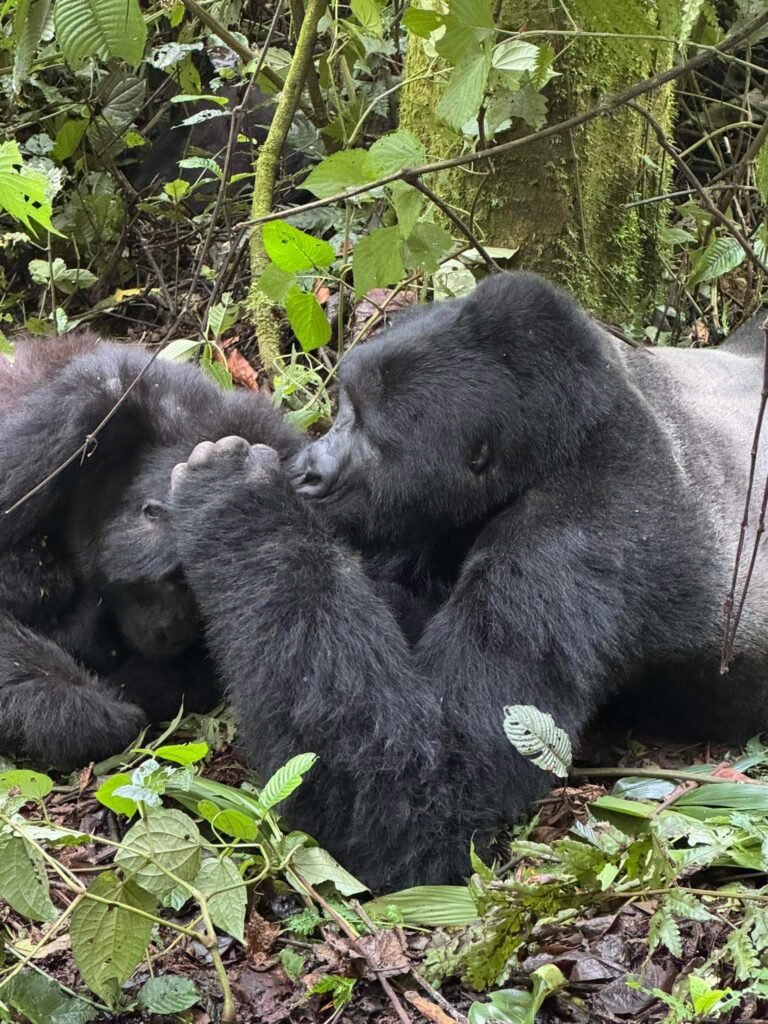
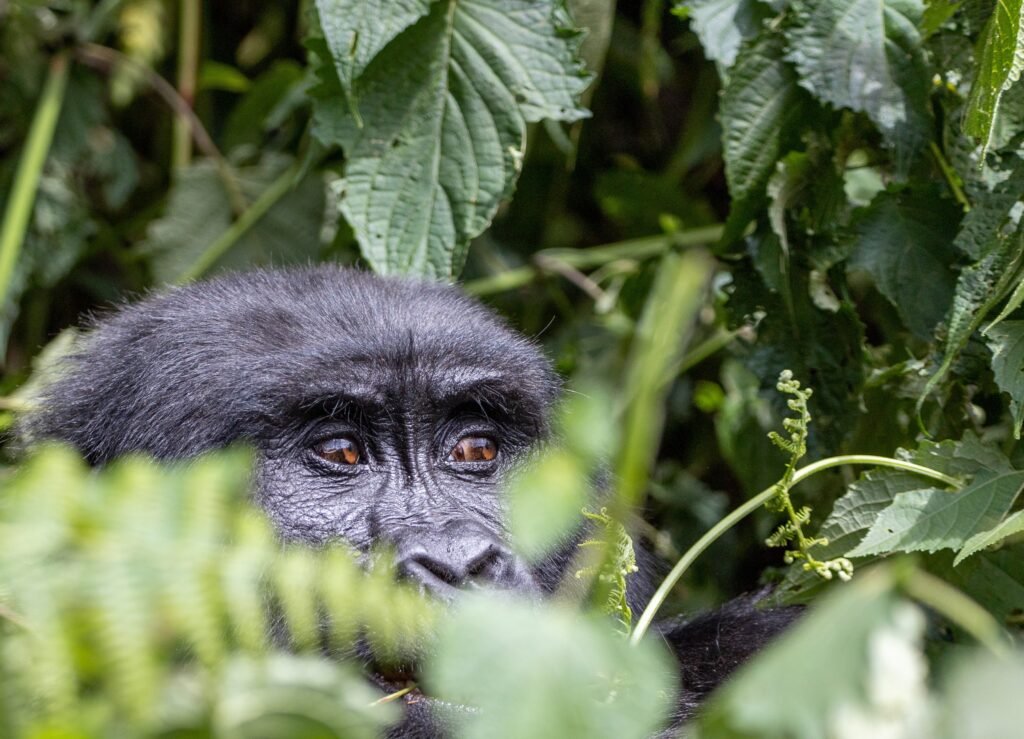
Budget-friendly safari packages in Uganda open the door to a world where unforgettable wildlife encounters, breathtaking landscapes, and authentic cultural experiences are possible without a luxury price tag. Imagine waking up before sunrise as the mist drifts across the hills, the sounds of birds fill the air, and a warm cup of Ugandan coffee brings the first moment of calm to your adventure. From tracking mountain gorillas in the ancient forests of Bwindi to watching elephants roam through golden savannahs, Uganda offers a safari experience that feels wild, personal, and deeply connected to nature.
What makes Uganda special is not only its incredible wildlife but also the people, traditions, and communities that make every journey meaningful. Traveling on a budget does not mean missing the magic; it means choosing experiences that bring you closer to the heart of the country. By staying in locally owned accommodations, travelling with responsible operators, and supporting conservation efforts, your safari can become more than a holiday, it can become a way to create positive memories while helping protect Uganda’s natural treasures for generations to come.
Uganda is also one of the few countries where you can pair classic wildlife viewing with gorilla trekking Uganda in a single itinerary. That combination is the whole game.
Why Uganda Should Be Your Next Affordable African Safari Dream
Before thinking about budgets, permits, and travel plans, it is worth understanding why Uganda captures the hearts of so many travelers. Often called the “Pearl of Africa,” Uganda offers a rare combination of dramatic landscapes, incredible wildlife, and genuine cultural encounters all packed into a destination where every day brings a new story.
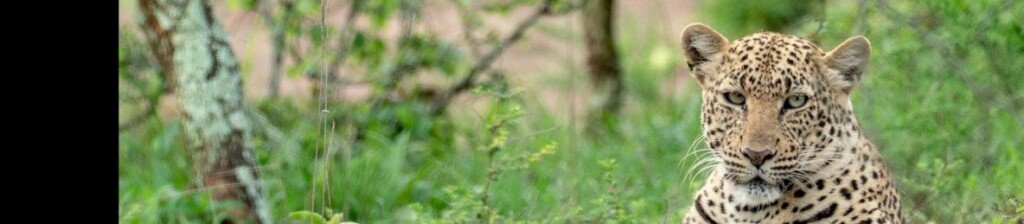
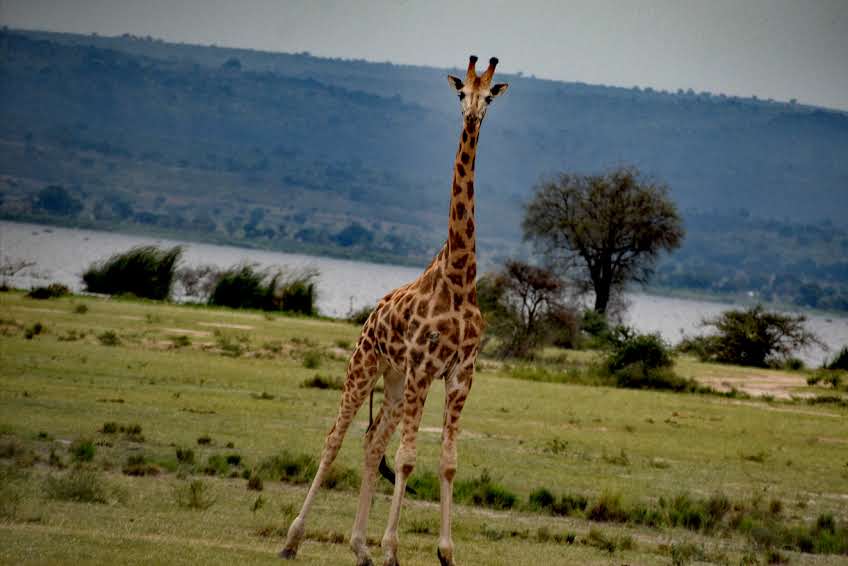
Your adventure might begin in Queen Elizabeth National Park, where golden savannahs stretch toward the horizon and elephants move quietly through the grasslands. Along the famous Kazinga Channel, you can watch hippos cooling themselves in the water while colorful birds fill the shoreline. If you are lucky, you may even spot the famous tree-climbing lions of Ishasha, resting high above the plains while enjoying the shade of ancient fig trees.
Further north, Murchison Falls National Park reveals one of Uganda’s most powerful natural wonders. Here, the mighty River Nile forces its way through a narrow gorge before exploding into a spectacular waterfall surrounded by lush landscapes. Standing near the falls, feeling the spray on your face and hearing the roar of the water is the kind of moment that reminds you why Africa feels so extraordinary.
For those looking for a deeper connection with nature, Kibale Forest National Park offers one of the most unforgettable wildlife experiences in Uganda: chimpanzee tracking. Walking beneath the forest canopy, listening to the calls of primates moving through the trees, creates a feeling of being part of a living ecosystem rather than simply observing it.
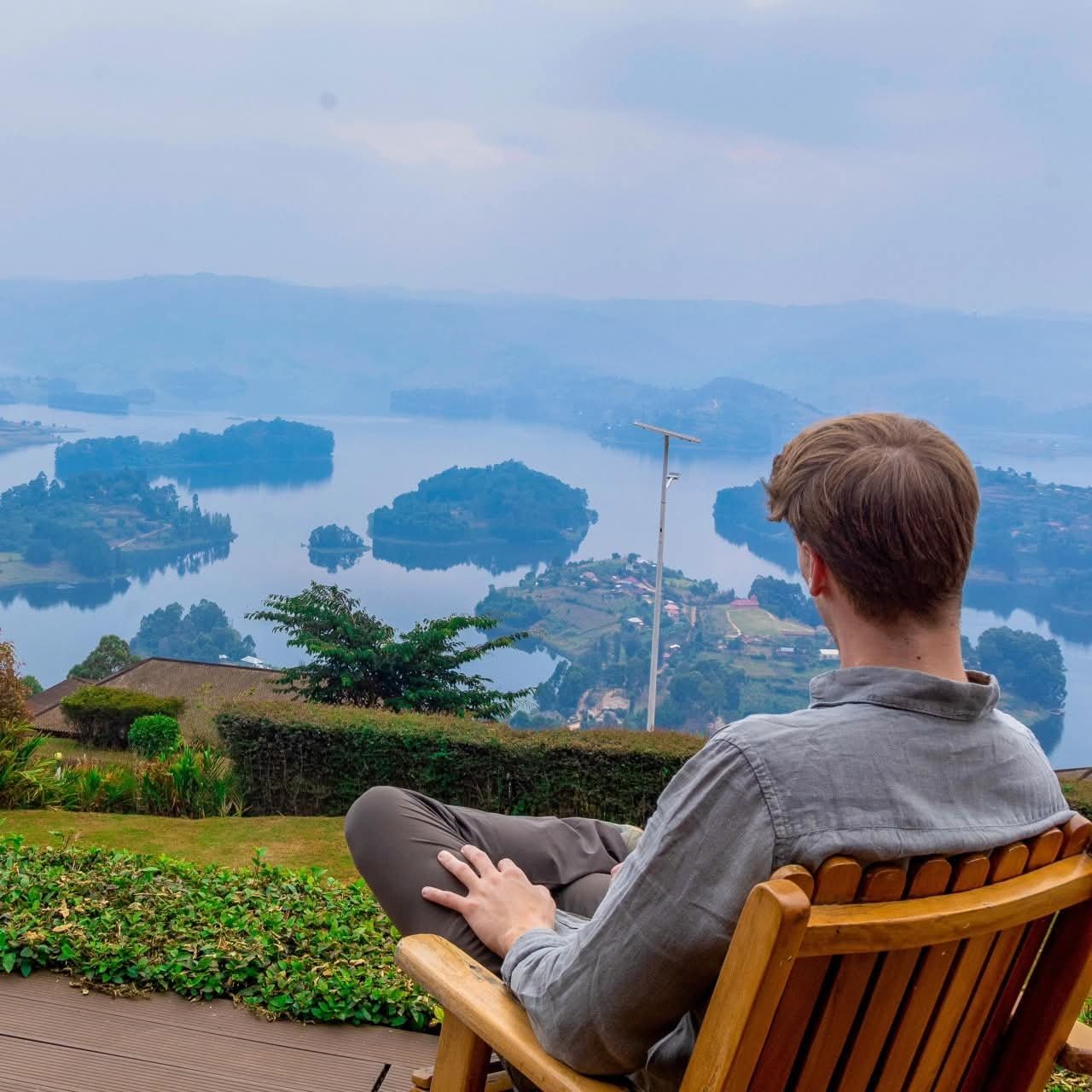
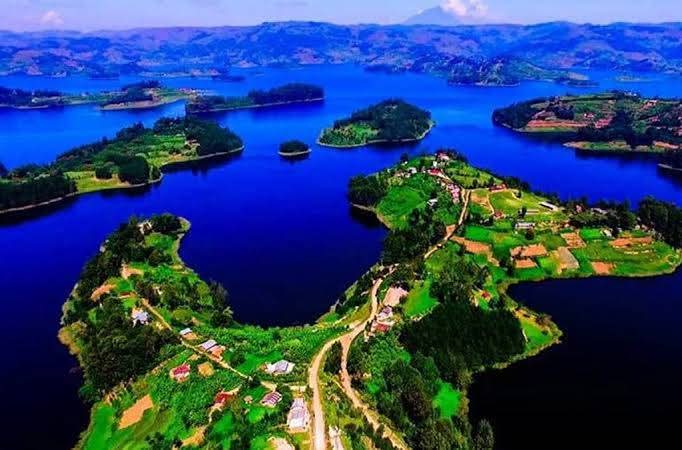
Uganda’s beauty is not only found in its national parks. After a thrilling gorilla trek in Bwindi, many travelers slow down at Lake Bunyonyi, a peaceful destination surrounded by rolling green hills and small islands scattered across the water. Here, you can enjoy canoe rides, meet local communities, learn about traditional lifestyles, and experience the welcoming spirit of Ugandan hospitality.
And no journey through Uganda is complete without tasting the country’s flavors. From a simple roadside Rolex; a delicious combination of chapati and eggs to traditional dishes like matoke served with local sauces, food becomes another way to connect with the people and culture. Add a cup of freshly grown Ugandan coffee, and you have a small but meaningful reminder that the best travel experiences are often found in simple moments.
Uganda proves that an unforgettable safari is not only about luxury lodges or expensive experiences. It is about wild landscapes, warm smiles, incredible wildlife, and meaningful connections. With thoughtful planning, budget-friendly safari packages in Uganda can deliver the same sense of wonder that travelers search for across Africa.
Affordable Uganda safaris start with one hard truth about permits and pacing
Affordable Uganda safaris stay affordable when you anchor your itinerary around the fixed costs first, then build everything else to reduce wasted nights and long transfers. Your biggest immovable line item is the Uganda Wildlife Authority permit for gorilla trekking, and permit availability also dictates your date and Bwindi sector. Lock that, then choose routes, lodging, and transport that match the sector so you don’t pay for extra driving days.
You’ll feel the difference the night before your trek. Sleep close to your briefing point, eat a simple dinner while the air cools, and actually rest.
A practical rhythm that holds the budget:
Arrive in the region the day before your trek, not the morning of
Overnight in Kabale, Kisoro, or near your Bwindi sector (Buhoma, Ruhija, Rushaga, or Nkuringo)
Trek early, then shift to a lower-cost “recovery” stop like Lake Bunyonyi instead of adding another expensive lodge night
Keep your route tight, because extra days usually mean extra vehicle and guide costs
You’ll make better choices once you accept this: cheap gorilla trekking in Uganda isn’t about finding a “discount permit.” It’s about reducing everything around the permit.
We spent 2 weeks touring Uganda with Amatsiko Tours (Alex). It was exceptional.. Alex took great care of us and had developed an incredible itinerary which covered all aspects of Uganda… gorillas, chimps, wildlife, fabulous accommodation and visits with Communities to learn about the cultural history.. I thoroughly recommend Amatsiko Tours to anyone wishing to experience Uganda.
— marilynj479, TripAdvisor, 5.00
If you’re considering a trip to Uganda, stop searching. Amatsiko Tours is in a class entirely of its own. From the moment we arrived, everything was handled with a level of care and professionalism that made the entire experience effortless. Airport pickup, beautiful accommodations, seamless transportation, and delicious meals. Every detail was thoughtfully arranged.
— 565carolyno, TripAdvisor, 5.00
Wow where to begin with this experience! First, let’s say we were easily the most difficult clients they must have had, throwing them curve balls left and right. From missed flights, to missing baggage, to itinerary changes, plus the added challenge of us working on a film project while with them, Alex and Alfonse made us feel calm and easy in what otherwise would have been a very stressful situation.
— sophiesM9384VN, TripAdvisor, 5.00
Bwindi sector planning keeps your Uganda wildlife safari cost predictable
Your Uganda wildlife safari cost swings fast when you pick the wrong base for your trekking sector. Bwindi Impenetrable National Park is divided into trekking sectors, and each sector has its own access roads and briefing logistics. If you sleep in the wrong town, you’ll pay in pre-dawn transfers, extra fuel, and a rough start to a physically demanding day.
The sensory tell is the road. On the Uganda side, approaches to Bwindi can turn steep, narrow, and muddy in rainy months. A 4×4 vehicle is strongly recommended year-round, and it becomes non-negotiable when the weather shifts.
Kabale-side sectors and staging
Kabale works as a reliable staging hub, especially if you want to add Lake Bunyonyi. It’s also a smart base for sector-aligned routing toward Ruhija, and sometimes onward planning toward Buhoma (with the honest caveat that Buhoma can mean longer onward drives depending on where you sleep).
If you’re being picky about comfort on a budget, Kabale also gives you more choice for simple, practical nights before you head deeper.
Kisoro-side sectors and staging
Kisoro lines up cleanly with southern Bwindi sectors like Rushaga and Nkuringo and with Mgahinga Gorilla National Park. The air up here feels cooler at night, and mornings start crisp. It’s the efficient side for travelers who want fewer hours on the road after crossing the border.
And yes, this is where cheap gorilla trekking in Uganda becomes more realistic in practice. Fewer transfer hours means fewer paid logistics hours.
Cross-border routing from Kigali cuts time, not the experience
A Kigali start is one of the cleanest ways to protect your budget because it can reduce overland transfer time to the gorilla region compared with starting deeper inside Uganda. Most travelers doing a Kigali to Bwindi safari cross the Rwanda–Uganda border by road via Cyanika or Katuna, then overnight in Kabale, Kisoro, or near a Bwindi trekking sector. Plan on 4–8+ hours driving plus border time, depending on the border post and your sector.
The border choice is practical, not romantic. Pick the one that lines up with where you need to sleep.
Cyanika border aligns with southern Bwindi and Mgahinga
Cyanika border (Rwanda) ↔ Kisoro (Uganda) is commonly used for Kigali → Kisoro → southern Bwindi (Rushaga/Nkuringo) and Mgahinga. This is the route you choose when you want the shortest driving time into the Kisoro area and you don’t want to gamble with late arrival.
You’ll know you planned it right if you arrive with daylight left and can hear evening insects start up while you’re still unpacking.
Katuna border aligns with Kabale and Lake Bunyonyi
Katuna border (Rwanda) ↔ Kabale (Uganda) is commonly used for Kigali → Kabale → northern/central Bwindi access (Buhoma/Ruhija) and Lake Bunyonyi. It’s also the corridor that fits neatly with Kabale-based logistics and a calmer overnight before you push into sector roads.
If you want a decompression stop, Katuna makes Lake Bunyonyi easier to stitch in without backtracking.
For route-specific planning, keep a pillar page bookmarked: Uganda tours and safaris planning ideas.
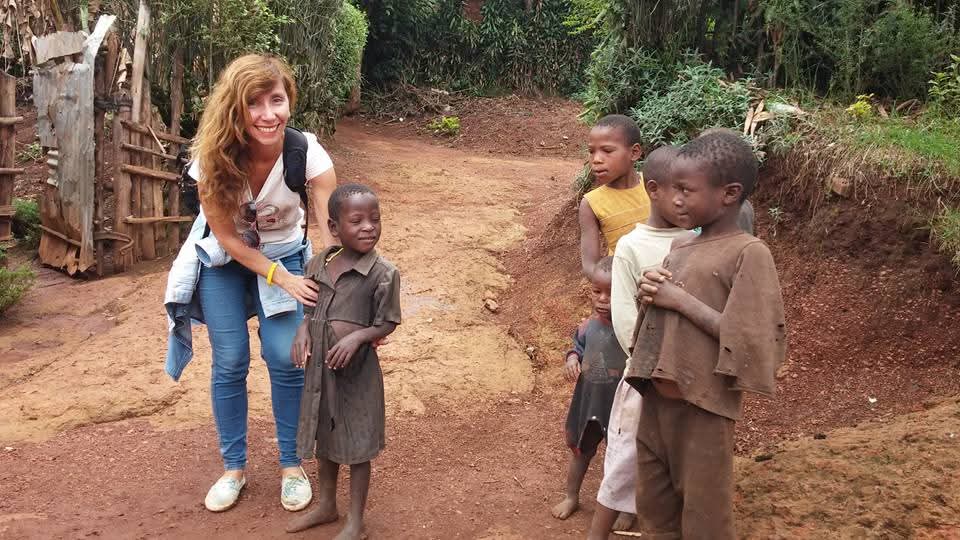
After understanding how Kigali can simplify your journey and reduce unnecessary travel costs, the next question most travelers ask is: “What does an affordable Uganda safari actually look like?”
The good news is that you do not need weeks or a luxury budget to experience Uganda’s greatest highlights. A well-planned 5-day itinerary from Kigali can combine the unforgettable experience of gorilla trekking, beautiful landscapes, wildlife encounters, and meaningful cultural connections while keeping logistics simple and costs under control.
Example: 5-Day Budget-Friendly Safari Package in Uganda from Kigali: Gorilla Trekking, Wildlife & Local Experiences
For travelers searching for budget-friendly safari packages in Uganda, a shorter Kigali-to-Uganda route can be one of the smartest ways to experience the country’s highlights while keeping transport costs under control. Starting from Kigali allows you to reach the Bwindi region efficiently, spend more time enjoying nature, and avoid unnecessary long transfers.
Day 1: Kigali, Rwanda – Transfer to Uganda’s Gorilla Region
Your adventure begins in Kigali, where you meet your guide and start the scenic journey toward Uganda. As the city fades behind you, the landscape changes into rolling green hills, small villages, and beautiful countryside views. After crossing the border, you continue toward Kisoro, Kabale, or your chosen Bwindi sector area for an overnight stay close to the gorilla trekking starting point.
Staying nearby is one of the easiest ways to keep your safari affordable because it reduces early morning driving time and allows you to begin your trek feeling rested.
Day 2: Gorilla Trekking in Bwindi Impenetrable National Park
Today is the highlight of your journey: entering the ancient Bwindi rainforest in search of mountain gorillas. Walking beneath the thick forest canopy, surrounded by mist, birdsong, and towering trees, is an experience that stays with you forever.
The forest has a rhythm of its own. With every step along the muddy trail, you become more aware of the sounds around you—the rustling leaves, distant bird calls, and the quiet excitement of everyone searching for the gorillas. When the moment finally arrives, it is not the luxury of the experience that stays with you; it is the feeling of being welcomed into one of the planet’s most extraordinary ecosystems.
After meeting these incredible animals, your evening can be spent relaxing at a locally owned lodge, enjoying traditional Ugandan food, and reflecting on one of Africa’s most unforgettable wildlife encounters.
Day 3: Lake Bunyonyi – Relaxation and Cultural Connection
After the excitement of gorilla trekking, travel to the peaceful shores of Lake Bunyonyi. Surrounded by green hills and dotted with beautiful islands, this is the perfect place to slow down.
You can enjoy a boat ride, meet local communities, visit craft makers, or simply watch the sunset over the lake. Choosing community-based experiences here helps ensure tourism benefits local families.
I still remember the peaceful feeling of watching the morning mist slowly lift from Lake Bunyonyi, revealing small islands scattered across the calm water. Local fishermen moved quietly along the shoreline while birds filled the air with their morning calls. Moments like this remind you that Uganda is not only about wildlife encounters—it is also about slowing down and connecting with the places and people that make the journey special.
Day 4: Queen Elizabeth National Park Wildlife Experience
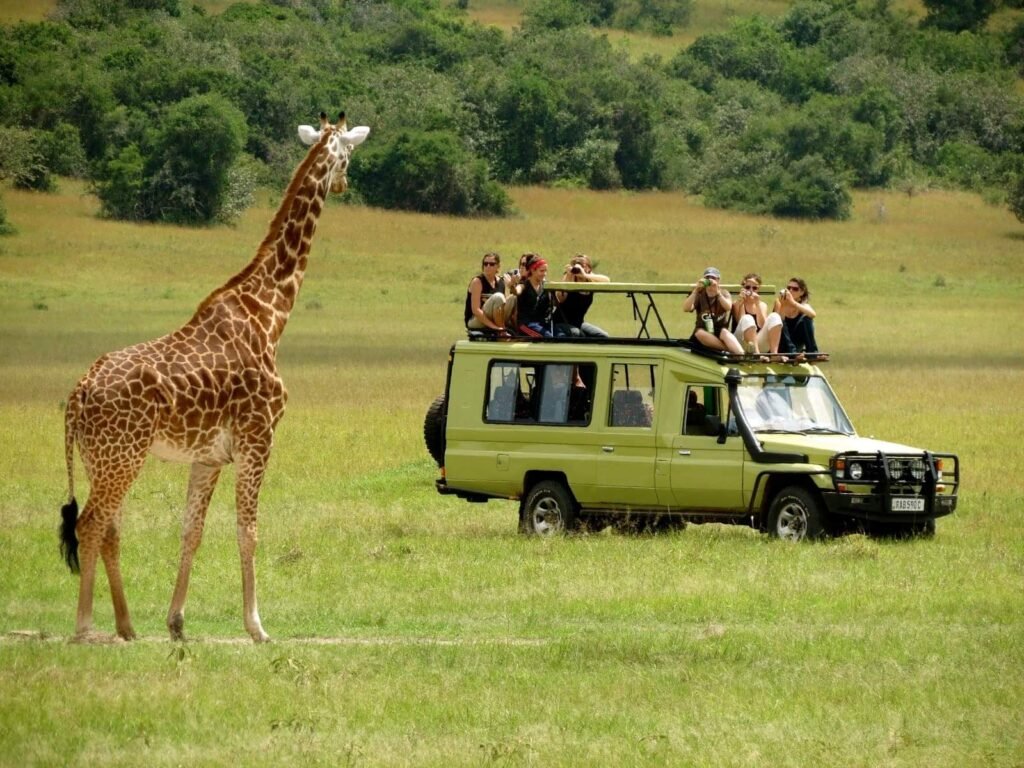
Continue your journey toward Queen Elizabeth National Park, one of Uganda’s most diverse safari destinations. Enjoy a game drive through the savannah, where you may encounter elephants, buffaloes, antelopes, lions, and many bird species.
A boat cruise along the Kazinga Channel offers another unforgettable perspective, with hippos resting in the water and colorful birds gathering along the shoreline.
During a safari in Queen Elizabeth National Park, some of the most memorable moments happen between the big sightings. A guide may suddenly slow the vehicle, point toward movement in the grass, and invite everyone to quietly watch nature unfold. These shared moments—the excitement of discovery, the knowledge of local guides, and the connection with Uganda’s landscapes—are what turn a wildlife drive into a story you will remember long after you return home.
Day 5: Return Journey to Kigali
After breakfast, begin your return journey to Kigali, carrying memories of Uganda’s forests, wildlife, landscapes, and welcoming communities.
Estimated Budget Breakdown
A budget-friendly 5-day Uganda safari from Kigali can vary depending on travel style, group size, and accommodation choices, but travelers can generally plan for:
Gorilla trekking permit: The main fixed cost and largest part of the budget
Accommodation: Approximately budget to mid-range options depending on location and comfort level
Transport: Shared 4×4 safari vehicle or cost-sharing with other travelers helps reduce expenses
Meals: Usually included in safari packages, with opportunities to enjoy local Ugandan cuisine
Activities: Wildlife drives, boat trips, and community experiences depending on the itinerary
The key to keeping costs affordable is not removing the best experiences—it is choosing the right route, traveling with trusted local operators, sharing transport when possible, and spending your money on experiences that directly support conservation and communities.
For travelers who want an efficient combination of gorillas, wildlife, and authentic Ugandan culture, a 5-day safari from Kigali offers one of the best-value ways to discover the Pearl of Africa.
If you prefer a locally organized experience, Amatsiko Tours offers a similar 5-day Uganda safari route from Kigali, combining gorilla trekking with Uganda’s natural and cultural highlights.
Budget accommodations in Uganda work best when you match them to the briefing point
Budget accommodations in Uganda save you money only if they save you time. The best strategy is boring and effective: stay close to your Bwindi sector or in the closest practical town, then keep your morning simple. A hot drink, a quick breakfast, and you’re out the door. No long drive, no stress.
You’re paying for sleep and proximity, not décor. And honestly, that’s fine.
A few practical rules that hold up:
Book lodging after your sector is confirmed, or choose flexible change terms
Prioritize hot water and early breakfast, because trek mornings start early
Choose one “comfort night” after trekking (Lake Bunyonyi is a natural fit) and keep the rest basic
Avoid one-night hops that add packing time and paid driving time
Budget accommodations in Uganda also pair well with cultural stops, because you’re in towns where daily life is happening, not sealed inside a remote lodge bubble. For ideas that keep your trip grounded, use: Uganda village experience cultural regions.

Uganda wildlife safari cost stays low when you choose the right transport model
Uganda wildlife safari cost is driven by permits, vehicle days, and the kind of routing that either burns hours or saves them. You’ll keep costs in check by deciding early between a self-drive safari in Uganda and a guided vehicle with a driver-guide, then building an itinerary that avoids unnecessary backtracking.
A quiet truth: the “cheap” choice becomes expensive fast if you add an extra day to recover from a stressful drive.
Self-drive safari in Uganda for confident drivers
A self-drive safari in Uganda makes sense if you’re comfortable with long days, variable road conditions, and navigation in rural areas. The Uganda side approaches to Bwindi can include steep gradients and rough or muddy sections in rainy season. That’s why 4×4 vehicles are strongly recommended year-round.
If you go this route, keep your daily distances conservative. Arrive before dark. And don’t plan a tight same-day dash to a sector lodge the night before trekking.
Driver-guide logistics for budget clarity
A driver-guide model works well for budget-friendly safari packages in Uganda because it turns a messy set of variables into a single plan: pickup, border timing, sector routing, and last-mile roads. You’ll also get fewer paid “mistake miles,” which is where budgets quietly bleed.
We run these routes with sector-matched planning out of Kabale, and we keep quotes itemized so you can see what you’re paying for and why. Start with: Uganda national parks overview.
Planning table for cost control decisions
Decision lever | Lower-cost move | Higher-cost move | Budget impact you’ll feel |
|---|---|---|---|
Gorilla trekking base | Sleep in your trekking sector area | Sleep far away, drive pre-dawn | Extra vehicle hours and fatigue |
Route from Kigali | Cyanika for Kisoro/southern sectors | Katuna for Kabale/Bunyonyi | Time, fuel, and overnight needs |
Transport style | Small-group cost sharing | Private vehicle for 1–2 people | Per-person transport cost |
Trip pacing | 1–2 longer stays | Many one-night stops | More paid transfers, less rest |
Park mix | One primate anchor + one wildlife park | Too many parks in few days | More driving days, more fees |
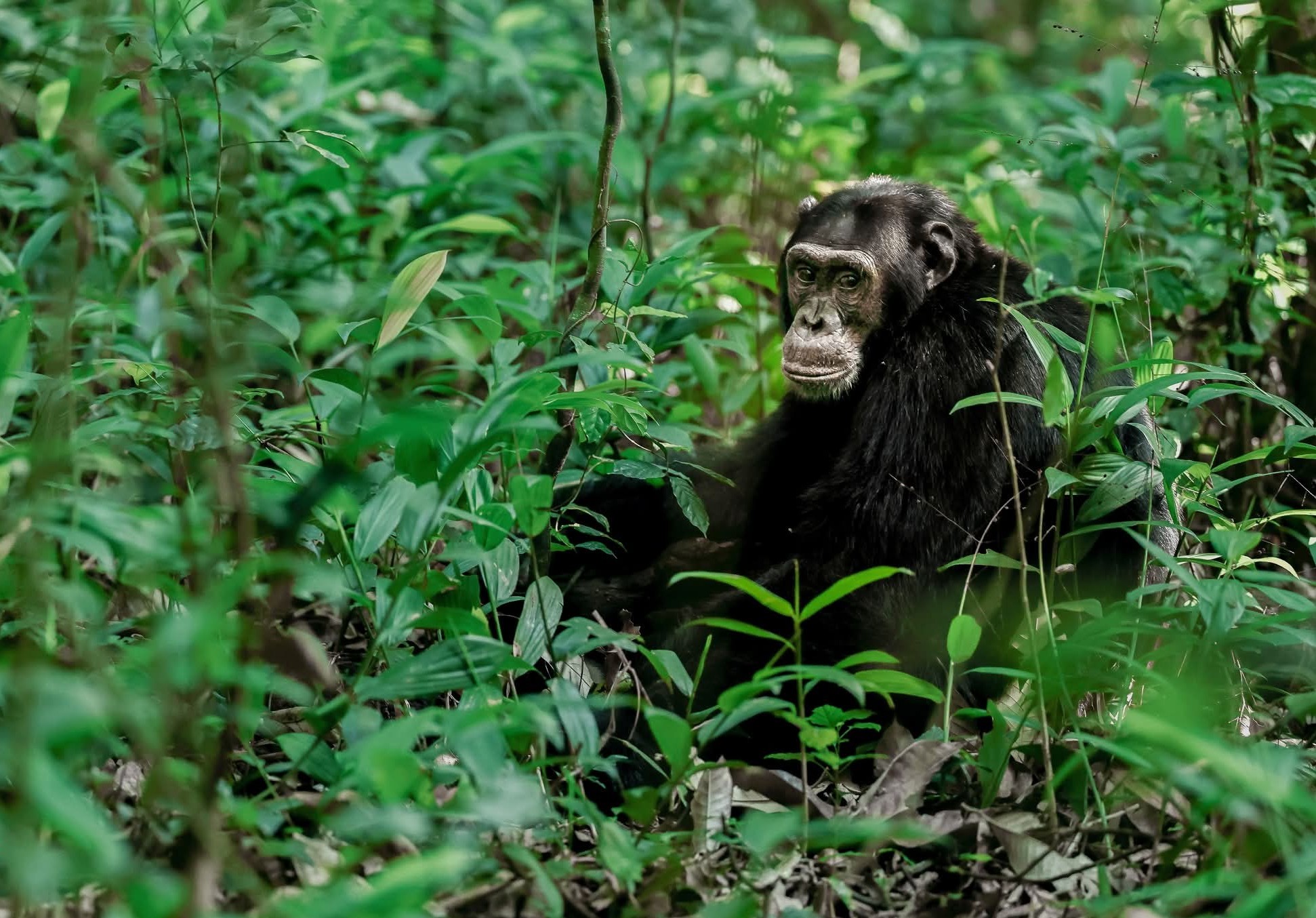
Affordable gorilla trekking in Uganda stays ethical when you ask better questions
Cheap gorilla trekking in Uganda still has to respect the rules that protect gorillas and the people who track them. Gorilla permits are issued by the Uganda Wildlife Authority, and permits are limited per day. That limit is part of conservation, not a sales tactic. Once you find a habituated group, the standard rule is one hour with the gorillas.
The forest has its own soundtrack. Leaves drip, boots scrape damp soil, and you’ll hear your own breathing before you see anything.
Your ethical checks, kept simple:
Permit handling is clear, and your trek date and sector are confirmed before lodging is locked
The operator explains where your money goes: permit vs logistics vs accommodation
Community visits are offered as real exchanges, not staged photo stops
A 4×4 is used for sector roads, because getting stuck damages roads and schedules
For a practical checklist that keeps your planning grounded, use: Essential tips for a Gorilla Trek Uganda adventure.
How Affordable Safaris Can Support Uganda’s Communities
An affordable safari does not mean choosing the cheapest option at any cost. The best budget-friendly safari packages in Uganda are those that allow travelers to experience the country while ensuring that local people, wildlife, and conservation efforts benefit from tourism.
Every choice you make during your journey can create a positive impact. Choosing a local guide means your money stays within Uganda and supports someone who knows the land, wildlife, and culture better than anyone. These guides do more than drive you between destinations—they share stories, explain traditions, and help you see the country through local eyes.
Where you sleep also matters. Staying in locally owned guesthouses, eco-lodges, and community accommodations helps provide income for families living near Uganda’s national parks. A simple lodge with warm hospitality and a connection to the community can often create a more meaningful experience than a luxury property disconnected from the people and places around it.
Small purchases can also make a big difference. Buying handmade crafts directly from local artisans, enjoying meals prepared with local ingredients, and visiting community projects allows travelers to support everyday livelihoods. Instead of souvenirs becoming just objects, they become reminders of the people and stories you encountered along the way.
Respecting wildlife rules is another important part of responsible travel. Following your guide’s instructions, keeping a safe distance from animals, avoiding unnecessary noise, and protecting natural areas help preserve Uganda’s incredible ecosystems for future generations.
Finally, consider supporting conservation initiatives that protect the places you visit. From gorilla conservation in Bwindi to community projects surrounding national parks, tourism plays an important role in protecting Uganda’s natural heritage.
The beauty of traveling on a budget is that your journey can be both affordable and meaningful. By making thoughtful choices, you are not only discovering Uganda—you are helping the communities and landscapes that make the experience unforgettable.
Best time for Uganda safari depends on roads, not just wildlife
Best time for Uganda safari planning gets real once you factor in road conditions to Bwindi sectors. Rwanda-side routes out of Kigali are generally paved on major corridors, but Uganda-side approaches to Bwindi can include rough or muddy sections, especially in rainy season. That’s why your timing decision should be tied to your tolerance for slow roads and your need to arrive in daylight.
This might just be personal preference, but I’d rather trek after a calmer night than squeeze in a risky late arrival.
Best time for Uganda safari decisions you can actually use:
Choose travel days that let you reach Kabale, Kisoro, or your sector lodge before dinner
Build buffer time for border processing, because timing isn’t fixed
Treat rainy-season driving as slower, then plan shorter legs on trekking eves
Keep your gorilla permit date as the anchor and move everything else around it
If you’re stitching together a cross-border plan, the most consistent win is simple: match your border post to your sector so you don’t pay for extra road time.
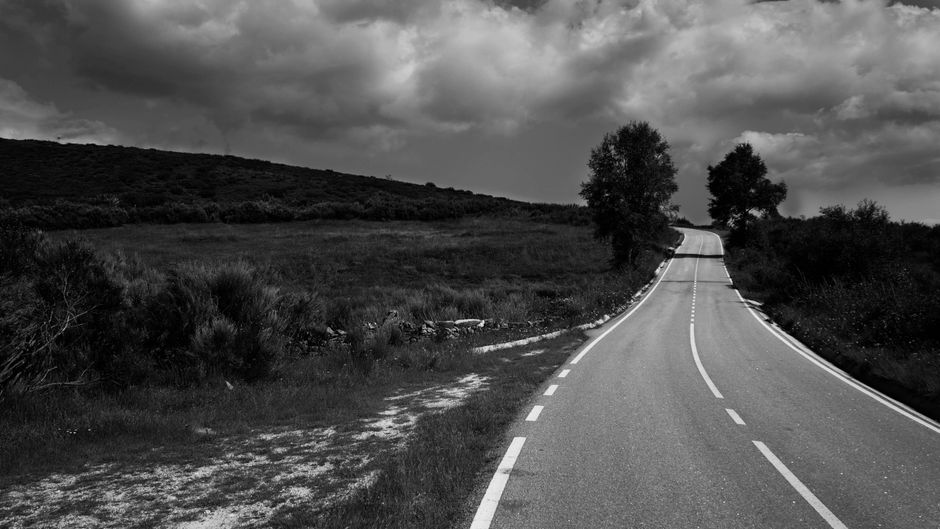
Hidden gems that fit a budget plan without bloating your route
Hidden gems belong in a budget itinerary only if they sit naturally on your line of travel. The best ones don’t require a detour day. They give you texture, a meal, a conversation, a slower afternoon, then you move on.
The “right” add-on after trekking is the one that lets your legs recover. Your boots will still be dusty.
A few budget-respectful add-ons that pair well with the Kigali–Bwindi corridor:
Lake Bunyonyi as a recovery stop after trekking, especially if you staged through Kabale
Mgahinga Gorilla National Park as a quieter primate option via Kisoro and Cyanika
A village experience that’s scheduled with daylight, so you’re not arriving as families are closing up for the evening
A simple market stop in a town like Kabale or Kisoro, where you can buy fruit for the road and keep moving
If you want to connect your trip to community support through Amatsiko, start with what we’ve built locally: Amatsiko School.
Uganda safari packages reviews matter less than your itinerary logic
Uganda safari packages reviews are useful for spotting repeated operational issues, but your best protection is a plan that makes sense on a map. Start with the permit date, confirm the Bwindi sector, then lock lodging near the briefing point. After that, pick the border post that aligns with your base and build in realistic drive-time ranges.
Kigali to Bwindi typically runs 4–8+ hours driving plus border time, and Kisoro to southern Bwindi sectors often falls in the 1–2+ hour range depending on lodge location and road conditions. Those numbers shape your whole day.
Uganda safari packages reviews also won’t tell you how it feels to start trekking tired. You’ll feel it in the first uphill stretch. Plan so you don’t.
For transparency on who you’re traveling with, keep it straightforward: About Amatsiko Tours.

Key takeaways for budget-friendly safari packages in Uganda
Budget-friendly safari packages in Uganda stay realistic when you anchor your plan to the Uganda Wildlife Authority permit, then match your Bwindi sector to the right overnight base. Kigali-to-Bwindi road transfers commonly use Cyanika for Kisoro and southern sectors or Katuna for Kabale and Lake Bunyonyi, with 4–8+ hours driving plus border time. A 4×4 is strongly recommended for Bwindi access roads year-round. Keep costs predictable by reducing extra vehicle days, sleeping near the briefing point, and choosing community experiences that fit your route.
Frequently Asked Questions
1. How can I make my Uganda safari more budget-friendly?
To keep your Uganda safari affordable, focus on the fixed costs like the Uganda Wildlife Authority permit for gorilla trekking. Plan your itinerary around this permit, choose accommodations near your trekking sector, and reduce unnecessary travel days to avoid extra costs. Opt for budget accommodations and community-based experiences to save money while supporting local communities.
2. What is the best time to go on a safari in Uganda?
The best time to plan a safari in Uganda is during the dry seasons, when road conditions are more favorable, especially for reaching Bwindi sectors. It’s important to consider road conditions and plan your travel days to reach your accommodation before nightfall to avoid stressful drives.
3. How do I choose the right accommodation for a budget safari in Uganda?
Select accommodations based on proximity to your Bwindi trekking sector to minimize travel time and costs. Look for options with practical amenities like hot water and early breakfasts. After your trek, consider a comfort night at a place like Lake Bunyonyi and keep other stays basic to maintain your budget.
4. Is a self-drive safari in Uganda a good option for budget travelers?
A self-drive safari can be cost-effective if you’re comfortable with long drives and varying road conditions. However, it requires careful planning to avoid additional stress and costs. Ensure you use a 4×4 vehicle, especially in the rainy season, and plan conservative daily distances.
5. How can I ethically participate in gorilla trekking in Uganda?
Ensure your gorilla trekking experience is ethical by confirming your permit date and sector before booking accommodations. Choose operators who are transparent about where your money goes and who offer authentic community visits. Use a 4×4 vehicle to avoid damaging roads and schedules.
6. Why start a Uganda safari from Kigali?
Starting your safari from Kigali can reduce transport costs and time, as it offers a more direct route to the Bwindi region. Most travelers use the Cyanika or Katuna border crossings depending on their Bwindi sector, which can save both time and money.
7. What are some hidden gems to include in my Uganda budget itinerary?
Consider adding Lake Bunyonyi as a recovery stop after gorilla trekking, visit Mgahinga Gorilla National Park for a quieter experience, or enjoy a village experience scheduled with daylight. These add-ons can enhance your trip without adding significant costs or detours.
8. How can I ensure my Uganda safari supports local communities?
Choose locally owned guesthouses and eco-lodges, employ local guides, and make purchases directly from artisans to ensure your safari supports local communities. These choices help create positive impacts on the livelihoods of Ugandan families and contribute to conservation efforts.