Wildlife Safaris in Uganda: Where Ancient Forests, Wild Rivers, and Savannahs Come Alive
Table of Contents
At a Glance
Ugandan safaris focus on primates in Bwindi and Mgahinga, and savannah game drives in parks like Queen Elizabeth and Murchison Falls.
Gorilla trekking is best in dry seasons (June–August, December–February) to avoid muddy trails.
Boat safaris offer a different wildlife view, especially useful in rainy months.
Consider chimp trekking as a bridge between different park experiences.
Plan well ahead, especially for permits and during peak travel times.

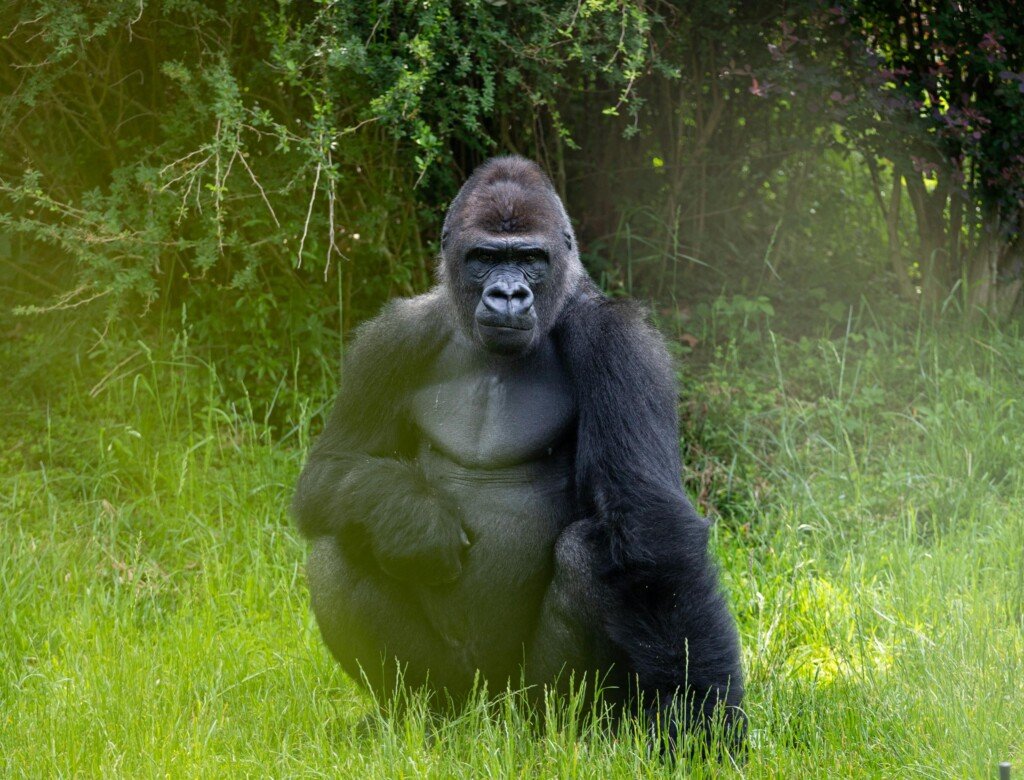
The first thing you notice as you plan your Wildlife Safaris in Uganda wilderness is not always what you see, it is what you hear. The forest breathes quietly around you: the distant call of a bird hidden among giant trees, the soft movement of leaves above your head, and the footsteps of your guide as you follow a trail into one of Africa’s most remarkable landscapes. Then, after hours of walking through the emerald world of Bwindi Impenetrable Forest, everything changes. A branch moves, the forest falls silent, and you realize you are standing in the presence of a mountain gorilla family. In that moment, Uganda becomes more than a destination — it becomes a memory that stays with you forever.
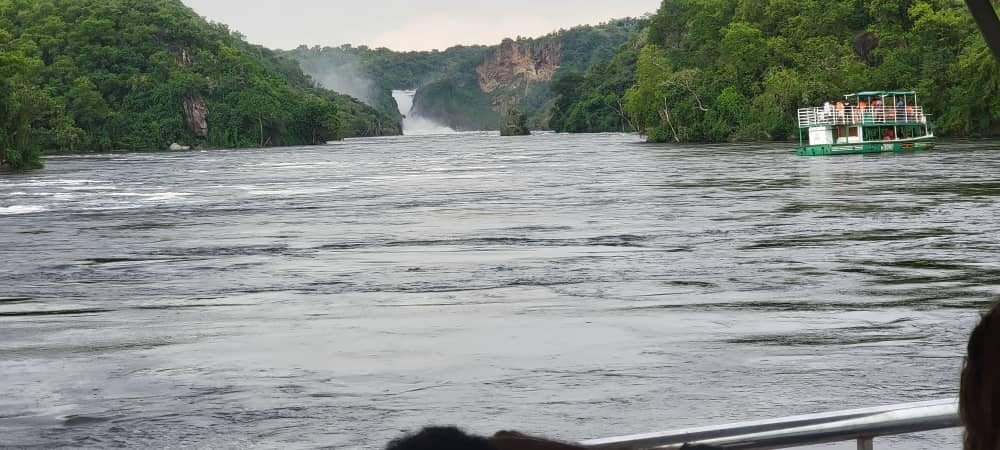
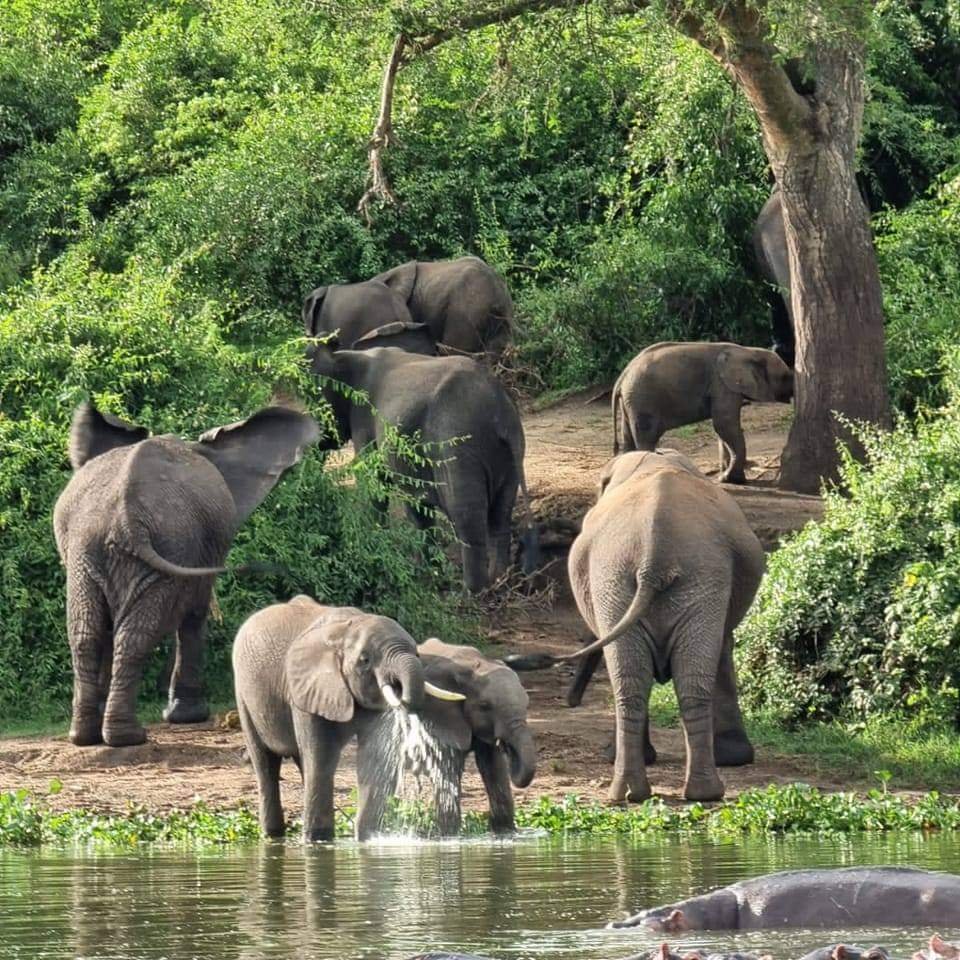
But Uganda’s magic does not end in the rainforest. This is a country where every journey reveals a different face of nature. In the southwest, ancient forests protect mountain gorillas and playful chimpanzees. Across the savannah plains of Queen Elizabeth National Park and Murchison Falls National Park, lions, elephants, buffaloes, giraffes, and countless birds create the rhythm of a classic African safari. Along the Nile River, boat journeys bring you closer to hippos, crocodiles, and wildlife gathering at the water’s edge, while the powerful roar of Murchison Falls reminds you of the incredible forces that shaped this land.
Planning your first wildlife safari in Uganda is about finding the right balance between unforgettable encounters and a journey that respects the places and people who make these experiences possible. Choosing community-based guides, staying in locally owned accommodations, reducing waste, and following wildlife rules are simple choices that help protect Uganda’s natural treasures while supporting the communities who live alongside them.
The beauty of Uganda is that it does not ask you to choose between adventure and connection. A gorilla trek is not only about seeing a rare animal; it is about understanding a fragile ecosystem. A village visit is not just a stop between parks; it is an opportunity to meet the people whose traditions and daily lives are deeply connected to the land. Every road, forest path, and riverbank tells a story.
In this guide, I will take you through the best national parks and wildlife experiences in Uganda, sharing how to plan your route, when to visit, what to expect, and how to make your journey a positive contribution to this extraordinary country.
Your Uganda Safari Journey at a Glance
A first safari in Uganda is not about rushing from one park to another. It is about following a natural rhythm: from misty forests where gorillas and chimpanzees live, to open savannahs where elephants and lions roam, and finally to rivers where wildlife gathers under the African sun.
A classic first-time Uganda wildlife journey can look like this:
Bwindi Impenetrable Forest & Mgahinga Gorilla National Park
Meet mountain gorillas in one of the world’s most extraordinary rainforest environments.
Kibale Forest National Park
Walk beneath ancient trees and follow the calls of chimpanzees through the forest.
Queen Elizabeth National Park
Experience classic game drives, tree-climbing lions, elephants, buffaloes, and the famous Kazinga Channel boat safari.
Murchison Falls National Park
Watch the Nile River squeeze through a narrow gorge before opening into a wildlife-rich landscape of elephants, giraffes, hippos, and birds.
Kidepo Valley National Park (Optional Extension)
Travel deeper into Uganda’s remote wilderness for dramatic landscapes and fewer crowds.
This route allows you to experience Uganda’s greatest strength: the incredible contrast between rainforest, savannah, rivers, and local communities that protect these landscapes.
A First-Time Uganda Safari Itinerary: Forests, Gorillas, and Savannah Adventures
For first-time visitors, Uganda is best experienced as a journey of contrasts. The adventure begins beside the peaceful waters of Lake Victoria, continues into ancient forests where chimpanzees and mountain gorillas live, opens into golden savannah plains filled with wildlife, and follows the powerful Nile River through one of Africa’s most dramatic landscapes.
Instead of rushing between too many destinations, this itinerary follows a natural rhythm, allowing time to connect with each place, meet local communities, and experience Uganda’s wildlife in a way that supports conservation and responsible tourism.
Days 1–2: Entebbe — Your Gateway to Uganda’s Wild Landscapes
Your Ugandan adventure begins in Entebbe, a relaxed lakeside town on the shores of Lake Victoria. After your international arrival, this is the perfect place to slow down, recover from your journey, and begin discovering the warmth of Ugandan hospitality.
Take a peaceful walk through botanical gardens, enjoy the breeze coming from Africa’s largest lake, explore local markets, or share your first conversations with Ugandans over a traditional meal. This gentle beginning helps you understand that Uganda is not only about wildlife — it is also about the people and cultures that make this country special.
Highlights:
Lake Victoria sunset experience
Entebbe Botanical Gardens
Local food experiences
Cultural visits and community encounters
Responsible travel tip:
Start your journey by choosing locally owned restaurants, guides, and accommodations. Even your first day can create a positive impact by supporting the communities you are visiting.
Days 3–4: Kibale Forest National Park — Walking Among Chimpanzees
From Entebbe, the landscape slowly changes as you travel west. Busy roads give way to rolling green hills, tea plantations, and small villages surrounded by tropical vegetation. Soon you arrive at Kibale Forest, one of Africa’s most impressive rainforest ecosystems and one of the best places in the world to observe chimpanzees.
Early in the morning, before the forest becomes fully awake, you begin your trek beneath towering trees covered with moss and vines. The sounds around you become your guide: birds calling from the canopy, monkeys moving through branches, and eventually the loud, energetic calls of chimpanzees announcing their presence.
Beyond chimpanzee trekking, spend time with nearby communities and discover how local people protect and benefit from this incredible ecosystem.
Highlights:
Chimpanzee trekking experience
Bigodi Wetland Sanctuary
Birdwatching and forest walks
Community-led cultural experiences
Responsible travel tip:
Choose community-guided experiences that directly support local families and conservation projects around Kibale Forest.
Days 5–6: Queen Elizabeth National Park — Uganda’s Classic Safari Experience
As you leave the forest behind, Uganda reveals another side of its beauty. The dense greenery opens into wide savannah landscapes where elephants walk through golden grasslands, buffalo gather near water, and lions search for their next meal beneath the African sun.
Morning game drives offer some of the best wildlife viewing conditions, when temperatures are cooler and animals are most active. Later, slow down on a boat safari along the Kazinga Channel, where hippos float beside the shore, crocodiles rest in the sun, and hundreds of bird species create a spectacular natural soundtrack.
Highlights:
Morning game drives
Kazinga Channel boat cruise
Elephant and buffalo sightings
Ishasha sector and famous tree-climbing lions
Responsible travel tip:
Stay on designated tracks during game drives and follow your guide’s instructions to minimize disturbance to wildlife.
Days 7–9: Bwindi Impenetrable Forest — The Gorilla Encounter
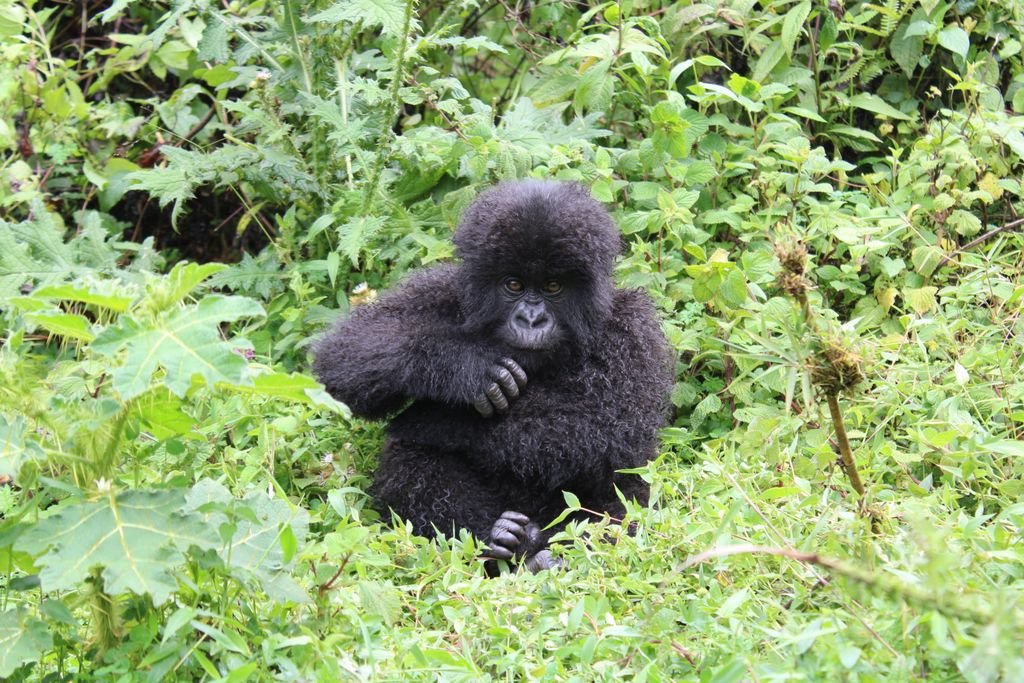
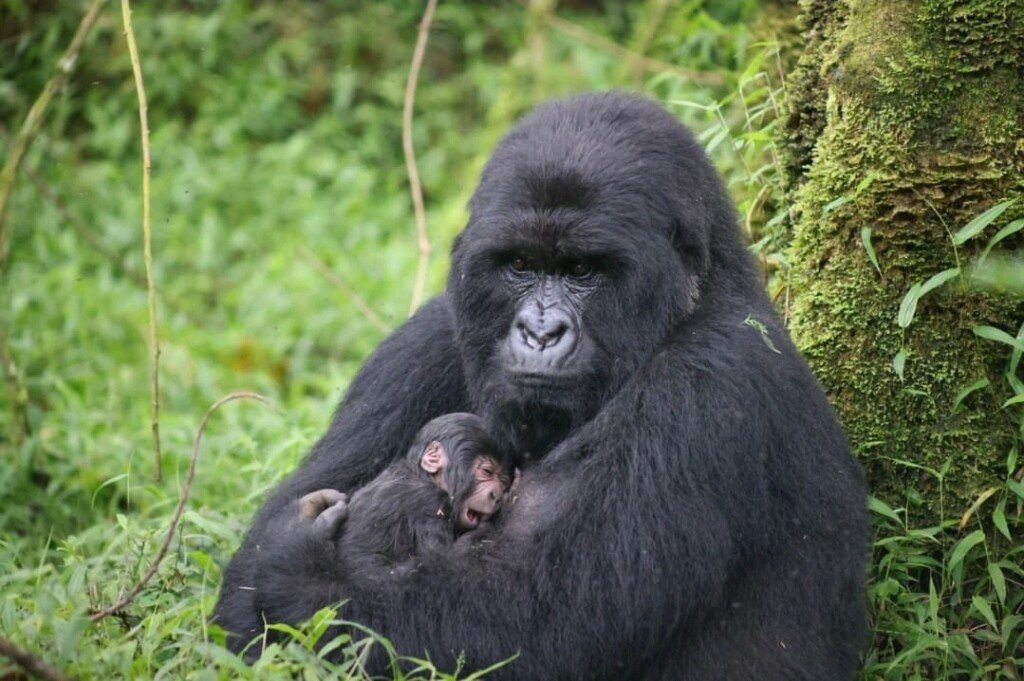
The journey reaches its emotional high point in Bwindi Impenetrable Forest, a UNESCO World Heritage rainforest where some of the world’s last remaining mountain gorillas live.
The day begins early. With your local guide and trackers, you enter the mist-covered forest, walking through a landscape of ancient trees, tangled vines, and the sounds of a living ecosystem all around you. The trek can be challenging, but every step builds anticipation.
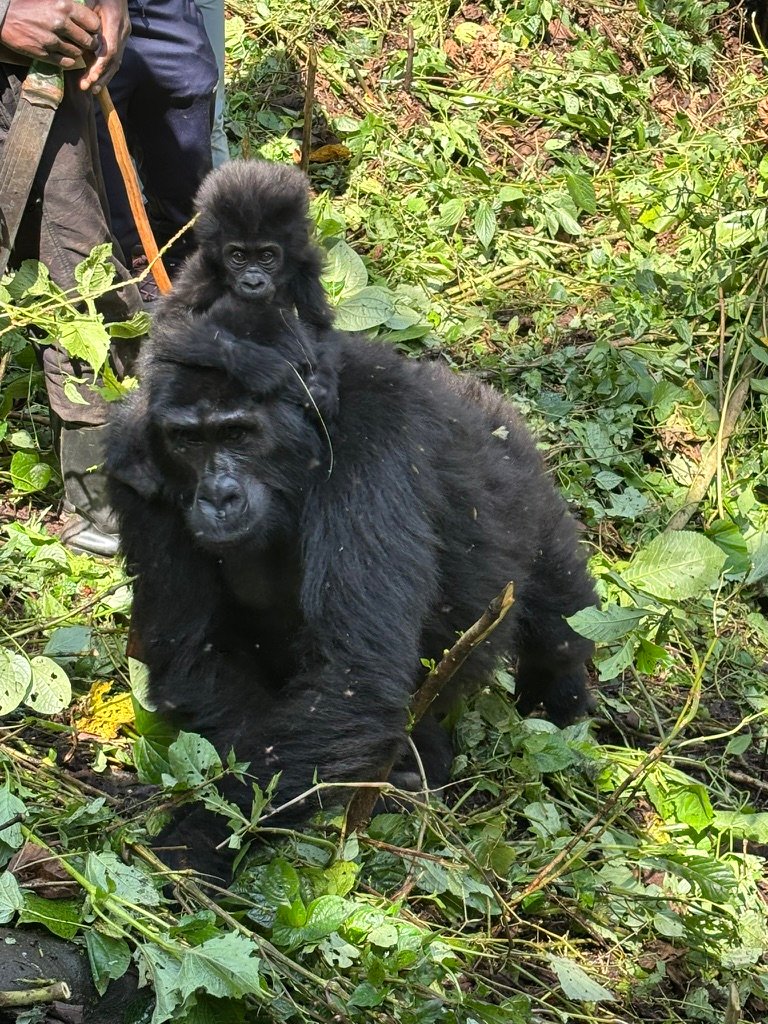
Then comes the unforgettable moment: finding a gorilla family peacefully moving through the forest. Watching these magnificent animals in their natural habitat is not just a wildlife encounter — it is a reminder of the importance of protecting fragile ecosystems and the communities who live alongside them.
Highlights:
Gorilla trekking adventure
Meeting local trackers and guides
Learning about gorilla conservation
Batwa cultural experiences with ethical community partnerships
Responsible travel tip:
Gorilla trekking permits directly contribute to conservation and community development. Respect wildlife rules, maintain distance, and remember that you are a guest in their home.
Days 10–11: Lake Bunyonyi — A Peaceful Pause After the Gorilla Trek
After the excitement of gorilla trekking, Lake Bunyonyi offers a beautiful moment to slow down. Surrounded by green hills and dotted with small islands, this peaceful lake is one of Uganda’s most relaxing landscapes.
Spend time canoeing with a local guide, visiting nearby communities, watching birds across the water, or simply enjoying the quiet beauty of the countryside. It is the perfect place to reflect on the incredible experiences of the previous days.
Highlights:
Traditional canoe rides
Island exploration
Birdwatching
Community experiences
Responsible travel tip:
Support local guides and small businesses around the lake to help tourism benefit the communities that call this region home.
Days 12–13: Murchison Falls National Park — The Power of the Nile
Your journey continues north to Murchison Falls National Park, where Uganda’s largest protected area combines dramatic landscapes with incredible wildlife encounters.
Here, the mighty Nile River squeezes through a narrow gorge before exploding into one of Africa’s most powerful waterfalls. On the water, you can watch hippos, crocodiles, elephants, and birds gathering along the riverbanks. On land, morning and evening game drives reveal giraffes, lions, antelopes, and buffalo moving through the savannah.
Highlights:
Nile boat safari
Murchison Falls viewpoint
Savannah game drives
Wildlife viewing along the river
Responsible travel tip:
Choose conservation-focused lodges and avoid single-use plastics by carrying a reusable water bottle whenever possible.
Optional Extension: Days 14–16: Kidepo Valley National Park — Uganda’s Hidden Wilderness
For travelers with more time, Kidepo Valley offers one of Uganda’s most remote and unforgettable safari experiences.
Far from the main tourist routes, this dramatic wilderness features rugged mountains, vast open plains, and some of the country’s most authentic cultural encounters. The feeling here is different — quieter, wilder, and deeply connected to the landscape.
Highlights:
Remote game drives
Beautiful mountain scenery
Fewer crowds
Cultural encounters with local communities
Responsible travel tip:
Because Kidepo is remote, staying longer helps reduce the pressure of rushed travel and allows more meaningful support for local communities.
Wildlife safaris in Ugandan national parks deliver the country’s core highlights
Uganda’s strongest itinerary backbone is wildlife safaris in Ugandan national parks that pair primates with savannah game viewing. You get dense rainforest trekking in Bwindi Impenetrable National Park and Mgahinga Gorilla National Park, then open-country drives in Queen Elizabeth National Park, Murchison Falls National Park, and Kidepo Valley National Park. The rhythm matters: trek days feel physical and humid, while savannah days start cool and dusty.
If you’re choosing just one “anchor” experience, pick either Uganda gorilla trekking or a safari in Uganda built around Queen Elizabeth National Park or Murchison Falls National Park. Then add one supporting park so you don’t spend the whole trip transferring.
Make your park list with a map, not a wish list. Uganda rewards focus.

Stay strict about mornings. In the dry season, early hours bring crisp air and better visibility on drives. In the forest, earlier starts usually mean steadier footing before the day warms up.
Why Travelers Remember Uganda Long After They Leave
Uganda is not only about what you see; it is about how you experience it. Many travelers highlight the same things after their journey: the warmth of local guides, the careful organization of the trip, the feeling of being welcomed into communities, and the unforgettable moments shared in the wild.
What previous travelers say:
“If you’re considering a trip to Uganda, stop searching. Amatsiko Tours is in a class entirely of its own. From the moment we arrived, everything was handled with a level of care and professionalism that made the entire experience effortless. Airport pickup, beautiful accommodations, seamless transportation, and delicious meals. Every detail was thoughtfully arranged.”
— 565carolyno, TripAdvisor, 5.00
“We searched for a wholly local tour operator hoping our visit to Uganda might benefit local communities as well as including Uganda’s natural beauty and wildlife. Amatsiko Tours is owned and operated by Alex and Alphonse, who have dedicated their working lives to helping the most vulnerable in their communities. Alex curated a two weeks itinerary for us that provided the most amazing and memorable experiences…”
— lorrainebL9532PA, TripAdvisor, 5.00
“We spent 2 weeks touring Uganda with Amatsiko Tours (Alex). It was exceptional. Alex took great care of us and had developed an incredible itinerary which covered all aspects of Uganda… gorillas, chimps, wildlife, fabulous accommodation and visits with Communities to learn about the cultural history.”
— marilynj479, TripAdvisor, 5.00
Uganda gorilla trekking in Bwindi and Mgahinga sets the emotional high point
Uganda gorilla trekking is the experience you plan around, not something you squeeze in. The best time for gorilla trekking in Bwindi Impenetrable National Park and Mgahinga Gorilla National Park is the dry seasons, June–August and December–February, because trails are less muddy and steep sections feel safer underfoot. Even then, it’s still a hike. You’ll feel it in your calves.
Treks commonly run 2–6 hours depending on where the gorilla family is that day, and once you find them you typically spend one hour in their presence. That hour goes fast. Too fast.
Bwindi trekking sectors change your day more than most people expect
Bwindi Impenetrable National Park has multiple sectors, including Buhoma, Ruhija, Rushaga, and Nkuringo, and terrain varies across them. Your most practical move is simple: match your lodging to your permit sector so you don’t start trekking day with an extra road transfer in the dark.
If I’m being picky, the biggest mistake is treating “Bwindi” like a single trailhead. It isn’t.
Gorilla permits and timing stay non-negotiable
Gorilla trekking requires a permit issued by the Uganda Wildlife Authority (UWA), and permits are limited per day to reduce disturbance. The provided price reference is USD $800 for Uganda. In peak dry season, plan 6–12 months ahead if you want your dates and sector to line up cleanly.
Use this as your planning spine: permit date first, everything else second.

The forest has its own soundtrack. In wet months, you’ll hear rain hit broad leaves and feel the humidity cling to your shirt. Pack for that reality, not the photos.
Big game drives in Queen Elizabeth, Murchison Falls, and Kidepo reward dry-season planning
Classic savannah viewing in Uganda is strongest in the dry seasons, June–August and December–February, when grass is shorter, roads are more reliable, and wildlife concentrates closer to water. That’s the cleanest window for a safari in Uganda that hits multiple parks on schedule. Expect cooler mornings, then heat building by late morning, plus dust on open tracks.
Rainy seasons (March–May and September–November) still work, but you trade easier driving for greener scenery and more variable sightlines. Tall grass can hide animals. Mud can slow transfers.
Park-by-park focus keeps your expectations sharp
Queen Elizabeth National Park: dry season brings clearer viewing on game drive tracks; green season brings richer bird activity but slower, muddier sections
Murchison Falls National Park: dry season improves access for game drives and transfers; rainy months can slow dirt-road movement
Kidepo Valley National Park: remoteness makes road reliability the main issue, so dry months matter more here than almost anywhere else in-country
Rhino context for “Big Five”: Uganda’s Big Five list includes lion, leopard, elephant, buffalo, and rhinoceros, and rhino tracking is typically associated with protected sanctuaries rather than the three savannah parks above
If you want “Big Five” language in your itinerary, build in a dedicated rhino stop instead of assuming it appears automatically on park drives.

You’ll feel the temperature shift near major water. Mist on your skin, louder air, and that steady roar that makes conversation pointless for a minute.
Boat safaris in Uganda add close-range wildlife without the bumpy roads
Boat safaris in Uganda change the viewing angle and your pacing. They’re also a smart way to balance a trip that has a lot of driving and hiking. You trade dust for spray, engine hum for water sounds, and long-distance scanning for closer, slower observation.
Murchison Falls National Park naturally supports Nile-focused experiences, and this is where a boat day earns its place. Put it between two game-drive mornings so you don’t stack the same kind of viewing back-to-back.
If you’re traveling in rainy seasons, water-based viewing can feel calmer than wrestling with muddy tracks. You still plan for weather shifts, but you aren’t white-knuckling a rutted road.
A simple rule for scheduling boat days
Book your boat safari after a morning drive, not before. Mornings stay the most reliable window for game drives, especially in dry season when visibility is strongest early and dust rises later.
And bring a dry bag. Even in dry months, spray happens.

Chimps in Uganda belong in the middle of your itinerary, not at the end
Chimps in Uganda fit best as a bridge between savannah parks and gorilla parks. You keep the primate theme going, but you don’t stack the two most physical days back-to-back. The forest also feels different: more chatter, more sudden movement, and a sharper sense that you’re tracking something fast.
Plan chimp trekking on a day when you can keep the afternoon easy. Your legs will thank you, and you’ll stay focused during the trek instead of watching the clock.
If you only have time for one primate experience, choose gorillas. Chimps are a strong add-on, not the core.
Best time for Uganda safaris depends on mud tolerance and permit pressure
The best time for Uganda safaris is still the dry seasons, June–August and December–February, because roads behave and schedules hold. That applies to Uganda gorilla trekking and to savannah parks like Queen Elizabeth National Park, Murchison Falls National Park, and Kidepo Valley National Park. But “best” comes with a cost: higher demand, tighter lodge inventory, and earlier permit planning.
Rainy seasons (March–May and September–November) bring fewer crowds and greener landscapes. Birding often improves, and photography gets dramatic skies, but you accept slippery forest trails and slower transfers.
Here’s the decision in plain terms: pick dry season if you hate uncertainty, pick green season if you hate crowds.
Seasonal planning table for wildlife experiences in Uganda
Travel element | Dry seasons (Jun–Aug, Dec–Feb) | Rainy seasons (Mar–May, Sep–Nov) | What you do with that info |
|---|---|---|---|
Gorilla trekking footing | Less mud, more stable | Slippery, steeper feels harder | Choose dry months for first gorilla trek |
Game drive visibility | Shorter grass, clearer sightlines | Taller grass, wildlife more dispersed | Add extra drive time in green season |
Road reliability | Strongest overall | Muddy, slower transfers | Build buffer days in rainy months |
Birdwatching | Good year-round | Often excellent | Schedule a birding-heavy day in green season |
Permit and lodge demand | Highest | Lower (relative) | Book 6–12 months ahead for peak dates |
The one temperature reference you should pack for: in Bwindi, average temperatures run about 11°C (52°F) in the morning and 23°C (73°F) in the afternoon. Cool starts. Warm finishes.
Sample trip shapes that keep transfers reasonable
Uganda trips work best when you commit to one of a few proven “shapes,” then adjust the details. These are the circuits we see hold together in real planning, especially if you’re prioritizing Uganda national parks wildlife and not just collecting pins on a map.
Primate + savannah circuit for 7–10 days
Route concept: Entebbe → Kibale → Queen Elizabeth → Bwindi → Lake Bunyonyi → Entebbe
This is the clean “first Uganda” loop. You get chimps in Uganda, a Queen Elizabeth National Park safari, then Uganda gorilla trekking with a decompression stop at Lake Bunyonyi. The lake day matters. Your body cools down, and you sleep deeper.
Northern–western extended safari for 10–14 days
Route concept: Kampala → Murchison Falls → Kibale → Queen Elizabeth → Bwindi
This is a stronger version of wildlife safaris in Ugandan national parks if you want Murchison Falls National Park in the mix. Dry season makes this route smoother. In wet months, add time buffers and keep expectations realistic on drive days.
Gorilla-focused short circuit for 3–7 days
Route concept: Entebbe → Bwindi → Lake Bunyonyi → Entebbe
If your main goal is how to plan a gorilla trek in Uganda, this is the tightest frame. You protect the permit day, keep logistics simple, and avoid overbuilding.
One limitation: short trips leave little room for weather or road delays. That’s the trade.
For deeper itinerary options and pacing, use Uganda tours and safaris planning routes as your reference point, then narrow to parks.
Community experiences belong between parks, not as an afterthought
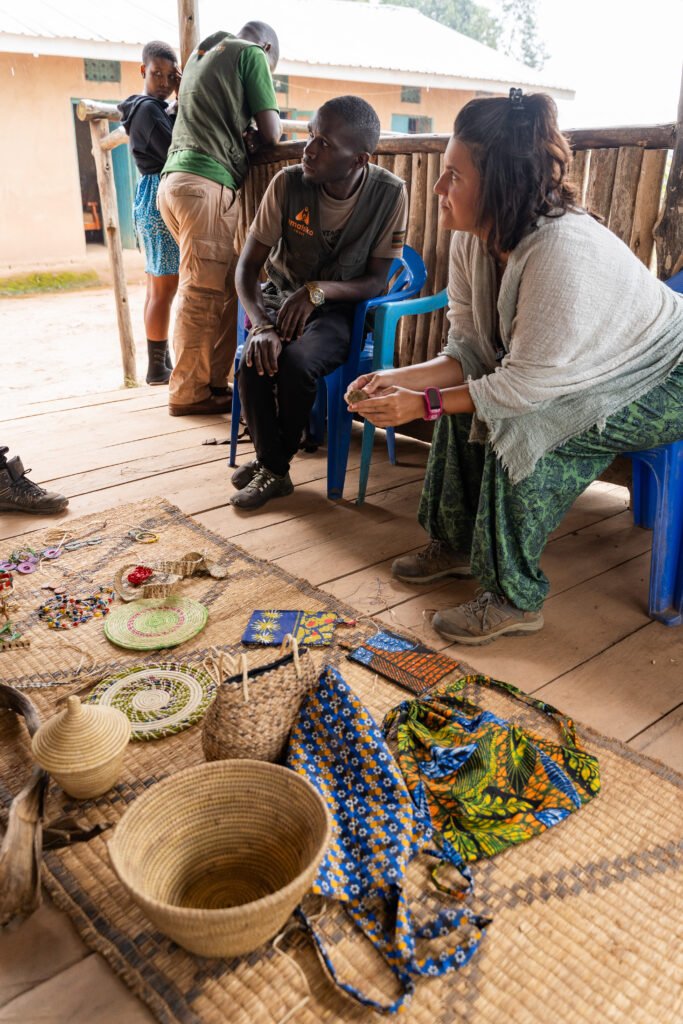
Uganda’s community moments land best when you place them between high-adrenaline wildlife days. Your nervous system resets. You also stop treating the country like a checklist of animals. That shift matters.
If you’re traveling with us, we build community-focused days through partnerships linked to education initiatives, including Amatsiko School. Read the on-the-ground context at Amatsiko School, then plan a visit day that doesn’t compete with a trek morning.
Keep it simple:
Choose one community visit, not three
Go on a non-transfer day
Ask for the quieter time slot if one exists
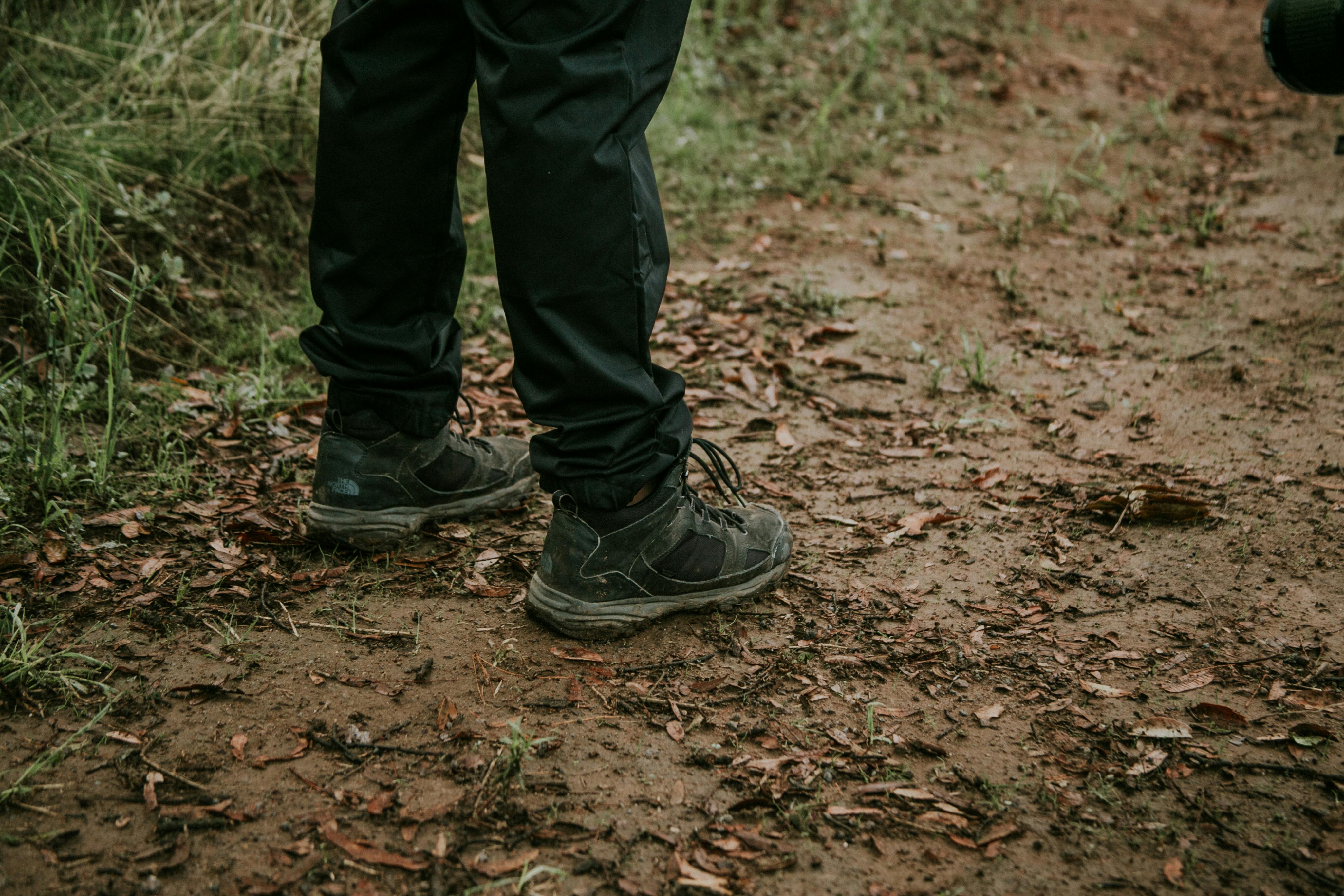
Bring shoes you don’t mind getting dusty
You’ll smell cooking fires in the air in the late afternoon. It sticks to your clothes in a good way.
Planning tools that prevent expensive mistakes
Uganda planning gets easier once you lock the non-movable pieces: season, permits, and park order. Then you refine the details like packing and payments.
Use these as your practical anchors:
Gorilla trekking permits: issued by Uganda Wildlife Authority (UWA), limited daily, price reference USD $800
Trek duration: commonly 2–6 hours, plus one hour with gorillas
Best time for Uganda safaris: June–August and December–February for road and viewing reliability
Rain windows: March–May and September–November for greener landscapes and stronger birding, with slower transfers
For park selection, keep a single tab open to Uganda national parks overview and cut anything that forces you into back-to-back long drive days.
For gorilla-specific logistics, stick to one clear reference and follow it: 7 Essential Tips for a Gorilla Trek Uganda Adventure.Cross-border extensions and safaris combining Uganda and Tanzania require extra buffer days
Some travelers ask about safaris combining Uganda and Tanzania because they want primates plus a classic East Africa savannah circuit. It’s doable as a concept, but your itinerary needs more buffer than you expect, especially if you’re trying to protect a gorilla permit date and still keep long-distance transfers comfortable.
Our advice stays conservative: lock Uganda first, then add the extension only after your primate and core park days are stable on the calendar. If you’re traveling in rainy seasons, keep even more slack. Roads and timing don’t reward tight connections.
If you want to keep everything in one planning flow, start with a single trip request and build outward: travel request for Africa safari trips.
Key takeaways for wildlife safaris in Ugandan national parks
Wildlife safaris in Ugandan national parks work best when you commit to a focused circuit: primates in Bwindi Impenetrable National Park or Mgahinga Gorilla National Park, then savannah viewing in Queen Elizabeth National Park, Murchison Falls National Park, or Kidepo Valley National Park. Dry seasons (June–August, December–February) bring the most reliable roads and trekking footing. Rainy seasons (March–May, September–November) bring greener landscapes and strong birding, with slower transfers and slipperier trails. Gorilla treks commonly run 2–6 hours, with one hour at the gorillas.
Frequently Asked Questions on Wildlife Safaris in Uganda
1. What are the key highlights of wildlife safaris in Ugandan national parks?
Ugandan national parks offer a mix of primate tracking and savannah game viewing. Highlights include gorilla trekking in Bwindi Impenetrable National Park and Mgahinga Gorilla National Park, as well as game drives in Queen Elizabeth National Park, Murchison Falls National Park, and Kidepo Valley National Park.
2. When is the best time for Uganda gorilla trekking?
The best time for gorilla trekking in Uganda is during the dry seasons, from June to August and December to February. These months offer less muddy trails and safer hiking conditions.
3. How should I plan my itinerary for a safari in Uganda?
Start by choosing a primary experience, such as Uganda gorilla trekking or a safari in Queen Elizabeth National Park. Add a supporting park to minimize transfer times, and plan your trip using a map to focus on efficiency rather than trying to visit too many locations.
4. What should I know about gorilla trekking permits?
Gorilla trekking requires a permit from the Uganda Wildlife Authority, which costs approximately USD $800. Permits are limited, so planning 6–12 months in advance is recommended, especially during peak dry seasons.
5. How do boat safaris in Uganda differ from land safaris?
Boat safaris offer a different perspective by providing close-range wildlife viewing along waterways, such as the Nile in Murchison Falls National Park. They are a good complement to land safaris, particularly during rainy seasons when roads might be challenging.
6. What is the significance of the dry and rainy seasons for wildlife safaris in Uganda?
The dry seasons (June–August, December–February) provide better road conditions and wildlife visibility due to shorter grass. Rainy seasons (March–May, September–November) offer greener landscapes and better birdwatching but can complicate travel with muddy roads and trails.
7. How do I include chimpanzee tracking in my Uganda itinerary?
Chimpanzee tracking is best scheduled between visits to savannah and gorilla parks. This allows for a balanced itinerary without two intensely physical activities back-to-back. If time is limited, prioritize gorilla trekking over chimps.
Alex Atuheire
 Powered by TypeHero