Wildlife holidays Uganda 2026 2027: for gorillas, chimps, and classic safaris
Table of Contents
At a Glance:
Gorilla trekking permits in Uganda are crucial and should be booked first.
Bwindi Impenetrable National Park is divided into sectors, impacting logistics.
Mgahinga Gorilla National Park offers a quieter trekking experience.
Cross-border routes from Kigali provide access to various sectors.
Plan around drive times and road conditions for a smoother experience.

The first thing you’ll notice isn’t the gorilla.
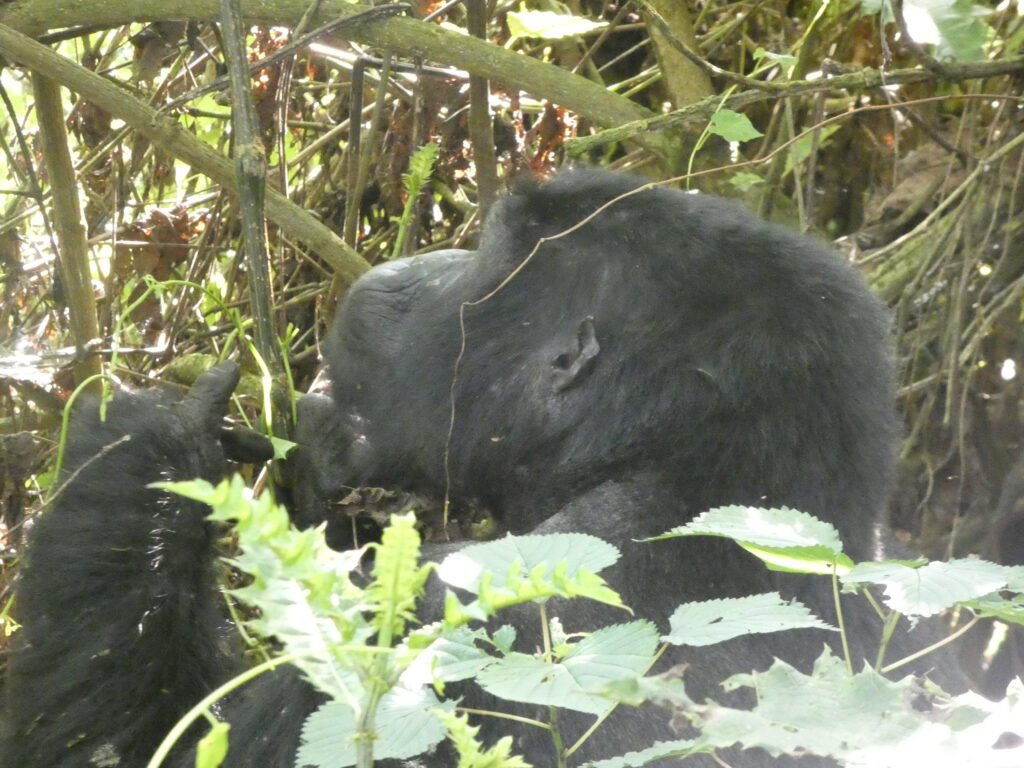
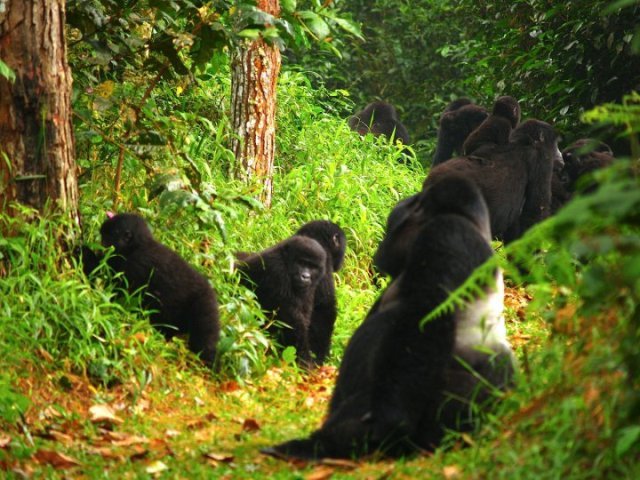
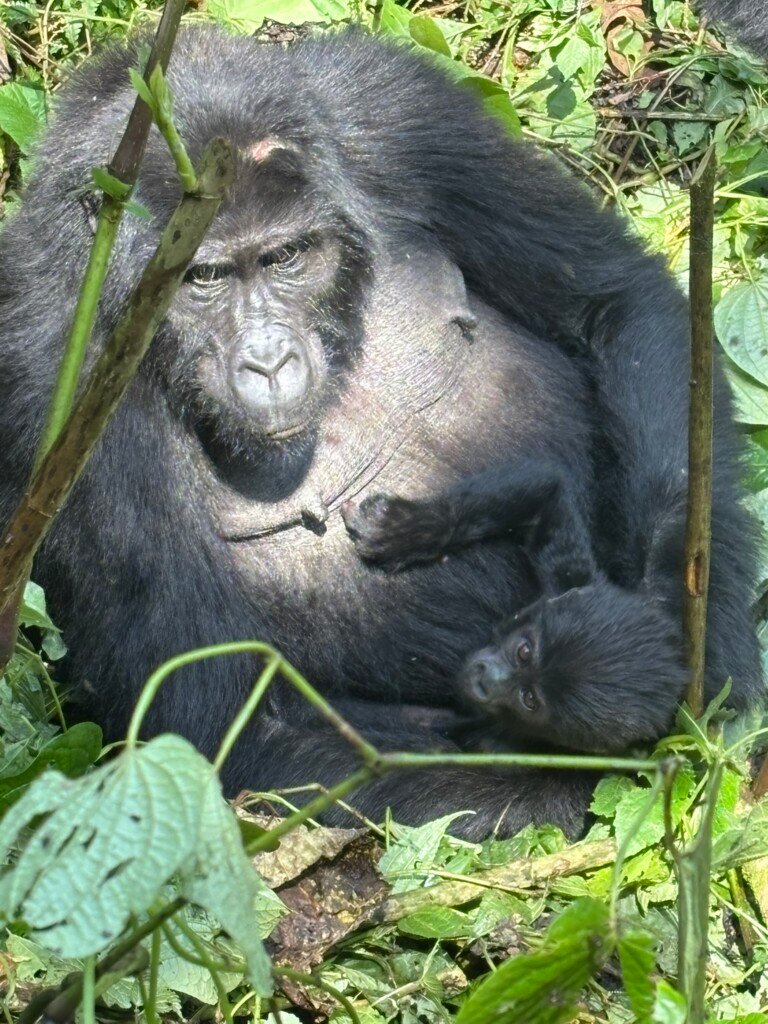
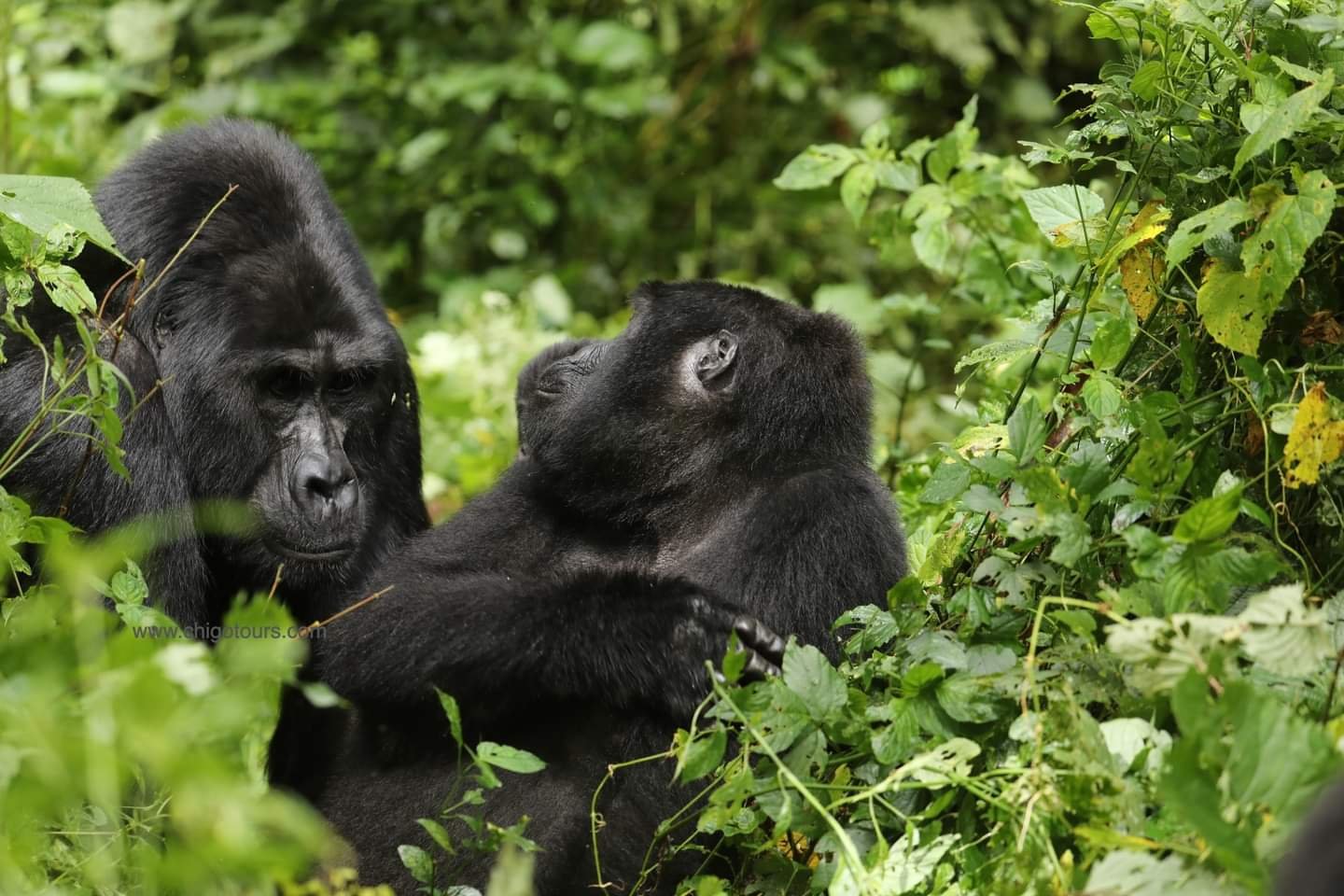
It’s the silence. Deep inside Bwindi Impenetrable National Park, every footstep disappears beneath centuries of rainforest until a guide quietly raises a hand. Just a few metres ahead, a silverback lifts his head, watches you for a moment, and then calmly returns to feeding. It’s one of those rare travel experiences that stays with you forever.
A wildlife holidays Uganda 2026 2027 offers far more than gorilla trekking. In a single journey, you can track wild chimpanzees through ancient forests, watch elephants gather along the Kazinga Channel, cruise the Nile past pods of hippos, and search for lions roaming the open savannah.
Making those experiences fit together is where good planning matters. Wildlife holidays in Uganda work best when you plan around one simple rule: secure your gorilla trekking permit first, then build the rest of your itinerary around that fixed date. Gorilla permits and park geography determine everything from your overnight stay in Bwindi to the order of your chimpanzee tracking, game drives, and boat safaris. Get that right, and Uganda rewards you with one of Africa’s most diverse wildlife journeys.
You’ll feel the contrast from the very first days. Cool, damp forest air in Bwindi. Dusty tracks across Queen Elizabeth National Park. The gentle hum of a boat safari as hippos surface along the Kazinga Channel and the Nile.
Uganda wildlife planning for 2026 and 2027 starts with primate permits
Planning your Uganda wildlife holiday becomes much easier once you treat your primate permit as the foundation of the itinerary. Gorilla trekking permits for Bwindi Impenetrable National Park and Mgahinga Gorilla National Park are managed by the Uganda Wildlife Authority (UWA), and only a limited number are available each day because visitor numbers are carefully controlled to protect the gorillas and their habitat.
Once your permit is confirmed, many other decisions fall into place. Your trekking date determines which Bwindi sector you’ll visit, where you’ll spend the night before your trek, and how you plan the rest of your safari, from chimpanzee tracking in Kibale to game drives in Queen Elizabeth or Murchison Falls National Parks.
One practical tip: if your travel dates are fixed, try to secure your gorilla permit before confirming flights or accommodation. Having a little flexibility with your travel dates or even by one or two days can greatly improve your chances of getting the trekking sector that best matches your route.
One detail surprises many first-time visitors: you don’t simply book a trek in Bwindi, you book a specific sector, and that choice has a big impact on your travel logistics.
Bwindi Impenetrable National Park sectors decide your night-before base
Bwindi Impenetrable National Park is divided into trekking sectors, and you plan differently for each one: Buhoma, Ruhija, Rushaga, and Nkuringo. The sector determines your briefing point and the road approach you’ll take, so it also determines the smartest overnight base.
Our non-negotiable rule for Uganda gorilla trekking tours: sleep in the same sector area (or the closest practical town) the night before your trek. Pre-dawn transfers on steep, narrow roads are a bad way to start a physically demanding morning.
Mgahinga Gorilla National Park stays simple and quiet
Mgahinga Gorilla National Park is smaller and commonly treated as the quieter option, and it pairs naturally with golden monkey tracking. Access is straightforward from the Kisoro area, especially if you’re coming in overland from Rwanda.
You’ll notice the difference in the morning. Fewer vehicles. Less bustle at the start point. More time listening to the forest.
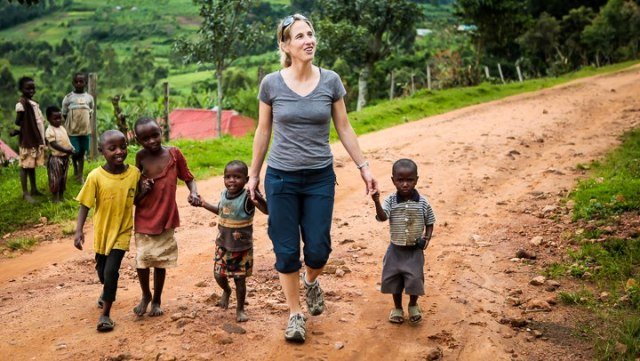
We searched for a wholly local tour operator hoping our visit to Uganda might benefit local communities as well as including Uganda’s natural beauty and wildlife. Amatsiko Tours is owned and operated by Alex and Alphonse, who have dedicated their working lives to helping the most vulnerable in their communities. Alex curated a two weeks itinerary for us that provided the most amazing and memorable experiences: visiting remote communities and schools, welcomed by so many people in out of the way places, gaining insights into community life and culture, walking with rhinos, giraffes and zebras, and of course gorilla and chimpanzee trekking. Our accommodations and food options were all great and our air conditioned 4WD vehicle was supremely comfortable and unstoppable whether in towns, on the open road or on the many safari game drives we undertook. Uganda is beautiful, safe and friendly and I can think of no better way to experience it than with the caring, knowledgeable experts at Amatsiko Tours.
— TripAdvisor, 5.00
If you’re considering a trip to Uganda, stop searching. Amatsiko Tours is in a class entirely of its own. From the moment we arrived, everything was handled with a level of care and professionalism that made the entire experience effortless. Airport pickup, beautiful accommodations, seamless transportation, and delicious meals. Every detail was thoughtfully arranged. We were driven in a spotless, comfortable vehicle and never once had to worry about logistics. We could simply be present and absorb the experience.
— 565carolyno, TripAdvisor, 5.00
We spent 2 weeks touring Uganda with Amatsiko Tours (Alex) . It was exceptional.. Alex took great care of us and had developed an incredible itinerary which covered all aspects of Uganda… gorillas, chimps, wildlife, fabulous accommodation and visits with Communities to learn about the cultural history.. I thoroughly recommend Amatsiko Tours to anyone wishing to experience Uganda.
— marilynj479, TripAdvisor, 5.00
Uganda gorilla trekking tours feel better when you match routes to sectors
Uganda gorilla trekking tours run smoother when the route, border post, and lodge all match the sector printed on your permit. This is the part that saves you hours, not minutes. The wrong overnight base can add a long drive before the early briefing, and those extra hours land right when you need energy for the trek.
Expect the forest to be cool and damp at the start, then warmer once you’ve been moving for a while. Trek difficulty varies with gorilla location on the day, and once you find the family, the regulated visit is typically one hour.
A picky note, honestly: don’t overpack “just in case.” You’ll carry it on foot.
Kigali to Bwindi road transfers for 2026 and 2027
Many travelers build a cross-border plan that starts in Kigali (Rwanda) and finishes in southwestern Uganda. Two border posts do most of the work:
Cyanika border (Rwanda) ↔ Kisoro (Uganda) for southern Bwindi sectors (Rushaga, Nkuringo) and Mgahinga
Katuna border (Rwanda) ↔ Kabale (Uganda) for staging in Kabale, adding Lake Bunyonyi, and access that aligns well with Ruhija (sector choice still matters)
Realistic driving ranges (border time included) matter more than perfect schedules:
Route segment | Typical drive-time range | Best used for | Planning note |
|---|---|---|---|
Kigali → Cyanika border → Kisoro | ~4–6 hours | Kisoro, Rushaga, Nkuringo, Mgahinga | Shorter overall for southern-sector plans |
Kigali → Katuna border → Kabale | ~5–7+ hours | Kabale staging, Lake Bunyonyi add-on | Strong base for Kabale-led logistics |
Kisoro → Rushaga/Nkuringo | ~1–2+ hours | Southern Bwindi sector lodges | Road conditions shift fast in wet months |
Sector-first routing is the whole game. For a deeper read on sector logic and timing buffers, use our cluster guide: 7 essential tips for a Gorilla Trek Uganda adventure.
Uganda wildlife parks 2026 planning builds a clean circuit
Uganda wildlife parks 2026 itineraries work best as a circuit, not a zig-zag. You’re combining very different habitats, so you plan by travel days and recovery nights, then slot in experiences: chimpanzee tracking in Kibale, game drives in Queen Elizabeth National Park and Murchison Falls National Park, and boat safaris on the Kazinga Channel and the Nile.
Expect a shift in soundscape as you move. Forest mornings carry bird calls and footfalls on wet leaves. Savannah afternoons bring wind, engine noise, and long quiet stretches scanning the grass.
An insider move: keep your first game drive morning free of “extras.” Early light is when you want to be rolling.
Uganda safari tours 2026 that pair well with primates
Uganda safari tours 2026 pair best with primates when you keep the pacing realistic and protect your early starts. We build around these core modules because they fit Uganda’s geography and the permit anchor:
Gorilla trekking in Bwindi Impenetrable National Park (sector-matched lodging)
Chimpanzee tracking in Kibale
Game drives in Queen Elizabeth National Park
Game drives in Murchison Falls National Park
Boat safari on the Kazinga Channel
Boat safari on the Nile
A decompression stop at Lake Bunyonyi (placed after trekking, not before)
For a park-by-park view as you map distances and drive days, use the pillar resource: our guide to national parks in Uganda.

The one limitation you should plan for: road conditions into forest sectors. Approaches to Bwindi can include steep gradients, narrow roads, and rough or muddy sections in rainy season. A 4×4 is strongly recommended year-round, and it becomes the difference between calm and stressful in wet months.
Best time to visit Uganda for wildlife ties to roads, not only sightings
Best time to visit Uganda for wildlife comes down to how you want your days to feel, especially on transfer days. Wet months raise the odds of muddy approach roads into Bwindi sectors, and that changes your buffer time, your comfort, and how early you need to leave. Dry stretches make long drives and sector approaches more predictable.
You’ll still see wildlife in different conditions. The question is how much effort you want to spend getting to the start line.
A practical preference (your mileage may vary): plan your gorilla trek for the first half of the trip. You’ll be fresher for a physically demanding day, and you won’t spend the rest of your itinerary thinking about the trek.
For logistics-specific preparation, keep these two cluster resources close as you plan:
Tourist attractions in Uganda 2027 land best as culture between parks
Tourist attractions in Uganda 2027 feel most authentic when they’re not treated as filler. Put cultural time between parks, after long drives, or after trekking, when you actually want to sit, listen, and eat something warm instead of rushing back into a vehicle.
Food becomes the signal. You’ll notice smoke from cooking fires in rural areas, and you’ll welcome a hot drink after a cool forest morning.
We like to place cultural experiences near the gorilla region, because the rhythm is already slower. Two places we return to in our own planning:
Buzaniro Dream Village for community connection that fits a southwestern circuit
Amatsiko School for a grounded look at long-term local impact in Kabale
And yes, this is where wildlife conservation Uganda becomes more than a phrase. You see what conservation-focused tourism supports when it’s tied to real places and people, not a slogan.
How to plan a wildlife holiday in Uganda with cross-border timing
How to plan a wildlife holiday in Uganda gets simpler when you pick one entry strategy and commit to it. Starting in Kigali works well for travelers arriving through Kigali International Airport and prioritizing a shorter transfer to the southwestern gorilla region, but it requires correct visa planning and border timing. Starting in Uganda (Kampala/Entebbe) fits longer circuits that include Murchison Falls National Park, Kibale, and Queen Elizabeth before you reach Bwindi.
Border flow is straightforward on the day, but the time isn’t fixed: exit formalities, entry formalities, then onward driving. Build buffer so you arrive before dark, eat dinner, and sleep.
One hyper-specific tip we use: if you’re trekking Rushaga or Nkuringo, choose Cyanika and sleep on the Kisoro side. If you’re trekking Ruhija, Katuna into Kabale usually keeps the circuit cleaner.
For decision-ready next steps inside our Uganda safari tours 2026 planning, keep these two pages open:
What to expect on a wildlife holiday in Uganda in 2026 and 2027
What to expect on a wildlife holiday in Uganda starts with early mornings and real driving days. Gorilla trekking is on foot and physically demanding, and the best experience comes from sleeping close to your sector briefing point. Savannah parks add game drives and boat time, and Uganda’s water safaris on the Kazinga Channel and the Nile give you a different pace, cooler air, steady engine noise, and long wildlife viewing angles.
Wildlife holidays Uganda 2026 2027 plan best around three anchors: a fixed primate permit day, sector-matched lodging, and realistic drive-time buffers like 4–6 hours Kigali to Kisoro or 5–7+ hours Kigali to Kabale. A 4×4 keeps forest-road uncertainty from running your schedule.
Frequently Asked Questions About Wildlife holidays Uganda 2026 -2027
1. How do I plan a wildlife holiday in Uganda for 2026 and 2027?
When planning a wildlife holiday in Uganda for 2026 and 2027, prioritize securing gorilla trekking permits first. These permits dictate your itinerary as they are limited per day and tied to specific sectors in Bwindi Impenetrable National Park or Mgahinga Gorilla National Park. Once your trek date is confirmed, you can organize other activities like chimp tracking, game drives, and boat safaris around it.
2. What are the key considerations for gorilla trekking in Bwindi?
The Bwindi Impenetrable National Park is divided into sectors: Buhoma, Ruhija, Rushaga, and Nkuringo. Your trekking permit will specify a sector, and it’s crucial to stay overnight in or near that sector to avoid long pre-dawn transfers on difficult roads. This ensures you are well-rested for the physically demanding trek.
3. Is Mgahinga Gorilla National Park a good alternative to Bwindi?
Yes, Mgahinga Gorilla National Park is a quieter alternative to Bwindi and is often paired with golden monkey tracking. It’s accessible from the Kisoro area, especially for those traveling overland from Rwanda. The park offers a more serene start to your trekking day with fewer vehicles and less bustle.
4. How should I plan my route if traveling from Kigali to Bwindi?
For travelers starting in Kigali, the route to Bwindi involves crossing the Cyanika or Katuna border into Uganda. The Cyanika border is best for southern Bwindi sectors like Rushaga and Nkuringo, while the Katuna border is ideal for Ruhija. Always plan for realistic driving ranges, including border crossing times, to ensure a smooth journey.
5. What is the best time to visit Uganda for wildlife experiences?
The best time to visit Uganda for wildlife experiences depends on road conditions rather than just wildlife sightings. Dry months make travel more predictable, whereas wet months can complicate road conditions, particularly into forest sectors. Plan your gorilla trek early in your itinerary when you’re freshest and to avoid worrying about it during the rest of your trip.
6. How do Uganda safari tours pair with primate experiences?
Uganda safari tours in 2026 pair well with primate experiences when the itinerary allows for realistic pacing and protects early starts. Key activities include gorilla trekking in Bwindi, chimpanzee tracking in Kibale, and game drives in Queen Elizabeth and Murchison Falls National Parks. The tours should be planned as a circuit to efficiently combine different habitats and experiences.
Alex Atuheire
 Powered by TypeHero