Cultural Tourism Experiences in Uganda: How Regenerative Travel Rebuilds Communities
Table of Contents
At a Glance
Regenerative tourism in Uganda supports local communities, with 20% of fees funding Amatsiko School.
Experiences include Batwa forest walks and Ankole cow milking, led by community guides.
Transparency in tourism helps trace direct impacts, benefitting local schools and craftspeople.
Cultural visits focus on meaningful interactions, respecting traditions and ensuring consent.
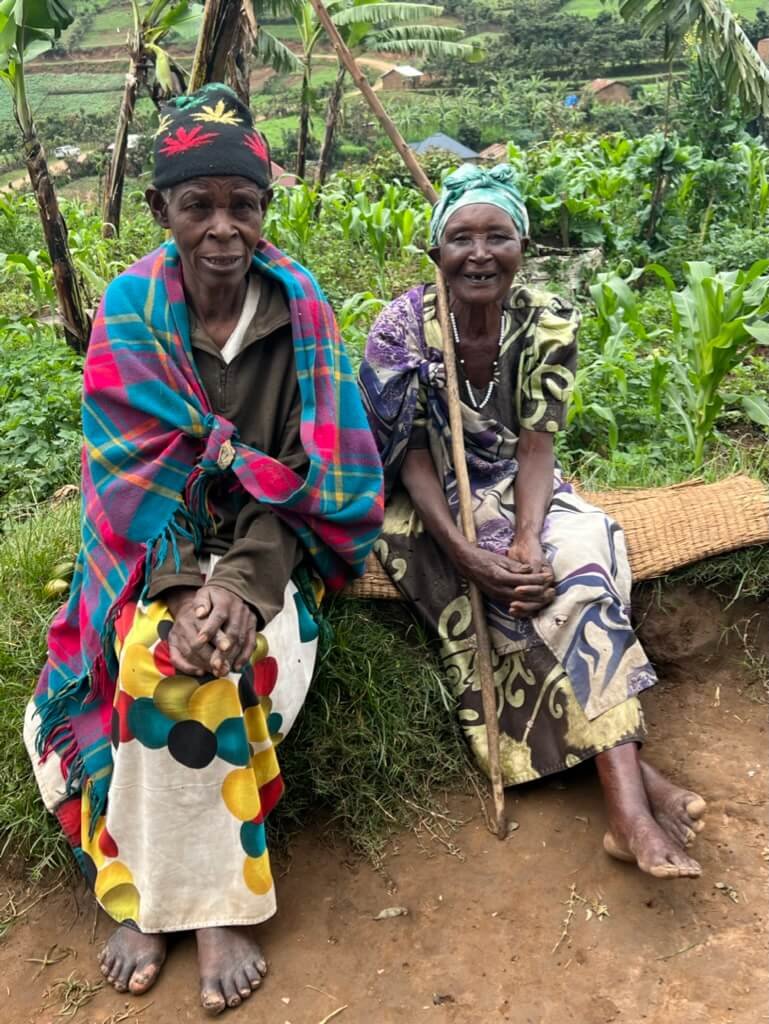
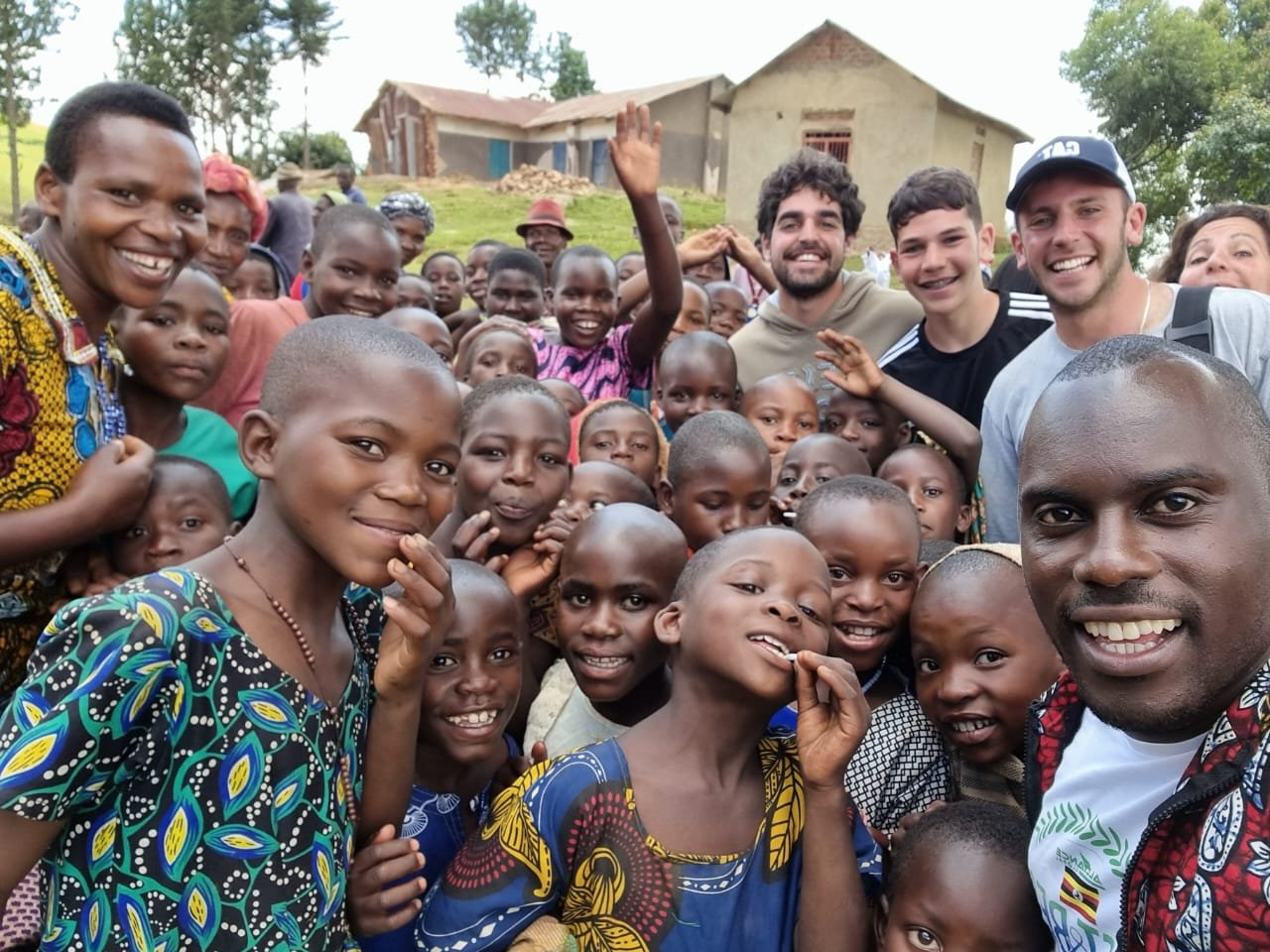
In Kabale, southwestern Uganda, a school lunch costs about 1,500 Ugandan shillings. Roughly 50 cents. When you book cultural tourism experiences in Uganda through a locally owned operator, 20% of your fee covers meals, teachers, and supplies for over 400 children at Amatsiko School. That’s regenerative tourism in its most concrete form. Not a carbon offset. Not a vague pledge. A named school, a named founder (Alex Atuheire), and a receipt you can verify.
Regenerative travel goes beyond “do no harm.” It asks a harder question: does this trip leave the place measurably better? In Uganda, where community-based tourism connects travelers to Bakiga farmers, Batwa elders, and Ankole cattle herders, the answer is traceable. You see the classroom. You meet the teacher. You eat the same food.
This guide covers what regenerative tourism looks like on the ground in Uganda, which cultural heritage sites and community experiences deliver real impact, and how to tell the difference between a marketing claim and a verifiable outcome.
A note from the founder: I founded and direct both Amatsiko Tours and Amatsiko Preparatory School, so some of the examples in this article come directly from our own experience. I believe regenerative tourism should be transparent: travelers should be able to understand where their money goes, who benefits, and what changes it helps create. I’m sharing our model not because it is the only way to do tourism responsibly, but because it offers a practical example of what this can look like on the ground in Uganda.
Cultural Tourism Experiences in Uganda That Go Beyond Sightseeing
Regenerative tourism in Uganda isn’t a program you sign up for. It’s a way trips are structured. Every interaction, from a village walk to a gorilla trek, channels income to the people and ecosystems that make the experience possible. The distinction matters because “eco” labels are cheap. Traceability is not.
At Buzaniro Dream Village near Kabale, you sit with families, learn to prepare matooke (steamed green banana, the staple of the Bakiga diet), and hear stories about land, seasons, and daily work. The village sits at roughly 1,800 meters elevation, where mornings are cool and the terraced hillsides smell of damp red earth and wood smoke.
This isn’t performance. There’s no stage. You’re in someone’s compound, and the conversation goes both ways.
Community-based tourism Uganda models like this one keep income local. Guides are from the area. Meals use ingredients grown within a few kilometers. And the operator, Amatsiko Tours, publishes exactly how fees are allocated. That level of transparency is still rare in East African tourism.
Client Impact & Real-World Validation
Transformative Ugandan Experience
“Alex curated a two weeks itinerary for us that provided the most amazing and memorable experiences: visiting remote communities and schools, welcomed by so many people in out of the way places, gaining insights into community life and culture, walking with rhinos, giraffes and zebras, and of course gorilla and chimpanzee trekking.”
— lorrainebL9532PA, Verified TripAdvisor review, 5.0
Immersive Community Engagement
“We visited a school serving some of the most vulnerable children in the region. It was an experience that was deeply moving and impossible to forget.”
— 565carolyno, Verified TripAdvisor review, 5.0
Cultural Heritage Sites in Uganda Worth Your Time
Uganda has over 65 indigenous tribes, each with distinct languages, ceremonies, and craft traditions. But not every “cultural visit” respects those traditions equally. The best cultural heritage sites in Uganda are the ones where communities control the narrative, set the terms, and benefit directly.
Batwa Community Visits in Mgahinga and Bwindi
The Batwa people, original forest dwellers of the Albertine Rift, were displaced from Bwindi Impenetrable National Park and Mgahinga Gorilla National Park when those areas received protected status in 1991. Today, Batwa-led cultural walks near both parks give you a firsthand account of forest life, traditional hunting techniques, and medicinal plant knowledge.
These visits work when they’re consent-led. Amatsiko Tours runs its Batwa experiences with pre-trip ethical briefings and direct payment to Batwa guides. You’ll walk forest trails at around 2,200 meters, hear songs in the Batwa language, and (if I’m being honest) probably feel a complicated mix of admiration and discomfort. That’s the point. Regenerative travel doesn’t always feel comfortable.
Ankole Cultural Encounters in Western Uganda
In the cattle corridor west of Kabale, Ankole families open their homesteads to visitors for traditional cow milking and pastoral storytelling. The long-horned Ankole cattle are central to Bakiga and Banyankole identity. You’ll learn how milk is stored in hand-carved gourds, how cattle wealth is measured, and why the animals are named individually.
The smell of fresh milk and sun-warmed hide stays with you.
Uganda Indigenous Tribes and the Craft Traditions That Fund Schools
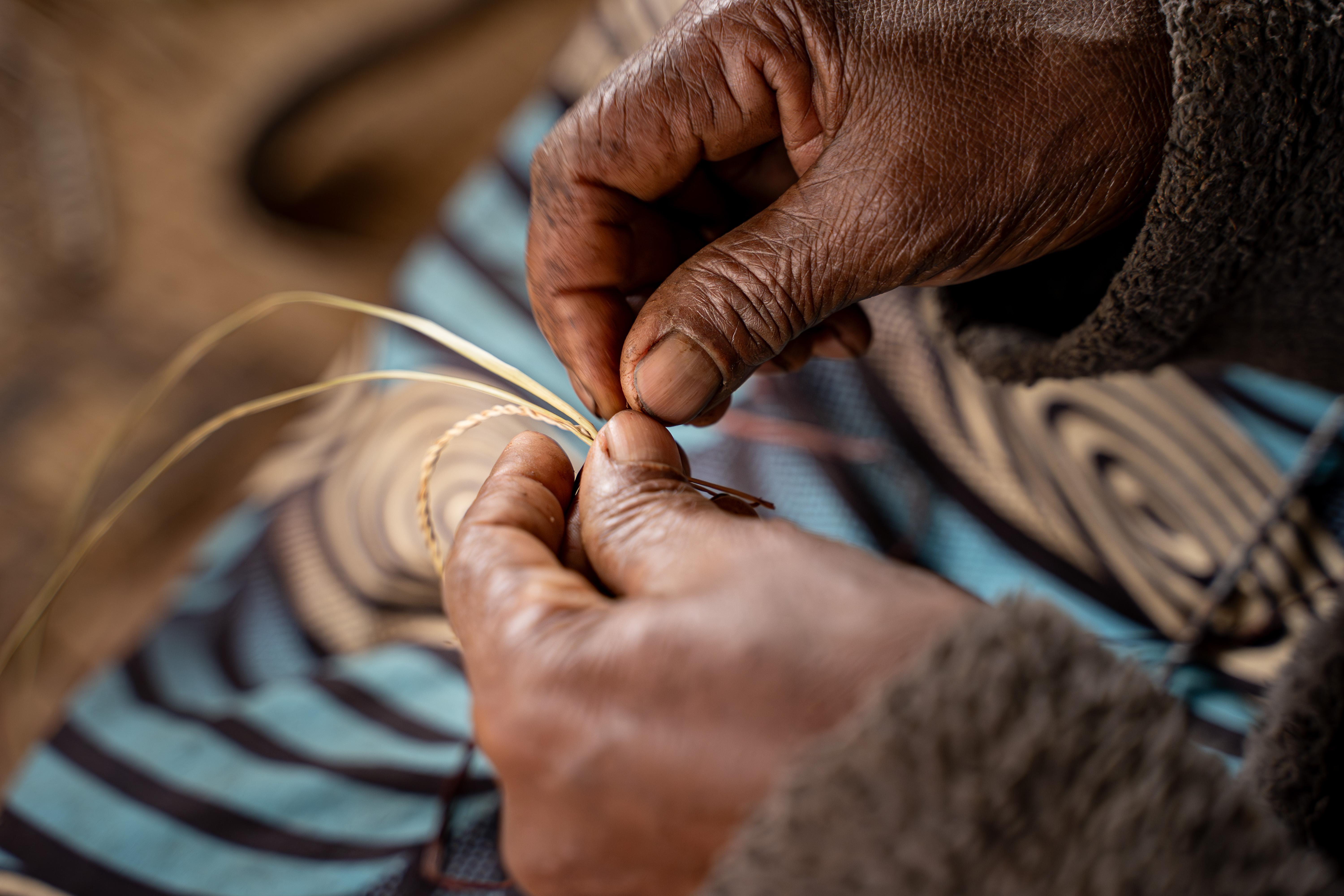
Local crafts in Uganda are not souvenirs. They’re economic infrastructure. In Kabale district, women’s cooperatives weave baskets from papyrus and banana fiber, producing items that sell locally and internationally. When you buy directly from the maker (not a Kampala gift shop), the full price goes to her household.
Amatsiko Tours integrates craft visits into its 10-day itinerary, connecting travelers to cooperatives where you watch the weaving process, learn the patterns (each has meaning tied to clan identity), and purchase if you choose. No pressure. No markup.
The connection between local crafts in Uganda and education is direct. Several cooperative members are parents of children at Amatsiko School, where 20% of every tour fee funds meals, uniforms, and classroom materials for 400+ students. You can visit the school yourself and see the enrollment records.
Cultural Experience | Location | Duration | Direct Beneficiary |
|---|---|---|---|
Batwa forest walk | Mgahinga / Bwindi | 2–3 hours | Batwa community guides |
Ankole cow milking | Western Uganda | 1–2 hours | Ankole pastoral families |
Basket weaving visit | Kabale district | 1–2 hours | Women’s cooperatives |
Village homestay | Buzaniro Dream Village | Half-day or overnight | Host families, Amatsiko School |
Uganda Cultural Festivals and Seasonal Timing
Uganda cultural festivals cluster between June and September (dry season) and December through February. The Imbalu circumcision ceremony of the Bagisu people in eastern Uganda happens in even-numbered years, typically August. The Nyege Nyege music festival near Jinja draws crowds every September. And across the southwest, harvest celebrations in Bakiga communities happen after the long rains end in May.
If you’re planning around cultural events in Uganda, the June-to-September window gives you the best overlap: dry trails for gorilla trekking in Bwindi, active festival season, and comfortable temperatures in the highlands (15–25°C in Kabale).
But here’s what most guides won’t tell you. The significance of Ugandan cultural festivals isn’t the spectacle. It’s the context. Attending a naming ceremony in a Bakiga village, for instance, means sitting with neighbors, eating slow-cooked goat, and understanding that this child’s name carries the weight of a family story. You’re not watching. You’re witnessing.

How to Experience Ugandan Culture Without Doing Harm
The difference between cultural tourism and cultural extraction comes down to four things: consent, compensation, control, and continuity. Here’s what to look for when you’re evaluating operators.
Consent: Are community members choosing to participate? Do they set boundaries on photography, conversation topics, and visit duration?
Compensation: Does the money reach the people you’re visiting? Ask for a breakdown. If the operator can’t provide one, that tells you something.
Control: Who designs the itinerary? Locally designed programs (like those built by Alex Atuheire and the Amatsiko team in Kabale) reflect community priorities, not tourist expectations.
Continuity: Does the operator maintain long-term relationships with communities, or rotate through villages for novelty?
Amatsiko Tours was founded and is run by locals. Alex Atuheire and co-founder Alphonse built the company from Kabale, not from a European office. Their village experience program spans four cultural regions: Ankole, Busoga, Bakiga, and Batwa communities. Each visit follows ethical engagement guidelines developed with the communities themselves.
Best Cultural Sites to Visit in Uganda on a 7 or 10-Day Trip
If you have a week, the 7-day gorilla trekking and cultural itinerary covers Bwindi Impenetrable National Park, Lake Bunyonyi -one of southwestern Uganda’s most spectacular highland lakes, is surrounded by steep, terraced hills and dotted with numerous small islands, and community visits in Kabale district. You’ll trek gorillas, paddle a dugout canoe, and spend time with families whose livelihoods are directly tied to your visit.
Ten days gives you more. The extended itinerary adds Queen Elizabeth National Park (where tree-climbing lions patrol the Ishasha sector), chimpanzee tracking, and deeper cultural immersion in multiple regions. Both itineraries are flexible. You tell the team what matters to you, and they adjust.
What to do in Uganda for cultural tourism depends on what you value. If traceability and direct impact matter (and if you’re reading this, they probably do), start with operators who can name their beneficiaries.
Regenerative Tourism Leaves a Paper Trail
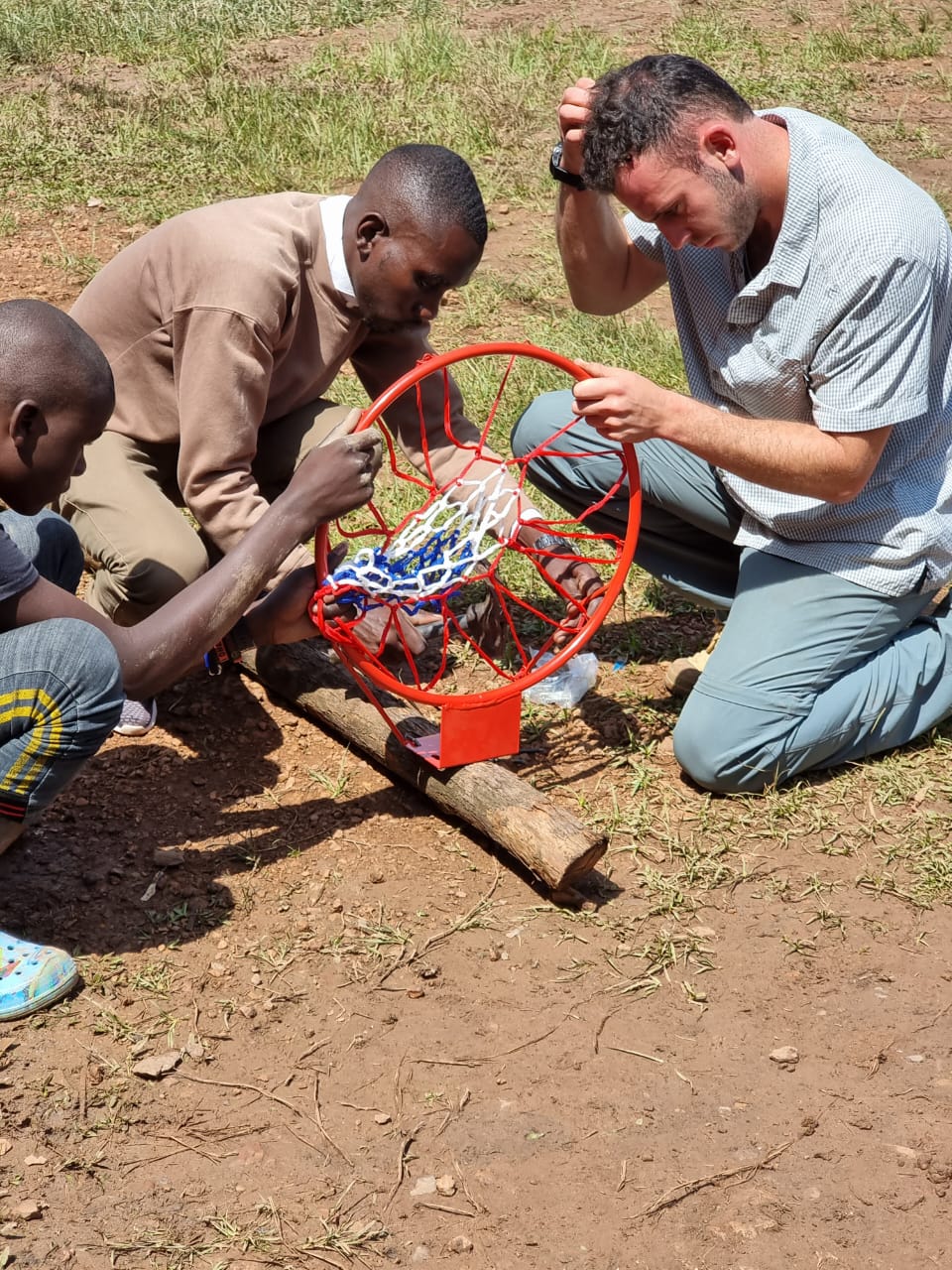
Regenerative tourism in Uganda works when you can trace the impact. Not through marketing language, but through named schools, named families, and published cost breakdowns. Amatsiko Tours channels 20% of every booking fee to Amatsiko School, which has served over 400 children in Kabale for 11 years. The school exists independently of the tour company. You can visit it, verify enrollment, and see where the money went. That’s the standard every operator should meet.
Frequently Asked Questions- Cultural Tourism Experiences in Uganda
How can I experience Ugandan culture without causing harm?
To experience Ugandan culture responsibly, choose operators that ensure consent, fair compensation, local control, and continuity with communities. This approach ensures that cultural tourism experiences in Uganda leave a positive impact on local communities and ecosystems.
What are the best cultural sites to visit in Uganda?
The best cultural sites to visit in Uganda include Bwindi Impenetrable National Park, where you can engage with Batwa communities, and Kabale district for authentic craft visits. These sites offer genuine Uganda cultural experiences that benefit local communities.
What is the significance of Ugandan cultural festivals?
Ugandan cultural festivals, such as the Imbalu circumcision ceremony, are significant for their deep cultural and historical context. They offer insights into Uganda indigenous tribes and their traditions, providing meaningful engagement beyond mere spectacle.
How does regenerative tourism in Uganda benefit local communities?
Regenerative tourism in Uganda channels income directly to local communities, supporting schools like Amatsiko School. By participating in community-based tourism Uganda initiatives, travelers contribute to education and local development.
What are some examples of traditional Ugandan cuisine I can try?
Traditional Ugandan cuisine includes dishes like matooke, a staple of the Bakiga diet. Experiencing these local foods is often part of cultural tourism experiences in Uganda, providing an authentic taste of the region’s culinary heritage.
Alex Atuheire
 Powered by TypeHero