Gorilla Trekking Tours in Uganda and Rwanda: A Primate Safari Across Two Countries
Table of Contents
At a Glance
Bwindi and Volcanoes National Parks are top spots for gorilla trekking in Uganda and Rwanda.
Uganda offers longer, more rugged treks, while Rwanda provides shorter, more organized experiences.
Gorilla permits: $700 in Uganda, $1,500 in Rwanda.
Kibale and Nyungwe Forests are great for chimpanzee tracking; Kibale has higher sighting rates.
Golden monkeys in Virunga Mountains are another primate highlight.
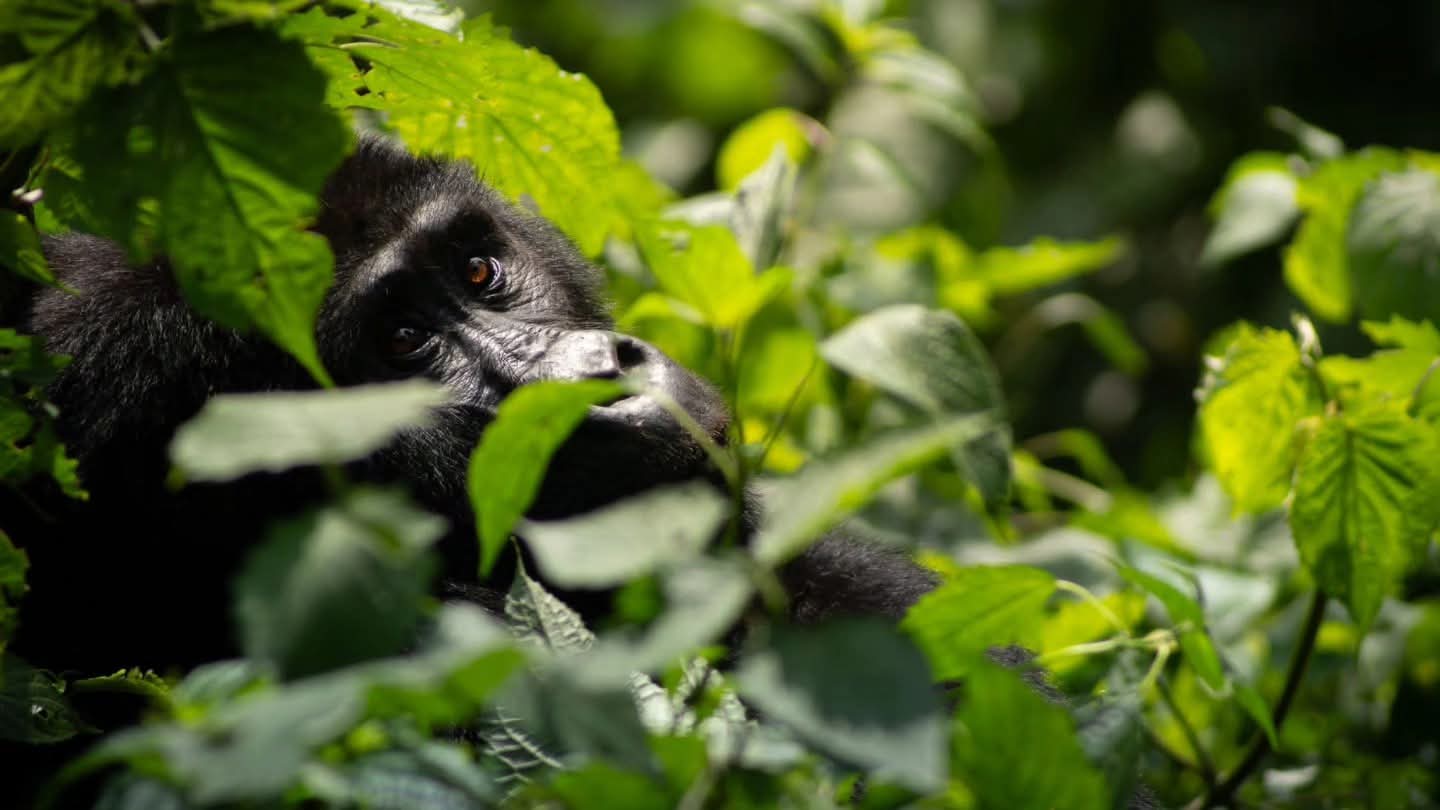
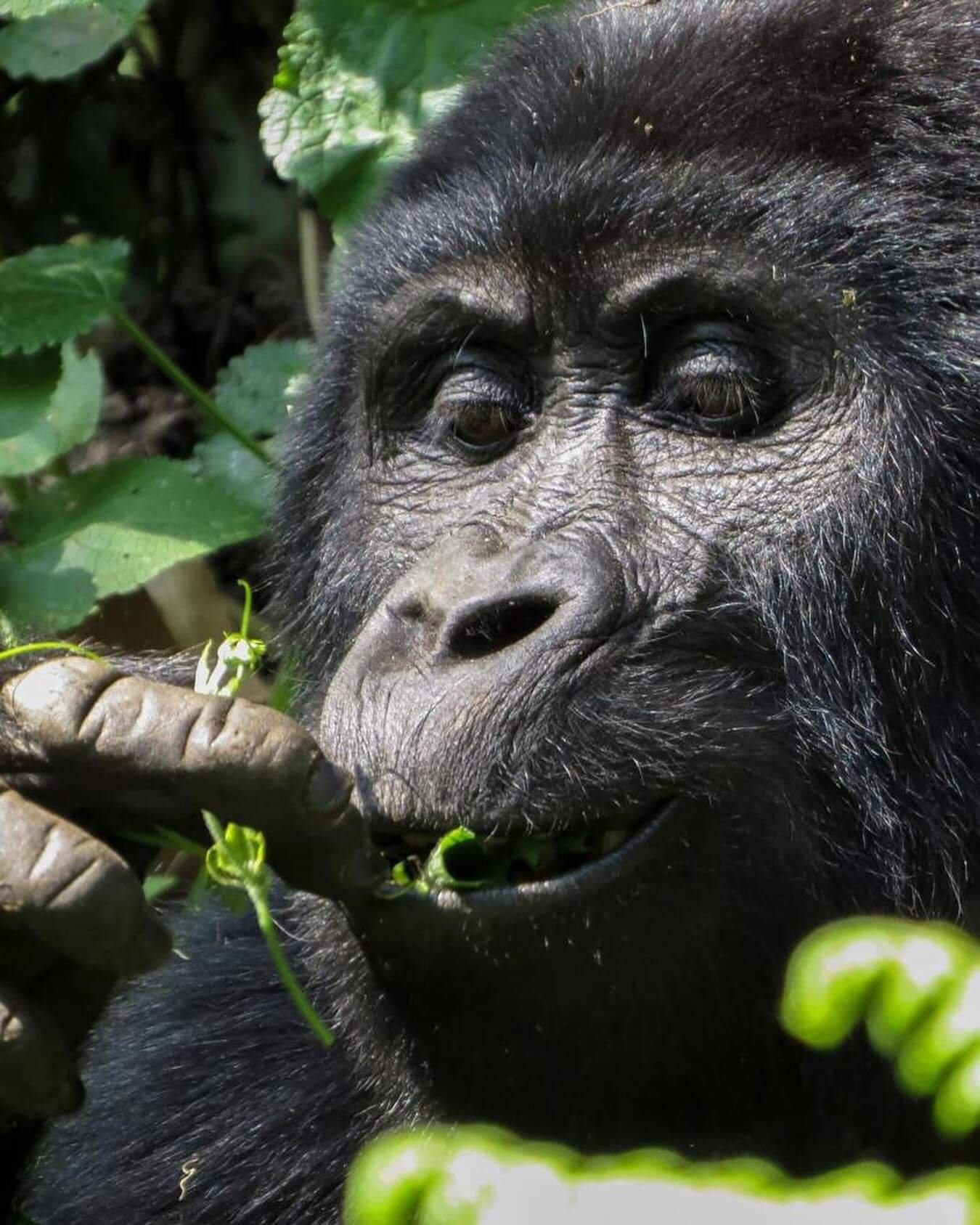
Bwindi Impenetrable Forest sits at around 2,300 meters above sea level, and the air up there smells like wet bark and decomposing leaves. That’s where you’ll find roughly half the world’s remaining mountain gorillas, maybe 450 individuals, spread across families with names your guide will know by heart. Gorilla trekking tours in Uganda and Rwanda cover two countries, five national parks, and at least six primate species if you plan the route right. This is a guide to doing exactly that, built from itineraries we run ourselves.
Both countries sit along the Albertine Rift, one of the most primate-dense corridors on the planet. But the experiences differ. Uganda’s gorilla trekking safaris tend to be longer, more physically demanding, and less expensive. Rwanda’s are shorter treks on average, closer to Kigali, and carry a higher permit price. Knowing which parks to pair, and in what order, changes the trip entirely.
Client Impact & Real-World Validation
Transformational Primate Safari
“The pinnacle: the gorilla trek. A true once-in-a-lifetime experience, perfectly coordinated and executed without a single hitch.”
— 565carolyno, Verified TripAdvisor review, 5.0
Unforgettable Experience in Uganda
“Visiting remote communities and schools, gaining insights into community life and culture, and of course gorilla and chimpanzee trekking. I can think of no better way to experience it than with the caring, knowledgeable experts at Amatsiko Tours.”
— lorrainebL9532PA, Verified TripAdvisor review, 5.0
Mountain Gorilla Trekking in Bwindi and Volcanoes National Park
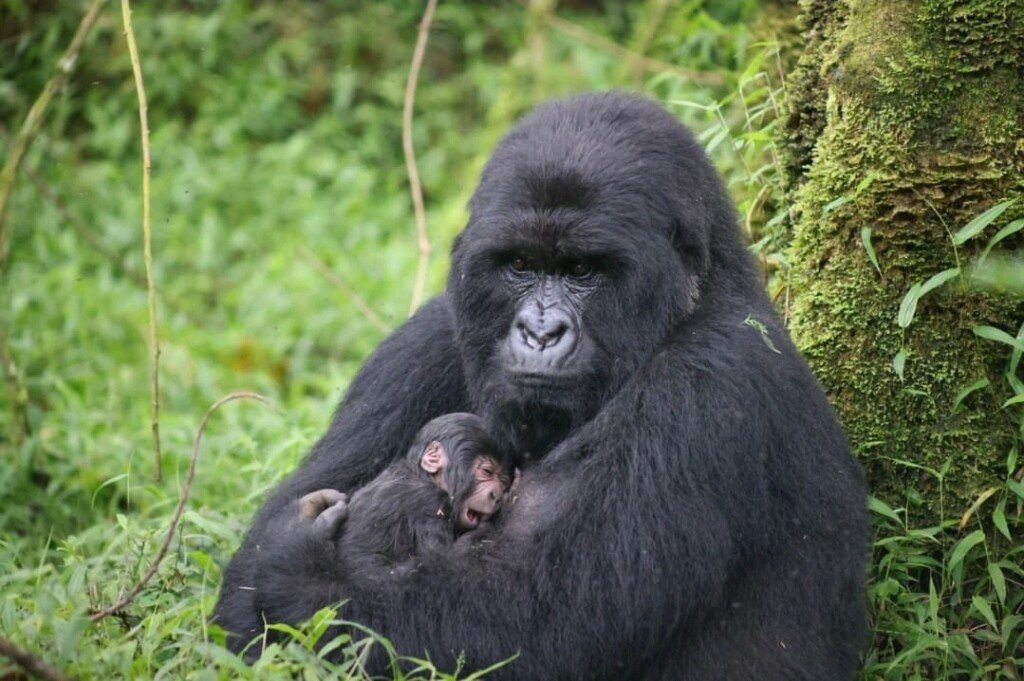
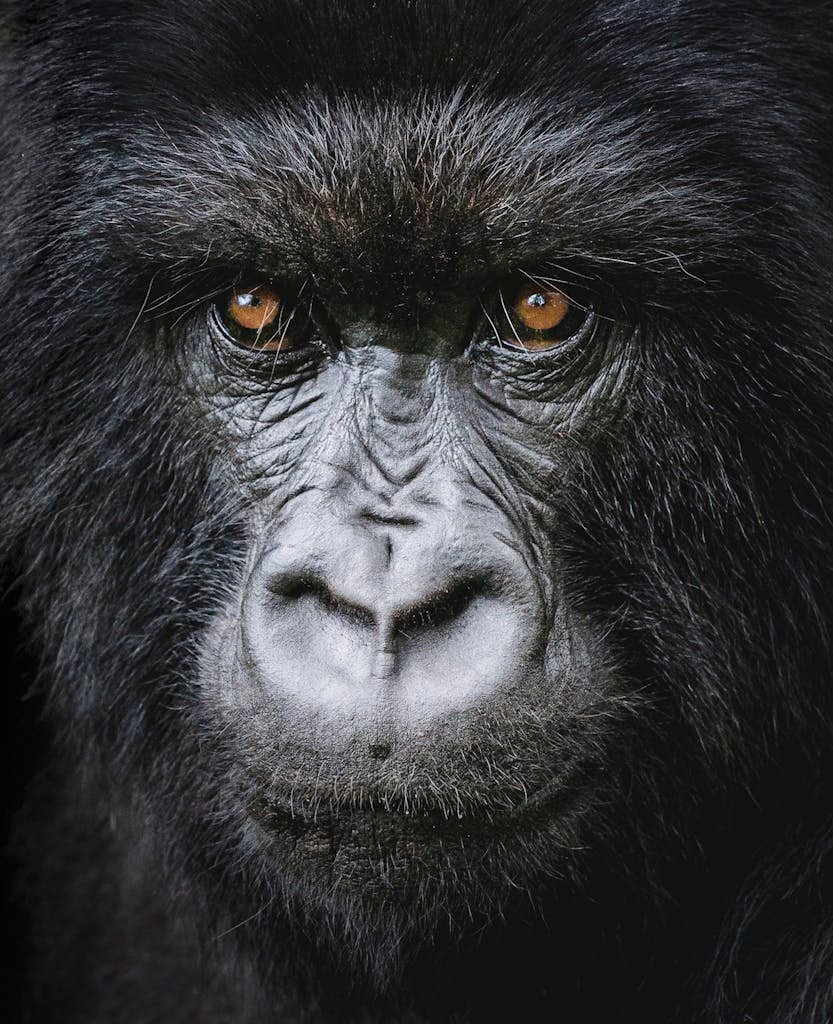
Mountain gorilla trekking is available in only two countries on earth, and both share the Virunga volcanic range as a border. In Uganda, Bwindi Impenetrable National Park hosts the majority of habituated gorilla families. In Rwanda, Volcanoes National Park is home to 12 habituated groups, with the Susa group being the most sought-after.
Bwindi’s trails run through dense montane rainforest. Treks range from 2 to 8 hours depending on which family you’re assigned. The altitude sits between 1,160 and 2,607 meters. You’ll feel it in your legs and your lungs. The forest floor is uneven, slippery after rain, and thick with undergrowth. But the payoff is an hour, exactly 60 minutes, sitting within meters of a silverback and his family.
Volcanoes National Park in Rwanda offers a different terrain. The bamboo forest is more open, the trails slightly more predictable, and the drive from Kigali takes about 2 hours. Rwanda has invested heavily in gorilla watching infrastructure, and the experience feels more streamlined. If I’m being honest, Uganda’s treks feel wilder. Rwanda’s feel more polished. Both deliver.
A Uganda gorilla trekking permit costs $800 per person. A Rwanda permit costs $1,500. The price difference is significant, and it’s the single biggest factor in how most travelers choose between the two. You can combine both in a 10-day cross-border safari that covers Bwindi and Volcanoes in the same trip.
The best time for gorilla trekking in Rwanda and Uganda falls during the two dry seasons: June through September and December through February. Trails are firmer, visibility is better, and the gorillas tend to stay at lower elevations. That said, permits sell out months in advance during peak season, so booking 3 to 6 months ahead is standard practice.

Chimpanzee Tracking in Kibale Forest and Nyungwe Forest
Kibale Forest National Park in western Uganda holds the highest density of primates in Africa: 13 species within a single forest block. Chimpanzee tracking here follows the Kanyanchu trail, with treks running from 8am to 2pm. A permit costs $250 per person. The chimps are well habituated, and sighting rates sit above 90%. You’ll hear them before you see them, a cacophony of hoots and screams echoing through the canopy.
Nyungwe Forest National Park in southwestern Rwanda offers chimpanzee and blue monkey tracking in a high-altitude rainforest that stretches across 1,000 square kilometers. The forest sits between 1,600 and 2,950 meters. Nyungwe’s chimps are harder to find than Kibale’s, and the trails are steeper. But the forest itself is extraordinary. Old-growth trees, hanging moss, and a silence between the calls that feels almost pressurized.
If you’re choosing between the two, Kibale gives you a higher probability of a close chimpanzee encounter. Nyungwe gives you a more remote, less-trafficked forest experience with the added bonus of Angolan colobus monkeys, often seen in troops of 300 or more moving through the canopy in long, flowing lines of black and white fur.
Park | Country | Key Primates | Permit Cost | Trek Duration | Altitude Range |
|---|---|---|---|---|---|
Kibale Forest | Uganda | Chimpanzees, red colobus, L’Hoest’s monkey | $250 | 2–5 hours | 1,100–1,590m |
Nyungwe Forest | Rwanda | Chimpanzees, blue monkeys, Angolan colobus | Varies | 3–6 hours | 1,600–2,950m |
Kyambura Gorge | Uganda | Chimpanzees | $100 | ~3 hours | ~900m |
Kyambura Gorge in Queen Elizabeth National Park is a third option. Only 16 permits are issued daily. The gorge is a narrow, forested rift cutting through open savanna. The trek takes about 3 hours and is more physically demanding than Kibale. Minimum age is 12 years. It’s a good add-on if you’re already doing a 7-day Uganda safari through Queen Elizabeth.
Golden Monkey Trekking in the Virunga Mountains
Golden monkeys are found in only two parks: Mgahinga Gorilla National Park in Uganda and Volcanoes National Park in Rwanda. Both sit within the Virunga volcanic range, and the monkeys live in bamboo zones between 2,500 and 3,500 meters.
This is the third-best primate activity in East Africa after gorillas and chimpanzees, and it’s often overlooked. The monkeys are fast, playful, and less predictable than gorillas. You won’t sit still for an hour. You’ll follow them through bamboo thickets, watching juveniles chase each other while adults strip bamboo shoots with their teeth. The golden fur against green bamboo is striking, especially in early morning light when mist still hangs in the canopy.
Mgahinga is smaller and quieter. Volcanoes has more infrastructure and easier access from Kigali. Either works. If you’re already trekking gorillas in Volcanoes, adding a golden monkey permit on a second morning is the obvious move. The trek is shorter, usually 1 to 3 hours, and less physically taxing than a gorilla trek.

How to Prepare for Gorilla Trekking in Uganda and Rwanda
The cost of gorilla trekking tours in Uganda and Rwanda depends on four variables: permit fees, accommodation level, transport, and trip length. Uganda permits run $700, Rwanda $1,500. Beyond permits, a mid-range gorilla trekking safari in Uganda typically falls between $250 and $400 per person per day, covering guiding, transport, meals, and accommodation. Budget options exist. Luxury options push higher.
Gorilla trekking experience for beginners doesn’t require prior hiking expertise, but it does require preparation. The altitude, the humidity, and the terrain are real. Here’s what matters:
Waterproof hiking boots with ankle support, broken in before you arrive
Long-sleeved shirts and trousers (the forest has nettles and thorns)
Knee-high hiking gaiters to keep mud and insects out
A lightweight waterproof jacket, because rain at altitude comes fast
Garden gloves for grabbing branches and vines on steep sections
At least 2 liters of water per person per trek
Safety tips for gorilla trekking in Rwanda and Uganda are straightforward. Stay 7 meters from the gorillas at all times. Don’t use flash photography. If a silverback charges, crouch slowly and avoid eye contact. Your guide will brief you on all of this before the trek. Rangers accompany every group, and group sizes are capped at 8 trekkers per gorilla family per day.
You’ll need a yellow fever vaccination certificate to enter Uganda. Check vaccination requirements for Uganda before booking flights. An East Africa Tourist Visa covers both Uganda and Rwanda for $100 and is valid for 90 days.
Building a Cross-Border Primate Safari Itinerary
The most complete gorilla watching Uganda Rwanda itinerary combines at least four parks across both countries. A 10 to 14-day trip lets you cover gorillas, chimpanzees, golden monkeys, and colobus monkeys without rushing.
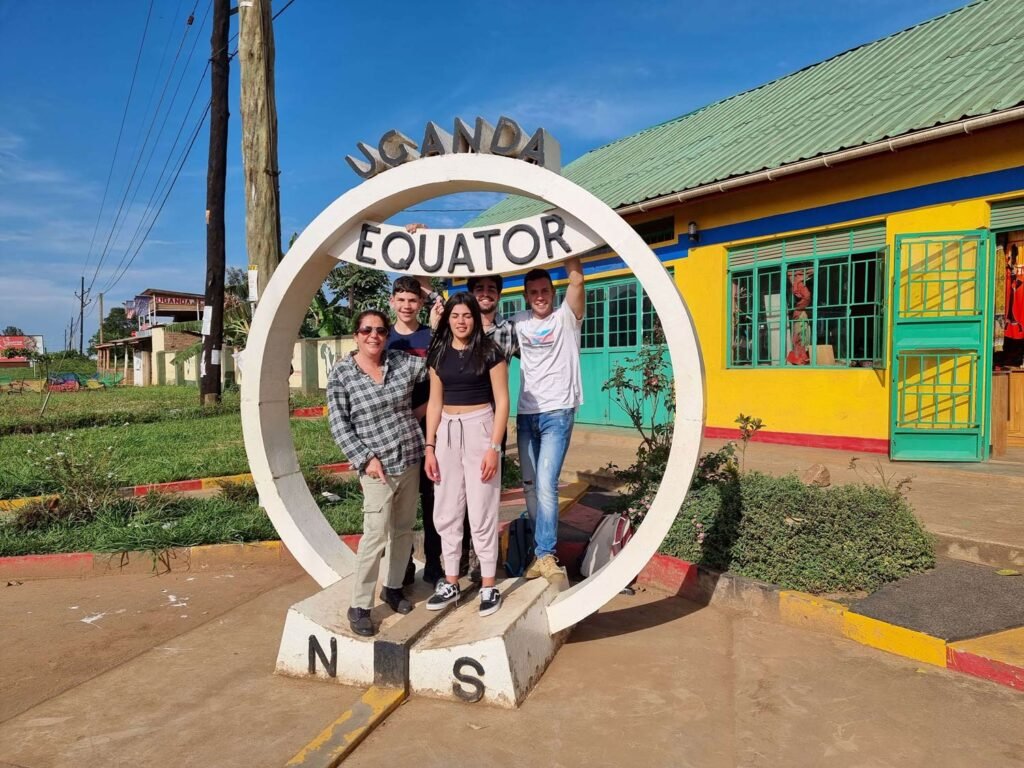
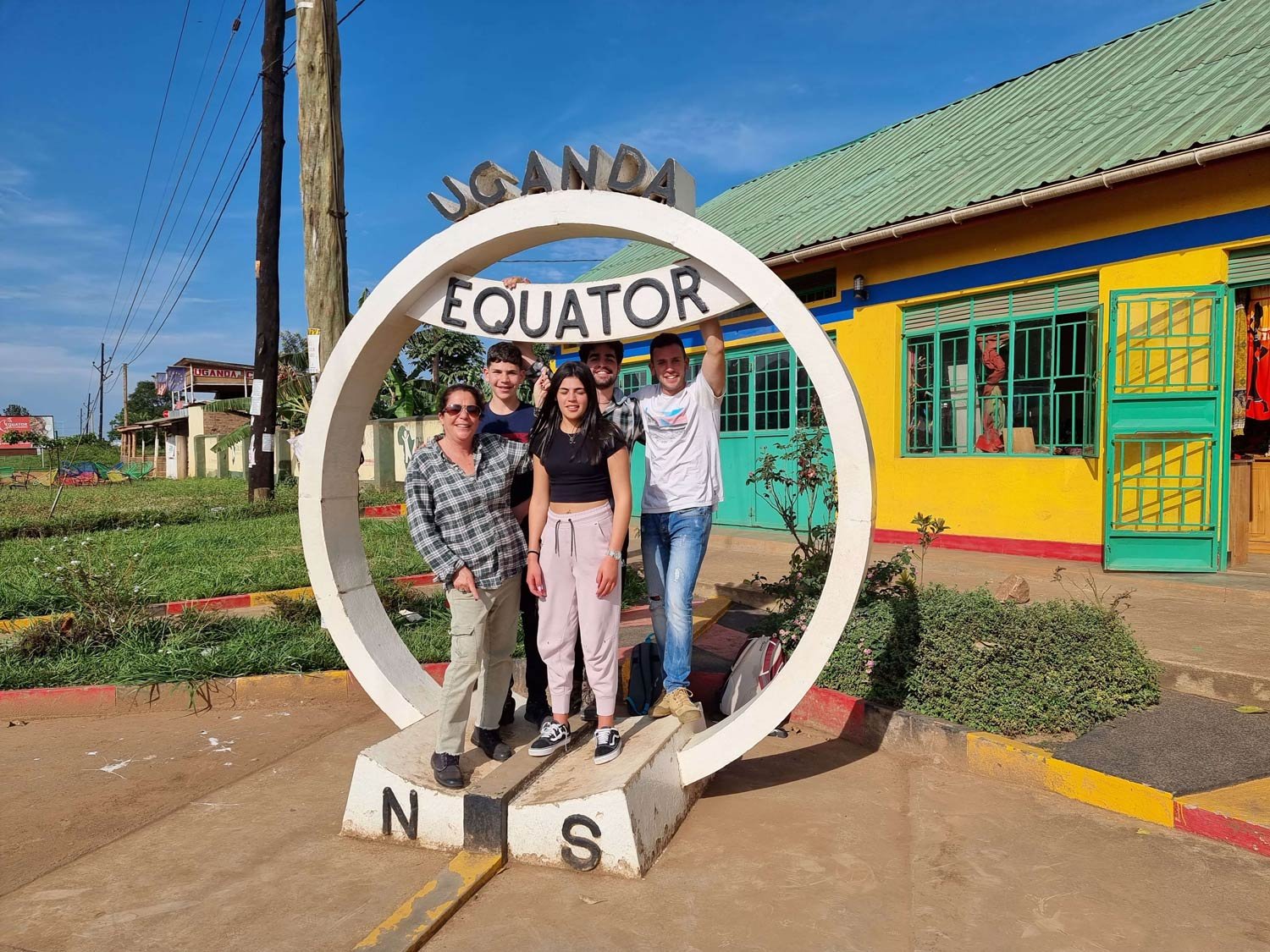
A strong sequence: fly into Entebbe or Kigali. If starting from Entebbe, drive to Kabale (7 to 8 hours, with a stop at the Equator Line). Spend time at Lake Bunyonyi. Trek gorillas in Bwindi. Continue to Queen Elizabeth National Park for chimpanzees in Kyambura Gorge and tree-climbing lions in the Ishasha sector. Then cross into Rwanda for golden monkeys and a second gorilla trek in Volcanoes National Park.
Add Nyungwe Forest for chimpanzees and Angolan colobus if you have the days. And the Kigali Genocide Memorial Centre is a necessary stop, not optional, that takes about 2 to 3 hours and provides context for everything you’ll see in Rwanda.
Rwanda Uganda gorilla packages that include cultural immersion days (basket weaving, local farming, Batwa community visits) give the trip texture that pure wildlife itineraries miss. We build these into our village experience programs because the primates are only part of the story.
Ecotourism gorilla trekking works when the money stays local. With Amatsiko Tours, 20% of every booking fee goes directly to Amatsiko School in Kabale, supporting over 400 children with education and meals. That’s a named school you can visit yourself. The guides are local. The lodges are locally owned. The permits fund Uganda Wildlife Authority conservation programs. You can trace every dollar.
When Gorilla Trekking Permits Sell Out, and What to Do
Gorilla trekking permits are finite. Uganda issues a limited number daily across Bwindi’s four sectors (Buhoma, Ruhija, Rushaga, Nkuringo). Rwanda caps permits across Volcanoes National Park’s 17 families. During peak dry season months (July, August, December), permits for popular families sell out 4 to 6 months in advance.
Book early. That’s the single most important piece of advice for mountain gorilla tours Uganda Rwanda. If your preferred dates are gone, ask about Bwindi’s less-visited sectors. Nkuringo and Ruhija see fewer trekkers and offer equally powerful encounters. The terrain in Nkuringo is steeper, which keeps the crowds down. Your mileage may vary on whether that’s a feature or a drawback.
If permits are unavailable entirely, chimpanzee tracking in Kibale or Kyambura Gorge, golden monkey trekking in Mgahinga, and community conservation days offer high-impact alternatives that keep the trip meaningful.
What Stays With You After a Primate Safari
A gorilla trekking tour across Uganda and Rwanda covers roughly 1,200 kilometers of road, two border crossings, five or more national parks, and encounters with primates you share over 98% of your DNA with. The cost of gorilla trekking tours in Uganda and Rwanda ranges from around $3,000 for a focused Uganda-only trip to $5,000 or more for a full cross-border itinerary with luxury lodges. The permits are the anchor cost. Everything else, the cultural days, the boat safaris, the community visits, builds around them. Book permits first, then build the trip.
Frequently Asked Questions
What is the cost of gorilla trekking tours in Uganda and Rwanda?
The cost of gorilla trekking tours in Uganda and Rwanda varies mainly due to permit fees. In Uganda, permits cost $800, while in Rwanda, they are priced at $1,500. Additional costs include accommodation, transportation, and the duration of your safari.
How to prepare for gorilla trekking in Uganda and Rwanda?
Preparation for gorilla trekking involves ensuring you have the right gear and physical readiness. Essential items include waterproof hiking boots, long-sleeved clothing, hiking gaiters, a waterproof jacket, and at least 2 liters of water. Physically prepare for challenging terrains and altitude.
What is the best time for gorilla trekking in Rwanda and Uganda?
The best time for gorilla trekking in Rwanda and Uganda is during the dry seasons: June to September and December to February. During these times, trails are more accessible, and gorillas are found at lower elevations. Booking permits 3 to 6 months in advance is recommended.
What are the safety tips for gorilla trekking in Rwanda and Uganda?
For safety during gorilla trekking, maintain a 7-meter distance from gorillas and avoid flash photography. If a silverback charges, crouch slowly and avoid eye contact. Guides will provide a detailed briefing before starting the trek.
What is the gorilla trekking experience for beginners like?
Gorilla trekking for beginners is a unique adventure that doesn’t require prior hiking experience. However, it demands physical endurance due to the challenging terrain and altitude. Beginners should prepare by following safety guidelines and ensuring proper gear.
How do Rwanda Uganda gorilla packages enhance the trekking experience?
Rwanda Uganda gorilla packages offer a comprehensive experience by combining cultural immersion with wildlife viewing. These packages may include visits to local communities, basket weaving, and farming activities, enriching the overall trekking adventure.
Alex Atuheire
Last Updated: Aug 9, 2026
 Powered by TypeHero