Regenerative Safari in Uganda: How Your Trip Rebuilds What Tourism Takes
Table of Contents
At a Glance:
Regenerative safaris in Uganda focus on community and ecosystem benefits, funding schools and conservation projects.
Tourism supports habitat restoration and local economies, with transparent revenue allocation.
Gorilla trekking is crucial for conservation, with limited permits ensuring sustainable practices.
Community-based tourism creates diverse local jobs and promotes traditional practices.
The approach ties wildlife survival to local income, ensuring both human and wildlife prosperity.
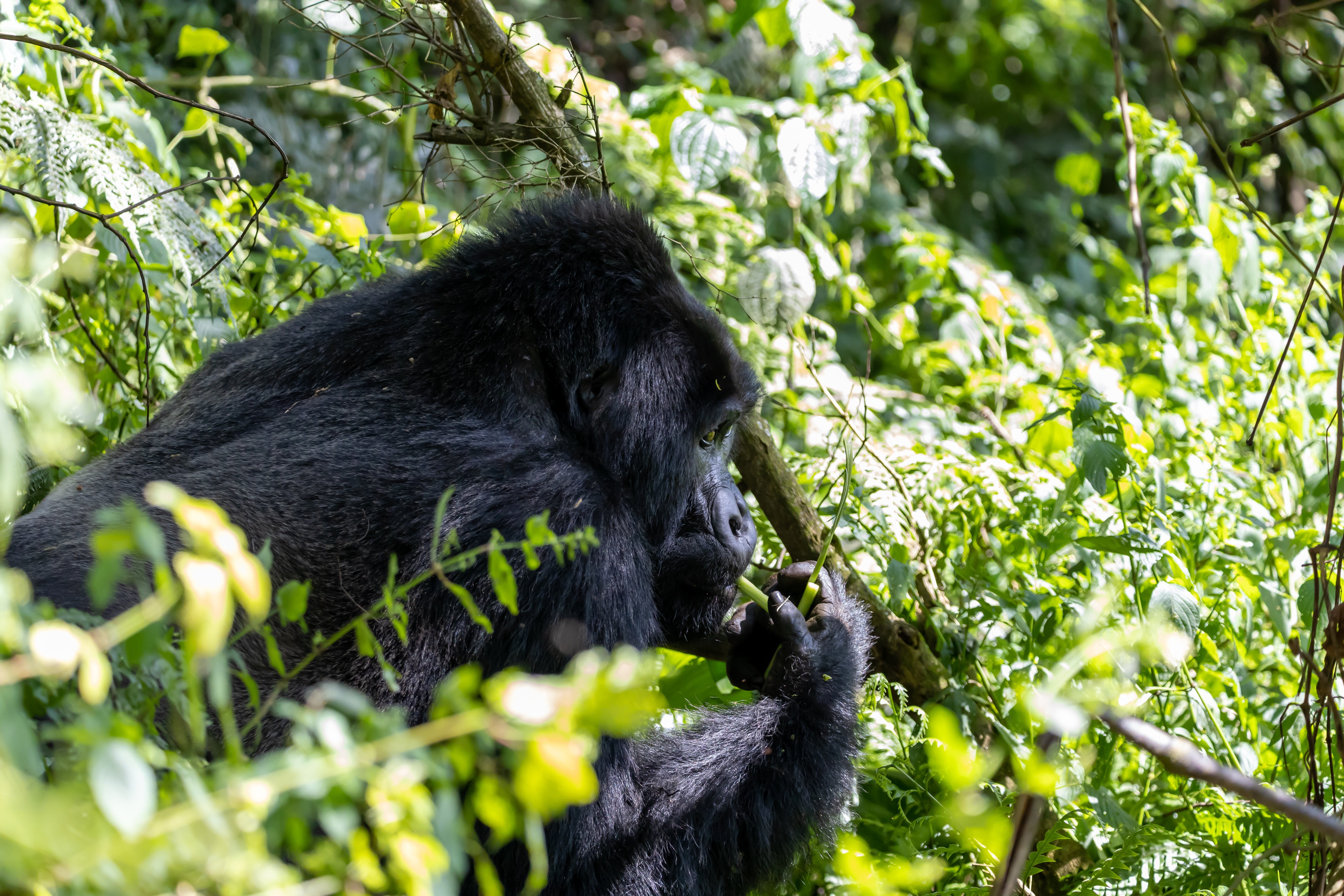
Regenerative Safari in Uganda: In Bwindi Impenetrable National Park, gorilla trackers, guides and other local tourism workers earn their livelihoods from the forest that surrounds their communities. That shift from seeing the forest mainly as a source of natural resources to seeing its protection as an economic opportunity is at the heart of Uganda’s emerging regenerative tourism story.
Sustainable travel Uganda has been the baseline conversation for years. Don’t damage. Offset. Minimize. Regenerative tourism Uganda pushes further. It asks what a safari can actively rebuild: soil, livelihoods, species populations, educational access. And it holds operators accountable to prove it.
This is how it works on the ground.
What Regenerative Tourism in Uganda Actually Means
Regenerative tourism goes beyond simply reducing the negative impacts of travel. Its ambition is to leave ecosystems, communities and local economies stronger than they were before visitors arrived. In Uganda, that idea can be seen in different forms: community-owned tourism, conservation initiatives, local employment, cultural experiences and tourism revenue supporting projects in communities surrounding protected areas.
The distinction matters. An eco-friendly safari might reduce waste, use solar power or source food locally. A regenerative approach asks a broader question: what positive contribution does tourism make to the people and landscapes hosting it? That might mean local employment, community-owned experiences, conservation funding, support for education, or keeping more tourism spending within the local economy.
Some operators make specific impact commitments that can be measured or documented. Amatsiko Tours, for example, directs 20% of every fee to Amatsiko School in Kabale, which serves over 400 children with education and daily meals.
That’s not a donation line on a brochure. It’s the operating model.
The idea also connects with long-standing relationships between communities and the landscapes around them. In southwestern Uganda, cultural traditions, farming practices and community knowledge remain an important part of the region’s identity and increasingly form part of tourism experiences.
What Real Regenerative Tourism Should Look Like
The most convincing impact isn’t a five-star review. It’s transparency. Before booking, ask who owns the company, where the guides come from, how local communities participate, and what happens to the money generated by your trip.
A good operator should be able to explain its partnerships and impact without hiding behind broad words such as “eco,” “green” or “responsible.” The more specific the answer, the better
Community Conservation Powers Uganda’s Wildlife Safaris
Community conservation in Uganda works because it ties wildlife survival directly to household income. When communities surrounding Bwindi benefit economically from tourism, conservation can become more closely connected to local livelihoods. That connection doesn’t solve every human-wildlife conflict, but it creates an important incentive: a healthy forest and thriving gorilla population can generate income as well as ecological value.
Uganda Wildlife Authority allocates a portion of gorilla trekking revenue to parishes bordering Bwindi Impenetrable National Park and Mgahinga Gorilla National Park. But the most effective models go further. Community-led safari operators hire locally, train guides from surrounding villages, and build infrastructure (schools, clinics, water systems) that the government alone hasn’t reached.
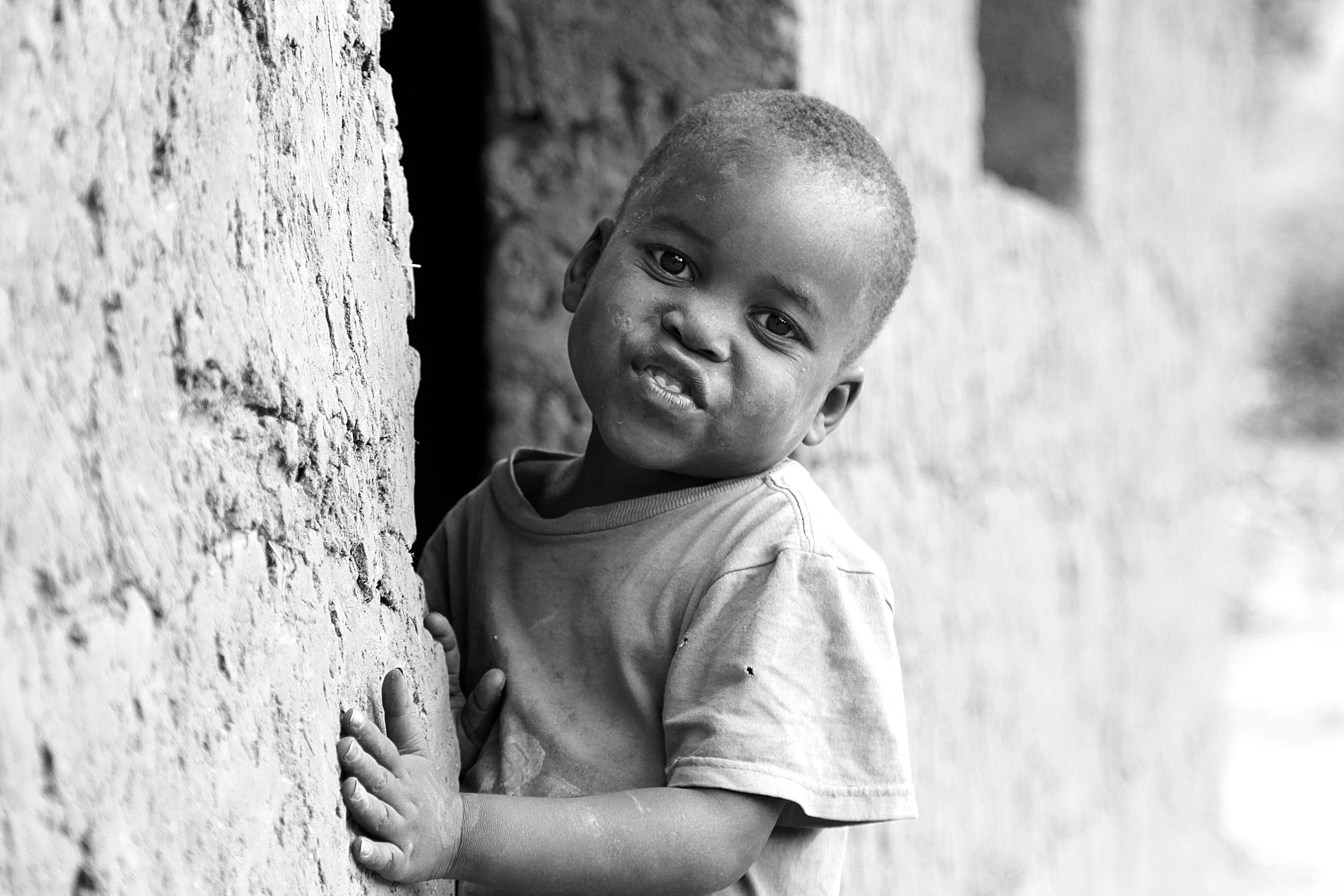
Mountain gorilla numbers in the broader Bwindi–Virunga conservation landscape have increased significantly over the past several decades, alongside stronger conservation measures, community engagement and tourism. Tourism has played an important role, but it is one part of a much larger conservation effort involving governments, rangers, researchers, local communities and conservation organizations.
I think the most honest thing you can say about conservation safaris in Uganda is this: they work when the money reaches the right people. And they fail when it doesn’t. The difference between a regenerative operator and a conventional one is transparency about where your fee goes.
How Community-Based Tourism Creates Local Jobs
Uganda community-based tourism generates employment across a wider range of roles than conventional safari operations. Guides, cooks, drivers, craft sellers, homestay hosts, school administrators, agricultural suppliers. A well-designed itinerary can spread tourism spending across a surprisingly wide network of local businesses and households from guides and drivers to cooks, farmers, craft makers and accommodation providers.
At Buzaniro Dream Village near Kabale, visitors engage directly with local families, learning traditional farming, cooking, and craft techniques. Experiences like this can help keep a larger share of visitor spending within the community, particularly when they are locally owned and organized. For travelers, that means the cultural experience becomes more than something to photograph: it becomes a direct way of supporting local livelihoods.
Gorilla Trekking Uganda: The Anchor of Regenerative Safaris
Gorilla trekking is one of Uganda’s most important tourism-based conservation activities, particularly around Bwindi Impenetrable National Park and Mgahinga Gorilla National Park. A single gorilla permit costs $800 for foreign non-residents, and Uganda issues a limited number per day (currently 8 permits per habituated gorilla group). That scarcity protects the gorillas and concentrates economic impact.
The drier months, generally June to September and December to February, are often preferred because trails can be easier to navigate. But Bwindi is a rainforest, and rain is possible at any time of year. The wetter months can bring muddier trails, but they also bring lush vegetation, fewer visitors and a wonderfully atmospheric forest.
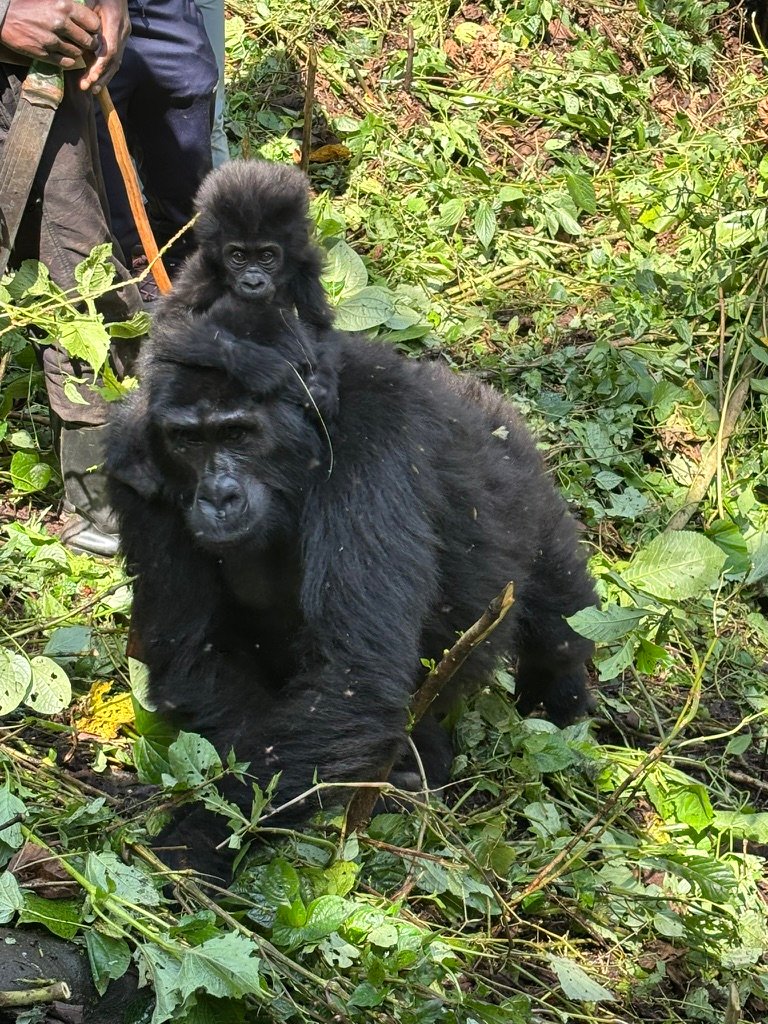
Bwindi Impenetrable National Park hosts roughly half the world’s remaining mountain gorillas. Four sectors (Buhoma, Ruhija, Nkuringo, and Rushaga) each offer different terrain and group dynamics. Ruhija sits at the highest elevation, around 2,350 meters, and tends to get the most rain. Buhoma has the most established infrastructure. If you’re planning a family-friendly wildlife tour in Uganda, Buhoma’s shorter average trek times (2 to 4 hours) make it the practical choice.
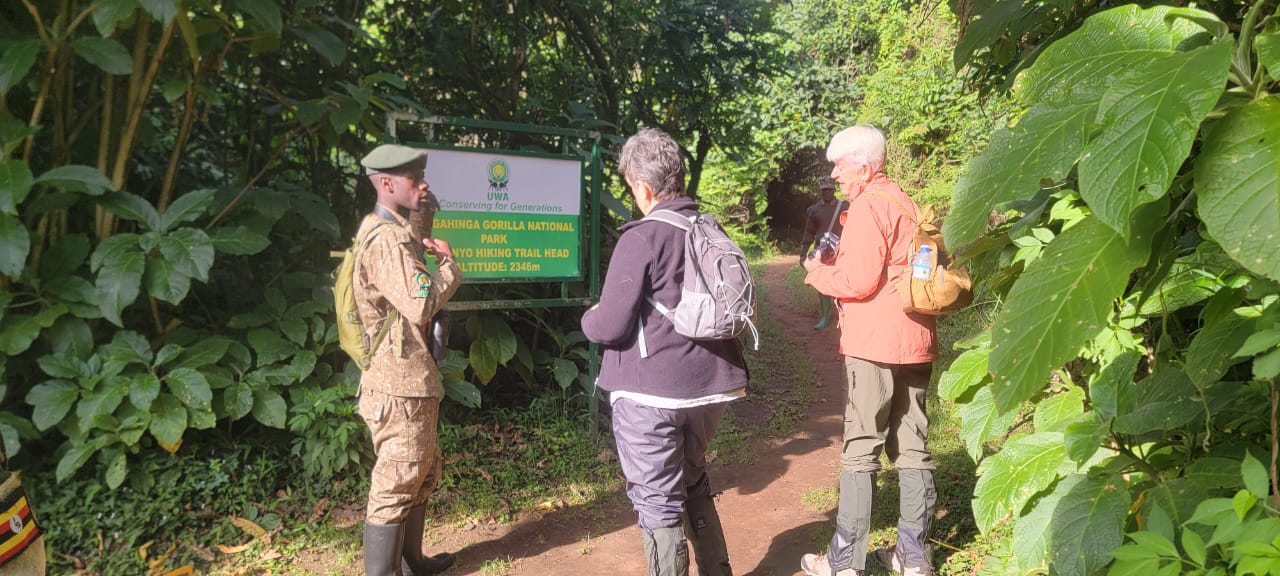
Your gorilla trek preparation matters. Wear long sleeves, bring rain gear regardless of season, and carry at least 2 liters of water. Garden gloves help with the stinging nettles. The trek itself can last anywhere from 30 minutes to 7 hours depending on where the gorillas are feeding that morning. Trek times vary considerably depending on where the gorilla family is located that morning.
What to Expect on a Conservation Safari in Uganda
A conservation safari in Uganda follows a different rhythm than a standard game drive. You’ll spend time with local guides who explain the ecology, not just point at animals. You’ll visit community projects. You’ll eat meals prepared by local cooks using ingredients grown within a few kilometers of your lodge.
A day might begin before sunrise, with birdsong replacing your alarm as the forest slowly brightens outside the lodge. After breakfast, you head into Bwindi with your trackers and guides, following a trail that can disappear into thick vegetation before suddenly opening beneath enormous trees.
Later, instead of simply returning to the lodge and moving on to the next attraction, you might spend the afternoon meeting local people, visiting a community project or walking a village trail. That slower rhythm is where the regenerative idea becomes tangible: the forest is not simply somewhere you came to see wildlife. It is part of a living landscape that supports people as well as animals.
How to Plan a Regenerative Safari in Uganda
Planning a regenerative safari requires choosing an operator whose impact claims you can verify. Ask three questions before booking: Where does my money go? Who owns the company? What specific community or conservation outcomes can you show me?
Here’s what a well-structured itinerary looks like:
What to look for | A stronger approach | Question to ask |
|---|---|---|
Ownership | Locally owned or meaningful local participation | Who owns the company? |
Guides | Local employment and training | Where are the guides from? |
Conservation | Specific projects and measurable outcomes | Where does the conservation money go? |
Communities | Consent-led, locally beneficial experiences | Who benefits from this visit? |
Accommodation | Locally owned where possible | Where does my accommodation spending go? |
Transparency | Clear evidence rather than vague promises | Can the operator show me what it supports? |
Locally based operators can be particularly valuable because they often bring knowledge of the communities, landscapes and cultural traditions that larger international companies cannot easily replicate. Amatsiko Tours, based in Kabale, is one example of an operator offering gorilla trekking alongside community and cultural experiences.
For travelers considering any operator not just Amatsiko, the important question is not simply whether an itinerary includes a “community visit.” Ask who organizes the experience, who gets paid, and whether the community has a meaningful role in deciding how visitors participate.
A 7-day itinerary typically covers Bwindi for gorilla trekking, Lake Bunyonyi for rest and water-based activities, and community visits in the Kabale highlands. A longer 11-day route adds Queen Elizabeth National Park for savanna wildlife (tree-climbing lions, hippos, over 600 bird species) and Kibale Forest for chimpanzee tracking.
How to Tell Whether a Safari Is Truly Regenerative
Then give travelers 5 questions:
Who owns the operator?
Who employs the guides and staff?
Where exactly does the conservation money go?
Do communities have a voice in tourism activities involving them?
Can the operator show evidence of its claimed impact?
Family-Friendly Wildlife Tours in Uganda
Families with children over 15 can participate in gorilla trekking (Uganda Wildlife Authority sets the minimum age). For younger kids, chimpanzee habituation in Kibale Forest has a minimum age of 12, and boat safaris on the Kazinga Channel in Queen Elizabeth National Park have no age restriction.
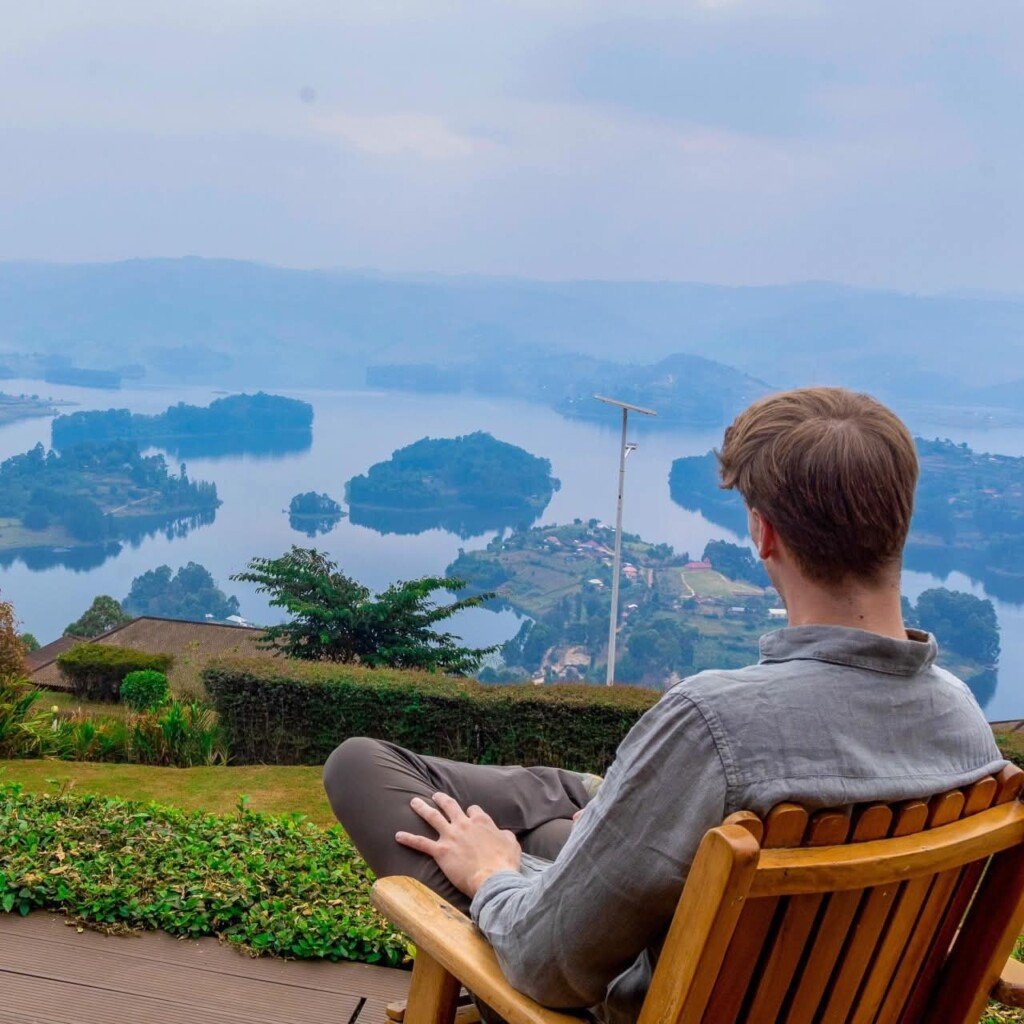
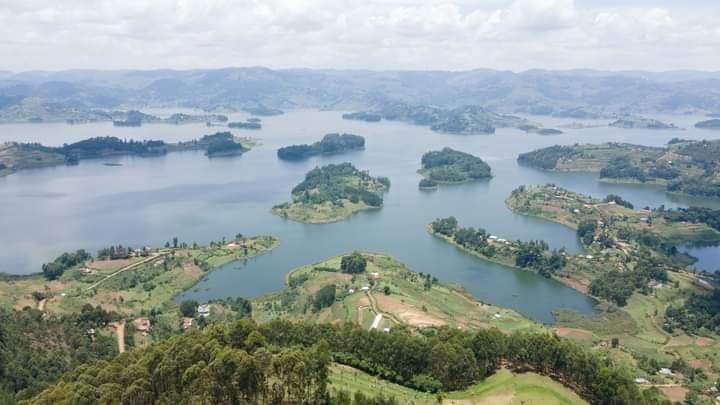
The key for families is pacing. Don’t pack five parks into seven days. Two parks plus community time gives you depth without exhaustion. Lake Bunyonyi, about a 45-minute drive from Kabale town, works as a natural rest stop. The water is bilharzia-free, the temperature sits around 18-22°C year-round, and the terraced hillsides around the lake are genuinely beautiful in the late afternoon light.
The Benefits of Sustainable Tourism in Uganda
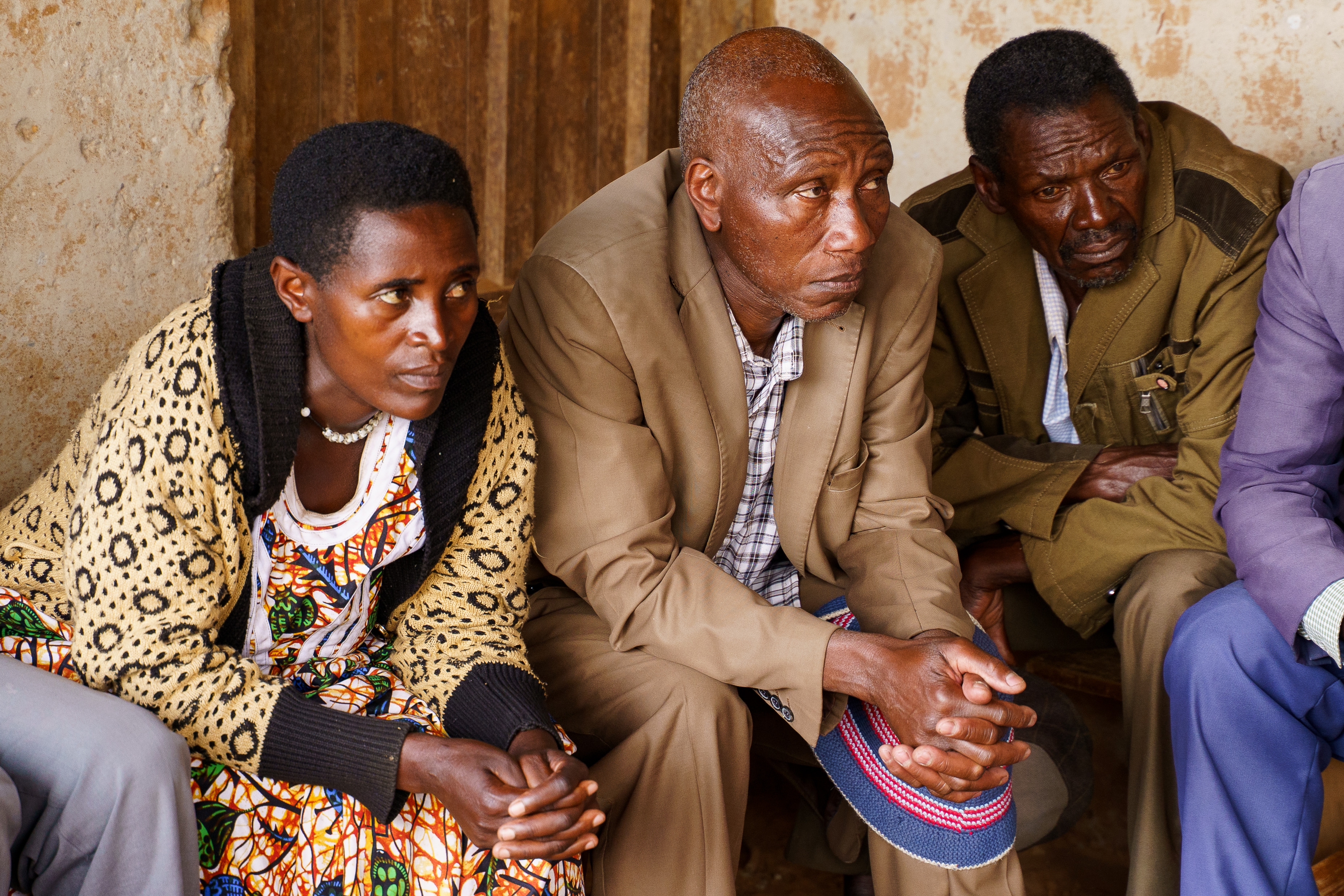
The benefits of sustainable tourism in Uganda extend beyond wildlife numbers. In districts like Kanungu and Kisoro, bordering Bwindi and Mgahinga respectively, tourism revenue has funded road improvements, clean water access, and secondary school scholarships.
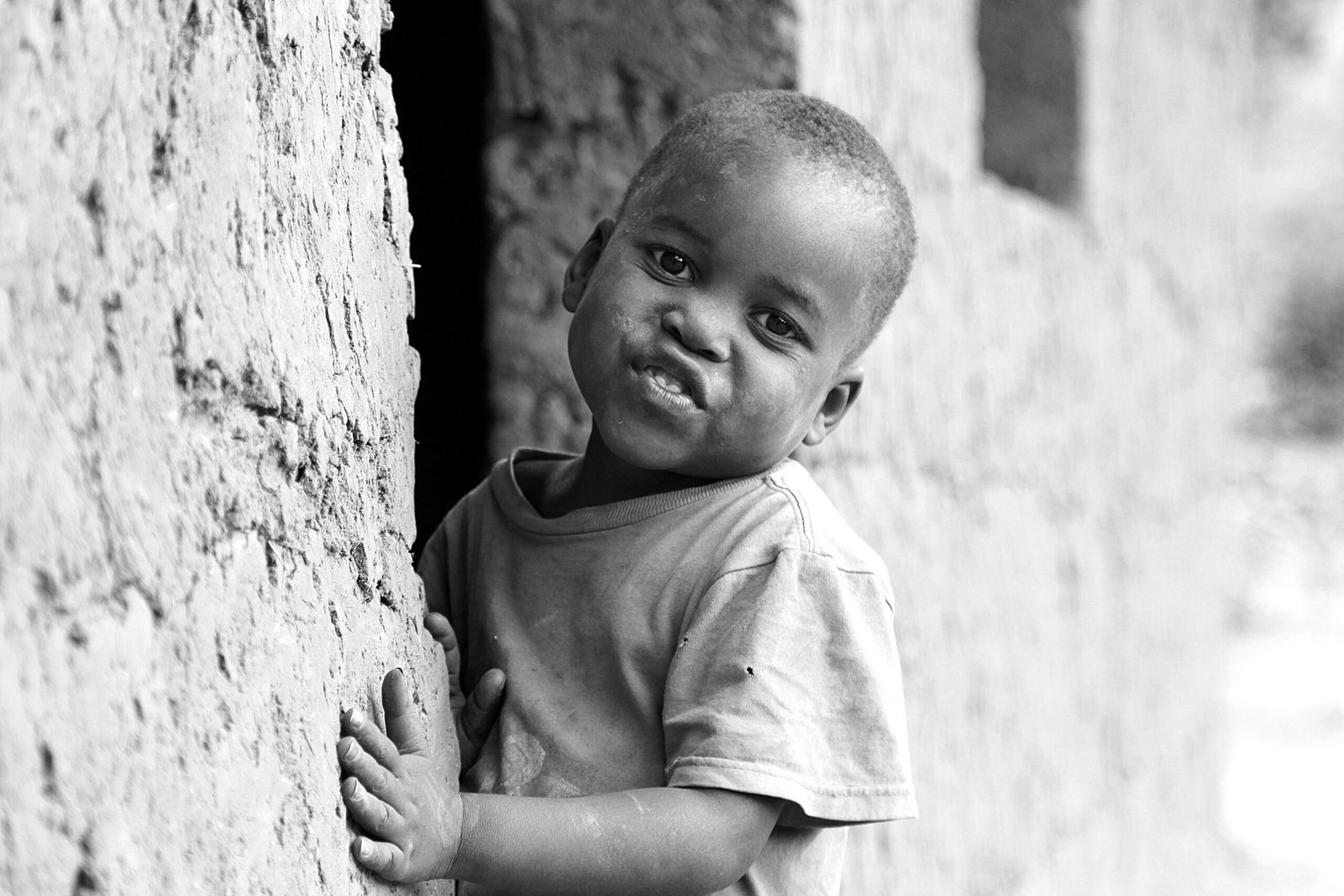
Amatsiko School in Kabale provides an example of how a tourism business can connect travel spending with education. According to Amatsiko Tours, a portion of its fees supports the school, which provides education and meals to hundreds of children. Travelers should always distinguish between an operator’s stated commitment and independently verified impact and ask for evidence where possible.
Wildlife outcomes are equally concrete. Mountain gorilla numbers have increased steadily. Uganda’s recent upgrade of six former wildlife and forest reserves to full national park status signals government commitment to conservation infrastructure. Community conservation initiatives are also part of the wider effort to reduce pressure on protected areas and improve relationships between parks and neighboring communities.
But I’d be dishonest if I didn’t mention the tension. Tourism infrastructure (lodges, roads, vehicle traffic) creates its own environmental pressure. That is the regenerative idea at its best: tourism creates income, income can strengthen local livelihoods, stronger livelihoods can make conservation more viable, and a healthy landscape remains valuable for the next generation. The reality is more complicated than a perfect circle but that is precisely why travelers should ask where their money goes.
Human-Wildlife Coexistence in Practice
Crop-raiding by elephants and baboons remains a real issue for communities bordering Queen Elizabeth National Park and Murchison Falls National Park. Sustainable safari operators contribute to buffer-zone farming projects, beehive fences (elephants avoid bees), and trench-digging programs that reduce conflict without harming animals.
Your safari fee, when routed through a responsible operator, funds these interventions directly. That’s the regenerative loop: you trek, you pay, the community protects, the wildlife recovers, the next traveler treks.
When and Where to Experience Eco-Friendly Tours in Uganda
Uganda sits on the equator, so temperatures stay relatively consistent year-round (20-27°C in most safari areas). The two dry seasons, June to September and December to February, offer the best trekking and game-viewing conditions.
Season | Conditions | Best For |
|---|---|---|
June-September | Dry, clear mornings, firm trails | Gorilla trekking, savanna safaris |
December-February | Dry, warm, good visibility | Gorilla trekking, birdwatching |
March-May | Generally wetter conditions | Lush landscapes, fewer visitors, potentially lower prices |
October-November | Variable rainfall | Green landscapes, photography and birdwatching |
Book gorilla permits at least 3 to 6 months in advance for dry-season dates. Wet-season permits are easier to secure, sometimes within weeks.
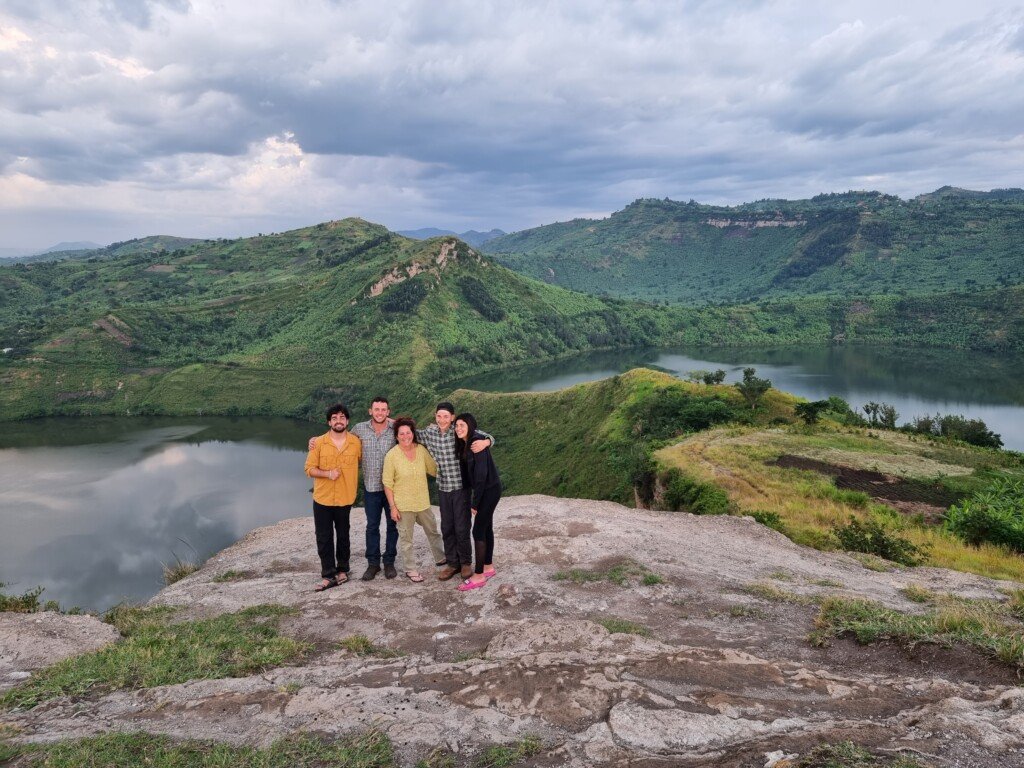
For a responsible tourism experience that combines wildlife and culture, southwestern Uganda (Kabale, Bwindi, Lake Bunyonyi, Mgahinga) delivers the highest concentration of regenerative operators and community projects within a compact geographic area. Kabale town sits at about 1,800 meters elevation, which keeps temperatures cool and comfortable.
A Regenerative Safari Changes What You Expect from Travel
Regenerative safari experiences in Uganda redefine what a wildlife trip can accomplish. A regenerative safari asks you to look beyond the checklist of animals and attractions. Where was your guide from? Who cooked your lunch? Who owns the lodge? What happened to the money you spent? Which conservation or community projects benefited?
The answers won’t always be simple. But asking those questions changes the way you travel and can help you choose experiences that create more value for the places you came to see. If you’re planning a trip to Uganda, the question isn’t whether to travel responsibly. It’s whether to travel in a way that leaves the place stronger than you found it.
Ready to explore Uganda differently?
Start by choosing a locally connected operator, spending time beyond the major wildlife attractions, and asking how your money reaches the communities and landscapes you visit.
Because the most memorable safari isn’t necessarily the one where you see the most animals. Sometimes it’s the one where you leave knowing that your visit meant something to the people and places that welcomed you.
Frequently Asked Questions
How do regenerative safari experiences in Uganda benefit local communities?
Regenerative safari experiences in Uganda directly contribute to local communities by funding schools, infrastructure, and conservation projects. A portion of safari fees is allocated to community-led initiatives that improve livelihoods and educational access, ensuring that tourism has a positive, lasting impact.
What is the best time for gorilla trekking in Uganda?
The best time for gorilla trekking in Uganda is during the dry seasons: June through September and December through February. During these times, trails are firmer and visibility is better, making it ideal for trekking and wildlife observation.
How does community-based tourism create local jobs in Uganda?
Community-based tourism in Uganda creates a wide range of employment opportunities by involving local residents as guides, cooks, and artisans. This model ensures that the economic benefits of tourism are distributed among village communities, enhancing local livelihoods.
What can I expect on a conservation safari in Uganda?
On a conservation safari in Uganda, expect an immersive experience with local guides that includes exploring wildlife, visiting community projects, and enjoying locally-sourced meals. This approach ensures deeper engagement with the region’s ecology and culture.
How can I plan a regenerative safari in Uganda?
To plan a regenerative safari in Uganda, choose an operator with verifiable community impact. Ensure that a significant portion of your trip’s revenue goes toward local conservation and community projects, enhancing the positive outcomes of your visit.
 Powered by TypeHero