Mugaba Palace Cultural Tourism Uganda: What the Restored Ankole Kingdom Site Offers Visitors
Table of Contents
At a Glance
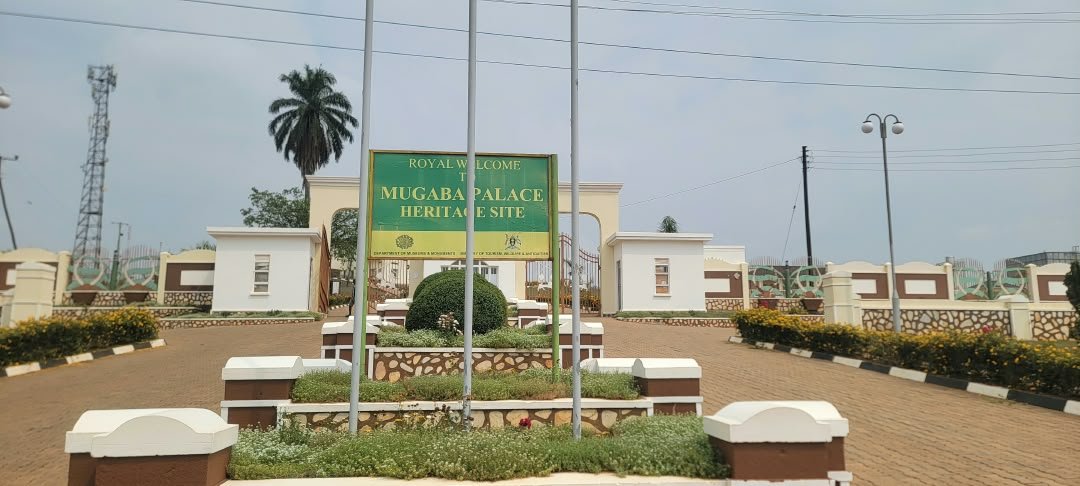
Mugaba Palace, on Kamukuzi Hill, is a key cultural site near Mbarara City, Uganda.
The Ankole Kingdom’s historic seat reopened in 2026 after a UGX 7 billion renovation.
Visitors can explore royal chambers, cultural displays, and enjoy panoramic views.
The site highlights Banyankole culture and Ankole Kingdom’s political history.
Ideal to combine with other attractions like gorilla trekking and community experiences.
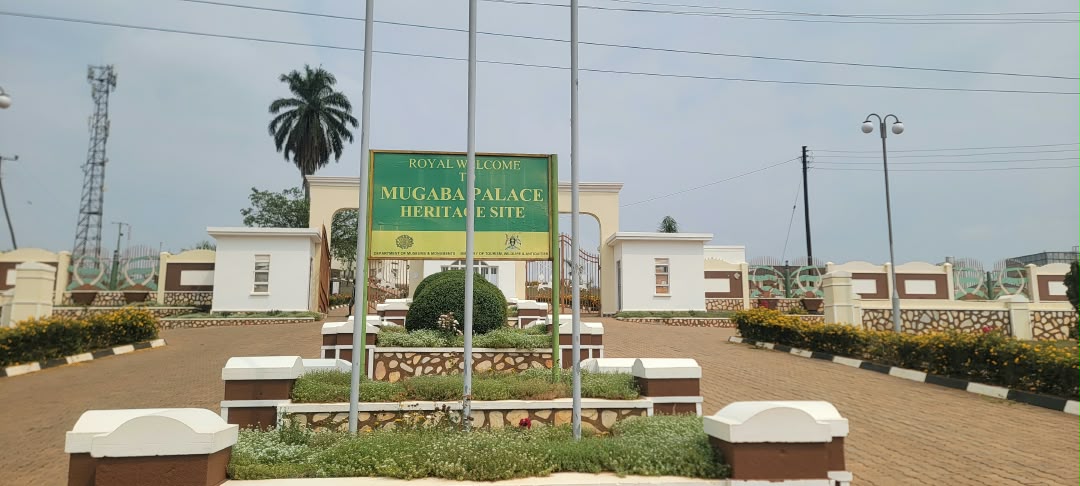
Mugaba Palace sits on Kamukuzi Hill in Mbarara City, about 270 km southwest of Kampala. The drive takes roughly 4.5 to 5 hours. And after a UGX 7 billion government-funded renovation, the Ankole Kingdom Palace reopened in March 2026 as one of the most significant Uganda cultural sites you can visit today. This is a place where Mugaba Palace cultural tourism Uganda takes a concrete form: not a museum behind glass, but a living heritage site tied to the Banyankole people, their monarchy, and their land.
If you’re building a trip through southwestern Uganda, Mugaba Palace deserves a half-day stop. I’d argue it’s one of the most undervisited cultural heritage sites in Uganda, partly because gorilla trekking pulls most travelers further south before they think to pause in Mbarara. That’s a missed opportunity.
Mugaba Palace History and the Ankole Kingdom’s Legacy
Mugaba Palace served as the royal seat of the Ankole Kingdom, one of the four traditional kingdoms of Uganda. The Omugabe (king) governed the Banyankole people from this hilltop, and the palace functioned as both a political center and a spiritual site for the kingdom’s leadership. The Ankole Kingdom was formally abolished in 1967 under President Milton Obote’s republican constitution, and the palace fell into disrepair over the following decades.
What makes the Mugaba Palace restoration project details worth knowing: the UGX 7 billion renovation preserved the original layout while reinforcing structural elements that had deteriorated over nearly 60 years of neglect. The March 2026 reopening marked the first time visitors could walk the grounds in their restored state. The site now includes interpretive displays on Banyankole culture, royal artifacts, and the political history of the Ankole Kingdom.
The palace grounds sit at roughly 1,420 meters elevation, which gives you a clear view over Mbarara City and the surrounding cattle country. On a clear morning, the light catches the terraced hillside in a way that makes the 5-hour drive from Kampala feel worthwhile even before you step inside.
What to See at Mugaba Palace
The restored palace complex includes several structures and outdoor spaces, each connected to a specific aspect of Ankole Kingdom tourism and Banyankole governance.
Feature | What You’ll Find | Time Needed |
|---|---|---|
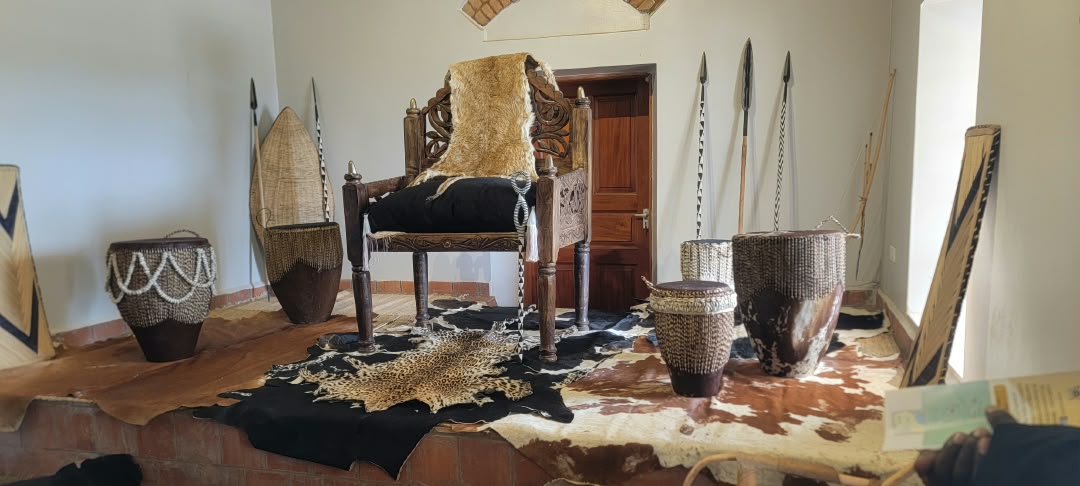
Main Palace Building | Restored royal chambers, throne room, interpretive panels on Ankole political history | 30–45 min |
Royal Grounds | Terraced gardens, ceremonial gathering areas, hilltop viewpoint over Mbarara | 20–30 min |
Cultural Displays | Banyankole artifacts, traditional dress, cattle-culture exhibits | 20–30 min |
Outer Courtyard | Open-air space used for community events, cultural performances on select days | Varies |
The throne room is the anchor. It’s been reconstructed to reflect how Mugaba Palace represented Ankole Kingdom authority, and the interpretive panels give enough context that you don’t need a guide (though having one makes it better). The cattle-culture exhibits connect directly to the Banyankole people’s identity, and if you’ve seen the long-horned Ankole cattle on the drive from Kampala, you’ll understand the relationship between livestock, land, and leadership in this region.
I think the outer courtyard is easy to overlook, but on days when local cultural groups perform, it becomes the most alive part of the site. Ask at the entrance whether anything is scheduled.
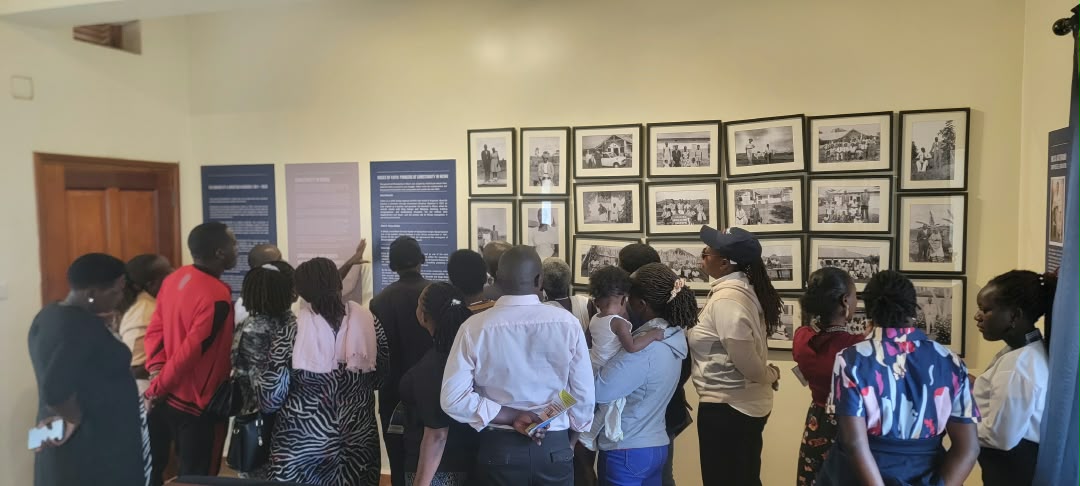
Banyankole Culture and Why It Matters for Visitors
Banyankole culture centers on cattle, kinship, and a hierarchical social structure that shaped southwestern Uganda for centuries. The Bahima (pastoralists) and Bairu (agriculturalists) formed the two main social groups within the kingdom, and their relationship defined land use, marriage customs, and political power.
At Mugaba Palace, you get a compressed version of this history. But the real texture comes from pairing the palace visit with time in the surrounding communities. The Ankole region village experiences available through locally guided cultural tours in Uganda bring you into homesteads where cattle still define daily rhythm, where milk is prepared in traditional gourds, and where elders share stories that the palace displays can only summarize.
Spiritual tourism Uganda connections exist here too. The Omugabe’s role carried spiritual weight, and certain ceremonies at the palace had religious dimensions tied to the kingdom’s cosmology. The renovated site acknowledges this without sensationalizing it, which I appreciate.
One thing to know: Banyankole culture is not a performance. The people living around Mbarara City are the living culture. The palace gives you historical framing. The communities give you the present tense.
How Mugaba Palace Fits Into a Wider Uganda Cultural Itinerary
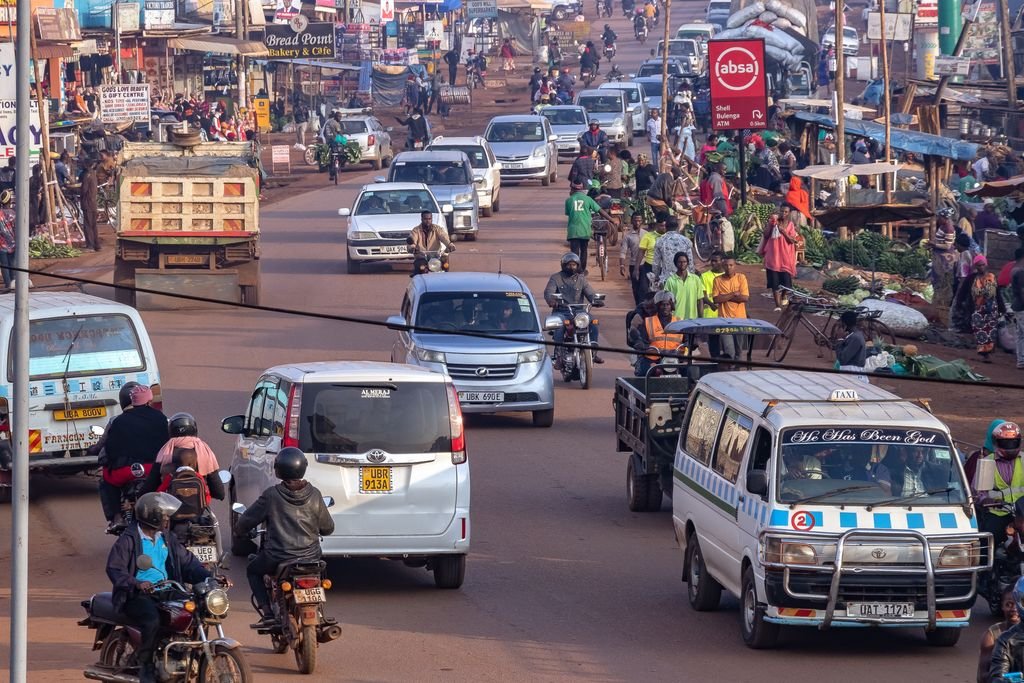
Tourism in Mbarara City has historically been a fuel-and-lunch stop on the way to Bwindi Impenetrable National Park or Lake Bunyonyi. The Mugaba Palace reopening changes that calculation. You now have a genuine reason to spend a night in Mbarara and build cultural heritage in Uganda into a trip that might otherwise be pure wildlife.
Here’s how it could work in practice:
Day 1: Drive from Kampala (4.5–5 hours), arrive Mbarara, visit Mugaba Palace in the afternoon light
Day 2: Morning at an Ankole cow milking experience, then continue south toward Bwindi (approximately 3–4 hours)
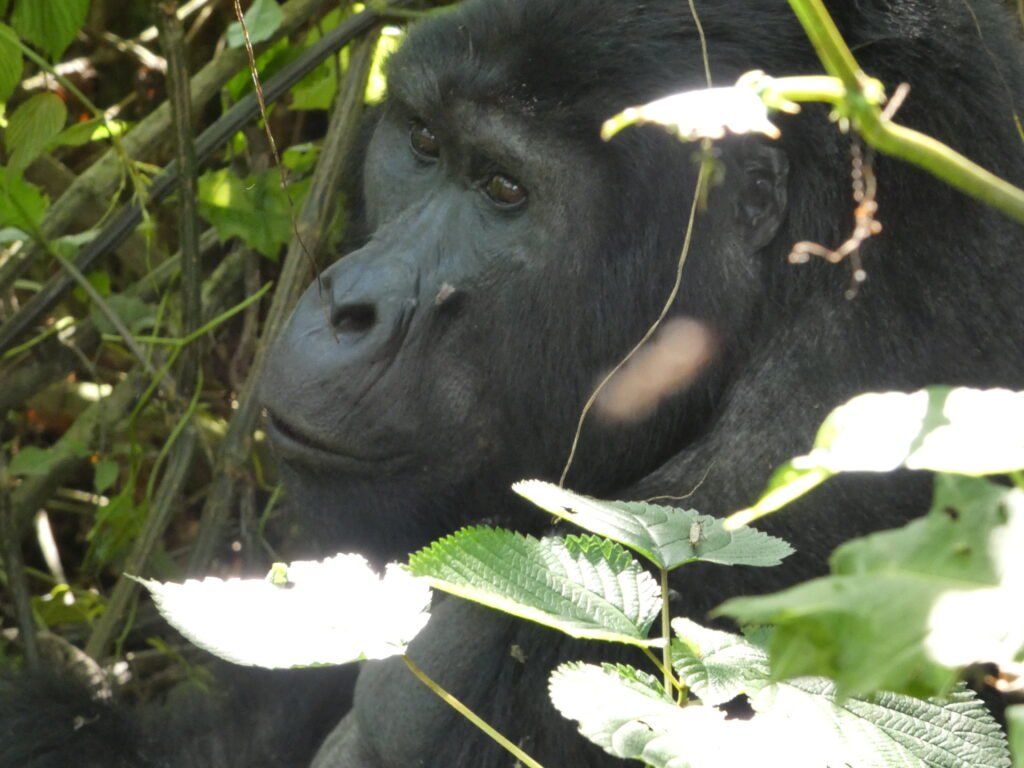
Day 3–4: Gorilla trekking, community visits, forest walks
Day 5+: Lake Bunyonyi or return via Kabale
The 7-day gorilla trekking and safari itinerary already routes through this corridor. Adding Mugaba Palace turns a transit day into a meaningful cultural stop. And if you’re on a 10-day Uganda safari, you have even more room to slow down in Mbarara.
The best months for visiting cultural sites in Uganda are during the dry seasons: June through August and December through February. Roads are better, the hilltop views from Kamukuzi are clearer, and outdoor cultural performances are more likely to run.
Experiential Tourism Options in Uganda Beyond the Palace
Mugaba Palace works as a standalone visit, but it’s stronger as part of a broader pattern of experiential tourism options in Uganda that connect wildlife, community, and cultural heritage in Uganda into a single trip.
Within a 3-to-5-hour drive of Mbarara, you can reach:
Bwindi Impenetrable National Park for gorilla trekking (permits required, book months ahead)
Lake Bunyonyi for water-based activities and Bakiga cultural encounters
Kabale for community-based tourism and school visits that directly fund education for over 400 children
Mgahinga Gorilla National Park for Batwa cultural experiences and golden monkey tracking
What makes southwestern Uganda different from other regions is density. You don’t need long transfers between meaningful stops. Mbarara to Kabale is about 2.5 hours. Kabale to Bwindi is another 1.5 to 2 hours depending on the sector. Every stop along that route offers something distinct: Ankole Kingdom tourism at the palace, Bakiga farming culture around Kabale, Batwa forest heritage near Mgahinga, and primate conservation in Bwindi.
This is why we build itineraries that treat cultural sites and wildlife parks as parts of the same story, not separate categories.
Planning Your Visit to Mugaba Palace
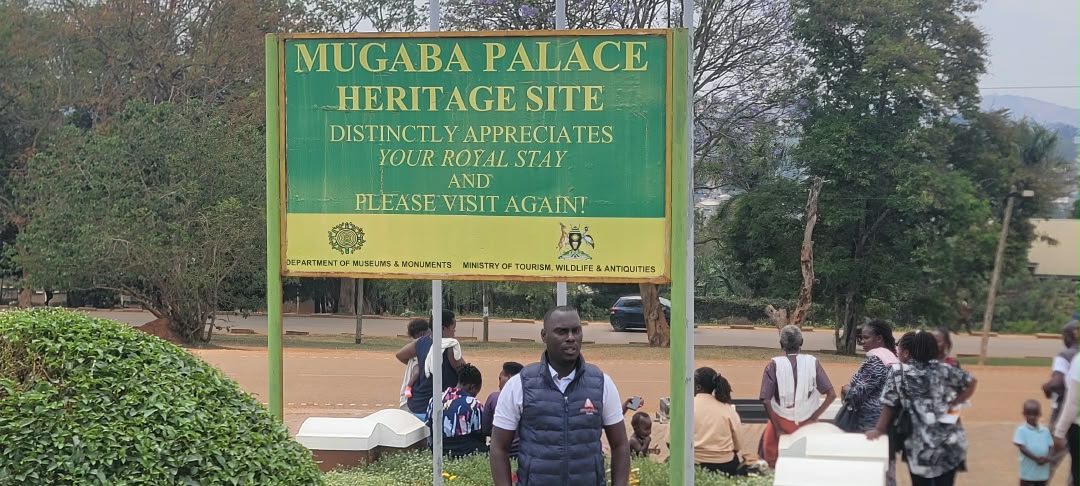
Mugaba Palace Heritage Site is open to visitors year-round. The site sits on Kamukuzi Hill in Mbarara City, and you can reach it by private vehicle, tour van, or hired boda-boda from the city center (ten minutes from the main commercial area).
A few practical notes:
Getting there from Kampala: 270 km, approximately 4.5–5 hours by road. The route passes through the equator crossing at Kayabwe, a reliable photo stop.
Time needed at the palace: 1.5 to 2 hours for a thorough visit. Longer if cultural performances are scheduled.
Guides: Local guides are available on-site. They add context that the displays alone don’t cover, especially around Banyankole culture and the kingdom’s abolition history.
Combine with: Ankole cow milking, Mbarara town market, overnight in Mbarara before continuing south.
If I’m being honest, the palace alone probably won’t justify a dedicated trip from Kampala. But as part of a multi-day route through southwestern Uganda, it’s one of the strongest cultural stops available. The renovation has brought it up to a standard where the experience matches the significance of the site.
Mugaba Palace and the Future of Cultural Heritage in Uganda
The UGX 7 billion restoration of Mugaba Palace signals something larger about how Uganda is investing in its cultural sites. For years, the country’s tourism narrative centered on gorillas, national parks, and the Nile. The palace renovation puts Ankole Kingdom tourism on equal footing with wildlife experiences, and it creates a model for other kingdom sites across the country.
For travelers who care about where their money goes, visiting Mugaba Palace means supporting a site that employs local guides, preserves Banyankole history, and keeps tourism revenue circulating in Mbarara City rather than bypassing it entirely. That matters.
Mugaba Palace Heritage Site on Kamukuzi Hill offers a direct, physical connection to the Ankole Kingdom’s governance, Banyankole culture, and southwestern Uganda’s political history. The March 2026 reopening, backed by a UGX 7 billion restoration, makes it one of the most accessible and well-presented Uganda cultural sites. Pair it with gorilla trekking, community visits, and Lake Bunyonyi for a trip that covers both wildlife and the human story behind this region.
Frequently Asked Questions
What are the key elements of the Mugaba Palace restoration project details?
The Mugaba Palace restoration project, completed in March 2026, preserved its original layout and enhanced structural elements after nearly 60 years of neglect. This government-funded UGX 7 billion renovation allows visitors to explore interpretive displays on Banyankole culture and the political history of the Ankole Kingdom.
How does Mugaba Palace represent Ankole Kingdom tourism?
Mugaba Palace, once the royal seat of the Ankole Kingdom, showcases the governance and spiritual heritage of the Banyankole people. The site’s restoration reflects the Ankole Kingdom’s authority and offers insights into its political and cultural significance, making it a vital stop for Ankole Kingdom tourism.
What are the experiential tourism options in Uganda beyond Mugaba Palace?
Beyond Mugaba Palace, southwestern Uganda offers experiential tourism options like gorilla trekking in Bwindi Impenetrable National Park and cultural encounters at Lake Bunyonyi. These experiences combine wildlife, community engagement, and cultural heritage, providing a comprehensive tour of the region.
What to see at Mugaba Palace during a visit?
Visitors to Mugaba Palace can explore the restored royal chambers, throne room, and cultural displays of Banyankole artifacts and cattle-culture exhibits. The outer courtyard hosts community events, and the site offers stunning views over Mbarara City, making it a multifaceted cultural tourism destination.
Why is visiting cultural sites in Uganda, like Mugaba Palace, significant?
Visiting cultural sites like Mugaba Palace provides a deeper understanding of Uganda’s rich cultural heritage, beyond its renowned wildlife attractions. These sites connect travelers with the historical narratives and living traditions of the Banyankole people and the broader cultural landscape of Uganda.
Alex Atuheire
 Powered by TypeHero