Ziwa Rhino Sanctuary Uganda: Rhino Tracking, Fees, Wildlife & Complete Visitor Guide
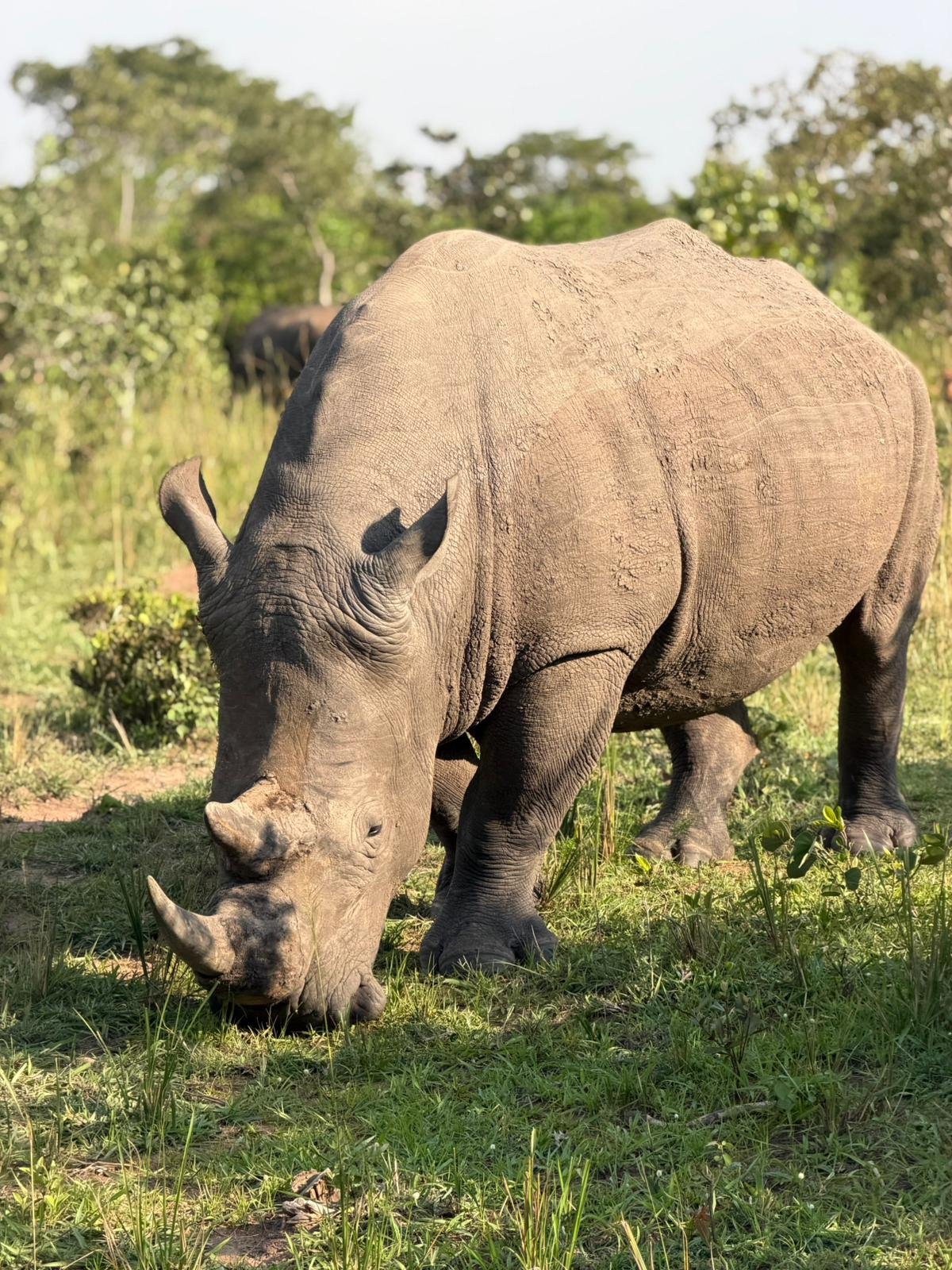
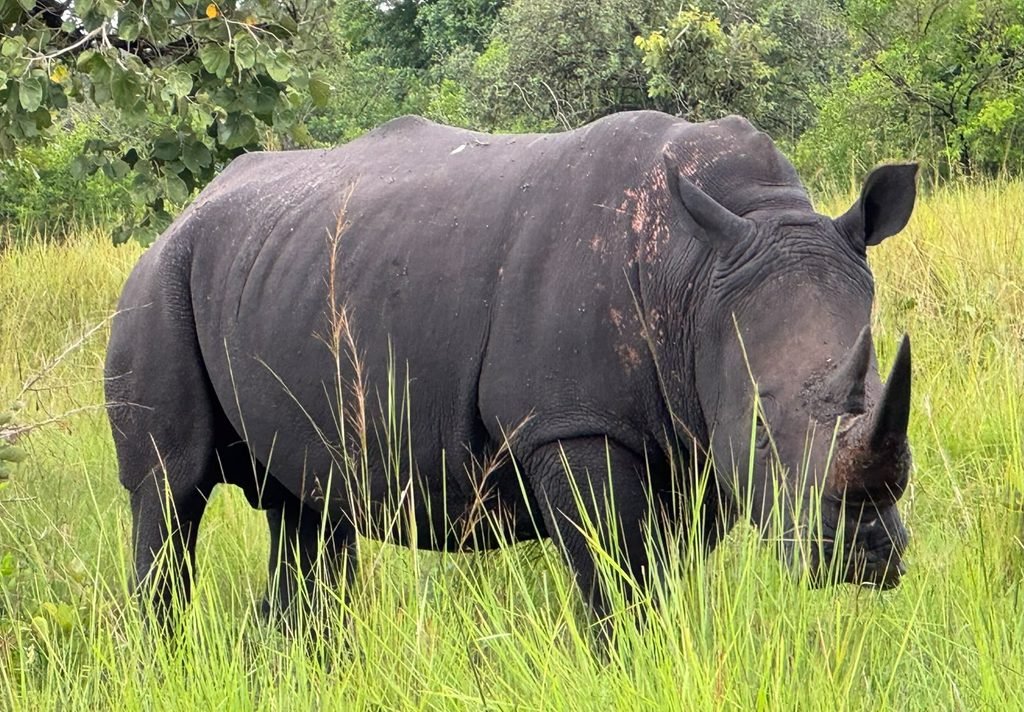
Imagine walking through the Ugandan wilderness, surrounded by tall grass and acacia trees. Your ranger suddenly signals you to stop. A few metres ahead, an enormous white rhino is grazing peacefully in the open grassland.
Table of Contents
You are not watching from a safari vehicle. You are standing on the same ground, experiencing one of Africa’s most remarkable wildlife encounters.
Welcome to Rhino tracking at Ziwa in Uganda, one of the country’s most important wildlife conservation destinations and the home of Uganda’s established southern white rhino breeding programme.
Located in Nakasongola District, approximately 176 kilometres north of Kampala, Ziwa offers visitors the opportunity to track rhinos on foot, accompanied by experienced wildlife rangers.
But there is much more to discover.
From rhino conservation and guided walking safaris to shoebill tracking, birdwatching and nature walks, Ziwa is a destination worth exploring beyond a quick stop on your way to Murchison Falls National Park.
At Amatsiko Tours, we believe that understanding the places we visit makes travelling more meaningful. This guide covers everything you need to know about visiting Ziwa Rhino Sanctuary, including how to get there, what to expect, entrance fees, activities, accommodation and how to include it in your Uganda safari.
Quick Guide: Ziwa Rhino Sanctuary at a Glance
| Information | Details |
|---|---|
| Location | Nakasongola District, Uganda |
| Distance from Kampala | Approximately 176 km |
| Main attraction | Southern white rhino tracking |
| Main activity | Guided walking safari |
| Tracking duration | Approximately 1.5–2.5 hours |
| Other activities | Shoebill tracking, birdwatching, nature walks |
| Best time to visit | Year-round |
| Nearby destination | Murchison Falls National Park |
| Wildlife | Southern white rhinos, antelopes, monkeys and birds |
| Recommended visit | Half-day or overnight experience |
1. Where Is Ziwa Rhino Sanctuary Located?
Ziwa Rhino Sanctuary, also known as Ziwa Rhino and Wildlife Ranch, is situated in Nakasongola District in central Uganda.
It lies along the Kampala–Gulu highway, making it a convenient destination for travellers heading towards Murchison Falls National Park.
The sanctuary is approximately:
- 176 km from Kampala.
- Approximately 210 km from Entebbe.
- Around 100–140 km from different access points to Murchison Falls National Park, depending on the route.
Driving times depend on traffic, road conditions and the destination within the park.
The location makes Ziwa an ideal stopover for travellers exploring northern Uganda.
Instead of travelling directly from Kampala or Entebbe to Murchison Falls, visitors can break up their journey with an extraordinary wildlife experience.
Planning a northern Uganda safari? Explore our Uganda safari packages and discover how Ziwa can become part of your itinerary.
2. The History of Ziwa Rhino Sanctuary: Uganda’s Rhino Conservation Story
Uganda once had healthy populations of both black and white rhinos.
They roamed across different parts of the country, including Murchison Falls National Park and other protected landscapes.
However, decades of poaching, insecurity and habitat destruction resulted in the disappearance of rhinos from Uganda’s wild landscapes by the early 1980s.
For years, Uganda had no wild rhino population.
This changed in 2005 when Ziwa Rhino Sanctuary was established through a partnership involving Rhino Fund Uganda and the Uganda Wildlife Authority.
Six southern white rhinos were initially brought to the sanctuary to establish a breeding population.
The objective was ambitious: bring rhinos back to Uganda and eventually reintroduce them into protected areas where they once lived.
Since then, the sanctuary has become central to the country’s rhino recovery programme.
According to the Uganda Wildlife Authority’s 2026 State of Wildlife Resources report, Uganda had 61 southern white rhinos as of 15 February 2026, with 55 at Ziwa.
The conservation programme has also progressed beyond the sanctuary.
In 2026, Uganda began relocating rhinos to Kidepo Valley National Park, marking an important milestone in the country’s wildlife restoration efforts.
This is why visiting Ziwa means more than simply seeing an animal.
It means witnessing a conservation story that continues to develop.
Learn more about Uganda’s rhino conservation programme through the Uganda Wildlife Authority.
3. Rhino Tracking at Ziwa: What Is the Experience Like?
This is the highlight of visiting Ziwa Rhino Sanctuary.
Unlike traditional game drives, where wildlife is observed from a vehicle, rhino tracking offers a guided walking experience.
Visitors are accompanied by trained wildlife rangers who understand the animals, their movements and the sanctuary’s environment.
How does rhino tracking at Ziwa work?
Your experience begins with an introduction and safety briefing.
The ranger explains the tracking process, what to expect and the rules visitors must follow.
Depending on the location of the rhinos, you may drive to a suitable starting point before continuing on foot.
The walk takes you through grassland and bush as the ranger searches for the animals.
You follow the ranger’s instructions, observing the surroundings and listening for information about the sanctuary’s wildlife.
Then comes the unforgettable moment.
You encounter the rhinos.
Standing close to such enormous animals is an extraordinary experience.
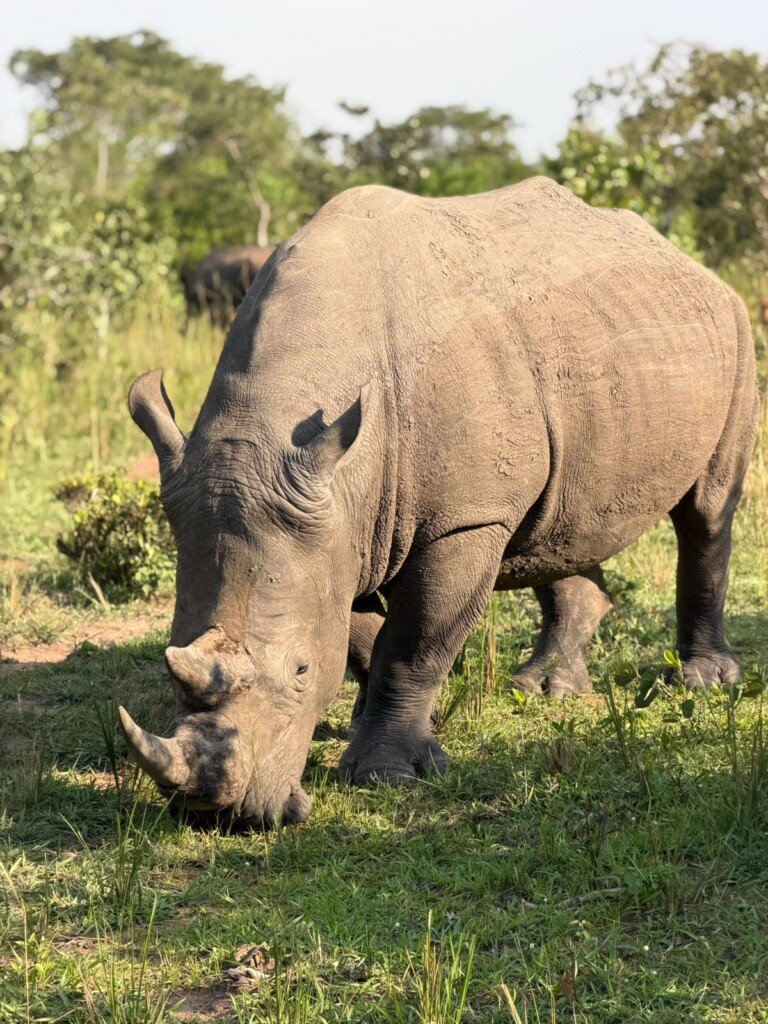
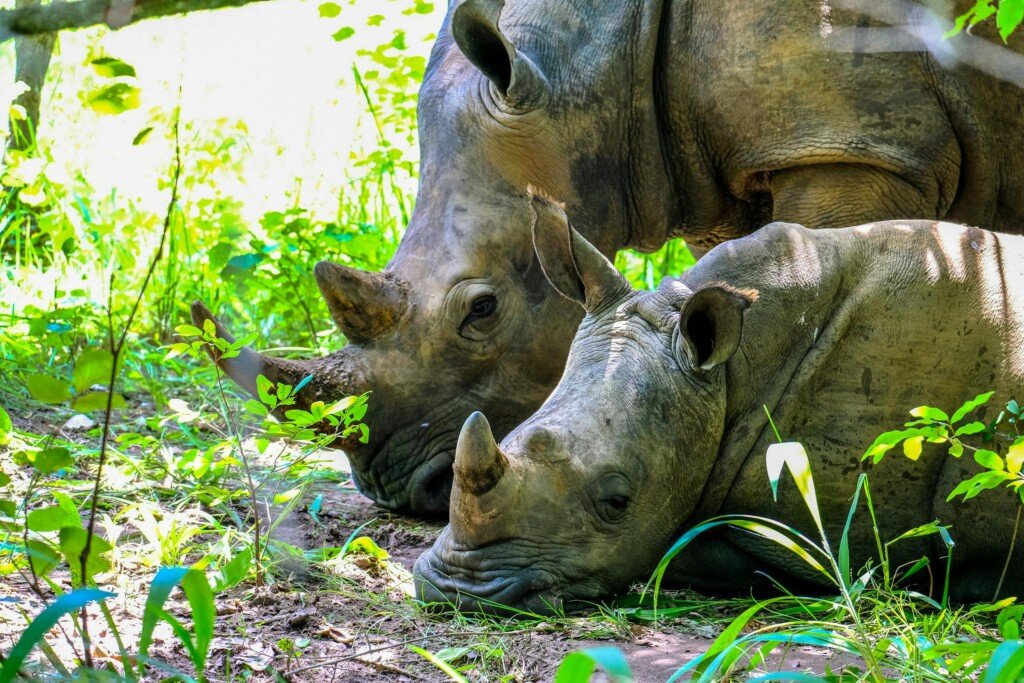
You can observe their powerful bodies, distinctive horns and feeding behaviour while your ranger explains their characteristics and conservation.
You may see individual rhinos grazing, resting or interacting with one another.
The experience offers an opportunity to appreciate wildlife without the barrier of a safari vehicle.
How long does rhino tracking take?
The tracking experience generally takes approximately 1.5 to 2.5 hours.
However, the duration depends on the location of the animals, the walking distance and weather conditions.
Allow enough time to enjoy the experience without rushing.
Is rhino tracking safe?
Tracking is conducted under the supervision of experienced wildlife rangers.
Visitors must remain with their guides, maintain the distance instructed by the ranger and follow all safety instructions.
Never attempt to approach, touch or feed a rhino independently.
The objective is to observe these magnificent animals responsibly.
4. Ziwa Rhino Sanctuary Entrance Fees and Tracking Costs
One of the most common questions travellers ask when planning a visit is how much it costs to see the rhinos.
According to the official Ziwa Rhino and Wildlife Ranch booking information, the park entry charge includes rhino tracking.
The published rates are:
Rhino tracking and park entry fees
| Visitor category | Adult | Child (up to 12) |
|---|---|---|
| Foreign non-residents | US$60 | US$30 |
| Foreign residents in East Africa | US$50 | US$25 |
| East African residents | UGX 50,000 | UGX 15,000 |
These are the published rates available at the time of writing. Confirm the applicable charges before travelling.
Other activities, including shoebill tracking, birding and night walks, have separate charges.
Important: Ziwa currently operates a cashless payment system. Visitors should arrange payment using the accepted methods listed on the official booking page.
For the latest rates, activities and booking arrangements, visit the official Ziwa Rhino Sanctuary booking and prices page.
5. Other Activities at Ziwa Rhino Sanctuary
Although rhino tracking is the main attraction, Ziwa offers several other experiences worth including in your visit.

A. Shoebill tracking
The shoebill is one of Africa’s most extraordinary birds.
Its prehistoric appearance, enormous bill and distinctive hunting behaviour make it a favourite among birdwatchers and wildlife photographers.
Ziwa’s wetlands provide an opportunity to search for this remarkable species.
Shoebill tracking generally takes place early in the morning.
Visitors explore the wetland environment with experienced guides, searching for the bird in its natural habitat.
Sightings cannot be guaranteed, but the experience itself offers an interesting introduction to Uganda’s wetland ecosystems.
If birdwatching is one of your interests, you may also enjoy our guide to birdwatching experiences in Uganda.
B. Birdwatching
Ziwa is home to diverse birdlife.
The sanctuary’s grasslands, woodland and wetlands support different bird species, making it an interesting destination for bird enthusiasts.
Visitors can enjoy guided birding experiences and discover the sanctuary’s rich biodiversity.
C. Guided nature walks
Nature walks offer another opportunity to explore the sanctuary.
Accompanied by knowledgeable guides, visitors can learn about the surrounding vegetation, wildlife and ecosystems.
D. Night nature walks
For visitors staying overnight, guided night walks offer an opportunity to discover the sanctuary after sunset.
The environment changes dramatically after dark, with nocturnal wildlife becoming more active.
Check activity availability and current rates directly with the sanctuary before booking.
6. What Other Wildlife Can You See at Ziwa?
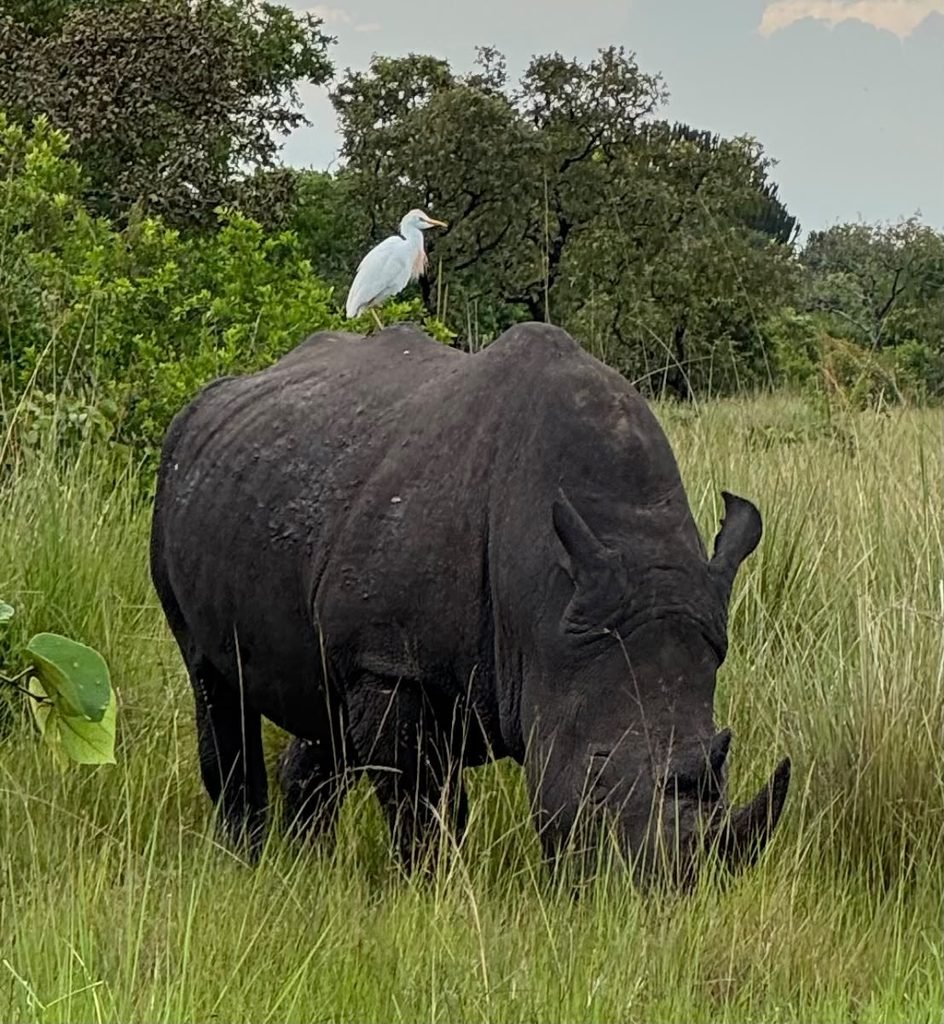
Although the southern white rhinos are the main attraction, Ziwa supports a variety of other wildlife.
Depending on the area explored and the time of your visit, you may encounter:
- Uganda kob.
- Bushbucks.
- Waterbucks.
- Monkeys.
- Other small mammals.
- Numerous bird species.
The wetlands also provide habitat for species associated with Uganda’s rich birdlife.
This diversity makes Ziwa more than a rhino sanctuary. It is an interesting destination for anyone who enjoys exploring natural environments.
7. Best Time to Visit Ziwa Rhino Sanctuary
Ziwa can be visited throughout the year.
Uganda experiences two main drier periods:
- December to February.
- June to September.
These months generally offer more comfortable conditions for walking and travelling.
However, the wetter seasons also have their attractions.
The vegetation becomes greener, the landscape looks beautiful and birdwatching can be rewarding.
Since rhino tracking takes place throughout the year, visitors do not need to restrict their safari to the dry seasons.
For travellers combining Ziwa with Murchison Falls, it is worth considering the weather conditions across the entire itinerary.
8. What Should You Pack for Rhino Tracking?
Rhino tracking is a walking activity, so comfortable clothing and footwear are important.
We recommend bringing:
- Comfortable closed walking shoes or lightweight hiking boots.
- Lightweight long trousers.
- Neutral-coloured clothing.
- A hat or cap.
- Sunscreen.
- Insect repellent.
- Drinking water.
- A camera or smartphone.
- Binoculars.
- A small backpack.
Avoid open sandals and clothing that makes walking through grassland uncomfortable.
You do not need specialist mountain trekking equipment.
However, being prepared makes the experience much more enjoyable.
9. Where to Stay at Ziwa Rhino Sanctuary
If you have enough time, consider spending a night at or near Ziwa.
An overnight stay allows you to enjoy more of the sanctuary’s experiences rather than rushing through a single activity.
Accommodation options include facilities within the sanctuary, including guest accommodation and camping, subject to availability.
Nearby accommodation options can also be considered when planning your itinerary.
Staying overnight is particularly useful if you want to combine morning shoebill tracking with rhino tracking.
Contact the sanctuary directly for current accommodation options, prices and availability.
10. Combining Ziwa Rhino Sanctuary with Murchison Falls National Park
One of the best ways to visit Ziwa is to combine it with Murchison Falls National Park.
These destinations offer very different wildlife experiences.
At Ziwa, you walk with rhinos under the supervision of experienced rangers.
At Murchison Falls, you explore vast savannah landscapes, enjoy game drives and experience the River Nile as it forces its way through a narrow gorge.
A suggested three-day safari could look like this:
Day 1: Kampala – Ziwa Rhino Sanctuary – Murchison Falls
Depart Kampala early in the morning.
Travel north towards Ziwa Rhino Sanctuary.
Enjoy a guided rhino-tracking experience before continuing to Murchison Falls National Park.
Arrive at your lodge and relax.
Day 2: Game Drive and Nile Boat Safari
Start the morning with a game drive.
Look out for elephants, giraffes, buffaloes, lions and other wildlife.
In the afternoon, enjoy a boat safari along the Nile towards the base of Murchison Falls.
Day 3: Top of the Falls and Departure
Visit the spectacular top of Murchison Falls before beginning your onward journey.
You can extend the itinerary to include Budongo Forest chimpanzee tracking, additional game drives and other experiences.
Explore our Murchison Falls safari experiences for more inspiration.
11. Can You Include Ziwa in a Longer Uganda Safari?
Absolutely.
Ziwa fits naturally into several Uganda safari routes.
You can combine it with:
Murchison Falls National Park: Rhino tracking, game drives and Nile boat safaris.
Kibale Forest National Park: Chimpanzee tracking and the Bigodi Wetland community experience.
Queen Elizabeth National Park: Game drives, boat safaris and the famous tree-climbing lions of Ishasha.
Bwindi Impenetrable National Park: Mountain gorilla trekking and Batwa cultural experiences.
Lake Bunyonyi: Relaxation, scenic boat rides and authentic community experiences.
A longer itinerary gives you an opportunity to experience Uganda’s wildlife, landscapes and cultures in one journey.
Explore our 11-Day Uganda Adventure for an example of how Ziwa and Murchison Falls can be included in a wider safari.
12. Responsible Tourism and Rhino Conservation
Wildlife tourism can play an important role in conservation.
When travellers visit protected areas and wildlife sanctuaries, they contribute to tourism economies that support conservation activities and local livelihoods.
Ziwa is an excellent example of how sustained conservation efforts can help restore a species that once disappeared from a country’s natural environment.
The work involves wildlife monitoring, security, habitat management, breeding programmes and cooperation between conservation organisations.
At Amatsiko Tours, we believe that responsible travel should create meaningful connections with the places we visit.
Our approach goes beyond wildlife viewing.
We also believe in connecting visitors with local communities, supporting education and encouraging tourism that benefits the people and environments that make Uganda special.
Discover more about responsible and regenerative tourism in Uganda.
13. Why Visit Ziwa Rhino Sanctuary with Amatsiko Tours?
At Amatsiko Tours, we are passionate about helping travellers discover Uganda beyond the familiar safari routes.
Based in Kabale in southwestern Uganda, we design experiences that bring together wildlife, landscapes, culture and meaningful community connections.
We can include Ziwa Rhino Sanctuary in a personalised Uganda itinerary, combining the experience with Murchison Falls, chimpanzee tracking, gorilla trekking and other destinations.
When you travel with us, you experience Uganda through a local perspective.
Our philosophy is simple:
Travel with Purpose — Explore. Conserve. Empower.
Whether you are planning a short wildlife adventure or an extended Uganda safari, we would love to help you create a journey worth remembering.
Explore our Uganda safari tours or contact Amatsiko Tours to start planning your adventure.
Frequently Asked Questions About Ziwa Rhino Sanctuary
1. Where is Ziwa Rhino Sanctuary located?
Ziwa Rhino Sanctuary is located in Nakasongola District in central Uganda, approximately 176 kilometres north of Kampala along the Kampala–Gulu highway.
2. Can you see rhinos in Uganda?
Yes. Ziwa is Uganda’s established destination for guided southern white rhino tracking. Rhinos have also been reintroduced into other protected areas as part of Uganda’s conservation programme.
3. How much does Ziwa Rhino Sanctuary cost?
The published adult park entry and rhino tracking charges are US$60 for foreign non-residents, US$50 for foreign residents in East Africa and UGX 50,000 for East African residents. Confirm current rates before visiting.
4. Can you walk with rhinos at Ziwa?
Yes. Visitors can participate in guided walking experiences accompanied by trained wildlife rangers.
5. How long does rhino tracking take?
The experience generally takes approximately 1.5 to 2.5 hours, depending on the location of the rhinos and walking conditions.
6. Is rhino tracking at Ziwa safe?
The activity is conducted under the supervision of experienced wildlife rangers. Visitors must follow all safety instructions and remain with their guides.
7. Can children visit Ziwa Rhino Sanctuary?
Yes, families can visit. The sanctuary publishes child entry rates for children up to 12 years old. Confirm age restrictions and participation requirements for individual activities before travelling.
8. What is the best time to visit Ziwa?
Ziwa is open throughout the year. The drier months of December to February and June to September generally provide comfortable conditions for walking.
9. Can I see the shoebill at Ziwa?
Ziwa offers guided shoebill-tracking experiences in its wetlands. Sightings depend on bird movements and are not guaranteed.
10. Can I visit Ziwa on the way to Murchison Falls?
Yes. Ziwa is conveniently located along the main route from Kampala towards Murchison Falls National Park, making it an excellent stopover.
11. Can I stay overnight at Ziwa?
Yes. The sanctuary has accommodation and camping options, subject to availability. Staying overnight allows visitors to enjoy additional activities.
12. How many rhinos are at Ziwa?
According to Uganda’s 2026 State of Wildlife Resources report, 55 southern white rhinos were at Ziwa as of 15 February 2026. Rhino numbers change over time through births, deaths and conservation translocations.
13. Can I combine rhino tracking with gorilla trekking?
Absolutely. Ziwa can be included in a longer Uganda safari combining Murchison Falls, chimpanzee tracking, Bwindi gorilla trekking and Lake Bunyonyi.
14. Do I need to book rhino tracking in advance?
Advance arrangements are recommended, particularly during busy travel periods. You can book directly with the sanctuary or arrange your visit through a local tour operator.
Plan Your Ziwa Rhino Sanctuary Experience
Uganda’s wildlife story is one of resilience, restoration and hope.
At Ziwa Rhino Sanctuary, you have the opportunity to witness that story firsthand.
Walk through the grasslands, meet the magnificent southern white rhinos and discover the conservation work helping to restore Uganda’s natural heritage.
Make Ziwa part of your next Uganda adventure.
Travel with Purpose — Explore. Conserve. Empower.
Plan Your Uganda Safari with Amatsiko Tours