Uganda Ebola Update 2026: 7 Powerful Truths About Traveling Safely in Uganda Right Now
The Real Situation From the Ground — Not Just the Headlines
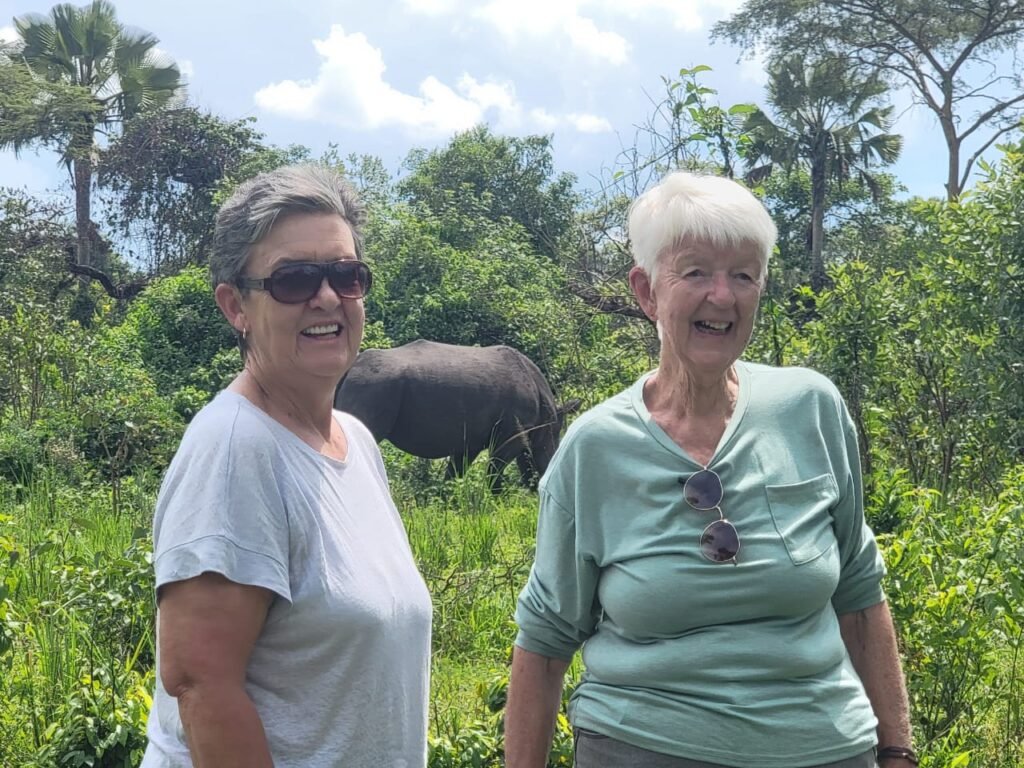
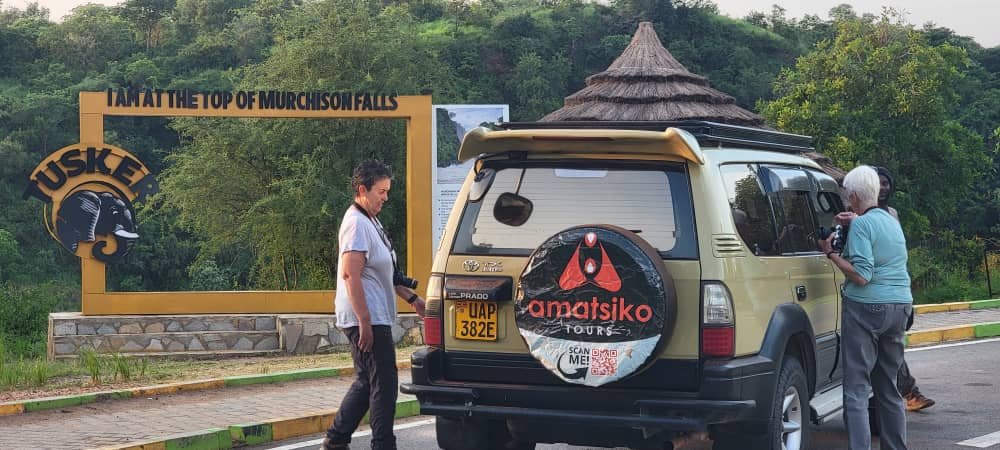
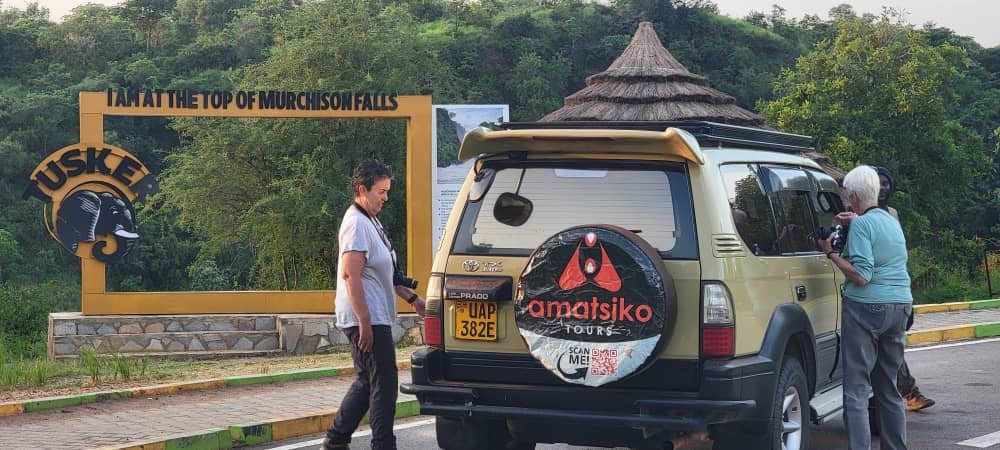
Uganda Ebola Update 2026: As I write this, we are deep in western Uganda after several unforgettable days on safari with guests from Australia. We began in Entebbe, traveled north to Ziwa Rhino Sanctuary and Murchison Falls National Park, continued through Kibale Forest and Queen Elizabeth National Park, and tomorrow we head to Bwindi Impenetrable Forest before ending in Mgahinga for golden monkey trekking.
Table of Contents
And here is the honest truth:
Uganda is moving normally.
The roads are active. The national parks are open. Lodges are welcoming guests. Guides are out in the field every day. Travelers are still sitting around campfires under the stars listening to hyenas in the distance and waking before sunrise for game drives across golden savannah plains.
Yet if you only followed social media headlines, you might imagine an entirely different picture.
So let’s talk honestly about what traveling in Uganda actually feels like right now.
1. Uganda’s National Parks Are Open and Operating Normally
One of the biggest misconceptions online is that Uganda has somehow “shut down” for tourism.
That is simply not the reality on the ground.
Over the past several days, we have traveled smoothly between multiple destinations across the country. Tourist vehicles are moving normally, domestic tourism continues, lodges are fully operational, and park activities from boat safaris to chimpanzee trekking are continuing as scheduled.
In Murchison Falls National Park, elephants grazed peacefully near the Nile while giraffes crossed the road ahead of us at sunset. In Kibale Forest, travelers from Europe, Australia, and North America gathered quietly before entering the rainforest in search of chimpanzees.
Nothing about the atmosphere felt chaotic or alarming.
Uganda’s safari experience naturally takes travelers away from dense urban settings and into remote natural areas, where journeys are private, guided, and carefully managed.
2. Ebola Is Not Airborne And Context Matters
One important fact often missing from online conversations is this:
Ebola spreads through direct contact with bodily fluids from an infected person or contaminated materials. It is not an airborne disease spreading casually through normal tourism activities.
That distinction matters enormously.
Most safari travelers spend the majority of their time:
- inside private safari vehicles,
- in national parks,
- at small lodges,
- on guided nature excursions,
- or trekking through forests with trained ranger teams.
This type of travel naturally reduces unnecessary exposure to crowded urban environments.
That does not mean travelers should ignore updates or become careless. Responsible travel always requires awareness. But the on-the-ground reality is far calmer and more structured than many headlines suggest.
3. Uganda Has Extensive Experience Handling Ebola Outbreaks
Uganda is not encountering Ebola for the first time.
Over the years, the country has developed one of the strongest outbreak-response systems in East Africa, with experience in:
- contact tracing,
- screening procedures,
- laboratory testing,
- border surveillance,
- and public-health communication.
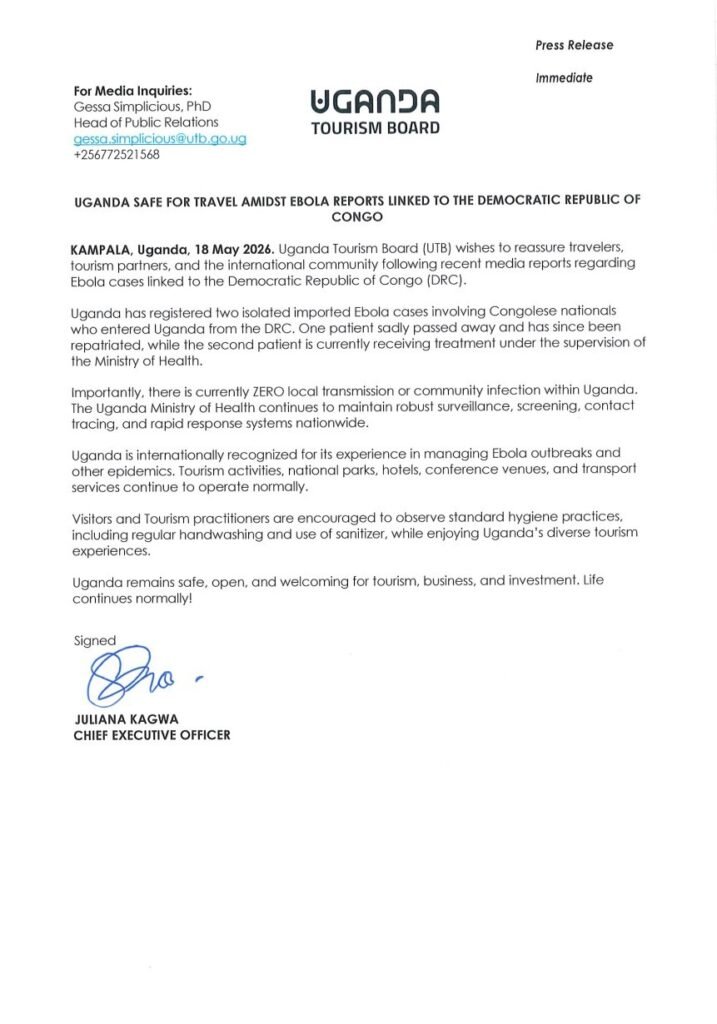
The World Health Organization and Uganda Ministry of Health are actively monitoring the situation and coordinating response efforts.
Importantly, current confirmed cases in Uganda have been linked to cross-border movement from the Democratic Republic of Congo, and authorities continue emphasizing surveillance and containment.
What many visitors notice instead is a calm but attentive atmosphere:
- temperature screenings,
- handwashing stations,
- increased hygiene awareness,
- and tourism operators staying closely informed.
For travelers, this often feels reassuring rather than disruptive.

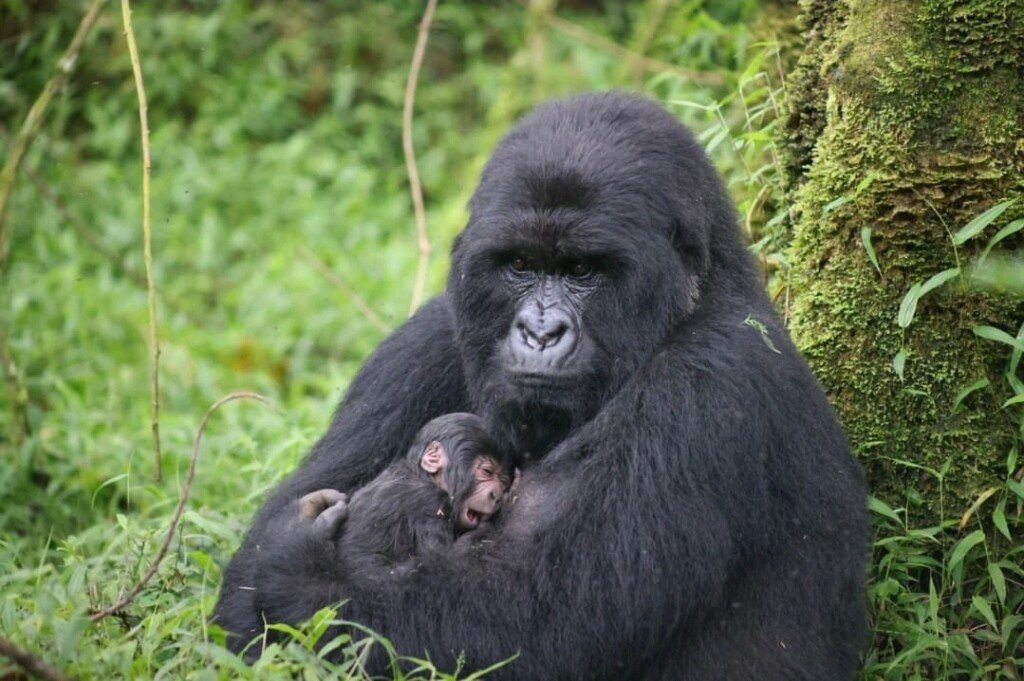
4. Gorilla Trekking and Chimpanzee Tracking Are Continuing Safely
Many travelers are specifically asking:
“Is gorilla trekking in Uganda still safe?”
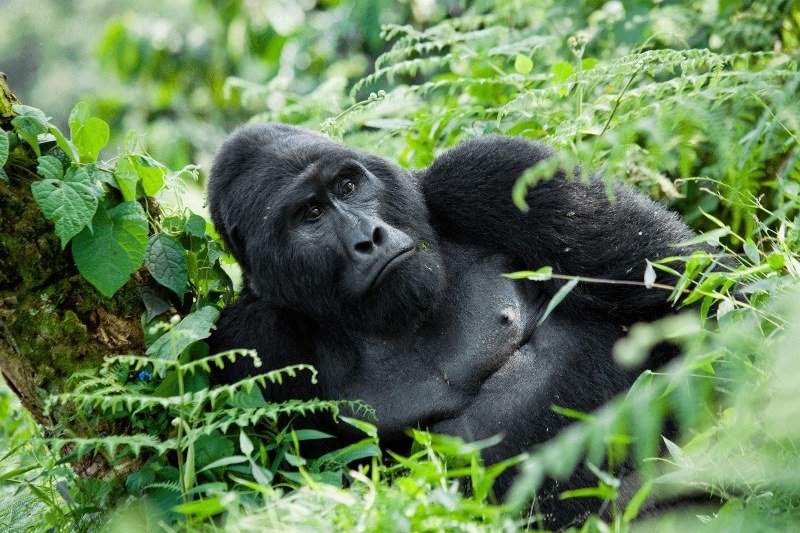
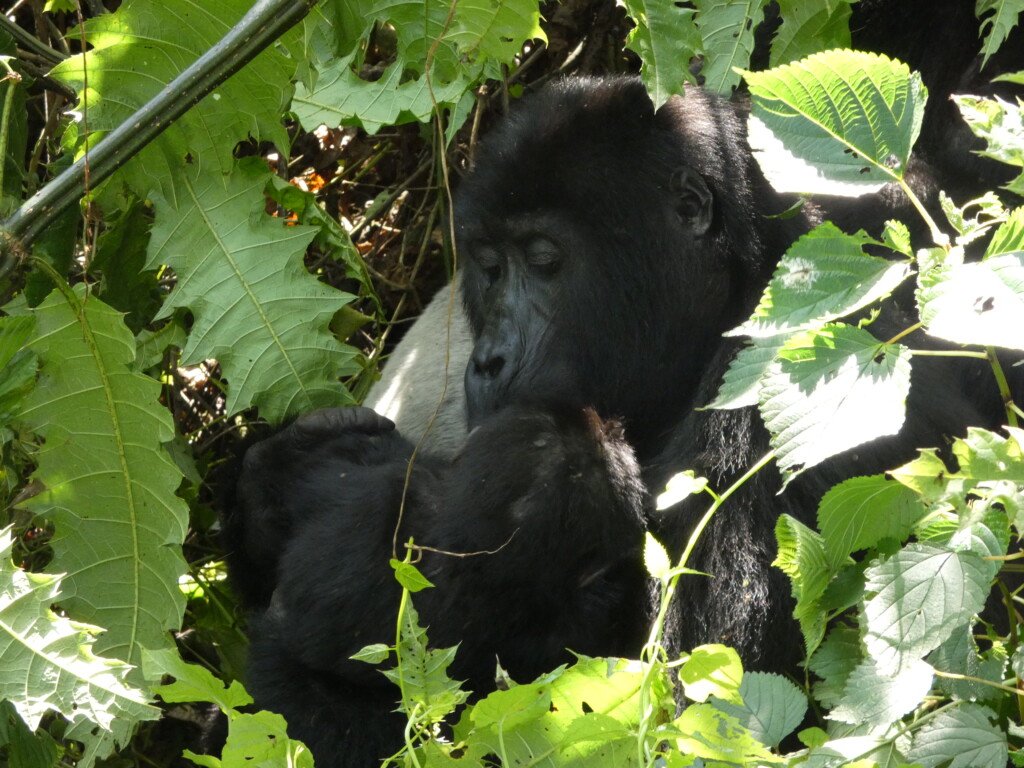
At the moment, yes, trekking activities continue normally in Bwindi Impenetrable National Park and Mgahinga Gorilla National Park.
Uganda Wildlife Authority and tourism operators continue applying health-conscious measures designed to protect both travelers and primates.
Interestingly, gorilla trekking already operates under strict health protocols because mountain gorillas are vulnerable to human-transmitted illnesses. Visitors feeling unwell are routinely advised not to trek, even outside Ebola situations.
That culture of caution already exists within Uganda’s conservation tourism sector.
Tomorrow, as we continue toward Bwindi ourselves, there is no sense of panic among guides, rangers, or lodges. Instead, there is professionalism, attentiveness, and a shared understanding that responsible tourism can continue safely when handled carefully.
5. Social Media Often Looks Scarier Than Reality
One thing I’ve noticed while traveling through Uganda this week is how different the online narrative feels compared to reality on the ground.
Social media thrives on urgency. Dramatic headlines spread faster than calm updates. A single alarming post can quickly create the impression that an entire country is unsafe.
But Uganda is not a single crowded city.
It is a vast country of forests, lakes, savannahs, mountains, and rural communities spread across long distances. Most safari routes move travelers far away from major population centers and into remote conservation areas.
Meanwhile, life continues:
- fishermen launch wooden boats onto Lake Albert,
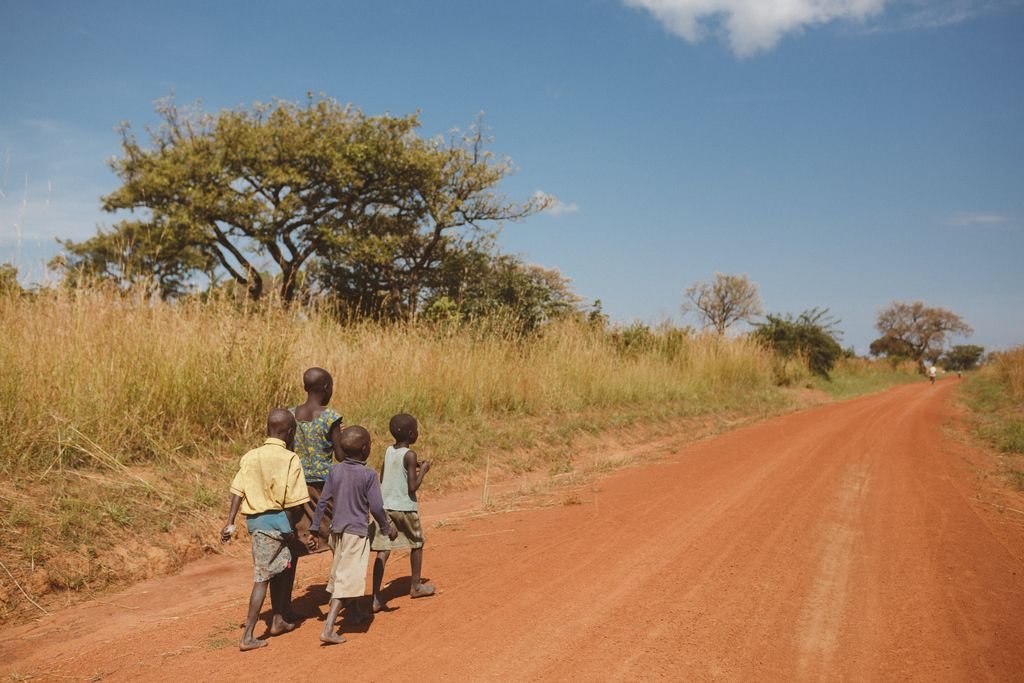
- children wave at safari vehicles along village roads,
- lodge staff prepare evening fires,
- and rangers lead guests through forests alive with birdsong.
Traveling here right now feels thoughtful and aware not fearful.
6. Travelers Should Stay Informed — Not Panicked
The smartest approach is neither denial nor panic.
Travelers should:
- monitor official updates,
- maintain good hygiene,
- disclose illness honestly,
- and work closely with trusted tour operators.
Before traveling, it is wise to:
- review travel insurance,
- monitor your government’s advisory updates,
- and speak directly with your safari company about routes and logistics.
Reliable sources include:
At Amatsiko Tours, itineraries are continuously reviewed based on routes, guest needs, and updated health information.
7. Uganda’s Magic Is Still Here
This evening in Queen Elizabeth National Park, the sky turned deep orange as buffalo moved slowly across the plains. Earlier today, hippos crowded the Kazinga Channel while African fish eagles called overhead.
Tomorrow we continue toward Bwindi.
The forests are still green.
The gorillas are still climbing through the mist.
The lodges are still welcoming travelers with warm meals and quiet smiles.
And perhaps that is the most important truth of all.
Uganda is still Uganda.
FAQ — Uganda Ebola Update 2026
Is Uganda safe to visit right now?
Most tourism routes and national parks remain operational, and travelers are continuing safaris normally. Visitors should stay informed through official health sources and travel responsibly.
Are Uganda national parks open?
Yes. National parks including Murchison Falls, Queen Elizabeth, Kibale, Bwindi, and Mgahinga remain open for tourism activities.
Is gorilla trekking safe in Uganda right now?
Gorilla trekking is continuing with health-conscious precautions already common in primate tourism operations.
Can tourists still travel between parks in Uganda?
Yes. Transfers, domestic flights, and guided safari operations are continuing normally across most tourism routes.
Is Ebola airborne?
No. Ebola spreads through direct contact with bodily fluids of infected individuals or contaminated materials.
Ready to Experience Uganda for Yourself?
While headlines travel fast, nothing compares to hearing the sounds of the forest at sunrise, watching elephants cross the savannah at dusk, or standing face-to-face with mountain gorillas in the misty hills of Bwindi.
At Amatsiko Tours, we are currently guiding travelers safely across Uganda and staying closely updated with official health guidance every step of the way.
If you’re considering a safari, gorilla trek, or tailor-made Uganda journey, we’re here to answer your questions honestly and help you travel with confidence.
👉 Talk to someone currently on the ground in Uganda today to start planning your Uganda adventure.