Uganda Safari Insurance: Medical Evacuation Coverage That Protects Your Trek
Table of Contents
At a Glance
Uganda safari Insurance require travel insurance due to risks like remote parks and fixed-date permits.
Medical evacuation coverage is crucial because of the distance to advanced care.
Insurance should cover emergency treatments, trip cancellations, and baggage loss.
Gorilla trekking permits are limited and anchor itineraries, needing specific coverage.
Comprehensive coverage is recommended for the layered risks of Uganda safaris.

You feel it the first time the road turns from pavement to red dirt and the forest line closes in. Uganda rewards commitment—long drives, early starts, and real wilderness. That’s exactly why travel insurance for Uganda is a planning step you lock in early, not an afterthought.
A Uganda safari stacks multiple risk points into one itinerary: remote parks, rough access roads, fixed-date gorilla permits, and luggage moving across borders. The right policy keeps a medical issue from becoming a logistics crisis, and it protects the non-refundable pieces that anchor your trip.
Travel insurance for Uganda protects the parts of your safari you cannot “redo”
Uganda safaris run on fixed timing and fixed inventory, and insurance protects the pieces you can’t simply reschedule. Gorilla trekking dates, sector-matched lodging, and cross-border transfers are built around early-morning briefings and long drive windows. Once those parts are set, a disruption usually triggers a cascade.
You’ll notice it in the rhythm of a real itinerary: 4–8+ hours of driving (plus border time) on the Kigali-to-Bwindi corridor, then an overnight in Kabale, Kisoro, or near a Bwindi Impenetrable National Park sector (Buhoma, Ruhija, Rushaga, Nkuringo) so you arrive rested for the next morning.
Practical move: buy coverage as soon as you start paying deposits, then keep every receipt and confirmation in one offline folder on your phone. Dusty roads, intermittent signal, and a dead battery do not mix.
“We searched for a wholly local tour operator hoping our visit to Uganda might benefit local communities as well as including Uganda’s natural beauty and wildlife. Amatsiko Tours is owned and operated by Alex and Alphonse, who have dedicated their working lives to helping the most vulnerable in their communities. Alex curated a two weeks itinerary for us that provided the most amazing and memorable experiences: visiting remote communities and schools, welcomed by so many people in out of the way places, gaining insights into community life and culture, walking with rhinos, giraffes and zebras, and of course gorilla and chimpanzee trekking. Our accommodations and food options were all great and our air conditioned 4WD vehicle was supremely comfortable and unstoppable whether in towns, on the open road or on the many safari game drives we undertook. Uganda is beautiful, safe and friendly and I can think of no better way to experience it than with the caring, knowledgeable experts at Amatsiko Tours.”
— TripAdvisor, 5.00
“If you’re considering a trip to Uganda, stop searching. Amatsiko Tours is in a class entirely of its own. From the moment we arrived, everything was handled with a level of care and professionalism that made the entire experience effortless. Airport pickup, beautiful accommodations, seamless transportation, and delicious meals. Every detail was thoughtfully arranged. We were driven in a spotless, comfortable vehicle and never once had to worry about logistics. We could simply be present and absorb the experience.”
— 565carolyno, TripAdvisor, 5.00
“Wow where to begin with this experience! First, let’s say we were easily the most difficult clients they must have had, throwing them curve balls left and right. From missed flights, to missing baggage, to itinerary changes, plus the added challenge of us working on a film project while with them, Alex and Alfonse made us feel calm and easy in what otherwise would have been a very stressful situation. Even my phone broke while on the trip, and these guys kept me from having a panic attack while they got my phone repaired.”
— Sophie Schneeberger, Google, 5.00
Medical evacuation Uganda coverage matters because safari geography is remote by design
Medical evacuation Uganda coverage is the backbone of any serious policy for a safari itinerary. You’re not planning for drama. You’re planning for distance—between you and advanced care, between parks and major towns, between a steep, muddy sector road and a clinic that can handle more than first aid.
The sensory reality is simple: heat, humidity, and long days dehydrate you faster than you expect, and the constant vibration of rough roads can leave you more fatigued than a city trip ever would. That fatigue compounds decision-making.
Anchor your expectations to the route facts you’ll actually live:
Cross-border gorilla itineraries commonly run Kigali → Cyanika or Katuna → Kisoro or Kabale → Bwindi, with a realistic 4–8+ hours driving (plus border time).
Approaches to Bwindi trekking sectors can include steep gradients, narrow roads, and rough or muddy sections in rainy season.
A 4×4 vehicle is strongly recommended for sector access year-round, and it becomes even more important in wet months.
Insider detail: pack your emergency contacts and policy number on a physical card in your daypack. Phones get dropped in mud. Paper still works.
Uganda safari insurance should cover emergency treatment, not just evacuation
Uganda safari insurance only earns its place if it covers the full chain: stabilization, hospital care, and the logistics that follow. Evacuation without medical coverage can still leave you exposed to large bills, and medical coverage without evacuation can leave you stranded in the wrong place.
You want a policy that is explicit about:
Emergency outpatient and inpatient treatment
Ambulance transport where available
Emergency assistance coordination (24/7)
Repatriation benefits if required
The non-visual cue you’ll remember: the sound of a ranger briefing in the early morning, and the quiet that follows when everyone realizes the trek is real. That’s not the moment to wonder what your policy actually covers.
Practical move: choose a plan with a clear assistance hotline and confirm you can place calls from abroad. Then save the number in your phone under “INSURANCE EMERGENCY” so it’s searchable under stress.
Gorilla trekking coverage needs to match the reality of Bwindi and Mgahinga
Gorilla trekking is regulated, time-bound, and physically demanding, and insurance needs to treat it as the core activity—not a side excursion. Uganda gorilla trekking permits are issued by the Uganda Wildlife Authority (UWA) and are limited per day, which means your trek date anchors your whole itinerary.
Key trek facts that should shape your coverage decisions:
Bwindi Impenetrable National Park operates by trekking sectors: Buhoma, Ruhija, Rushaga, Nkuringo.
Treks vary in difficulty based on gorilla location, and once gorillas are found, visitors typically spend one hour with them (standard rule for habituated gorilla treks).
Mgahinga Gorilla National Park is commonly accessed from the Kisoro area and is often paired with golden monkey tracking.
Insider detail: insure for the trek you’re actually doing, then plan your sleep location to reduce risk. Our rule stays consistent—sleep near your confirmed sector briefing point so you avoid a punishing pre-dawn drive on trek day.
For gorilla-specific planning that pairs well with insurance decisions, use our gorilla trekking guide for permits, timing, and packing.

Trip cancellation and interruption coverage protects fixed-date permits and sector-matched logistics
Cancellation and interruption coverage matters in Uganda because your itinerary is permit-anchored and route-sensitive. A missed border window, a delayed arrival, or an illness that shifts your trekking day can force changes across lodging, transfers, and park activities.
Your planning realities include:
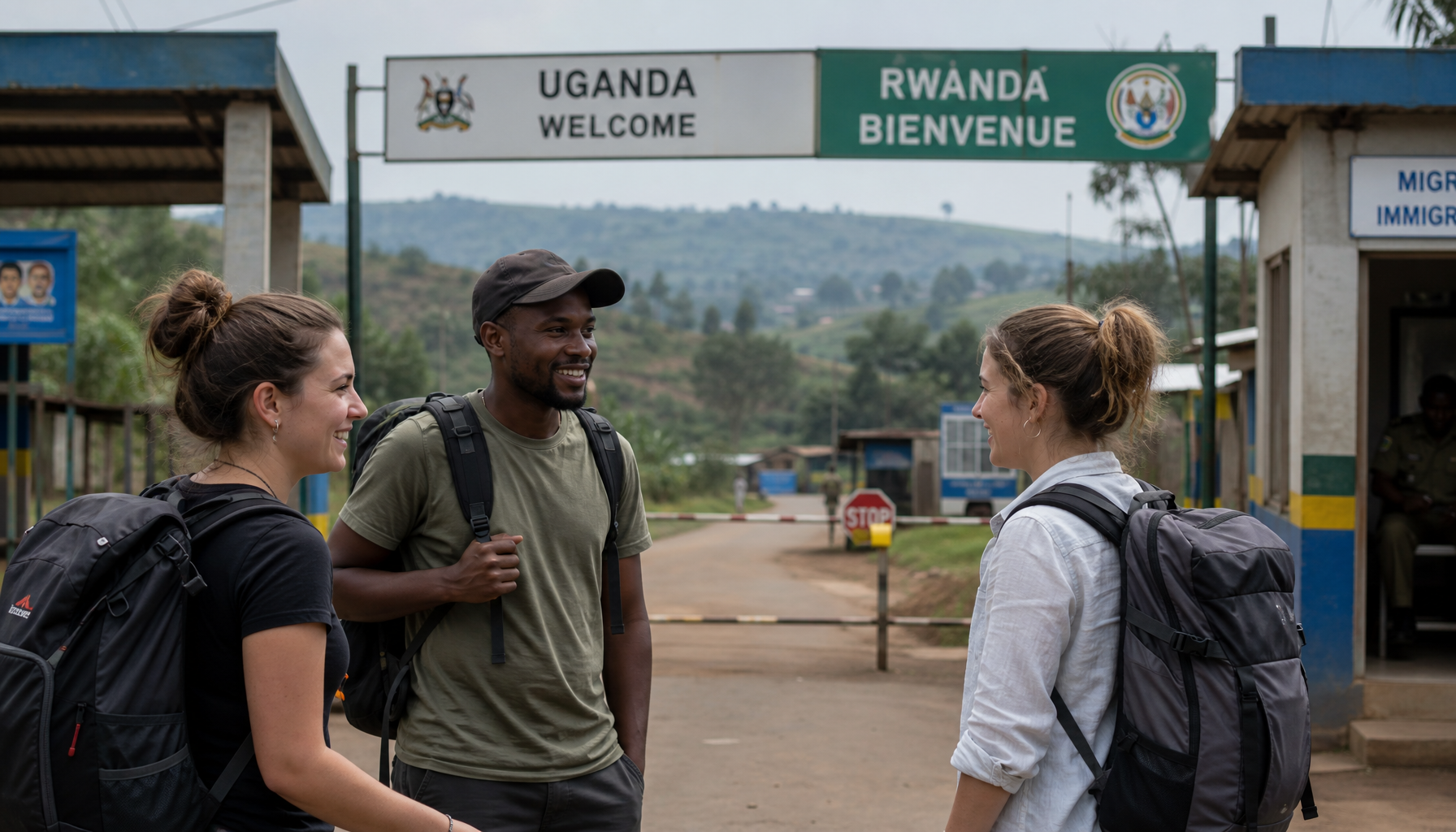
Two main border posts on the Kigali-to-Bwindi corridor: Cyanika border (Rwanda) ↔ Kisoro (Uganda) and Katuna border (Rwanda) ↔ Kabale (Uganda).
Typical road-transfer ranges: Kigali → Cyanika → Kisoro ~4–6 hours total (including a reasonable border stop) and Kigali → Katuna → Kabale ~5–7+ hours total (including border stop).
Sector positioning affects drive time, especially if you choose the “wrong” overnight base for your assigned trekking sector.
The smell of rain on warm earth is wonderful—until it slows a muddy sector approach road and compresses your schedule. Build insurance around that reality, and bake in buffer nights where the itinerary is tight.
Practical move: pick cancellation coverage that applies to pre-paid trip components, and keep your itinerary itemized. We structure quotes and plans permit-first for the same reason.
Baggage loss and delay coverage keeps your safari functional, not just reimbursed
Baggage coverage matters on safari because missing gear changes the quality and safety of your days. If your boots, rain layer, or medications are delayed, you’ll feel it immediately—wet socks, slippery trails, and long drives without essentials.
You want coverage that addresses:
Lost baggage reimbursement
Baggage delay benefits for essential purchases
Coverage for personal items you actually carry on safari days (phone, camera, binoculars)
Insider detail: pack one full trekking outfit in your carry-on—socks, base layer, and a light rain shell. That single decision keeps a delayed bag from wrecking your trek morning.
Pair that with a smart packing plan from our Uganda packing checklist so your “essentials” are truly essential.
Adventure activities coverage should match the activities you add to a Uganda circuit
Adventure coverage matters because many travelers layer activities around the gorilla permit date. Policies vary on what they classify as “adventure,” and exclusions are where surprises hide.
Your itinerary design already signals where you need clarity:
Gorilla trekking in Bwindi Impenetrable National Park or Mgahinga Gorilla National Park
Long cross-border road transfers and sector road access that favors 4×4 routing
Optional add-ons that sit around the permit-anchored day
Insider detail: declare activities exactly as they appear in your itinerary notes. If your plan says “gorilla trekking,” your policy should also say “gorilla trekking,” not a vague substitute. Specific wording prevents claims friction.
Comprehensive cover is the default recommendation for Uganda safaris
For Uganda, comprehensive cover is the practical choice because your risks are layered: medical, evacuation, cancellation, and baggage all intersect on the same trip. You’re traveling for a high-commitment experience, and your insurance should match that commitment.
Use this table to pressure-test any policy before you buy it:
Coverage area | What you want included | Why it matters in Uganda | Quick check you do before purchase |
|---|---|---|---|
Emergency medical | Hospital treatment and emergency care | Remote itineraries and physically demanding trek days | Confirm medical limits and exclusions are clearly stated |
Medical evacuation Uganda | Evacuation and assistance coordination | Distance, rough roads, and sector access constraints | Confirm evacuation is included and hotline is 24/7 |
Trip cancellation/interruption | Pre-paid trip costs protection | Permit-anchored schedules and cross-border timing | Confirm it applies to permits, lodging, and transfers |
Baggage loss/delay | Reimbursement and delay essentials | Missing gear impacts trekking comfort and safety | Confirm delay benefit triggers and eligible items |
Adventure activities | Gorilla trekking and safari activities covered | Activity exclusions can void claims | Confirm trekking is explicitly covered, not implied |
Insider detail: keep a printed copy of your policy schedule with your passport. Border days move fast, and you want your documents in one grab-and-go place.
For route planning that reduces disruption risk, start with our practical travel advice for visitors to Uganda.
Route-smart planning reduces claims and keeps your safari calm
Insurance is your safety net. Route-smart planning is your prevention layer. On the Kigali-to-Bwindi corridor, your biggest controllable risk is arriving late, sleeping too far from your briefing point, and starting trek day already exhausted.
Use these planning rules we apply on the ground:
Match your border post to your trekking sector: Cyanika aligns well with Kisoro and southern sectors (Rushaga, Nkuringo); Katuna aligns well with Kabale and routes toward Ruhija and some connections toward Buhoma.
Sleep close to the sector where your permit is booked to reduce pre-briefing drive time and rainy-season delays.
Treat same-day Kigali-to-Bwindi arrivals as “arrive for dinner and rest,” not “arrive late and recover tomorrow.”
You’ll hear the difference in your body the next morning: less road fatigue, steadier breathing on the first climb, and more attention for the forest sounds around you.
For an overview of where your itinerary might take you, use our guide to Uganda’s national parks.
A safe, worry-free safari starts with insurance and a local plan you can execute
A well-built Uganda safari plan combines comprehensive insurance with sector-matched logistics. The facts that shape your risk are clear: cross-border transfers commonly run 4–8+ hours driving (plus border time), Bwindi access roads can be steep and muddy in wet months, and gorilla permits are limited per day through the Uganda Wildlife Authority (UWA). Travel insurance for Uganda protects your medical needs, your evacuation pathway, and your pre-paid trip components so one disruption doesn’t unravel the whole itinerary.
Frequently Asked Questions
1. What makes travel insurance essential for a Uganda safari?
Travel insurance for Uganda is crucial due to the fixed timing and inventory of safaris, including non-refundable gorilla trekking permits and sector-matched lodging. Insurance protects these elements and can prevent a medical issue from turning into a logistics crisis.
2. Why is medical evacuation coverage important for a Uganda safari?
Medical evacuation coverage is vital because safari itineraries are typically remote. This coverage ensures access to advanced medical care when needed, considering the distances between parks, towns, and healthcare facilities.
3. What should Uganda safari insurance cover beyond medical evacuation?
Uganda safari insurance should include emergency treatment, covering both outpatient and inpatient care, ambulance transport, and emergency assistance coordination. This comprehensive approach ensures you’re protected from large bills and logistical issues.
4. How does gorilla trekking coverage fit into Uganda safari insurance?
Gorilla trekking coverage is essential as it anchors the entire safari itinerary. Permits are limited and time-bound, making it crucial for insurance to cover potential disruptions to trekking dates and associated logistics.
5. What role does trip cancellation and interruption coverage play in a Uganda safari?
Cancellation and interruption coverage are important because they protect against disruptions to permit-anchored and route-sensitive itineraries. This coverage helps manage changes in lodging, transfers, and park activities due to unforeseen delays or issues.
6. Why is baggage loss and delay coverage important on a safari?
Baggage coverage is crucial as missing gear can impact the quality and safety of your safari experience. This coverage ensures reimbursement for lost items and provides benefits for essential purchases during delays.
7. What should adventure activities coverage include for a Uganda safari?
Adventure coverage should explicitly cover planned activities like gorilla trekking. Specific wording in your policy prevents claims issues, ensuring that all itinerary activities are covered without exclusions.
8. Why is comprehensive coverage recommended for Uganda safaris?
Comprehensive coverage is recommended because it addresses various risks, including medical, evacuation, cancellation, and baggage issues. This type of coverage aligns with the high-commitment nature of a Uganda safari, ensuring a worry-free experience.