Rwanda Group Safari Departures November 2026: 7 Essential Ways to Plan
Table of Contents
Gorillas, Lions & Rainforests
If you’re searching for Rwanda group safari departures November 2026, imagine starting your journey in Kigali before heading north toward misty volcanoes, east into golden savannah and south into one of Africa’s oldest rainforests.
November is Rwanda’s green season. The hills are lush, the forests are alive with moisture, and the Virunga mountains can appear and disappear behind clouds. Yes, rain is possible, and gorilla trails can be muddy. But that’s also what gives this time of year its atmosphere.
For solo travelers, a small-group safari can make the experience even easier. Instead of trying to gather friends who all have the same holiday dates, you can join a scheduled departure, share the safari vehicle and meet other travelers along the way.
And if you’d like to continue beyond Rwanda, a cross-border itinerary can take you into Uganda for Bwindi gorillas, Kibale chimpanzees, Lake Bunyonyi and classic East African wildlife.
Rwanda Group Safari Departures November 2026: At a Glance
Best for: solo travelers, couples and small groups who want to share a safari without booking privately.
Main Rwanda destinations: Kigali, Volcanoes National Park, Akagera National Park and Nyungwe National Park.
November conditions: lush and green, with a greater chance of rain and wetter trekking trails.
Rwanda gorilla permit: US$1,500 per person per day for international visitors.
Cross-border option: combine Rwanda with Uganda for gorillas, chimpanzees, wildlife and community experiences.
Confirmed November 2026 example: Amatsiko Tours currently publishes a 9-day Travel With Purpose group journey from 8–16 November 2026, starting with arrival in Kigali and continuing into southwestern Uganda.
2027: future group dates should be confirmed directly with the operator.
Rwanda’s appeal is the variety packed into one small country. You can move from volcanic rainforest to savannah and then into ancient forest without needing to cross half a continent.
That makes Rwanda particularly interesting for a group safari.
Why November Is a Powerful Time for a Rwanda Group Safari
November isn’t Rwanda’s driest month, and I think that’s worth embracing rather than hiding.
Rain is part of the story.
You might leave your lodge beneath a grey sky and, an hour later, watch sunlight break through the clouds over the Virunga volcanoes. The leaves shine with water. Red earth becomes darker beneath your boots. The air smells of wet vegetation.
For travelers who don’t mind unpredictable weather, it can be beautiful.
The important thing is to prepare properly. Visit Rwanda recommends sturdy walking shoes, gaiters, protective clothing, gloves and a lightweight waterproof jacket for gorilla tracking.
This is also where a small-group safari makes life easier.
Your operator can coordinate accommodation, transport, permits and the route while you concentrate on the experience. You don’t need to spend your evening figuring out tomorrow’s border crossing or calling three lodges to find out whether they have a room.
You can simply sit beside the window and watch Rwanda change.
1. Volcanoes National Park: The Gorilla Experience
For many people considering Rwanda group safari departures November 2026, this is the moment they’ve been waiting for.
You wake early in Musanze.
The air is cold. The mountains are partly hidden behind clouds. Breakfast is quick because the forest is waiting.
At the park headquarters, your guides explain what to expect before the trek begins.
Then you walk.
The Virunga landscape can be steep and wet. Bamboo and dense vegetation close around the trail. You hear birds overhead and the occasional sound of branches moving somewhere beyond the path.
Then the trackers stop.
The mood changes immediately.
A broken branch.
Fresh vegetation.
A sound from the forest.
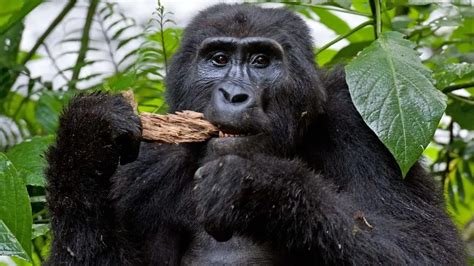
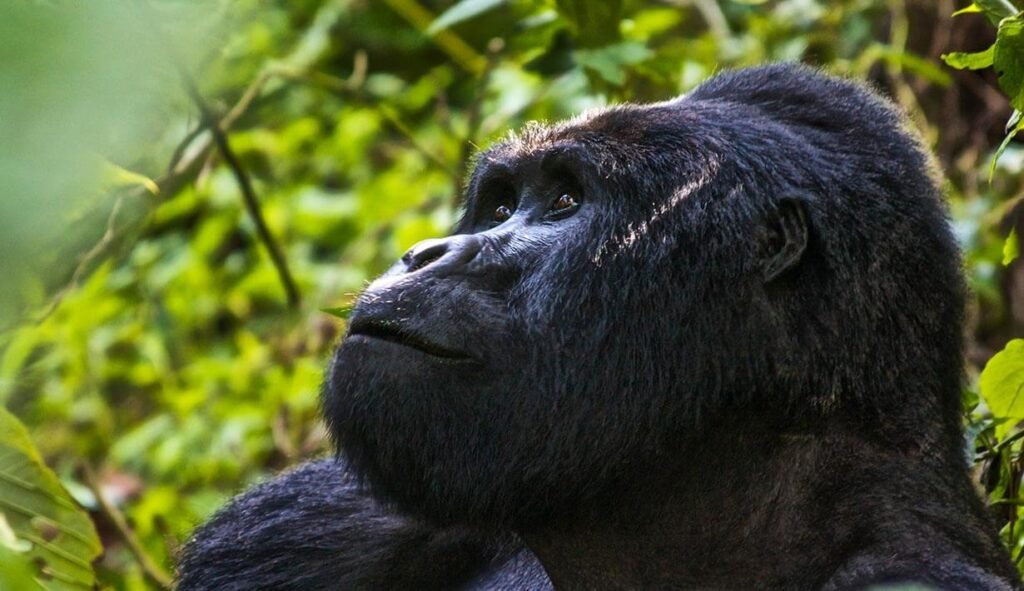
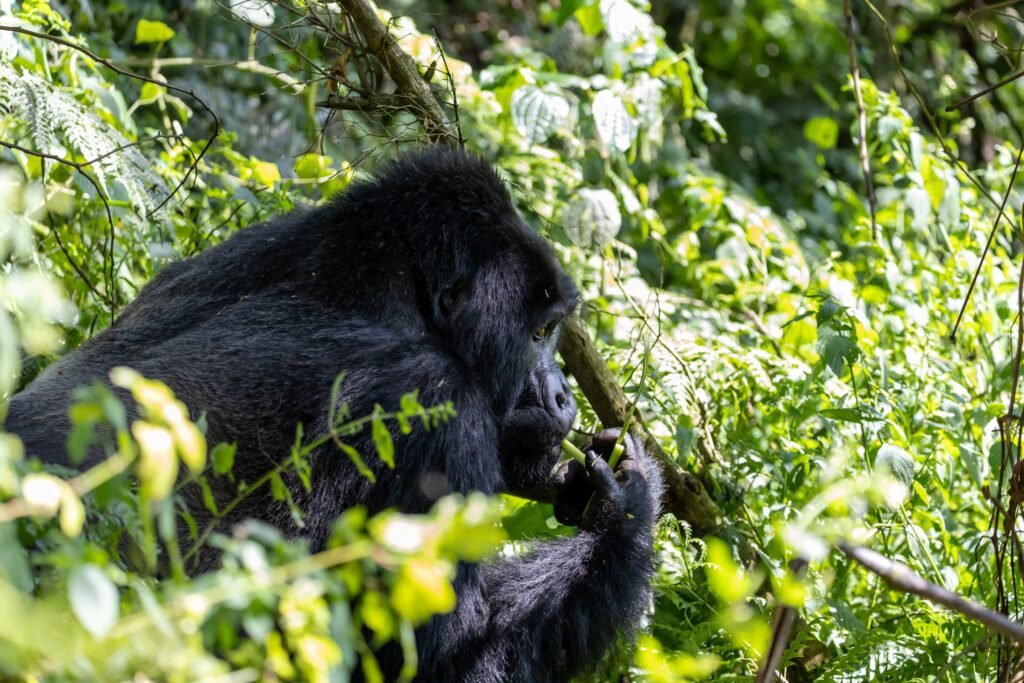
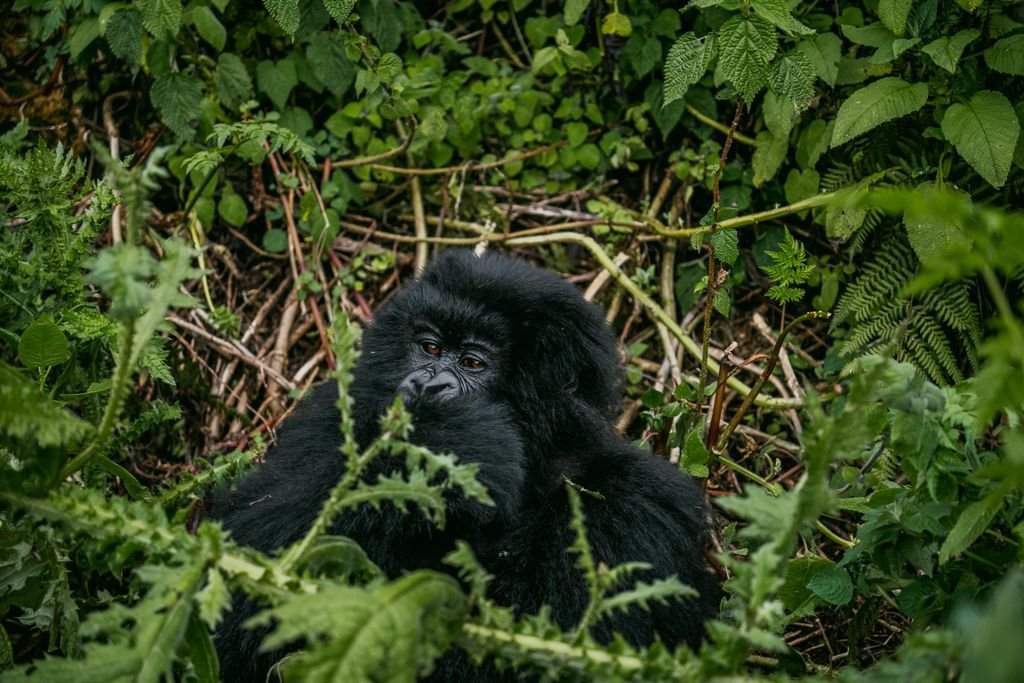
And suddenly you are looking at a mountain gorilla.
Perhaps a youngster is tumbling through the vegetation. Maybe a silverback is resting beneath the leaves. Maybe one simply looks at you with the calm curiosity that makes the encounter so unforgettable.
Rwanda currently charges US$1,500 per person per day for international gorilla tracking. The minimum age is 15, and the official tourism board recommends booking in advance through Irembo or through licensed tour operators and guides.
That price is significant, which makes it even more important to understand what you’re paying for and how the experience contributes to conservation.
If you’re comparing Rwanda with Uganda, our guide to gorilla trekking in Uganda and Rwanda is a useful next step. It explains how the two destinations can be combined and why some travelers choose to cross the border during the same journey.
2. Akagera National Park: Rwanda’s Big Five Side
Leave the mountains behind and head east.
The landscape opens.
The air becomes warmer.
Dense forest gives way to savannah, woodland, wetlands and lakes.
Welcome to Akagera.
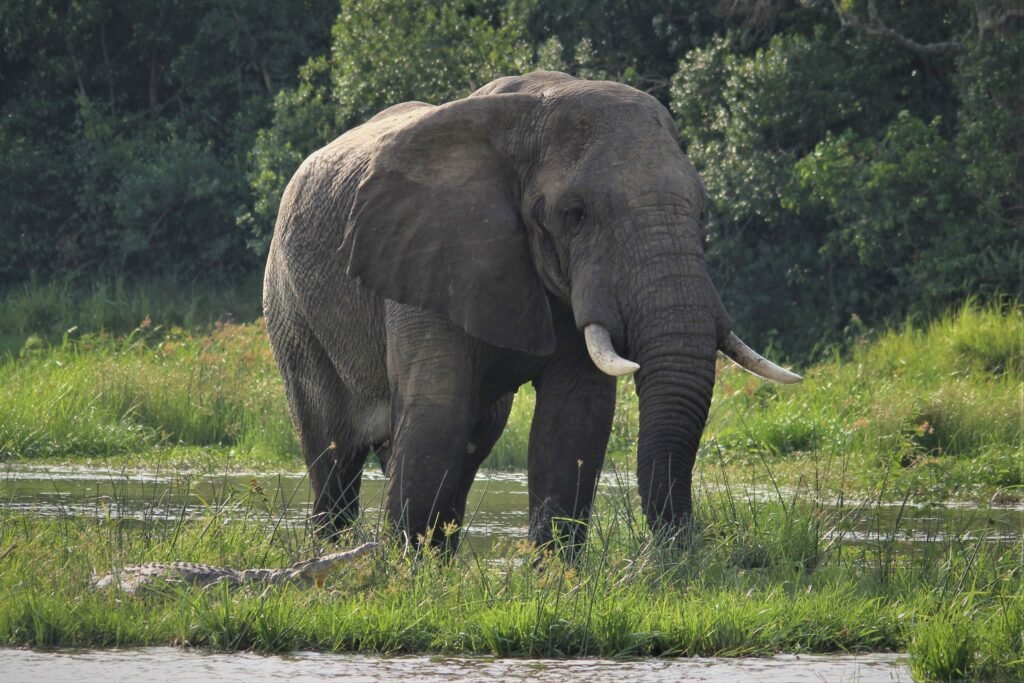
This is Rwanda’s classic safari country, with opportunities to see elephants, lions, rhinos, buffalo, giraffes, zebras, hippos and hundreds of bird species. African Parks currently notes that almost 500 bird species have been documented in the park.
A morning game drive starts quietly.
The sun rises.
The grass is wet.
Your guide slows the vehicle.
A group of impala appears.
Then giraffes rise above the bushes.
Later, an elephant crosses the road.
The experience is completely different from gorilla trekking. In Volcanoes, you’re walking through the forest searching for a particular gorilla family. In Akagera, you sit quietly and let the landscape reveal itself.
There is also a powerful community story here.
African Parks reports that 10% of Akagera’s income is allocated to Rwanda’s Tourism Revenue Sharing scheme, supporting community development projects including schools, healthcare facilities and cooperatives. In 2025/2026, the contribution supported 26 projects, including school construction, improved market facilities and clean-water systems.
So when you spend money on an Akagera safari, you’re not simply paying for a wildlife experience.
You’re also participating in a tourism economy that can help create tangible value around conservation.
3. Nyungwe: Chimpanzees and Ancient Rainforest
If you have enough time, don’t rush Rwanda.
Head south.
Nyungwe feels completely different again.
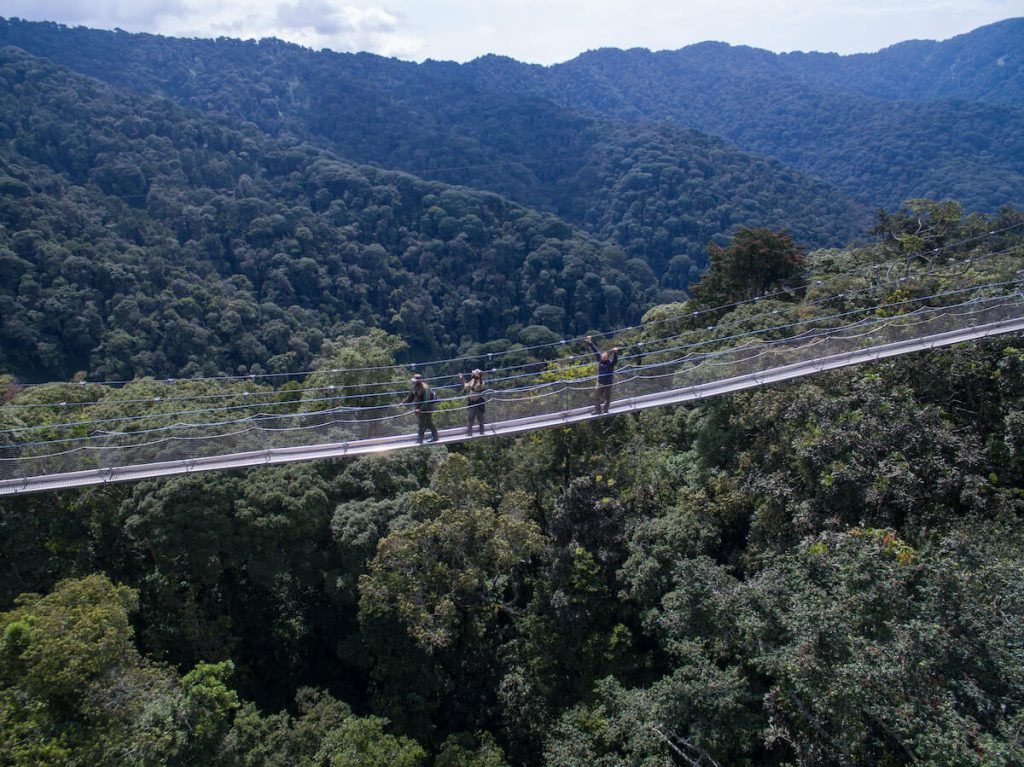
The road disappears beneath enormous trees. Moss covers branches. Mist hangs between the hills. Somewhere above you, a chimpanzee calls.
Then another answers.
Chimpanzee tracking is an active forest experience. You follow experienced guides through thick vegetation, listening for movement and calls.
Sometimes you see the animals quickly.
Sometimes you wait.
And that waiting is part of the magic.
The forest itself becomes the attraction.
You notice tiny movements in the canopy. Birds appear and vanish between branches. The air feels cooler beneath the trees.
For travelers who love primates, adding Nyungwe can turn a short gorilla holiday into a much deeper exploration of Rwanda’s forests.
And this is where traveling responsibly becomes wonderfully simple.
Stay on the trails.
Listen to your guide.
Keep noise low.
Don’t chase wildlife.
Carry your waste out with you.
The forest doesn’t need us to improve it.
It simply needs us to leave it intact.
4. Kigali: Start With the City
Don’t treat Kigali simply as the airport where your safari begins.
Give yourself some time.
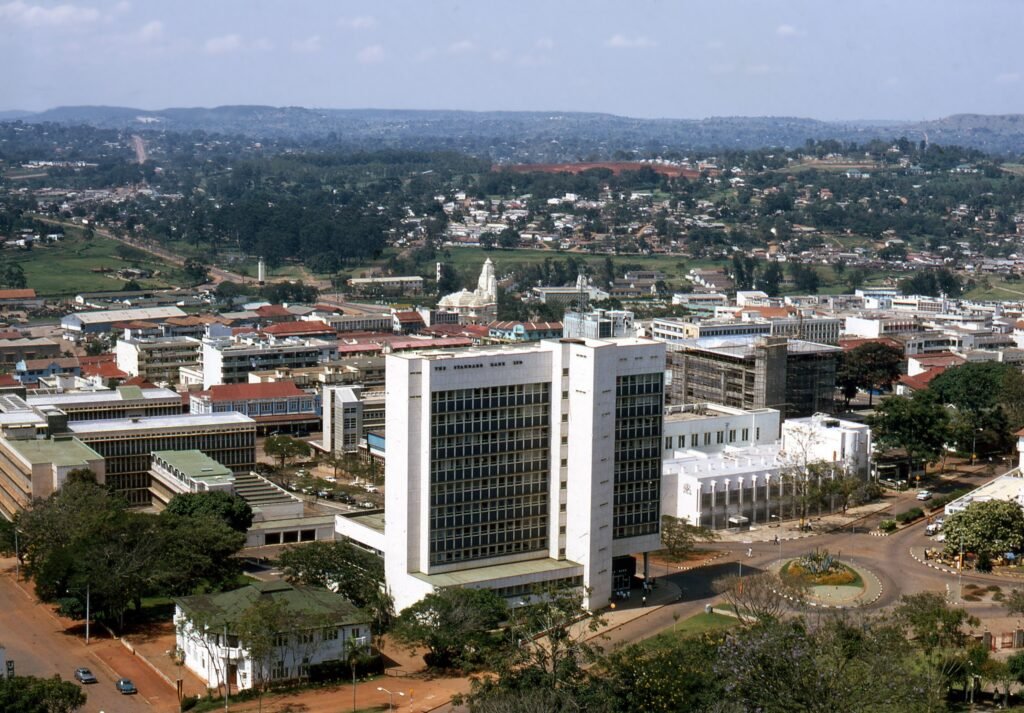
The city spreads across a series of hills, with busy streets, cafés, markets and neighborhoods climbing the slopes.
It’s a gentle introduction to Rwanda before you head into the wilderness.
For travelers joining a group departure, Kigali can also be the place where strangers become travel companions.
Someone arrives from Europe.
Someone else comes from North America.
Another traveler has been dreaming about seeing gorillas for years.
By the time the vehicle leaves the city, you’re already sharing stories.
That human side of group travel is easy to underestimate.
The wildlife may be the reason you book the safari.
The people you meet may be what you remember.
5. Rwanda and Uganda: The Cross-Border Adventure
This is where a Rwanda safari can become something much bigger.
Start in Kigali.
Head toward the border.
Continue into southwestern Uganda.
Depending on your itinerary, crossings such as Gatuna/Katuna or Cyanika can connect Rwanda with Uganda before you continue toward destinations such as Bwindi, Kibale or Lake Bunyonyi.
If you like the idea of traveling this way but don’t want to organize all the logistics yourself, take a look at our Uganda group tours. The trips are designed around the same basic idea: come solo, travel together and experience Uganda as part of a small group.
Can I combine Rwanda and Uganda for a group safari?
Yes, combining Rwanda and Uganda is possible and offers a varied itinerary with opportunities to see gorillas, chimpanzees, and diverse wildlife. Ensure border logistics, such as permits and transportation, are arranged with your tour operator.
You can also explore our Uganda safari itineraries for groups if you’re trying to work out how many days to add after Rwanda. The current itineraries cover different combinations of wildlife, gorillas, chimpanzees and community experiences.
The advantage of a cross-border itinerary is variety.
The challenge is logistics.
There are border procedures, permits, vehicles, accommodation and park regulations to coordinate.
That’s why an operator familiar with both countries can be valuable.
A Confirmed November 2026 Group Journey Starting in Kigali
There is already a useful example for travelers looking at November 2026.
Amatsiko currently publishes a 9-day Travel With Purpose journey from 8–16 November 2026. The trip begins with arrival in Kigali and continues into southwestern Uganda, combining community experiences, Lake Bunyonyi, Lake Mburo and optional gorilla trekking.
The current published price is US$1,940 for single occupancy or US$1,730 per person sharing.
The itinerary includes accommodation, ground transport, meals, park entrance fees, community and cultural experiences, a Lake Bunyonyi boat experience and Lake Mburo activities. The Uganda gorilla trekking permit is optional and listed separately at US$800. International flights, visas and travel insurance are also excluded.
That distinction is important when comparing safari prices.
Always ask:
What exactly is included?
A lower headline price isn’t necessarily cheaper once you add permits, transfers, park fees and accommodation.
6. What Is It Like to Join a Group as a Solo Traveler?
This might be the most unexpected part.
You arrive alone.
Then you meet the other travelers.
Someone shares binoculars.
Someone saves you a seat.
Someone points out a monkey.
Someone makes a joke during a long drive.
By the third day, you’re sharing snacks in the safari vehicle.
By the fifth, you’re comparing photographs over dinner.
And after the gorilla trek, nobody needs to explain why the experience affected them.
You were all there.
That is the beauty of small-group travel.
You don’t have to convince five friends to take the same holiday dates. You don’t have to coordinate everyone’s budget. You don’t have to arrange your own safari vehicle.
You simply join.
Our Uganda group tours page explains this philosophy in more detail, including the idea of coming solo and traveling together with other like-minded travelers.
And if you’re still wondering how scheduled departures work, our Uganda safari itineraries for groups offers another useful starting point.
You arrive as a stranger.
You may leave with friends.
7. How to Book Rwanda Group Safari Departures November 2026
Start by deciding what you actually want from the journey.
For gorillas only, focus on Kigali + Volcanoes National Park.
For gorillas and classic safari, add Akagera.
For a deeper primate journey, include Nyungwe.
And if you have 10–15 days available, consider combining Rwanda and Uganda.
Then ask your operator:
What exact November 2026 departure dates are confirmed?
How many travelers are currently booked?
What is the maximum group size?
Is the gorilla permit included?
What accommodation is included?
Is there a single-room supplement?
Are park fees included?
Are airport transfers included?
How will the Rwanda–Uganda border crossing be handled?
What are the cancellation terms?
For 2027, contact the tour operator for scheduled trips.
That’s particularly important with gorilla trekking because permit availability needs to be confirmed before you assume a place is secured.
What Does a Rwanda Group Safari Cost?
There isn’t one standard price.
The final cost depends on the number of days, accommodation level, group size, permits, transport and activities.
The biggest single cost for many gorilla itineraries is the permit.
For international visitors, Rwanda’s current published gorilla tracking price is US$1,500 per person per day.
For comparison, the current Amatsiko November 2026 Uganda group itinerary lists the Uganda gorilla permit separately at US$800.
But don’t compare safari prices using the headline number alone.
Ask for a written list of inclusions.
Does it include accommodation?
Meals?
Park fees?
Airport transfers?
Gorilla permits?
Chimpanzee permits?
Border assistance?
Drinking water?
Driver-guide?
Those details can make a substantial difference to the final cost.
Travel Kindly: Make Your Safari Matter
Responsible travel doesn’t have to feel like a list of rules.
It can be wonderfully simple.
Buy crafts directly from local makers.
Eat at locally owned restaurants.
Stay at locally owned accommodation where possible.
Ask before photographing people.
Follow your ranger’s instructions around wildlife.
Carry a reusable water bottle.
And when you visit a school, cooperative or community project, remember that you’re visiting a real place where people live and work.
That same philosophy is at the heart of community-based tourism in Uganda, where local guides, farmers, artisans, women-led initiatives and community projects become part of the travel experience rather than something happening in the background.
Akagera offers another powerful example.
African Parks reports that tourism income contributes to community development around the park, including schools, healthcare, cooperatives and infrastructure. In 2025/2026, the park’s 10% Tourism Revenue Sharing contribution supported 26 community projects.
That’s the kind of connection worth looking for when choosing a safari.
Your holiday should create memories for you while creating value for the places you visit.
Practical Information for Your Rwanda Safari
Best time to go: Rwanda is a year-round destination. November falls within the wetter green season, so expect lush scenery and prepare for rain.
Starting point: Kigali International Airport is the main international gateway.
Recommended duration: Allow around 3–4 days for a focused gorilla experience, 6–8 days for gorillas plus Akagera, or 8–12 days for a broader Rwanda itinerary including Nyungwe.
Gorilla permit: US$1,500 per person per day for international visitors at the current published rate.
Cross-border trips: Rwanda can be combined with Uganda, particularly for Bwindi and Kibale.
What to pack: waterproof hiking boots, rain jacket, gaiters, gloves, dry bag, reusable water bottle and quick-drying clothing.
For current Uganda group departures: see the latest Uganda group tours and check the exact departure dates and availability before booking.
Frequently Asked Questions
What are Rwanda group safari departures November 2026?
They are scheduled small-group safari trips that allow solo travelers and other guests to travel together through Rwanda, often combining destinations such as Volcanoes, Akagera and Nyungwe. Rwanda can also be combined with Uganda for a longer East African itinerary.
Is November a good time for a Rwanda safari?
November is part of Rwanda’s green season. Expect lush scenery and a greater chance of rain, particularly around mountain and forest destinations. Proper waterproof hiking gear is important for trekking.
How much is a Rwanda gorilla permit?
The current international visitor price is US$1,500 per person per day. Rwanda’s tourism board recommends booking in advance through Irembo or licensed operators.
Can I join a Rwanda safari if I am traveling alone?
Yes. Scheduled small-group departures allow solo travelers to join an organized itinerary without having to create their own private group. For the Uganda side of a Rwanda–Uganda journey, Amatsiko’s Uganda group tours are specifically built around this model.
Can I combine Rwanda and Uganda?
Yes. Kigali can be combined with southwestern Uganda, including Bwindi and other wildlife destinations. Border logistics and permits should be confirmed with your tour operator before departure.
Are November 2027 departures confirmed?
Future departure calendars can change. For 2027, contact the operator directly for the latest scheduled dates, group size and permit availability rather than assuming an old published date is guaranteed.
Plan Your Rwanda Adventure
Rwanda is small enough to explore without spending your entire holiday inside a vehicle, but diverse enough to make every few days feel completely different.
One morning you’re standing beneath volcanoes.
The next you’re watching elephants cross a savannah.
A few days later you’re deep inside an ancient rainforest listening for chimpanzees.
And if you cross into Uganda, the story continues.
That’s why Rwanda group safari departures November 2026 are worth considering if you want a shared adventure without losing that feeling of discovery.
Come prepared for rain.
Bring good boots.
Leave some space on your camera.
And, most importantly, leave some space in your itinerary for the unexpected.
Because sometimes the best moment isn’t the photograph you’ve been waiting for.
It’s the mist lifting from a volcano.
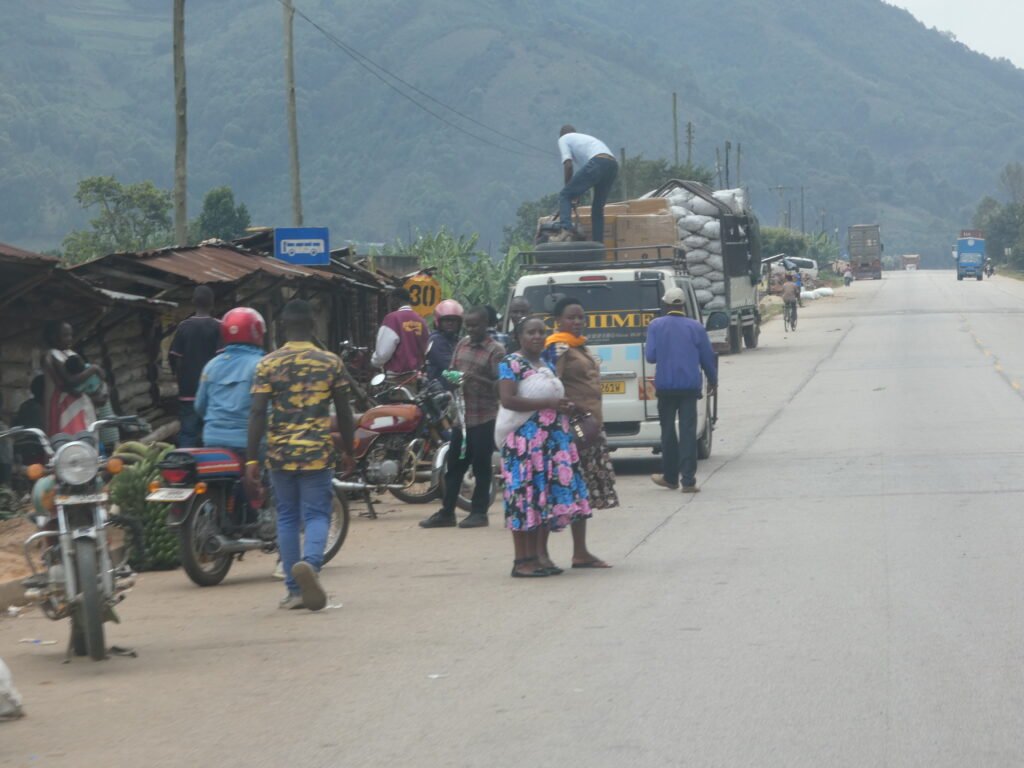
A child waving beside the road.
A sudden elephant crossing.
Or the quiet conversation with your fellow travelers after everyone returns from the forest.
Travel slowly.
Spend locally.
Listen to your guides.
And let Rwanda surprise you.
Ready to start planning?
Explore the latest Uganda group tours if you’d like to extend your Rwanda journey into Uganda, or contact Amatsiko Tours to ask about current group departures and cross-border options.
For travelers considering the published November 2026 journey, the current 8–16 November 2026 Travel With Purpose group safari is the most relevant scheduled departure to ask about.
Alex Atuheire
 Powered by TypeHero