
A Taste of Uganda: The Dishes, Stories & Traditions Behind Every Plate
More Than Just Food
Let me take you into a Ugandan kitchen, where the day can begin with the sound of a mortar and pestle, the earthy smell of food steaming inside banana leaves, and a pot gently bubbling over the fire. Outside, green banana plants sway in the morning air. Inside, hands that have learned these recipes through years of practice turn simple ingredients; matooke, groundnuts, beans, millet, cassava and maize into food that can feed a family, welcome a guest, or mark a celebration.
Table of Contents
That is what makes Ugandan food so fascinating. The recipes may look simple on paper, but behind each plate is a story about the land, the seasons and the people who live there. Cooking traditions differ from one region and community to another, shaped by what grows locally and by knowledge passed from one generation to the next. A dish of matooke, a bowl of groundnut sauce or a freshly made rolex is not simply something to eat; it is a small window into everyday life in Uganda.
And the best way to understand that food is not only to taste it, but to meet the people who make it. When you shop for ingredients at a local market, cook alongside a Ugandan family or eat a meal prepared with produce grown nearby, the experience becomes much richer. Traveling this way also gives something back: choosing local guides, family-run experiences, farmers and small food businesses helps keep more of the value of your journey within the communities you visit.
So, come hungry. In this guide, we’ll explore the traditional Ugandan dishes worth trying, the stories and traditions behind them, how to prepare some of them at home, and how you can experience Uganda’s food culture more meaningfully when you visit.
At a Glance
Matooke & bananas: Discover why green cooking bananas are at the heart of food culture in central and western Uganda.
Groundnuts & beans: Taste the rich, comforting plant-based staples that appear on everyday tables across the country.
Traditional cooking: Learn how banana leaves, charcoal fires, wooden mingling sticks and hand-ground ingredients shape Ugandan flavors.
Street-food favorites: Try a freshly rolled rolex, one of Uganda’s most recognizable—and delicious—street foods.
Classic dishes: From posho and katogo to luwombo and groundnut sauce, explore the foods you’ll encounter in homes, markets and local eateries.
Eat with the community: Discover how choosing local food experiences, guides and producers can turn a meal into a more meaningful way of supporting the places you visit.
Posho takes about four minutes to get wrong and a lifetime to get right. That’s what you’ll hear from women in Kabale who’ve been cooking traditional Ugandan food recipes since they could hold a wooden mingling stick. Ugandan cuisine runs on simplicity, seasonal ingredients, and techniques passed between generations without a single written recipe card. The food is filling, direct, and built around what grows within walking distance of the kitchen. Bananas, groundnuts, millet, cassava, beans. Nothing imported, nothing fussy.
This guide covers the traditional Ugandan dishes you’ll actually encounter (and can cook yourself), the history behind them, and the ingredients that make recipes from Uganda distinct from anything else in East Africa.
Ugandan Food History and Why These Dishes Exist
To understand Ugandan food, start with the land. For generations, families have cooked with what grows around them: bananas, millet, sorghum, cassava, sweet potatoes, beans, groundnuts and other crops suited to their particular region. Uganda’s food culture is therefore wonderfully diverse. What you find on a plate in Buganda may be quite different from what is served in the north, southwest or eastern parts of the country.
In Buganda, in central Uganda, the green cooking banana known as matooke became one of the defining foods of the region. In the southwest, communities such as the Bakiga have traditionally relied heavily on crops including beans, sorghum, millet, potatoes and other foods suited to the highlands. Further north, millet and other grains have long played an important role in everyday cooking. Across the country, food traditions have grown from a close relationship between people, farming and the seasons. Uganda’s 2024 census recognises 69 ethnic groups, each contributing to the country’s rich cultural mosaic.
But ingredients are only half the story. The way Ugandans cook matters just as much. Banana leaves are used to wrap and steam food, pots are placed over charcoal or firewood, and ingredients such as groundnuts can be pounded by hand until they become the rich paste used in sauces. These methods are practical, but they also create flavors and textures that are closely tied to the experience of cooking at home. There is something special about lifting the lid from a steaming pot of food wrapped in banana leaves and releasing that warm, earthy aroma into the kitchen.
Ugandan cuisine has also absorbed influences from outside the country. Chapati is a good example. It became part of Ugandan food culture through the South Asian communities that developed in East Africa, particularly during the colonial period and the construction of the Uganda Railway. Today, however, chapati has become thoroughly woven into everyday Ugandan life. At a roadside stall in Kampala, a freshly cooked chapati can be rolled around eggs and vegetables to make a rolex—a distinctly Ugandan street-food creation.
That is one of the things I love about Ugandan cuisine: it isn’t frozen in the past. Traditional foods continue to evolve while remaining connected to the ingredients, techniques and communities that gave them their character. A meal can tell you something about the soil where a crop was grown, the hands that prepared it, the history of a community and even the cultural exchanges that shaped modern Uganda.
And when you sit down to eat that meal in someone’s home, at a local restaurant or beside a market after watching the ingredients being prepared, the history suddenly feels much less like history. It is right there in front of you—steaming, fragrant and ready to share.
How to Make Posho Ugandan Style
Posho is one of those foods that looks almost too simple to deserve a recipe. Maize flour, water and a good arm for stirring—that’s essentially it. But spend a little time watching someone make it and you quickly realise that the magic is in the technique. The flour has to be added gradually, the mixture needs constant attention, and the cook keeps turning it until the smooth, firm texture is just right.
In Uganda, posho is an everyday staple, especially when served alongside beans, groundnut sauce, greens or other stews. It is mild by design, allowing the flavours of the food around it to shine. And because it is made from maize flour, it is also wonderfully practical: inexpensive, filling and easy to prepare with ingredients that are widely available.
A Simple Ugandan-Style Posho Recipe
Ingredients
4 cups water
About 2 cups white maize flour, added gradually
A pinch of salt, if desired
Method
Bring the water to a boil in a heavy-bottomed saucepan or cooking pot.
Reduce the heat slightly and begin adding the maize flour a little at a time, stirring continuously with a strong wooden spoon or mingling stick.
Keep stirring and turning the mixture as more flour is incorporated. Don’t rush this stage—the goal is a smooth mixture without dry lumps.
Continue cooking over low to medium heat, turning the posho repeatedly until it becomes thick, smooth and firm enough to hold its shape.
If it becomes too stiff, add a small amount of hot water and continue turning. If it is too soft, gradually work in a little more maize flour.
Once it has reached the consistency you like, shape it into portions and serve immediately with your chosen stew or sauce.
The finished posho should be firm enough to hold together but soft enough to break apart easily with your fingers. Traditionally, you can tear off a small piece, shape it with your fingers and use it to scoop up beans, groundnut sauce, vegetables or stew. Eating this way is part of the experience—but as always when eating with others, follow the host’s lead and local table etiquette.
The Secret Is in the Stirring
I’d say the biggest mistake beginners make when cooking posho is treating it like instant porridge. It isn’t. Once the flour starts thickening, you need to keep working it. A sturdy wooden spoon makes a big difference, and after several minutes your arm will understand something your recipe book can’t really explain.
That physical connection is part of what makes traditional cooking interesting. You are not simply combining ingredients; you are repeating a technique that has been used in Ugandan kitchens for generations. And when you eat the finished posho with a sauce made from locally grown groundnuts or beans, the simplicity suddenly makes sense. Nothing is trying to overpower anything else. The maize provides the foundation, while the accompanying dish brings the colour, aroma and flavour.
If you’re cooking outside Uganda, don’t worry if your first attempt isn’t perfect. Maize flours vary, and the amount of water you need can change with the flour and the consistency you prefer. Think of the measurements as a starting point rather than a strict rule. The best lesson comes from watching an experienced cook—and, if you have the opportunity while travelling in Uganda, getting your hands on the mingling stick and trying it yourself.
Popular Ugandan Recipes You’ll Find Everywhere
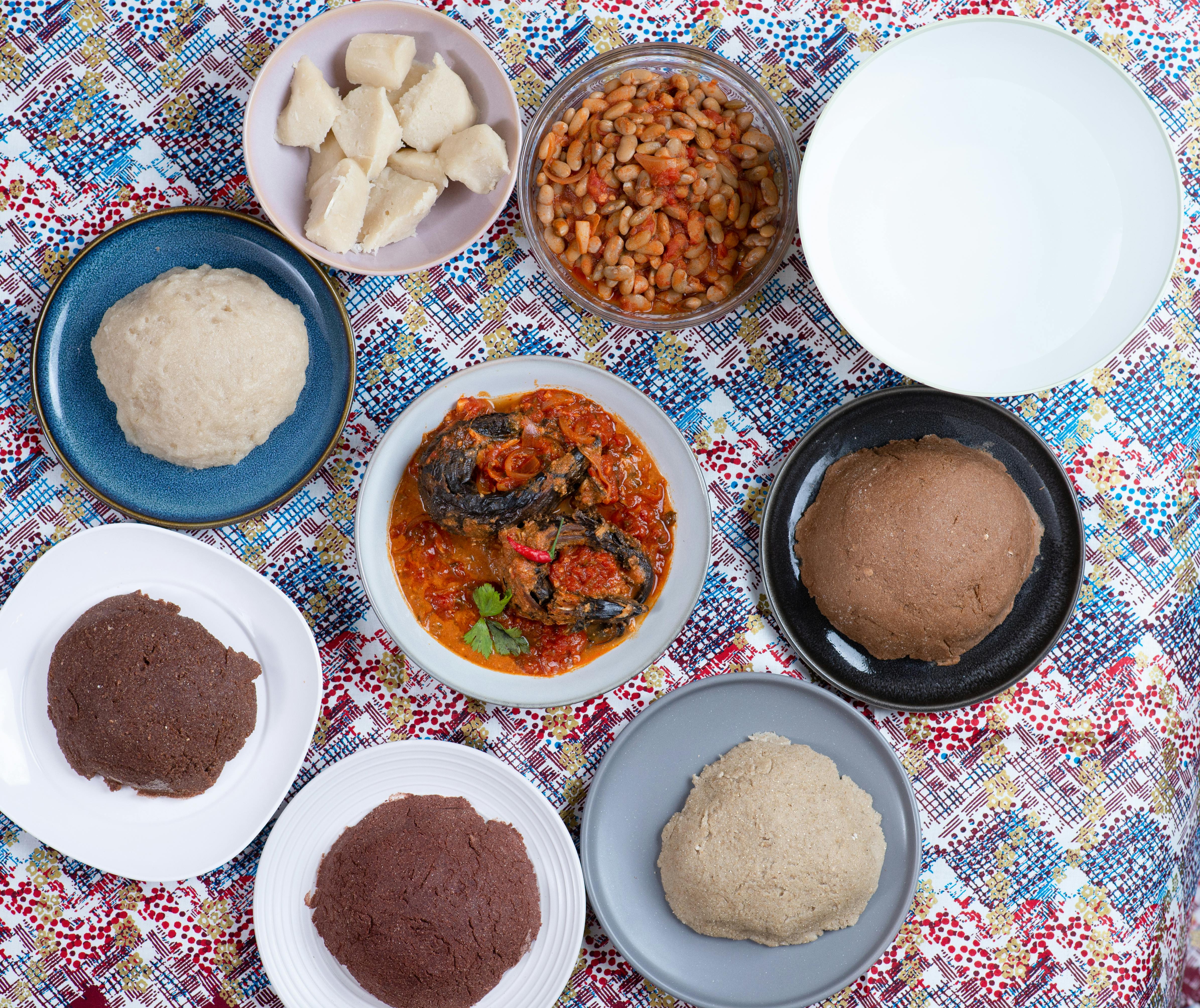
If you want to understand Uganda through food, start with the dishes that keep appearing on family tables, in local restaurants and at roadside stalls. Some are deeply rooted in particular regions and communities; others have travelled across the country and become part of everyday Ugandan life.
The wonderful thing is that there is no single Ugandan plate. Depending on where you are, the landscape outside the window and the ingredients in the local market can change the meal completely. But these four dishes are a delicious place to begin.
Matooke: The Comfort of the Banana
Walk through parts of central or western Uganda and you will soon notice banana plants everywhere, their enormous green leaves catching the light between farms and homesteads. From these plants comes matooke, made from green cooking bananas and one of the foods most strongly associated with Ugandan cuisine.
Traditionally, the peeled bananas can be wrapped in banana leaves and steamed until tender before being mashed into a soft, substantial mound. Open the leaves and you’ll get that warm, earthy aroma before you even taste the food. Matooke itself is relatively mild, which is exactly why it works so beautifully with a rich sauce or stew—groundnut sauce, beans, beef, chicken or other accompaniments can bring the deeper flavours.
If you’re visiting Uganda, don’t rush this dish. Matooke is not meant to be a dramatic burst of spice. It is comfort food: soft, filling and deeply connected to the crops grown around the communities that eat it.
Luwombo: A Dish Wrapped in Tradition
Then there is luwombo, one of the dishes that makes the connection between food and ceremony particularly clear. Chicken, beef, fish or groundnuts can be prepared with a sauce and wrapped in banana leaves before being gently steamed. The leaves help retain moisture while adding their own subtle aroma to the food.
Luwombo is especially associated with Buganda, and it has traditionally been served on important occasions and at celebrations. It is the kind of meal that rewards patience. Rather than throwing everything into a pot and turning up the heat, the ingredients are enclosed, allowed to cook slowly, and opened only when they are ready.
There is something wonderfully theatrical about eating it. The parcel arrives closed, still carrying the fragrance of the banana leaf. When it is opened, steam escapes and the sauce reveals itself underneath. If you have the chance to eat luwombo in a local home or community-led food experience, take your time and ask about the way it was prepared. The story behind the dish can be just as memorable as the meal itself.
Rolex: Uganda’s Street-Food Classic
And then, completely different in mood, comes the rolex.
Forget the watch. In Uganda, a rolex is a freshly cooked chapati wrapped around an omelette, often with tomato, onion and cabbage or other vegetables. It is fast, inexpensive and wonderfully satisfying—and watching one being made at a roadside stall is part of the fun.
The cook works quickly: eggs hit the hot pan, vegetables are added, the chapati is warmed, and everything is rolled together while it is still steaming. The name is generally understood as a playful shortening of “rolled eggs.” Today, the rolex has become one of Uganda’s best-known street foods, particularly associated with urban food culture.
My favourite way to experience one is simple: find a busy local stall, watch how the vendor prepares it, and eat it fresh rather than waiting until later. If you are buying from a small independent vendor, you’re also putting your money directly into a local livelihood. Just remember to carry a reusable bottle and, where possible, avoid unnecessary single-use packaging.
Katogo: The Breakfast That Means Business
If the rolex is the quick street meal, katogo is the breakfast that tells you the day is about to begin.
Katogo is a hearty mixed dish in which ingredients such as green bananas, cassava, sweet potatoes or other staples can be cooked together with beans, groundnuts, meat or other accompaniments, depending on the region and the household. There isn’t one single katogo recipe, and that’s part of its charm.
A bowl of steaming katogo is substantial, comforting and practical. It is the kind of food that makes sense before a long day of work: warm, filling and made from ingredients that are readily available. You’ll find different versions around Uganda, so if someone offers you katogo while travelling, ask what went into their version. You may discover that the recipe tells you as much about the household and region as the dish itself.
Four Dishes, Four Ways Into Uganda
These dishes show why Ugandan cuisine is so much more interesting than a simple list of recipes suggests. Matooke connects food to the banana-growing landscapes of central and western Uganda. Luwombo brings together cooking technique, ceremony and Buganda’s cultural heritage. Rolex represents the energy of modern street-food culture. And katogo shows how everyday cooking adapts to whatever ingredients are available.
The best part is that you don’t have to choose between tradition and everyday life. Eat at a local restaurant, stop at a roadside stall, visit a market, or—if the opportunity arises—cook with a Ugandan family. Each setting reveals another side of the country’s food culture.
Dish | Region | Main Ingredient | Cooking Time | Meal |
|---|---|---|---|---|
Posho | Nationwide | Maize flour | 10–15 min | Lunch/dinner |
Matooke | Central/Western | Green banana | 30–45 min | Lunch/dinner |
Luwombo | Buganda | Chicken/beef/groundnuts | 2–3 hours | Special occasions |
Rolex | Urban nationwide | Chapati, eggs | 5 min | Snack/street food |
Katogo | Central | Green banana, beans | 30 min | Breakfast |
Ugandan Vegetarian Recipes and Plant-Based Staples
Some of the most satisfying food you can eat in Uganda does not need meat at all. Across the country, cooks turn humble ingredients such as groundnuts, beans, sweet potatoes, cassava, bananas and leafy greens into filling meals with plenty of character. These foods are closely tied to farming and everyday life, making them a wonderful way for visitors to understand what grows locally and what families have traditionally cooked at home.
One of the pleasures of eating this way is discovering how much flavour can come from simple ingredients. A handful of groundnuts can become a creamy sauce. Beans can simmer slowly with onions and tomatoes until the cooking liquid becomes rich and savoury. Sweet potatoes can be steamed until soft and naturally sweet, while cassava can be boiled or cooked over a fire. Nothing needs to be complicated. The ingredients are allowed to taste like themselves.
Groundnut Sauce: Uganda’s Rich, Nutty Comfort Food
Groundnut sauce, often known as ebinyebwa, is one of the dishes I would encourage anyone visiting Uganda to seek out. Groundnuts are roasted or prepared and then ground into a paste before being cooked into a thick, creamy sauce. Depending on the recipe and region, ingredients such as onions, tomatoes and other seasonings may be added.
The result is wonderfully comforting: nutty, savoury and rich without needing meat. Spoon it over matooke, posho, sweet potatoes or another local staple and you have a meal that feels both simple and deeply satisfying. If you get the chance to see groundnuts being prepared by hand, watch the process closely. There is something beautiful about seeing an ingredient move from a handful of roasted nuts to a smooth sauce ready for the table.
Beans: The Everyday Staple
Beans are another essential part of Ugandan cooking. They are affordable, filling and easy to combine with other staples, which makes them a natural part of everyday meals. Different varieties are used, and recipes can vary from one household or region to another.
A simple plate of beans with posho, rice, matooke or vegetables may not look elaborate, but take your first bite and you’ll understand why these combinations have lasted. The soft beans, savoury sauce and starch work together perfectly. For travellers, choosing a meal built around locally grown beans and other plant-based ingredients can also be a delicious way to support local food systems without needing to seek out imported foods.
Sweet Potatoes and Cassava: Simple, Local and Delicious
Then there are the foods that are easy to overlook because they seem so ordinary. Sweet potatoes and cassava are often enjoyed boiled or steamed and can appear as snacks, breakfast foods or accompaniments to a larger meal. You may see them being sold by vendors in markets or along roads, sometimes piled high in baskets or basins.
Try a freshly cooked sweet potato while it is still warm. Break it open and you’ll find a soft, fragrant centre with a gentle natural sweetness. Cassava is different—firmer and more starchy—but equally satisfying. These are foods that remind you that you don’t always need an elaborate recipe to experience the character of a place. Sometimes the best introduction is simply tasting something that local people have been growing and eating for generations.
Greens: A Fresh Taste of the Garden
Leafy vegetables also bring colour and freshness to Ugandan meals. Depending on the location and household, you may encounter greens such as nakati or dodo, prepared simply and served alongside staples and sauces.
I particularly like the contrast they bring to a plate: soft greens beside firm posho, creamy groundnut sauce beside a starchy banana, or beans alongside vegetables fresh from the garden. When you eat these foods close to where they are grown, the connection between the landscape and the meal becomes much easier to appreciate.
And that is perhaps the most rewarding thing about exploring plant-based Ugandan food. It isn’t about searching for a modern “vegetarian version” of something else. These ingredients already belong to the food culture. They are part of the everyday cooking, farming and family life that make Uganda such a fascinating place to eat.

Cooking Traditional Ugandan Food at Home
You don’t need a special kitchen to bring some Ugandan flavours to your home. A sturdy pot, a wooden spoon, a frying pan and a little patience are enough to get started. The ingredients can be the bigger challenge if you’re cooking outside East Africa, but maize flour, groundnuts or unsweetened peanut butter, beans, cassava and other staples are often available from African or international food shops.
The important thing is not to obsess over making everything exactly the way it tasted in Uganda. Food changes slightly from kitchen to kitchen, and that’s part of its charm. Instead, use the ingredients you can find, take your time and pay attention to the textures and aromas.
Start with Groundnut Sauce
If you’re new to Ugandan cooking, groundnut sauce is a great place to begin. Traditionally, groundnuts are prepared and ground into a paste, but unsweetened peanut butter can be a practical substitute when you’re cooking abroad.
Gently cook chopped onions and tomatoes, then stir in the groundnut paste and enough water to create a smooth sauce. Let it simmer until thick and creamy, adjusting the consistency with a little more water if necessary. Serve it with posho, matooke, rice or sweet potatoes.
It is one of those recipes where the kitchen begins to smell better long before the food reaches the table.
Try Your Hand at a Rolex
A rolex is another easy way to recreate a taste of Uganda at home. Start with a chapati, prepare a simple omelette with eggs and vegetables, then place the omelette on the chapati and roll everything together.
It won’t quite feel the same as standing beside a busy Kampala roadside stall while a vendor prepares one in seconds—but that’s okay. The fun is in trying it yourself. And once you’ve made one, you’ll understand why this simple combination became such a beloved part of Ugandan street-food culture.
Cook Beans Slowly
Beans are wonderfully forgiving, and they pair with almost every staple you’ll encounter in Ugandan cooking. If you’re starting with dried beans, soaking them beforehand can reduce the cooking time. Simmer them until tender, then build flavour with onions, tomatoes and the seasonings you prefer.
If you’re short on time, canned beans are perfectly practical. The important thing is the final dish, not proving that you spent hours in the kitchen.
Make Posho to Go With It
Once you’ve made your sauce or beans, try serving them with homemade posho. The ingredients are simple, but the stirring takes some effort, so this is a good opportunity to slow down and enjoy the process.
The beauty of a Ugandan meal is often in the combination rather than any single dish: a soft mound of posho, rich groundnut sauce, beans or greens, and perhaps matooke or another local staple alongside it. Take a little from each and you begin to understand how the meal is meant to work together.
Don’t Overcomplicate the Flavours
One of the easiest mistakes when recreating a traditional dish from another country is trying to add too much. Start with the core ingredients and let them speak for themselves. Onion, tomato, salt and the natural flavour of the main ingredient can take you a long way.
And don’t be afraid to adapt. If you can’t find a particular Ugandan ingredient where you live, use the closest reasonable substitute rather than abandoning the recipe altogether. The goal isn’t to create a museum piece on your dinner table. It’s to recreate a flavour, remember a place and perhaps spark a little curiosity about the people and traditions behind the food.
If your trip to Uganda introduced you to a dish you loved, try cooking it for friends when you get home. Better still, tell them the story of where you ate it, who prepared it and what you learned. That’s how food travels in the best possible way—not just as a recipe, but as a connection between people and places.
Tasting Ugandan Cuisine on the Ground
Reading recipes from Uganda is one thing. Eating them where they’re made is different. The smoke from the charcoal, the banana-leaf steam, the sound of a mortar and pestle at 6am. These are sensory details you can’t replicate in a Berlin or London kitchen.
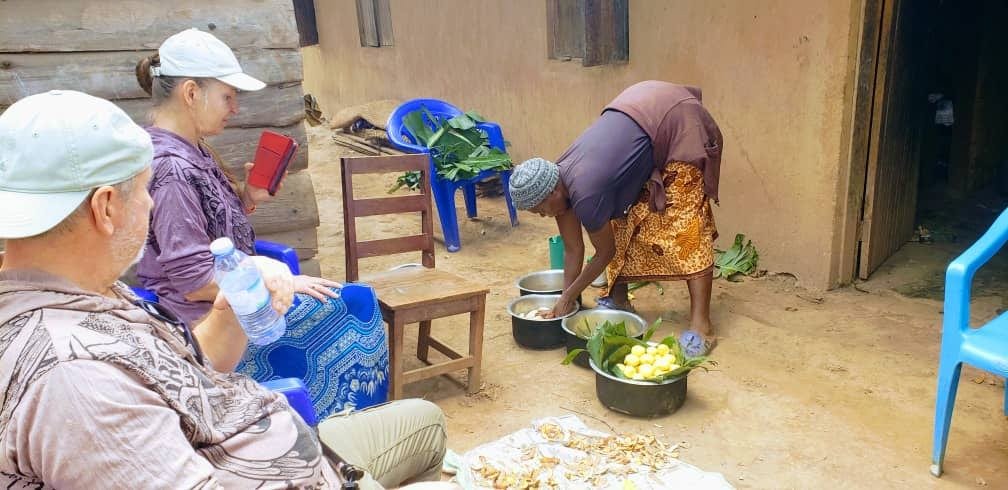
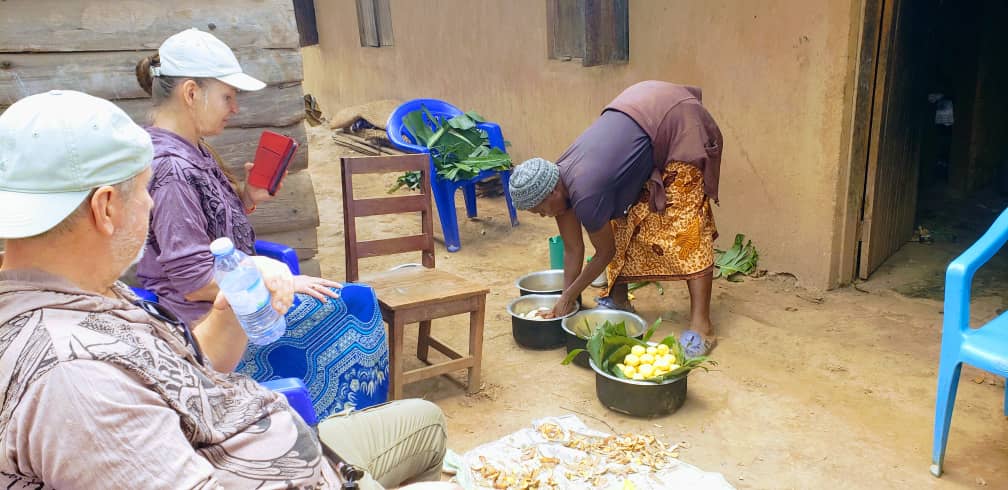
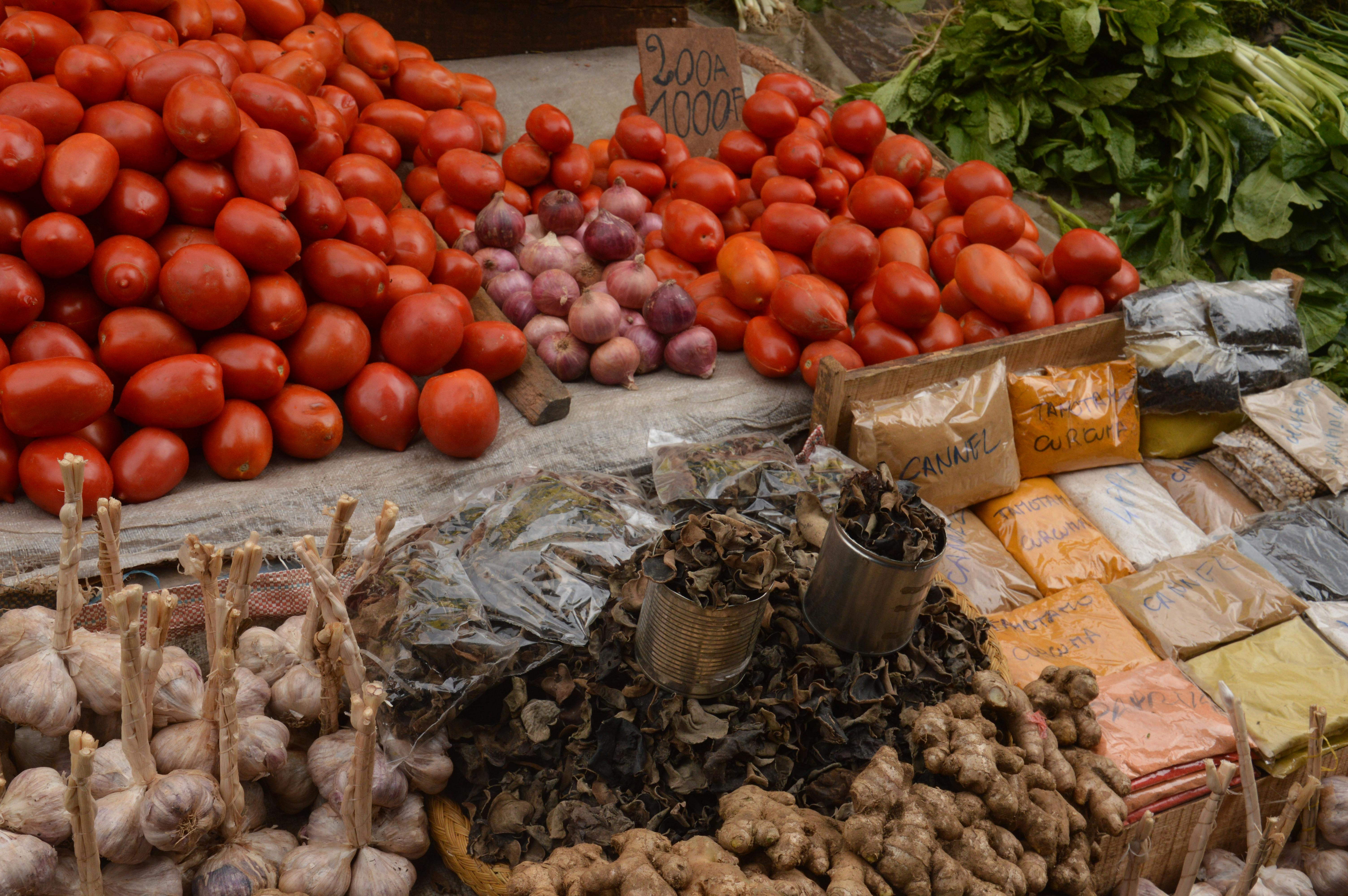
On Amatsiko Tours’ village experience itineraries, you cook alongside local families in Bakiga and Ankole communities. You shop for ingredients at regional markets with a guide who knows which vendor has the best groundnuts. You eat what you’ve made, sitting on a mat, tearing posho with your hands.
The 10-Day African Safari Uganda itinerary includes hands-on cooking sessions, women’s group visits, and farm-to-table meals by Lake Bunyonyi. The 6-Day Culinary Themed Regional Experience (from $1,994 USD) is built entirely around food: organic farm visits, beekeeping, school garden projects, and community feasts.
Twenty percent of every booking fee goes directly to Amatsiko School, which supports over 400 children in Kabale. When you eat with a family on one of these trips, the money you’ve paid stays in the community that fed you.

What Makes Ugandan Cuisine Worth Your Attention
Ugandan food doesn’t need to shout to get your attention. Its beauty is often in the details: the warmth of freshly steamed matooke, the nutty richness of groundnut sauce, the smoky aroma rising from a roadside cooking fire, or the satisfying simplicity of beans and posho shared around a family table.
What makes the cuisine so fascinating is the connection between the food and the people who prepare it. Ingredients tell stories about Uganda’s landscapes and farming traditions, while cooking methods carry knowledge passed from one generation to another. A meal can reveal something about a region, a community, a celebration or simply the rhythm of an ordinary day.
And this is why I believe food deserves a bigger place in the way we travel through Uganda. A safari might bring you close to wildlife. A mountain hike might show you extraordinary landscapes. But sitting down to share a meal can bring you close to people. You can ask questions, learn a new technique, discover an ingredient you’ve never tasted and understand a little more about everyday life.
The next time you sit down to a plate of Ugandan food, look beyond what’s on the plate. Think about the farmer who grew the bananas, the market seller who supplied the groundnuts, the cook who prepared the meal and the traditions that brought all those ingredients together.
That is the real flavour of Uganda: not just something to eat, but something to experience, share and remember.
If you are planning a trip, make room for food alongside the wildlife, landscapes and cultural experiences. Eat locally when you can, choose experiences that involve local people fairly, and arrive at the table with curiosity.
Because sometimes the smallest meal becomes one of the biggest memories of a journey.
Frequently Asked Questions About Ugandan Food
What is a typical Ugandan meal?
A typical Ugandan meal often combines a filling staple such as matooke, posho, rice, cassava or sweet potatoes with an accompaniment such as beans, groundnut sauce, vegetables, meat or fish. What appears on the plate varies considerably by region, household and season, which is part of what makes exploring Ugandan food so interesting.
What are the most popular traditional Ugandan foods?
Some of the best-known dishes include matooke, luwombo, posho, katogo and rolex. Matooke is made from green cooking bananas, luwombo is traditionally prepared by steaming food in banana leaves, posho is made from maize flour, katogo is a hearty mixed dish, and rolex combines chapati with eggs and vegetables.
What is Uganda’s famous street food?
The rolex is probably Uganda’s best-known street food. It is made by wrapping an omelette, often with vegetables such as tomato, onion or cabbage, inside a freshly cooked chapati. It is inexpensive, quick to prepare and particularly popular in towns and cities.
What are some easy Ugandan recipes for beginners?
Good recipes to start with include groundnut sauce, posho, beans and rolex. They use relatively simple ingredients and don’t require specialised equipment. If you’re cooking outside Uganda, you can also adapt recipes according to what is available locally while keeping the basic preparation and flavours.
Is Ugandan food vegetarian-friendly?
Yes. Uganda has many delicious plant-based dishes and staples, including beans, groundnut sauce, matooke, posho, sweet potatoes, cassava and leafy vegetables. However, recipes and cooking practices vary, so if you are vegetarian or vegan, it is best to ask how a particular dish has been prepared.
What should I try first when visiting Uganda?
If it’s your first time exploring Ugandan food, I’d start with matooke served with a rich sauce or stew, try a freshly prepared rolex from a reputable local vendor, and look for groundnut sauce with a traditional staple. Don’t stop at the famous dishes, though. Ask your guide, host or local restaurant what people in that particular area eat every day. You may discover something that never appears on a standard tourist menu.
How can travellers experience Ugandan food more authentically?
One of the best ways is to go beyond restaurants. Visit a local market, join a cooking experience, eat at locally owned establishments or share a meal with a host family where appropriate. Take time to ask about the ingredients and preparation, and support the people who grow, cook and serve the food. That turns a meal into a cultural experience while helping local businesses benefit from your visit.
Alex Atuheire

 Powered by TypeHero