uganda beyond the gorillas
Table of Contents
Frequently Asked Questions About Uganda Wildlife Safaris
What are the best national parks in Uganda for wildlife viewing?
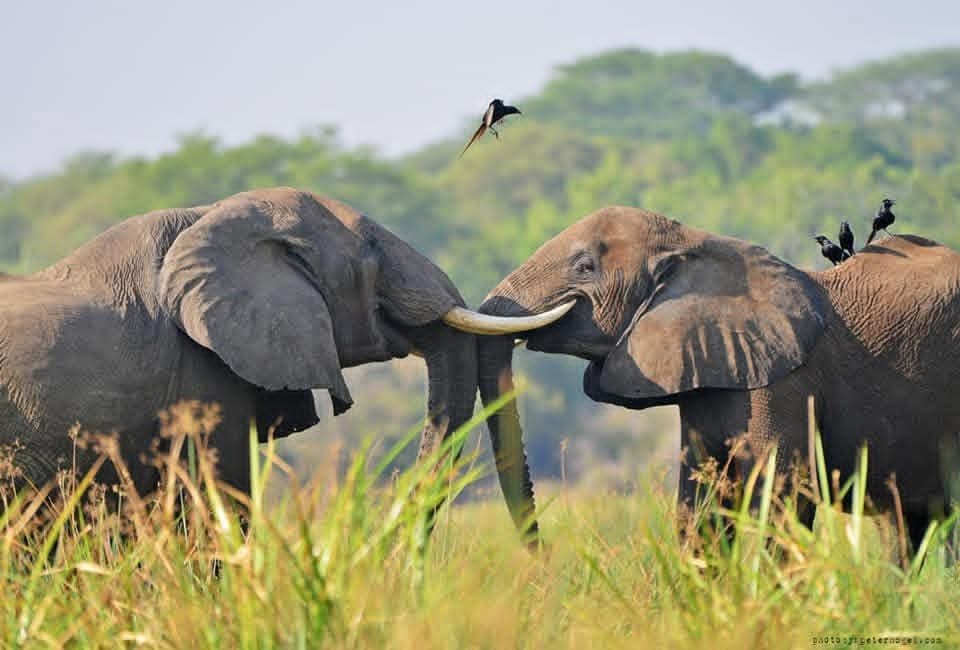
Uganda Beyond the Gorillas.Some of the best national parks in Uganda for wildlife viewing include Queen Elizabeth National Park, Murchison Falls National Park, Kidepo Valley National Park, and Lake Mburo National Park. Each offers a different safari experience, from tracking tree-climbing lions and watching hippos in Queen Elizabeth to spotting elephants, giraffes, buffaloes and other savanna wildlife in Murchison Falls.

For travelers looking for a quieter experience, Lake Mburo and Kidepo Valley can be excellent choices. Combining two or more parks is also a great way to experience Uganda’s diverse landscapes and wildlife rather than relying on a single destination.
Where are the best birdwatching spots in Uganda?
Uganda is one of Africa’s most rewarding destinations for birdwatching, with excellent opportunities in places such as Semuliki National Park, Kibale Forest, Queen Elizabeth National Park, Murchison Falls National Park, and Lake Mburo National Park.
Semuliki is particularly interesting for serious birdwatchers because its forests have strong Central African influences and support species that are difficult to find elsewhere in Uganda. Kibale is another excellent choice, combining rich forest birdlife with opportunities to see chimpanzees and other primates. A local birding guide can make the experience much more rewarding by helping visitors identify species by their calls and behavior.
What wildlife experiences in Uganda can I enjoy beyond gorilla trekking?
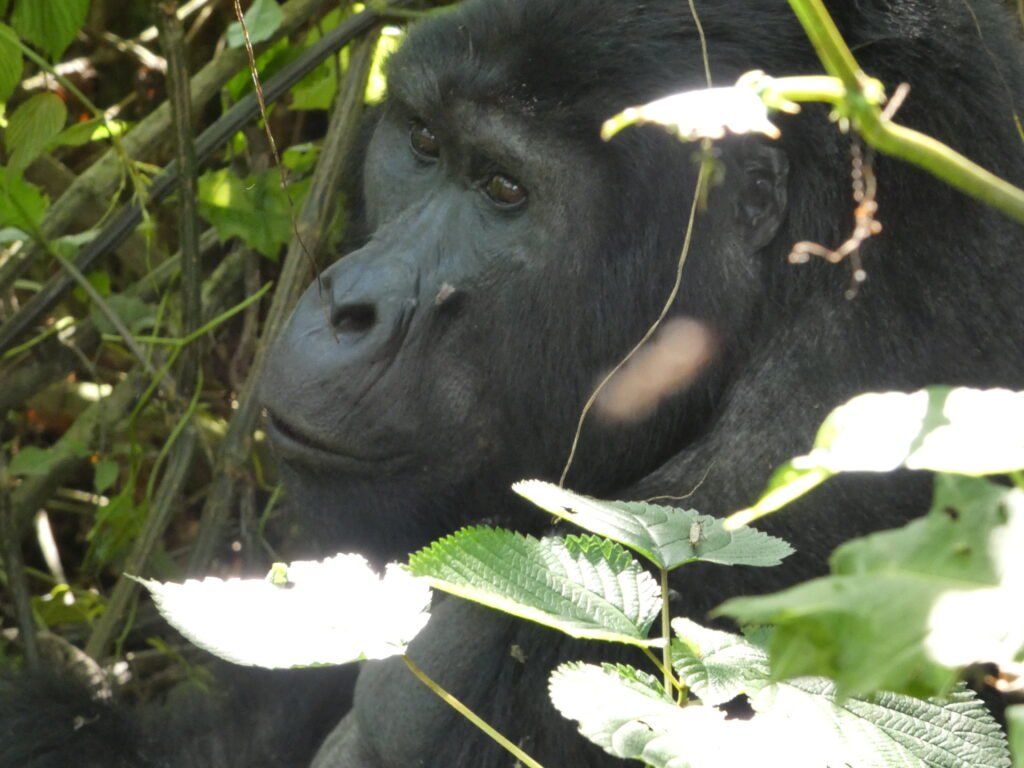
There is far more to Uganda wildlife than gorilla trekking. Chimpanzee trekking in Kibale Forest is one of the country’s most popular alternatives, while the Chimpanzee Habituation Experience offers visitors a longer opportunity to observe these fascinating primates.
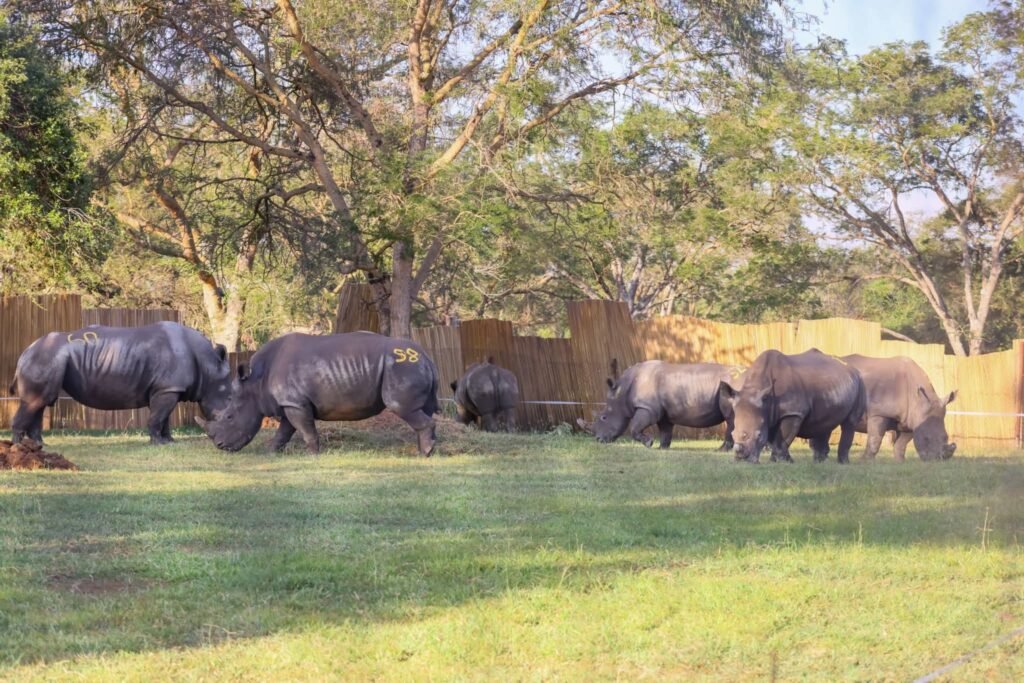
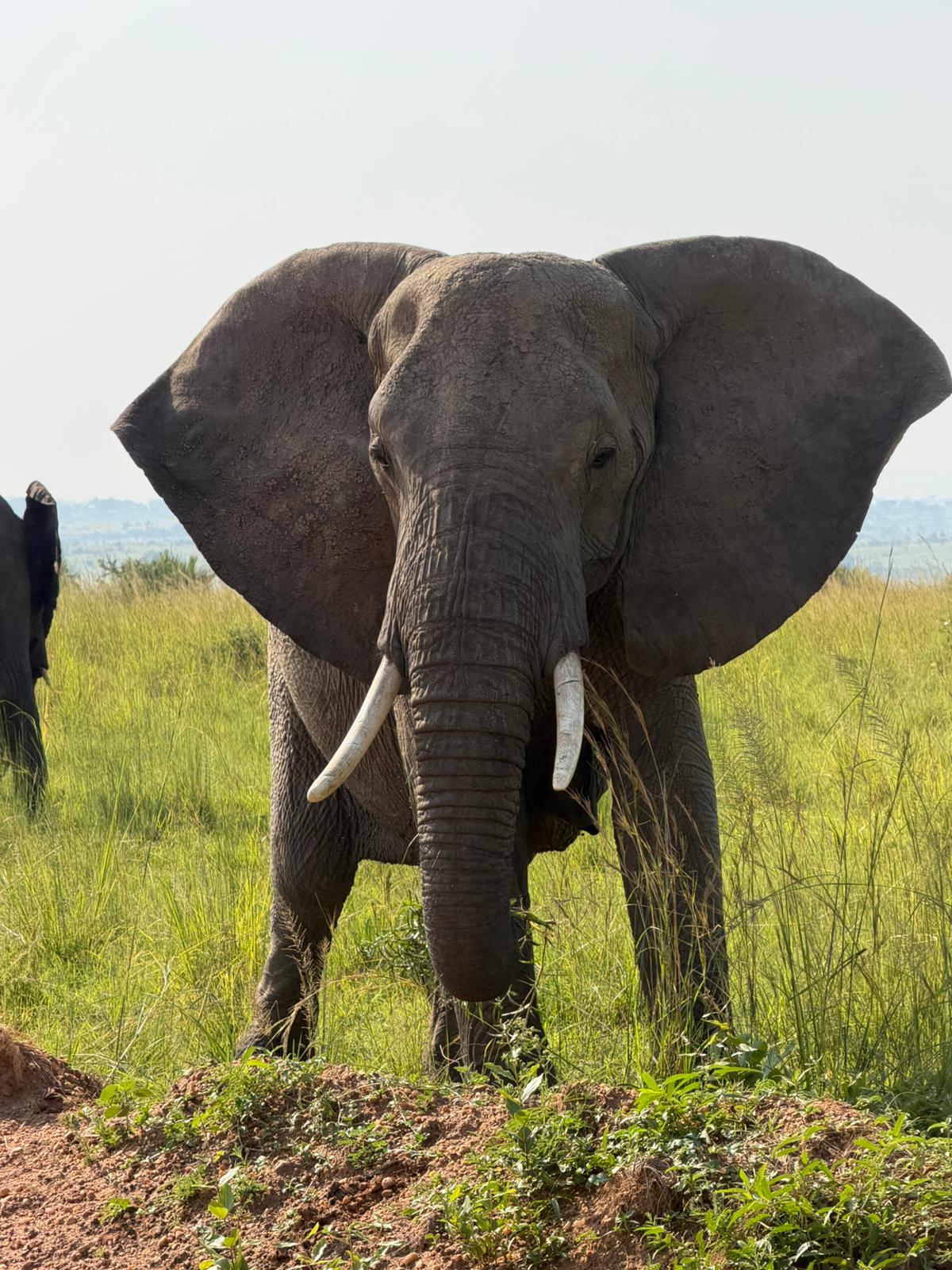
For a classic African safari, you can explore Murchison Falls, Queen Elizabeth, Kidepo Valley, or Lake Mburo by game drive, boat safari or guided nature walk. Depending on the destination, you may encounter elephants, lions, leopards, giraffes, buffaloes, hippos, crocodiles, antelopes and hundreds of bird species. These experiences allow you to discover a very different side of Uganda while also spreading tourism benefits across more destinations and local communities.
What are some hidden-gem destinations for a Uganda wildlife safari?
If you want to experience Uganda away from the busiest safari routes, consider destinations such as Semuliki National Park, Lake Mburo National Park, Kidepo Valley National Park, and Pian Upe Wildlife Reserve.
Semuliki is especially unusual, with lowland rainforest, hot springs and wildlife influenced by the forests of Central Africa. Lake Mburo is convenient to combine with a trip from Kampala and offers a more intimate safari setting, while Kidepo rewards travelers willing to venture farther north with spectacular landscapes and a remote wilderness atmosphere. Pian Upe offers another lesser-visited option for wildlife, birdwatching, nature walks and cultural experiences.
How can I combine cultural experiences with a Uganda wildlife safari?
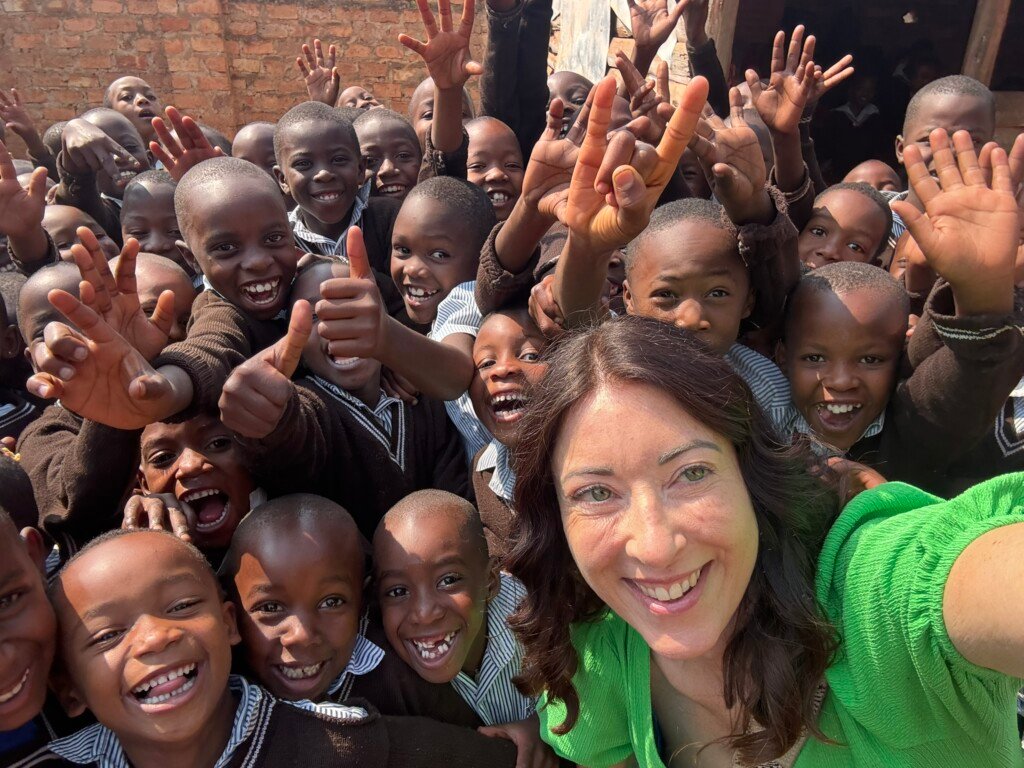
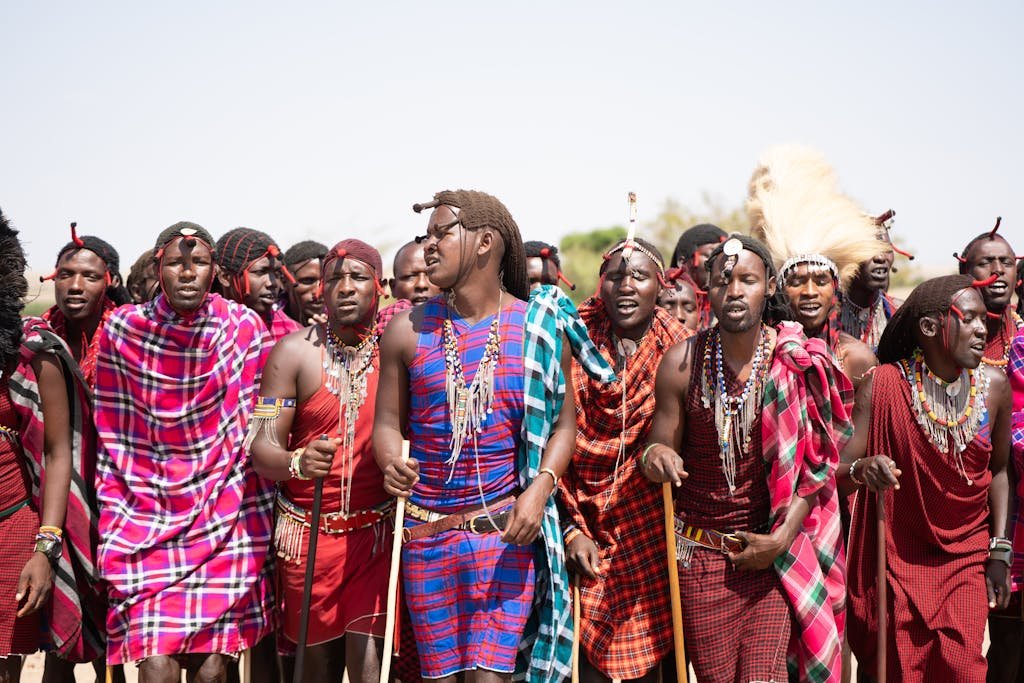
One of the most rewarding ways to experience Uganda is to combine wildlife with time spent learning about the communities and cultures surrounding the country’s protected areas. Depending on your itinerary, you can visit local communities, meet artisans, learn about traditional food and crafts, or take part in community-led cultural activities.
Choosing locally operated experiences and guides helps make your trip more meaningful while allowing tourism income to reach people living near wildlife areas. Approach cultural visits with curiosity and respect: ask before taking photographs, listen to your hosts, and remember that a community is a place where people live—not simply another tourist attraction. Done thoughtfully, combining culture and wildlife can turn a safari into a much deeper connection with Uganda.
What is the best time of year for a Uganda wildlife safari?
Uganda is a year-round wildlife destination, but the drier months are generally among the easiest times for safari and wildlife viewing. During these periods, animals are often easier to spot around water sources, and roads and trails can be more accessible. The wetter seasons can bring greener landscapes, fewer visitors and excellent conditions for birdwatching, so they can also be rewarding depending on your interests.
The best time ultimately depends on what you want to experience. If your priority is combining game drives with primate trekking or birdwatching, a local safari specialist can help you choose the timing and destinations that best match your interests.
Can I combine several national parks on one Uganda safari?
Yes. Combining several national parks is one of the best ways to experience the variety of Uganda wildlife. For example, an itinerary could combine Queen Elizabeth National Park for savanna wildlife and boat safaris, Kibale Forest for chimpanzee trekking, and Murchison Falls National Park for classic game drives and the spectacular Nile River.
For travelers with more time, adding Lake Mburo, Semuliki or Kidepo Valley can introduce completely different landscapes and wildlife experiences. A multi-park itinerary also allows you to spread your tourism spending across different local communities and businesses rather than concentrating your visit in just one destination.
Is Uganda a good destination for a first African safari?
Absolutely. Uganda can be an excellent choice for travelers looking for a combination of wildlife, primates, landscapes and cultural experiences in one trip. You can watch elephants and lions on a savanna game drive, cruise past hippos on the Nile, trek through rainforest in search of chimpanzees, and finish the day enjoying locally prepared food at a lodge or community-run experience.
Uganda is particularly appealing if you want something beyond the traditional big-game safari. By choosing locally owned accommodation, community guides and responsible wildlife experiences, you can enjoy a memorable journey while helping tourism create benefits for the people and places that make Uganda special.
Last Updated: September 4, 2026
 Powered by TypeHero