Jinja Uganda Travel Guide: Where the Nile Roars, Adventures Begin & Culture Comes Alive
At a Glance
Why go: Discover the Nile, adventure, Busoga culture and the relaxed character of Jinja.
Table of Contents
Top experiences: White-water rafting, the Source of the Nile, kayaking, tubing, local food and cultural experiences.
How long: Allow 2–3 days to experience Jinja properly.
From Kampala: Jinja is easily reached by road, making it an easy addition to a Uganda itinerary.
Best for: Adventure lovers, couples, families, solo travelers and anyone looking for a different side of Uganda.
Let me take you to a part of Uganda where the sound of rushing water becomes the soundtrack to your journey.
Jinja sits beside the northern shores of Lake Victoria, where the Nile emerges on its long journey north. Here, the river isn’t simply something you photograph from a viewpoint. You can raft through its rapids, paddle across its calmer stretches, watch the sunset from its banks, or simply sit beside the water and listen.
But Jinja is more than the Nile. This is the heartland of the Busoga people, a place of markets, local food, stories and everyday life. Give yourself two or three days instead of rushing through on a day trip, and you’ll discover why Jinja deserves a place on a Uganda itinerary.
How to Get to Jinja from Kampala and Entebbe
The most common route to Jinja runs east from Kampala along the Kampala-Jinja Highway, a paved road that covers roughly 80 kilometers in about 2 hours by private car. From Entebbe International Airport, add another 40 minutes to reach Kampala first, making the total transfer around 3 hours depending on traffic through the capital.
Public buses and matatus (shared minivans) depart from Kampala’s bus parks throughout the day. A matatu ride costs between 10,000 and 15,000 Ugandan shillings (a few dollars). It’s crowded, it’s loud, and it gets you there.
Private transfers are the easier option, and most tour operators arrange them as part of a package. If you’re planning your first visit to Uganda, a guided transfer removes the guesswork of navigating Kampala’s traffic, which can be genuinely chaotic during morning and evening rush hours.
Domestic flights to Jinja don’t exist. The town has no airstrip for commercial use. Every route is overland.
Best Time to Visit Jinja and What the Seasons Mean
Jinja’s climate stays warm year-round, with average temperatures between 22°C and 28°C. The town sits at roughly 1,200 meters elevation, which keeps humidity lower than you’d expect for equatorial East Africa.
Two dry seasons shape the best time to visit Jinja: December through February and June through August. River levels run lower during these windows, which actually makes the Nile rapids more technical and the rafting more intense. Roads stay passable, and hiking trails around the area don’t turn to mud.
The wet seasons (March to May, September to November) bring afternoon downpours. They’re rarely all-day affairs. Mornings often start clear, and activities run on schedule. But if you’re planning a Jinja Uganda travel itinerary that includes multi-day excursions to nearby parks, the dry months give you more flexibility.
Season | Months | Rainfall | River Conditions | Crowd Level |
|---|---|---|---|---|
Dry (peak) | Dec–Feb | Low | Lower water, stronger rapids | Moderate |
Wet (long rains) | Mar–May | Heavy afternoons | Higher water, smoother rapids | Low |
Dry | Jun–Aug | Low | Moderate water levels | Moderate |
Wet (short rains) | Sep–Nov | Moderate | Rising water | Low |
Jinja can be rewarding throughout the year. The wetter months bring greener landscapes and occasional heavy rain, while the drier periods generally make it easier to combine outdoor activities with wider travel around Uganda. For water-based adventures, always check current river conditions and operator recommendations before booking.
Best Things to Do in Jinja, Uganda: The Activities That Define the Town
Jinja is often introduced as Uganda’s adventure capital, and the Nile certainly gives it plenty of adrenaline. But there is another side to the town that is just as rewarding. Slow down between activities and you’ll find old streets, colorful markets, Busoga traditions, local food, quiet riverside corners and a warm, unhurried atmosphere.
Whether you have one day or three, don’t feel that you have to fill every hour with an activity. Some of the best Jinja experiences happen when you simply walk, eat, talk to people and watch life unfold around you.
White Water Rafting on the Nile
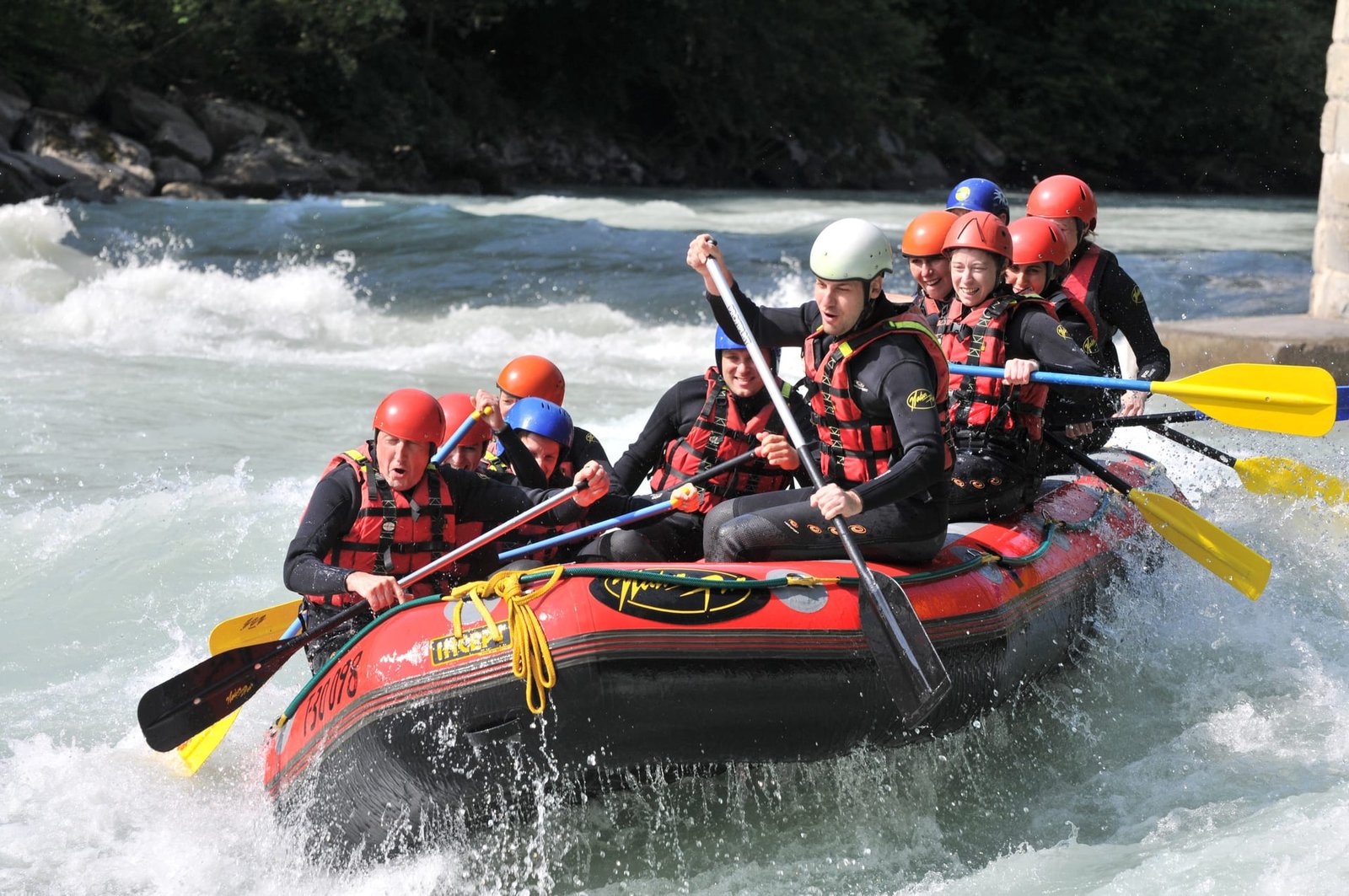
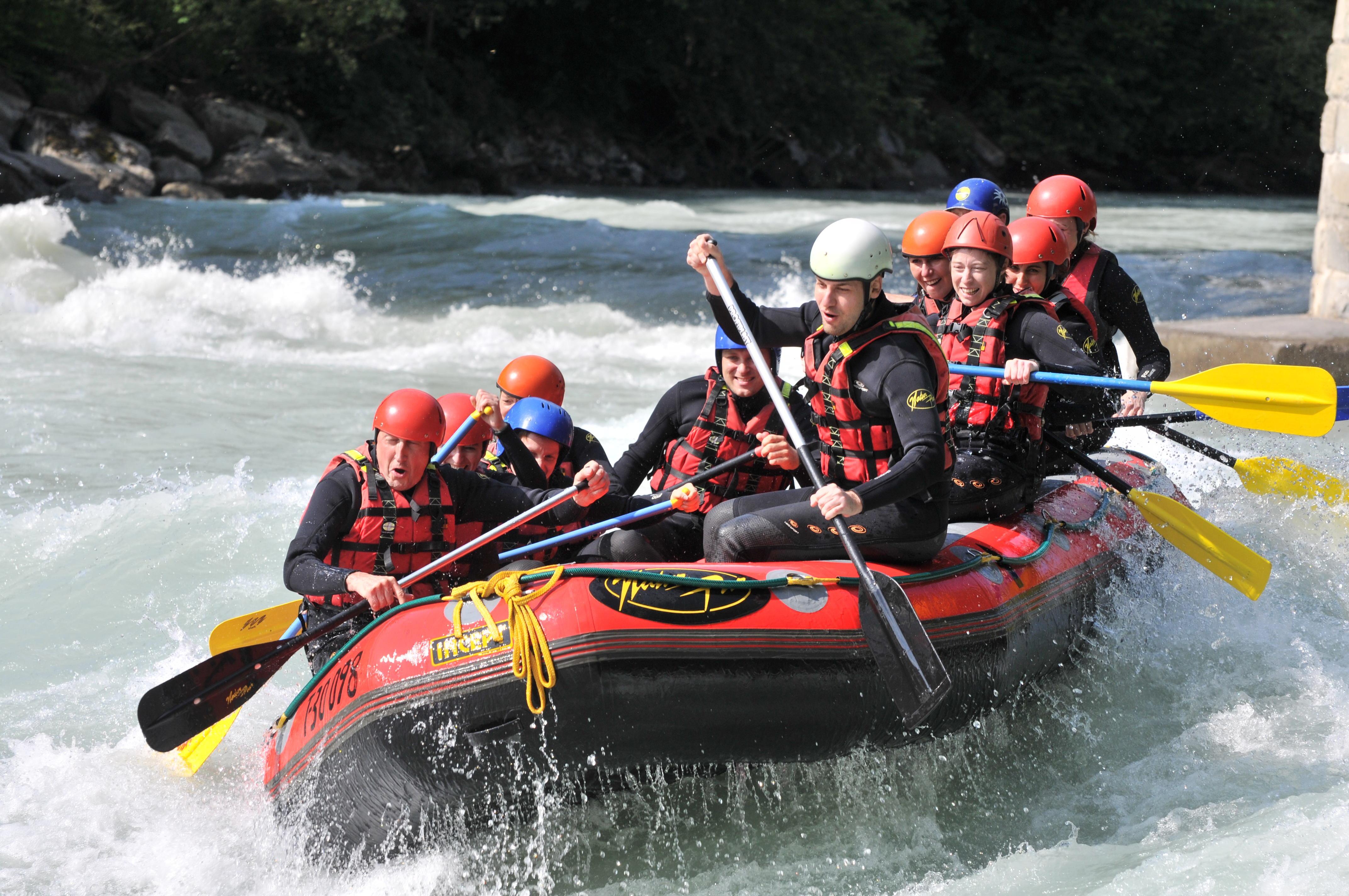
This is the headline act. Grade 3 to Grade 5 rapids over a roughly 30-kilometer stretch of the Nile, running from just below the source all the way downstream. A full-day session lasts 6 to 8 hours on the water. Half-day options cover the calmer upper section. Expect to flip. Expect to get pulled under for a second or two. It’s controlled chaos, and the safety teams know the river intimately.
Family-friendly activities in Jinja include the calmer float sections for younger kids, though most operators set a minimum age of around 15 for the full rapids.
Choose a river operator that employs local guides and follows clear environmental and safety standards. Your adventure then becomes more than a thrilling day on the Nile, it helps support the people whose lives are connected to the river.
Bungee Jumping and Zip-Lining
Adrift’s bungee platform sits 44 meters above the Nile. The jump itself takes maybe 5 seconds. The view on the way down takes longer to forget. Zip-lining crosses the river at a lower height and at a slower pace, which makes it better for families or anyone who wants the thrill without the freefall.
The Source of the Nile
The official marker sits at Speke Monument, named after John Hanning Speke, the British explorer who identified the source in 1862. A short boat ride from the Jinja shore takes you to the point where water flows out of Lake Victoria. It’s a 20-minute ride each way. The monument itself is modest, but standing at the origin of a 6,650-kilometer river does something to your sense of scale
Kayaking and Stand-Up Paddleboarding
For a quieter Nile experience, kayak sessions run on the flat-water stretches upstream. No prior experience needed. Guides paddle alongside you, and the pace is slow enough to watch kingfishers work the banks. Stand-up paddleboarding follows the same calm sections.
Tubing the Nile
A more relaxed alternative to rafting. You sit in an inflated tube, drift through Grade 2 and 3 rapids, and spend about 4 hours on the water. It’s one of the most popular things to do in Jinja for travelers who want river time without the intensity.
Explore Jinja Town
Before heading out onto the Nile, take some time to explore Jinja itself. The town has a distinctive character shaped by its long history as a commercial center in eastern Uganda. Walk through the older streets and you’ll notice a mixture of historic buildings, Indian-influenced architecture, small shops and busy roadside businesses. The pace is different from Kampala: less frantic, more intimate, and easy to explore slowly.
The best way to experience this side of Jinja is often on foot, allowing yourself time to look beyond the main attractions. Stop at a small café for a cup of Ugandan coffee, browse local shops and craft stalls, and visit the market where everyday life happens around you. You may see colorful fabrics, fresh fruit, spices and household goods piled high while vendors call out to customers. It is not a polished tourist attraction—and that is precisely what makes it interesting.
If you enjoy photography, bring your camera but remember that people are part of the scene, not simply subjects. Ask before taking close-up photographs of vendors or residents. Better still, buy something from the person whose stall caught your eye, whether that is fruit, fabric, a handmade craft or a snack. A little curiosity and a small local purchase can turn an ordinary walk through town into a meaningful travel experience.
Experience Busoga Culture
Jinja is the heartland of the Busoga region, and understanding this culture adds another dimension to your visit. The Basoga have their own language, Lusoga, rich traditions, music, food and stories connected to the land and the Nile. The cultural experience here is not something you need to watch from a distance. When arranged respectfully with local hosts or guides, it can become a chance to listen, learn and share.
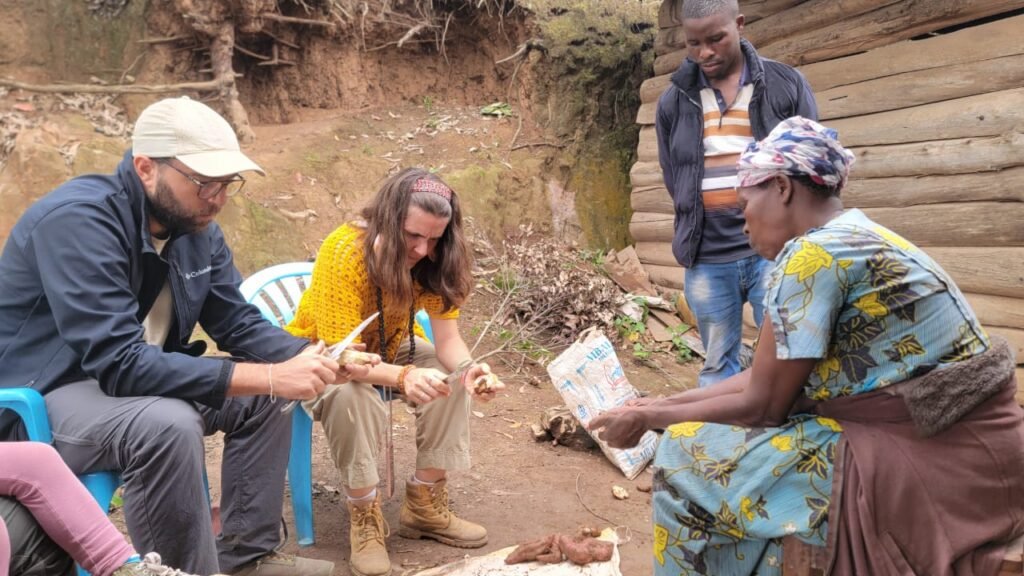
A community visit might introduce you to everyday life beyond the main tourist routes: farming, cooking, crafts, traditional stories or family life. You might sit with local residents over a meal, learn how a particular craft is made, or hear stories about how the Nile and surrounding land have shaped livelihoods for generations. These simple encounters can be among the most memorable moments of a trip because they give you a glimpse of Jinja beyond its adventure activities.
Travel responsibly by choosing experiences that are genuinely community-led and where hosts are fairly compensated for their time and knowledge. Don’t rush the interaction or treat someone’s home as a tourist attraction. Listen, ask questions, and follow your host’s lead about photography and what is appropriate to share. When you buy food, crafts or other products directly from local people, you help make tourism part of the local economy rather than simply passing through it.
Taste Local Food
One of the easiest ways to connect with Jinja is through its food. By late afternoon, the smell of charcoal, chapati and grilled fish begins drifting through the streets, and local food stalls become gathering places for people finishing their day. If you are curious about Ugandan cuisine, Jinja is a good place to try familiar favorites as well as regional dishes.
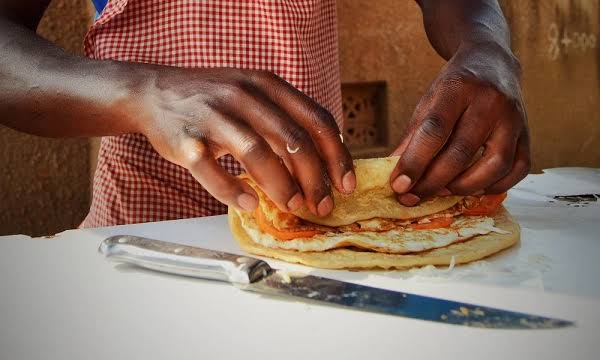
Start with a rolex, one of Uganda’s best-known street foods: a freshly cooked chapati wrapped around eggs, tomatoes and other simple ingredients. Despite the name, there is no connection to the luxury watch—it comes from the idea of “rolled eggs.” For a more substantial meal, look for freshly grilled fish, often served with staples such as matoke, posho or other locally prepared sides.
Don’t overlook the markets. Seasonal fruit such as passion fruit, jackfruit and bananas makes an excellent snack between activities, particularly on a warm afternoon. Eating at locally owned restaurants, buying fruit from market vendors and choosing food produced nearby are simple ways to make your meals part of the travel experience while supporting small businesses and local producers.
And if you have spent the morning rafting or kayaking, food tastes even better. There is something wonderfully satisfying about sitting down to a plate of freshly cooked local food while the day’s adventure is still running through your head.
Choosing locally owned restaurants and market vendors keeps more of your spending within the community
Relax by the Nile
You don’t have to spend your entire Jinja trip fighting rapids. The Nile has a quieter personality too, and making time for it can be one of the most enjoyable parts of your stay.
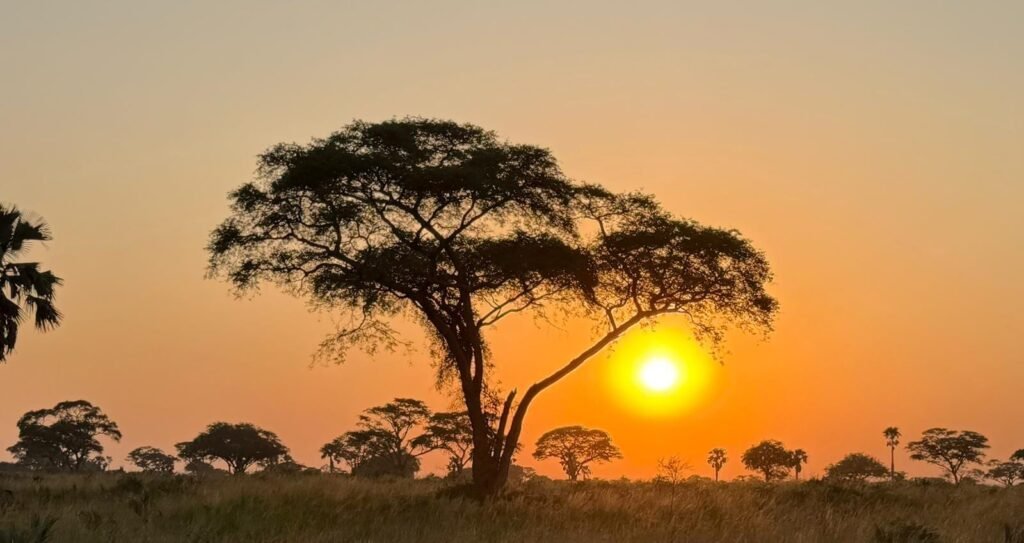
Find a peaceful riverside spot, sit beneath the shade of a tree and watch the water move past. You may hear birds calling from the vegetation along the banks, see boats moving across the river, or simply feel the breeze coming off the water. After a day of adventure, these slower moments give you time to appreciate the landscape rather than rushing on to the next activity.
For travelers who want to be active without tackling the biggest rapids, calm-water kayaking, paddleboarding or a gentle river excursion can offer a more relaxed way to experience the Nile. Couples may enjoy a quiet afternoon or sunset beside the river, while families can choose activities suited to their children’s ages and confidence in the water.
This is also a good moment to remember that the Nile is more than a backdrop for tourism. It is a living ecosystem and an important resource for the communities around Jinja. Keep plastic and other waste away from the water, follow your guide’s instructions, and choose operators that take the river environment seriously. Leaving the riverside exactly as you found it is a small gesture, but it helps protect the experience for the people and travelers who will come after you.
Jinja rewards travelers who make room for both sides of the town: the exhilarating Nile of the rapids and the quieter Nile of sunsets, birdsong and riverside conversations. Give yourself permission to slow down, and you may discover that the moments between the big adventures become the memories you carry home.
Where to Stay in Jinja, Uganda
One of the pleasures of visiting Jinja is choosing where you want to wake up. You can stay close to the energy of the town, settle beside the Nile, base yourself near Bujagali for easy access to adventure activities, or choose a more secluded riverside property where the sound of flowing water becomes part of your stay.
Rather than choosing accommodation simply by price, think about the kind of Jinja experience you want. Adventure travelers may prefer to stay close to the rafting area, while couples and honeymooners may enjoy a quieter riverside setting. Families often appreciate spacious grounds and a swimming pool, while travelers interested in exploring Jinja’s streets, markets and restaurants may prefer to stay closer to the town center.
Luxury and Special-Occasion Stays
Wildwaters Lodge is one of the most distinctive places to stay around Jinja. Set on a private island on the Nile, the lodge combines a spectacular natural setting with an intimate luxury experience. Reaching the lodge by boat is part of the adventure, while the surrounding forest and sound of flowing water create a wonderful sense of escape. It is particularly suited to couples, honeymooners and travelers looking to make their time in Jinja feel truly special.
For travelers who want comfort while remaining closer to Jinja town, 2 Friends Guest House offers a more relaxed and social atmosphere. With a swimming pool, gardens and comfortable rooms, it can be a good base for travelers who want to spend their days exploring Jinja and return somewhere peaceful in the evening.
Riverside and Mid-Range Options
The Nile Porch, in the Bujagali area, is a good option for travelers who want to stay close to the river and Jinja’s adventure activities. Being near the Nile makes it convenient for visitors planning rafting and other water-based experiences, while the riverside setting gives you a chance to enjoy the landscape even when you’re not out on an activity.
Source Of The Nile Hotel Jinja, near the town center, is another option for travelers who want to combine sightseeing with easy access to Jinja’s urban amenities. Its location can be convenient for visitors who want to explore the town, restaurants, markets and the famous Source of the Nile area without staying far from the center.
Adventure-Focused Stays
If the Nile is the main reason you’re coming to Jinja, staying close to the adventure area can save time and make your itinerary easier.
Nile River Explorers is closely associated with Jinja’s rafting scene and is particularly appealing to adventure travelers and backpackers who want their accommodation and river experience to be closely connected. For travelers planning to spend much of their stay on the water, this type of location can be especially convenient.
Budget and Backpacker Options
Jinja also has a good selection of guesthouses, hostels and camps for travelers who would rather spend more of their budget on experiences than accommodation. Explorers River Camp is one option worth considering for travelers looking for an informal, adventure-oriented stay.
The advantage of staying in a budget property is not simply saving money. It can also give you a more social travel experience, particularly if you’re traveling solo or meeting other travelers along the way. Just remember to consider location when comparing prices. A slightly cheaper room may not be the best value if you then spend much of your saving on transport to the Nile or into town.
Which Area of Jinja Should You Choose?
For adventure: Stay around Bujagali and the Nile adventure area, particularly if rafting, kayaking or other river activities are high on your list.
For couples and honeymooners: Look for a quiet riverside property or a special-occasion lodge such as Wildwaters, where the natural setting becomes part of the experience.
For exploring Jinja town: Choose accommodation closer to the town center, where you can more easily reach restaurants, markets, shops and historic streets.
For families: Look for properties with spacious grounds, a swimming pool and convenient access to both the town and the Nile.
For budget travelers: Hostels, guesthouses and adventure camps can offer good value, especially if you plan to spend most of your days exploring rather than staying at the hotel.
A Note About Accommodation Prices
Accommodation prices in Jinja vary according to the season, room type, availability and what is included in your stay. Rather than relying on fixed prices in this guide, check current rates when planning your trip.
If you book your Uganda journey through Amatsiko Tours, we can also help match your accommodation to your itinerary, travel style and budget. The right place to stay can make a surprising difference to your experience especially in Jinja, where waking up beside the Nile can become one of the memories you take home.
Jinja Dining Options and Local Food Worth Seeking Out
One of my favorite ways to understand a place is through its food, and Jinja rewards that curiosity. Start with a freshly made rolex from a local vendor, try grilled Nile perch or tilapia, and leave room for seasonal fruit from the market. Eating locally isn’t only about trying something new, it also gives small food businesses, farmers and vendors a direct share of the tourism economy.
The food scene in Jinja won’t compete with Kampala’s restaurant density, but it has its own pull. Jinja dining options break into two categories: Nile-side restaurants catering to visitors and local spots in the town center where the food is cheaper and, if I’m being honest, often better.
Rolex is the street food you’ll eat most. It’s a chapati wrapped around a fried egg omelet with tomatoes and onions. Vendors sell them for about 2,000 shillings (less than a dollar) from roadside stalls along Main Street. The name comes from “rolled eggs,” not the watch.
Freshwater fish from Lake Victoria appears on most menus. Tilapia, grilled whole and served with posho (maize flour) and groundnut sauce, is the standard order. The smell of charcoal and fish fat carries across the waterfront in the evenings.
For sit-down meals, a few restaurants along the Nile serve international menus (pasta, burgers, Indian dishes) at prices between $8 and $15 per plate. The food is fine. The river view at sunset is the real draw.
Local markets sell fresh passion fruit, jackfruit, and small bananas (called kavera) that taste different from anything you’ll find outside East Africa. Buy them in the morning when the selection is best.
Culture and Community Experiences Around Jinja
Jinja’s cultural depth sits in the Busoga Kingdom, one of Uganda’s traditional kingdoms, with its administrative seat in the town. The Busoga people have their own language (Lusoga), their own king (the Kyabazinga), and a network of clan-based governance that predates colonial borders.
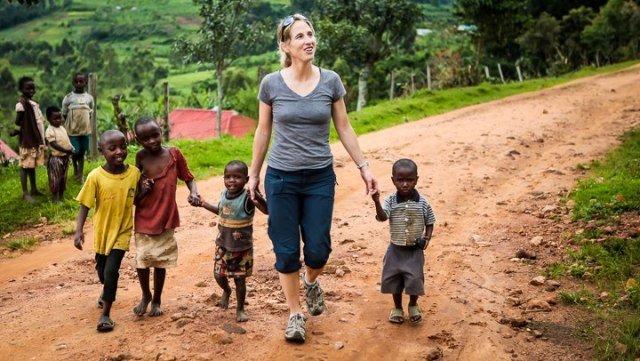
Community visits in the villages surrounding Jinja offer something different from the river activities. You sit with families, share meals, hear stories about farming cycles and local traditions. These aren’t staged performances. They’re conversations.
If you’re drawn to authentic village experiences across Uganda’s cultural regions, the Busoga communities around Jinja provide a meaningful entry point, particularly for families traveling with children who benefit from direct interaction rather than observation.
The Jinja market itself is worth an hour. Fabric stalls sell kitenge and gomesi materials. Spice vendors stack dried chilies and vanilla pods. The noise is considerable.
Ask before photographing people, and let your host decide what is appropriate to share.
How to Plan a Trip to Jinja: Building a 3-Day Itinerary
Three days gives you enough time to experience the different personalities of Jinja. One moment you can be standing beside the famous Nile, the next you’re wandering through the town with the smell of chapati and grilled fish in the air, and the following day you’re sitting with a local family learning about life in Busoga.
The key is not to pack every hour with activities. Give yourself time to slow down, especially beside the Nile. This three-day itinerary balances sightseeing, adventure, food and cultural experiences while leaving enough breathing room to enjoy Jinja rather than simply ticking attractions off a list.
Day 1 — Meet the Nile
Begin your Jinja adventure where the town’s story and the Nile’s story come together: the Source of the Nile. Take some time to explore the area and learn about the history and significance of this famous location before enjoying a boat experience on the water. As you move across the river, look back towards the green shoreline and listen to the gentle movement of the water. It is a surprisingly peaceful way to begin a trip that may soon involve much louder encounters with the Nile.
From the river, head into Jinja town and slow the pace down. Walk through some of the older streets, take in the historic architecture and watch everyday life unfold around the markets and small businesses. This is a good opportunity to experience Jinja beyond its reputation as Uganda’s adventure capital. Stop for a locally prepared lunch and try something typically Ugandan, perhaps a freshly made rolex, grilled fish, matoke or another local dish. If you are interested in crafts, look for locally made products and ask about the people who make them rather than simply buying a souvenir without knowing its story.
In the late afternoon, return towards the Nile and let the day become quieter. Find a riverside spot where you can sit with a drink and watch the light soften over the water. After the excitement of exploring, this slower moment gives you time to appreciate why the Nile is so important to Jinja—not only as a destination for visitors, but as part of the landscape and lives of the communities around it.
Where responsible travel fits in: Choose locally owned restaurants and shops where possible, ask permission before photographing people, and carry a refillable water bottle so you can reduce single-use plastic during the day.
Day 2 — Adventure on the Nile
Today is for experiencing the Nile rather than simply looking at it. For many visitors, white-water rafting is the unforgettable highlight of a Jinja trip. Depending on the experience you choose and current river conditions, you can spend several hours navigating rapids with an experienced crew, surrounded by lush vegetation and the constant sound of rushing water. There is a wonderful rhythm to the experience: calm stretches where you can catch your breath, followed by the sudden roar of a rapid and the excitement of working together with your group to navigate it.
Rafting is not the only way to experience the river. If you prefer something gentler, consider kayaking, tubing or stand-up paddleboarding on calmer sections of the Nile. These experiences allow you to notice details you might miss while racing through rapids—the birds moving along the riverbanks, the reflections on the water and the changing landscape around you. For families or travelers who are less interested in high-adrenaline activities, a calmer river experience can be just as memorable.
After a day on the water, resist the temptation to rush straight into another activity. Give yourself time to shower, rest and enjoy a relaxed evening beside the river. A riverside dinner as the sky changes color is a fitting end to an adventurous day. You may find that the best part of the evening is simply sitting outside, listening to the water and talking about the day’s biggest moments.
Where responsible travel fits in: Choose a reputable river operator that prioritizes qualified local guides, appropriate safety equipment and care for the river environment. Keep personal belongings and waste secure, never leave rubbish along the riverbanks, and follow your guide’s instructions about wildlife and sensitive areas.
Day 3 — Meet Busoga
After two days of discovering the river, use your final day to discover the people and culture of Busoga. Jinja is deeply connected to the Busoga region, and a community-led cultural experience can show you a side of Uganda that cannot be found on an activity schedule. Depending on the experience you arrange, you might visit a local community, learn about traditional livelihoods, see how local foods are prepared, hear stories from residents or discover traditional crafts.
The magic is in the conversation. Instead of simply taking photographs and moving on, sit down, ask questions and allow your hosts to tell you about their lives in their own way. You may learn about farming, family traditions, local food or the relationship between communities and the Nile. For travelers with children, these encounters can be especially meaningful because they turn a holiday into an opportunity to learn about another culture through real human interaction.
Later, return to Jinja’s local market and take your time browsing. Look for colorful fabrics, handmade crafts, fresh fruit and spices, and consider buying something directly from a local maker or vendor. Stop for a final meal and try another Ugandan dish before beginning your onward journey. If your itinerary continues towards one of Uganda’s national parks, Jinja can be a natural transition point between the energy of the Nile and the wildlife experiences that await farther west or north.
Before leaving, take one last quiet moment beside the river. After three days, you will have seen the Nile in several different moods: calm beneath the morning light, powerful in the rapids and peaceful again at sunset. More importantly, you will have experienced Jinja not simply as a collection of attractions, but as a living place shaped by water, culture and community.
Where responsible travel fits in: Choose genuine community-led experiences where local hosts benefit directly from tourism. Ask before taking photographs, respect cultural customs, buy crafts directly from makers when possible, and avoid treating communities as photo opportunities. Your curiosity, respect and spending choices can all help make tourism more valuable to the people who call Jinja home.
Responsible Tourism in Jinja: Where Your Money Goes
Jinja’s tourism economy supports local guides, boat operators, lodge staff, and the communities who host cultural visits. Choosing operators who employ local teams and source food from nearby farms keeps revenue circulating within the region.
For Amatsiko Tours, responsible travel is also about what happens beyond the journey itself. A portion of our tour income supports Amatsiko School in Kabale, helping provide education and meals for children in the community. We believe that when you travel with us, your journey should create memories for you while creating opportunities for others. We believe that when you travel with us, your journey should create memories for you while creating opportunities for others.
Responsible tourism in Jinja also means respecting river ecology. The Nile’s fish populations and birdlife depend on clean water and undisturbed banks. Operators who follow Leave No Trace principles on the river protect the resource that makes the whole economy work.
Jinja Uganda Travel Tips Before You Go
Pack light layers. Mornings near the river start cool (around 18°C before sunrise), and afternoons warm quickly. A waterproof bag for your phone and documents is essential if you’re rafting or tubing.
The Ugandan shilling is the local currency, but US dollars are accepted at most lodges and activity operators. ATMs exist in Jinja town center, though they occasionally run dry on weekends. Carry some cash.
Yellow fever vaccination is required for entry into Uganda. Malaria prophylaxis is strongly recommended for Jinja, which sits at a lower elevation than the highlands and has higher mosquito activity, especially during wet seasons.
Mobile data works well in Jinja town. Coverage drops in the rural areas upstream. MTN and Airtel SIM cards are available at the airport or in Kampala for around $5.
What Makes Jinja Worth the Detour
Jinja may first catch your attention with the roar of the Nile, but it is the combination of river, people, culture and adventure that makes you want to stay.
Give yourself a few days. Wake up beside the water, taste something you have never tried, listen to the stories of Busoga, and let the river carry you into an adventure or simply sit beside it and watch the light change.
That is the Jinja I would love you to discover.
Frequently Asked Questions
How to plan a trip to Jinja for three days?
A balanced Jinja Uganda travel itinerary includes both adventure and cultural experiences. Spend the first day exploring the Nile with rafting or tubing. On the second day, visit Busoga villages and explore Jinja town. The third day can be dedicated to adventure or relaxation at your lodge.
What are the best family-friendly activities in Jinja?
Family-friendly activities in Jinja include milder white-water rafting on the calmer sections of the Nile and zip-lining across the river. These activities offer thrilling experiences suitable for families with children, although some operators require a minimum age for full rapids.
When is the best time to visit Jinja?
The best time to visit Jinja is during the dry seasons from December to February and June to August. These months offer lower river levels for more technical rafting and better access to outdoor activities without the challenges of muddy trails.
How to get to Jinja from Kampala and Entebbe?
To reach Jinja from Kampala, travel east along the Kampala-Jinja Highway, taking about 2 hours by car. From Entebbe, it’s an additional 40 minutes to Kampala. Public transport options include buses and matatus, while private transfers offer a more comfortable journey.
What accommodation options are available in Jinja?
Accommodation in Jinja ranges from budget hostels to mid-range and eco-lodges. Backpacker hostels are found near Bujagali Falls, while mid-range lodges along the Nile offer great amenities for families and couples. Eco-lodges focus on sustainability and community engagement.
Alex Atuheire
 Powered by TypeHero