Uganda travel health vaccinations required guide for safaris and treks
Table of Contents
Uganda travel health vaccinations required guide for safaris and treks
At a Glance
Ensure vaccinations and yellow fever documentation are ready and accessible for border checks.
Malaria prevention involves bite avoidance and prescribed medication.
Carry a health kit with essentials like rehydration salts and blister care.
Practice safe food and water habits to prevent stomach issues.
Use insect repellent consistently, especially for dengue fever prevention.
The first sound you hear in Uganda might not be your alarm clock. It could be the distant call of birds outside your lodge, the rustle of rainforest leaves before a gorilla trek, or the soft rumble of a safari vehicle leaving before sunrise. But before you follow those sounds into the wild, one thing matters: arriving prepared.
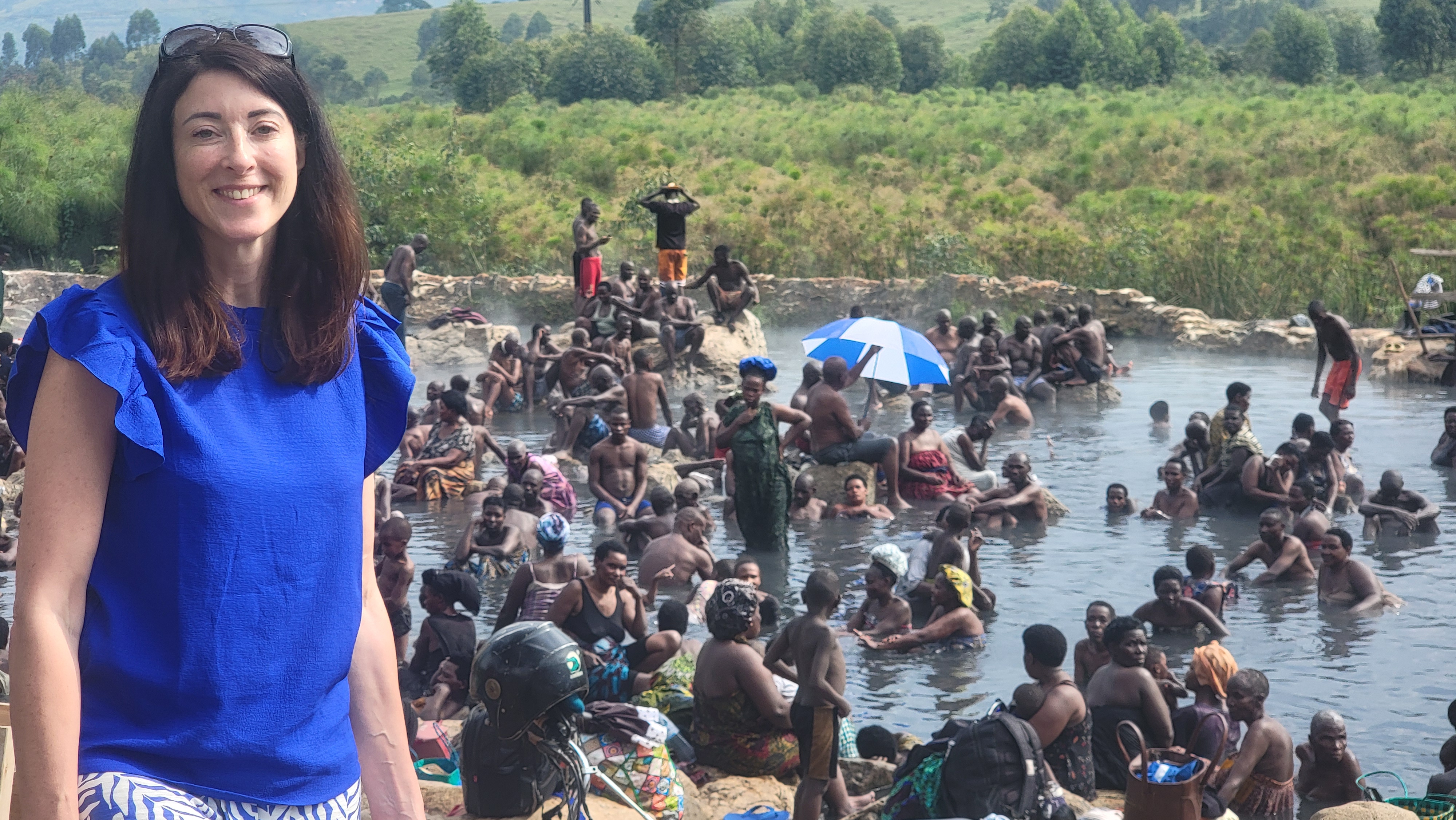
Plan for dust, heat, and sudden rain.
Pack like you’ll get wet, then dry out fast.
This guide is designed to help you prepare for your Uganda adventure, but vaccination and medication recommendations can vary depending on your health history, previous vaccinations, trip duration, and travel style. Always confirm requirements with a qualified travel health clinic before departure.
Health preparation is only one part of getting ready for Uganda. Before departure, you may also want to review our complete Uganda safari packing list, understand the best time to visit Uganda, and check our latest Uganda visa requirements guide.
Uganda travel health vaccinations required planning before you fly
Uganda travel vaccinations land best when you plan them backward from your departure date, not forward from a vague “sometime soon.” You want your paperwork clean at the border, your routine vaccines up to date, and your trip-specific decisions made early enough to adjust if a clinic appointment is booked out. This is the core of Uganda vaccine requirements planning, especially if your route includes a Rwanda–Uganda crossing.
Start with timing.
Book a travel clinic visit well before your flight, then build your packing and insurance around what you’re prescribed.
A few practical realities we see all the time:
Border days run long, and you’ll want your documents reachable in seconds, not buried under chargers
Gorilla trekking mornings start early, so anything that causes side effects is better handled at home, not the day before briefing
If you’re crossing by road, you’ll still face checks at the border posts and you don’t want to be sorting vaccine cards in the rain
For route logic that affects how you pace your body and rest days, use our cross-border planning notes at travel advice for visitors to Uganda.
Yellow fever vaccination Uganda documentation and border checks
Yellow fever vaccination Uganda documentation is the one item that causes the most last-minute stress, because it’s both medical and administrative. You want the vaccine completed and the proof carried correctly, since checks can happen at airports and at the Rwanda–Uganda land borders. Treat the certificate like your passport: protected from water, instantly accessible, and backed up with a photo stored offline on your phone.
The most useful habit is boring.
Keep your yellow fever vaccination Uganda certificate in the same pouch as your passport, and don’t “tidy it away” after day one.
For cross-border travelers, the details matter. The two common land crossings for Kigali-to-southwestern Uganda routes are Cyanika (Rwanda) to Kisoro (Uganda) and Katuna (Rwanda) to Kabale (Uganda). Drives typically run 4–8+ hours plus border time, and you’ll feel every extra minute if you’re dehydrated or hungry, so plan your water and snacks like they’re part of your health precautions Uganda travel checklist.
We keep a dedicated reference for this on our site at vaccinations required for Uganda.
Malaria prevention Uganda routines that hold up on safari days
Malaria prevention Uganda planning works only if it survives real trip conditions: dawn starts, late dinners, and the occasional power outage when you meant to charge your headlamp. You need a routine you’ll actually follow, not a perfect plan you abandon on day two. Build your prevention around two layers: bite avoidance and whatever medication your clinician prescribes.
Night sounds in Uganda are the giveaway.
You’ll hear insects the second the lights come on.
Practical malaria prevention Uganda habits we recommend you commit to:
Put repellent where you’ll use it, like beside your toothbrush, not deep in your duffel
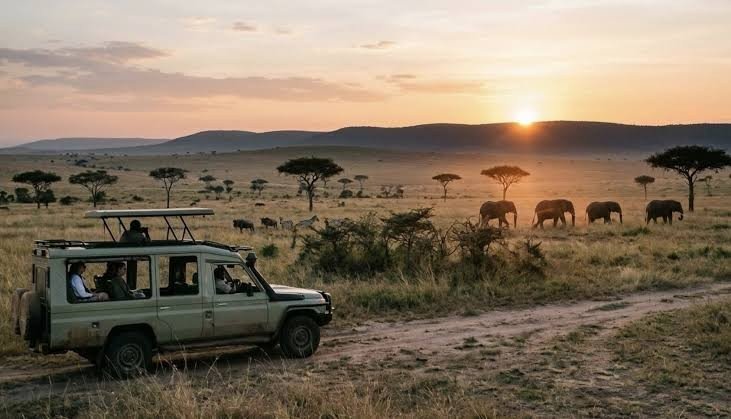
After a long afternoon game drive in Queen Elizabeth National Park, when the sun sinks behind the savannah and elephants disappear into the golden grass, it is tempting to sit outside your lodge in a T-shirt and relax. This is the moment when a light long-sleeved shirt becomes your best friend, protecting you from mosquitoes while you enjoy the evening sounds of the African bush
Sleep under a net if your room provides one, and tuck it in before you get sleepy
Shower before dinner if you’re dusty, then reapply repellent on clean skin so it lasts longer
One flaw to admit: repellent feels sticky.
Use it anyway, and wash it off at night.
If you’re trekking, you’ll also want to protect your ankles and calves. Mud, scratches, and insect bites stack up fast on steep trails.
Uganda travel vaccinations to discuss with a travel clinician
Uganda travel vaccinations are personal to your medical history, yet the decision framework stays consistent. You confirm routine coverage, then add trip-specific protection based on where you’ll be sleeping, how remote your days get, and whether you’re crossing borders by road. This section keeps it organized so your clinic visit stays efficient and you leave with a clear plan.
Bring your itinerary.
A scribbled list of parks, towns, and dates helps more than a long email thread.
We see travelers build their Uganda vaccine requirements conversation around:
Safari circuits with long drive days and lodge nights
Gorilla trekking sectors in Bwindi Impenetrable National Park or Mgahinga Gorilla National Park, where mornings are cold and damp and trails can be slick
Cultural visits and markets, where hand hygiene matters because you touch a lot of shared surfaces
If you’re still deciding where you’ll spend your nights before trekking, lock your sector first, then match lodging and transfers. That’s the difference between waking at 4:30 a.m. for a long drive and waking at a sane hour with hot tea in hand.
For trekking-specific prep beyond health, keep our field notes close at 7 Essential Tips for a Gorilla Trek Uganda Adventure.
Health precautions Uganda travel for food, water, and hands
Health precautions Uganda travel planning gets most effective when you stop thinking in rules and start thinking in routines. Your stomach doesn’t care that you’re on vacation. It responds to water source, hand hygiene, and how adventurous you get with roadside snacks on a long transfer day.
Uganda smells like charcoal cooking in the evening.
That’s your cue to eat smart, not reckless.
As evening arrives in Uganda, the smell of charcoal fires drifts through towns and villages, mixing with the aromas of grilled meat, fresh fruit, and local spices. These are some of the memories travelers take home but after a dusty safari drive, your tired body needs simple choices. Choose freshly cooked food served hot, wash your hands before eating, and enjoy local flavors without turning your stomach into the adventure
Use these general travel health tips Uganda travelers actually follow on the ground:
Drink sealed bottled water, and keep one bottle reserved for brushing your teeth
Wash hands before you eat, and carry sanitizer for the moments you can’t find soap
Choose hot, freshly cooked meals when you’re tired, because tired travelers make sloppy choices
Peel fruit yourself, and skip salads when you can’t confirm how they were washed
And a picky note that saves you:
On drive days, don’t “wait until lunch” to hydrate. Sip steadily, or you’ll arrive with a headache and zero appetite.
For packing that supports these habits, use what to pack for Uganda.
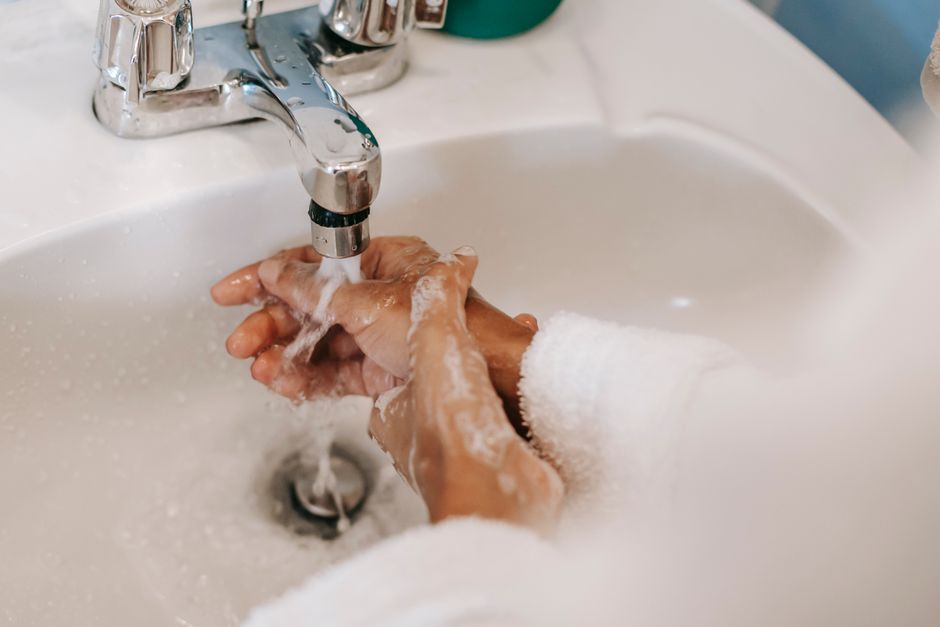
Clean hands fix a lot.
So does a simple water plan.
Dengue fever risks Uganda and bite protection beyond malaria
Dengue fever risks Uganda travelers consider sit in the same practical bucket as other mosquito-borne illnesses: you reduce bites consistently, especially in daylight hours, not only at night. This is where many people slip. A morning walk through a local village, a boat trip along the Kazinga Channel, or a stop at a roadside craft market are moments when travelers often forget insect protection because they are focused on the experience. But mosquitoes do not follow safari schedules; keep repellent in your daypack and make it part of your daily rhythm.
Daytime bites count.
Treat them like they matter.
Keep your bite protection simple:
Reapply repellent after sweating, rain, or a mid-day shower
Wear closed shoes on village walks where grass is high and paths are damp
Keep sleeves handy in your daypack so you can cover up fast when insects show up
If you’re being careful with animals and forests, apply the same respect to insects. Your comfort improves, and your sleep does too.
Route pacing for Kigali to Bwindi and the health logic behind it
Your route choice changes your body’s workload, and that’s a health decision as much as a logistics decision. Kigali to Bwindi transfers typically take 4–8+ hours driving plus border time, and the final approach to Bwindi trekking sectors can include steep gradients and rough or muddy sections. We recommend a 4×4 year-round for sector access, and we recommend you plan an overnight in Kabale, Kisoro, or near your Bwindi sector instead of pushing late.
You’ll feel the altitude and the damp air in the morning.
Your lungs notice it on the first hill.
Here’s the route logic we use most for traveler comfort:
Cyanika border to Kisoro aligns well with southern Bwindi sectors like Rushaga and Nkuringo
Katuna border to Kabale aligns well with Kabale staging and Lake Bunyonyi add-ons
Sector-matched lodging reduces pre-dawn driving, which reduces fatigue before a physically demanding trek
If you want the sector and park context in one place, keep Bwindi Impenetrable National Park open while you plan.
Planning table for health-first pacing on the Kigali–Bwindi corridor
Planning choice | Typical time reality | Physical impact | Our recommendation |
|---|---|---|---|
Kigali → Cyanika → Kisoro | ~4–6 hours incl. border stop | Less seat time, earlier dinner | Use for southern sectors (Rushaga/Nkuringo) |
Kigali → Katuna → Kabale | ~5–7+ hours incl. border stop | Longer day, more fatigue | Use when staging in Kabale or Lake Bunyonyi |
Kisoro → Rushaga/Nkuringo | ~1–2+ hours | Bumpy last stretch, dusty | Start early, carry water and snacks |
Same-day push to a far sector lodge | Can run late with rain and roadworks | Poor sleep before trek | Don’t do it unless departure is very early |
Travel insurance and emergency planning you’ll actually use
Travel insurance only matters if it matches the trip you’re taking, not the trip you wish you were taking. Gorilla trekking and cross-border drives come with real variables: weather, road conditions, and the simple fact that you’re far from your usual clinic. Your insurance should cover medical care and the kind of trip interruption that happens when permits and fixed dates anchor your schedule.
Keep your policy number offline.
Signal drops right when you want it most.
We also recommend you store three contacts in your phone favorites before you land:
Your insurer’s emergency line
Your tour operator contact
A personal emergency contact at home
For our on-the-ground overview of what to do if something goes wrong, use health and emergencies in Uganda.
Recommended medicines and a safari-ready health kit
A small, well-chosen kit prevents the common problems that derail Uganda days: headaches from dehydration, blisters from wet boots, and stomach upsets after a long transfer. You don’t need a pharmacy. You need the basics in a pouch you can reach in the car without unpacking your whole bag.
Imagine arriving at a remote lodge after a six-hour drive from Kampala, opening your bag, and realizing your blister patches are buried somewhere in your main luggage. A small health pouch in your daypack can save the evening especially after a muddy Bwindi trek or a full day bouncing along safari roads.
We recommend you pack:
Oral rehydration salts for heat and long drives
Blister care, including tape and a small antiseptic
A basic pain reliever you already tolerate well
An antihistamine if you react to bites or new detergents
Any personal prescriptions in original packaging, with copies of your prescription
One insider detail that matters on trekking days: bring blister care even if your boots feel “broken in.” Wet socks change everything.

Simple kit.
Fewer problems.
Key takeaways for Uganda vaccine requirements and on-trip health
Uganda travel health planning works when you treat it like logistics: documents ready, routines repeatable, and pacing aligned with your route. This Uganda travel health vaccinations required guide centers on Uganda travel vaccinations, yellow fever vaccination Uganda documentation, and malaria prevention Uganda habits you’ll keep on early mornings and long drives. Factor in dengue fever risks Uganda travelers manage with daytime bite protection, plus food and water routines that protect your stomach. Carry a small meds kit, and match your overnight base to your Bwindi sector to protect sleep before trekking.
Frequently Asked Questions-Uganda travel health vaccinations required
1. What vaccinations are required for traveling to Uganda?
For travel to Uganda, it is essential to have your routine vaccinations up to date. Yellow fever vaccination is mandatory, and you should carry the proof of vaccination with you, as it may be checked at airports and border crossings. Other travel-specific vaccinations should be discussed with your travel clinician based on your itinerary.
2. How can I prevent malaria while traveling in Uganda?
Malaria prevention involves two key strategies: avoiding mosquito bites and taking prophylactic medication as prescribed by your healthcare provider. Use mosquito repellent regularly, wear long sleeves in the evenings, and sleep under a mosquito net if available. Consistency in these habits is crucial, especially on safari days.
3. Are there specific health precautions for food and water in Uganda?
Yes, health precautions for food and water include drinking only sealed bottled water, using it for brushing your teeth, washing hands before meals, and opting for freshly cooked foods. It’s advisable to peel fruits yourself and avoid salads unless you are certain about how they were washed.
4. What is the risk of dengue fever in Uganda, and how can it be mitigated?
Dengue fever, like other mosquito-borne illnesses, is a risk in Uganda. To mitigate it, apply mosquito repellent throughout the day, especially after sweating or getting wet. Wear closed shoes and keep sleeves handy for quick coverage. Daytime bite prevention is as important as nighttime protection.
5. What should be included in a safari-ready health kit for Uganda?
A well-prepared health kit for Uganda should include oral rehydration salts, blister care supplies, basic pain relievers, antihistamines, and any personal prescriptions in their original packaging. Keep this kit in your daypack for easy access during your travels.
6. How should I plan my route from Kigali to Bwindi to minimize health impacts?
When planning your route from Kigali to Bwindi, consider the physical demands of the journey. It’s recommended to use a 4×4 vehicle and plan an overnight stay in Kabale, Kisoro, or near your Bwindi sector to reduce fatigue and ensure better acclimatization before trekking.