10 Days in Uganda Itinerary Guide: Gorilla Trekking, Wildlife, Culture
Table of Contents
At a Glance
- 10 days in Uganda itinerary includes;
Focus on southwest Uganda for primates and wildlife.
Visit Kibale, Queen Elizabeth, and Bwindi National Parks.
Include Lake Bunyonyi and cultural experiences.
Prioritize early briefings and travel downtime.
Ensure all travel documents are complete.

Ten days in Uganda is enough for a balanced Uganda safari if you commit to a southwest-focused route and protect your mornings for primate permits. You get one gorilla trek in Bwindi Impenetrable National Park, one chimpanzee tracking day in Kibale Forest National Park, classic savanna time in Queen Elizabeth National Park, and space for a cultural visit that feels real, not rushed.
The trade-off is simple. You cover fewer regions, but you experience each stop with the right pacing for early briefings, long drives, and the damp, earthy reality of forest trekking.
10 days covers Uganda’s primates-and-safari core without padding
A 10-day Uganda safari works because the route links three anchor areas—Kibale Forest National Park, Queen Elizabeth National Park, and Bwindi Impenetrable National Park—without forcing you into daily hotel changes. You spend your energy on the experiences that run on fixed schedules: early primate briefings and timed park activities. You also keep enough downtime to arrive steady, sleep well, and hike without feeling wrung out.
The sensory reality matters. Forest mornings feel cool and wet underfoot, and you’ll notice the smell of damp leaves long before you see anything. Savanna afternoons bring heat and dust, and the vehicle hum becomes the soundtrack of your game-drive hours.
Your non-negotiable pacing rule: protect the day before each trek. Arrive the afternoon prior, eat early, and keep your evening quiet.
Uganda tours and safaris for primate-and-wildlife routes
“We searched for a wholly local tour operator hoping our visit to Uganda might benefit local communities as well as including Uganda’s natural beauty and wildlife. Amatsiko Tours is owned and operated by Alex and Alphonse, who have dedicated their working lives to helping the most vulnerable in their communities… Our accommodations and food options were all great and our air conditioned 4WD vehicle was supremely comfortable and unstoppable whether in towns, on the open road or on the many safari game drives we undertook.”
— lorrainebL9532PA, TripAdvisor, 5.00
“If you’re considering a trip to Uganda, stop searching. Amatsiko Tours is in a class entirely of its own. From the moment we arrived, everything was handled with a level of care and professionalism that made the entire experience effortless. Airport pickup, beautiful accommodations, seamless transportation, and delicious meals. Every detail was thoughtfully arranged.”
— 565carolyno, TripAdvisor, 5.00
“Wow where to begin with this experience! First, let’s say we were easily the most difficult clients they must have had, throwing them curve balls left and right… Alex and Alfonse made us feel calm and easy in what otherwise would have been a very stressful situation… Off the beaten path, we saw Uganda like no others do, yet we were happy and comfortable the whole time.”
— sophiesM9384VN, TripAdvisor, 5.00
The realistic 10-day Uganda safari itinerary (primates, wildlife, culture)
This itinerary keeps the sequence logical for driving flow and fixed-time activities: Entebbe arrival, Kibale chimpanzees, Queen Elizabeth wildlife, then Bwindi gorilla trekking, with Lake Bunyonyi as a decompression stop before you exit. It’s built around one big principle: you don’t “fit in” gorillas and chimps; you plan the whole trip around their briefing times.
The insider detail most travelers miss: your best trip rhythm is two nights in each key area when possible. One-night stops look efficient on paper and feel punishing in the car.
Explore a 10 days in Uganda itinerary: Day-by-day structure you can actually keep
Day 1: Entebbe arrival and reset
Keep your first night simple. Your body needs sleep more than a city checklist.Day 2–3: Kibale Forest National Park for chimpanzee tracking
Plan one tracking morning and one buffer block for weather, rest, or a second forest walk. The forest is loud with birds and insects once the day warms.Day 4–5: Queen Elizabeth National Park for game drives and a boat cruise
Do one early game drive and one water-based session. Midday heat is real; use it for lunch and stillness.Day 6–7: Bwindi Impenetrable National Park for gorilla trekking
Arrive the day before, trek the next morning, then keep the afternoon slow. Your boots will feel heavy, and your legs will thank you.Day 8: Lake Bunyonyi for recovery and shoreline time
This is where you let your nervous system settle. Quiet water, cooler air, earlier nights.Day 9: Cultural experience day (village-based, community-led)
Choose one meaningful visit and stay present. You want conversation, not a photo sprint.Day 10: Return and departure
Build in time for road unpredictability. Tight flight connections create avoidable stress.
National parks in Uganda for route planning
Drive times and pacing rules that make 10 days in Uganda itinerary feel easy
Ten days only feels “enough” if you respect Uganda’s overland reality: you will spend real hours on the road between parks, and that time has a purpose. It’s how you move from rainforest to rift valley to highland forest. Your plan works when you schedule drives as daylight transfers, arrive before dinner, and avoid stacking late arrivals with early briefings.
The sound cue you’ll remember: tires on changing road surfaces, from smooth stretches to rougher patches, with the occasional rattle that reminds you to keep your bag packed tight.
Practical pacing rules we use for smooth itineraries
One major activity per day on trekking days (chimpanzees or gorillas). Add a short cultural stop only if it’s on the direct route.
Early start = calm day. Morning departures reduce heat, traffic, and arrival stress.
Two nights beats one in Kibale, Queen Elizabeth, and Bwindi whenever possible.
Buffer time protects permits. Gorilla and chimp activities run on fixed schedules with early briefings.
Pack tonight, not tomorrow. Morning pack-outs create rushed breakfasts and forgotten items.
Planning table for a balanced 10-days in Uganda Itinerary
Itinerary block | Core experience | Best time of day | Physical demand | Pacing note |
|---|---|---|---|---|
Kibale Forest National Park (2 nights) | Chimpanzee tracking | Morning briefing window | Moderate walking | Arrive the day before to avoid late check-ins |
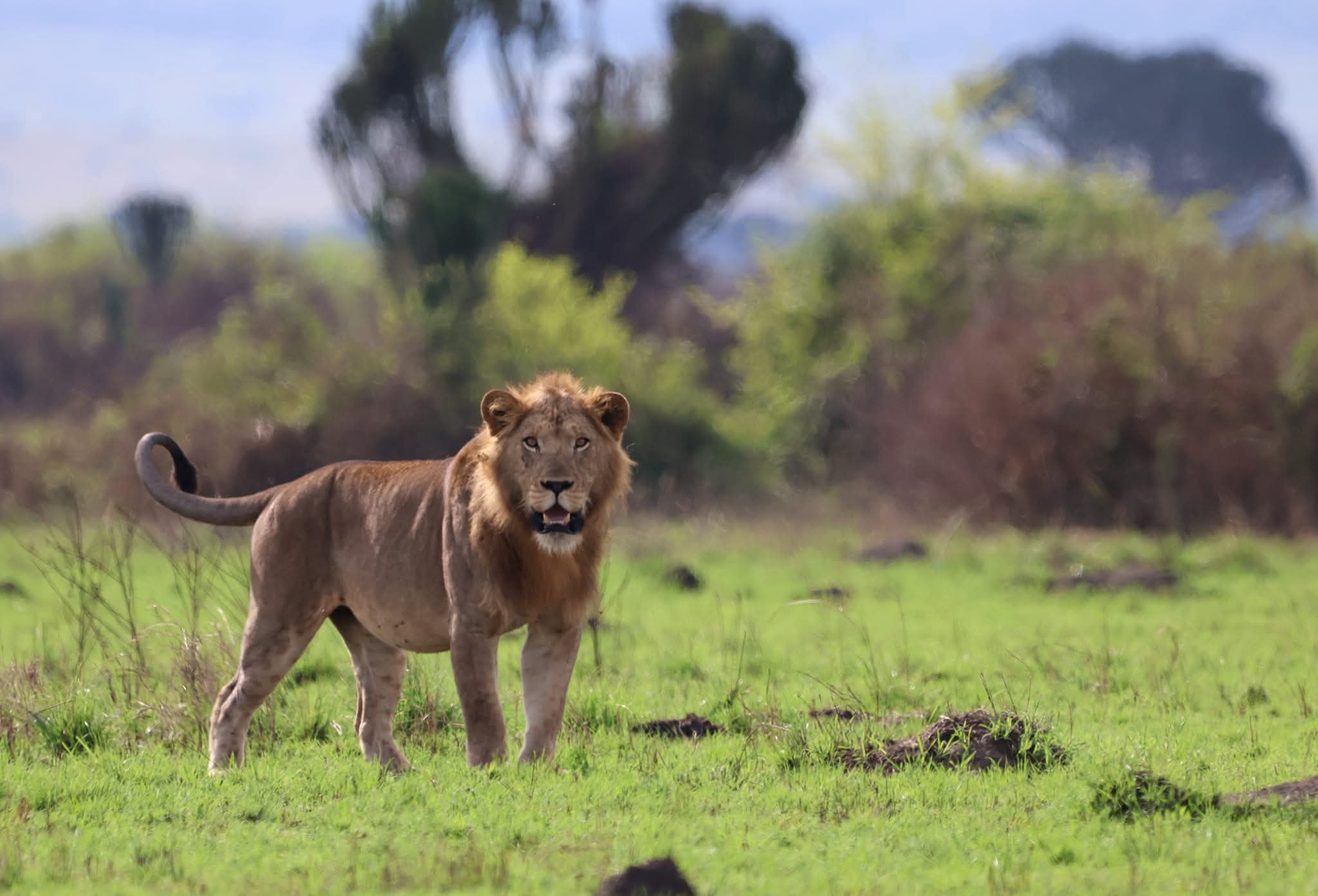
Queen Elizabeth National Park (2 nights) | Game drive + boat cruise | Early AM + late afternoon | Low to moderate | Midday heat is for rest, not extra driving |
Bwindi Impenetrable National Park (2 nights) | Gorilla trekking | Early morning briefing | High effort possible | Keep the trek day otherwise empty |
Lake Bunyonyi (1 night) | Recovery and lake time | Late afternoon | Low | Use it as a decompression stop after trekking |
Cultural visit day | Community experience | Late morning to afternoon | Low to moderate | Choose one deep visit over multiple short stops |
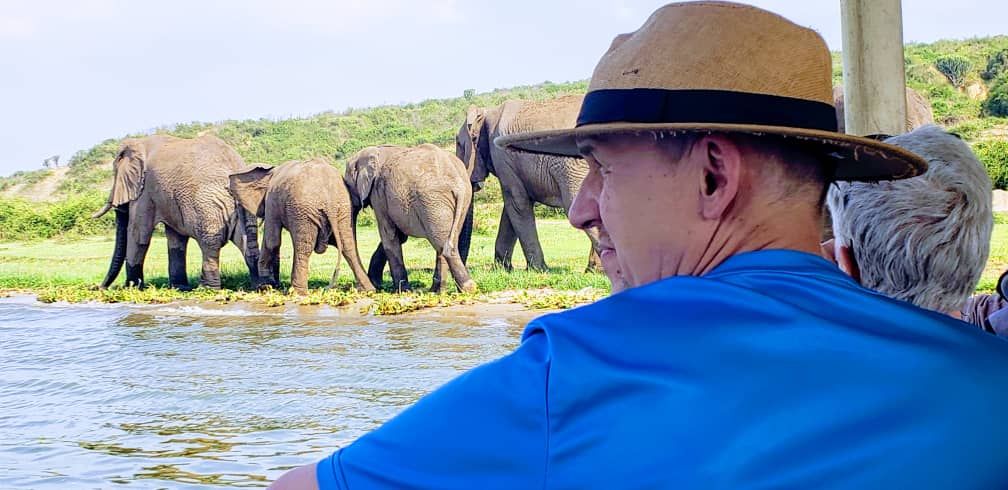
The detail that protects your energy: keep a “car snack kit” accessible, not buried. Long transfers feel shorter when you can eat and hydrate without unpacking the whole trunk.
Gorilla trekking in Bwindi fits cleanly into a 10-day plan
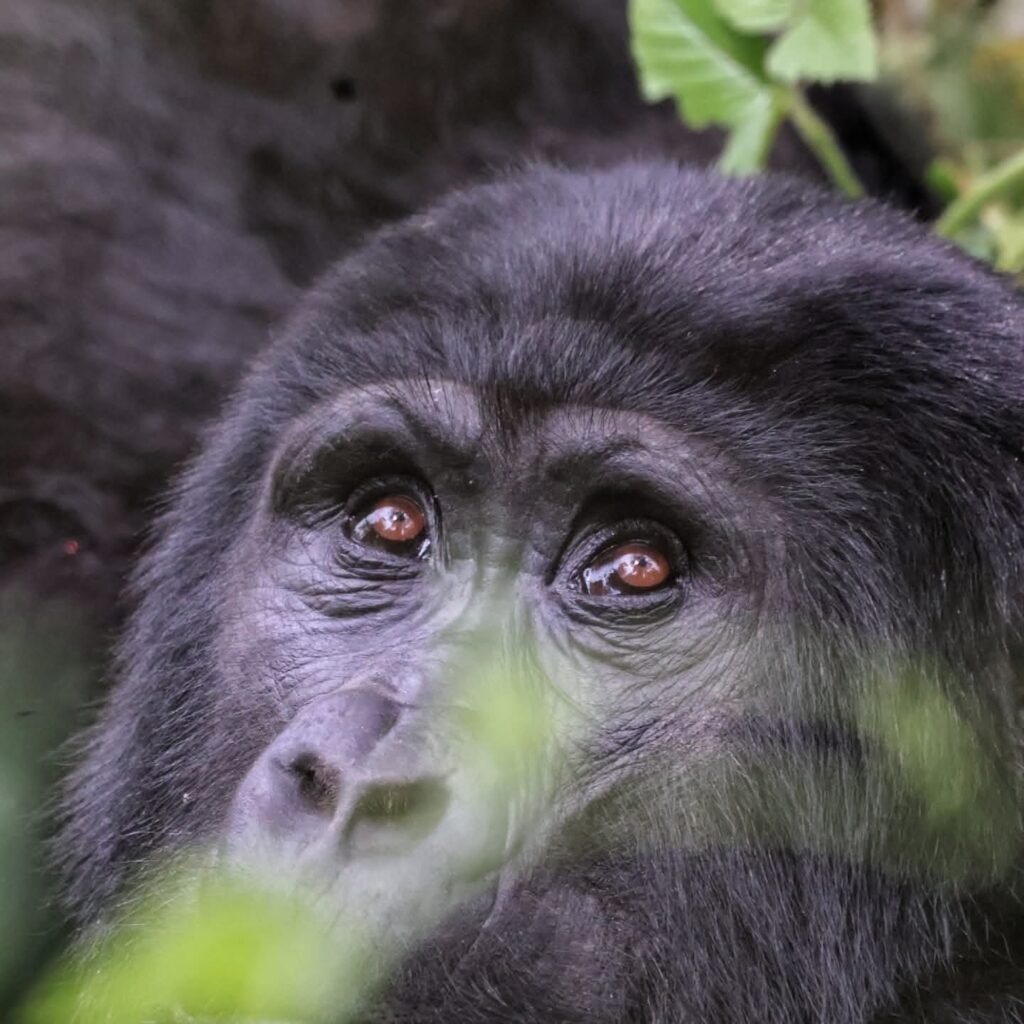
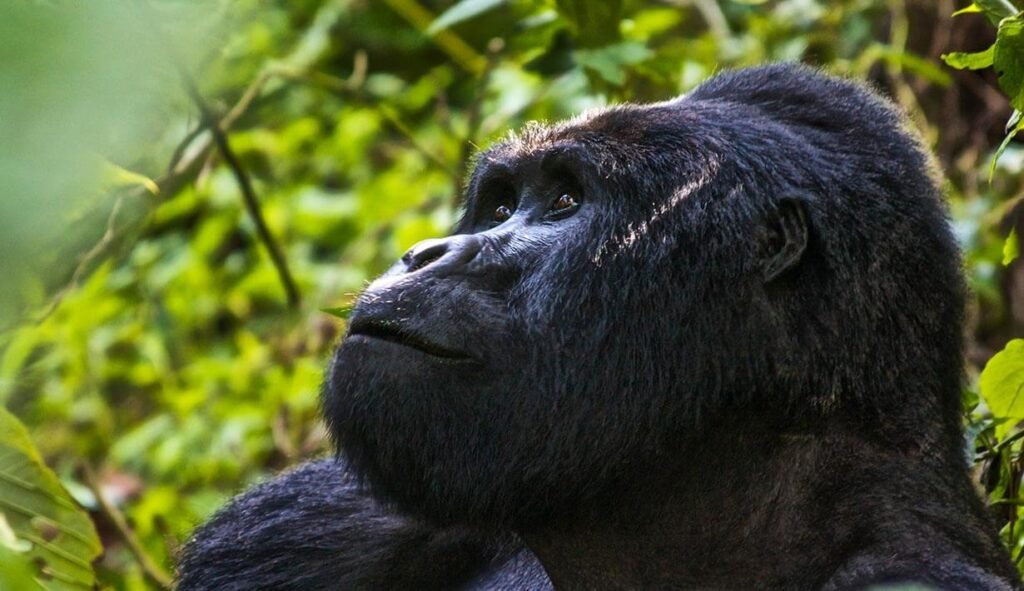
Bwindi Impenetrable National Park gorilla trekking is the anchor that shapes your entire 10-day Uganda itinerary. The trek runs on fixed schedules with early briefings, and permits align to specific dates. Your job is to arrive early enough to sleep, wake up steady, and start the trek with dry gear and a calm head.
The forest experience is physical and intimate. Expect humid air, slick roots, and the sound of your own breathing on climbs. After the trek, your clothes will hold the smell of wet vegetation. That’s normal. That’s Bwindi.
Gorilla trekking logistics that keep your day on track
Arrive in the Bwindi area the afternoon before your trek day.
Keep your evening simple: early dinner, charge devices, pack rain layers where you can reach them fast.
Match your name and passport number across flights, visas, and trekking documents. Consistency prevents paperwork friction.
gorilla trekking preparation and packing guidance
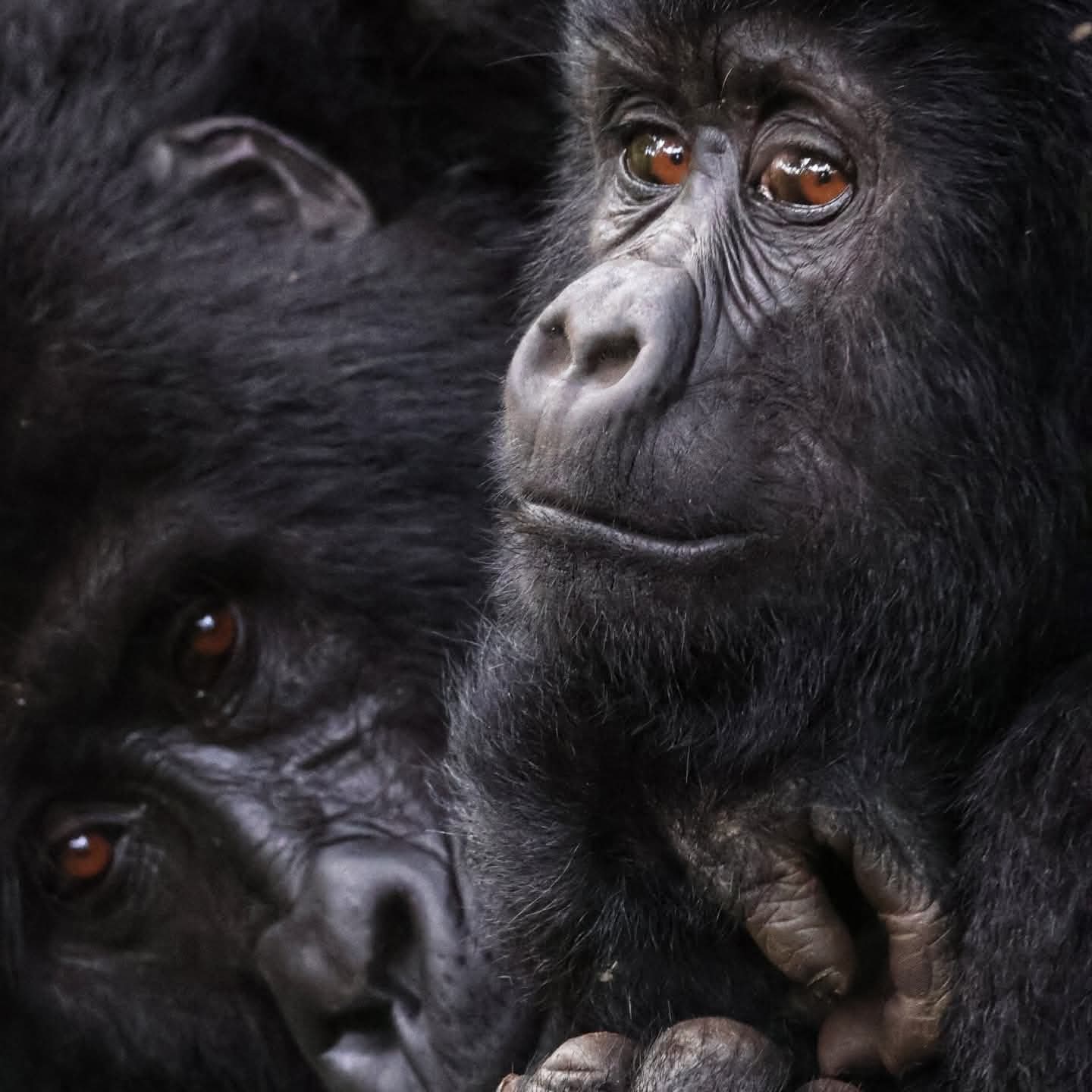
Your hyper-specific move: set aside one small dry bag for your trekking morning essentials only. You don’t want to dig for gloves or a rain layer while everyone else is lining up.
Chimpanzee tracking and Queen Elizabeth National Park balance each other
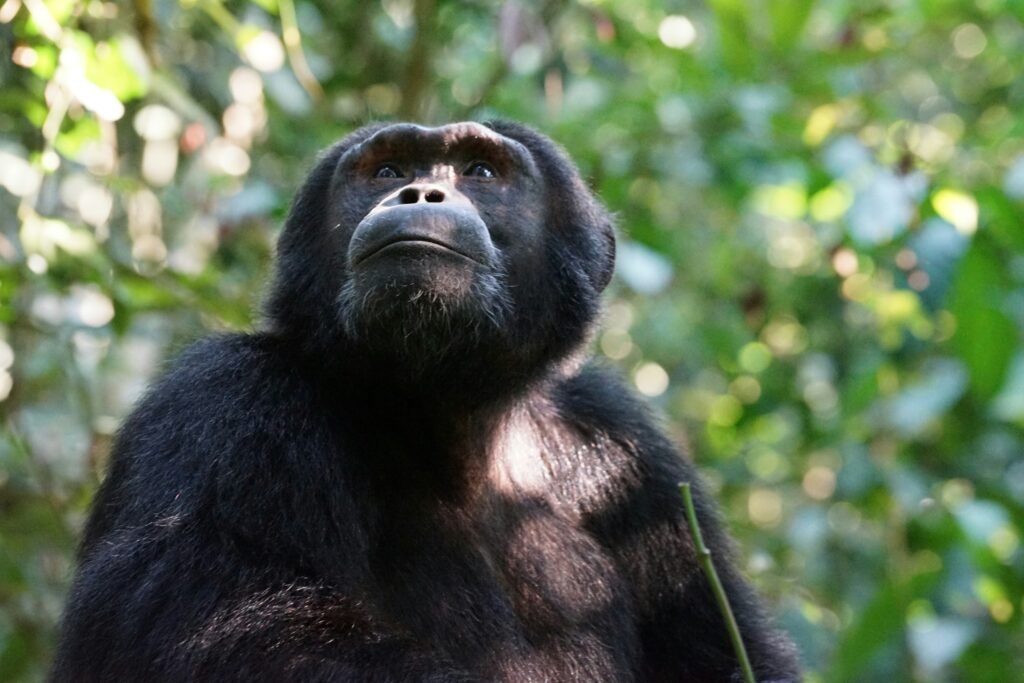
Kibale Forest National Park chimpanzee tracking and Queen Elizabeth National Park game drives pair well inside 10 days because they use different energy systems. Chimps ask for alert listening, quick stops, and comfort with forest humidity. Queen Elizabeth asks for patience, scanning, and long quiet stretches in a vehicle. Together, they create a rhythm that feels complete.
You’ll hear chimp calls carry through the trees, then later trade that for open-air silence broken by wind and distant bird sound across the savanna. Two different worlds. One trip.
A clean split of effort across these two stops
Put chimpanzee tracking early in the trip, before you’ve accumulated long-drive fatigue.
Put Queen Elizabeth in the middle, so your body gets a lower-impact wildlife block between primate treks.
Schedule the boat cruise for late afternoon when the light softens and the temperature drops.
Uganda park-by-park overview for choosing your mix
Cultural experiences that fit a 10-day Uganda itinerary without feeling staged
A cultural day belongs in a 10-day Uganda safari because it changes how you understand the landscapes you just crossed. You stop treating the route like a checklist of parks and start reading it as lived-in places with communities, languages, and work rhythms. Done well, this day is slower, warmer, and more human than any game drive.
The sensory cue is immediate: cooking smoke in the air, the texture of dust on shoes, and the sound of conversation that doesn’t need a schedule.
Cultural planning choices that keep it meaningful
Choose one primary community experience and give it time. Depth beats variety.
Place it after a major wildlife block, when you’re ready to sit, listen, and stay present.
Keep your camera second. Lead with greetings and attention.
Uganda village experience options across rural regions
Visa and entry planning that protects a tightly paced 10-day trip
A 10-day itinerary has less slack, so entry readiness matters. Uganda entry clearance is typically handled through a Uganda e-Visa, visa on arrival (where available for your nationality and current directives), or the East Africa Tourist Visa for Uganda + Rwanda + Kenya circuits. Your best fit depends on entries needed, countries included, and whether you arrive by air at Entebbe International Airport or cross land borders on a Kigali-to-southwest-Uganda route.
Paperwork is part of pacing. A delayed entry can cascade into late arrivals, missed lodge check-ins, and a rough night before a trek.
Documentation bundle to carry for smooth entry
Valid passport with sufficient validity for the full trip and adequate blank pages
Visa approval or regional visa confirmation (as applicable)
Return/onward ticket evidence
Accommodation details or a tour itinerary
Uganda contact information for your operator or lodge
Yellow fever certificate if required based on routing and current rules
Who 10 days in Uganda suits best, and who should add time
Ten days suits you if you want one gorilla trek, one chimpanzee tracking day, and a real wildlife block in Queen Elizabeth National Park, with at least one cultural experience that isn’t squeezed between drives. It also suits you if you value recovery: a lake stop, earlier nights, and mornings that start calm instead of frantic.
Add days if you want multiple gorilla treks, extra parks like Murchison Falls National Park, or if you prefer shorter daily drives. More days also help if you want deeper community engagement, including education-focused visits such as Amatsiko Preparatory School, where time and intention matter.
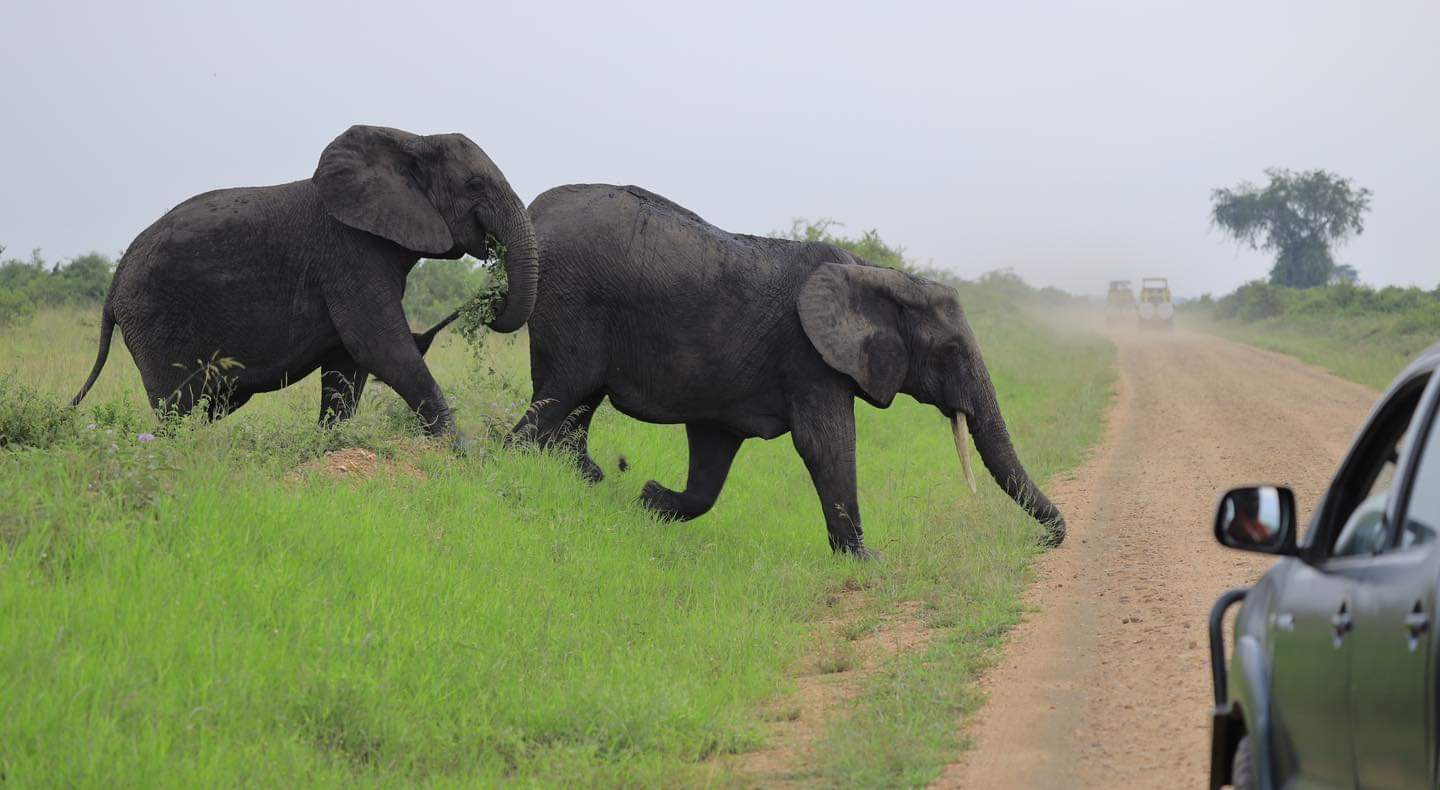
Your decision cue: if you hate repacking every morning, keep the 10-day plan but reduce the number of bases. Fewer beds, better sleep, stronger experiences.
Key takeaways for a 10-day Uganda safari itinerary
Ten days in Uganda is enough for a structured primates-and-wildlife circuit when you anchor your route around Kibale Forest National Park, Queen Elizabeth National Park, and Bwindi Impenetrable National Park, then add Lake Bunyonyi for recovery and one cultural day for context. Protect the day before each trek, plan for fixed early briefings, and carry complete entry documentation. The result is a balanced Uganda safari that feels full without feeling rushed.
Frequently Asked Questions About 10 days in Uganda itinerary
1. How many days are ideal for a safari in Uganda?
A 10-day itinerary is ideal for a balanced Uganda safari, focusing on the southwest region. This allows for a gorilla trek in Bwindi Impenetrable National Park, chimpanzee tracking in Kibale Forest National Park, wildlife encounters in Queen Elizabeth National Park, and a cultural visit without rushing.
2. What is the best way to structure a 10-day Uganda itinerary?
The itinerary should begin with an arrival in Entebbe, followed by chimpanzee tracking in Kibale, wildlife viewing in Queen Elizabeth, gorilla trekking in Bwindi, and a recovery day at Lake Bunyonyi. End with a cultural experience day before departure. This sequence ensures a logical driving flow and adequate rest.
3. What are the key pacing rules for a smooth Uganda safari?
To maintain a smooth itinerary, plan one major activity per day on trekking days, start early to reduce stress, and aim for two-night stays in key areas like Kibale, Queen Elizabeth, and Bwindi. Always protect the day before each trek to ensure you’re rested and prepared.
4. How should I prepare for gorilla trekking in Bwindi?
Arrive the afternoon before your trek, have an early dinner, and prepare your gear, including rain layers. Ensure your documents, such as permits and identification, are consistent to avoid any paperwork issues. A small dry bag for essentials on trekking day is recommended.
5. What documentation is needed for a Uganda entry?
Travelers need a valid passport with sufficient validity, a visa or regional visa confirmation, a return or onward ticket, accommodation details, and Uganda contact information. Depending on your route, a yellow fever certificate may also be necessary. Visit the official Uganda visa application page for more details.
Alex Atuheire