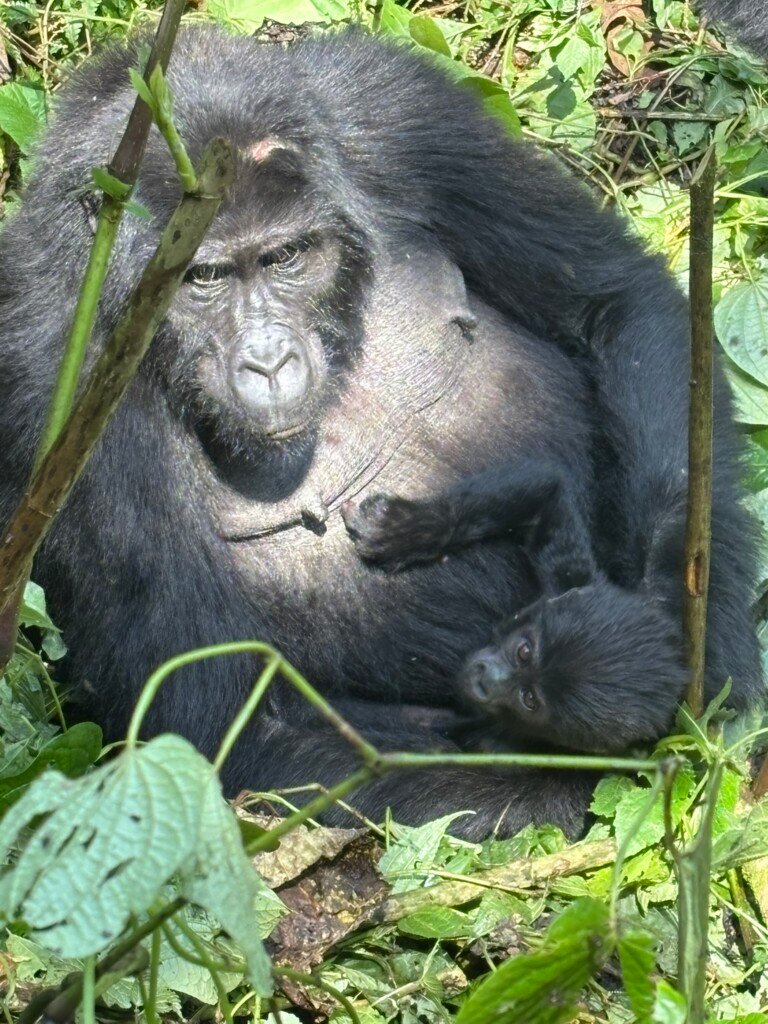
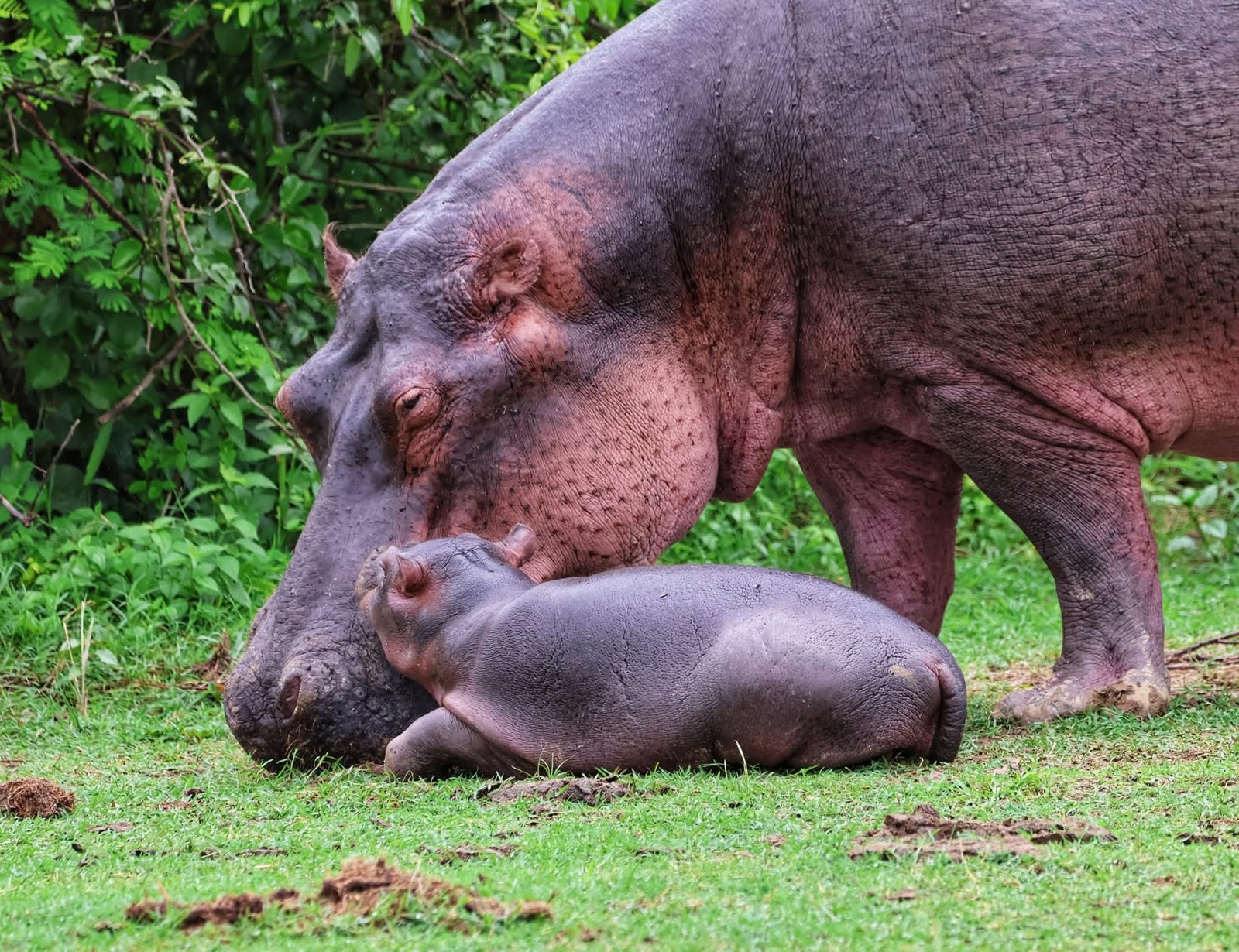
7-Day Uganda Itinerary: A First-Timer Plan for Gorillas and Safaris
Table of Contents
At a Glance
Uganda’s 7-day itinerary offers gorilla trekking, chimpanzee tracking, and savannah game drives.
Best time to visit is during the dry seasons (June-August, December-February) for reliable roads and clear trails.
The itinerary includes Entebbe, Kibale, Queen Elizabeth, Bwindi, and Lake Bunyonyi for diverse experiences.
Gorilla trekking requires permits and follows strict guidelines to protect wildlife.
Expect varied climates, with mornings at 11°C (52°F) and afternoons at 23°C (73°F) in Bwindi.

A 7-day Uganda itinerary earns its reputation in the moments that hit you all at once: cool rainforest air on a gorilla trekking morning, dust on your lips after a game drive, and the steady hush that falls when primates move close. Uganda’s best-known circuits make this possible in one week by linking primate forests with savannah parks and community-led cultural stops.
This plan is built for first-time visitors who want gorillas, chimpanzees, classic wildlife viewing, and real cultural connection without wasting days on inefficient routing. You’ll also see exactly where transfers run long, where roads slow in rain, and where to protect your time with smart sequencing.
Uganda earns “Pearl of Africa” status through range, not slogans
Uganda is called the Pearl of Africa because you can move from high, cool rainforest trekking to open savannah game drives within the same trip, then finish on calm lake scenery that resets your pace. In one 7-day route, you’re working across distinct ecosystems with different sounds, temperatures, and travel rhythms.
Bwindi Impenetrable National Park sets the tone with misty forest conditions and a temperature reference you can plan around: about 11°C (52°F) in the morning and 23°C (73°F) in the afternoon. Savannah parks shift the feel completely: clearer sightlines in dry months, dust on tracks, and longer stretches of driving. Add Uganda’s year-round birdlife depth—1,000+ bird species—and your itinerary stays rewarding even when weather changes.
Lock in the seasonal advantage early. The dry seasons (June–August and December–February) support the most reliable multi-park timing, with fewer road delays and steadier trekking footing. The rainy seasons (March–May and September–November) bring greener landscapes and fewer crowds, but you should expect slower transfers and slicker trails.
We searched for a wholly local tour operator hoping our visit to Uganda might benefit local communities as well as including Uganda’s natural beauty and wildlife. Amatsiko Tours is owned and operated by Alex and Alphonse, who have dedicated their working lives to helping the most vulnerable in their communities.
— TripAdvisor, 5.00
If you’re considering a trip to Uganda, stop searching. Amatsiko Tours is in a class entirely of its own. From the moment we arrived, everything was handled with a level of care and professionalism that made the entire experience effortless.
— TripAdvisor, 5.00
Wow where to begin with this experience! First, let’s say we were easily the most difficult clients they must have had, throwing them curve balls left and right. From missed flights, to missing baggage, to itinerary changes, plus the added challenge of us working on a film project while with them, Alex and Alfonse made us feel calm and easy in what otherwise would have been a very stressful situation.
— TripAdvisor, 5.00
This 7-day Uganda itinerary fits travelers who value pacing and purpose
This itinerary is built for you if you want one week to feel full, not frantic. It prioritizes signature wildlife experiences, then protects recovery time so you stay sharp for early starts and long drives. You’ll feel the difference on Day 5 when your legs still work.
It fits you best if you are:
Focused on gorilla trekking as the anchor experience, with safari add-ons that still feel substantial
Comfortable with early departures and long transfer days that keep the route efficient
Ready for physical trekking where the forest can be steep and, in rainy months, slippery
Interested in cultural experiences that respect communities and put money where impact is visible
Traveling in the dry seasons (June–August; December–February) for the most predictable road and park conditions
One practical truth. You do not “add gorillas” to a safari week without paying for it in drive time. This plan accepts that trade-off, then sequences it so your hardest days land when you’re freshest.
Travel distances and transportation define your week more than the map does
A workable one-week circuit in Uganda depends on realistic transfer planning, because road conditions change by season and by region. Dry months generally keep routes more reliable, while rainy months can slow you down on muddy or rutted sections—especially on remote approaches and forest roads that stay slow year-round.
You’ll use three transport modes in Uganda planning:
Road transfers for flexibility and cultural stops
Road travel is the backbone of most first-time routes because it lets you stop for viewpoints, markets, and community visits. It also lets you keep your itinerary continuous without re-checking baggage or re-timing for flights. In rainy seasons, build buffer time into any day that ends at a forest base.
Domestic flights to protect time on longer circuits
Flights become a strategic upgrade when you are trying to combine remote savannah parks with primate forests inside 7–10 days. They reduce fatigue and protect your gorilla trekking day from late arrivals, especially in wet months.
Park activities that run on fixed schedules
Gorilla trekking and chimpanzee tracking operate on ranger-led schedules, with briefing times you do not negotiate. Plan your transfers so you arrive the day before, sleep early, and start with a clear head.
Planning table: seasons, road reliability, and experience feel
Planning factor | Dry seasons (June–August; December–February) | Rainy seasons (March–May; September–November) |
|---|---|---|
Gorilla trekking trail footing | Less mud, more stable footing | Slippery trails, steeper sections feel harder |
Savannah visibility | Shorter grass, clearer sightlines | Taller grass, wildlife more dispersed |
Road conditions | Most reliable for multi-park circuits | Slower transfers, muddy or rutted stretches |
Photography conditions | Clearer skies, consistent light; dust in savannah | Lush greens, dramatic skies; rain protection needed |
Crowd pressure | Higher demand and tighter availability | Fewer crowds and more availability |
If you want the simplest first-time logistics, schedule this 7-day plan in June–August or December–February and book early. Peak demand is real in those windows.
A 7-day Uganda itinerary that combines chimps, Big Five viewing, gorillas, and lake recovery
This route concept follows a proven circuit: Entebbe → Kibale → Queen Elizabeth → Bwindi → Lake Bunyonyi → Entebbe. It balances primates and savannah without forcing a northern detour that eats your week.
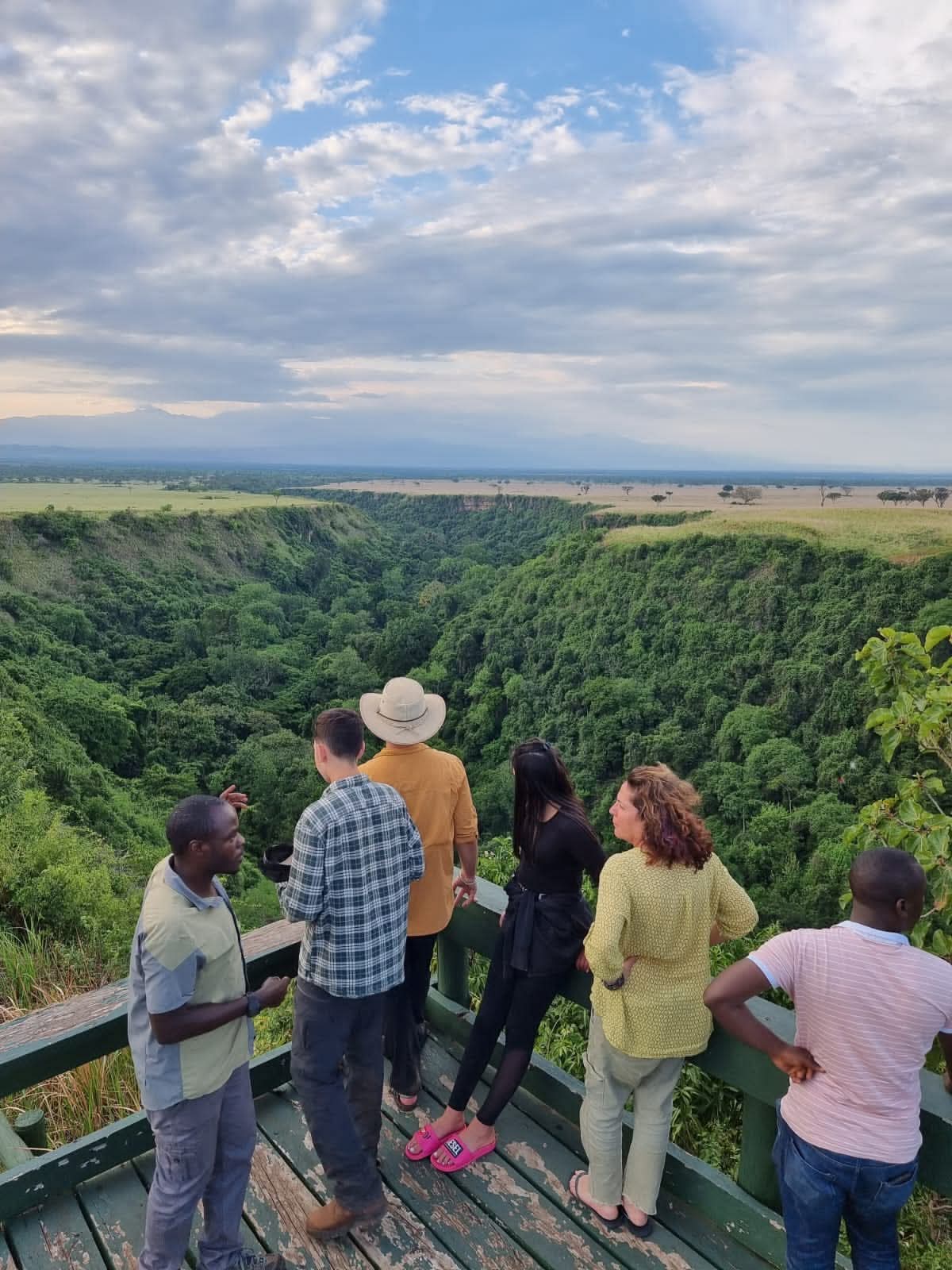
Two sentences you should internalize before you commit. Gorilla trekking is possible all year, but your comfort changes dramatically by season. In Bwindi, mornings can feel cold at 11°C (52°F), then warm into the 23°C (73°F) range by afternoon, so you pack for both.
Day 1: Arrival positioning for a clean start
Arrive with one job: set up your first full day so it runs on time. If you land late, you protect tomorrow by sleeping early and keeping dinner simple. Warm food, water, and a quiet room beat a long night out.
Your responsible tourism baseline starts here. Keep your planning centered on conservation rules and community benefit, not just a checklist of sightings. That mindset makes every next step cleaner.
Insider detail that saves your week: keep your first-day schedule deliberately light so you can adjust if luggage or traffic runs slow. One rushed arrival can ripple into missed briefings later.
Day 2: Kibale primate focus with chimpanzee tracking
Chimpanzee tracking gives you a primate experience with a different energy than gorillas: faster movement, louder calls, and a more dynamic forest rhythm. You’ll hear branches snap and breathing pick up as the group shifts. Bring patience. The forest sets the pace.
This day works best when you commit to the early start and protect your hydration. Humidity rises quickly once the sun is up, and your focus drops when you’re under-watered.
Responsible practice you keep: follow ranger spacing and guidance exactly. Close approaches and crowding are the fastest way to stress wildlife.
Day 3: Transfer into Queen Elizabeth for classic savannah structure
Queen Elizabeth National Park is where your itinerary pivots from canopy to open horizons. Dry-season game drives reward you with better visibility thanks to shorter grasses and more reliable tracks. In rainy season, you trade some visibility for greener scenery and strong bird activity.
You’ll taste the dust in dry months. You’ll smell wet earth after rain in green months. Both are part of the real Uganda safari texture.
Insider detail that improves sightings: run your first game drive late afternoon rather than mid-day. Heat flattens animal movement, and you feel it in the vehicle too.
For deeper park context and routing ideas, use our pillar overview of protected areas: Uganda’s national parks planning overview.
Day 4: Queen Elizabeth game drives with Big Five expectations set correctly
A Big Five safari in Uganda needs accurate expectations. Uganda’s Big Five list includes lion, leopard, elephant, buffalo, and rhinoceros. Rhino tracking is typically associated with protected sanctuaries, not automatically included inside the three savannah parks commonly paired with gorillas. A “Big Five” week is frequently a combination plan, not a single-park guarantee.
Dry season keeps your day-to-day logistics tight. Roads are more reliable, wildlife viewing is clearer, and you keep your schedule intact. Rainy season brings taller grass and more dispersed wildlife, so you treat sightings as a bonus, not a promise.
Two practical moves make this day feel premium:
Start early, before the sun bakes the vehicle roof
Keep your camera and lenses protected from dust in dry months and moisture in wet months
Pack neutral layers for cool morning air and warmer midday conditions
Use binoculars consistently; it reduces the “is that a rock?” fatigue
If you want a broader look at safari styles we build around this park pairing, reference: Uganda tours and safari options.
Day 5: Transfer to Bwindi with gorilla trekking readiness
Bwindi Impenetrable National Park is not a place you “fit in.” You plan around it. Trekking time varies with gorilla location and terrain, commonly 2–6 hours, and the forest can feel steep even in dry months. In rainy months, slippery sections demand slower, more deliberate footing.
You arrive today so tomorrow is clean. That means you eat early, lay out your gear, and treat sleep as part of the trek.
Bwindi has multiple trekking sectors with varied terrain and difficulty, including Buhoma, Ruhija, Rushaga, and Nkuringo. Sector assignment matters because it determines your morning drive time and how you feel at the briefing.
Insider detail that reduces stress: match your accommodation to your trekking sector. Shorter pre-dawn drives keep your legs and mood intact.
If you want a deeper sector-by-sector and packing approach, use: gorilla trek Uganda essentials for first-timers.
Day 6: Gorilla trekking day with responsible tourism at the center
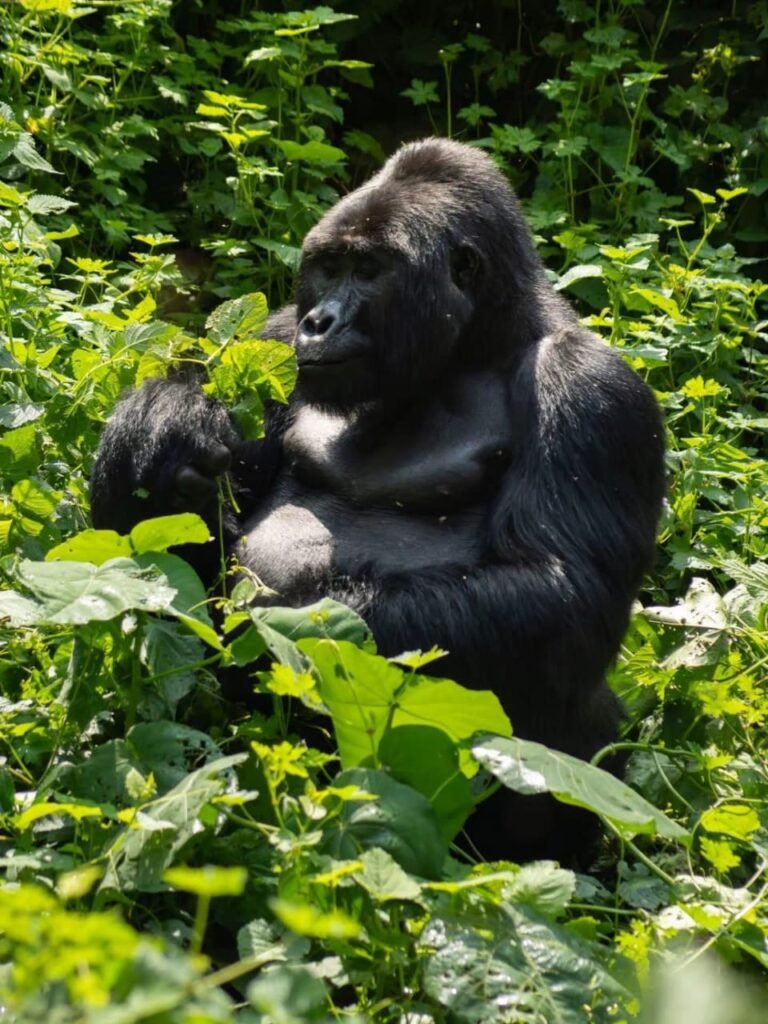
Gorilla trekking is the day you remember by sensation: cool morning air, damp leaves underfoot, and the sudden quiet when you’re close. The core structure stays consistent. You trek with rangers to locate habituated families, and once you find them, visitors typically spend one hour with the gorillas.
Your job is discipline. Follow distance rules, keep your voice low, and move slowly. The point is not to “get closer.” The point is to witness without pressure.
Two planning anchors keep you steady:
Trek duration can run 2–6 hours, so you eat a real breakfast and carry water
Dry season reduces mud, but steep terrain stays steep, so you pace yourself from the first climb
This is also where responsible tourism becomes real money flow. Permits are issued by the Uganda Wildlife Authority (UWA), and permits are limited per day to reduce disturbance. That limit is the conservation mechanism, not an inconvenience.
If you’re building your dates around permit realities, plan early in peak dry season. A common best practice is 6–12 months ahead for the best alignment of dates and sectors. Uganda’s gorilla permit price reference is USD $800.
For a more experiential read before you commit, use: what gorilla trekking feels like in Uganda.
Day 7: Lake Bunyonyi recovery and return positioning
Lake Bunyonyi is where you let your body catch up. After a trekking day, that matters. You trade engine noise for quiet water, softer air, and slower movement. It’s also a natural place to reflect on impact and keep your spending aligned with community benefit.
Birding fits naturally here, and it pairs well with Uganda’s broader birdlife depth of 1,000+ species across the country. In green seasons, the landscape feels especially lush, and the air carries that wet-earth smell after showers.
Insider detail that makes this day work: keep it light on logistics. If you cram activities, you lose the recovery benefit that makes the whole week feel better.
Responsible tourism rules that protect gorillas, parks, and communities
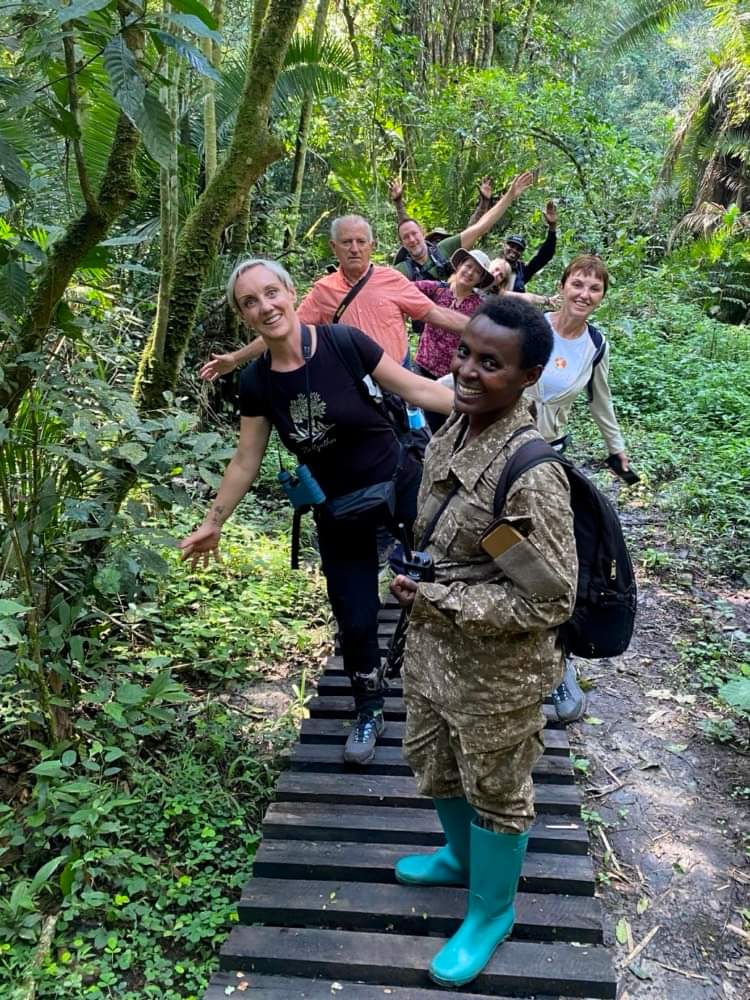
Responsible tourism in Uganda is not a tagline. It’s a set of choices that protect wildlife health, keep habitats intact, and ensure communities benefit from visitor spending. You follow these rules because they keep the experience possible.
Start with the non-negotiables:
Respect UWA permit structures and daily limits for gorilla trekking
Keep to ranger guidance on spacing, movement, and voice level around primates
Plan travel in dry seasons if you need reliable road timing; reduce unnecessary off-road pressure in wet months
Book community-linked experiences that keep revenue local and visible
Pack to reduce waste: refillable water systems and durable rain protection over disposable backups
A practical note for your itinerary design. Dry seasons reduce friction across every step: less mud on forest trails, more reliable roads, and clearer game viewing. Rainy seasons deliver greener landscapes and fewer crowds, but you build in time buffers and accept slower transfers.
If you want a culture-forward add-on that stays grounded in real communities, reference: Uganda village experience planning.
Best time to run this 7-day Uganda itinerary for first-timers
The best time to visit Uganda for this specific 7-day route is the dry seasons: June–August and December–February. You get drier trails in Bwindi and Mgahinga, stronger road reliability between regions, and clearer savannah viewing in parks like Queen Elizabeth. That matters because this itinerary depends on transfers landing on schedule.
Rainy seasons—March–May and September–November—still work, and gorilla trekking remains possible year-round. You just plan for more physical trekking conditions and slower drives on muddy or rutted roads. Green seasons reward you with lush landscapes, dramatic skies for photography, and strong birding conditions.
Two concrete planning anchors you use:
Bwindi temperature reference: about 11°C (52°F) mornings and 23°C (73°F) afternoons
Gorilla trekking duration: commonly 2–6 hours, plus one hour with the gorillas once located
Key takeaways you can use to plan decisively
A first-time 7-day Uganda itinerary works best on the Entebbe → Kibale → Queen Elizabeth → Bwindi → Lake Bunyonyi → Entebbe circuit because it links primates, savannah wildlife, and recovery time without wasting days on detours. The dry seasons (June–August; December–February) deliver the most reliable roads and easier trekking footing. Gorilla treks commonly run 2–6 hours, and you typically spend one hour with gorillas once found. In Bwindi, plan for 11°C (52°F) mornings and 23°C (73°F) afternoons.
Frequently Asked Questions
1. What is the best time to follow the 7-day Uganda itinerary?
The best time to follow this 7-day Uganda itinerary is during the dry seasons, from June to August and December to February. These months offer more reliable road conditions, clearer savannah viewing, and drier trails for gorilla trekking.
2. How should I prepare for gorilla trekking in Bwindi Impenetrable National Park?
Prepare for gorilla trekking by ensuring you have appropriate gear for varying temperatures, as mornings can be around 11°C (52°F) and afternoons 23°C (73°F). The trek can take between 2–6 hours, so pack water and snacks. Follow ranger guidelines closely to minimize stress on wildlife.
3. Are domestic flights recommended in Uganda?
Yes, domestic flights are recommended when combining remote savannah parks with primate forests. They help reduce fatigue and ensure you arrive on time for activities like gorilla trekking, especially during the wet months when road conditions can be challenging.
4. What should I expect during a game drive in Queen Elizabeth National Park?
During a game drive in Queen Elizabeth National Park, expect varied experiences depending on the season. In the dry season, you’ll have better visibility with shorter grass, while the rainy season offers lush scenery. Start your drives early or late in the afternoon to increase chances of wildlife sightings.
5. How can I ensure responsible tourism during my Uganda trip?
To ensure responsible tourism, respect the Uganda Wildlife Authority’s permit structures for gorilla trekking and adhere to ranger guidance. Travel during dry seasons for better road conditions and book community-linked experiences to support local economies. Additionally, minimize waste by using refillable water systems and durable rain protection.