
How Tourism Funds Our School: Transparent impact
Table of Contents
Tourism Funding For Amatsiko Preparatory School

How Tourism Funds Our School- Amatsiko Preparatory School?
With Amatsiko Tours, a portion of what you pay for your trip is set aside to fund Amatsiko School in the Kabale region. This connection is built into the way their community immersion itineraries are designed, where school visits and volunteering can be part of the experience. It’s not treated as a separate donation step. It’s tied to tourism revenue.
What percentage of tourism revenue goes to the Amatsiko Preparatory school?
Amatsiko Tours shares that around 20% of every tour fee goes directly toward supporting Amatsiko School. This is part of their broader commitment to transparency and ensuring that tourism creates real, visible impact in the community.
Social Impact Through Booking With Amatsiko Tours
How does booking a tour with Amatsiko Tours create social impact?
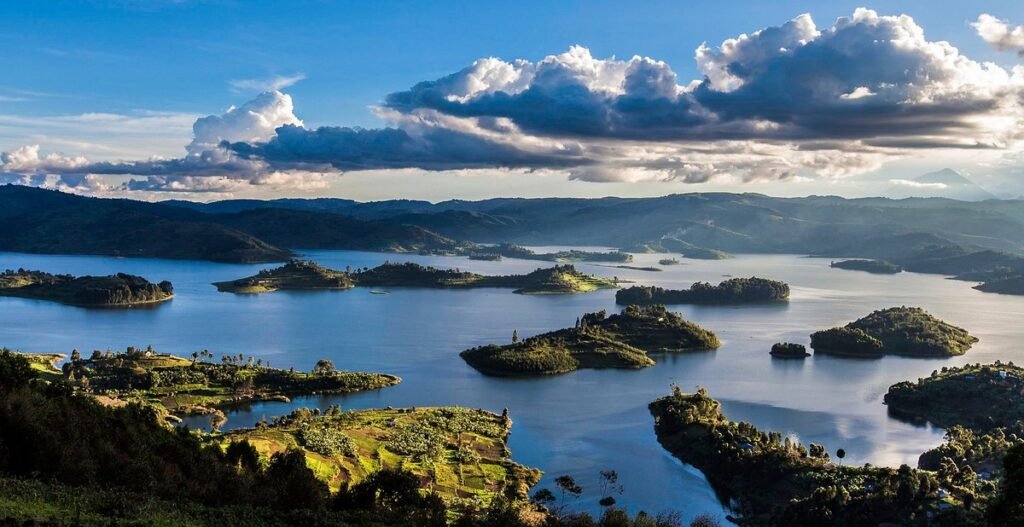
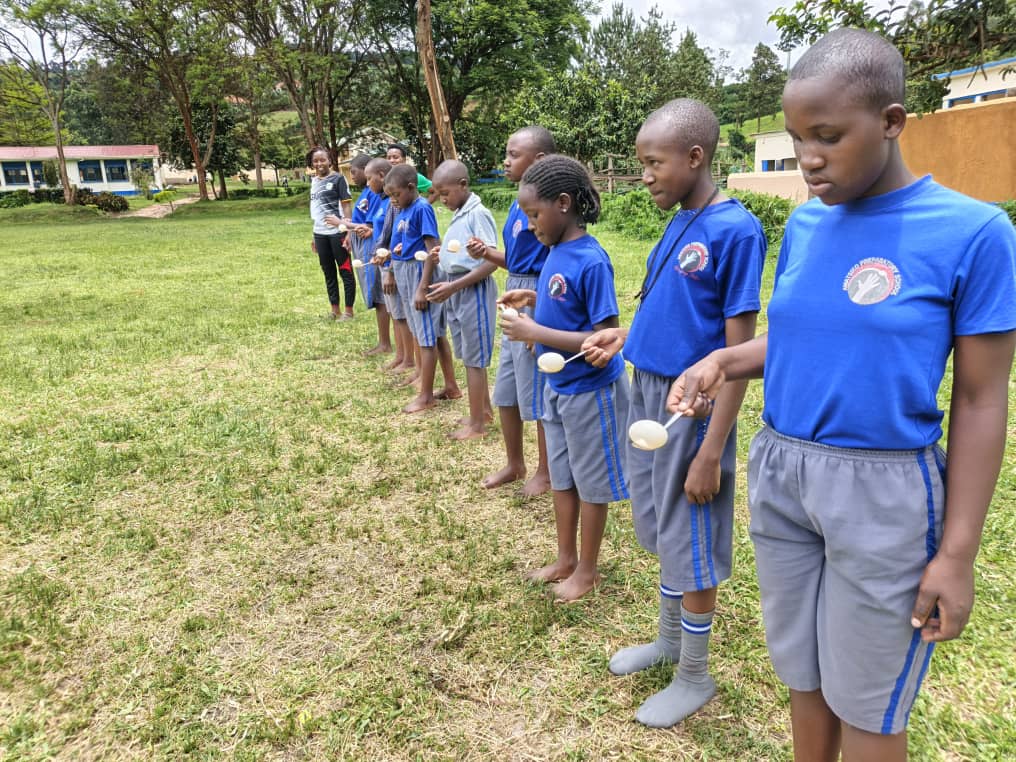
When you book with Amatsiko Tours, the impact mechanism they describe is direct: 20% of every fee is allocated to Amatsiko School. And if your itinerary includes community immersion in Kabale or around Lake Bunyonyi, you may also spend time at the school through a scheduled visit or a structured volunteering block, not just hear about it.
Why did Amatsiko Tours choose this social enterprise model?
Tours chose a social enterprise model because tourism, in its traditional form, often benefits visitors and operators far more than the communities that host them.
From the beginning, the vision behind Amatsiko was different: to make tourism a direct driver of community development rather than a parallel activity to it. The founder’s background in education and community work made it clear that sustainable change requires consistent, reliable funding for schools, livelihoods, and local initiatives not one-off donations or external aid.
By embedding impact into every tour, the model ensures that each visitor contributes directly to education and community development through Amatsiko Preparatory School and related initiatives. This creates a system where tourism is not extractive, but regenerative, where value is continuously circulated within the community.
In simple terms, the model was chosen to align travel with purpose: so that every journey in Uganda leaves a measurable, lasting benefit behind, especially in the lives of children and families the organization works with.
Projects Supported By Tourism Income
What projects are funded through tourism income?
The tourism income is primarily directed toward supporting Amatsiko School, including activities that strengthen learning and student wellbeing such as school visits and volunteer engagement where they are part of the programme design.
It also supports school-linked initiatives like garden projects that contribute to food production and practical learning.
Beyond the school, tourism revenue helps fund wider community-based activities around Lake Bunyonyi, including conservation and livelihood initiatives such as tree planting and beehive donations. These activities are designed to combine environmental restoration with income-generating opportunities for local households.
Does tourism income support education for specific numbers of children?
Tourism income directly supports Amatsiko Preparatory School and the children under its care. This includes 420 children in total, with 60 children staying at the school full-time under residential care, and about 360 children living within the surrounding community but remaining under the school’s supervision and support system.
The tourism revenue helps cover essential needs for both groups. For the residential children, this includes accommodation, food, and daily care. For all students, it supports teachers’ salaries, scholastic materials such as books and learning supplies, school feeding programs, and other operational costs required to keep the school running.
In this way, tourism income supports both direct care and wider educational access, ensuring that children in the community receive consistent learning support whether they live at school or at home.
Financial Transparency
How does Amatsiko Tours ensure financial transparency?
Amatsiko Tours ensures financial transparency through an Impact Ledger and supporting receipts, which document how tourism income is allocated toward school and community support activities.
This system is designed to show a clear link between guest payments and real outcomes at Amatsiko Preparatory School, helping track how funds are used for essentials such as food, teacher salaries, scholastic materials, and care for children.
Will I receive documentation showing my contribution to the school?
Yes. Guests can receive documentation showing their contribution to Amatsiko School.
Amatsiko Tours uses an Impact Ledger and receipts system to track tourism contributions toward education and community support. When requested, we can provide confirmation of contribution and impact documentation that reflects how a guest’s payment has supported areas such as school operations, children’s care, and learning materials.
The exact format and level of detail can be shared directly with guests depending on their needs, as part of our commitment to transparency and accountability.
Seeing Impact During Your Visit
Can visitors see the impact of their contribution during their visit?
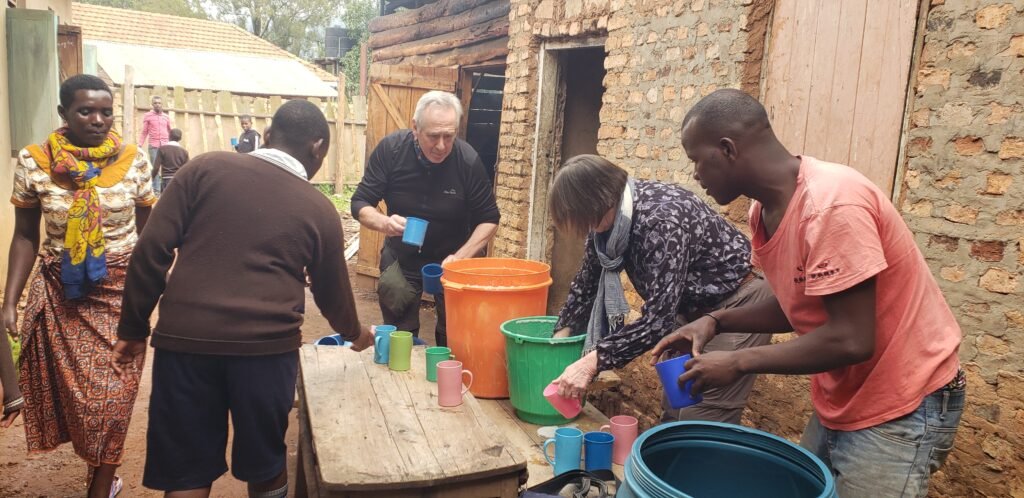
Amatsiko Tours’ community immersion modules can include school visits and volunteering at Amatsiko School in the Kabale/Lake Bunyonyi region, set as a scheduled visit or a structured volunteering block.
How does community-based tourism benefit local families?
Community-based tourism benefits local families by creating jobs, income, and community development opportunities within their own villages.
It supports local employment, cultural tourism experiences, and the sale of local products and services, helping families earn directly from tourism.
It also supports education and child welfare by funding schools, teachers, and learning materials through tourism revenue, as seen with Amatsiko Preparatory School.
Overall, it promotes sustainable tourism, regenerative travel, and ensures that tourism money stays in the community and improves everyday life.