Uganda Gorilla Trekking Tours from Kigali: Faster Access to Bwindi in 2026
Table of Contents
At a Glance
Start in Kigali for easier access to Uganda’s Bwindi Impenetrable National Park.
Choose your Bwindi trekking sector first; it determines your border crossing and lodge location.
Cyanika border works best for Kisoro, Rushaga, Nkuringo, and Mgahinga.
Katuna border suits Kabale, Lake Bunyonyi, and some Ruhija connections.
Gorilla permits should be secured before booking the rest of the itinerary.
Kigali International Airport offers a practical entry point for Rwanda–Uganda gorilla combinations.
A 4×4 safari vehicle is recommended for Bwindi’s remote sector roads.
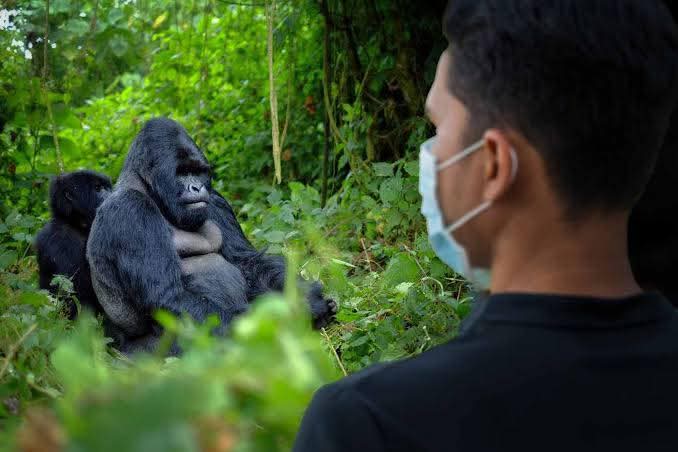
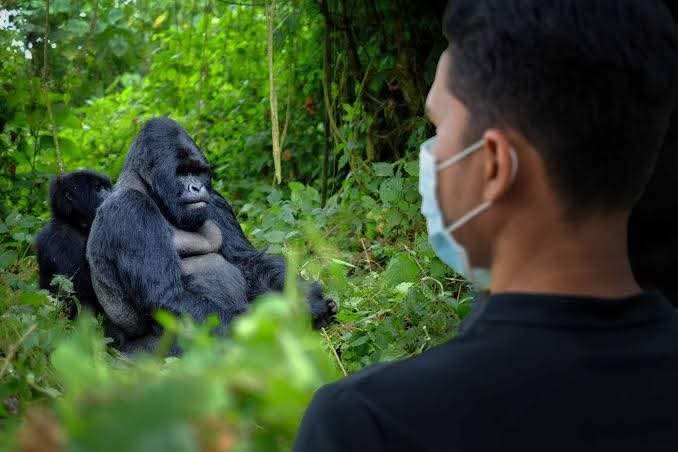
You can land in Kigali, clear the city, and be on the Rwanda–Uganda road corridor the same day. That’s why Uganda gorilla trekking tours from Kigali have become the cleanest routing choice for travelers pairing Rwanda and Uganda without burning extra nights in transit. The key is simple: match your Bwindi sector first, then choose the border post that puts you closest to your briefing point.
Kigali works as a launchpad because the cross-border corridors line up with the gorilla region in Southwestern Uganda. Less backtracking. Fewer pre-dawn surprises. More energy where it counts, on trek morning.
Why Many Travelers Start Their Uganda Gorilla Trek from Kigali
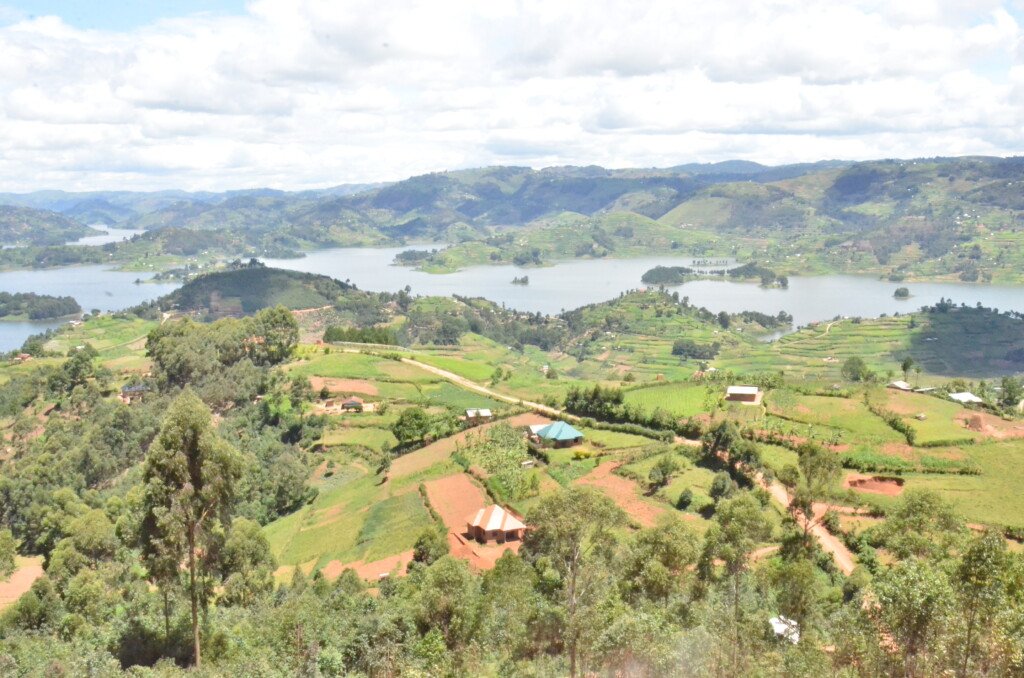
Kigali International Airport has become a popular gateway for travelers heading to Uganda’s gorilla region because it reduces unnecessary backtracking. Instead of spending extra time driving from Entebbe through central Uganda, visitors can move directly toward Southwestern Uganda and reach Bwindi’s forest-covered mountains faster.
The journey also creates an opportunity to experience two countries in one adventure — Rwanda’s clean, vibrant capital and Uganda’s rich landscapes, communities, and wildlife corridors.
Kigali-to-Bwindi routing stays predictable when you plan by sector
A Kigali-to-Bwindi transfer usually takes around 4–8 hours depending on your Bwindi sector, border crossing, road conditions, and lodge location.. You lock the permit date, confirm the sector, and then you choose the border and overnight base that keep your morning briefing simple. That one decision removes most of the stress you hear about with gorilla trekking from Kigali.
You’ll feel the shift as soon as you leave paved routes and hit Uganda-side approaches. The air cools fast with elevation, and the road texture changes under the tires, especially on steeper sections into sector areas.
Bwindi sectors decide where you sleep
Bwindi Impenetrable National Park is organized into trekking sectors with different access roads and briefing points: Buhoma, Ruhija, Rushaga, and Nkuringo. Book the wrong overnight town and you’ll pay for it at 4:30am in the dark.
Our rule stays strict: sleep in the same sector area (or the closest practical town) the night before trekking. If you’re being picky, this is where most itineraries quietly fail.
Two border posts, two very different outcomes
Cyanika border (Rwanda) ↔ Kisoro (Uganda) aligns best with Rushaga and Nkuringo, plus Mgahinga Gorilla National Park.
Katuna border (Rwanda) ↔ Kabale (Uganda) aligns best with Kabale, Lake Bunyonyi, and many plans built around Ruhija (and some onward connections toward Buhoma, with longer drives).
Pick border first, and you’re guessing. Pick sector first, and the border choice becomes obvious.
“We searched for a wholly local tour operator hoping our visit to Uganda might benefit local communities as well as including Uganda’s natural beauty and wildlife. Amatsiko Tours is owned and operated by Alex and Alphonse, who have dedicated their working lives to helping the most vulnerable in their communities. Alex curated a two weeks itinerary for us that provided the most amazing and memorable experiences: visiting remote communities and schools, welcomed by so many people in out of the way places, gaining insights into community life and culture, walking with rhinos, giraffes and zebras, and of course gorilla and chimpanzee trekking. Our accommodations and food options were all great and our air conditioned 4WD vehicle was supremely comfortable and unstoppable whether in towns, on the open road or on the many safari game drives we undertook. Uganda is beautiful, safe and friendly and I can think of no better way to experience it than with the caring, knowledgeable experts at Amatsiko Tours.”
— TripAdvisor, 5.00
“If you’re considering a trip to Uganda, stop searching. Amatsiko Tours is in a class entirely of its own. From the moment we arrived, everything was handled with a level of care and professionalism that made the entire experience effortless. Airport pickup, beautiful accommodations, seamless transportation, and delicious meals. Every detail was thoughtfully arranged. We were driven in a spotless, comfortable vehicle and never once had to worry about logistics. We could simply be present and absorb the experience.”
— 565carolyno, TripAdvisor, 5.00
“Wow where to begin with this experience! First, let’s say we were easily the most difficult clients they must have had, throwing them curve balls left and right. From missed flights, to missing baggage, to itinerary changes, plus the added challenge of us working on a film project while with them, Alex and Alfonse made us feel calm and easy in what otherwise would have been a very stressful situation. Even my phone broke while on the trip, and these guys kept me from having a panic attack while they got my phone repaired. But let’s talk about the tours- with these guys, you’re going to get the REAL REAL of Uganda. If you’d like to be surrounded by other tourists, this is not the company for you. Off the beaten path, we saw Uganda like no others do, yet we were happy and comfortable the whole time. Incredible experiences like gorilla tracking were even better because they gave us the best advice on how to prepare. Furthermore, the profit they make on the tours goes straight to educating rural children in Uganda at the school they founded, which we saw in person and enjoyed interacting with the kids. If you want a unique experience with the added benefit of supporting a cause, this is the company to use when you go to Uganda. In the end we were sad to say goodbye to Alex and Alphonse, our new but close friends, and we will be back to see them again!”
— Sophie Schneeberger, Google, 5.00
Gorilla trekking from Kigali works best through Cyanika or Katuna
The whole promise of gorilla trekking from Kigali is time efficiency, and the border choice is where you either keep that promise or lose it. Cyanika and Katuna both work. They just serve different sleeping bases and different sector strategies, and you should treat them like tools, not preferences.
The sensory tell is the road itself. Rwanda-side corridors are generally paved and smooth. Uganda-side approaches to Bwindi can turn rough or muddy in rainy months, and you’ll hear more gravel pinging the wheel wells the closer you get to sector roads.
Cyanika border for Kisoro, southern Bwindi, and Mgahinga
Cyanika is the cleanest line for the Kisoro gateway. Plan it when your permit aligns with Rushaga or Nkuringo, or when you’re choosing Mgahinga Gorilla National Park as your trekking park.
Useful timing anchors from real routing:
Kigali → Cyanika → Kisoro typically lands in a ~4–6 hour total range (with a reasonable border stop).
Kisoro → Rushaga or Nkuringo typically runs ~1–2+ hours, depending on lodge location and road conditions.
Insider move: if your trek is in Rushaga or Nkuringo, don’t “save money” by sleeping in Kabale. You’ll spend it back in fatigue.
Katuna border for Kabale and Lake Bunyonyi staging
Katuna fits travelers who want Kabale as a reliable staging hub, or who want to build in Lake Bunyonyi before or after trekking. It also suits permit assignments that make Ruhija the practical sector.
Useful timing anchors:
Kigali → Katuna → Kabale typically lands in a ~5–7 hour total range (with border time).
Kabale → Bwindi is sector-dependent, and that variability is exactly why you avoid long pre-dawn transfers when you can.
And yes, 4×4 vehicles are strongly recommended for Bwindi sector access year-round. In wet months, they stop being “recommended” and start being the reason you arrive.
Bwindi Impenetrable National Park tours succeed when permits anchor everything
Bwindi Impenetrable National Park tours work when you treat the permit as the trip’s fixed point. Dates, sectors, lodging, and transfers all orbit that permit. Ignore that reality and you’ll end up with a beautiful itinerary on paper and a messy one on the ground.
The forest itself sets expectations. It’s cooler under canopy, damp after rain, and the ground can feel slick even when the sky looks clear from the lodge.
The one-hour rule shapes your gorilla trekking experience
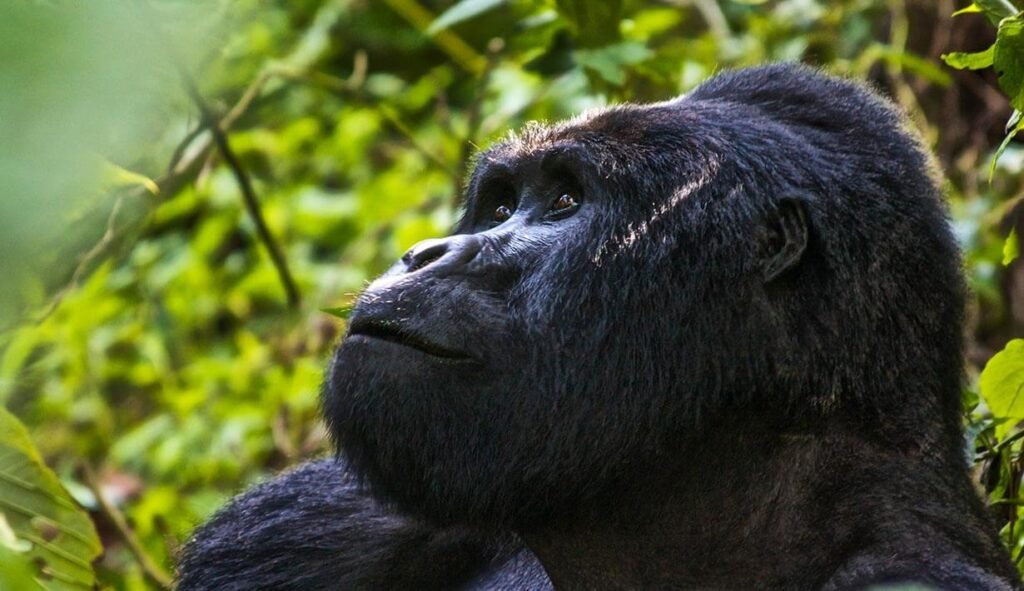
For habituated treks, visitors typically spend one hour with the gorillas once they’re found. That’s the regulated encounter window, and it’s why you protect your energy the day before. Your gorilla trekking experience is sharper when you arrive rested, hydrated, and not irritated by a 3:00am drive.
A small but real detail: pack your rain layer where you can reach it without unpacking your whole day bag. Bwindi weather changes quickly, and fumbling with zippers in damp air is a mood killer.
Sector-matched lodging keeps briefing mornings sane
Each sector has its own morning briefing logistics. Your best itinerary is the one where your lodge-to-briefing transfer feels short and boring. Boring is good on trek morning.
If you want more context on the park itself, keep this open while you plan your sector strategy: Bwindi Impenetrable National Park overview.
Gorilla trekking tours in Uganda stay smoother with a permit-first workflow
A permit-first workflow is the difference between confident planning and constant rework. Gorilla trekking tours in Uganda require permits issued by the Uganda Wildlife Authority (UWA), and permits are limited per day. That daily limit drives availability, and availability drives sector assignment. For 2026/2027 travel planning, Uganda gorilla trekking permits remain one of the most important costs to secure early. Permit availability is limited daily, especially during popular travel months, so confirming your trekking date before arranging transport and accommodation gives you more flexibility.
You’ll notice the planning pressure most in peak travel windows. The earlier you lock a date window, the more control you keep over sector and lodging.
Permit steps that reduce itinerary churn
Use this order. Don’t improvise it.
Choose your trek date window (flexible dates help).
Choose park preference: Bwindi Impenetrable National Park or Mgahinga Gorilla National Park.
Confirm sector strategy for Bwindi: Buhoma, Ruhija, Rushaga, or Nkuringo.
Check permit availability through your operator or official channels.
Reserve and pay under the operator’s terms and UWA rules.
Match lodging and transfers to the confirmed sector and briefing location.
Prepare border documents for the Rwanda–Uganda crossing.
The practical rule we follow: reserve lodging after sector confirmation, or only hold lodges with flexible change terms. Sector dictates sleep, and sleep dictates success.
Gorilla trekking pricing stays clearer when you budget in buckets
You’ll plan gorilla trekking pricing faster when you separate costs the way operators do:
Gorilla permit fee (largest fixed cost, and policy updates can change it)
Transport costs (Kigali pickup, cross-border transfer, 4×4 use on sector roads, driver-guide)
Accommodation (sector-area lodges vary by season and comfort level)
Optional park and community activities (walks, visits, Lake Bunyonyi add-ons)
Border and visa costs (depend on nationality and visa type)
For a deeper, permit-and-prep focused read, use: 7 Essential Tips for a Gorilla Trek Uganda Adventure.
Plan Your Uganda Gorilla Trek from Kigali
Ready to combine Rwanda and Uganda in one unforgettable journey? Our local team can help you match your gorilla permit, Bwindi sector, border crossing, accommodation, and safari route into a smooth itinerary.
Request your Uganda gorilla trekking plan and start building your adventure.
Uganda safari tours pair naturally with Kigali-to-Bwindi circuits
The Kigali-to-Bwindi route isn’t only about gorillas. It’s also the easiest way to stitch Uganda safari tours into a Rwanda–Uganda loop without wasting days. You anchor the gorilla permit, then add one module that fits your pacing and your exit airport.
You’ll feel the rhythm change after trekking. Muscles are tired, boots are damp, and a quieter stop starts to sound smart.
Practical circuit patterns that keep driving realistic
These patterns show up again and again because they respect transfer time:
Kigali arrival → road transfer → overnight in Kabale, Kisoro, or a sector-area lodge → trek next morning
Kigali → Bwindi trek → Lake Bunyonyi recovery stop → onward to Entebbe departure
Kigali → Bwindi trek → add a savannah wildlife park module in Uganda → onward to Entebbe
Kigali → Mgahinga Gorilla National Park (gorillas or golden monkeys) → add-on to southern Bwindi sectors near Kisoro
One flaw to admit: same-day Kigali to a far, specific sector lodge can get tight if you leave Kigali midday or later. Rain and roadworks don’t care about your dinner reservation.
A comparison table you can actually plan with
Start point | Core advantage | Core trade-off | Best-fit trip shape |
|---|---|---|---|
Kigali (Rwanda) | Shorter overall transfer into Southwestern Uganda gorilla region | Requires border and visa planning | Rwanda + Uganda combo anchored on Bwindi |
Kabale (Uganda) | Reliable staging hub near Bwindi and Lake Bunyonyi | Requires reaching Kabale first | Permit-first planning with local flexibility |
Kampala/Entebbe (Uganda) | Fits longer Uganda-only circuits | Longer overland transfer to Bwindi region | Multi-park Uganda route before gorillas |
For broader route building beyond gorillas, keep this reference handy: Uganda safari tours and itineraries.
Gorilla trekking health and fitness requirements stay manageable with honest prep
Gorilla trekking health and fitness requirements are simple on paper and real on the trail. Treks vary by gorilla location, and they can be physically demanding. Your best preparation is pacing, footwear you trust, and a plan that avoids an exhausted arrival the night before.
The forest is humid after rain, and your grip matters. Mud changes how you step, especially on steep gradients.
Tips for first-time gorilla trekkers that reduce stress fast
You’ll enjoy gorilla trekking tours in Uganda more when you treat these as non-negotiables:
Break in boots before you arrive, blisters ruin the day
Pack a rain layer and keep it accessible, not buried
Drink water early, the climb feels harder when you start dehydrated
Arrive to your sector area with daylight buffer, roads into Bwindi can slow down quickly
Keep your passport and border documents in one place, border stops go faster when you aren’t digging through bags
A small preference (your mileage may vary): I like a quieter lodge night before trekking. Early briefings come fast, and loud group bars don’t help.
Sustainable gorilla trekking stays practical, not performative
Sustainable gorilla trekking starts with doing the basics well: follow ranger instructions, respect time limits, and keep your logistics tight so you aren’t pressuring the day’s schedule. It also includes choosing itineraries that support local communities in Southwestern Uganda through consistent tourism connections.
If community connection is part of your plan, read: Uganda Village Experience across rural cultural regions.
How to book a gorilla trekking tour from Kigali without wasting time
How to book a gorilla trekking tour from Kigali comes down to sequencing. You secure the permit date and sector, then you lock the border corridor, then you book lodging that matches the sector. That’s the whole trick, and it’s why Uganda gorilla trekking tours from Kigali feel straightforward when they’re planned by a Kabale-based operations team that knows the last-mile roads.
You’ll hear it in the drive. Smooth pavement leaving Kigali, then rougher textures as you approach sector roads, with more engine braking on steep gradients.
The booking order that keeps your route clean
Keep your plan in this order:
Choose your trek date window and park (Bwindi or Mgahinga)
Confirm permit availability and sector assignment
Choose Cyanika or Katuna based on sector
Book sector-area lodging after sector confirmation
Build add-ons around the permit date (Lake Bunyonyi, wildlife modules, community visits)
For cross-border logistics run by a Kabale-based operator, we point you here: travel request for Africa safari trips.
Uganda vs Rwanda gorilla trekking comparison stays grounded in logistics
A comparison of gorilla trekking in Uganda vs Rwanda becomes clearer when you focus on what changes your trip design: border crossings, permit availability, and driving time to briefing points. Starting in Kigali can still support Bwindi Impenetrable National Park tours efficiently, as long as you match sector and border post and keep a realistic 4–8+ hour planning range plus border time.
And yes, we’ll say it plainly: if your schedule is tight, don’t gamble on a late Kigali departure.
Key planning takeaways for Uganda gorilla trekking tours from Kigali
Uganda gorilla trekking tours from Kigali work best when your permit date anchors the itinerary and your Bwindi sector determines the border corridor. Plan Cyanika for Kisoro, Rushaga, Nkuringo, and Mgahinga Gorilla National Park, and plan Katuna for Kabale and Lake Bunyonyi staging with sector-aware onward routing. Use realistic drive-time ranges (4–6 hours via Cyanika to Kisoro, 5–7+ hours via Katuna to Kabale, plus border time). Sleep near your sector, bring a 4×4 mindset for sector roads, and protect trek-day energy.
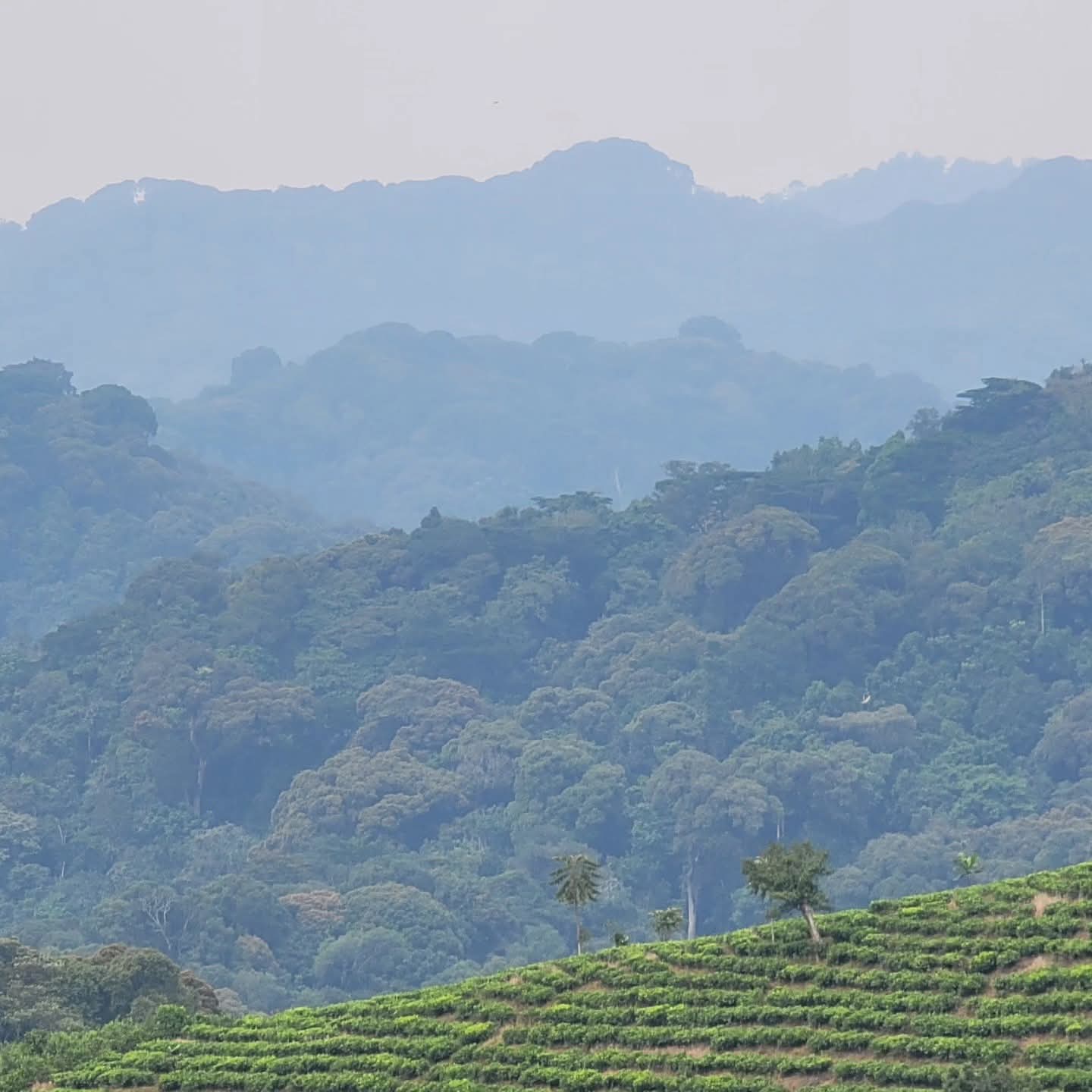
That damp, earthy smell in the forest stays with you. So does the quiet right before you step off the track.
Frequently Asked Questions: Uganda Gorilla Trekking Tours from Kigali
1. How can I plan Uganda gorilla trekking tours from Kigali efficiently?
To plan Uganda gorilla trekking tours from Kigali in 2026 efficiently, start by securing your permit date and sector. Choose the appropriate border crossing—Cyanika for Rushaga, Nkuringo, and Mgahinga Gorilla National Park, or Katuna for Kabale and Lake Bunyonyi. Book your sector-area lodging after confirming your sector, and plan your add-ons around your permit date.
2. What is the best way to match my Bwindi sector with a border post?
Choose your Bwindi sector first, as it determines the most suitable border post. For Rushaga and Nkuringo sectors, use the Cyanika border. If your trekking is in the Ruhija sector or near Kabale, the Katuna border is more appropriate.
3. Why is a permit-first workflow recommended for gorilla trekking tours in Uganda?
A permit-first workflow is recommended because permits issued by the Uganda Wildlife Authority (UWA) are limited per day, driving sector assignments and availability. By securing your permit first, you can plan your lodging and transfers efficiently, minimizing itinerary changes.
4. What should I consider when preparing for a gorilla trekking experience?
Prepare by ensuring you have broken-in boots, a readily accessible rain layer, and proper hydration. Arrive at your sector area with a buffer for unexpected road conditions, and keep your travel documents organized for smoother border crossings.
5. How does the Cyanika border fit into gorilla trekking logistics?
The Cyanika border is ideal for travelers heading to the Kisoro gateway, particularly if your permit aligns with the Rushaga or Nkuringo sectors, or if you are visiting Mgahinga Gorilla National Park. It usually involves a 4–6 hour drive from Kigali, including border time.
6. Why is it important to sleep near your trekking sector?
Sleeping near your trekking sector in Bwindi is crucial to avoid long pre-dawn transfers, which can result in fatigue and stress. Staying close to your briefing point ensures you are rested and ready for your gorilla trekking experience.
7. Are 4×4 vehicles necessary for accessing Bwindi sectors?
Yes, 4×4 vehicles are strongly recommended for accessing Bwindi sectors year-round due to the varying road conditions. In wet months, they become essential for safe and timely travel to your trekking location.
8. How does gorilla trekking pricing typically break down?
Gorilla trekking pricing is divided into several components: the gorilla permit fee, transport costs (including 4×4 vehicle use), accommodation costs, optional activities, and border/visa fees. Planning your budget with these categories in mind can help manage expenses effectively.