
Best time for African safari holidays for Uganda-focused wildlife trips
Table of Contents
At a Glance:
Timing affects wildlife visibility, travel costs, and road conditions in Uganda safaris.
Gorilla trekking requires permits, influencing lodging and border routes.
Uganda offers gorilla trekking, Big Five safaris, and cultural tourism in a compact route.
Safari timing should focus on your main interest, like gorillas or wildlife migration.
Flexible planning around logistics and permits enhances your safari experience.
Planning an African safari holidays for Uganda isn’t really about choosing a month, it’s about choosing the experience you don’t want to miss. Whether that’s standing a few meters from mountain gorillas in Uganda, watching lions patrol the savannah at sunrise, or crossing East Africa on a multi-country adventure, the timing of your trip shapes everything from wildlife sightings to travel costs and road conditions.
East Africa gives you range. Uganda delivers gorilla trekking, chimpanzee tracking, Big Five safaris, birdwatching, and community-based tourism in one compact circuit, with cross-border options that let you fly into Kigali and drive to Bwindi.

You’ll feel the shift in the air at dusk. Cooler. Dustier. Quieter. That’s when planning stops being abstract and becomes a real trip on real roads.
Safari seasons in Africa shape visibility, roads, and your daily rhythm
Timing influences far more than the weather. It determines whether you secure a gorilla permit for your preferred dates, how long you’ll spend driving between parks, the visibility of wildlife during game drives, and even how crowded popular viewing areas become. Rather than asking “Which month is best?”, start by asking which experience matters most. Once that decision is made, choosing the right season becomes much easier.
Practical decisions that follow the seasons:
Prioritize 4×4 transport year-round for Bwindi sector roads, not just in wet months
Lock your gorilla trek date first, then choose your overnight base near the correct sector
Start drives early to protect daylight for border time, park gates, and slow road sections
Plan a recovery night after a long transfer, especially before a trek day
If you’re mapping a cross-border route, the day can stretch. Kigali to Bwindi commonly takes 4–8+ hours driving plus border time, and that range is real.
“We searched for a wholly local tour operator hoping our visit to Uganda might benefit local communities as well as including Uganda’s natural beauty and wildlife. Amatsiko Tours is owned and operated by Alex and Alphonse, who have dedicated their working lives to helping the most vulnerable in their communities. Alex curated a two weeks itinerary for us that provided the most amazing and memorable experiences: visiting remote communities and schools, welcomed by so many people in out of the way places, gaining insights into community life and culture, walking with rhinos, giraffes and zebras, and of course gorilla and chimpanzee trekking. Our accommodations and food options were all great and our air conditioned 4WD vehicle was supremely comfortable and unstoppable whether in towns, on the open road or on the many safari game drives we undertook. Uganda is beautiful, safe and friendly and I can think of no better way to experience it than with the caring, knowledgeable experts at Amatsiko Tours.”
— TripAdvisor, 5.00
“If you’re considering a trip to Uganda, stop searching. Amatsiko Tours is in a class entirely of its own. From the moment we arrived, everything was handled with a level of care and professionalism that made the entire experience effortless. Airport pickup, beautiful accommodations, seamless transportation, and delicious meals. Every detail was thoughtfully arranged. We were driven in a spotless, comfortable vehicle and never once had to worry about logistics. We could simply be present and absorb the experience. But what truly sets Amatsiko apart is Alex and Alphonse.”
— 565carolyno, TripAdvisor, 5.00
“Wow where to begin with this experience! First, let’s say we were easily the most difficult clients they must have had, throwing them curve balls left and right. From missed flights, to missing baggage, to itinerary changes, plus the added challenge of us working on a film project while with them, Alex and Alfonse made us feel calm and easy in what otherwise would have been a very stressful situation. Even my phone broke while on the trip, and these guys kept me from having a panic attack while they got my phone repaired. But let’s talk about the tours- with these guys, you’re going to get the REAL REAL of Uganda.”
— Sophie Schneeberger, Google, 5.00
Best time for African safari planning starts with one anchor experience
The best time for African safari trips depends on what you refuse to compromise on: gorillas, chimpanzees, Big Five game drives, birding, or culture. Uganda works because you can combine several of these in one itinerary, but each has different timing pressure. Gorilla trekking is permit-limited per day, and that single date will dictate where you sleep and which border route makes sense.
You’ll notice it in your body, not just your calendar. Gorilla trekking mornings start early, and you want to arrive rested, hydrated, and not rattled from a pre-dawn drive on rough roads.
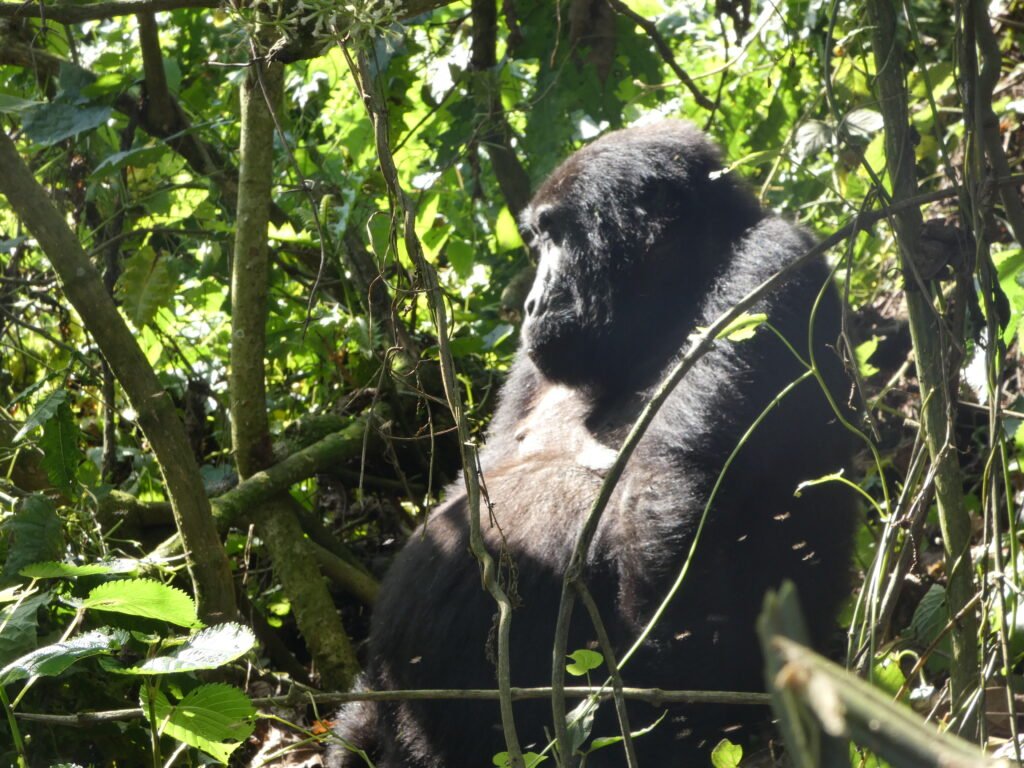
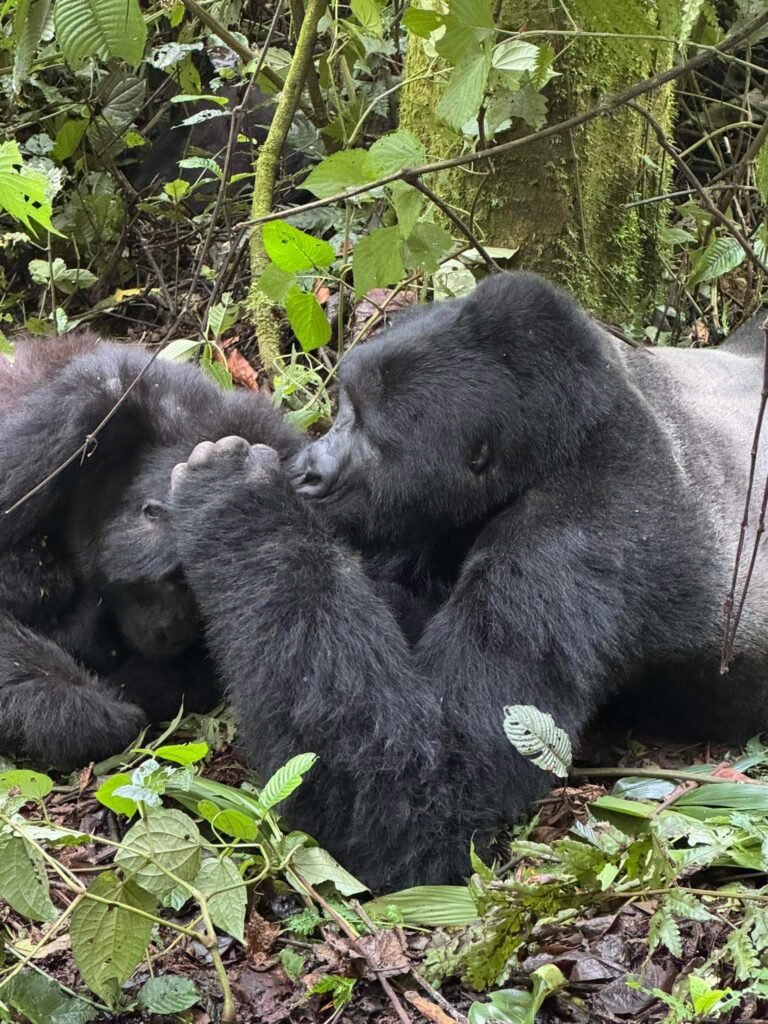
Gorilla trekking in Uganda stays permit-led, not weather-led
Gorilla trekking in Uganda requires a permit issued by the Uganda Wildlife Authority (UWA), and permits are limited daily. That limit matters more than any generic season advice because it controls your trek date and your Bwindi Impenetrable National Park sector assignment.
A standard trek includes a regulated one-hour visit once the gorillas are found. That hour is the point, so protect it.
One detail most people miss: book lodging after your sector is confirmed, or only book places that can shift without penalties. Sector-first planning saves you hours on trek morning.
For deeper logistics and packing, use this gorilla trek Uganda guide.
Chimpanzee tracking and classic game drives fit around the permit date
Chimpanzee tracking, Big Five safaris, and birdwatching are easier to shuffle than gorilla trekking because they don’t rely on the same permit bottleneck. Put them before or after your gorilla day, based on how you’re entering the region and where you want to overnight.
If I’m being picky, don’t stack a long border-transfer day immediately before your trek briefing. You’ll feel it in your legs.
Best time to visit Kenya and best time to go to Tanzania need separate calendars
East Africa doesn’t run on one master season. The best time to visit Kenya and the best time to go to Tanzania depend on which parks you’re prioritizing, how you feel about crowds, and how much you care about peak pricing pressure. Treat them as separate calendars, then decide if you want one country done well or a multi-country itinerary done carefully.
The sound cue you’ll remember is the morning start. Engines idling, birds loud, guides talking softly so you don’t spook anything close to the track.
African safari peak season brings demand pressure, not just better photos
African safari peak season typically means more vehicles at sightings, tighter lodge availability, and less flexibility if you want to change dates late. That’s not “bad,” it’s just a different style of trip. If you want quieter roads and easier last-minute changes, avoid the most popular windows.
Use this as a decision filter:
You want solitude: avoid African safari peak season and book smaller properties
You want maximum shared energy: peak season delivers it, especially in flagship parks
You want flexible routing: choose shoulder periods and keep drives shorter
You want the best guides: book early in peak periods so you’re not left with leftovers
Best time to go to Tanzania and best time to visit Kenya stay migration-adjacent
If your goal is the best time for wildlife migration safari, you’re thinking in movement windows, not months on a brochure. Keep your plan migration-adjacent, then choose your exact dates based on flight availability and how much crowding you’ll tolerate.
Use the phrase “best time to go to Tanzania” carefully in your planning notes. It’s only “best” if it matches your priority: migration, predators, or quieter camps. Same for “best time to visit Kenya.” Define the priority first.
And yes, your mileage may vary on crowd tolerance. Some people love the buzz at a big sighting.
Uganda delivers primates, Big Five, birds, and community-based tourism in one loop
Uganda is ideal if you want primates and savannah wildlife without bouncing across multiple countries. Your circuit can include Bwindi Impenetrable National Park for gorillas, Mgahinga Gorilla National Park as a smaller, quieter trekking option, and additional safari time elsewhere in Uganda depending on your route design. Community-based tourism fits naturally into the same southwestern corridor, especially if you stage through Kabale.
You’ll smell woodsmoke in the evening near towns and lodges. It’s a small detail, but it sticks.
Two practical anchors from real routing:
Kigali to Bwindi commonly runs 4–8+ hours plus border time
Kisoro to southern Bwindi sectors commonly takes 1–2+ hours depending on roads and lodge location
If you want an overview of where to go inside Uganda, start with our guide to national parks in Uganda.
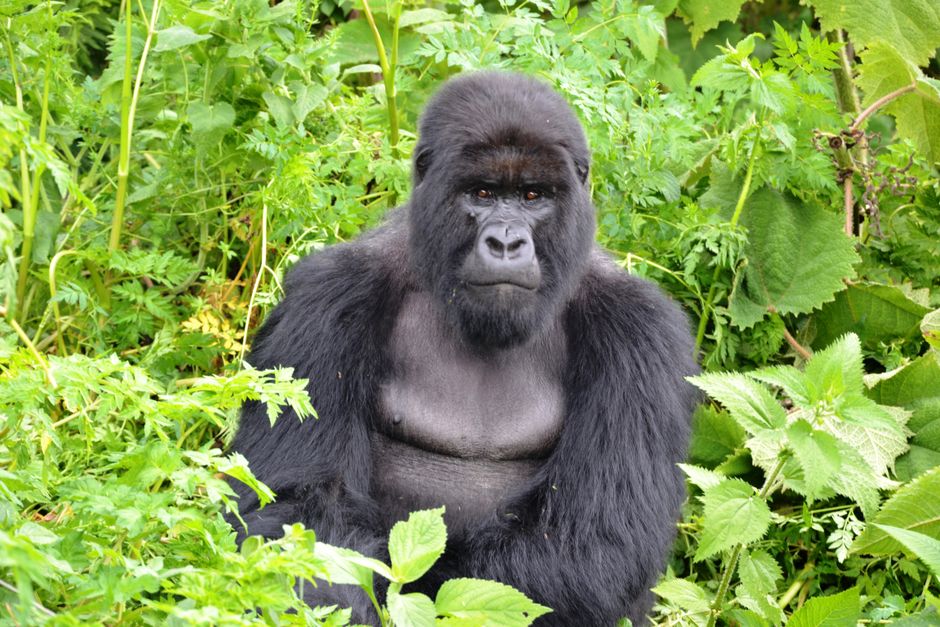
The forest air feels damp and cool on your skin. Pack for that reality, not for a generic “Africa is hot” idea.
Bwindi sectors decide your route, your border post, and your sleep plan
Bwindi is divided into trekking sectors, including Buhoma, Ruhija, Rushaga, and Nkuringo. Sector choice determines your briefing point and the most efficient approach road. Pick the wrong overnight base and you can add serious drive time before an early start.
A simple rule that works: sleep in the same sector area (or the closest practical town) the night before.
Mgahinga stays quieter and pairs well with golden monkeys
Mgahinga Gorilla National Park is smaller and is often perceived as quieter than Bwindi. It also pairs well with golden monkey tracking. Access commonly runs through the Kisoro area, which matters if you’re coming from Kigali via the Cyanika border.
Kigali to Bwindi logistics stay predictable with the right border and overnight base
Cross-border planning is where good safaris get ruined or saved. Most travelers doing a Kigali to Bwindi safari cross the Rwanda–Uganda border by road via Cyanika or Katuna, then overnight in Kabale, Kisoro, or near a Bwindi trekking sector. The realistic drive-time range sits at 4–8+ hours plus border time, and you should plan for variability.
Border days sound like paperwork and waiting. They also sound like stamps, sliding windows, and the clunk of a passport on a counter.
Cyanika border aligns with Kisoro and southern Bwindi sectors
The Cyanika border (Rwanda) ↔ Kisoro (Uganda) commonly aligns with southern Bwindi sectors like Rushaga and Nkuringo, and with Mgahinga. It’s the efficient choice if your permit is in the south and you want to cut down pre-trek driving.
Katuna border aligns with Kabale and Lake Bunyonyi staging
The Katuna border (Rwanda) ↔ Kabale (Uganda) commonly aligns with Kabale staging and Lake Bunyonyi add-ons, and it can work well for routes toward sectors like Ruhija depending on your lodge and road conditions.
If you’re building this route now, start with Uganda tours and safaris and keep your permit date as the fixed point.
Costs and comfort levels stay manageable when you budget in “buckets”
Safari pricing gets confusing when everything is bundled into one number. Budgeting works better when you separate fixed costs from variable logistics, then decide where you want comfort and where you don’t care. For Uganda gorilla trekking, the permit is usually the biggest fixed line item, and it’s controlled by UWA policy updates and availability.
You’ll feel the difference between budget and midrange most at night. Mattress, hot water reliability, and how quiet the room stays when the wind picks up.
Use these buckets to keep it clean:
Gorilla permit fee (fixed, date-specific)
Transport (Kigali pickup, cross-border transfer, 4×4 for sector roads, driver-guide days)
Accommodation (sector-area lodges vary by comfort level and season)
Optional activities (community visits, nature walks, Lake Bunyonyi add-on)
Border and visa costs (depends on nationality and visa type)
A cheap safari in Africa usually means one of two things: fewer travel days, or shared logistics. If “cheap” is the priority, shorten the itinerary and keep the route tight. If you try to do everything on a small budget, you’ll spend your trip in the car.
Accommodation choices that match the way you travel
Pick lodging based on your wake-up time and your tolerance for long drives, not just photos.
Sector-area lodges: best for early briefings and less stress on trek morning
Kabale base: strong staging option for route flexibility and Lake Bunyonyi pacing
Kisoro base: efficient for southern Bwindi sectors and Mgahinga access
Lake Bunyonyi add-on: smart decompression stop after a trek day
Pay attention to the unglamorous detail: where breakfast happens and how early they’ll serve it. Trek briefings start early, and you don’t want to negotiate coffee at 5:30 a.m.
Safari wildlife viewing tips that improve every game drive you take
Safari wildlife viewing tips are simple, physical, and repeatable. You position your body, your gear, and your expectations so you don’t miss the moment that lasts five seconds. The best photos and sightings usually happen at the edges of the day, and the best behavior in a vehicle is quiet, steady, and patient.
You’ll hear it first. A warning bark. A wingbeat. Guides shifting their tone.
Use these field-proven habits:
Sit for stability, camera ready, strap on, lens cap off
Keep your voice low when the guide stops the vehicle
Scan slowly, near to far, then far to near
Watch birds and antelope, they “announce” predators with alarm calls
Drink water early, not after you feel thirsty
And one tiny thing: bring a soft cloth for dust. It gets everywhere, especially on red dirt roads.
Responsible, sustainable safari travel shows up in small choices all day
Responsible travel isn’t a speech. It’s what you do repeatedly, even when nobody’s watching. Uganda’s community-based tourism and conservation efforts work best when you respect local boundaries, follow park rules, and choose operators that plan permits, routes, and lodging in ways that reduce pressure on sensitive areas.
You’ll notice the difference in the pacing. Less rushing. More listening. Better interactions.
Make your trip cleaner and more respectful:
Follow ranger instructions exactly during gorilla trekking and keep distance rules
Stay with your group, don’t wander into community spaces uninvited
Ask before taking photos of people, every time
Buy locally made crafts where you visit, not at the airport later
Keep your itinerary realistic so drivers aren’t pushed into unsafe night driving
If you want community experiences built into your route, our Uganda village experience guide lays out what’s possible across multiple regions.
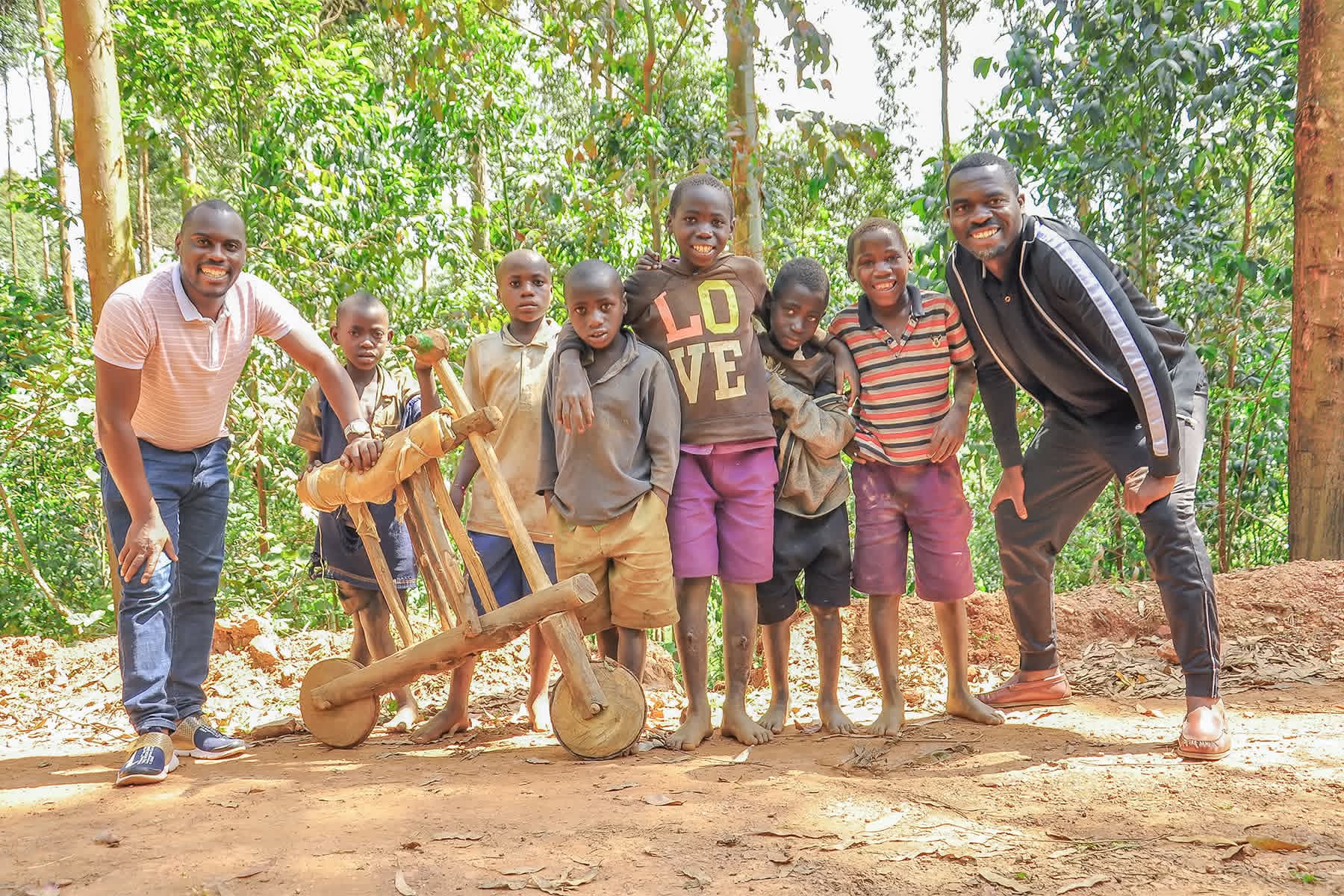
Border days feel slow, then suddenly fast. Keep your documents accessible, and keep your schedule padded.
Best month for safari in Africa depends on your route design and recovery days
The best month for safari in Africa is the one that fits your route without turning every day into a long transfer. For Uganda gorilla trekking circuits, you’re balancing permit availability, border timing, and sector roads that can slow down in rain. For Kenya and Tanzania, you’re balancing park demand and the reality of African safari peak season crowding.
This is the planning lens we use: protect sleep before a trek, protect daylight on border days, and protect recovery time after your biggest physical day.
A simple planning table helps you decide what to prioritize.
Trip priority | What you lock first | What you keep flexible | What you avoid |
|---|---|---|---|
Gorilla trekking Uganda | UWA permit date and Bwindi sector | Lodge comfort level, add-on days | Long pre-dawn drives to briefing |
Big Five focus | Park days and game-drive timing | Room category, cultural add-ons | Midday driving between parks |
Best time for wildlife migration safari | Migration window and park choice | Exact travel dates, camp locations | Last-minute peak-season bookings |
Cheap safari in Africa | Number of days and shared logistics | Activities, lodging upgrades | Overstuffed itineraries |
One more honest note: the “best month for safari in Africa” isn’t universal. It’s personal tolerance for crowds, long drives, and early mornings.
Key takeaways for the best time for African safari planning in East Africa
The best time for African safari planning comes down to matching season, permits, and road reality to your one non-negotiable experience. Uganda stays permit-led for gorilla trekking, with Bwindi sector choice shaping where you sleep and which border route works best. Kigali to Bwindi commonly runs 4–8+ hours plus border time, and Kisoro to southern sectors can take 1–2+ hours. Build buffer days, budget in buckets, and keep responsible travel practices consistent.
There’s no single “best” time for an African safari only the best time for the experience you want most. If gorilla trekking tops your list, let permit availability lead your planning. If classic wildlife viewing is your priority, the dry seasons will usually reward you with easier game drives and better visibility. Build your itinerary around that one unforgettable experience, and the rest of your journey will naturally fall into place.
Frequently Asked Questions
1. When is the best time to go on an African safari?
The best time for an African safari depends on your priorities. For gorilla trekking in Uganda, securing a permit date is crucial and dictates your itinerary. If your focus is on wildlife migration, consider movement windows rather than specific months. Each experience, whether it’s gorillas, the Big Five, or birdwatching, may have different timing considerations.
2. How do I secure a gorilla trekking permit in Uganda?
Gorilla trekking permits in Uganda are issued by the Uganda Wildlife Authority (UWA) and are limited daily. It’s essential to book your permit well in advance to secure your preferred dates. After securing a permit, plan your accommodation based on your confirmed trekking sector to minimize travel time on the day of your trek.
3. What should I consider when planning a safari in East Africa?
When planning a safari in East Africa, consider the specific experiences you want, such as gorilla trekking, chimpanzee tracking, or game drives. Timing affects wildlife visibility, travel logistics, and costs. For a successful trip, prioritize 4×4 transport, start drives early, and plan for recovery days after long transfers or treks.
4. How do I plan a cross-border safari from Kigali to Bwindi?
For a cross-border safari from Kigali to Bwindi, most travelers use the Cyanika or Katuna border posts. The drive from Kigali to Bwindi can take 4–8+ hours plus border time. Choosing the right border and overnight base, aligned with your gorilla trekking sector, can streamline your travel.
5. What factors affect safari costs in Uganda?
Safari costs in Uganda are influenced by fixed expenses like gorilla permits, transport logistics, accommodation choices, and optional activities. To manage costs, separate fixed expenses from variable ones. Consider comfort levels in accommodation and plan for potential additional costs like visas and border fees.
6. What are some tips for wildlife viewing on a safari?
For effective wildlife viewing on safari, position yourself for stability, keep your camera ready, and maintain a low voice. Pay attention to birds and antelopes as they often signal predator presence. Start your days early to capture the best sightings, and stay patient and observant during game drives.
Alex Atuheire