
Affordable Uganda Group Safaris: Small-Group Adventures from Gorillas to Savannah
Table of Contents
At a Glance
Small group safaris in Uganda enhance wildlife experiences with less crowding and more personalized guidance.
Affordable Uganda Group Safaris packages come from shared costs like vehicle and guide expenses.
Key attractions include gorilla trekking in Bwindi and chimpanzee tracking in Kibale.
Proper planning around lodging and border crossings maximizes enjoyment and reduces travel stress.
Community visits are more meaningful when integrated into the tour route.

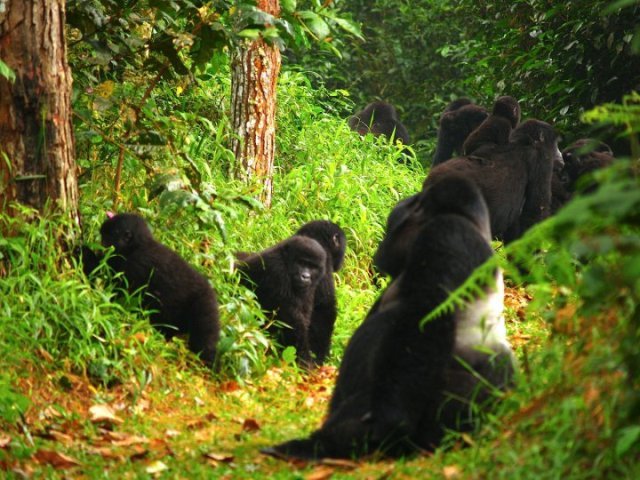
Affordable Uganda group safari experiences work best when the group stays small, the route stays realistic, and your overnights match the parks you’re actually visiting. Whether you are tracking mountain gorillas through the misty forests of Bwindi Impenetrable National Park, searching for chimpanzees in Kibale Forest National Park, watching elephants and lions roam through Queen Elizabeth National Park, or following the powerful landscapes of Murchison Falls National Park, the right route makes all the difference. You’ll spend less time negotiating plans with a crowd and more time in the field with a guide who learns your pace, your camera habits, and the wildlife you care about.
Small group tours Uganda also keep the logistics cleaner. Fewer bags at each stop. Faster departures. Less waiting at gates. And yes, more space to hear the birds before the engine starts.
Small-group travel in Uganda keeps wildlife time high and friction low
Small groups change the feel of a safari day in a measurable way: fewer people means faster load-in, fewer seat swaps, and fewer “quick stops” that stretch into 30 minutes. You get longer, quieter stretches of tracking and more consistent guidance from the same driver-guide across the route.
The sound difference is real. A smaller vehicle stays calmer, allowing Uganda’s wilderness to reveal itself in quieter moments. You hear tires rolling over gravel roads in Queen Elizabeth National Park, the distant calls of chimpanzees echoing through Kibale Forest, the wind moving through elephant grass on the savannah, or the early morning sounds of communities living near Bwindi Impenetrable National Park instead of cross-row conversations.
Expect these practical advantages on group wildlife tours Uganda:
Earlier departures because pickup runs are shorter
Cleaner viewing lines because seat rotation is simple
Better guide-to-guest attention for pace, photos, and questions
Easier coordination for community visits and conservation stops
If you’re being picky (I am), the only drawback is that small groups still require shared timing. You won’t get the full freedom of a private vehicle, especially on days anchored by permits.
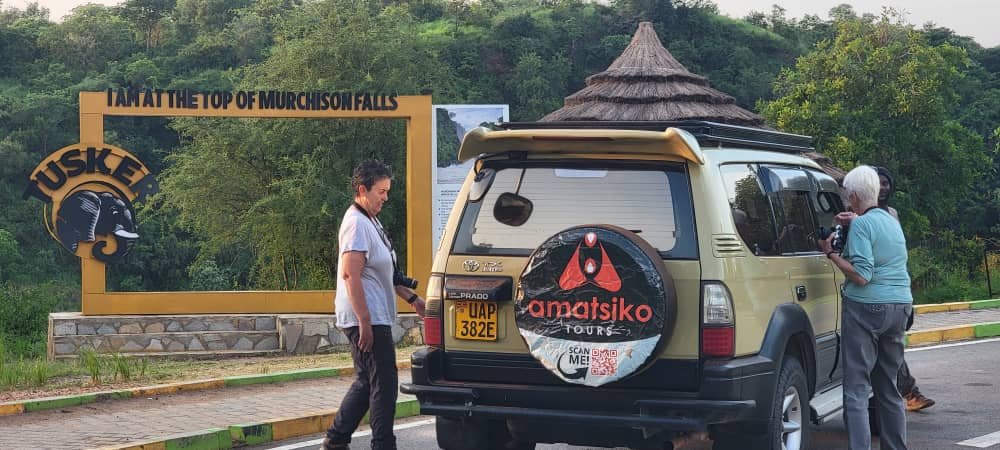
We searched for a wholly local tour operator hoping our visit to Uganda might benefit local communities as well as including Uganda’s natural beauty and wildlife. Amatsiko Tours is owned and operated by Alex and Alphonse, who have dedicated their working lives to helping the most vulnerable in their communities. Alex curated a two weeks itinerary for us that provided the most amazing and memorable experiences: visiting remote communities and schools, welcomed by so many people in out of the way places, gaining insights into community life and culture, walking with rhinos, giraffes and zebras, and of course gorilla and chimpanzee trekking. Our accommodations and food options were all great and our air conditioned 4WD vehicle was supremely comfortable and unstoppable whether in towns, on the open road or on the many safari game drives we undertook. Uganda is beautiful, safe and friendly and I can think of no better way to experience it than with the caring, knowledgeable experts at Amatsiko Tours.
— TripAdvisor, 5.00
We spent 2 weeks touring Uganda with Amatsiko Tours (Alex) . It was exceptional.. Alex took great care of us and had developed an incredible itinerary which covered all aspects of Uganda… gorillas, chimps, wildlife, fabulous accommodation and visits with Communities to learn about the cultural history.. I thoroughly recommend Amatsiko Tours to anyone wishing to experience Uganda.
— TripAdvisor, 5.00
If you’re considering a trip to Uganda, stop searching. Amatsiko Tours is in a class entirely of its own. From the moment we arrived, everything was handled with a level of care and professionalism that made the entire experience effortless. Airport pickup, beautiful accommodations, seamless transportation, and delicious meals. Every detail was thoughtfully arranged.
— 565carolyno, TripAdvisor, 5.00
Uganda group safari packages get cheaper when you share the right costs
Uganda group safari packages become “affordable” for one main reason: you split the big operational costs that don’t change much with headcount, especially the 4×4 vehicle and driver-guide days. That cost-sharing matters most on longer drives and on routes where road conditions make a capable vehicle non-negotiable.
You’ll feel it on the Uganda side near gorilla regions, where steep gradients and muddy sections show up in wet months. A proper 4×4 isn’t optional for Bwindi sector approaches, year-round, and sharing that vehicle cost is one of the cleanest ways to lower your total.
Use this decision table to keep your Uganda safari planning grounded:
Format | Best for | Cost drivers you share | Trade-offs |
|---|---|---|---|
Shared tours Uganda (small group) | Value-focused travelers who still want a guide | 4×4 vehicle days, driver-guide days, some fixed logistics | Less schedule control on transfer days |
Private safari | Tight timelines, photographers, families | None (you cover all fixed costs) | Higher total cost, more planning choices |
Cross-border small group (Kigali route) | Kigali arrivals aiming for gorillas efficiently | Long transfer days, guide, routing expertise | Border timing must work for everyone |
A good rule: don’t chase the lowest quote if it forces a bad overnight. Long pre-dawn drives before a trek day cost you energy when you need it most.
Kigali-to-Bwindi routing makes or breaks shared tours Uganda
If your small group itinerary includes gorillas, the Kigali to Bwindi safari corridor is the part you plan like a puzzle, not a wish list. Most travelers cross the Rwanda–Uganda border by road via Cyanika or Katuna, then overnight in Kabale, Kisoro, or near a Bwindi trekking sector. Total driving time typically lands in the 4–8+ hour range (plus border time), depending on the border post and your Bwindi sector.
The air changes as you climb. Nights feel cooler around Kabale and Kisoro, and the road texture gets rougher the closer you get to the forest sectors.
Cyanika border aligns with Kisoro and southern Bwindi sectors
Cyanika border (Rwanda) ↔ Kisoro (Uganda) is the cleanest match for southern Bwindi sectors, specifically Rushaga and Nkuringo, plus Mgahinga Gorilla National Park. If your permit is tied to the south, you want this corridor in play. The Kisoro area is also the gateway to Mgahinga Gorilla National Park, where visitors can experience Uganda’s volcanic landscapes and one of the country’s quieter gorilla trekking environments.
Plan for Kisoro as your gateway, then a shorter hop onward. Kisoro to Rushaga or Nkuringo commonly runs about 1–2+ hours, depending on lodge location and road conditions.
Katuna border aligns with Kabale staging and Lake Bunyonyi
Katuna border (Rwanda) ↔ Kabale (Uganda) fits itineraries that stage in Kabale, add Lake Bunyonyi, or aim toward Ruhija and some onward connections toward Buhoma. Kigali to Katuna to Kabale typically plans in the 5–7+ hour range, including border time.
Kabale is the practical staging point. Stock up, settle in, and keep your morning simple.
For park context and routing ideas, use our pillar overview of national parks in Uganda.
Affordable Uganda safari tips that protect your trek day
Affordable Uganda safari tips matter most on the days you can’t “wing it,” and gorilla trekking is one of them. Gorilla trekking in Uganda requires a permit issued by the Uganda Wildlife Authority (UWA), and permits are limited per day. That limit drives your date, your sector, and your lodging plan.
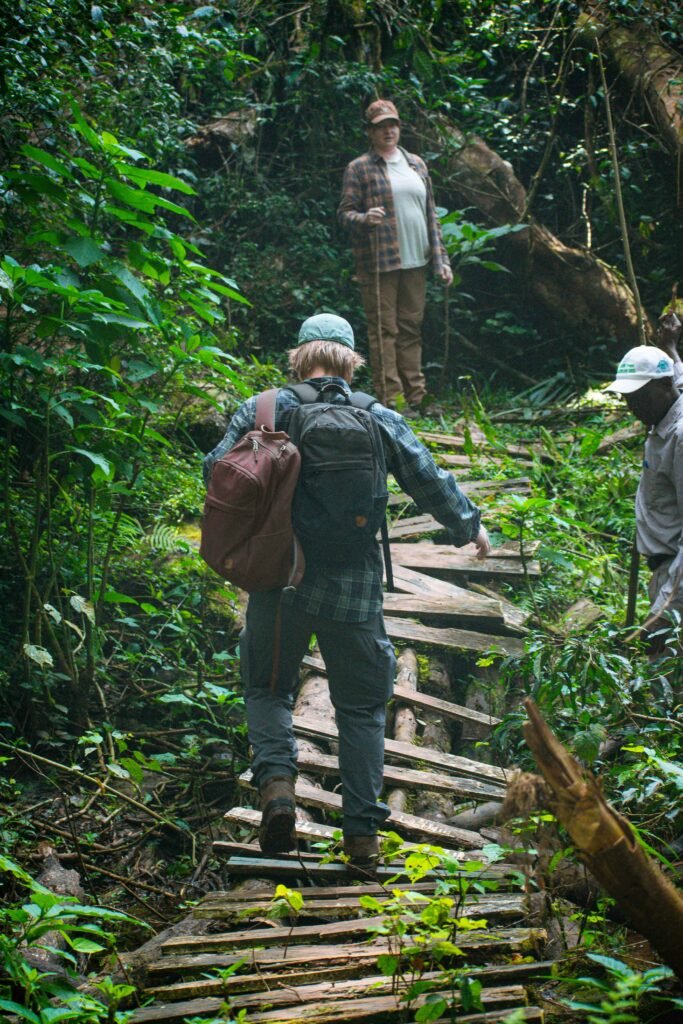
The forest is damp underfoot. Even in drier periods, you’ll smell wet leaves and soil in the morning briefing area, and your boots will tell you the truth about your prep.
Here’s the sequence we recommend for affordable group safari options in Uganda that include gorillas:
Lock your trek date window first (flexible dates help)
Choose park preference: Bwindi Impenetrable National Park or Mgahinga Gorilla National Park
Confirm sector strategy for Bwindi: Buhoma, Ruhija, Rushaga, or Nkuringo
Reserve permits through official channels or an operator
Book lodging only after sector confirmation, or with flexible change terms
Match your border post to your sector (Cyanika for southern sectors, Katuna for Kabale staging)
One hyper-specific detail most people miss: don’t book a “nice” lodge in the wrong place just because it looks good on a map. If your permit is for Ruhija and you sleep toward Kisoro, you’ve bought yourself a dark, early drive on roads that punish late-night confidence.
For deeper preparation, keep our cluster guide open: 7 Essential Tips for a Gorilla Trek Uganda Adventure.
Uganda safari accommodations need to match sectors, not towns
Uganda safari accommodations should be chosen like staging points, not trophies. In the Bwindi region, sector choice determines your briefing location and your access roads, so your overnight base should sit in the same sector area (or the closest practical town) to reduce pre-briefing drive time and late-arrival risk.
You’ll sleep better too. The quiet is different near the forest edge, and early mornings feel colder than you expect if you packed like it’s always hot.
Use this lodging alignment for Uganda group adventure tours that include gorillas:
Kabale and Lake Bunyonyi for recovery pacing
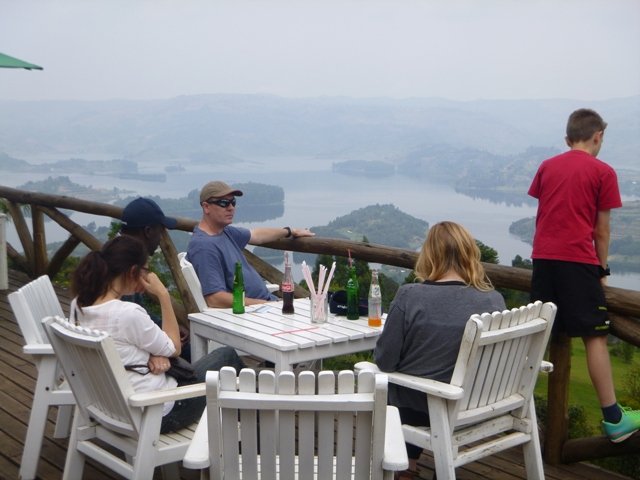
Kabale works as a staging hub after Katuna border crossings. Lake Bunyonyi adds a decompression stop that keeps your trip feeling human after long road days. Lake Bunyonyi is more than just a convenient overnight stop. Surrounded by rolling green hills and peaceful islands, it gives travellers a chance to slow down, meet local communities, enjoy traditional food, and appreciate the beauty of southwestern Uganda before or after a gorilla trekking adventure.
If you want the flexible, local-operator approach that keeps these moves predictable, start with Uganda tours and safaris.
Kisoro for Mgahinga and southern Bwindi
Kisoro lines up with Cyanika border, Mgahinga Gorilla National Park, and the southern Bwindi sectors Rushaga and Nkuringo. It’s the base that reduces wasted hours on transfer mornings.
And yes, it’s also the base that keeps your group calmer. Less driving before a trek means fewer headaches and fewer frayed nerves.
How to choose a Uganda group tour with realistic driving days
How to choose a Uganda group tour comes down to one unglamorous metric: where you sleep the night before your earliest start. If you’re crossing borders, the day needs buffer. Border processing time isn’t fixed, and rainy-season visibility and stopping distances on the Rwanda side slow the pace leaving Kigali.
A solid small-group plan respects daylight. Same-day Kigali to Bwindi is feasible with an early departure and an overnight in Kabale, Kisoro, or a sector-area lodge. Same-day becomes risky with a midday departure, heavy rain on Uganda-side sector roads, or an itinerary that demands a specific lodge far from the border without daylight buffer.
This is where we place trust signals, because planning discipline is the product.
For a clear operator and guide context, read 7 Reasons to Discover More About Us – Amatsiko Tours and meet the people behind the routing on our team.
The insider move: if your group is crossing at Katuna, aim to be in Kabale before dusk, not “late evening.” The last hour of daylight is when road surprises feel bigger than they are.
What to pack for a Uganda group safari with gorillas and savannah days
What to pack for a Uganda group safari is about handling two different textures: dusty vehicle days and damp forest mornings. Your packing list should keep you comfortable in a 4×4 for long stretches, then stable on uneven ground during a trek.
You’ll notice it in your hands first. Humidity makes grips slippery, and rain turns zippers into little fights.
Start with these non-negotiables:
Broken-in walking shoes or boots with traction
A light rain layer for sudden showers near forest sectors
A small daypack that stays comfortable when wet
Refillable water bottle for long transfer days
A warm layer for early briefings around Kabale, Kisoro, and sector areas
Don’t guess. Use our packing cluster guide and tailor it to your itinerary: what to pack for Uganda.

One more practical note: if you’re joining shared tours Uganda, keep your bag soft-sided. Hard cases turn into a daily Tetris game in the vehicle.
Community visits belong inside Uganda group safari packages, not as add-ons
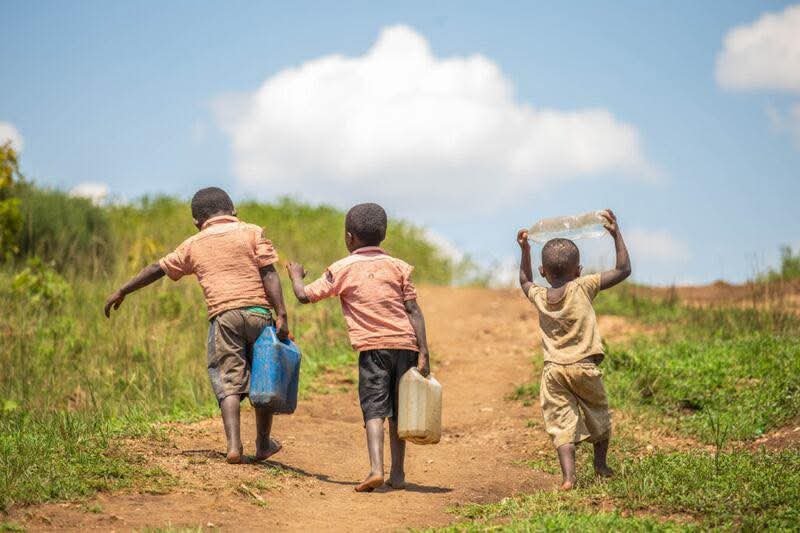
Community time works best when it’s built into the route, not squeezed into a “free afternoon” that never appears. Small group tours Uganda make these visits more respectful because you arrive quietly, you can listen, and you’re not pushing a crowd through someone’s daily life.
You’ll remember the soundscape. Kids calling out, a radio in the distance, cooking smoke in the air, and your guide translating without rushing.
If you want cultural depth that’s already mapped to real places, start here: Uganda Village Experience.
And if your definition of responsible travel includes direct local impact, keep these on your radar:
Amatsiko School in Kabale
Honest limitation: community visits require your best manners and your patience. If your group wants to rush, skip it and keep the day focused on wildlife.
Beyond Gorillas: Discover Uganda’s Wider Wilder
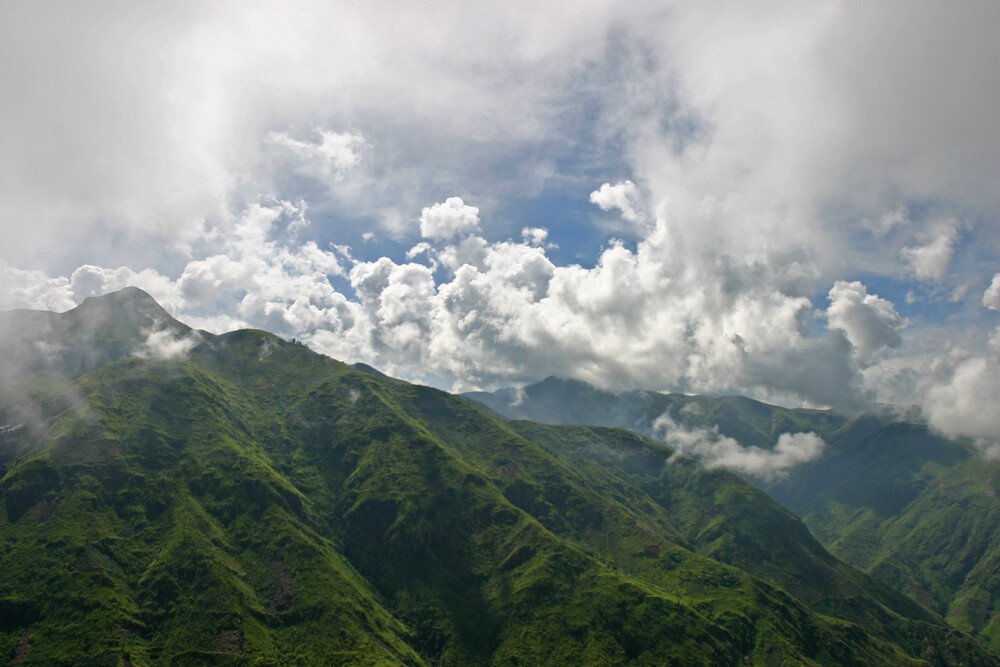
While gorilla trekking is often the dream that brings travellers to Uganda, the country offers much more for small-group safari explorers. From the thundering waters of Murchison Falls National Park to the remote wilderness of Kidepo Valley National Park, Uganda rewards those who take the time to explore beyond the famous primates. Small-group travel makes these journeys more personal, allowing deeper connections with landscapes, wildlife and local communities.
Booking-level clarity without pressure
Affordable Uganda group safari experiences stay affordable when the plan stays clean: match your Bwindi sector to the correct border post, sleep close to your briefing point, and share the costs that actually move the budget, mainly the 4×4 vehicle and driver-guide days. Kigali to Bwindi transfers typically run 4–8+ hours plus border time, so your itinerary needs daylight buffer and one smart overnight in Kabale, Kisoro, or a sector-area lodge. Permits are limited per day through the Uganda Wildlife Authority (UWA), so dates and sectors anchor everything else.

Frequently Asked Questions
1. What are the benefits of choosing a small-group safari in Uganda?
Small-group safaris in Uganda offer several advantages, including quicker departures, clearer views, and more personalized attention from guides. With fewer people, you can enjoy quieter environments, making it easier to experience the natural sounds and sights of Uganda’s national parks without distractions.
2. How do Uganda group safari packages become affordable?
Uganda group safari packages are affordable because they allow travelers to share significant costs, such as the 4×4 vehicle and driver-guide services. This cost-sharing is particularly beneficial for longer drives and in areas where a capable vehicle is essential, such as the steep and muddy roads near the gorilla regions.
3. What should I consider when planning a safari that includes gorilla trekking?
When planning a safari with gorilla trekking, it’s crucial to secure your trek dates first, choose the appropriate park and sector, and book permits through official channels. Ensure your lodging aligns with your trekking sector to avoid long morning drives that can affect your energy levels for the trek.
4. How do border crossings affect Uganda group tour itineraries?
Border crossings, such as those at Cyanika or Katuna between Rwanda and Uganda, are key elements in planning. They influence the overall travel time and require careful scheduling to ensure efficient transfers to gorilla trekking sectors in Bwindi or Mgahinga. Aim to reach staging areas like Kabale or Kisoro before dusk to avoid unexpected delays.
5. What are the essential items to pack for a Uganda group safari?
For a Uganda group safari, pack broken-in walking shoes, a light rain jacket, a comfortable daypack, a refillable water bottle, and a warm layer for cooler mornings. Soft-sided luggage is recommended for ease of packing in safari vehicles. Adjust your packing list based on your specific itinerary to ensure comfort during both vehicle and trekking days.