Gorilla trekking permits in Kabale for Bwindi treks and Batwa culture
Table of Contents
At a Glance
Gorilla trekking permits in Kabale are crucial for planning Bwindi treks and affect your route and lodging choices.
Kabale serves as a key base for organizing transfers to Bwindi’s sectors.
Choice of border crossing impacts travel time significantly; plan for 5–8+ hours from Kigali.
Consider the Batwa cultural experience for a richer trip.
Trekking preparation involves permits, documentation, and gear suited for variable conditions.

Gorilla trekking permits in Kabale are the planning hinge that decides your Bwindi Impenetrable National Park morning, your road route, and where you sleep the night before. Kabale works as a practical staging point for sector-matched transfers into Bwindi, especially when you’re aligning permits with the right approach roads. Add the Batwa experience and your itinerary stops being just logistics. It becomes a day that stays with you.
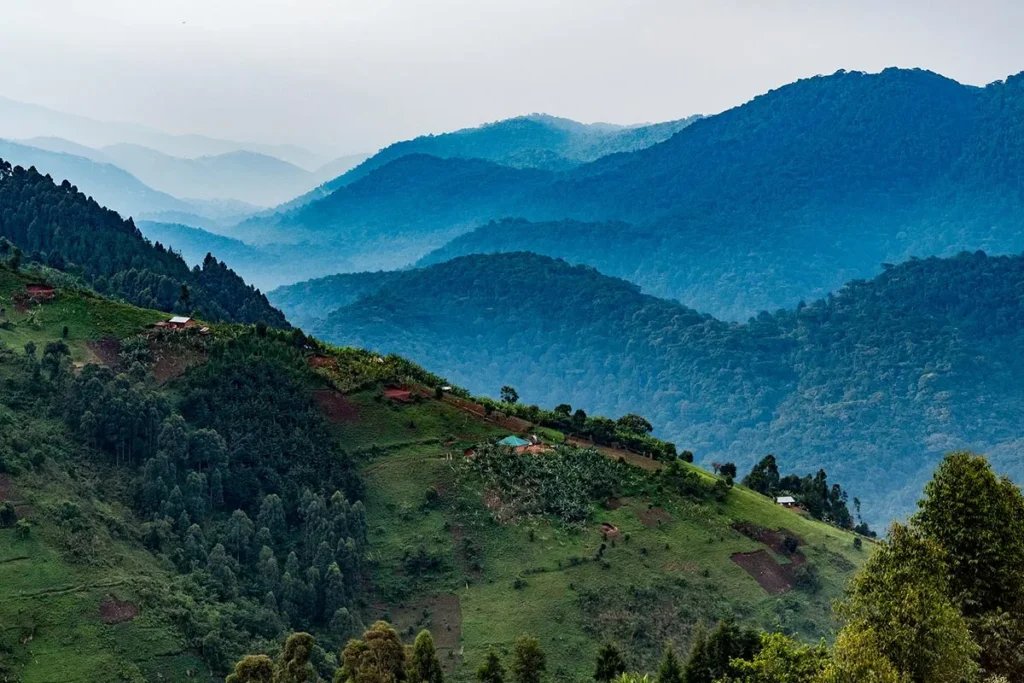
You’ll feel the shift as soon as you leave town and the air cools, the road starts to rise and fold, and the forest smell turns wet and green after rain.
Kabale as a staging hub for Bwindi gorilla trekking
Kabale is a reliable base for organizing transfers, timing, and sector alignment for Bwindi Impenetrable National Park. The point is simple: your permit sector controls your briefing location, and your briefing location controls your morning drive. Kabale lets you plan that chain cleanly, with a buffer night that keeps trek day calm instead of frantic.
Kabale also keeps you close to the Katuna border corridor, which matters if you’re coming by road from Kigali and want a predictable overnight before moving toward the park.
A picky note, honestly: Kabale isn’t the place you pick for “views from your lodge.” You pick it because it makes the next morning work.
Sector logic that saves your morning
Bwindi is divided into trekking sectors: Buhoma, Ruhija, Rushaga, and Nkuringo. Those names aren’t trivia. They’re routing decisions.
Our operating rule stays consistent: sleep in the same sector area as your permit, or in the closest practical base, so you’re not gambling on a long pre-dawn drive on steep roads.
Drive-time ranges you should plan around
Use planning ranges, not promises. Weather and roadworks change the day.
Kigali to Katuna border to Kabale: 2–3+ hours (including border time)
Kigali to Cyanika border to Kisoro: 3–4 hours (including border time)
Kisoro to southern Bwindi sectors (Rushaga or Nkuringo): 1–2+ hours
Kabale to Bwindi sectors: sector-dependent, with Buhoma often longer than Ruhija from the Kabale side
If you’re chasing a calm trek morning, you don’t want to arrive at your overnight stop late. Aim for dinner and sleep, not a headlamp check-in.
“If you’re considering a trip to Uganda, stop searching. Amatsiko Tours is in a class entirely of its own. From the moment we arrived, everything was handled with a level of care and professionalism that made the entire experience effortless. Airport pickup, beautiful accommodations, seamless transportation, and delicious meals. Every detail was thoughtfully arranged. We were driven in a spotless, comfortable vehicle and never once had to worry about logistics. We could simply be present and absorb the experience.”
— 565carolyno, TripAdvisor, 5.00
“Wow where to begin with this experience! First, let’s say we were easily the most difficult clients they must have had, throwing them curve balls left and right. From missed flights, to missing baggage, to itinerary changes, plus the added challenge of us working on a film project while with them, Alex and Alfonse made us feel calm and easy in what otherwise would have been a very stressful situation.”
— Sophie Schneeberger, Google, 5.00
“We searched for a wholly local tour operator hoping our visit to Uganda might benefit local communities as well as including Uganda’s natural beauty and wildlife. Amatsiko Tours is owned and operated by Alex and Alphonse, who have dedicated their working lives to helping the most vulnerable in their communities.”
— lorrainebL9532PA, TripAdvisor, 5.00
Gorilla trekking permits in Kabale as the anchor for your whole itinerary
Gorilla trekking permits in Kabale should be treated as your fixed point, then everything else moves around it: border choice, overnight base, and even whether you trek Bwindi or Mgahinga Gorilla National Park. Permits are limited per day through the Uganda Wildlife Authority, so availability decides your date and can also decide your sector.
You’ll hear it in the briefing area the next morning, voices low, boots scuffing dirt, radios crackling. That’s the sound of a plan that’s either tight, or falling apart.
How to get gorilla trekking permits in Kabale without wasting time
This is the clean workflow we use for how to book gorilla permits in Uganda when Kabale is your base.
Choose your trek date window (one exact date helps, flexibility helps more)
Choose your park: Bwindi Impenetrable National Park or Mgahinga Gorilla National Park
Confirm a Bwindi sector strategy: Buhoma, Ruhija, Rushaga, or Nkuringo
Check availability through official channels or a licensed operator
Reserve and pay under the operator’s terms and Uganda Wildlife Authority rules
Match lodging and transfers to the confirmed sector and briefing point
Prepare border documents for the Rwanda–Uganda crossing if you’re coming via Kigali
One practical detail most people miss: don’t lock your lodge in the wrong area before your sector is confirmed, unless the booking terms allow changes. Sector assignment controls where you need to be the night before.
Uganda gorilla tracking options that change your route
Uganda gorilla tracking options on this corridor come down to two parks.
Bwindi Impenetrable National Park: multiple sectors, more routing variables
Mgahinga Gorilla National Park: smaller park, commonly planned from the Kisoro side via Cyanika
If your permit date is fixed and Bwindi sectors are tight, Mgahinga can be the smarter pivot. Quieter, simpler access, fewer moving parts.
Gorilla trekking fees in Uganda and the real cost buckets to budget
Gorilla trekking fees in Uganda sit inside a bigger budget picture, and you’ll plan better if you separate fixed permit costs from the parts that swing with distance and comfort level. We quote and build itineraries in itemized buckets because it keeps decisions clean, especially for cross-border trips that include Kabale, Kisoro, and a specific Bwindi sector.
The money detail that matters most is boring but real: transport and road conditions can force a 4×4 year-round, and in wet months it stops being optional.
A planning table that keeps your choices honest
Cost bucket | What it typically includes | What changes it most | Kabale-specific note |
|---|---|---|---|
Permit | Uganda Wildlife Authority permit for trek day | Date availability, sector allocation | Permit availability can push you to a different sector |
Transport | Driver-guide, road transfers, 4×4 access | Distance, route choice, road conditions | Kabale aligns well with Katuna corridor logistics |
Accommodation | Overnight base and sector-area lodging | Comfort level, season, location | Book near your confirmed sector, not just “near Bwindi” |
Border/visa | Entry authorization and border processing | Nationality, route plan | Border time is variable, build buffer hours |
If you’re trying to estimate the cost of gorilla trekking in Kabale, keep your eye on the transport line. That’s where a “close on the map” mistake becomes a long, tiring morning.
Gorilla trekking preparation that matches Bwindi’s reality
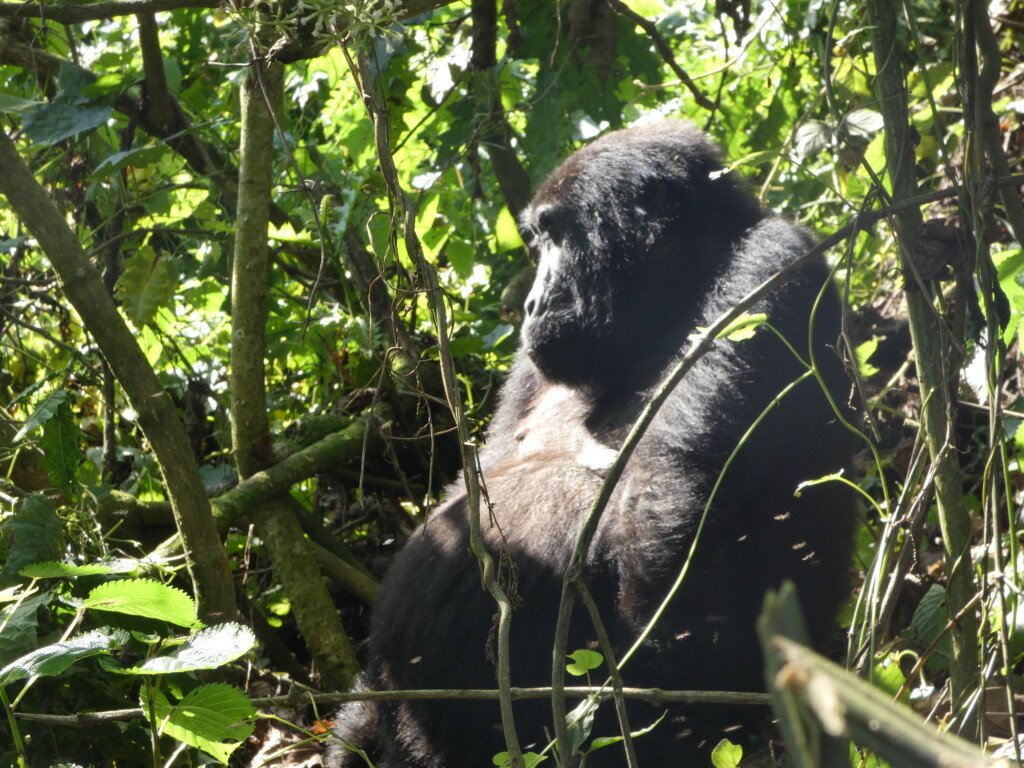
Gorilla trekking preparation is about mud, steep gradients, and the fact that trek difficulty changes with where the gorillas are that day. You can’t train for the exact route, but you can pack and pace like someone who wants to enjoy the hour with the gorillas, not just survive the hike.
The forest has its own soundtrack, insects, bird calls, the soft rip of leaves when you brush past. Your clothing should work with that, not against it.
Requirements for gorilla trekking in Uganda you should treat as non-negotiable
Requirements for gorilla trekking in Uganda include the permit itself and the documentation you’ll need if you’re crossing borders.
Plan to have:
A passport valid for international travel
Visa or entry authorization for Uganda (and Rwanda, depending on your entry and exit plan)
Any required vaccination documentation based on current border health rules (these change, so confirm close to travel)
One small habit that helps: keep documents together in one place the day before the drive. Border stops aren’t where you want to be digging through bags.
Gorilla trekking tips that hold up on a wet day
These gorilla trekking tips are built for the moments that actually trip people up.
Wear boots you trust on slick ground, not new ones
Pack water where you can reach it without stopping
Keep your camera simple, one lens if you can
Bring a light layer, the forest temperature shifts fast
Start the morning fed, even if it’s just tea and eggs
And yes, you’ll get dirty. Plan for it.
Gorilla trekking safety tips that keep you calm in the forest
Gorilla trekking safety tips are mostly about following ranger direction and moving as a group. The rules exist for a reason and they’re enforced.
Stick to:
Ranger guidance at all times
The group pace, even if you feel strong
Quiet voices near the gorillas
Controlled movements, no sudden steps forward
The one-hour limit once the gorillas are found (standard rule for habituated treks)
The best safety move is mental. Don’t rush the moment.
Route choices from Kabale that match your permit sector
Your route into Bwindi should be chosen for your permit sector, not for convenience. That’s why Katuna versus Cyanika matters, and why Kabale versus Kisoro matters. The wrong choice adds hours, and trek morning is not the time to “make up time” on narrow roads.
If you’re approaching after rain, you’ll feel the vehicle working harder on climbs, tires humming, the occasional slow crawl over rough sections.
Katuna border access that aligns with Kabale planning
The Katuna border (Rwanda to Uganda via Kabale) is commonly used for itineraries that overnight in Kabale and then continue toward Bwindi sectors such as Ruhija, with onward connections toward Buhoma depending on timing and road conditions.
Plan on 2–3+ hours Kigali to Katuna to Kabale including border time, then continue onward the next day based on your sector.
Cyanika border access that favors southern sectors
Cyanika border (Rwanda to Uganda via Kisoro) is commonly used for reaching Kisoro and then southern Bwindi sectors, especially Rushaga and Nkuringo.
If your permit is for Rushaga or Nkuringo, pushing the route through Kabale usually isn’t the efficient play. Sleep closer to the southern approach.
A clean decision point for Uganda gorilla tracking options
Pick your base like this:
Kabale for Katuna corridor planning and an organized staging night
Kisoro for Cyanika corridor and southern Bwindi or Mgahinga access
Sector-area lodge when you want the shortest possible trek-day morning
Your mileage may vary based on lodge availability, but the logic stays firm.
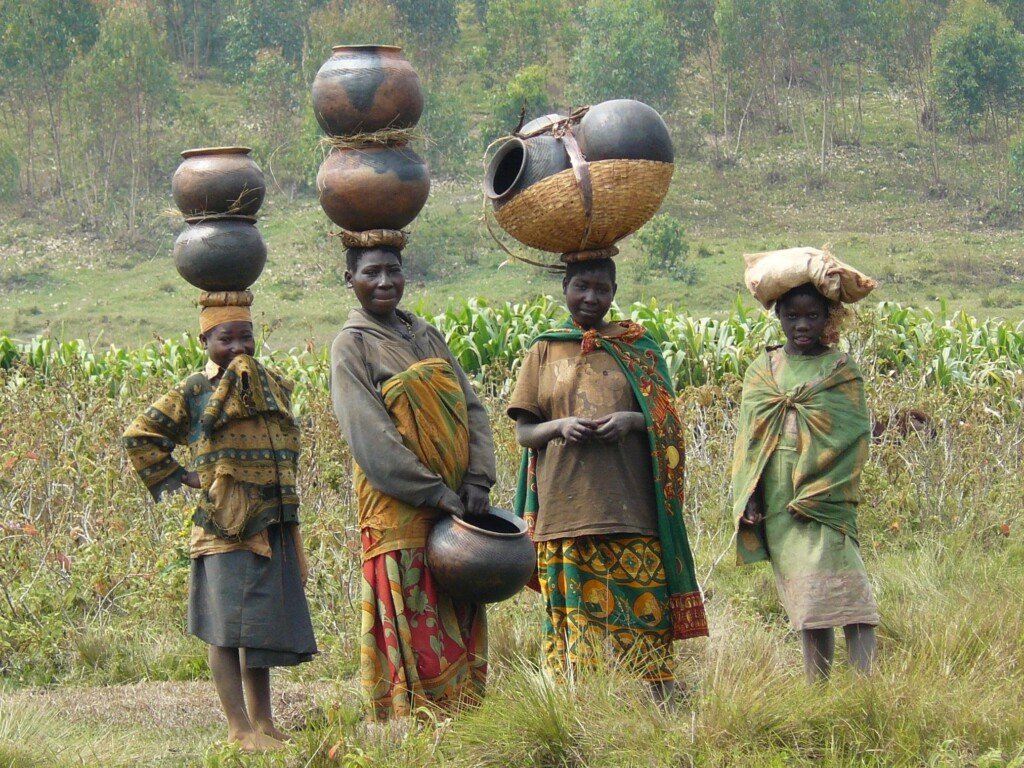
Batwa experience as a meaningful add-on near Bwindi
The Batwa experience belongs in the same planning conversation as your trek, because it changes your pacing and your emotional energy on the trip. Put it on a non-trek day if you can, or keep it light on trek day so you’re not stacking fatigue on top of a long forest hike.
You’ll notice different textures and sounds here than in the forest, voices, footsteps, the dry scrape of movement on packed ground. It lands differently.
One recommendation: keep your schedule open enough that you’re not checking your watch. Rushing this is the quickest way to miss it.
For a broader cultural planning lens, use our pillar guide on community-led travel: Uganda village experience planning.
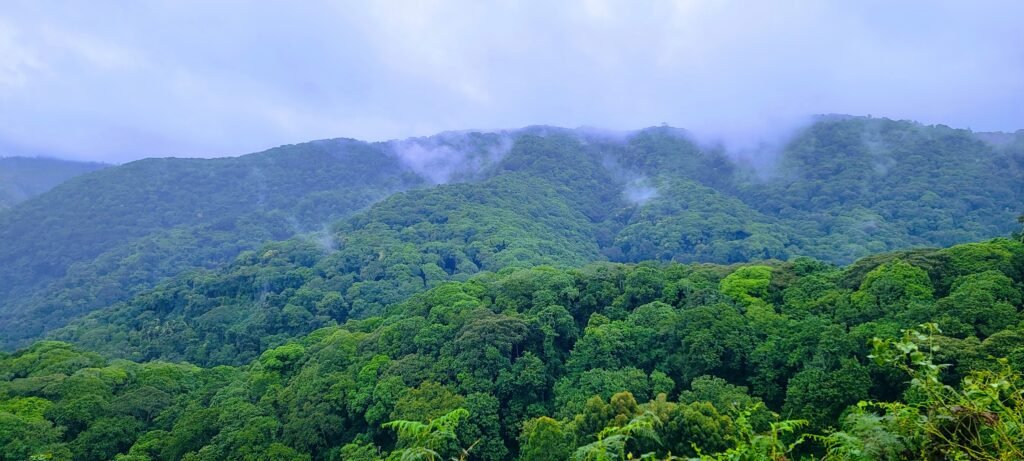
You’ll want comfortable shoes here too. Dust and uneven ground show up when you least want them.
And keep your camera respectful. Ask first.
Best time for gorilla trekking in Uganda for road and forest conditions
Best time for gorilla trekking in Uganda is as much about road conditions and visibility as it is about the trek itself. Rain changes everything: stopping distances on the Rwanda side, mud on Uganda-side sector roads, and the pace of a hike once you’re under canopy.
Our planning bias is simple: in wetter periods, tighten your buffers. Leave earlier, sleep closer to your sector, and assume the last stretch into Bwindi takes longer than it looks.
For packing that matches the season you’re traveling in, use what to pack for Uganda.
Gorilla trekking experiences in Kabale that work well together
Gorilla trekking experiences in Kabale work best as a sequence, not a scramble.
A solid flow looks like:
Arrive Kabale for an overnight buffer
Confirm your permit sector and briefing plan
Transfer to the correct Bwindi sector area
Trek the next morning
Add the Batwa experience on a separate day, or keep it short
If you want a tighter read on the trek-day feel and pacing, we’ve written it plainly here: what gorilla trekking feels like in Uganda.
The difference between gorilla trekking in Uganda and Rwanda for permit planning
The difference between gorilla trekking in Uganda and Rwanda matters most at the planning level: border logistics, where you overnight, and how you lock a sector-aligned itinerary. If you’re using Kigali as your arrival city and crossing into Uganda, your border post choice (Katuna or Cyanika) becomes part of your permit strategy, not an afterthought.
Expect 4–6+ hours driving plus border time for Kigali-to-Bwindi planning ranges depending on border post and sector. That’s why we treat permits and sectors as the first decision, then route the trip around it.
If you want to keep your whole route in one place, Rwanda keeps you in-country. If you want Uganda gorilla tracking options across Bwindi sectors and Mgahinga, Uganda gives you more routing combinations, but you’ll manage more variables.
This might just be personal preference, but I’d rather handle one border crossing cleanly than squeeze it into a day already packed with driving.
Gorilla trekking tours Kabale Uganda as a practical starting point
Gorilla trekking tours Kabale Uganda work best when the tour is built backward from the permit sector. That’s the difference between a smooth early briefing and a tense morning drive.
For itinerary options that include Bwindi and add-on stops, start here: Uganda tours and safaris.
A permit-first checklist you can use before you lock dates
Gorilla trekking permits in Kabale are easiest when you treat the permit as the anchor and everything else as adjustable. Confirm your date window, confirm park choice, then confirm sector strategy before you commit to non-flexible lodging. Keep a buffer night in Kabale or near your sector, and plan realistic drive ranges: 4–8+ hours plus border time from Kigali depending on route, then 1–2+ hours on the Kisoro to southern sectors stretch when applicable. That’s how you protect trek day.
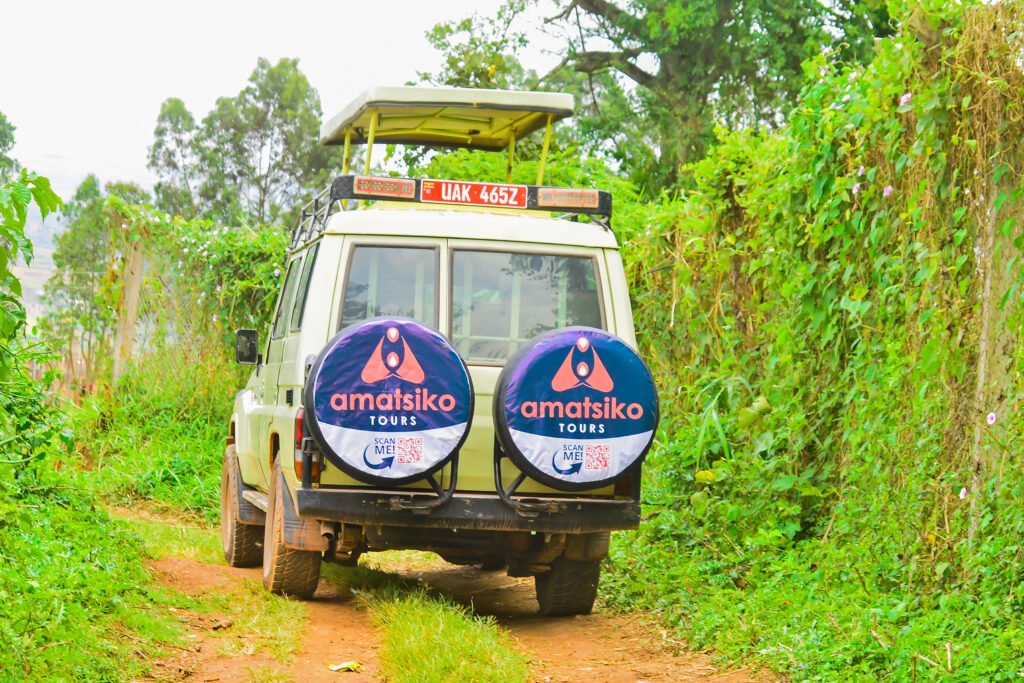
You’ll feel better with extra time than extra speed. And your boots will thank you.
Frequently Asked Questions Gorilla Trekking Permits in Kabale
1. What is the importance of gorilla trekking permits in Kabale?
Gorilla trekking permits in Kabale are crucial as they determine your trekking sector in Bwindi Impenetrable National Park, which affects your briefing location, morning drive, and accommodation choices. They serve as the anchor for your entire itinerary, ensuring a smooth trekking experience.
2. How do I obtain gorilla trekking permits in Kabale?
To obtain gorilla trekking permits in Kabale, follow these steps: choose your trek date window, decide on Bwindi or Mgahinga Gorilla National Park, confirm your Bwindi sector strategy, check availability through official channels or a licensed operator, reserve and pay, and align your lodging and transfers with your confirmed sector.
3. What are the main differences between gorilla trekking in Uganda and Rwanda?
The main differences between gorilla trekking in Uganda and Rwanda involve permit planning, border logistics, and itinerary alignment with trekking sectors. Uganda offers more routing combinations with multiple Bwindi sectors and Mgahinga, while Rwanda allows for a single-country route.
4. What should I consider when planning my route to Bwindi from Kabale?
When planning your route to Bwindi from Kabale, consider your permit sector to ensure the most efficient path. The Katuna border is suitable for Kabale and northern sectors, while the Cyanika border favors southern sectors like Rushaga and Nkuringo. Adjust your route based on weather and road conditions.
5. What are some tips for preparing for gorilla trekking in Bwindi?
Prepare for gorilla trekking in Bwindi by ensuring your gear is suitable for mud and steep gradients. Wear trusted boots, pack accessible water, keep your camera setup simple, and dress in layers. Follow ranger guidance and maintain a calm, steady pace during the trek.
Alex Atuheire