The 5 Big Five of Africa Animals: The Ultimate Guide to an Unforgettable Safari (2026)
Where the Wild Heart of Africa Comes Alive
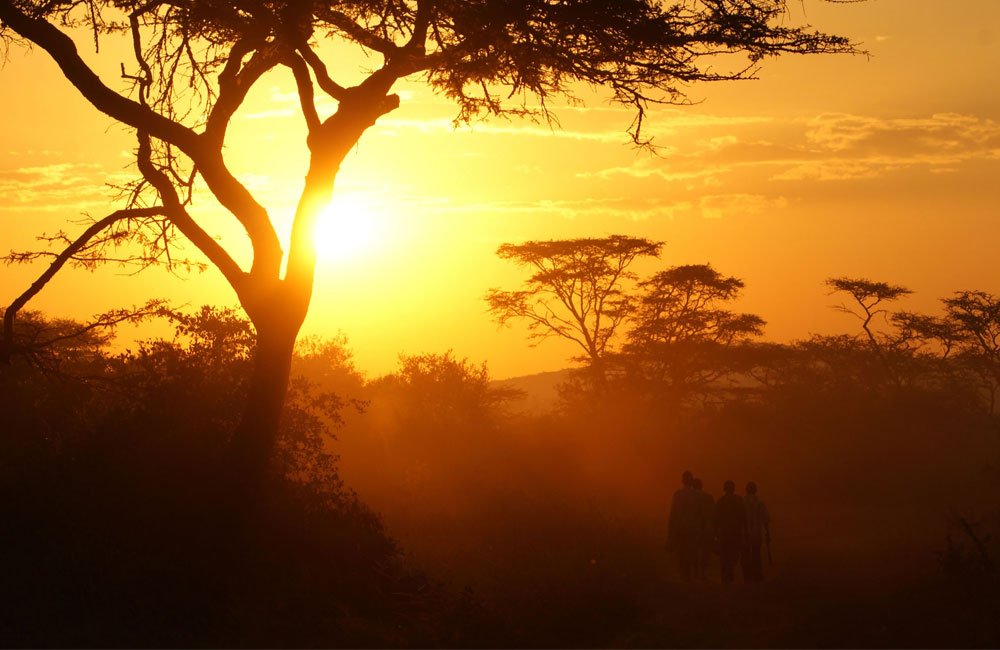
There is a moment on an African safari when everything goes still. The wind slows, the grass whispers, and suddenly out of the golden light, you see it. A lion staring across the savannah. An elephant moving like a gentle mountain. This is where the story of The Big Five of Africa begins.
Table of Contents
These legendary animals; lion, leopard, elephant, buffalo, and rhinoceros are not just wildlife. They are living symbols of Africa’s untamed beauty. Today, travelers from around the world journey here not to hunt, but to witness, to learn, and to protect.
In this guide by Amatsiko Tours, you’ll discover where to see them, how to experience them responsibly, and why Uganda and East Africa offer some of the most magical safari encounters on Earth.
Quick Glance: The Big Five Safari Experience
- 🦁 Lion — King of the savannah (best seen in open plains)
- 🐆 Leopard — Elusive shadow of the night
- 🐘 African Elephant — Gentle giant of the wild
- 🐃 Cape Buffalo — Powerful herd protector
- 🦏 Rhinoceros — Rare and critically protected species
Best African safari regions for The Big Five of Africa:
- East Africa (Uganda, Kenya, Tanzania)
- Southern Africa (South Africa, Botswana)
What Are The 5 Big Five of Africa Animals?
The Big Five of Africa refer to five iconic African animals originally named by hunters as the most difficult and dangerous to track on foot. Today, the meaning has transformed into a celebration of wildlife conservation and safari photography.
The Big Five include:
- Lion
- Leopard
- African Elephant
- Cape Buffalo
- Rhinoceros
Seeing all five is considered the ultimate African safari experience and for many travelers, it becomes a lifelong dream.
If you are planning your journey, Amatsiko Tours can help design a safari where you can experience these legends in their natural home.
Why Are They Called the Big Five of Africa?
The name comes from old hunting terminology used during colonial-era safaris. These animals were considered the most dangerous to hunt on foot.
But today, everything has changed.
Now, The Big Five of Africa represent:
- Conservation success stories
- Responsible tourism
- Wildlife photography dreams
- Cultural and ecological heritage
Instead of rifles, visitors now carry cameras and every click supports protection efforts across Africa.
Meet the Big Five of Africa (Up Close)
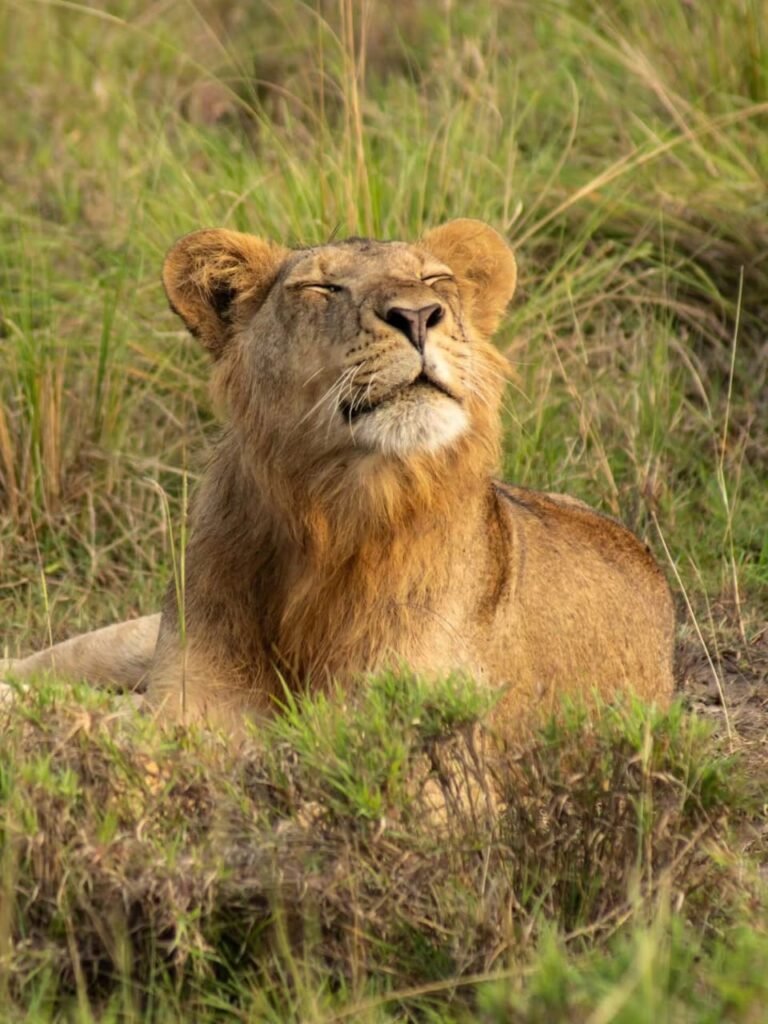
Lion – The King of the Savannah
The lion is the most iconic of The Big Five of Africa, often seen resting under acacia trees or hunting in coordinated prides.
In places like Queen Elizabeth National Park and Kenya’s Maasai Mara, lions roam freely across open landscapes.
Imagine hearing a deep roar at sunrise, it travels across the plains like thunder.
With Amatsiko Tours, game drives are timed for early mornings when lions are most active.
Leopard – The Silent Ghost
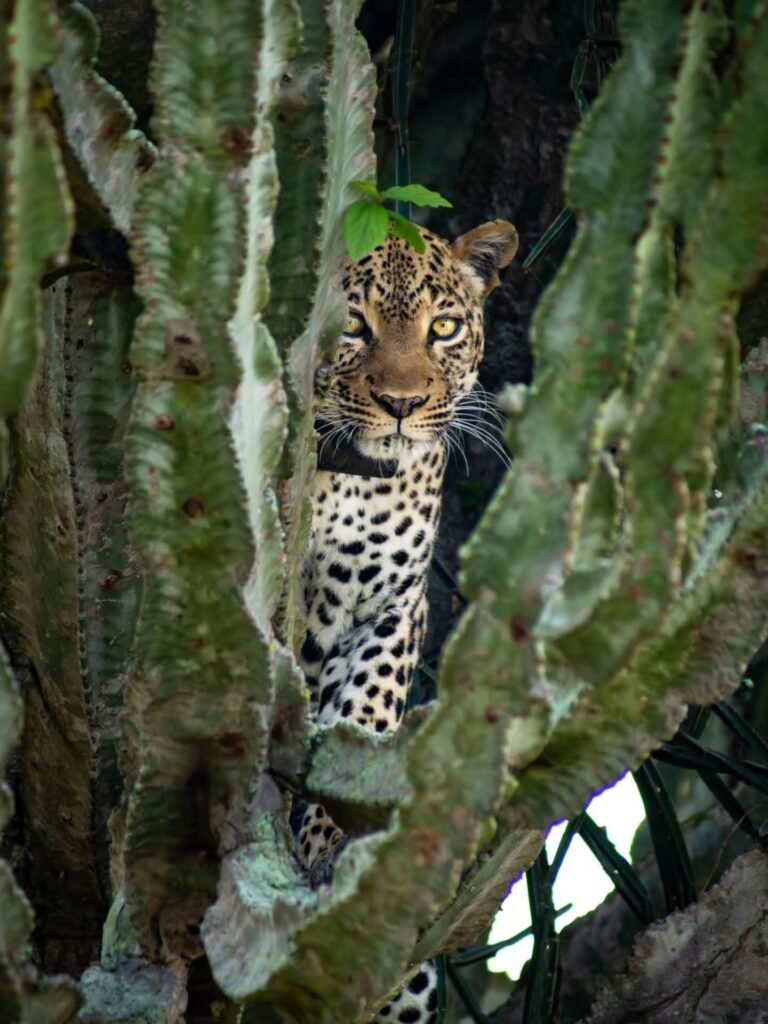
The leopard is the hardest member of The Big Five of Africa to spot. It moves silently, often dragging prey into trees to avoid competition.
You might glimpse its golden eyes at dusk, especially in riverine forests or rocky outcrops.
Uganda’s forested parks make leopard sightings rare but unforgettable.
Patience is key and local guides make all the difference. Book with Amatsiko Tours for expert tracking.
African Elephant – The Gentle Giant
The African elephant is the largest land animal on Earth and a symbol of wisdom and memory.
You’ll often see them moving in family groups, gently communicating through low rumbles.
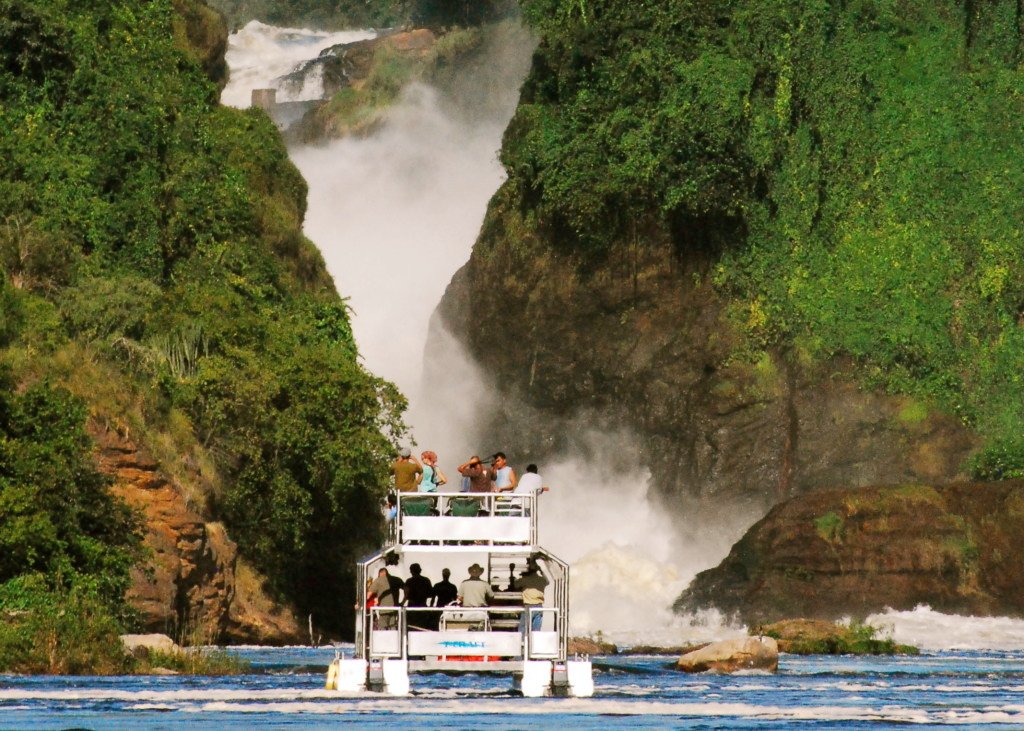
In northern Uganda’s Murchison Falls National Park, elephants gather near the Nile River, creating breathtaking scenes.
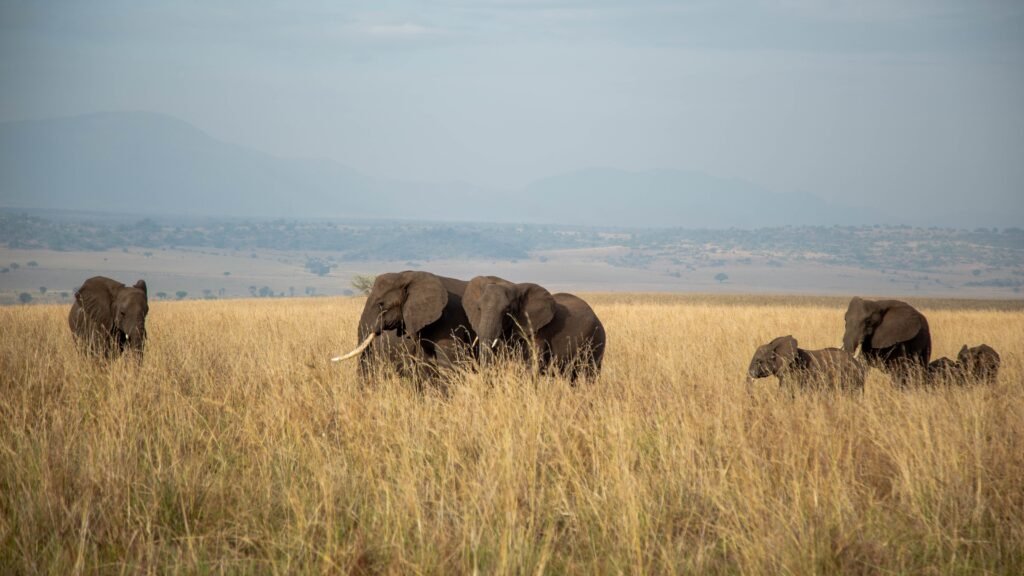
Ethical viewing is essential—always maintain distance and respect their space.
Cape Buffalo – The Strong Guardian
Often underestimated, the Cape buffalo is one of the most powerful and unpredictable animals in Africa.
They move in massive herds, always alert and protective.
You’ll often encounter them in grasslands and near water sources, especially in Queen Elizabeth National Park.
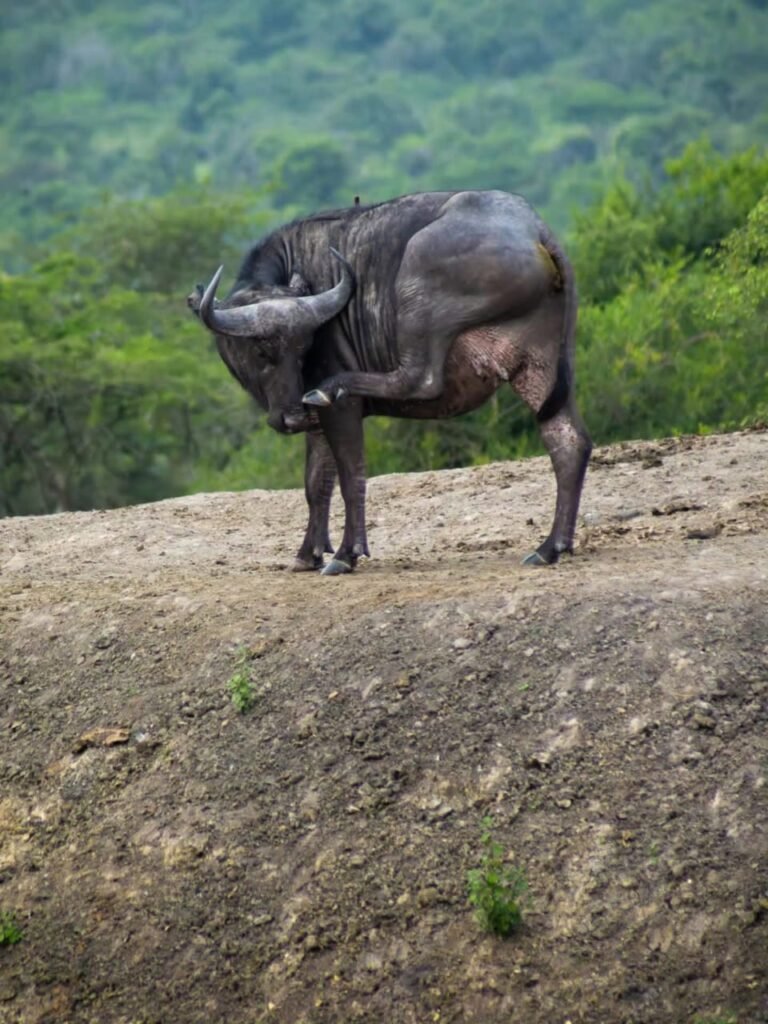
👉 Never approach buffalo on foot—always observe from a safe safari vehicle.
Rhinoceros – The Rare Survivor
The rhinoceros is the most endangered of The Big Five of Africa, heavily protected across the continent.
In Uganda, rhino conservation is supported through sanctuaries like Ziwa Rhino Sanctuary, where visitors can track rhinos on foot with trained rangers.
Seeing a rhino is not just a safari moment, it is a conservation victory.
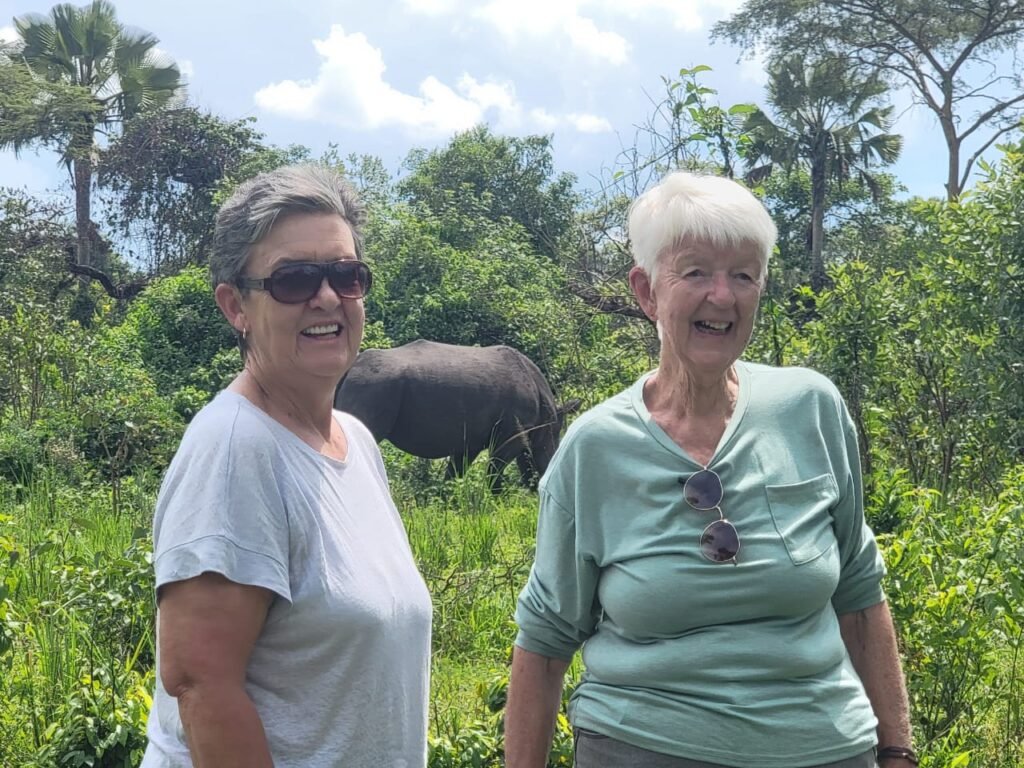
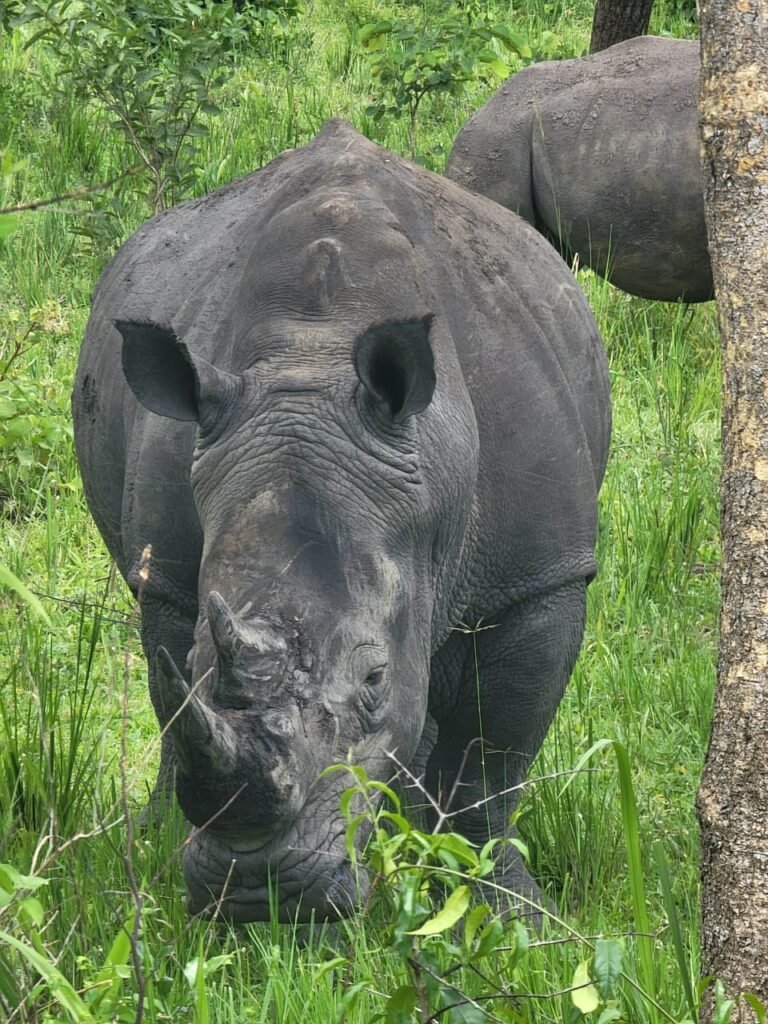
👉 Every visit helps protect the future of this species.
Where to See The Big Five of Africa
Across Africa, different countries offer different safari experiences:
- 🇰🇪 Kenya — Maasai Mara (classic Big Five + migration)
- 🇹🇿 Tanzania — Serengeti & Ngorongoro Crater
- 🇿🇦 South Africa — Kruger National Park (easy sightings)
- 🇧🇼 Botswana — Chobe National Park (elephants & buffalo)
- 🇺🇬 Uganda — Unique mix of Big Five + gorillas
Uganda stands out because it combines savannah safaris with rainforest experiences, something few countries can offer.
👉 Amatsiko Tours specializes in combining these experiences into one unforgettable journey.
🇺🇬 The Big Five of Africa in Uganda: A Hidden Gem
Uganda is one of the most underrated safari destinations for The Big Five of Africa.
Here’s where you can find them:
- Murchison Falls National Park — Lions, elephants, buffalo, leopards
- Queen Elizabeth National Park — Tree-climbing lions, elephants, buffalo, leopards
- Rhino tracking at Ziwa Rhino Sanctuary — completes the Big Five experience
What makes Uganda special is not just the wildlife but the feeling of intimacy. Fewer crowds, greener landscapes, and deeply personal safari moments.
Can You See All The Big Five of Africa in One Safari?
Yes, but it depends on where you go.
The easiest places are:
- Tanzania (Serengeti + Ngorongoro)
- South Africa (Kruger)
In Uganda, it is also possible with a well-planned itinerary that includes rhino tracking plus multiple national parks.
👉 Amatsiko Tours can design a custom itinerary that maximizes your chances of seeing all five.
Responsible Travel in The Big Five of Africa Experience
Traveling through The Big Five of Africa habitats comes with responsibility.
Here’s how to travel kindly:
- Keep a respectful distance from wildlife
- Never feed animals
- Choose eco-certified safari operators like Amatsiko Tours
- Support local communities through lodges and crafts
- Avoid plastic and reduce waste during safaris
Every small action helps protect these ecosystems for future generations
Frequently Asked Questions About The Big Five of Africa
1. What are The Big Five of Africa?
They are lion, leopard, elephant, buffalo, and rhinoceros.
2. Why are they called The Big Five?
Originally from hunting difficulty, now a symbol of wildlife conservation.
3. Where can I see The Big Five of Africa?
Kenya, Tanzania, South Africa, Botswana, and Uganda.
4. Can I see all Big Five in Uganda?
Yes, with rhino tracking plus national park safaris.
5. Which is the hardest Big Five animal to see?
The leopard is the most elusive.
6. How many days do I need for a Big Five safari?
Usually 5–10 days depending on country and itinerary.
7. Is a Big Five safari safe?
Yes, when done with professional guides and responsible operators.
Plan Your Big Five Safari with Amatsiko Tours
The journey to discover The Big Five of Africa is more than a trip, it is a transformation.
With Amatsiko Tours, you experience:
- Expert local guides
- Tailor-made safari routes
- Uganda + East Africa combinations
- Responsible and community-focused travel
Whether you dream of lions at sunrise or elephants crossing golden rivers, your safari begins here.
👉 Start your journey today with Amatsiko Tours and step into the wild heart of Africa.