Gorilla Trekking vs Golden Monkey Tracking: Which Wildlife Experience Is Right for You?
Table of Contents
At a Glance:
Gorilla trekking permits cost $800 and involve 2–6 hours of steep hiking.
Golden monkey tracking permits are $60–$100, with less physical demand.
Best travel months are June–August and December–February for drier trails.
Gorilla treks offer one hour with the gorillas; golden monkeys are a lighter follow-up.

You feel it in your budget before you feel it in your legs. In the gorilla trekking vs golden monkey tracking decision, permits alone push you toward one experience or the other: $800 for gorillas versus $60–$100 for golden monkey tracking.
And the effort level isn’t close. Golden monkey tracking in Mgahinga Gorilla National Park is typically much less physically demanding than gorilla trekking, which regularly involves steep, physical hiking in rainforest terrain.
This comparison keeps your planning clean, especially if you’re building a cross-border circuit that includes Volcanoes National Park in Rwanda and Mgahinga Gorilla National Park in Uganda.
Gorilla trekking vs golden monkey tracking differences that change your itinerary
This section gives you the practical differences that matter on the ground: permit cost, trek intensity, and time you’ll spend hiking. If you’re deciding how to allocate one or two prime wildlife days, these are the levers that shape your route, your lodge location, and your recovery time afterward.
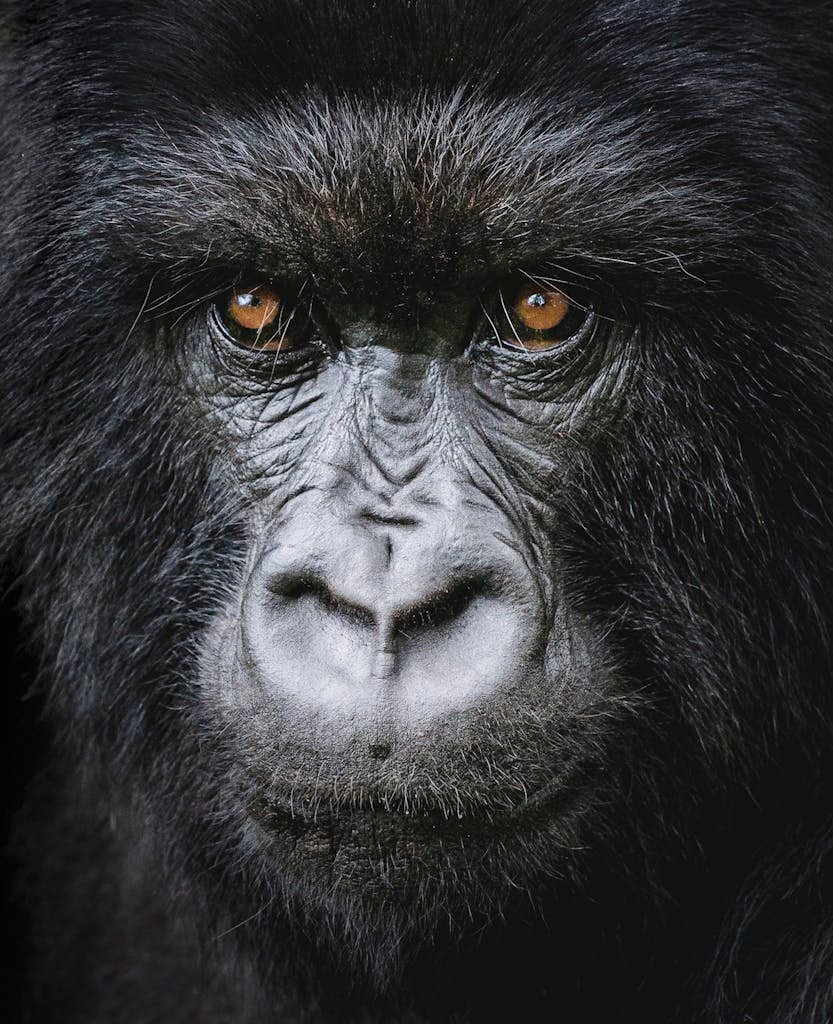
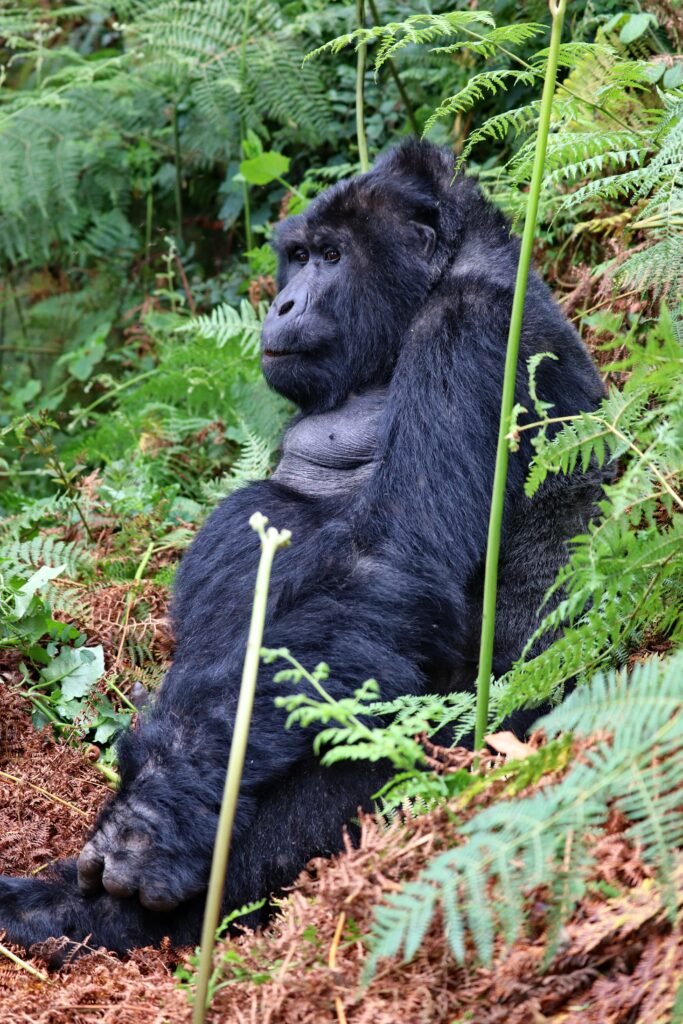
Gorilla trekking is the heavyweight day. Treks commonly run 2–6 hours depending on where the gorilla family is, and the hiking stays physical even in dry months. You’ll hear boots sliding on leaf litter, and you’ll feel the humidity rise under the canopy.
Golden monkey tracking is the smarter pick when you want primates without the grind. In Mgahinga Gorilla National Park, the tracking is less physically demanding, and it fits neatly into itineraries that still need driving days, border timing, or a second activity.
Quick comparison table for planning
Factor | Gorilla trekking tours | Golden monkey tracking |
|---|---|---|
Permit cost (provided) | $800 | $60–$100 |
Typical trek time (provided) | 2–6 hours | 1-4 hours |
Physical demand (provided) | Steep, physical hiking | Much less physically demanding in Mgahinga |
Best seasons for easier trails (provided) | June–August, December–February | June–August, December–February |
Wet-season reality (provided) | Slippery trails in March–May, September–November | Wetter conditions in rainy seasons |
If you’re being picky (I am), the biggest mistake is stacking two hard hiking days back-to-back. Pair gorillas with golden monkeys for a primate-focused trip that still leaves you able to walk normally the next morning.
Golden monkey tracking in Uganda details that make Mgahinga the easy win
This section pins down what you actually get with golden monkey tracking in Uganda details: a lower-cost permit, a less demanding trek, and a quieter-feeling park day that still delivers that close-range primate energy. It’s the right call when you want a primate day that doesn’t dominate your whole schedule.
Mgahinga Gorilla National Park works well for travelers who want to stay mobile. You’re not budgeting your entire trip around a single $800 permit, and you’re not committing yourself to a full-on hiking sufferfest.
The sensory side is different too. Instead of the deep, damp quiet of rainforest, you’re in bamboo and montane vegetation where the air feels cooler at elevation, and the forest sounds sharper, more clipped, more bird-forward.
Insider move: treat golden monkey tracking as your “buffer day.” Put it the day after gorilla trekking, not before. You’ll appreciate the lighter effort, and you won’t spend the whole gorilla day worrying about saving your legs.
For broader park context as you map your route, use our overview of national parks in Uganda to keep distances and park pairing realistic.
“We searched for a wholly local tour operator hoping our visit to Uganda might benefit local communities as well as including Uganda’s natural beauty and wildlife. Amatsiko Tours is owned and operated by Alex and Alphonse, who have dedicated their working lives to helping the most vulnerable in their communities. Alex curated a two weeks itinerary for us that provided the most amazing and memorable experiences: visiting remote communities and schools, welcomed by so many people in out of the way places, gaining insights into community life and culture, walking with rhinos, giraffes and zebras, and of course gorilla and chimpanzee trekking. Our accommodations and food options were all great and our air conditioned 4WD vehicle was supremely comfortable and unstoppable whether in towns, on the open road or on the many safari game drives we undertook. Uganda is beautiful, safe and friendly and I can think of no better way to experience it than with the caring, knowledgeable experts at Amatsiko Tours.”
— lorrainebL9532PA, TripAdvisor, 5.00
“If you’re considering a trip to Uganda, stop searching. Amatsiko Tours is in a class entirely of its own. From the moment we arrived, everything was handled with a level of care and professionalism that made the entire experience effortless. Airport pickup, beautiful accommodations, seamless transportation, and delicious meals. Every detail was thoughtfully arranged. We were driven in a spotless, comfortable vehicle and never once had to worry about logistics. We could simply be present and absorb the experience.”
— 565carolyno, TripAdvisor, 5.00
“Wow where to begin with this experience! First, let’s say we were easily the most difficult clients they must have had, throwing them curve balls left and right. From missed flights, to missing baggage, to itinerary changes, plus the added challenge of us working on a film project while with them, Alex and Alfonse made us feel calm and easy in what otherwise would have been a very stressful situation. Even my phone broke while on the trip, and these guys kept me from having a panic attack while they got my phone repaired. But let’s talk about the tours- with these guys, you’re going to get the REAL REAL of Uganda. If you’d like to be surrounded by other tourists, this is not the company for you. Off the beaten path, we saw Uganda like no others do, yet we were happy and comfortable the whole time. Incredible experiences like gorilla tracking were even better because they gave us the best advice on how to prepare.”
— Sophie Schneeberger, Google, 5.00
Gorilla trekking tours in Uganda still earn the headline spot
This section sets expectations for gorilla trekking tours so you plan your day like someone who’s done it before: the time range, the one-hour viewing standard, and the seasonal reality that changes trail safety. It’s also where you decide which month window gives you the least friction.
Uganda gorilla trekking runs year-round, but the dry seasons stay the cleanest planning choice: June–August and December–February bring drier trails and fewer weather delays. In Bwindi, mornings sit around 11°C (52°F) and afternoons around 23°C (73°F), so you’ll start cool and finish warm.
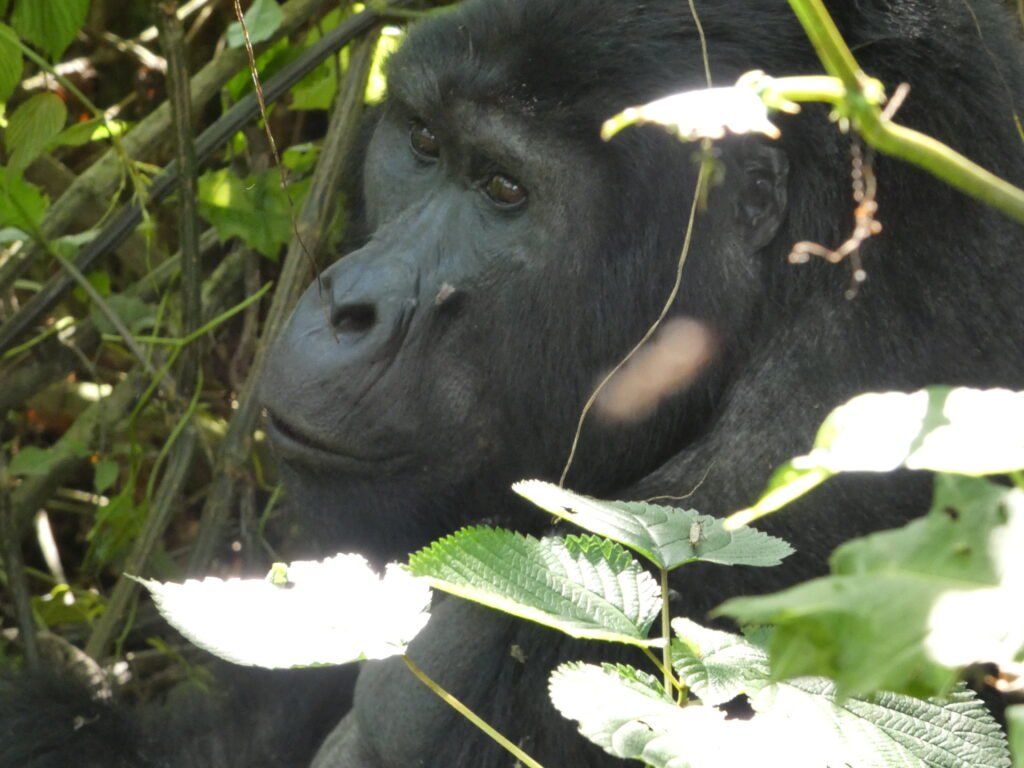
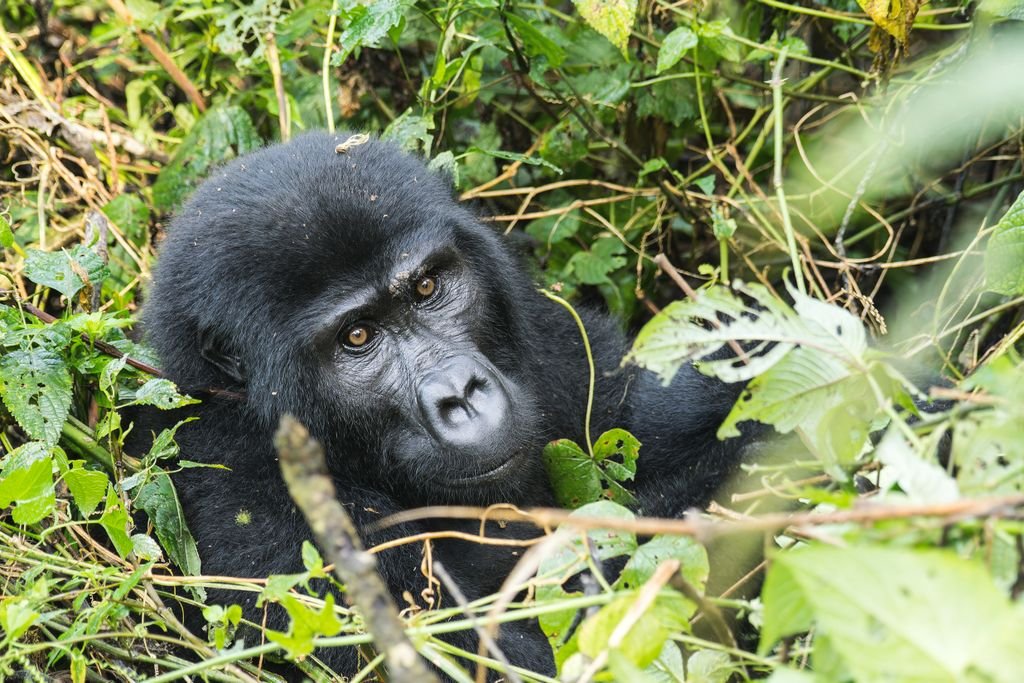
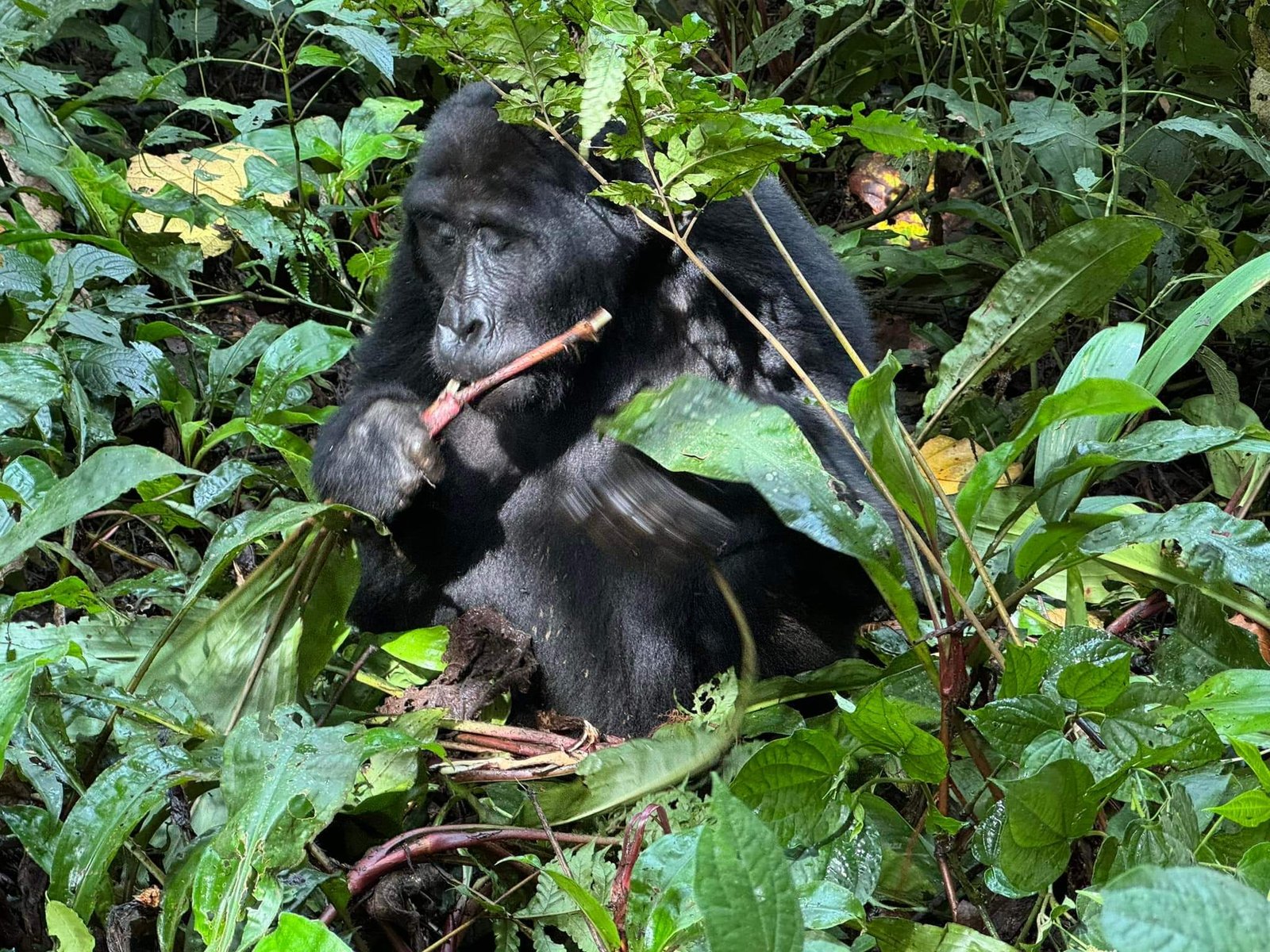
Treks commonly take 2–6 hours, then you spend one hour with the gorillas once you locate the family. That hour is controlled and close. You’ll hear chewing, branch snaps, and the low, steady breath that makes the forest feel suddenly small.
The honest limitation: even in dry season, gorilla trekking stays steep and physical. If your knees complain on descents, you’ll feel it.
Bwindi Impenetrable National Park sectors affect how your day feels
This subsection gives you the named sectors you’ll hear during booking, plus the planning logic that keeps your morning from turning into a long, unnecessary drive. Sector choice shapes your wake-up time more than most people realize.
Bwindi Impenetrable National Park has multiple trekking sectors, including Buhoma, Ruhija, Rushaga, and Nkuringo. Terrain varies by sector, and so does the “how early did we leave the lodge” factor.
Book your lodge near your assigned sector. Don’t try to “save money” on a far-away base and then burn it back in transfer time and stress.
For permit and timing fundamentals, keep these gorilla trekking planning tips open while you lock dates.
Permit costs and value breakpoints that decide the trip
This section lays out the simple math behind gorilla trekking vs golden monkey tracking so you don’t overcomplicate it. If you’re building a multi-park safari, permits are the biggest single-day line item, and they decide how many days you can afford to spend in primate parks versus savannah parks.
Here’s the clean breakpoint using only the numbers that matter: gorilla permits are $800. Golden monkey permits are $60–$100. That difference can fund extra nights, an extra park transfer day, or a second activity that doesn’t feel like a compromise.
And yes, people do combine them. Gorilla and monkey tracking works best when you treat golden monkeys as the lower-stress add-on, not the “replacement.”
If you want to pressure-test your gorilla budget before you commit, use our Uganda gorilla trekking cost guide to keep your totals grounded.
Golden monkey tracking in Uganda vs Rwanda logistics for cross-border planners
This section compares golden monkey tracking in Uganda (Mgahinga Gorilla National Park) versus Rwanda (Volcanoes National Park) using the inputs that most affect a cross-border safari: cost certainty, terrain expectations, and how you sequence days around border movement. It’s written for travelers who want primates in both countries without wasting a day to poor pacing.
Start with what’s certain from your planning inputs: Uganda’s golden monkey permits sit at $60–$100, and Mgahinga Gorilla National Park delivers a less physically demanding tracking day. That makes Uganda the obvious place to add golden monkeys if your trip already includes an $800 gorilla permit day.
Volcanoes National Park comes into play when you’re already routing through Rwanda for logistics, or you want your primate days anchored there. The limitation here is simple: we’re not using unverified permit prices or trek durations for Rwanda golden monkeys. So plan Rwanda’s golden monkey day as a logistics choice, not a price play, unless you’ve confirmed current rates directly during booking.
The sensory cue you’ll remember across both countries is the temperature swing. Early starts feel cold at altitude, then you heat up fast once you’re moving, especially if you’re in a long-sleeve trekking layer.
Cross-border sequencing that keeps your body and schedule intact
This subsection gives you a sequencing rule you can apply even if your exact lodges change. You’re planning for energy, weather, and the fact that rainy seasons slow everything down.
Use this order when you’re combining primates across borders:
Put gorilla trekking tours on your highest-energy morning
Schedule golden monkey tracking as the lighter day right after
Keep a buffer day in rainy months (March–May or September–November) because roads and trails slow down
Aim for the dry seasons (June–August or December–February) if your itinerary has tight transfers and fixed dates
But don’t chase perfection. If your only available gorilla permit date lands mid-itinerary, take it and build the rest around it.
Best time for golden monkey trekking and gorilla trekking in Uganda
This section gives you the season windows that reduce friction on the trail, plus the trade-offs that come with green-season travel. If you want the easiest hiking conditions, you pick the months first, then you pick the park.
For both gorillas and golden monkeys, the cleanest hiking conditions align with Uganda’s dry seasons: June–August and December–February. Trails stay drier, transfers stay more predictable, and you spend less time cleaning red mud off boots at the lodge doorway.
Rainy seasons matter because they change the feel of the day. March–May and September–November bring slick slopes in forest terrain, and driving times stretch on rutted roads. You’ll smell wet earth and crushed vegetation underfoot, and your rain jacket becomes gear you touch every hour.
A practical call: if you’re traveling in rainy months, choose Mgahinga Gorilla National Park for golden monkey tracking as your primate “win” that doesn’t demand the hardest hike of your trip.
For broader seasonal context as you connect primates to other parks, use our travel advice for visitors to Uganda before you lock a month.
How to book golden monkey trekking permits without wasting a day
This section keeps the permit process practical: you’re planning around limited daily access, high-demand months, and lodging location. It also sets the expectation that gorilla permits tighten first, so your primate itinerary should be built around that fixed point.
Gorilla trekking permits are issued by the Uganda Wildlife Authority (UWA), and permits are limited per day. Peak dry seasons (June–August and December–February) commonly require 6–12 months of advance planning if you want ideal dates and the right sector.
Golden monkey tracking permits sit in a different affordability bracket ($60–$100), but the same planning logic helps: match your permit day to your base so you’re not doing long pre-dawn drives that leave you tired before you even start walking.
Two small tactics that reduce friction:
Book your hardest day first (gorillas), then slot golden monkeys around it
Add one flexible day in rainy seasons, because trail conditions and road conditions slow schedules
If you want us to build the primate days into a realistic route, start with a trip planning request and we’ll anchor everything around permit availability.
Key takeaways for gorilla trekking vs golden monkey tracking
Gorilla permits in Uganda cost $800, and treks often run 2–6 hours plus one hour with the gorillas once located. Golden monkey permits sit around $60–$100, and golden monkey tracking in Mgahinga Gorilla National Park is typically much less physically demanding, which makes it the smarter add-on day after gorillas. Plan primate travel in June–August or December–February for drier trails, and expect slower, slicker conditions in March–May and September–November.

Wet-season travel feels slower on purpose. Pack for mud, plan for buffer time, and you’ll still get your primate days.
Frequently Asked Questions
1. What are the cost differences between gorilla trekking and golden monkey tracking permits?
Gorilla trekking permits are significantly more expensive, costing $800, while golden monkey tracking permits are more affordable, ranging from $60 to $100. This price difference can influence your itinerary and budget significantly.
2. How physically demanding are gorilla trekking and golden monkey tracking?
Gorilla trekking is more physically demanding, often involving 2–6 hours of steep, physical hiking in rainforest terrain. In contrast, golden monkey tracking, particularly in Mgahinga Gorilla National Park, is much less physically demanding, making it a suitable option for those preferring an easier trek.
3. What are the best seasons for gorilla trekking and golden monkey tracking?
The best seasons for both activities are during Uganda’s dry seasons: June to August and December to February. These months offer drier trails and more predictable conditions, minimizing the challenges posed by wet and slippery trails during the rainy seasons.
4. How do I plan a cross-border safari that includes both gorilla trekking and golden monkey tracking?
When planning a cross-border safari, consider starting with gorilla trekking on your highest-energy morning. Schedule golden monkey tracking as a lighter activity the following day. Align your itinerary with the dry seasons to ensure smoother transfers and trail conditions.
5. How can I book golden monkey tracking permits efficiently?
To efficiently book golden monkey tracking permits, prioritize securing your gorilla trekking permits first, as they are limited and in high demand. Then, arrange your golden monkey tracking around the gorilla trekking schedule, ensuring your lodging aligns with your permit days to avoid unnecessary travel fatigue.
6. What should I consider when choosing between Mgahinga Gorilla National Park and Volcanoes National Park for golden monkey tracking?
Choosing between Mgahinga Gorilla National Park in Uganda and Volcanoes National Park in Rwanda depends on your existing itinerary. If your trip already includes a gorilla trekking day in Uganda, Mgahinga offers a less physically demanding and more cost-effective option for golden monkey tracking.