Beyond the Big Five: Why Uganda Belongs Among Africa’s Top Luxury Safari Destinations
At a Glance
Uganda offers intimate luxury safaris with gorilla encounters, ancient landscapes, and cultural connections.
Table of Contents
Key parks include Bwindi and Mgahinga, accessible via well-planned routes from Kigali.
Luxury in Uganda focuses on location, privacy, and conservation support.
Meaningful safari experiences combine wildlife with community engagement.
Proper planning ensures a seamless, memorable experience amid Uganda’s natural beauty.
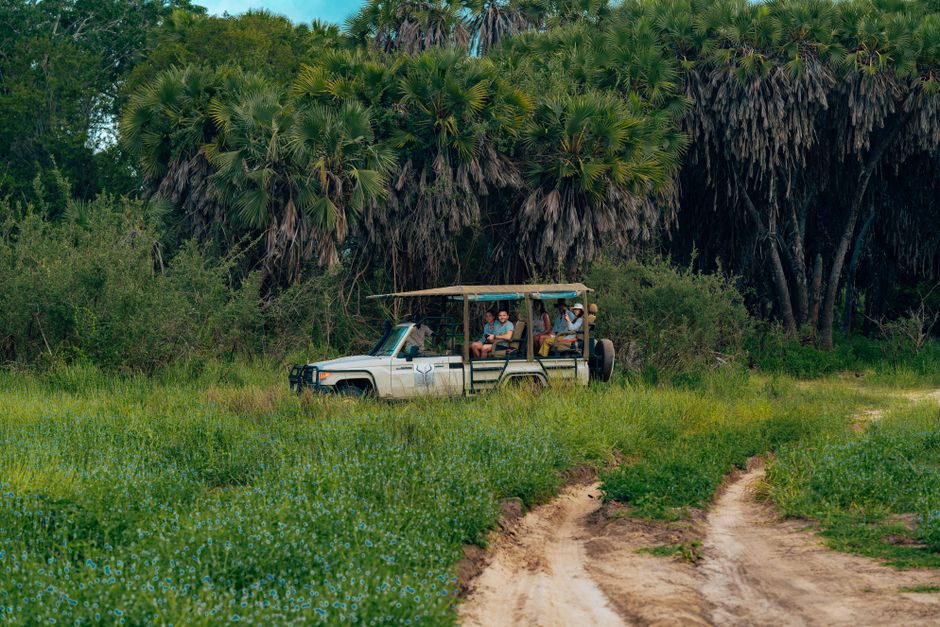
You don’t cross oceans for a rushed checklist of wildlife sightings. You come for the quiet moments that stay with you forever: the first golden light spilling over Uganda’s mist-covered hills, the sound of the forest waking before dawn, and the feeling of standing somewhere truly wild.
When travelers think about the top luxury safari destinations in Africa, places like Botswana’s Okavango Delta, Tanzania’s Serengeti, and Kenya’s Maasai Mara often come to mind. But Uganda offers a different kind of luxury, one shaped by intimate gorilla encounters, ancient rainforest landscapes, and meaningful connections with the communities who protect these extraordinary places.
This guide explores why Uganda deserves its place among Africa’s finest luxury safari destinations, focusing on Bwindi Impenetrable National Park, Mgahinga Gorilla National Park, and the carefully planned Kigali-to-Bwindi route that transforms a long transfer into part of the adventure.
Through thoughtfully designed Uganda luxury safaris, we combine exceptional wildlife experiences with cultural exchange, conservation support, and responsible travel. Because true luxury is not only where you sleep, it is how deeply you connect with the destination.
Uganda earns its place among top luxury safari destinations in Africa
Uganda earns its place among the top luxury safari destinations in Africa because it offers something increasingly rare: a journey where rainforest, wildlife, culture, and conservation come together without the crowds found in many classic safari destinations.
You’ll feel the difference in the pacing. Mornings start cool and damp in the highlands, with woodsmoke in the air near trading centers, then the road climbs into greener, quieter country as you approach Bwindi’s sector gates.
We operate from Kabale, so we plan routes the way locals do: permit-first, sector-matched, and timed for daylight arrivals.
Key places we build around in southwestern Uganda:
Bwindi Impenetrable National Park (Buhoma, Ruhija, Rushaga, Nkuringo sectors)
Mgahinga Gorilla National Park (a smaller, quieter gorilla option)
Kabale (staging hub for Katuna border circuits)
Kisoro (staging hub for Cyanika border circuits)
You’ll find more trip structures on our Uganda tours and safaris page.
“Amatsiko Tours is owned and operated by Alex and Alphonse, who have dedicated their working lives to helping the most vulnerable in their communities. Alex curated a two weeks itinerary for us that provided the most amazing and memorable experiences: visiting remote communities and schools, welcomed by so many people in out of the way places, gaining insights into community life and culture, walking with rhinos, giraffes and zebras, and of course gorilla and chimpanzee trekking.”
— lorrainebL9532PA, TripAdvisor, 5.00
“If you’re considering a trip to Uganda, stop searching. Amatsiko Tours is in a class entirely of its own. From the moment we arrived, everything was handled with a level of care and professionalism that made the entire experience effortless. Airport pickup, beautiful accommodations, seamless transportation, and delicious meals. Every detail was thoughtfully arranged.”
— 565carolyno, TripAdvisor, 5.00
“Wow where to begin with this experience! First, let’s say we were easily the most difficult clients they must have had, throwing them curve balls left and right. From missed flights, to missing baggage, to itinerary changes, plus the added challenge of us working on a film project while with them, Alex and Alfonse made us feel calm and easy in what otherwise would have been a very stressful situation.”
— Sophie Schneeberger, Google, 5.00
“My kids and I had the opportunity to volunteer and travel in Uganda, and we were deeply touched by the kindness and warmth of the Amatsiko team. From the moment we arrived, we felt incredibly welcomed and cared for.”
— Maya Gordon, Google, 5.00
Best African safari parks in Uganda start with sector-matched gorilla trekking
The most important “luxury” decision for gorilla trekking isn’t thread count. True luxury here is waking up close to the forest, enjoying breakfast while mist rises over the hills, and reaching the trekking briefing without sacrificing your energy before the adventure begins. Bwindi Impenetrable National Park is divided into trekking sectors, and each sector changes your approach roads, your overnight base, and your morning timing.
That first hour of the day matters. You want hot tea, a steady breakfast, and a short drive to briefing. Not a pre-dawn transfer on steep, narrow roads.
Bwindi Impenetrable National Park sectors shape your entire itinerary
Bwindi’s commonly used sectors for gorilla trekking Uganda permits are Buhoma, Ruhija, Rushaga, and Nkuringo. Your permit locks you to a sector, so we align the rest around it: border post, overnight base, and the last-mile road to your lodge.
Two practical rules we use every time:
Sleep in the same sector area (or the closest practical town) the night before your trek.
Choose the border post to match the sector, not the other way around.
For a deeper look at where each park sits in your route planning, use our national parks in Uganda guide.

Even in dry months, Bwindi mornings feel cool and wet underfoot. Pack for mud. And bring gloves if you like using your hands on steep sections (your mileage may vary, but I always do).
Mgahinga Gorilla National Park runs quieter and cleaner for logistics
Mgahinga Gorilla National Park is smaller and commonly perceived as quieter than Bwindi. It also pairs naturally with golden monkey tracking in the same southwestern corridor. For planning, the key is access: Mgahinga works best from the Kisoro area, commonly reached via the Cyanika border when you’re coming from Kigali.
If you want a less crowded feel around the trek day, Mgahinga is the option we raise early in planning. It won’t fit every date because permits are limited per day, but it’s worth putting on the table. Here, the volcanic peaks of the Virunga Mountains rise above the forest, and the experience often feels more intimate. The smaller scale creates a sense of being somewhere few travelers have truly discovered.
Kigali to Bwindi sets the pace for top safari destinations in Africa itineraries
A Kigali-to-Bwindi road transfer is the cleanest way to reach Uganda’s gorilla region if you’re arriving via Kigali International Airport and you want to minimize overall driving compared with starting in Kampala or Entebbe. Most travelers cross the Rwanda–Uganda border by road via Cyanika or Katuna, then overnight in Kabale, Kisoro, or near a Bwindi trekking sector.
This is where a luxury plan becomes a calm plan. Border choice, overnight base, and sector alignment decide whether you arrive for dinner or roll in after dark, tired and dusty.
Cyanika border via Kisoro stays efficient for southern Bwindi
Leaving Kigali behind, the landscape slowly changes. The city disappears, hills become greener, and the road begins climbing toward Uganda’s southwestern highlands. This transition is part of the adventure.
Cyanika border (Rwanda) ↔ Kisoro (Uganda) lines up well for Rushaga and Nkuringo sector access, plus Mgahinga Gorilla National Park.
Realistic timing ranges matter more than promises:
Kigali → Cyanika border → Kisoro: ~4–6 hours total (including a reasonable border stop)
Kisoro → southern Bwindi sectors (Rushaga/Nkuringo): ~1–2+ hours depending on lodge location and road conditions
The road noise changes once you leave the main towns. More gravel, more engine note, more concentration. In rainy season, that last stretch can turn slick fast, so we plan earlier arrivals and keep the route simple.
Katuna border via Kabale works best for Kabale and Lake Bunyonyi staging
Katuna border (Rwanda) ↔ Kabale (Uganda) is the natural choice if your overnight is Kabale or Lake Bunyonyi, and it often aligns well with Ruhija planning (sector choice still drives the final call).
Typical timing range:
Kigali → Katuna border → Kabale: ~5–7+ hours total (including border stop)
Kabale is also where our team can adjust quickly if weather or roadworks shift the day. That local base matters when you’re trying to protect your trek morning.
For the full logistics breakdown, see 7 Essential Tips for a Gorilla Trek Uganda Adventure. Border time isn’t fixed. Plan buffer. And keep your passport accessible, not buried under snacks and camera gear.
Luxury safari lodges in Africa planning starts with what you’re buying
Luxury on safari is privacy, timing, and sleep. You’re paying for fewer compromises: the right location for your permit, a vehicle that handles steep gradients, and a guide who doesn’t waste your day. In Uganda, “luxury safari lodges in Africa” planning gets concrete fast because Bwindi’s sectors make location non-negotiable.
What Makes Uganda’s Luxury Safari Lodges Different?
Luxury in Uganda isn’t defined by glittering chandeliers or oversized resorts. It’s found in places where comfort blends seamlessly with nature, allowing you to experience the wilderness without sacrificing thoughtful hospitality. Many of the country’s finest safari lodges are intentionally small, offering an intimate atmosphere where every guest receives personal attention and every stay feels unique.
Wake Up to the Forest
One of the greatest luxuries in Uganda is waking up on the edge of one of the world’s oldest rainforests. Instead of overlooking busy roads or crowded safari camps, many luxury lodges offer uninterrupted views of Bwindi’s mist-covered canopy, rolling hills, or the dramatic Virunga Volcanoes in the distance. As dawn breaks, the soundtrack is birdsong, rustling leaves, and the occasional call of monkeys moving through the trees—a peaceful beginning to a day of adventure.
Comfort That Feels Authentic
Uganda’s best lodges combine modern comfort with local character. Expect spacious cottages or private bandas built with natural stone, timber, and locally crafted furnishings that reflect the surrounding landscape. After a challenging gorilla trek, returning to a crackling fireplace, a hot shower, and a comfortable lounge overlooking the forest becomes part of the experience itself.
Many lodges also provide thoughtful touches that matter after a day in the rainforest, including drying rooms for hiking gear, warm blankets for chilly evenings, and private terraces where you can simply sit back and absorb the views.
Fresh, Locally Inspired Cuisine
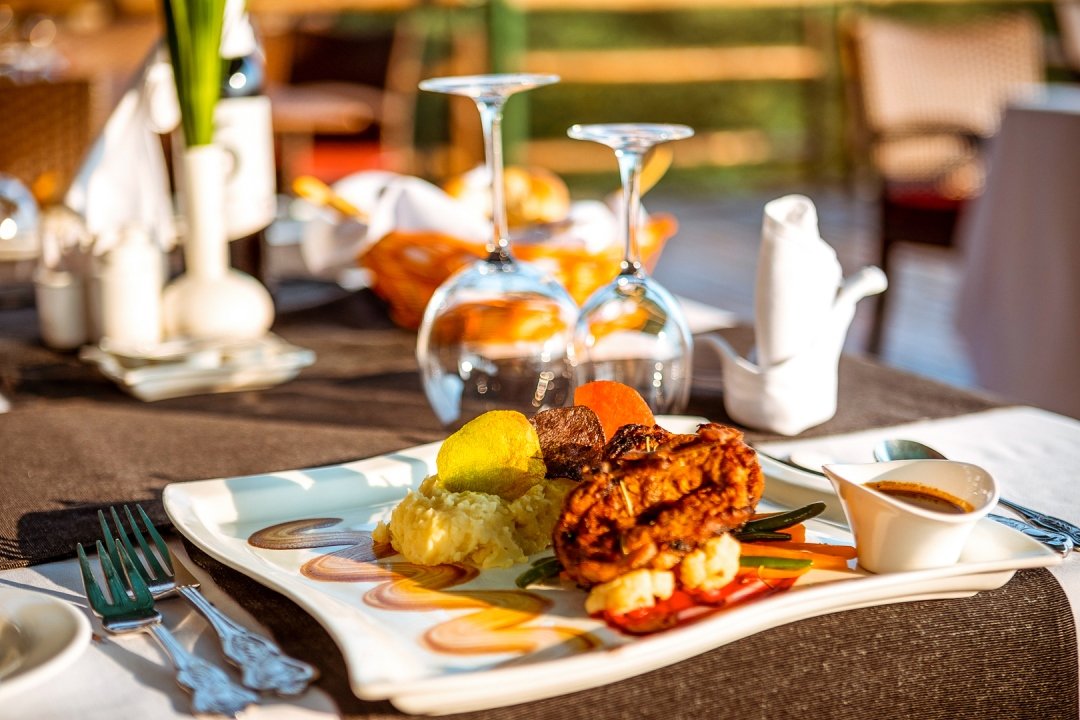
Dining is another highlight of a luxury Uganda safari. Rather than imported menus, many lodges celebrate Uganda’s rich agricultural heritage by serving fresh, seasonal ingredients sourced from nearby farms and communities. Expect colourful tropical fruits, freshly roasted Ugandan coffee, locally grown vegetables, homemade breads, and expertly prepared regional dishes alongside international favourites.
Sharing a leisurely dinner while watching the sun disappear behind the hills often becomes one of the most memorable moments of the journey.
Luxury That Supports Conservation
Many of Uganda’s leading safari lodges work closely with conservation organisations and national park authorities to help protect endangered mountain gorillas and their rainforest habitat. By choosing these lodges, your stay contributes to preserving one of Africa’s most extraordinary ecosystems while supporting long-term wildlife conservation efforts.
Responsible luxury isn’t simply about minimizing impact—it’s about ensuring tourism helps protect the landscapes visitors travel so far to experience.
Supporting Local Communities
The people who welcome you at Uganda’s luxury lodges are often from the surrounding communities. From experienced guides and trackers to chefs, gardeners, artisans, and hospitality staff, tourism creates valuable employment opportunities that directly benefit local families.
Many lodges also source handmade crafts, fresh produce, and building materials locally, helping tourism income circulate within nearby communities rather than leaving the region. For travelers seeking purpose-led experiences, this connection adds another meaningful dimension to their safari.
Personalized Guiding Makes Every Safari Unique
Exceptional guiding is what truly transforms a luxury safari. Experienced local guides don’t simply drive between destinations—they bring Uganda’s landscapes to life through stories, wildlife knowledge, cultural insights, and years of experience navigating the region.
Whether adjusting your itinerary around weather conditions, recommending hidden viewpoints, or sharing the history behind the communities you visit, personalized guiding creates a journey that feels effortless, flexible, and deeply personal. It’s this level of care that turns a well-planned safari into an unforgettable one.
Choosing the Right Lodge
The best luxury lodge isn’t necessarily the most expensive—it’s the one that matches your gorilla trekking location, travel style, and pace. Staying close to your trekking area allows you to enjoy a relaxed breakfast, arrive at your briefing refreshed, and spend less time on the road and more time immersed in Uganda’s remarkable landscapes.
When luxury is paired with thoughtful planning, your accommodation becomes more than just a place to sleep. It becomes part of the safari experience itself.
You’ll also want to be honest about one limitation: some last-mile approaches to Bwindi sector lodges can feel rough, even when everything else is polished. That’s Uganda’s terrain. We plan around it with 4×4 vehicles and daylight arrivals.
How to choose a safari lodge in Africa for a Bwindi or Mgahinga trek
We use a short checklist that keeps you out of the classic mistake (booking a beautiful lodge in the wrong place).
Non-negotiables first:
Lodge location matches your confirmed Bwindi sector (Buhoma, Ruhija, Rushaga, or Nkuringo)
Road approach makes sense for your route (Kabale side vs Kisoro side)
Trek morning drive stays short enough for a normal breakfast
Then the comfort details that actually change your stay:
Hot water reliability after a wet trek
Drying space for boots and rain gear (you’ll want it)
Early breakfast readiness for briefing schedules
If you’re still deciding between parks and sectors, start with our Bwindi Impenetrable National Park overview.
After trekking, you’ll notice the small comforts more than you expect. A hot shower. Dry socks. A quiet terrace.
Drive-time planning table for a calmer trek morning
These ranges come straight from how the route behaves on the ground, with border time included where noted.
Route segment | Typical time range | Best use case | Notes you should plan around |
|---|---|---|---|
Kigali → Cyanika border → Kisoro | 4–6 hours | Southern Bwindi (Rushaga/Nkuringo), Mgahinga | Shorter total road time for Kisoro-side itineraries |
Kigali → Katuna border → Kabale | 5–7+ hours | Kabale, Lake Bunyonyi staging | Strong hub logistics, good for circuit planning |
Kisoro → Rushaga/Nkuringo | 1–2+ hours | Trek-day positioning | Road conditions swing hard in wet months |
Kabale → Bwindi sectors | Sector-dependent | Ruhija, onward to Buhoma | Buhoma can run longer from Kabale |
Recommended Luxury Bases Around Bwindi: Where to Stay for a Seamless Gorilla Trek Experience
Choosing where to sleep around Bwindi Impenetrable National Park is not just about finding a beautiful lodge — it is about creating a smooth, relaxed safari experience. Because each gorilla trekking sector has its own access roads, your lodge location can make the difference between enjoying a slow morning with fresh coffee overlooking the forest and spending hours on winding mountain roads before your trek begins.
The best luxury base depends on your confirmed gorilla permit sector. Here are the main areas we recommend when planning a comfortable and well-paced Uganda safari:
Buhoma: The Classic Gateway to Bwindi’s Northern Forest
Buhoma is Bwindi’s most established gorilla trekking base and remains a favorite for travelers looking for a classic rainforest experience. The area sits on the edge of the ancient forest, where mist often hangs between the trees in the early morning and the sounds of birds and insects create the perfect soundtrack before your trek begins.
Staying in Buhoma means you can enjoy a slower start to your gorilla adventure, with many lodges located close to the park headquarters. After trekking through the forest, returning to a warm fireplace, a comfortable lounge, and views of the surrounding hills adds a special sense of reward.
Luxury and comfort-focused options in the Buhoma area include properties such as Sanctuary Gorilla Forest Camp and Buhoma Lodge, both known for their proximity to the forest and immersive wilderness atmosphere.
Ruhija: A Quiet Highland Retreat Surrounded by Forest
For travelers seeking a more peaceful and less busy atmosphere, Ruhija offers an intimate mountain setting on Bwindi’s eastern side. The journey here winds through Uganda’s beautiful highlands, passing terraced hills, small villages, and landscapes that reveal the everyday rhythm of rural life.
Ruhija is especially appealing for travelers who value privacy and connection with nature. The cool temperatures, forest views, and quieter surroundings create a feeling of being far away from the usual safari routes.
A well-positioned lodge in this area allows you to rest properly before trekking and enjoy the peaceful character of the region, where evenings are often spent listening to the sounds of the forest rather than the noise of busy towns.
Rushaga: Southern Bwindi’s Flexible Base for Gorilla Adventures
Located in the southern part of Bwindi, Rushaga is one of the most popular sectors for travelers approaching Uganda from Kigali through the Cyanika border and Kisoro route. The area is known for excellent gorilla trekking opportunities and is also where some visitors choose longer primate-focused itineraries.
The advantage of staying around Rushaga is the combination of accessibility, scenic landscapes, and flexibility. Rolling green hills surround the area, and many lodges offer beautiful views across the countryside, creating a peaceful place to recover after a forest trek.
For travelers combining gorilla trekking with cultural experiences or onward exploration around southwestern Uganda, Rushaga can be an excellent strategic base.
Nkuringo: Dramatic Views and a More Exclusive Wilderness Feel
Perched on the southern edge of Bwindi, Nkuringo offers one of the most spectacular settings in the region, with sweeping views toward the Virunga Mountains and dramatic volcanic landscapes in the distance.
This area often appeals to travelers looking for a more secluded and boutique safari atmosphere. The combination of mountain scenery, rainforest, and fewer crowds creates a feeling of discovery that perfectly matches the spirit of a luxury Uganda journey.
A stay in Nkuringo is about more than convenience — it is about waking up surrounded by some of Uganda’s most beautiful landscapes and experiencing the forest from a quieter perspective.
How We Choose the Right Bwindi Lodge Location
The most important rule is simple: book your lodge after confirming your gorilla permit sector, not before.
A beautiful lodge in the wrong area can create unnecessary travel stress on your trekking morning. A well-matched lodge gives you more time to enjoy the experience — from a relaxed breakfast before your trek to a peaceful evening reflecting on your encounter with one of the world’s most remarkable animals.
For a luxury gorilla safari, the best accommodation is not only about comfort. It is about location, timing, and creating the space to fully experience Uganda’s forests, wildlife, and communities.
Safari experiences in Africa feel richer when culture is part of the route
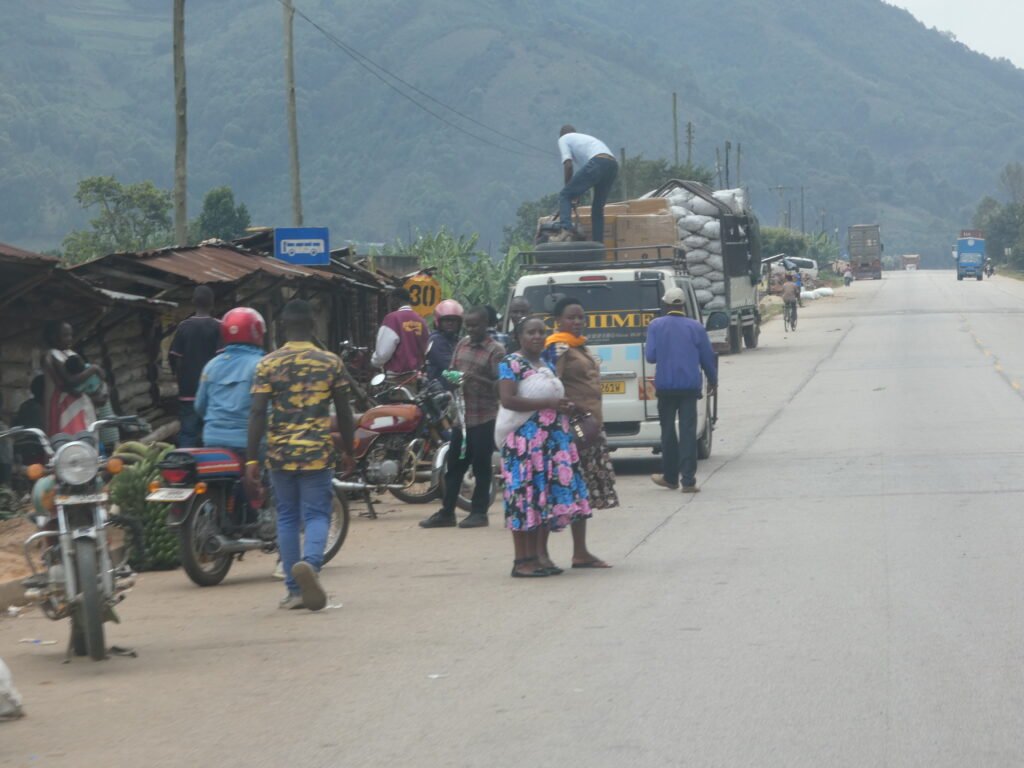
A luxury itinerary that “does wildlife” and leaves misses the point of Uganda. You’re moving through lived-in places, not empty scenery, and the most meaningful moments often happen between parks: a roadside market, kids walking home in uniform, the smell of charcoal cooking at dusk.
We build safari experiences in Africa that include community connection and practical respect for local time and space. You’ll travel slower in villages. You’ll greet people. You’ll show up as a guest.
Two impact anchors we’re proud to connect travelers with:
Amatsiko School in Kabale, supporting education, meals, and hope for vulnerable children (11 years of work)
Buzaniro Dream Village, a community initiative you can understand best by seeing it in person
You’ll still get your wildlife safaris in Africa. You’ll just leave with names and conversations, not only photos.
What Shapes the Cost of a Luxury Uganda Safari?
A luxury safari is an investment in exceptional experiences, seamless planning, and access to some of Africa’s most extraordinary wildlife. Rather than focusing on the lowest price, it’s more helpful to understand what creates the value behind a well-designed Uganda safari. From securing limited gorilla trekking permits to arranging private transfers and carefully selected accommodation, every element contributes to a journey that feels effortless from beginning to end.
Several key elements influence the overall investment:
Gorilla trekking permits – Issued by the Uganda Wildlife Authority, these limited permits are usually the largest fixed cost and should be secured well in advance.
Private 4×4 safari vehicle and driver-guide – A dedicated vehicle provides flexibility, comfort, and the freedom to travel at your own pace while navigating Uganda’s varied terrain.
Luxury accommodation – Carefully selected lodges close to your trekking area reduce travel time and offer exceptional comfort, personalised service, and spectacular natural settings.
Expert local guides – Experienced guides add depth to your journey through wildlife expertise, cultural knowledge, and seamless logistics.
Community and cultural experiences – Visits to local initiatives, craft centres, and community projects create meaningful connections while supporting sustainable tourism.
Park fees, visas, and optional activities – Depending on your itinerary, additional costs may include chimpanzee trekking, game drives, boat safaris, or cultural visits.
One honest note: The most memorable luxury safaris are not built around the lowest price, they’re built around thoughtful planning. Choosing the right route, the right accommodation, and experienced local guides means spending less time solving logistics and more time enjoying Uganda’s extraordinary landscapes, wildlife, and people.
Best time to go on safari in Africa for Uganda routes depends on roads and permits
The best time window for your Uganda safari is the one that matches permit availability and keeps your road days predictable. Rain changes everything in the gorilla region. Visibility drops, stopping distances increase, and the approaches to Bwindi sectors can turn muddy.
We plan with two season-aware rules:
In wetter months, we pad drive days and lock in earlier departures from Kigali.
In drier months, we still keep 4×4 vehicles because steep gradients don’t care about sunshine.
Safari travel tips that protect your trek day
These are the small moves that save your energy for the forest.
Depart Kigali early enough to arrive for dinner, not a late check-in
Keep a buffer for border processing time at Cyanika or Katuna
Pack rain protection even if the forecast looks friendly
Wear footwear you trust on wet, uneven ground
Treat your trek day like an early flight, prep the night before
For practical prep lists and documents, use what to pack for Uganda and how to apply for a Uganda visa.
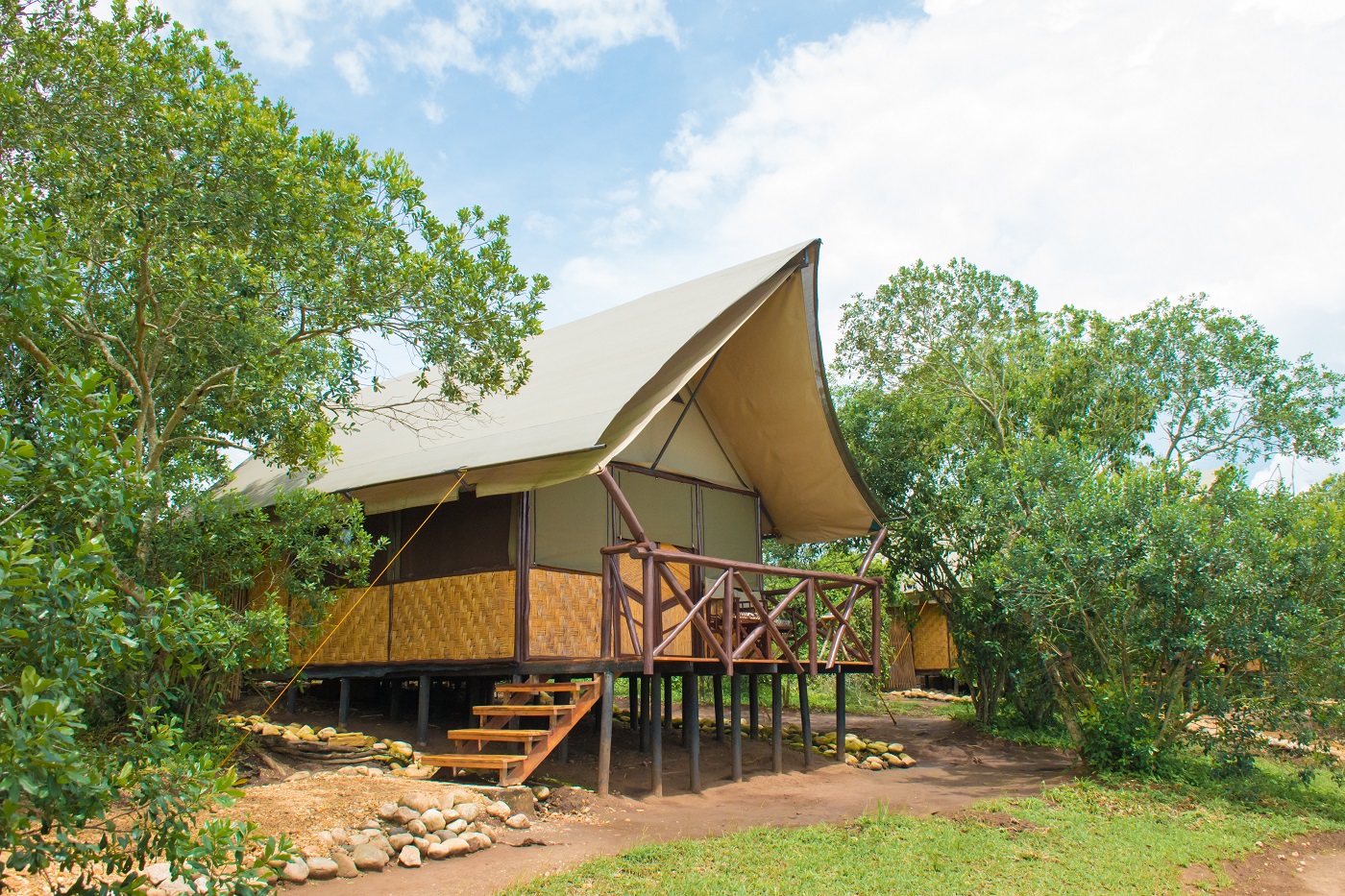
Wet boots are a given. Dry socks are a choice. Pack extra.
Can Families Experience a Luxury Gorilla Safari in Uganda?
Family planning gets easier once you accept a simple truth: gorilla trekking is physically demanding, and not every traveler in a family group will want the same day. The most successful Uganda family itineraries we plan keep flexibility around the trek day and add a softer recovery stop afterward.
We’ll steer you toward pacing that feels fair:
One focused trek morning for the people who want it
A parallel cultural or lakeside day for anyone skipping the trek
A decompression night after the forest, not a same-day sprint
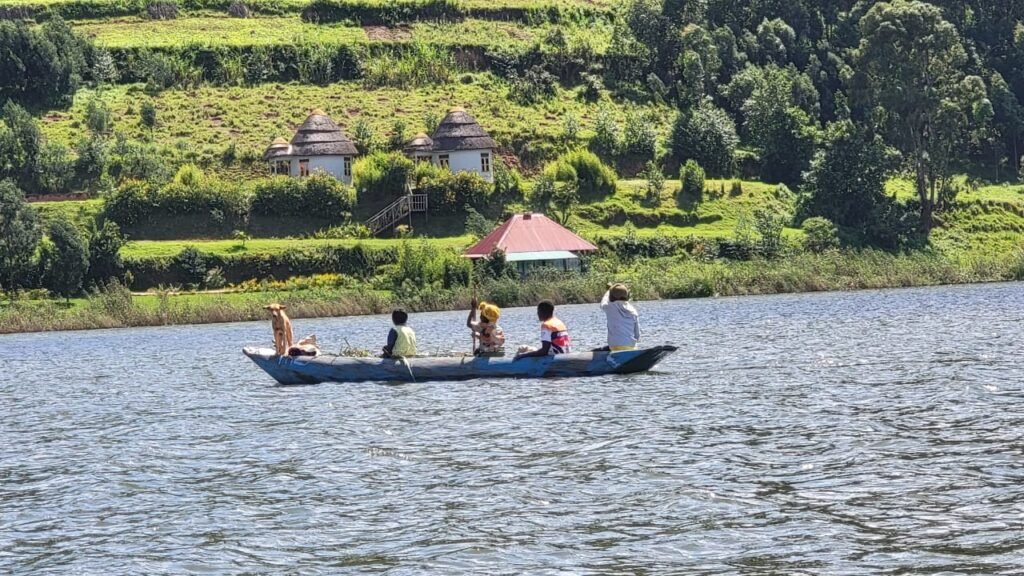
Lake Bunyonyi often plays that role in a Katuna → Kabale circuit. It’s also why Kabale is such a useful staging point when you’re balancing preferences and energy.
If you want to add a cultural day that feels grounded, pair your route with Uganda Village Experience: Amazing 4 Rural Cultural Regions of Uganda You Can Experience.
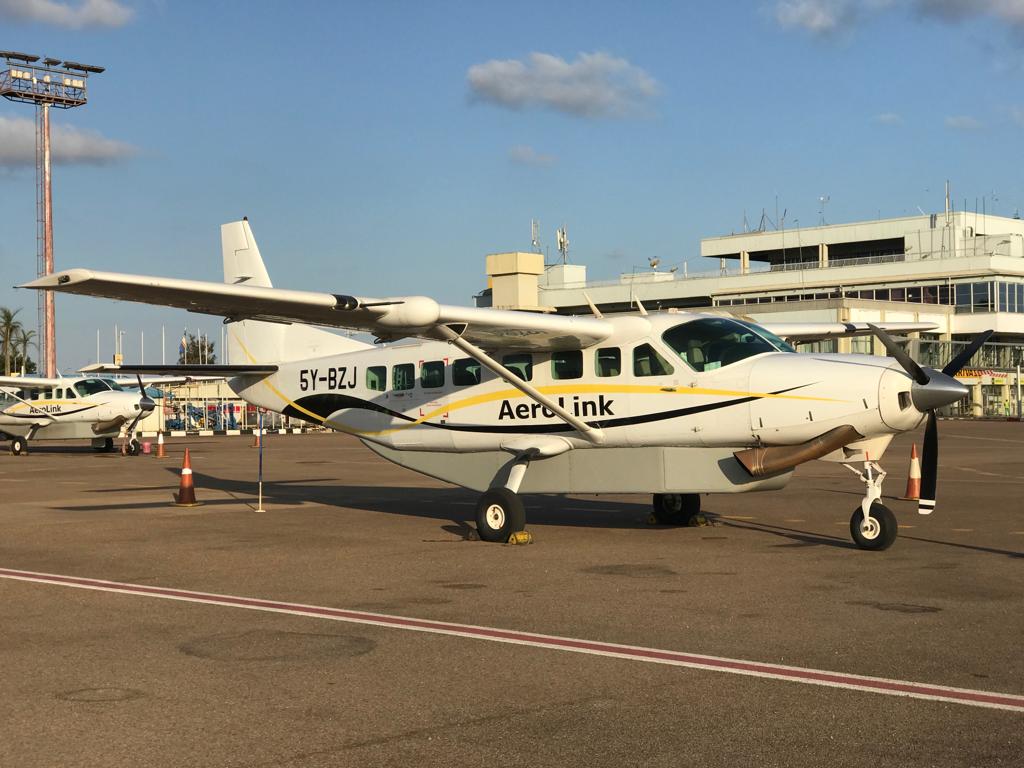
The air cools fast at dusk by the water. Bring a light layer, even after a warm day on the road.
Safaris with the best wildlife viewing come from building a circuit, not a single stop
The strongest Uganda itineraries don’t treat gorillas as the whole story. You anchor the trip with your permit date, then build a circuit that protects your energy and adds variety: primates, savannah wildlife, and a slower cultural day so the trip doesn’t feel like transport between “highlights.”
We use modular building blocks because they’re reliable:
Kigali arrival → road transfer → overnight (Kabale, Kisoro, or sector lodge)
Trek next morning in Bwindi or Mgahinga (one hour with gorillas once found, per standard habituated trek rules)
Recovery stop (Lake Bunyonyi) or onward safari leg in Uganda
And yes, we’re picky about same-day Kigali to Bwindi. It’s feasible with an early departure and efficient border time. It’s risky with a late start or heavy rain, especially if you’re pushing to a specific sector lodge with limited daylight.
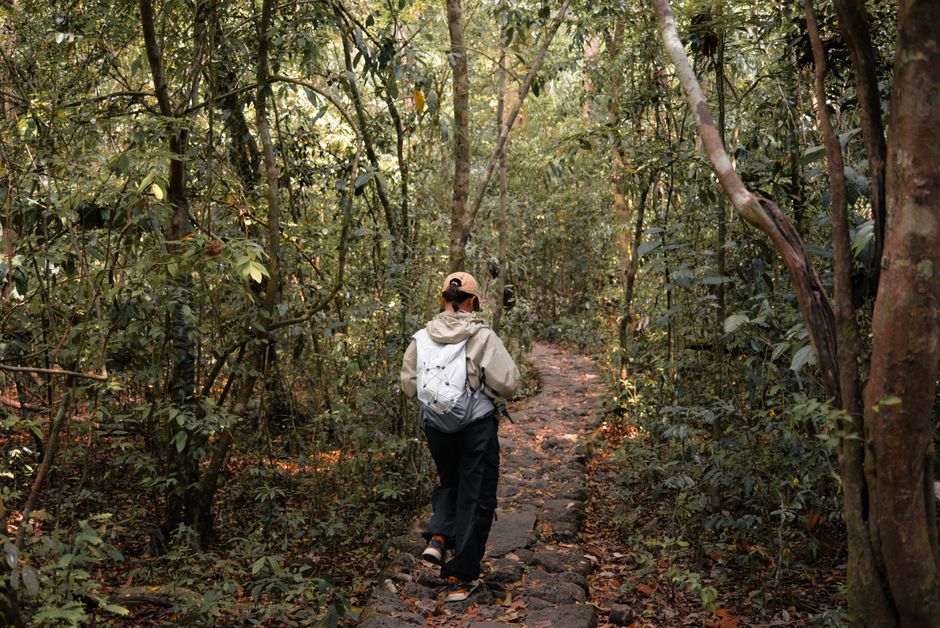
You’ll hear birds before you see anything. Then the forest closes in, and every footstep feels louder.
Key takeaways for top luxury safari destinations in Africa planning in Uganda
Uganda reminds travelers that luxury is not only about comfort. It is about standing quietly beneath ancient trees, hearing the forest come alive, and knowing that your journey contributes to protecting a place that cannot be replaced.
Kigali-to-Bwindi transfers typically run 4–8+ hours driving plus border time, with Cyanika aligning well to Kisoro and southern Bwindi sectors, and Katuna aligning well to Kabale and Lake Bunyonyi staging. Use a 4×4 for Bwindi sector approaches year-round, and sleep near your trekking sector to protect the early briefing.
Frequently Asked Questions About Africa’s Top Luxury Safari Destinations
1. What makes Uganda a top luxury safari destination in Africa?
Uganda offers a unique luxury safari experience with intimate gorilla encounters, ancient rainforests, and meaningful cultural exchanges. Unlike the classic crowded safari spots, Uganda provides a tranquil setting where wildlife, culture, and conservation seamlessly blend.
2. What are the key safari parks in Uganda for gorilla trekking?
The main parks for gorilla trekking in Uganda are Bwindi Impenetrable National Park and Mgahinga Gorilla National Park. Bwindi is divided into sectors such as Buhoma, Ruhija, Rushaga, and Nkuringo, while Mgahinga offers a quieter option with additional activities like golden monkey tracking.
3. How should I plan my route from Kigali to Bwindi?
The Kigali-to-Bwindi transfer is crucial for minimizing travel time. Most travelers cross the Rwanda–Uganda border via Cyanika or Katuna, then overnight in Kabale, Kisoro, or near a Bwindi trekking sector. This route allows for a more relaxed arrival, ensuring you reach your destination in time for dinner.
4. What should I consider when choosing a luxury safari lodge in Uganda?
When selecting a lodge, prioritize its location in relation to your confirmed gorilla trekking sector. The lodge should offer comfort and convenience, such as reliable hot water, drying space for gear, and proximity to the trekking briefing site, ensuring a smooth start to your trek.
5. What are the logistics for a family-friendly luxury safari in Uganda?
For a family-friendly experience, consider a flexible itinerary that accommodates different activity preferences. This could include a focused trek for those interested and a cultural or lakeside day for others, followed by a recovery stop like Lake Bunyonyi to balance energy levels.
6. When is the best time to go on a safari in Uganda?
The ideal safari time in Uganda depends on permit availability and road conditions. Wet months require padded drive days and earlier departures, while drier months still necessitate 4×4 vehicles due to steep gradients. Planning should accommodate these seasonal variations to ensure a seamless experience.