Uganda Safari Cost Breakdown 2026: Budgets, Permits, and Seasonal Pricing
Table of Contents
Uganda safari cost breakdown for 2026: budgets, permits, and seasonal pricing
Planning a Uganda safari is exciting until you start comparing prices.
One operator quotes $2,500. Another quotes $5,000. A luxury lodge appears in one package, while another focuses only on the essentials. Suddenly, planning your dream journey through Uganda’s forests, savannahs, and wildlife-rich landscapes feels confusing.
The truth is that Uganda safari costs are shaped by a few major decisions: whether you trek mountain gorillas, how many parks you visit, the type of accommodation you choose, and how you arrange transport between destinations.
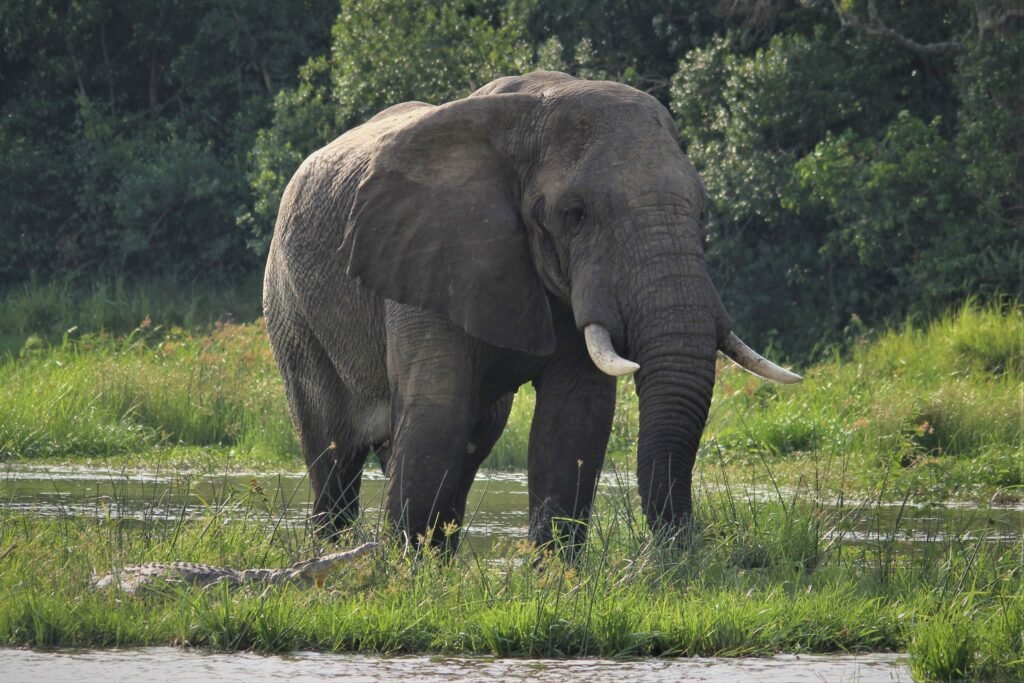
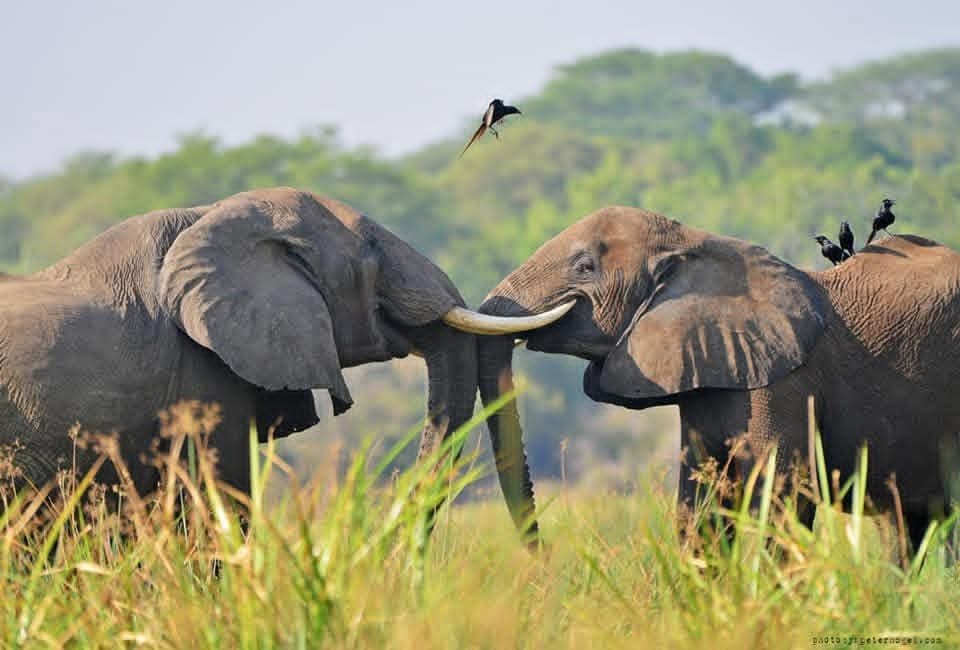
Imagine waking up near Bwindi Impenetrable Forest as mist hangs between ancient trees, hearing birds calling through the canopy while you prepare for one of Africa’s most unforgettable wildlife encounters. Later, you could watch chimpanzees swing through Kibale’s rainforest, cruise along the Kazinga Channel, or watch elephants move across Uganda’s open savannah.
Those experiences are priceless but they do have a price tag.
This Uganda safari cost breakdown for 2026 explains exactly where your money goes, from gorilla permits and park fees to accommodation, transport, seasonal pricing, and hidden expenses. The goal is simple: help you plan a safari that fits your budget while ensuring your journey supports Uganda’s conservation efforts and local communities.

You’ll see “safari costs Uganda” quoted as a wide range because the trip components swing hard, permits, park days, road time, and how many people split the vehicle. And yes, Uganda safari accommodation can be the biggest line item after primates, especially in peak dry season.
Quick Answer: How Much Does a Uganda Safari Cost in 2026?
A Uganda safari in 2026 typically costs between US$1,300 and US$2,000 for a budget-friendly 3-day gorilla trekking tour, US$2,500 to US$4,500 for a 7-day mid-range safari, and US$6,000 or more for a luxury itinerary. The biggest expense is usually the Uganda gorilla trekking permit (US$800 per person), followed by accommodation, transport, park entrance fees, and optional activities such as chimpanzee trekking.
Your final budget depends on several factors, including your travel season, group size, accommodation standard, transport choice, and how many national parks and activities you include. Traveling during the rainy seasons (March–May and September–November) can reduce accommodation costs, while the dry seasons (June–August and December–February) generally offer the best wildlife viewing but come with higher demand and pricing.
Uganda Safari Cost Breakdown 2026: Main Expenses at a Glance
Before choosing your route, it helps to understand where your money goes. A Uganda safari budget is usually made up of five major categories: permits, accommodation, transport, park fees, and activities.
Cost Item | Budget Range | Mid-Range Range | Luxury Range |
|---|---|---|---|
Gorilla trekking permit | US$800/person | US$800/person | US$800/person |
Chimpanzee trekking permit | Around US$250/person | Around US$250/person | Around US$250/person |
Accommodation per night | US$50–120 | US$150–300 | US$400–1,000+ |
Private safari vehicle & driver-guide | US$200–300/day | US$300–450/day | US$500+/day |
National park fees | Varies by park and activity | Varies by park and activity | Varies by park and activity |
Meals | Often included | Usually included | Included |
Domestic flights (optional) | US$250–450 | US$250–450 | US$250–450 |
Typical Total Uganda Safari Budgets
3-Day Gorilla Trekking Safari
Budget: approximately US$1,300–2,000 per person
Mid-range: approximately US$2,000–3,000 per person
Luxury: US$3,500+
7-Day Uganda Wildlife & Gorilla Safari
Budget: approximately US$2,500–3,500 per person
Mid-range: approximately US$3,500–5,000 per person
Luxury: US$6,000+
10-Day Uganda Safari Including Gorillas, Chimps & Multiple Parks
Budget: approximately US$3,500–4,500 per person
Mid-range: approximately US$5,000–7,000 per person
Luxury: US$8,000+
Real Uganda Safari Budget Examples for 2026
The easiest way to understand Uganda safari costs is to look at realistic trip examples. These estimates assume a private safari vehicle, a driver-guide, accommodation, permits, park activities, and standard safari logistics. Final prices change depending on season, exchange rates, accommodation choices, and the number of travelers sharing transport.
Example 1: 3-Day Gorilla Trekking Safari (Budget Style)
Typical route: Entebbe/Kampala → Bwindi Impenetrable National Park → Entebbe/Kampala
This short itinerary focuses on Uganda’s biggest attraction: meeting mountain gorillas in the forest.
Expense | Approximate Cost |
|---|---|
Gorilla trekking permit | US$800 |
Transport & driver-guide share | US$250–400 |
Accommodation (2 nights) | US$100–250 |
Meals & basic expenses | US$50–100 |
Park/logistical fees | US$50–100 |
Estimated total: US$1,300–1,700 per person
This is the minimum realistic budget for a gorilla experience. The permit alone creates a high starting point, which is why Uganda is not usually considered an ultra-budget safari destination. Check out a 3 Day: Volunteering, Gorilla trekking and cultural immersion
Example 2: 7-Day Uganda Gorilla & Wildlife Safari (Mid-Range)
Typical route: Entebbe → Kibale Forest → Queen Elizabeth National Park → Bwindi → Lake Bunyonyi → Entebbe
This is the classic Uganda safari experience: chimpanzees calling through the forest, boat cruises along wildlife-filled channels, savannah game drives, and finally the unforgettable gorilla trek.
Expense | Approximate Cost |
|---|---|
Gorilla permit | US$800 |
Chimpanzee trekking permit | US$250 |
Safari vehicle & driver-guide | US$500–800 |
Accommodation (6 nights) | US$900–1,800 |
Park fees & activities | US$200–400 |
Meals and extras | US$100–200 |
Estimated total: US$3,000–4,500 per person
This is the sweet spot for many travelers because it balances comfort, wildlife experiences, and sensible travel time. Check our 7 Day Safari: People, Wildlife, and Gorillas
Example 3: 10-Day Uganda Complete Safari Experience
Typical route: Entebbe → Murchison Falls → Kibale → Queen Elizabeth → Bwindi → Lake Bunyonyi → Entebbe
A longer itinerary spreads transport costs over more experiences and allows you to slow down. Instead of spending every day moving, you have time to enjoy the landscapes, communities, and wildlife encounters.
Expense | Approximate Cost |
|---|---|
Gorilla permit | US$800 |
Chimpanzee trekking permit | US$250 |
Safari vehicle & guide | US$900–1,400 |
Accommodation (9 nights) | US$1,500–3,000 |
Park fees and activities | US$400–700 |
Meals and extras | US$200–400 |
Estimated total: US$4,000–6,500 per person
How to Reduce Your Uganda Safari Cost Without Reducing the Experience
The smartest savings usually come from planning, not cutting experiences.
Travel with 4–6 people and share the vehicle cost.
Choose comfortable mid-range lodges instead of paying for luxury rooms.
Stay close to your gorilla trekking sector in Bwindi to avoid unnecessary transfers.
Travel during the green seasons when accommodation availability is often better.
Prioritize experiences rather than adding too many parks.
A well-planned 7-day Uganda safari with the right route can often feel more rewarding than a rushed 12-day itinerary that spends too much time on the road.
Remember that private vehicle costs are heavily affected by group size. Two travelers sharing a vehicle will pay more per person than six travelers sharing the same safari setup.
Uganda safari cost breakdown starts with your itinerary shape
A realistic budget comes from your route and pacing, not from a daily rate pulled out of context. Uganda’s classic circuits combine Bwindi Impenetrable National Park for gorillas, Kibale for chimpanzees, and savannah parks like Queen Elizabeth National Park or Murchison Falls. Each transfer day costs you time and vehicle, and rainy-season road conditions can slow you down.
Short trips cost more per day. Longer trips cost more in total. That’s the trade.
Two concrete planning anchors matter immediately:
Gorilla treks typically run 2–6 hours, plus the standard one hour with the gorillas once you find the family.
In Bwindi, mornings average around 11°C (52°F) and afternoons around 23°C (73°F), so you’ll pack layers and you’ll feel the cool air on your hands at the trailhead.
If I’m being picky, the most common budgeting mistake is stacking too many parks into too few days, then paying for rushed transfers you don’t even enjoy.
Gorilla trek costs set the floor for many Uganda safari packages
If gorillas are on your list, permit availability and timing dictate the rest of your trip. Gorilla trekking permits are issued by the Uganda Wildlife Authority (UWA), they’re limited per day, and they tighten up in the dry seasons. That’s why gorilla trek costs don’t behave like a normal “activity add-on.” They’re the spine of your plan.
Two hard data points to budget around:
Uganda gorilla permit reference: USD $800.
Peak planning window: 6–12 months ahead for June–August and December–February.
And here’s the insider detail that saves both money and sleep: book your lodge near your assigned trekking sector. Bwindi Impenetrable National Park has multiple sectors, including Buhoma, Ruhija, Rushaga, and Nkuringo. A cheap room far from your sector can turn into an early-morning, long drive you didn’t plan for, then you arrive already tired, boots still dusty, stomach a little tight.
For deeper permit planning and packing, use this gorilla trekking guide and keep it open while you map your dates.
“We searched for a wholly local tour operator hoping our visit to Uganda might benefit local communities as well as including Uganda’s natural beauty and wildlife. Amatsiko Tours is owned and operated by Alex and Alphonse, who have dedicated their working lives to helping the most vulnerable in their communities. Alex curated a two weeks itinerary for us that provided the most amazing and memorable experiences: visiting remote communities and schools, welcomed by so many people in out of the way places, gaining insights into community life and culture, walking with rhinos, giraffes and zebras, and of course gorilla and chimpanzee trekking. Our accommodations and food options were all great and our air conditioned 4WD vehicle was supremely comfortable and unstoppable whether in towns, on the open road or on the many safari game drives we undertook. Uganda is beautiful, safe and friendly and I can think of no better way to experience it than with the caring, knowledgeable experts at Amatsiko Tours.”
— TripAdvisor, 5.00
“If you’re considering a trip to Uganda, stop searching. Amatsiko Tours is in a class entirely of its own. From the moment we arrived, everything was handled with a level of care and professionalism that made the entire experience effortless. Airport pickup, beautiful accommodations, seamless transportation, and delicious meals. Every detail was thoughtfully arranged. We were driven in a spotless, comfortable vehicle and never once had to worry about logistics. We could simply be present and absorb the experience.”
— 565carolyno, TripAdvisor, 5.00
“We spent 2 weeks touring Uganda with Amatsiko Tours (Alex) . It was exceptional.. Alex took great care of us and had developed an incredible itinerary which covered all aspects of Uganda… gorillas, chimps, wildlife, fabulous accommodation and visits with Communities to learn about the cultural history.. I thoroughly recommend Amatsiko Tours to anyone wishing to experience Uganda.”
— marilynj479, TripAdvisor, 5.00
At a Glance
Uganda safari costs depend heavily on gorilla trekking, with permits at $800 each.
A 3-day budget safari ranges from $1,300 to $2,000 per person.
Costs increase with accommodation, transport, and season choice.
Dry seasons (June-August, December-February) have higher prices and better wildlife viewing.
Rainy seasons (March-May, September-November) offer lower costs but tougher conditions.
Chimpanzee trekking and other safari activities in Uganda change the total
Your total isn’t only gorillas. A lot of travelers build in chimpanzees and classic game drives, then wonder why the “safari costs Uganda” number climbed.
Chimpanzee trekking in Kibale typically sits on a transfer-heavy route if you’re also doing Queen Elizabeth National Park and Bwindi Impenetrable National Park. That means you’re paying for more days on the road, more nights, and more park days. You’ll hear the forest first, birds and insects, then the sudden burst of movement when the group shifts.
Common safari activities in Uganda that influence cost most (because they add park days and logistics):
Gorilla trekking in Bwindi Impenetrable National Park or Mgahinga Gorilla National Park
Chimpanzee trekking in Kibale
Game drives in Queen Elizabeth National Park, Murchison Falls, or Kidepo Valley
Birding-focused days (Uganda supports 1,000+ bird species)
A decompression stay at Lake Bunyonyi after trekking
If you want a clean, cost-controlled plan, pick one “anchor” primate experience and one savannah park, then add one recovery stop. That structure keeps your itinerary length sensible without stripping out the point of going.
Park entry fees and permits belong in their own line items
Treat park entry fees and primate permits as separate buckets in your spreadsheet. You’ll make better decisions faster, and you won’t accidentally compare two Uganda safari packages that include different things.
Use this as your planning framework:
Cost line item | What it covers | What changes the price | What to confirm before you pay |
|---|---|---|---|
Gorilla permits | UWA-issued permit for gorilla trekking | Travel month, daily permit limits | Trekking date, trekking sector, permit holder details |
Chimpanzee permits | Permit for chimp trekking in Kibale (and other primate areas when applicable) | Date demand, itinerary routing | Exact location, start time, what’s included |
Park entry fees | Entry for savannah parks and forest parks | Number of park days, route design | Park days counted, re-entry rules, schedule realism |
Ranger-led activities | Guided components tied to parks | Time on activity, park rules | Duration, meeting point, timing with transfers |
For park planning across the country, keep this Uganda national parks overview handy while you build your route.
Uganda safari accommodation drives comfort and cost more than people admit
Uganda safari accommodation is where “budget vs mid-range vs luxury” becomes real. It’s also where seasonality hits hard, because availability tightens in peak months and you pay for the last good room left, not the room you wanted.
Two planning truths:
In peak dry seasons, June–August and December–February, higher demand pushes pricing up and reduces choice.
In rainy seasons, March–May and September–November, you’ll usually find better availability and better value, but you’ll trade for muddier roads and slicker forest trails.
You’ll feel the difference at night. Budget properties can be noisy, and a thin wall changes your sleep. Mid-range is where you start getting consistent hot water and a room that holds heat on cool Bwindi evenings. Luxury buys you space, quiet, and a staff rhythm that keeps your mornings smooth.
One practical tip that’s not glamorous but saves your trip: prioritize location over room category near Bwindi. A simpler room close to your trekking sector beats a nicer room that forces a long pre-dawn drive on rough roads.
If you want examples of how accommodation and routing come together, browse Uganda safari packages by trip length, then reverse-engineer the nights and transfers you’d actually enjoy.
Transport options Uganda safari budgets need to include road time reality
Transport is the silent multiplier in safari costs Uganda. Uganda’s distances don’t look scary on a map, then the road conditions, especially in rainy months, stretch the day. You hear it in the cabin too, tires on rough sections, the steady rattle of gear, the stop-and-go rhythm through trading centers.
Two season data points matter for transport planning:
Dry seasons: June–August and December–February bring more reliable roads and park tracks.
Rainy seasons: March–May and September–November bring mud, ruts, and slower transfers, especially on remote routes.
Your main transport options Uganda safari planners use:
Private vehicle with a driver-guide for control over stops, pacing, and wildlife timing
Group vehicle to split costs, with less flexibility on stops and timing
Domestic flights to cut long road transfers, especially useful for remote areas like Kidepo Valley or to reduce wet-season friction
Group size matters here more than anywhere else. Two people in a private vehicle carry the full cost. Six people split it. That’s why the same itinerary can feel “expensive” or “reasonable” depending on who’s in the car with you.
Seasonal pricing shifts follow the same calendar as trail and road conditions
Pricing in Uganda tracks demand, and demand tracks conditions. You don’t need a guess. Uganda’s seasons are consistent enough to plan around.
Use this calendar as your baseline:
Dry seasons: June–August and December–February
Rainy seasons: March–May and September–November
Dry season usually means higher demand and higher pricing, especially around holidays. Rainy season usually means fewer crowds and better value, with tougher trekking footing and slower drives. In Bwindi Impenetrable National Park, rain turns steep sections slick fast, and you’ll notice your boots working harder for grip.
If you’re choosing purely on value, the green seasons are the lever. If you’re choosing purely on logistics, dry season wins. Your mileage may vary, but that trade stays consistent.
Budget, mid-range, and luxury Uganda safari packages differ by what’s included
A useful budget isn’t one number. It’s a set of choices you control.
This is the cleanest way to think about Uganda safari packages by tier, without pretending every operator includes the same things:
Tier | What you’re paying for | Typical trade-offs | Best fit for |
|---|---|---|---|
Budget | Basic Uganda safari accommodation, shared transport, fewer frills | Less flexibility, more noise, tighter schedules | Travelers optimizing for value and permit-first planning |
Mid-range | Reliable lodging, better pacing, stronger routing | Fewer “extras,” still some long drives | Travelers balancing comfort with a real budget |
Luxury | High-comfort lodges, smoother transfers, private guiding focus | Higher nightly rates, peak season books out | Travelers prioritizing time, sleep, and logistics |
The flaw in most “budget vs luxury” debates is ignoring permits. Gorilla trek costs sit outside the accommodation tier logic. You can sleep simply and still pay for the permit. Or you can sleep well and still have a hard trek. That’s Uganda.
Group size, travel style, and itinerary length decide your final number
You don’t need a perfect spreadsheet, but you do need to know which knobs move the total. Three factors dominate.
Group size:
A private vehicle cost split across 4–6 travelers changes everything. If you’re traveling as a couple, consider a small group departure style if your priority is lowering safari costs Uganda without cutting parks.
Travel style:
Private guiding buys you time control. That matters on game drives, and it matters in the forest where you want a calm morning, not a rushed one. Budget travel buys you price control, but you’ll feel it in earlier wake-ups and tighter routing.
Itinerary length:
A 7–10 day circuit like Entebbe → Kibale → Queen Elizabeth → Bwindi → Lake Bunyonyi → Entebbe spreads vehicle and guide costs over more experiences. A 3–7 day gorilla-focused loop like Entebbe → Bwindi → Lake Bunyonyi → Entebbe concentrates costs into fewer days, so the per-day number looks higher.
If you want a concrete starting point, compare a 7-day and 10-day structure, then adjust nights, not parks. The parks are the point. The extra night is what keeps you human.
For itinerary ideas you can price out line by line, start with this 7-day gorilla and safari route and this 10-day Uganda safari plan.
Gorilla trek costs and permit timing deserve a booking-first strategy
This section is the blunt one: if you’re traveling in July, August, December, or January, you plan around permits first. Everything else is flexible by comparison.
Two details to lock in:
Peak dry season planning commonly requires 6–12 months advance work for the best date and sector alignment.
Trek duration varies 2–6 hours, and wet months add physical effort on slippery trails.
And one practical move that experienced planners use: build a buffer day into tight itineraries, especially in rainy seasons. Road delays happen. A buffer day protects your permit day and keeps the rest of your plan intact.
For a dedicated, permit-focused cost view, use our gorilla trekking cost Uganda resource while you set your dates.
You’ll feel the humidity in the canopy even when it’s cool. Pack for grip, not style.
Practical Uganda safari tips that keep your budget realistic
You don’t control every line item, but you control the plan. These Uganda safari tips keep costs honest without stripping out the experiences you came for.
Choose travel months deliberately: dry seasons cost more, rainy seasons can offer better value, and both are workable with the right expectations.
Match lodging to trekking sector in Bwindi: reduce pre-dawn drives and transport costs tied to wasted hours.
Limit one-night stops: they look efficient, then you spend your trip packing and paying for constant transfers.
Prioritize one “big ticket” primate: gorillas or chimps, then add the second if your itinerary length supports it.
Keep a buffer day in wet months: it protects permits and reduces stress when roads slow.
And a small personal preference: I’d rather cut one park day than cut sleep before a gorilla trek. The forest demands your legs.
For health, entry, and planning basics that affect your trip logistics, keep this Uganda travel advice page in your tabs while you finalize dates.
Key takeaways for a Uganda safari cost breakdown you can act on
A credible Uganda safari cost breakdown comes from pricing permits, park days, nights, and transport as separate buckets, then choosing a route that fits your time. Dry seasons (June–August, December–February) usually raise safari costs Uganda through demand and tighter lodge inventory. Rainy seasons (March–May, September–November) often improve value but slow transfers and make treks tougher. Gorilla trek costs start with the USD $800 permit, and trekking typically runs 2–6 hours plus one hour with the gorillas.

Frequently Asked Questions
1. How much does a Uganda safari cost in 2026?
A Uganda safari in 2026 typically ranges from US$1,300 to US$2,000 for a budget-friendly 3-day gorilla trekking tour, US$2,500 to US$4,500 for a 7-day mid-range safari, and US$6,000 or more for a luxury itinerary. The most significant expenses include the gorilla trekking permit (US$800 per person), accommodation, transport, park entrance fees, and optional activities like chimpanzee trekking.
2. What is included in the Uganda safari cost breakdown?
The main expenses in a Uganda safari cost breakdown include permits, accommodation, transport, park fees, and activities. Gorilla and chimpanzee trekking permits, accommodation standards, and transport choices heavily influence the total cost. Park fees vary by park and activity, with meals often included, especially in mid-range and luxury packages.
3. How can I reduce the cost of my Uganda safari without compromising the experience?
To reduce costs without compromising the experience, consider traveling with a group of 4–6 people to share vehicle costs, choose mid-range lodges, stay near your gorilla trekking sector, travel during the green seasons, and prioritize experiences over visiting multiple parks.
4. What are the main factors affecting Uganda safari costs?
The primary factors affecting Uganda safari costs include the travel season, group size, accommodation type, transport options, and the number of national parks and activities included. High-demand dry seasons (June–August and December–February) generally lead to higher costs, while rainy seasons (March–May and September–November) can offer better value.
5. How can I plan my Uganda safari itinerary effectively?
Plan your itinerary by focusing on key experiences such as gorilla or chimpanzee trekking and one savannah park. Build a buffer day into your itinerary, especially during rainy seasons, to accommodate potential road delays. This approach helps in maintaining a realistic and cost-effective safari plan.