Essential travel tips for Uganda for first-timers who want a smooth trip
Table of Contents
At a Glance
Secure travel documents and permits before your trip.
Plan drive times with extra buffer for border crossings.
Choose lodging based on proximity to your trek sector.
Pack for rain and rough roads; a 4×4 is recommended.
Follow local customs and keep travel safety practical.
The fastest way to turn Uganda into an easy, confident trip is to lock down the basics early: Uganda travel requirements, realistic drive times, and the rules around gorilla trekking. These essential travel tips for Uganda focus on what actually changes your day-to-day experience, like choosing the right border post for Bwindi, carrying small cash, and planning around rain and rough roads.
Uganda rewards preparation. It also punishes vague plans, especially once you leave the main towns.
Give yourself time buffers. Pack for mud. And keep your itinerary permit-first if gorillas are the anchor.
Uganda travel requirements that decide your entry day
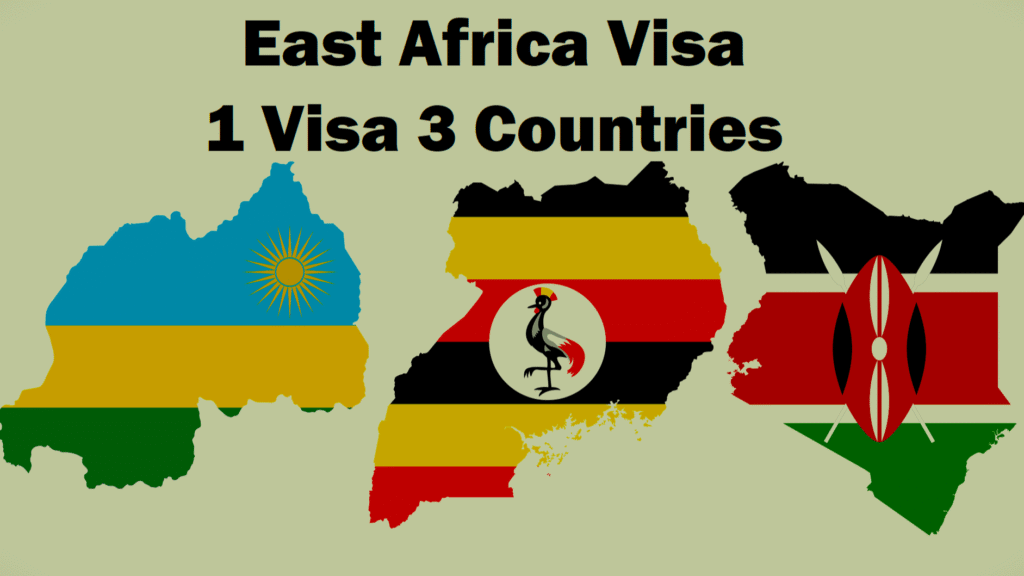
Uganda travel requirements come down to documents, timing, and border reality, not guesswork. You need a passport valid for international travel, the right visa or entry authorization for Uganda (and Rwanda if you’re crossing), and any required vaccination documentation based on current border health rules, which can change. Plan for border processing time that isn’t fixed, and build daylight into your arrival.
If you’re crossing by road from Rwanda, you’ll typically use one of two posts. Cyanika border (Rwanda) ↔ Kisoro (Uganda) lines up with southern Bwindi and Mgahinga. Katuna border (Rwanda) ↔ Kabale (Uganda) lines up with Kabale and Lake Bunyonyi.
The border sequence stays simple: exit formalities, cross to the other side, enter and stamp, then continue. The part that gets people is assuming it’s fast.
For a practical checklist and sequencing, keep a dedicated reference open: travel advice for visitors to Uganda
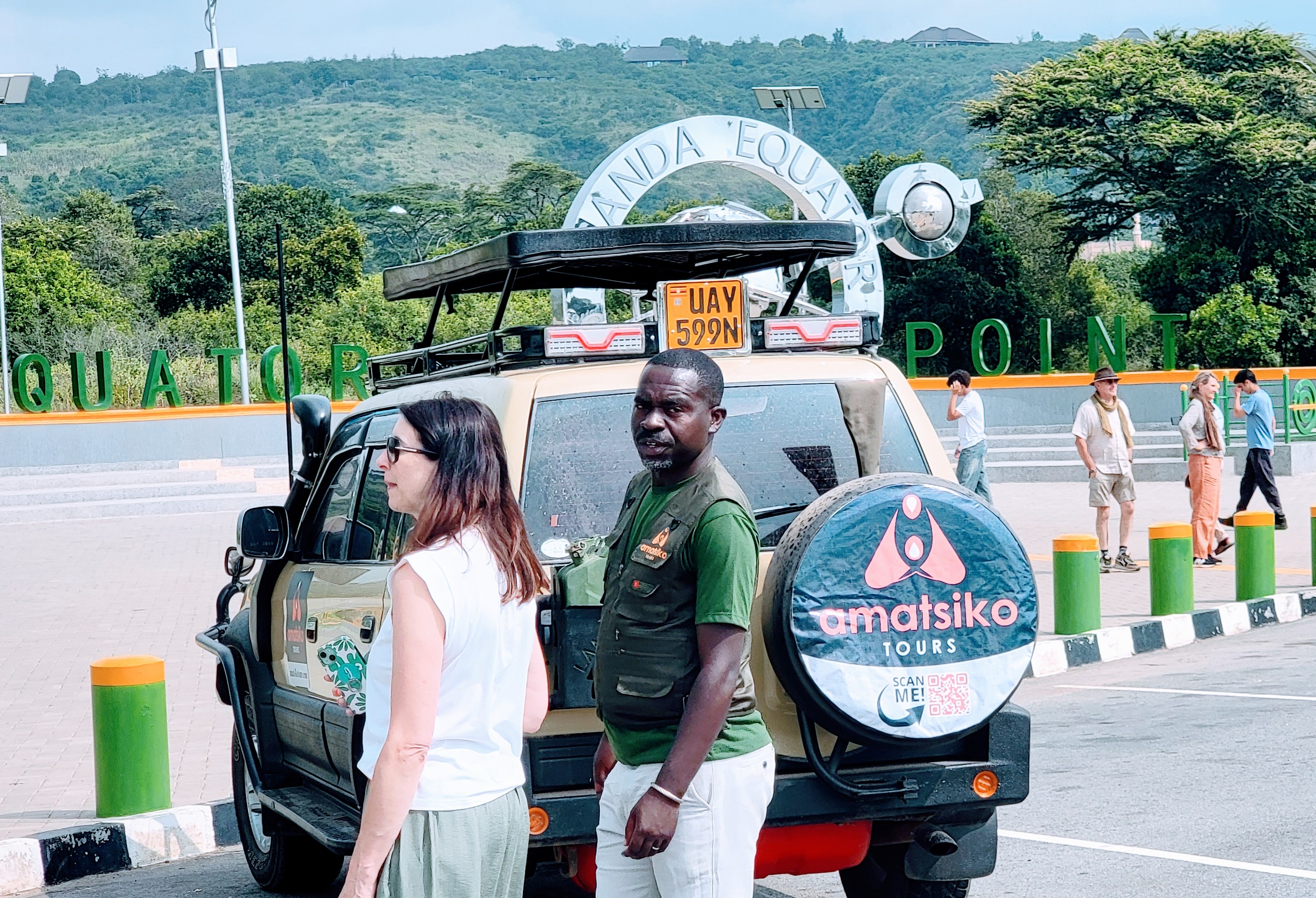
We searched for a wholly local tour operator hoping our visit to Uganda might benefit local communities as well as including Uganda’s natural beauty and wildlife. Amatsiko Tours is owned and operated by Alex and Alphonse, who have dedicated their working lives to helping the most vulnerable in their communities. Alex curated a two weeks itinerary for us that provided the most amazing and memorable experiences: visiting remote communities and schools, welcomed by so many people in out of the way places, gaining insights into community life and culture, walking with rhinos, giraffes and zebras, and of course gorilla and chimpanzee trekking.
Our accommodations and food options were all great and our air conditioned 4WD vehicle was supremely comfortable and unstoppable whether in towns, on the open road or on the many safari game drives we undertook. Uganda is beautiful, safe and friendly and I can think of no better way to experience it than with the caring, knowledgeable experts at Amatsiko Tours.
— TripAdvisor, 5.00
If you’re considering a trip to Uganda, stop searching. Amatsiko Tours is in a class entirely of its own.
From the moment we arrived, everything was handled with a level of care and professionalism that made the entire experience effortless. Airport pickup, beautiful accommodations, seamless transportation, and delicious meals. Every detail was thoughtfully arranged. We were driven in a spotless, comfortable vehicle and never once had to worry about logistics. We could simply be present and absorb the experience.
— 565carolyno, TripAdvisor, 5.00
Wow where to begin with this experience! First, let’s say we were easily the most difficult clients they must have had, throwing them curve balls left and right. From missed flights, to missing baggage, to itinerary changes, plus the added challenge of us working on a film project while with them, Alex and Alfonse made us feel calm and easy in what otherwise would have been a very stressful situation. Even my phone broke while on the trip, and these guys kept me from having a panic attack while they got my phone repaired.
— Sophie Schneeberger, Google, 5.00
Best time to visit Uganda stays permit-led and road-aware
The best time to visit Uganda depends on what you’re doing and where you’re sleeping the night before it. Gorilla trekking dates anchor everything because permits are limited per day through the Uganda Wildlife Authority (UWA). Once your permit date and Bwindi sector are set, you choose the border route, the overnight base, and the drive plan that gets you to the early briefing without a pre-dawn slog.
Rain changes the feel of the trip more than most people expect. On Uganda’s side, approaches to Bwindi sectors can turn muddy, steep, and slow, even if the main town roads into Kabale and Kisoro feel straightforward. You’ll smell wet earth, and you’ll hear tires throwing grit against the wheel wells for long stretches.
Book the trek first. Then match the rest.
If you want the gorilla timing, sector logic, and packing tied together in one place, use 7 Essential Tips for a Gorilla Trek Uganda Adventure

A picky note (but it matters): don’t pick lodging because it “looks close to Bwindi.” Pick it because it’s close to your sector’s briefing point.
Essential travel tips for Uganda transportation on the Kigali to Bwindi corridor
Uganda transportation tips get real the moment you commit to Bwindi Impenetrable National Park or Mgahinga Gorilla National Park. The Kigali-to-Bwindi corridor is common, efficient, and still long. Most travelers cross the Rwanda–Uganda border by road via Cyanika or Katuna and overnight in Kabale, Kisoro, or near a Bwindi trekking sector. Driving typically takes 4–8+ hours plus border time, depending on the border post and the Bwindi sector you’re aiming for.
You’ll feel the difference between “on paper” and “on the ground” once you hit the Uganda-side gradients. A 4×4 is strongly recommended year-round for Bwindi sector access, and it matters even more in wet months.
Cyanika vs Katuna stays a sector decision
Pick the border post based on where you’re trekking, not based on habit.
Cyanika border ↔ Kisoro: best alignment for Rushaga and Nkuringo, plus Mgahinga
Katuna border ↔ Kabale: best alignment for Kabale, Lake Bunyonyi, and planning toward Ruhija (sector timing still matters)
Drive-time ranges you should actually plan around
These are planning ranges, not promises.
Route segment | Typical range | Best use case | Key risk |
|---|---|---|---|
Kigali → Cyanika → Kisoro | 4–6 hours (incl. border) | Southern Bwindi, Mgahinga | Border variability |
Kigali → Katuna → Kabale | 5–7+ hours (incl. border) | Kabale, Lake Bunyonyi | Late departure from Kigali |
Kisoro → Rushaga/Nkuringo | 1–2+ hours | Sector-area arrival | Muddy sections in rain |
The insider move: if your trek is next morning, sleep in the same Bwindi sector area or the closest practical town. Don’t gamble on a long pre-briefing transfer.
For a broader look at what’s worth routing into your circuit, keep national parks in Uganda handy while you map nights.
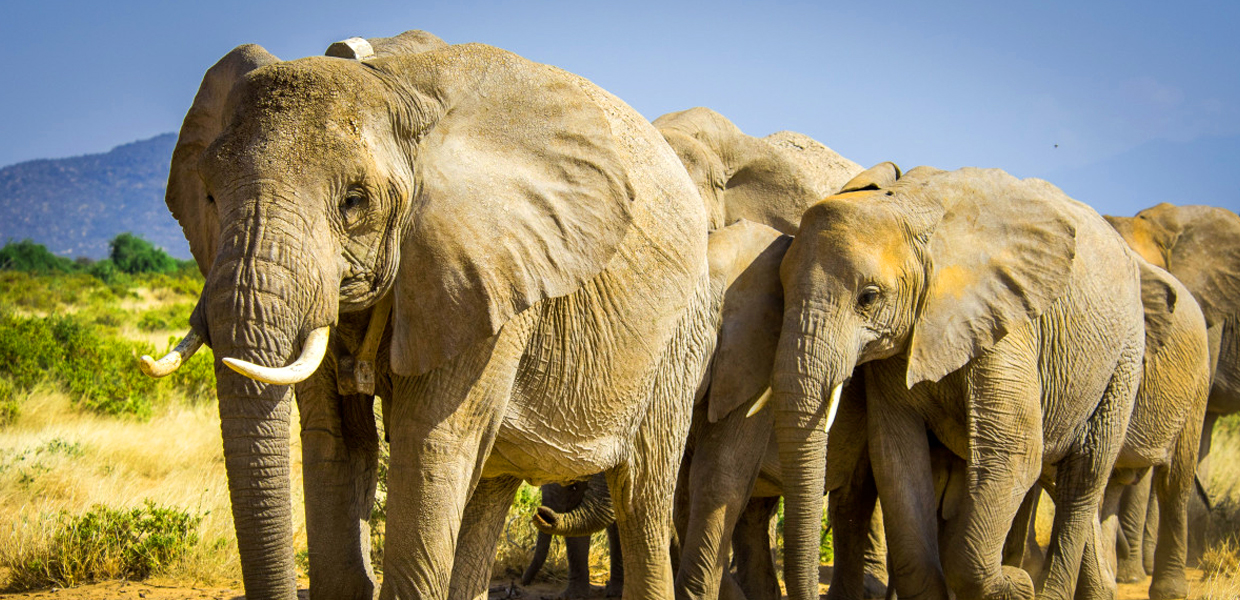
You’ll hear stamps thump on counters, engines idling, and a lot of polite waiting. That’s normal. Plan for it.
Health, vaccines, and Uganda health warnings you treat as trip infrastructure
Uganda health warnings matter most because they affect entry and your ability to trek, not because they’re dramatic. You need to prepare for vaccination documentation as applicable to current border health rules, and you need a plan for health and emergencies that fits remote park days. Gorilla trekking is physically demanding, and the day feels longer if you’re under-hydrated or trying to “push through” something you should’ve handled earlier.
The practical approach is boring, and it works.
Confirm your vaccination documentation requirements before travel, then carry proof in an easy-to-reach pouch
Build a personal med kit you can access in the car, not buried in your duffel
Hydrate early on trek morning, not at the trailhead
Treat rain and mud as normal conditions, not surprises
For a grounded reference, use vaccinations required for Uganda and health and emergencies in Uganda.
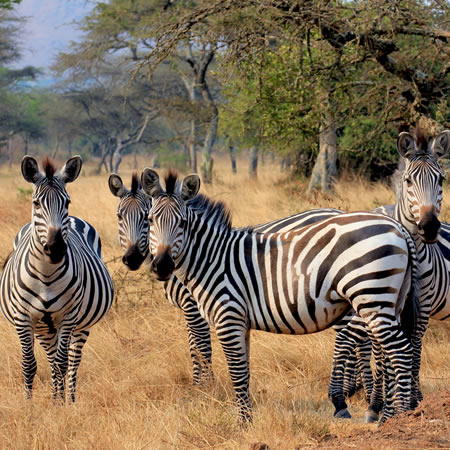
The smell of alcohol wipes and sunscreen ends up being part of your daily routine. Pack accordingly.
Travel safety in Uganda stays practical, not paranoid
Travel safety in Uganda is strongest when you plan your days like a local driver would: daylight arrivals, realistic distances, and fewer moving parts on transfer days. Roads into Bwindi sectors can be narrow, steep, and rough, especially in rainy season. That changes stopping distances and visibility. You’ll also deal with urban traffic leaving Kigali and speed control and checkpoints on major corridors.
This is how to stay safe while traveling in Uganda without overthinking it:
Depart early on transfer days, especially Kigali to Kabale or Kigali to Kisoro
Keep a buffer for border processing time, then protect it, don’t spend it on extra stops
Stick with a 4×4 for Bwindi sector approaches, even if the forecast looks “fine”
Sleep close to your trek sector the night before, then arrive at briefing rested
And yes, travel safety in Uganda includes fatigue. Long drives plus an early trek briefing is a real combo.
If you want a single page that keeps the big safety and planning pieces in view, hold onto Uganda travel advice for visitors while you finalize dates.

The sound you’ll remember is rain on the roof during a slow climb. That’s your cue to stop trying to “make up time.
Currency, payments, and tipping etiquette stay simple if you plan cash flow
Money planning in Uganda is easier if you decide in advance how you’ll handle daily cash, driver tips, and park-area purchases. You don’t want to be hunting for change the night before a trek briefing. Keep small denominations accessible, and separate “day cash” from the rest so you’re not flashing a full wallet at every stop.
Tipping etiquette works best when you treat it as a line item, not a mood. Decide your approach early, then stick to it.
For the nuts and bolts of exchanging and handling money, use changing money in Uganda.
One practical habit: keep a small envelope in your day bag for tips and small purchases. It keeps you calm at the end of a long day.
Travel tips for Kampala that keep your first day from getting messy
Travel tips for Kampala start with accepting that the city runs on momentum. Your best move is to keep your first day light on commitments, then lock in one or two priorities that don’t require cross-town zigzags. If you’re arriving into Uganda and routing toward the southwest later, Kampala is a staging point, not the main event.
You’ll notice the heat and dust first, then the soundscape. Horns, boda-bodas, and street calls stacking on each other.
A few travel tips for Kampala we stand by:
Keep your arrival-day schedule short, then sleep early if you’re driving out the next morning
Confirm pickup points clearly, since “nearby” can still mean a slow crawl in traffic
Carry small cash for quick purchases so you’re not breaking large notes repeatedly
Save your shopping for a single stop, not five small ones
If your itinerary starts in Kigali instead, you’ll skip this whole layer. That’s one reason cross-border planning stays popular for gorilla-focused trips.
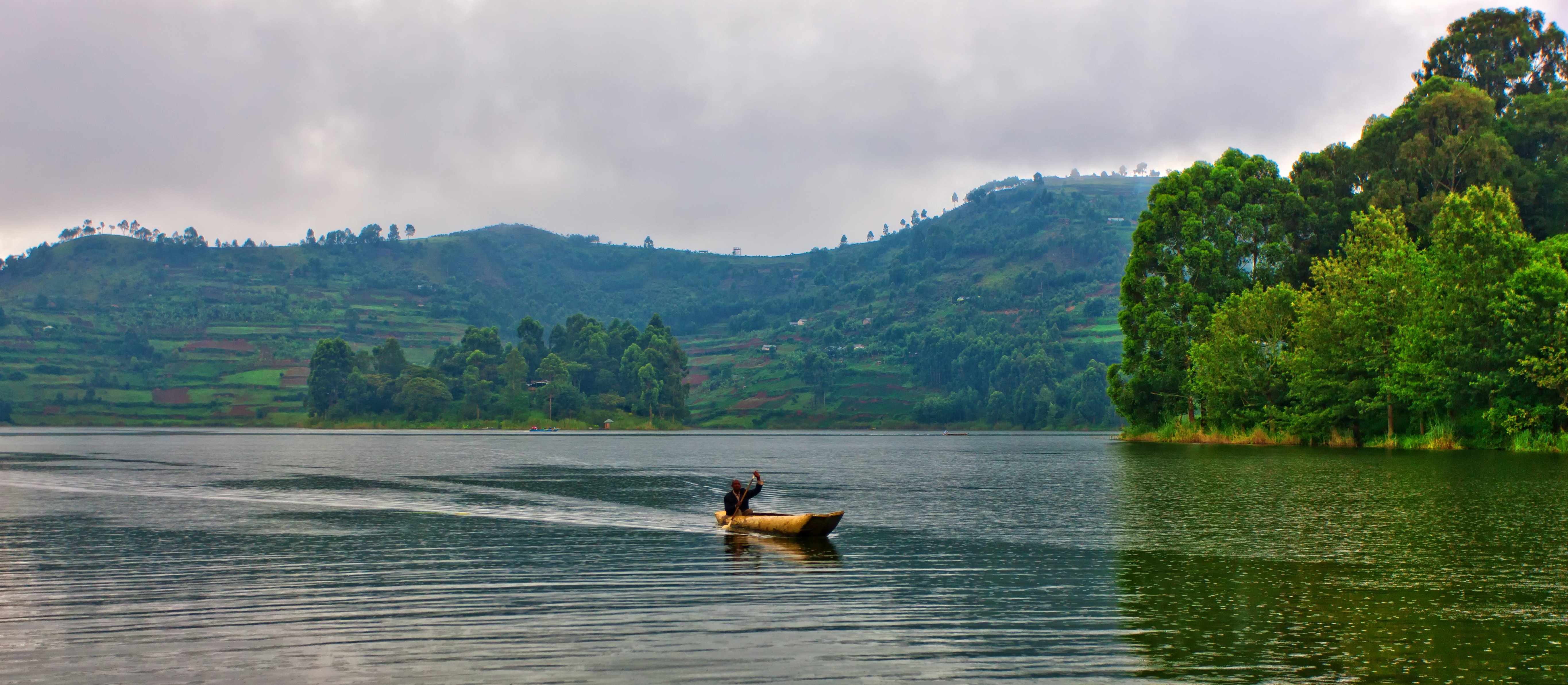
And if I’m being picky, the biggest mistake in Kampala is trying to do too much before a long road day.
Gorilla trekking rules that keep you eligible and respectful
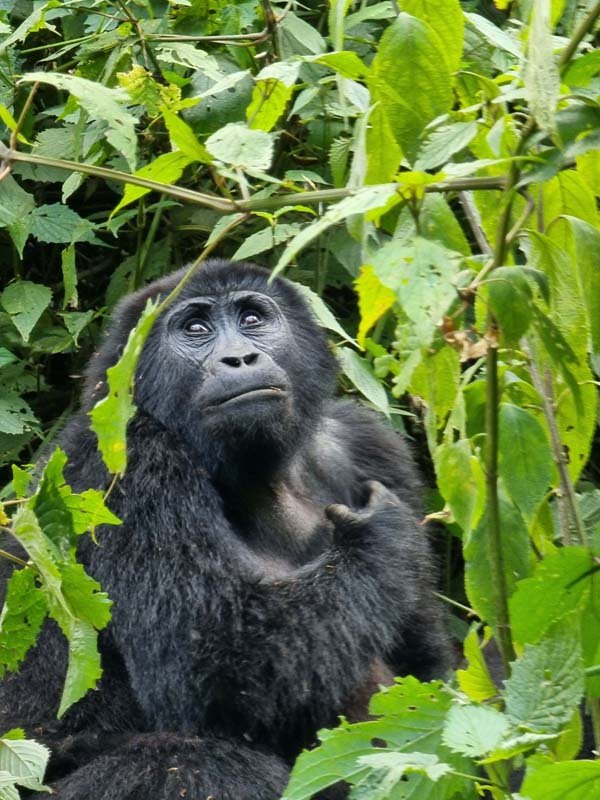
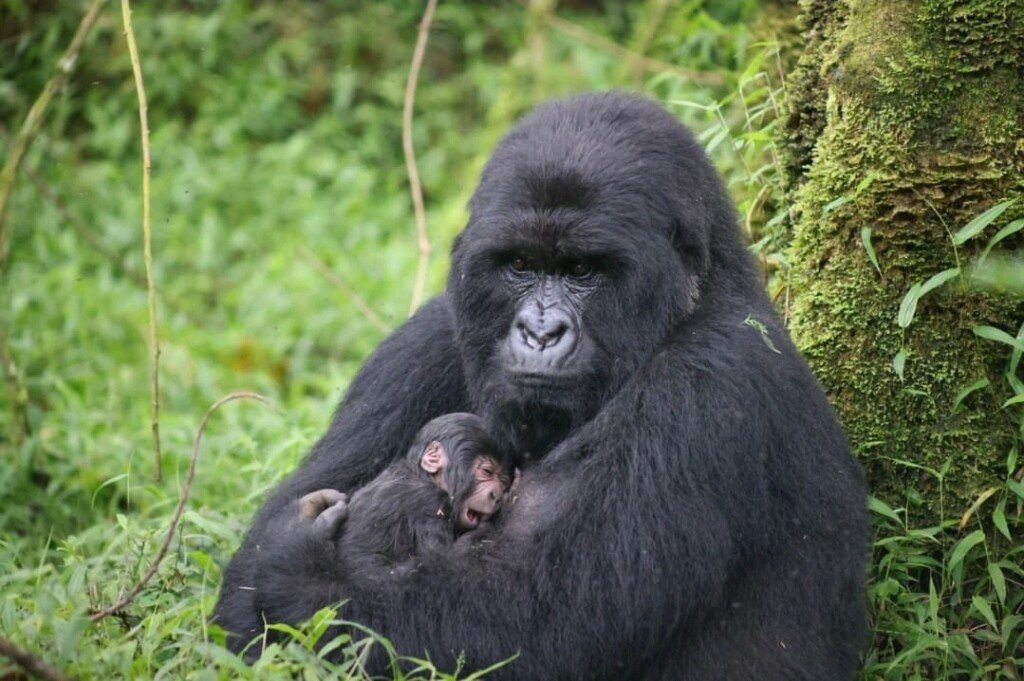
Gorilla trekking rules in Uganda are strict because permits are limited and the encounter is regulated. Gorilla trekking requires a permit issued by the Uganda Wildlife Authority (UWA), and for habituated gorilla treks, visitors typically spend one hour with gorillas once they’re found. That one-hour rule shapes everything, including the early briefing and why you don’t want to arrive tired and late.
Your planning sequence stays permit-first:
Choose your trek date window
Choose park preference (Bwindi Impenetrable National Park or Mgahinga Gorilla National Park)
Confirm sector strategy for Bwindi (Buhoma, Ruhija, Rushaga, Nkuringo)
Check availability, reserve, and pay per operator terms and UWA rules
Match lodging and transfers to the confirmed sector and briefing location
The detail most people miss: reserve lodging after the sector is confirmed, or reserve with flexible change terms. Sector assignment dictates where you need to sleep.
For a deeper sector-and-feel perspective, keep what gorilla trekking feels like in Uganda in your planning tabs.
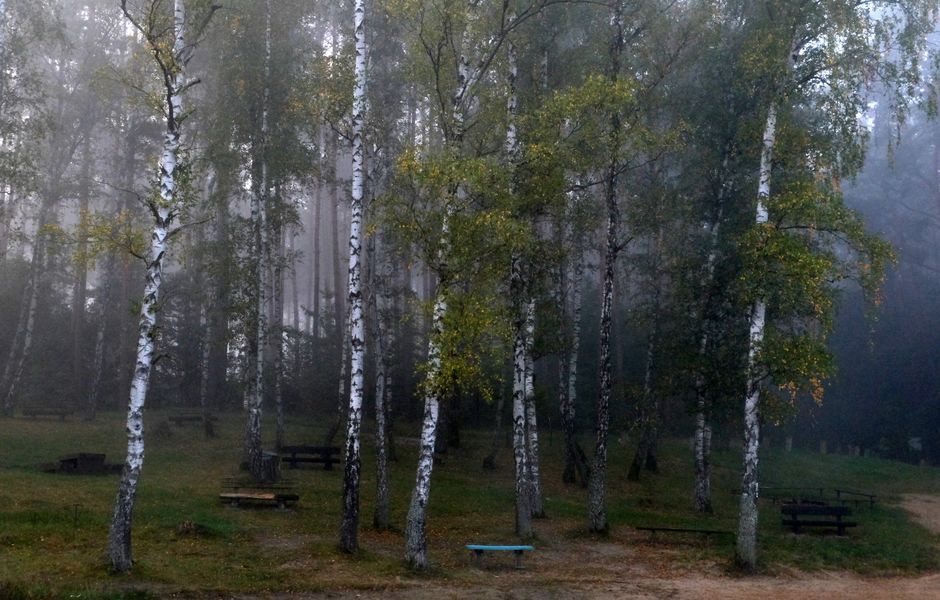
You’ll smell damp leaves, and you’ll feel the cool air before the climb starts. Bring a layer you can peel off fast.
What to pack when traveling to Uganda stays mud-proof and permit-ready
What to pack when traveling to Uganda is less about “safari outfits” and more about keeping your body comfortable through wet mornings, rough roads, and a long trek day. Bwindi sector roads can be muddy in rainy season, and steep gradients are common. Pack like you expect to get dirty, because you will.
Use a list you can check off in five minutes:
A light rain jacket that fits over a mid-layer
Shoes you’ll wear in mud and still trust on a slope
A day pack with a simple closure you can open with one hand
A dry bag or zip bags for documents and electronics
A warm layer for early briefings and cool highland evenings
Sunscreen and insect protection you’ll actually reapply
For a dedicated kit list, use what to pack for Uganda.
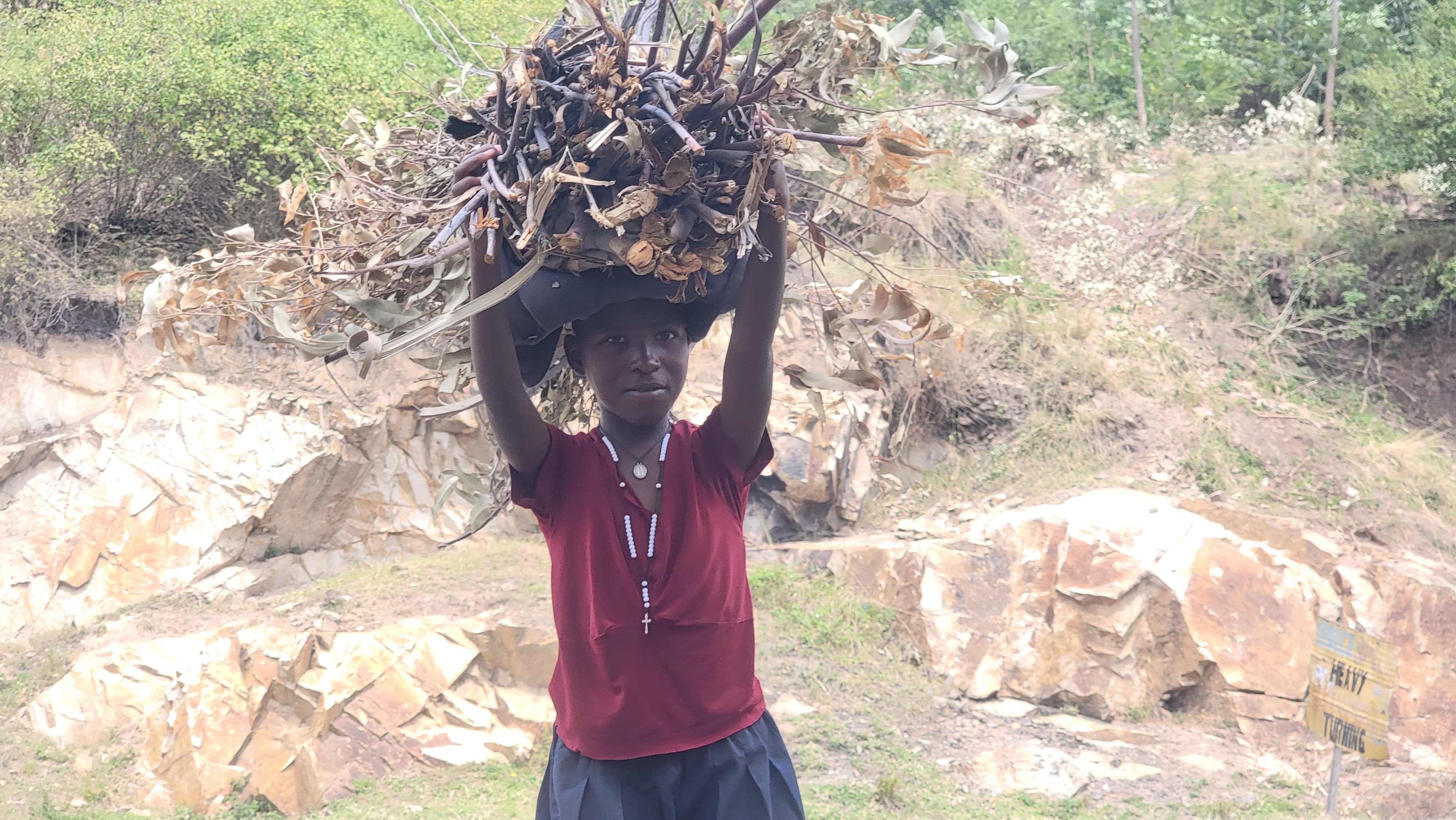
One last packing tip: keep your passport, visa printouts, and vaccination documentation in the same waterproof pouch. Don’t split them across bags.
Uganda cultural etiquette, local customs, and responsible tourism in practice
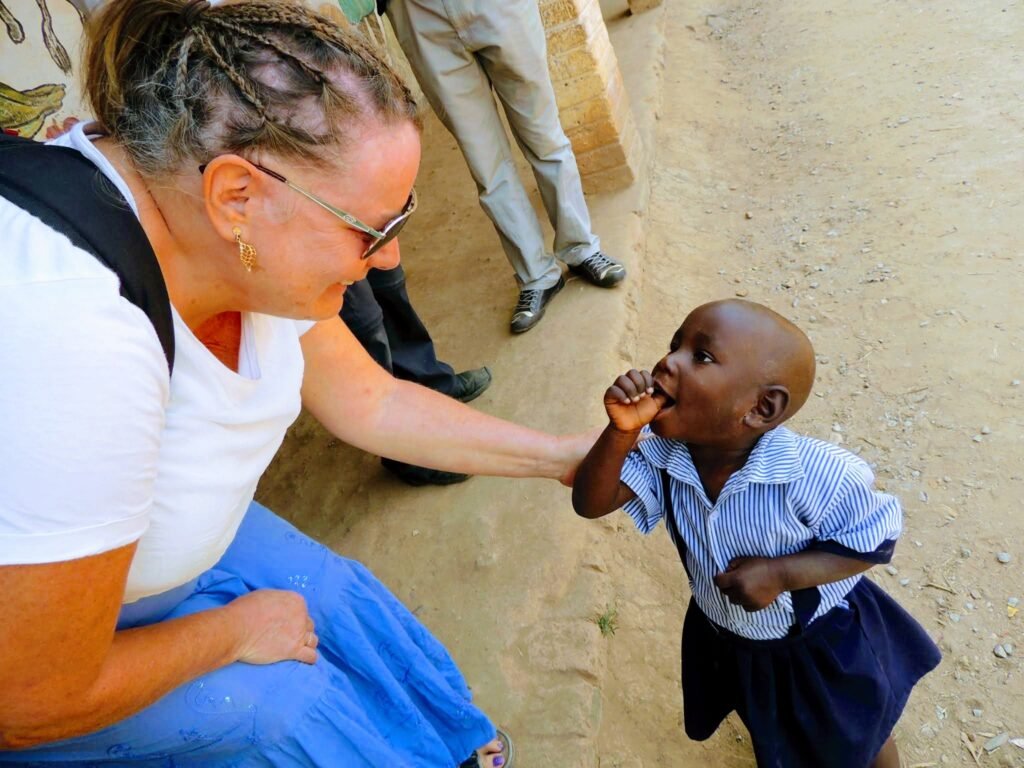
Uganda cultural etiquette is easiest when you lead with respect, patience, and a willingness to follow local pace. Local customs and traditions in Uganda vary by region and community, and you’ll feel the difference most during village visits and community experiences. Responsible tourism starts with choosing experiences that value people’s time and privacy, then showing up as a guest, not a spectator.
Food is part of this, too. Uganda local cuisine is often simple and filling, and you’ll notice the comfort factor on long travel days. Eat enough before early departures, and carry a small snack for border and road delays.
If you want community-led experiences built into a route, use Uganda Village Experience as your reference point.

Responsible tourism also means not over-scheduling people. Leave space for real conversation, even if it costs you one extra photo stop.
Key takeaways you use to plan, not just read
Essential travel tips for Uganda come down to a few non-negotiables: confirm Uganda travel requirements before you fly, anchor your itinerary to your Uganda Wildlife Authority (UWA) permit date, and choose Cyanika or Katuna based on your Bwindi sector and overnight base. Plan 4–8+ hours for Kigali-to-Bwindi driving plus border time, then protect daylight arrivals. Use a 4×4 for sector approaches year-round, pack for rain and mud, and treat travel safety in Uganda as a pacing decision you make every morning.
Frequently Asked Questions
1. What are the essential travel requirements for entering Uganda?
To enter Uganda, you need a passport valid for international travel, the correct visa or entry authorization, and any required vaccination documentation based on current health rules. Plan for border processing time and ensure you arrive during daylight. For more details, refer to the official Uganda travel advice for visitors.
2. When is the best time to visit Uganda?
The best time to visit Uganda depends on your activities and accommodations. Gorilla trekking permits, which are limited per day, will often dictate your travel dates. Be aware that rain can affect travel conditions, especially on roads leading to Bwindi sectors. Plan your trip around your permit dates and allow extra time for travel in case of muddy roads.
3. How should I prepare for transportation in Uganda, especially to Bwindi?
Transportation to Bwindi requires careful planning. Most travelers use the Kigali-to-Bwindi corridor, crossing the Rwanda–Uganda border at Cyanika or Katuna. Depending on your Bwindi sector, choose the appropriate border post. A 4×4 vehicle is recommended year-round for access to Bwindi sectors, especially during wet months.
4. What health precautions should I take when traveling to Uganda?
Ensure you have the necessary vaccination documentation before traveling, as this is crucial for entry and trekking permits. Pack a personal med kit easily accessible during travel, stay hydrated, and treat rain and mud as normal conditions. For specific health requirements, refer to the official vaccinations required for Uganda.
5. How can I ensure travel safety in Uganda?
Travel safely in Uganda by planning for daylight arrivals, realistic travel distances, and using a 4×4 vehicle for rough terrains like Bwindi sectors. Depart early on transfer days and sleep close to your trek sector the night before to ensure you’re well-rested for early briefings. Keep an eye on road conditions and regulations to stay informed.
6. What should I pack for a trip to Uganda?
Pack clothing and gear suitable for wet and muddy conditions, such as a light rain jacket, sturdy shoes, and a warm layer for cool evenings. Ensure your day pack is easy to access and keep important documents in a waterproof pouch. For a comprehensive packing list, consult the what to pack for Uganda guide.
7. What are some key cultural etiquette tips in Uganda?
Respect and patience are central to cultural etiquette in Uganda. Engage with local customs and traditions by participating in community experiences as a guest, not as a spectator. Enjoy local cuisine, which is often simple and filling, and plan responsibly to leave room for genuine interactions. For more on cultural experiences, see the Uganda Village Experience.
Ready to discover Uganda beyond the guidebooks? Let Amatsiko Tours help you create a journey filled with wildlife, culture, and meaningful connections with local communities. Your Uganda story is waiting