7 Inspiring Reasons Sustainable Tours in Uganda Changed My Life
Introduction: Why Sustainable Tours in Uganda Changed Everything
Sustainable Tours in Uganda are not just about visiting beautiful landscapes or seeing wildlife in its natural home. For me, they represent something much deeper; hope, resilience, and the power of human connection.
Table of Contents
When I look back at my journey, I see how travel, community, and opportunity became intertwined in ways I never expected. I did not grow up thinking I would one day create a tourism company. My life began in a very different place, shaped by loss, responsibility, and the struggle to survive. But it is also a story shaped by kindness, by people who believed in me when life felt uncertain.
This is the story of how Amatsiko Tours was born, and how sustainable tourism became not just a concept, but a way of life that continues to transform communities in Uganda every day.
1. A Childhood That Taught Me the Meaning of Survival and Hope
My earliest memories are not of comfort, but of responsibility. Growing up in southwestern Uganda, I lost both of my parents at a young age. Suddenly, the world felt much larger and more difficult than I had ever imagined. I became responsible not only for myself but also for my younger siblings.
There were days when going to school felt like a distant dream. We often faced uncertainty, about food, about shelter, about whether education would even be possible. And yet, even in those difficult moments, something inside me refused to give up.
What kept me going was hope. Not the kind of hope that comes from having everything you need, but the kind that survives even when almost everything is missing.
Looking back now, I realize that this early experience shaped everything I would later build. It taught me that opportunity is not just a privilege, it is a lifeline.
And that understanding would eventually become the foundation of Sustainable Tours in Uganda, where travel is designed not only for visitors but also for the people who call these places home.
2. The Life-Changing Power of Education
Everything began to change when strangers; people I had never met, decided to support my education. Their generosity gave me the opportunity to attend secondary school.
I still remember walking into a classroom and feeling something I had not felt in a long time: possibility. The sound of chalk on the blackboard, the voices of teachers explaining lessons, the smell of books, it all felt like stepping into a new world.
Education did not just teach me knowledge. It gave me dignity. It gave me direction. It gave me a future I had not been able to imagine before.
Later, I trained as a teacher, determined to return to my community and offer the same opportunity to others. I believed education was the answer. But over time, I learned something more complex and more powerful.
Education alone was not enough if children were still struggling with hunger, poverty, and lack of opportunity at home. Real change needed to go deeper.
And that realization would eventually lead me toward a much broader vision, one where Sustainable Tours in Uganda could help support entire communities, not just individuals.
3. Becoming a Teacher and Seeing the Bigger Picture
As a teacher in my community, I worked closely with orphaned and vulnerable children. Every day, I saw both their potential and their struggles.
Some students came to school hungry. Others had to miss classes to help their families survive. Many carried responsibilities far beyond their years.
I began to understand something important: education cannot thrive in isolation. A child cannot focus on learning if their basic needs are not met. Families cannot support education if they are trapped in cycles of poverty.
This was a turning point in my life.
I started asking myself deeper questions:
- How can we support not just children, but entire families?
- How can communities become self-sustaining?
- How can opportunity be created locally instead of depending on aid?
These questions planted the first seeds of what would later become Amatsiko Organisation and much later, Sustainable Tours in Uganda as a tool for long-term transformation.
4. The Birth of Amatsiko: Hope in Action
In 2007, I co-founded Amatsiko Organisation. The name “Amatsiko” means Hope in my native Rukiga language.
Hope was not just a word for us, it was a mission.
We began working to support vulnerable children through education, community development, and empowerment programs. Our goal was simple but ambitious: to help families build a future where they could stand on their own.
But as the number of children and families needing support grew, so did our understanding of the challenge. We realized that to create lasting change, we needed to go beyond education and address livelihoods, agriculture, and sustainability.
That was the moment everything expanded.
We began developing programs in organic farming, kitchen gardens, beekeeping, and environmental conservation. We worked with families to improve nutrition, income, and resilience.
And slowly, something beautiful began to happen, communities were no longer just receiving support. They were becoming active participants in shaping their own future.
This idea of shared growth would later become the heart of Sustainable Tours in Uganda.

5. From Community Development to a New Idea: Tourism as a Force for Good
As Amatsiko Organisation grew, something unexpected began to happen.
We started welcoming visitors from around the world, volunteers, students, researchers, and travelers who came to support our community projects. Many arrived expecting to simply help or observe. But what they often discovered was something deeper and more meaningful.
They didn’t just want to do something for the community, they wanted to understand it.
I remember visitors asking questions like:
- “Can I visit a local home and see how people live?”
- “Can I learn how farming works here?”
- “Can I meet children at the school and hear their stories?”
- “Can I experience daily life beyond tourism brochures?”
These questions opened my eyes.
I began to realize that travel could be much more than sightseeing. It could be a bridge between worlds. It could connect people not only to places, but to real lives, real stories, and real transformation.
This was the moment the idea of Sustainable Tours in Uganda began to take shape in a completely new way not as an industry term, but as a lived experience.
Travel, I realized, could become a powerful tool for education, cultural exchange, and community empowerment.
6. The Birth of Amatsiko Tours: Travel with Purpose
Out of these experiences, Amatsiko Tours was born.
It was never meant to be an ordinary safari company. Uganda already had breathtaking wildlife, national parks, and world-famous gorilla trekking experiences. What I wanted to create was something deeper.
I wanted to design journeys where travelers could:
- Experience Uganda’s natural beauty
- Meet and learn from local communities
- Understand conservation efforts firsthand
- Contribute directly to local livelihoods
- And return home changed not just entertained
This became the foundation of Sustainable Tours in Uganda as we define it today.
At Amatsiko Tours, we began combining classic safari experiences with meaningful cultural encounters. A traveler might spend the morning tracking wildlife in Queen Elizabeth National Park and the afternoon sharing a meal with a local farming family.
They might trek through the misty forests of Bwindi Impenetrable National Park in search of mountain gorillas, and then visit a community project supported by tourism revenue.
Every journey was designed with intention:
not just to show Uganda, but to connect people to Uganda.
7. What Makes Sustainable Tours in Uganda Different
Over time, I began to understand what truly sets this kind of travel apart.
Sustainable Tours in Uganda are not defined only by where you go but by how you travel and what your journey gives back.
For us, sustainability means three key things:
1. Supporting Local Communities
We work closely with local guides, farmers, schools, and small businesses. Tourism income helps create jobs and strengthen livelihoods directly within communities.
2. Protecting Nature and Wildlife
Uganda is home to incredible biodiversity from mountain gorillas to savannah elephants. We promote responsible wildlife viewing and conservation-focused travel practices.
3. Creating Meaningful Cultural Exchange
We encourage travelers to go beyond observation. Sharing meals, stories, and daily life creates understanding that no guidebook can offer.
This approach changes everything.
Travel becomes less about consumption and more about connection.
And for many visitors, this shift is deeply emotional. They arrive expecting a safari but they leave with friendships, memories, and a new perspective on the world.
8. Iconic Experiences That Shape Every Journey
Every traveler who joins us experiences Uganda differently, but some moments often stay in their hearts forever.
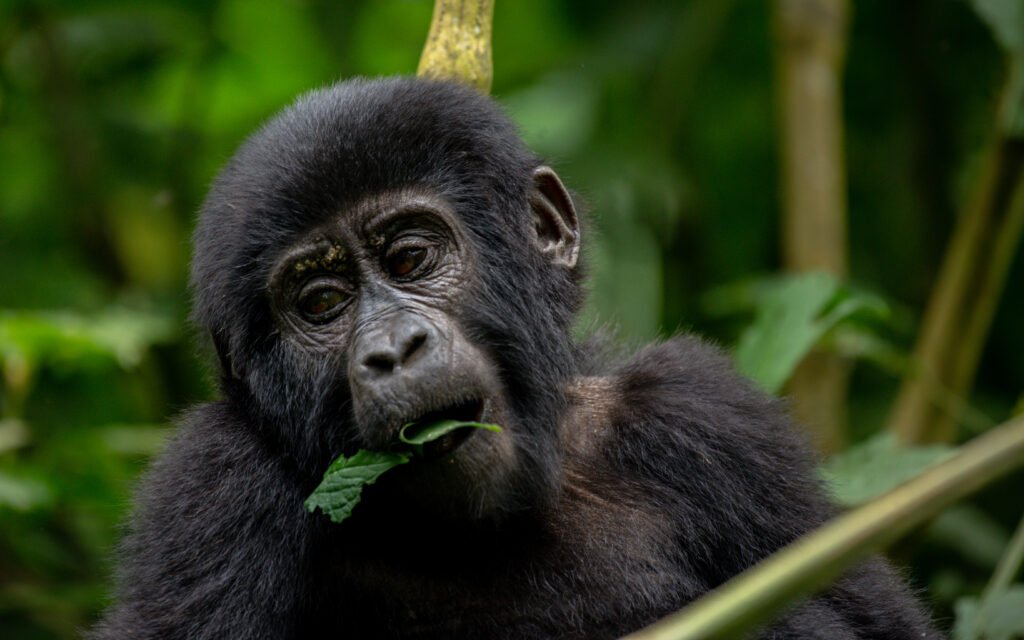
In Bwindi Impenetrable National Park, the silence of the forest is broken only by birdsong and the rustling of leaves. Then suddenly, a mountain gorilla appears; calm, powerful, and deeply human in expression. It is a moment that stays with you for life.
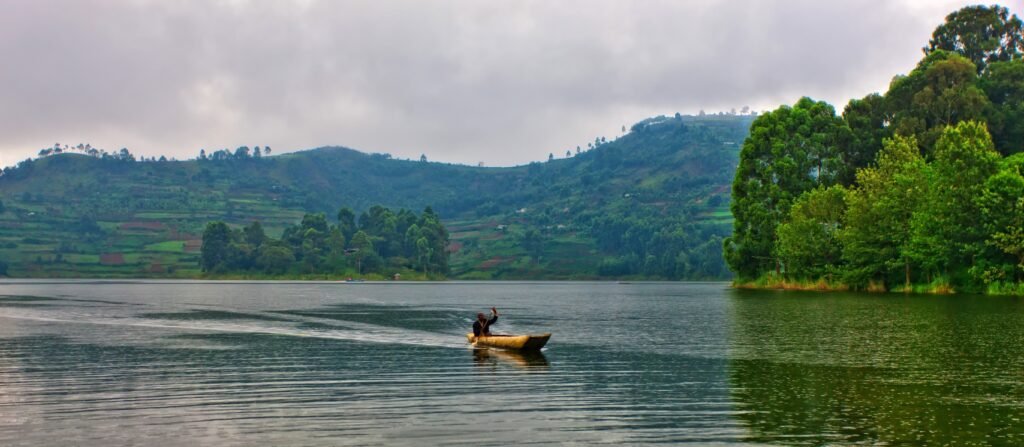
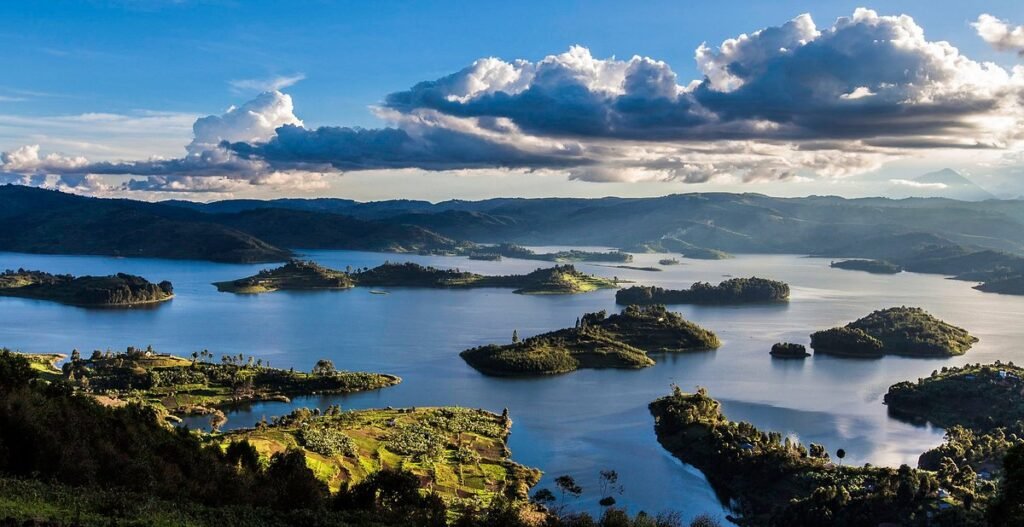
At Lake Bunyonyi, the water is still and reflective, surrounded by rolling green hills. Local fishermen paddle quietly in wooden canoes, and the air feels peaceful and timeless.
In Queen Elizabeth National Park, elephants move across golden savannahs while the sun sets in deep orange and red tones, painting the landscape with warmth.
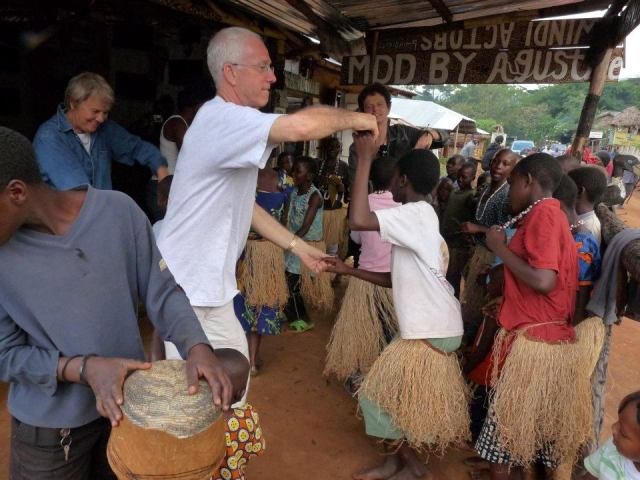
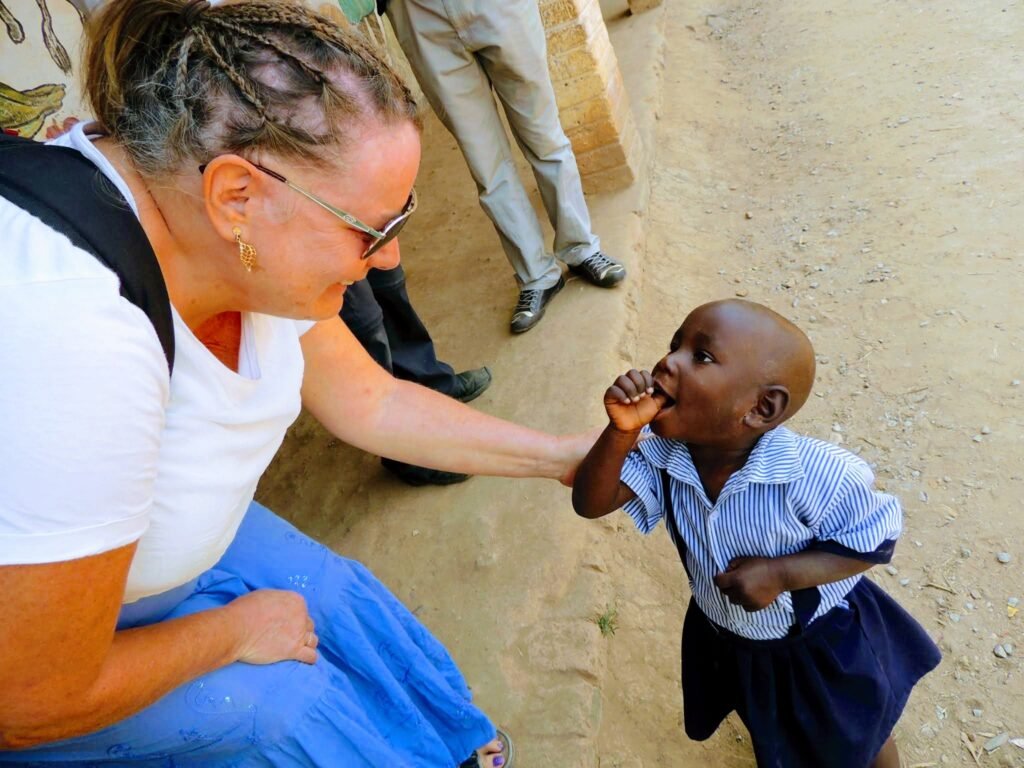
But perhaps the most meaningful moments happen away from the parks; in villages, schools, and homes, where travelers sit with families, share meals, and hear real stories of resilience, struggle, and hope.
These are the experiences that define Sustainable Tours in Uganda.
9. How Tourism Becomes a Lifeline for Communities
One of the most powerful lessons I have learned over the years is that tourism, when done with care, can become a lifeline for communities.
In many rural areas of Uganda, opportunities can be limited. Families often rely on farming for survival, and income can be unpredictable. But when travelers choose Sustainable Tours in Uganda, something changes.
Local guides get employment. Farmers supply food to visitors. Women’s groups sell handmade crafts. Schools receive support. Conservation projects gain funding. Entire communities begin to feel the positive ripple effect of travel.
I have seen families use tourism income to pay school fees, improve homes, and invest in small businesses. I have seen young people gain confidence because they are now part of something larger than themselves.
This is what makes sustainable tourism powerful, it does not take from communities; it grows with them.
10. Why Sustainable Tours in Uganda Matter More Than Ever
In a world where travel is becoming more accessible, it is also becoming more important to travel consciously.
Uganda is one of the most beautiful countries in Africa, but its greatest strength is not only its landscapes or wildlife, it is its people.
When travelers choose meaningful experiences, they help ensure that tourism protects what makes Uganda special instead of harming it.
Sustainable Tours in Uganda matter because they:
- Protect fragile ecosystems like Bwindi and Queen Elizabeth National Park
- Support local livelihoods instead of external systems
- Encourage conservation of wildlife and forests
- Preserve cultural heritage and traditions
- Build bridges between visitors and local communities
Every journey becomes a shared responsibility and a shared opportunity.
11. Responsible Travel Tips: How to Travel Kindly in Uganda
Traveling responsibly is not complicated. It is about awareness, respect, and small intentional choices.
Here are a few simple ways to make a positive impact:
1. Support Local Businesses
Choose locally owned lodges, guides, and experiences whenever possible. This ensures that your money directly benefits Ugandan communities.
2. Respect Culture and Daily Life
Uganda is rich in traditions. A smile, a greeting, and asking permission before taking photos go a long way in building trust and respect.
3. Reduce Plastic Use
Carry a reusable water bottle and avoid single-use plastics. Many eco-lodges offer refill stations.
4. Travel with Curiosity, Not Expectations
Every village and experience is unique. Approach each moment with openness rather than comparison.
5. Choose Meaningful Experiences
Instead of only focusing on wildlife, include community visits and cultural exchanges in your journey.
These small actions help ensure that tourism continues to be a force for good.
12. Frequently Asked Questions (FAQs)
1. What are Sustainable Tours in Uganda?
They are travel experiences designed to support local communities, protect wildlife, and promote meaningful cultural exchange while offering unforgettable safari adventures.
2. How is Amatsiko Tours different from other safari companies?
Amatsiko Tours combines wildlife safaris with community-based experiences, ensuring that tourism directly benefits local people and supports long-term development.
3. Can I visit local communities during my tour?
Yes. Many of our tours include visits to schools, farms, and community projects where travelers can interact with local families and learn about daily life.
4. What wildlife can I see in Uganda?
Uganda is home to mountain gorillas, chimpanzees, elephants, lions, hippos, giraffes, and over 1,000 bird species across its national parks.
5. Is sustainable travel more expensive?
Not necessarily. Many sustainable options are similar in price, but they ensure your money directly supports local communities and conservation efforts.
13. Final Reflection: Travel as a Force for Hope
When I reflect on my journey, from a child facing uncertainty, to a teacher, to a community builder, and now a tourism entrepreneur, I see one constant thread: hope.
That is why the name Amatsiko means everything to me.
Sustainable Tours in Uganda are not just about where you go. They are about what you give, what you learn, and how you connect with the world around you.
My greatest joy is not in creating tours, but in seeing visitors leave Uganda changed, carrying new friendships, deeper understanding, and a sense that their journey mattered.
Because when travel is done with purpose, it becomes more than movement. It becomes transformation.
And that is the heart of Amatsiko Tours.
If you ever come to Uganda, I would be honored to welcome you not just as a visitor, but as part of a shared journey toward hope, connection, and a better future for all.
Ready to Experience Sustainable Tours in Uganda?
If this story resonates with you, I would love to welcome you to Uganda, not just as a visitor, but as a traveler who wants to experience something real, meaningful, and life-changing.
At Amatsiko Tours, every journey is designed to go beyond sightseeing. You will explore breathtaking wildlife in places like Bwindi Impenetrable National Park and Queen Elizabeth National Park, but you will also step into the heart of Uganda, meeting local communities, sharing stories, and discovering how travel can create real hope and opportunity.
When you travel with us, your journey directly supports:
- Local families and community projects
- Education initiatives for vulnerable children
- Conservation of Uganda’s incredible wildlife
- Sustainable livelihoods for rural communities
This is more than a safari. It is a journey with purpose.
👉 Start planning your sustainable adventure today and become part of the Amatsiko story of hope. Contact us today.