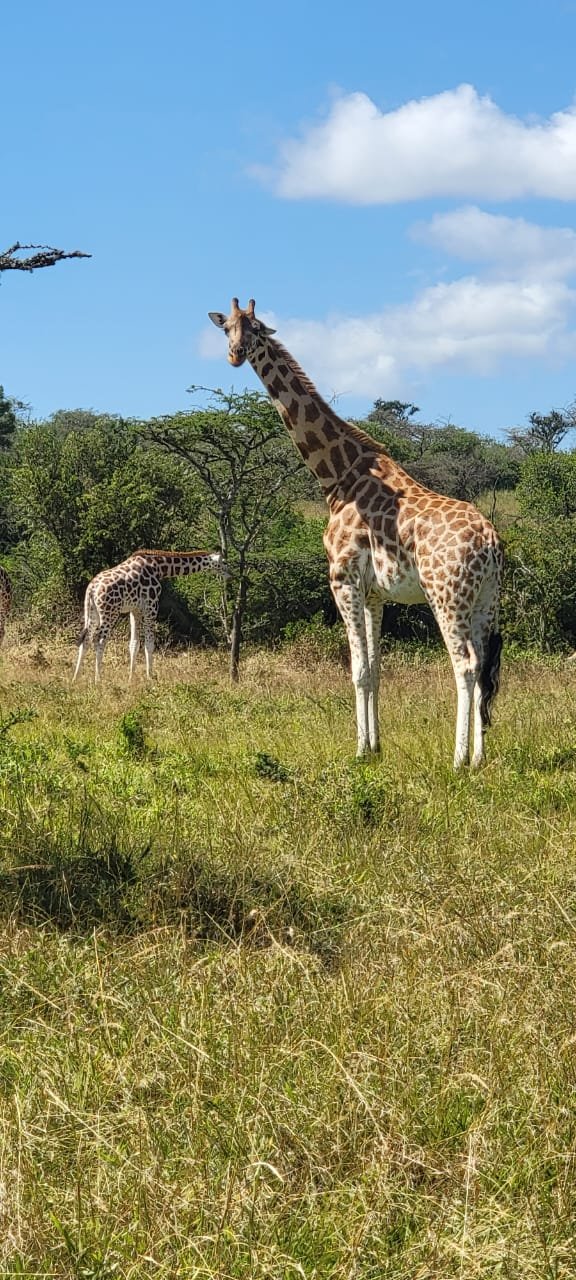
Best Time for Uganda Safaris: Seasonal Wildlife and Crowd Tips
Table of Contents
At a Glance
Uganda safari dry season advantages vary with dry and rainy seasons, affecting road access, wildlife viewing, and trekking conditions.
Primate trekking in Bwindi and Kibale requires early starts and careful planning around fixed briefings.
Dry months offer faster travel and more predictable schedules; rainy months provide lush scenery and slower pace.
Timing your trip around key parks and having buffer days can enhance your safari experience.
Uganda safari seasons shape everything you feel and do on the ground—how long your drives take, how close you get to wildlife, how muddy a forest trail feels underfoot, and how early you should be in position for first light. The best time for Uganda safaris depends on your priority: easier road access in drier months, greener landscapes in rainy months, or a primate-focused itinerary where timing is about trail conditions more than heat.
Plan your route first, then pick your months. A classic loop pairs Bwindi Impenetrable National Park for gorilla trekking with Queen Elizabeth National Park for game drives, and often adds Kibale Forest National Park for chimpanzees.
Use these two planning hubs as your park and itinerary references: Uganda national parks overview and Uganda tours and safaris.
Uganda safari seasons run on road conditions, not a single “perfect” month
Uganda’s safari calendar works best when you treat it as a logistics problem with wildlife rewards. Expect two broad patterns—drier months with faster transfers and more predictable schedules, and rainy months with greener scenery and slower travel. Your real constraint is time: a one-week itinerary needs reliability, while a longer trip can absorb weather delays.
Two practical truths to anchor your planning:
Forest trekking days start early. Gorilla trekking in Bwindi Impenetrable National Park and Mgahinga Gorilla National Park runs on fixed briefings, so late arrivals cost you sleep and calm.
Rain changes driving time. The sound of rain on the roof is soothing at camp, but it can turn a short-distance transfer into a slow, bumpy grind.
Our strongest recommendation: lock your primate trekking dates first, then build the savannah parks around them. For gorilla-specific planning, keep this guide open: 7 Essential Tips for a Gorilla Trek Uganda Adventure.
“We searched for a wholly local tour operator hoping our visit to Uganda might benefit local communities as well as including Uganda’s natural beauty and wildlife. Amatsiko Tours is owned and operated by Alex and Alphonse, who have dedicated their working lives to helping the most vulnerable in their communities. Alex curated a two weeks itinerary for us that provided the most amazing and memorable experiences: visiting remote communities and schools, welcomed by so many people in out of the way places, gaining insights into community life and culture, walking with rhinos, giraffes and zebras, and of course gorilla and chimpanzee trekking.”
— TripAdvisor, 5.00
“If you’re considering a trip to Uganda, stop searching. Amatsiko Tours is in a class entirely of its own. From the moment we arrived, everything was handled with a level of care and professionalism that made the entire experience effortless. Airport pickup, beautiful accommodations, seamless transportation, and delicious meals. Every detail was thoughtfully arranged. We were driven in a spotless, comfortable vehicle and never once had to worry about logistics. We could simply be present and absorb the experience.”
— 565carolyno, TripAdvisor, 5.00
“Wow where to begin with this experience! First, let’s say we were easily the most difficult clients they must have had, throwing them curve balls left and right. From missed flights, to missing baggage, to itinerary changes, plus the added challenge of us working on a film project while with them, Alex and Alfonse made us feel calm and easy in what otherwise would have been a very stressful situation.”
— Sophie Schneeberger, Google, 5.00
Dry season versus rainy season delivers different safari wins
Dry and rainy months don’t change Uganda’s wildlife into “on/off.” They change your access, your pace, and your photography. Dry periods usually mean firmer tracks, less humidity on lenses at dawn, and easier trail footing. Rainy periods usually mean lush backdrops, dramatic skies, and more patience required in the vehicle.
The two data points that matter most for your trip design:
You have 12 months to choose from, plus two season types. That’s 24 planning combinations—so you need a clear “must-see” list.
Gorilla and chimp treks operate on fixed schedules with early briefings. Your month choice should protect on-time arrival to Bwindi Impenetrable National Park and Kibale Forest National Park.
Seasonal comparison table for Uganda safaris
Season window | Roads and transfers | Gorilla/chimp trekking footing | Wildlife viewing style | Crowds and planning pressure | Photography conditions |
|---|---|---|---|---|---|
Drier months | Faster, more predictable drives on park tracks and main routes | Generally firmer trails and fewer slippery sections | More time on game drives, easier to reposition | Higher demand for rooms and permits | Cleaner dust-free mornings after a cool night, steadier light |
Rainy months | Slower drives, occasional mud, more buffer time needed | More slick roots and wet vegetation in forests | More green cover, more scanning and listening | Lower pressure on some dates, more flexibility | Dramatic cloud layers, saturated greens, rain protection essential |
Insider detail that saves your day: if you’re traveling in rainy months, schedule your longest road transfer on a non-trek day. You’ll feel the difference in your legs and your mood.
Month-by-month Uganda safari seasons planning calendar
This month-by-month view is built for real trip decisions: where to put gorilla trekking, when to lean into birdwatching, and when to add buffer days to protect your schedule. The constant across all months: mornings start cool, and the day warms quickly once you’re rolling.
Two practical data points to use as you read:
Every month has at least one “best fit” park focus. You’re never stuck with a bad choice, only a mismatched one.
You’re balancing three moving parts: forest trekking, savannah game drives, and transfer time between regions.
January–March: dry-leaning months for tight itineraries
January, February, and March suit you if you want a clean, efficient circuit with minimal weather friction. The air feels crisp in the early briefing line, and dust can show up on savannah tracks by late morning.
Best use of these months:
Put Bwindi Impenetrable National Park or Mgahinga Gorilla National Park trekking mid-itinerary, after you’ve shaken off jet lag.
Prioritize Queen Elizabeth National Park for longer game-drive blocks where you can stay out through the warmer late morning.
Add Kibale Forest National Park if you want primates stacked back-to-back.
Hyper-specific tip: pack a small microfiber cloth in your daypack and wipe your camera and binoculars every time you re-enter the vehicle. Dry tracks mean fine dust.
April–May: rainy-leaning months for green landscapes and lower pressure
April and May are the months to choose if you want Uganda at its greenest and you’re comfortable trading speed for atmosphere. You’ll hear rain drumming on leaves in the forest, and the earth smell after a shower is part of the experience.
How to make these months work:
Keep gorilla trekking, but choose footwear and pace for slick ground.
Build in buffer time before any fixed briefing morning.
Focus on slower, deeper experiences: longer forest walks, fewer long-haul drives.
Insider detail: start your daypack waterproofing the night before. Once rain starts mid-drive, you won’t want to unpack and repack at a roadside stop.
June–August: dry-leaning peak months for classic safari structure
June, July, and August align with the most straightforward safari logistics. You’ll feel cooler air on early drives, and roads generally support longer loops without stress. These months also bring more travelers, so planning discipline matters.
What to do in this window:
Pair Bwindi Impenetrable National Park with Queen Elizabeth National Park for a balanced primates + savannah trip.
Add Murchison Falls National Park if you want a northern extension and more time in open landscapes.
Confirm your critical dates early, especially if your schedule is fixed.
Practical tip: ask for early departures on game-drive days. The first hour after sunrise is when you hear the savannah wake up—birds first, then distant calls, then the vehicle engines.
September–October: shoulder months for flexible planning and strong variety
September and October can feel like a bridge—still workable for efficient travel, with occasional weather shifts that keep skies interesting. These months suit you if you want variety without locking yourself into peak-season pressure.
Best structure:
Keep the core triangle: Kibale Forest National Park, Queen Elizabeth National Park, Bwindi Impenetrable National Park.
Use one “floating day” that can become a rest day, a community visit, or a second game drive depending on conditions.
Insider detail: carry a lightweight rain shell even if the morning looks clear. A short shower is enough to change comfort fast on an open vehicle.
November–December: rainy-leaning return, then a drier finish
November typically leans wetter, while December often feels like a transition toward drier travel. You’ll get rich greens and softer light, plus a real sense of seasonality in the forests.
How to plan:
Put your most time-sensitive activities (gorilla/chimp trekking) after a night close to the park gate area, not after a long transfer.
Use savannah parks as flexible blocks where you can adjust drive times around showers.
Practical tip: bring an extra pair of socks in your daypack on trekking days. Dry feet matter more than you expect.

Park-by-park timing for wildlife, gorillas, and birds
This park-based view helps you match the best time for Uganda safaris to your actual route. Uganda rewards specialization: one itinerary can be primate-forward, another can be savannah-forward, and both can be strong if you time them around conditions. The sensory cue to remember: forests feel cool and damp even when the sun is out; savannah parks warm quickly once you stop moving.
Two concrete planning anchors:
Gorilla trekking parks: Bwindi Impenetrable National Park and Mgahinga Gorilla National Park.
Chimp trekking park: Kibale Forest National Park.
Bwindi Impenetrable National Park and Mgahinga Gorilla National Park
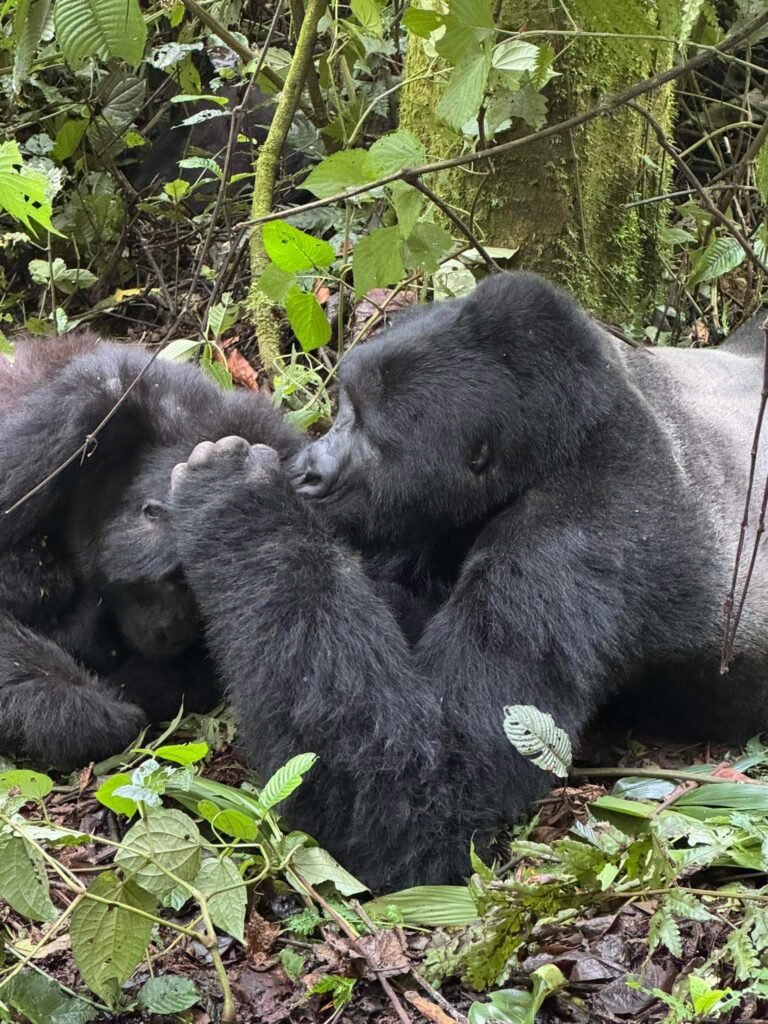
Gorilla trekking is the schedule driver. You protect your trek by arriving the day before, sleeping close, and keeping mornings calm. Trails are more forgiving in drier months, while rainy months demand better traction and a slower pace.
Do this:
Pack gloves for grabbing wet vegetation and steadying on slippery sections.
Keep your camera in a dry bag until the briefing ends.
For deeper primate planning and gear specifics, use: Bwindi Impenetrable National Park guide.
Kibale Forest National Park
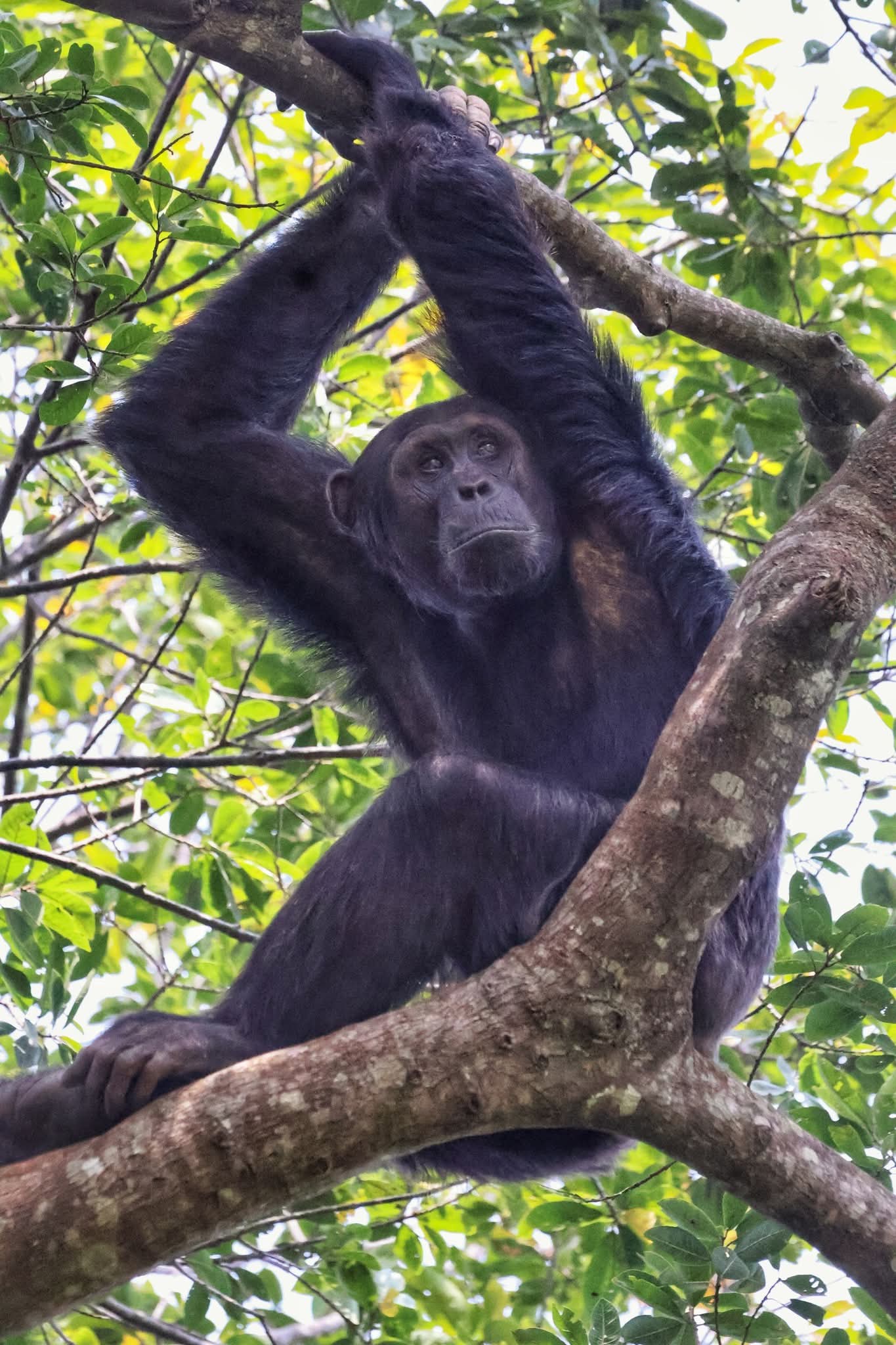
Chimp trekking runs on fixed briefings, similar to gorillas. Forest humidity can fog lenses when you step out of the vehicle, especially after rain.
Do this:
Keep a lens cloth in an outer pocket so you can wipe quickly without unpacking.
Wear long sleeves even on warm days; forest edges brush your arms on narrow sections.

Chimpanzee hanging from a tree branch in Kibale National Park, Uganda, during a chimpanzee trekking Uganda safari.
Queen Elizabeth National Park and Murchison Falls National Park
These parks reward patient scanning and smart light management. In drier periods, tracks are easier and repositioning is faster. In rainy periods, you trade speed for mood: darker clouds, richer tones, and softer contrast.
Do this:
Start earlier than you think you need to. Dawn sound carries farther, and you’ll hear movement before you see it.
Keep a small snack handy; long morning drives work best when you’re not rushing back for breakfast.
For more route ideas across parks, use: Uganda parks and planning options.
Crowds, pricing pressure, and how to plan dates that feel calm
Crowd levels in Uganda are felt most in two places: permit-linked primate trekking days and the most convenient lodging zones near park access points. You don’t need a “quiet Uganda” fantasy. You need a calendar strategy that protects your mornings and reduces decision fatigue.
Two decision points to use:
Your trek date is fixed once you commit. Build the rest of the itinerary to support that date.
Rainy months increase schedule uncertainty. Buffer time becomes part of your value, not an extra.
Practical ways to keep the experience calm:
Book your gorilla and chimp days mid-trip, not on day one after arrival.
Add one buffer afternoon before each trek morning so you can rest, organize gear, and sleep early.
Choose longer stays in fewer places. Fewer check-ins, fewer repacks, fewer chances to forget a headlamp.
Keep one flexible day in a savannah park for weather adjustments.
For entry planning that supports tight schedules—especially if you’re trekking—use: how to apply for a Uganda visa.
Photography and packing tactics that match Uganda safari seasons
Your best photos in Uganda come from preparation, not luck. The season changes what threatens your gear: dust in drier months, moisture in rainy months. You’ll feel it in your hands—gritty zippers on dusty days, damp straps after a shower.
Two practical data points:
You have two core threats: dust and humidity.
You have two core moments: early morning briefings and the first hour of daylight.
Photography tips by season
Dry-leaning months:
Use a lens hood to cut glare in stronger sun.
Keep gear covered in the vehicle; dust settles fast on open tracks.
Shoot early and late. Midday light is harsher and flattens texture.
Rainy-leaning months:
Use a rain cover or dry bag for every drive, even short ones.
Expect softer light and richer greens; expose carefully to protect highlights in bright cloud breaks.
Wipe lenses before you step out—humidity fogs glass quickly.
Hyper-specific tip: set your camera controls before the briefing ends. Once you’re walking, you want quiet hands and fewer clicks.
Packing list that actually matches the terrain
Use a proven packing checklist and then add your season-specific layer: what to pack for Uganda.
Core essentials we recommend you prioritize:
Broken-in hiking shoes with real tread
Lightweight rain shell and pack cover
Quick-dry base layers and one warm layer for early starts
Insect repellent and sunscreen (both matter across seasons)
Dry bags or zip pouches for documents and electronics
Microfiber cloth for lenses and binoculars
Refillable water bottle for long drives and trek mornings

Entry requirements and timing discipline that protects trekking days
Your safari timing is only as strong as your entry plan. If you’re trekking gorillas in Bwindi Impenetrable National Park or Mgahinga Gorilla National Park, predictability matters because briefings start early and permits are date-specific. The same applies to chimp trekking in Kibale Forest National Park with set briefing times.
Two operational points to treat as non-negotiable:
Carry a printed and digital copy of your visa approval where possible.
Keep your name and passport number identical across visa, flights, and permits.
For health and documentation readiness, keep these references handy: vaccinations required for Uganda and travel advice for visitors to Uganda.
Insider detail: put your passport, yellow fever certificate (if applicable), and printed confirmations in the same zip pouch you use every border and check-in. One place. Every time.
Key takeaways for choosing the best time for Uganda safaris
The best time for Uganda safaris is the month that protects your fixed-schedule activities and matches your tolerance for weather-driven delays. Dry-leaning months favor faster transfers, firmer trekking trails, and predictable game-drive pacing. Rainy-leaning months favor green landscapes, moody skies, and a slower rhythm that rewards patience. Build your itinerary around Bwindi Impenetrable National Park, Kibale Forest National Park, and Queen Elizabeth National Park, then add buffer time where rain could affect roads and briefing mornings.

Frequently Asked Questions
1. What is the best time for a Uganda safari?
The best time for a Uganda safari depends on your priorities. The drier months typically offer easier road access and firmer trekking trails, while the rainy months provide lush landscapes and dramatic skies. If you are focused on primate trekking, prioritize the drier months for more reliable conditions.
2. How should I plan my Uganda safari itinerary?
Start by locking in your primate trekking dates, especially for gorilla and chimp trekking, as these activities have fixed schedules and early briefings. Then, build your itinerary around these dates, incorporating savannah parks like Queen Elizabeth National Park to balance your wildlife viewing experiences.
3. How do road conditions affect Uganda safaris?
Road conditions in Uganda can vary significantly between the dry and rainy seasons. The drier months generally offer faster and more predictable drives on park tracks, whereas the rainy months may lead to slower travel with occasional mud and the need for more buffer time.
4. What should I pack for a Uganda safari?
Your packing list should include broken-in hiking shoes, a lightweight rain shell, quick-dry base layers, and a warm layer for early starts. Additionally, bring insect repellent, sunscreen, dry bags for electronics, and a microfiber cloth for lenses.
5. How do I prepare for gorilla and chimp trekking in Uganda?
Gorilla and chimp trekking require early starts and are conducted on fixed schedules. Arrive the day before your trek, stay close to the park gate, and ensure you have appropriate gear such as gloves for wet vegetation and a dry bag for your camera.
6. How does the rainy season impact wildlife viewing in Uganda?
During the rainy season, wildlife viewing in Uganda offers lush green backdrops and dramatic skies. However, it requires more patience as drives can be slower, and you may need to scan more thoroughly due to the dense greenery.
7. What are some insider tips for photography during a Uganda safari?
In dry months, use a lens hood to reduce glare, and keep gear covered to protect from dust. In rainy months, use a rain cover or dry bag to protect your equipment and expose carefully to capture the richer greens without blowing out highlights in bright conditions.
8. What are the entry requirements for a Uganda safari?
Ensure you have both printed and digital copies of your visa approval, and keep your passport, yellow fever certificate, and other necessary documents consistently organized. This preparation is crucial for smooth border crossings and entry into national parks