
Dry Season Uganda Safari: Best Time for Wildlife Viewing & Gorilla Trekking
When Uganda Shows Its Clearest Wilderness
Dry season Uganda safari: If you are planning a safari in Uganda, timing plays a huge role in how your experience unfolds. The dry season is widely considered the best period for wildlife viewing, easier travel, and unforgettable gorilla trekking encounters.
Table of Contents
This is the time when landscapes open up, animals gather around water sources, and trekking conditions become far more comfortable, especially in rainforest destinations like Bwindi Impenetrable National Park.
In this guide, you’ll discover why the dry season is the most reliable time for a Uganda safari, what to expect, and how to plan your journey with confidence.
Overview: What the Dry Season Offers
Uganda’s dry season runs from:
- June to September (long dry season)
- December to February (short dry season)
During this period, travelers enjoy:
- Better wildlife visibility in savannah parks
- Easier gorilla trekking conditions
- Smoother road travel between destinations
- Clear photography conditions
- More predictable safari itineraries
Why the Dry Season Uganda Safari Is the Best Choice
1. Wildlife Viewing Becomes Easier
In the dry season, animals move closer to rivers, lakes, and waterholes. This natural behavior makes game drives more rewarding and less time-consuming.
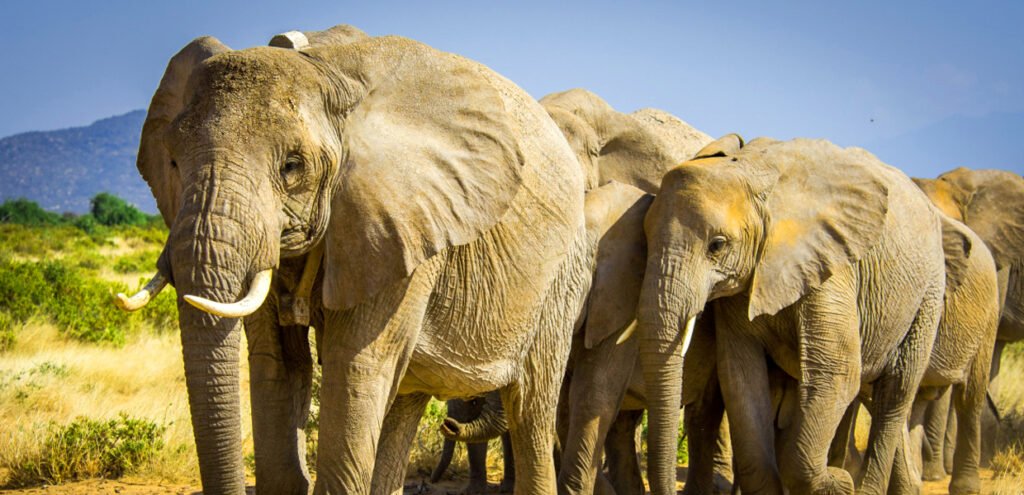
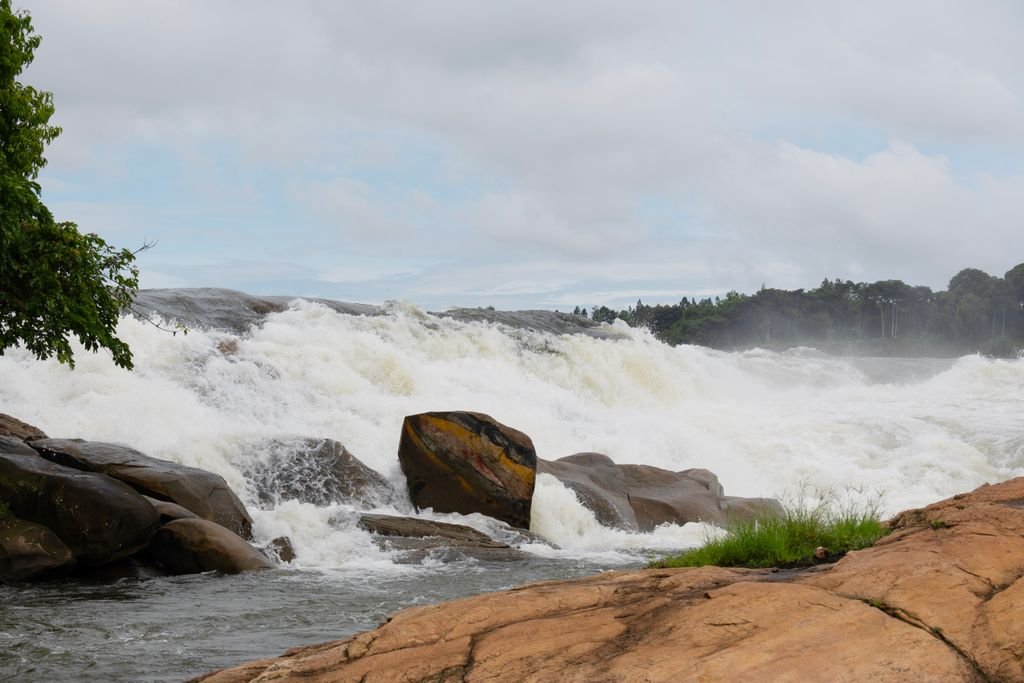
In parks like Murchison Falls and Queen Elizabeth National Park, you are more likely to see elephants, lions, buffalo, and giraffes in open spaces with clearer visibility.
2. Gorilla Trekking Conditions Improve
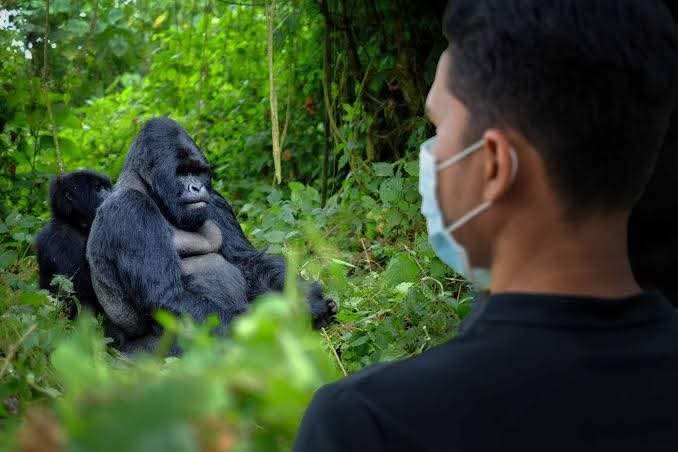
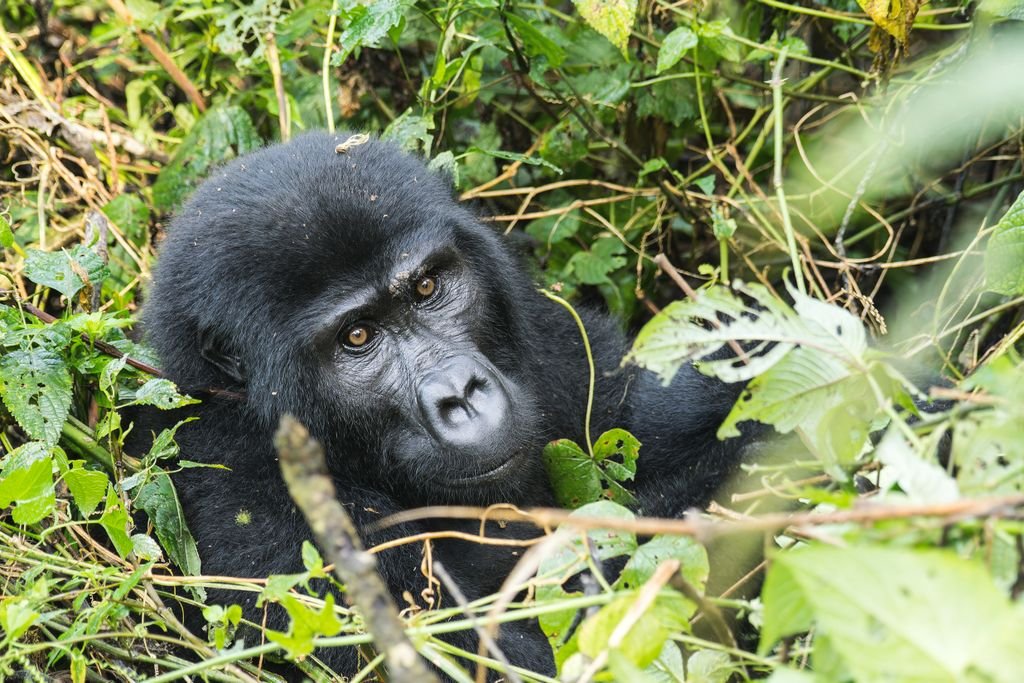
Gorilla trekking in Bwindi is one of Uganda’s most iconic experiences.
During the dry season:
- Trails are less slippery
- Hiking is more comfortable
- Photography conditions improve
- Trekking time feels easier and more predictable
This makes encounters with mountain gorillas even more enjoyable and accessible.
3. Easier Road Transfers and Travel Flow
Uganda safari routes often involve long scenic drives.
In the dry season:
- Roads are more stable
- Travel delays are reduced
- Multi-park itineraries run more smoothly
- Remote destinations are easier to access
This is especially important for trips combining Bwindi, Queen Elizabeth, and Murchison Falls.
4. Best Light for Photography
The dry season brings clear skies and soft golden light.
This means:
- Better sunrise and sunset shots
- Sharper wildlife photography
- Clear mountain and forest views
- Less rain interference
5. Perfect for Multi-Destination Safaris
The dry season allows you to combine Uganda’s highlights in one itinerary:
- Gorilla trekking in Bwindi
- Game drives in savannah parks
- Boat safaris on the Nile
- Relaxation at Lake Bunyonyi
Everything flows more easily during this period.
When Is the Dry Season in Uganda?
Uganda has two main dry windows:
Long Dry Season
- June to September
- Peak safari demand
- Best for gorilla trekking
Short Dry Season
- December to February
- Slightly warmer but still excellent
Who Should Visit During the Dry Season?
This season is ideal for:
- First-time safari travelers
- Gorilla trekking visitors
- Wildlife photographers
- Families and older travelers
- Travelers with limited time
If you want maximum visibility and minimum travel uncertainty, this is the best season.
Responsible Travel in the Dry Season
High-season travel also means higher visitor numbers, so responsible tourism matters.
Travel kindly by:
- Choosing local community-based lodges
- Respecting wildlife viewing distances
- Supporting local guides and ranger teams
- Avoiding plastic waste in national parks
- Participating in cultural community experiences
This ensures tourism benefits both visitors and local communities.
FAQ: Dry Season Uganda Safari
Is the dry season the best time for a Uganda safari?
Yes. The dry season is considered the best time for a Uganda safari because wildlife is easier to spot, roads are more accessible, and gorilla trekking conditions are more comfortable.
When is the dry season in Uganda?
Uganda’s dry seasons are from June to September and December to February, with June–September being the most popular for safaris.
Can I see gorillas during the dry season?
Yes. Gorilla trekking in Bwindi Impenetrable National Park is possible year-round, but the dry season offers easier trekking conditions and better trail accessibility.
Is Uganda good for safaris during the dry months?
Yes. The dry months are ideal for safaris in Uganda because animals gather around water sources, making game viewing easier and more predictable.
What should I pack for a dry season Uganda safari?
Lightweight clothing, hiking boots, sunscreen, a hat, binoculars, and a light jacket for early morning game drives are recommended.
Final Thoughts: Why the Dry Season Stands Out
A dry season safari in Uganda offers more than just good weather, it offers clarity, confidence, and unforgettable wildlife encounters.
From open savannahs filled with wildlife to misty gorilla forests in Bwindi, this season gives you the most reliable and rewarding safari experience.
When you travel, take time to slow down, observe deeply, and connect with both nature and local communities. That is where the real magic of Uganda happens.
Useful Travel Info
- Best travel window: June–September & December–February
- Top highlight: Gorilla trekking + wildlife safaris
- Start point: Entebbe International Airport
- Key destinations: Bwindi, Queen Elizabeth, Murchison Falls
- Recommended booking time: 3–6 months in advance (peak season)