Uganda Travel Insurance: What to Buy Before You Go
Table of Contents
Uganda travel insurance is a purchase you make before the fun starts, because Uganda trips combine remote parks, early starts, and high-commitment activities like gorilla trekking in Bwindi Impenetrable National Park. You want a policy that treats medical care, evacuation, and trip disruption as the core product, not add-ons.
Buy your coverage the same day you pay your first non-refundable trip deposit. That timing is the detail most travelers miss, and it’s the easiest way to keep your options open if plans shift.
Uganda travel insurance priorities for gorilla trekking and multi-park safaris
Uganda travel insurance needs to match the reality on the ground: long overland drives, forest trekking, and days spent far from major hospitals. Your policy should be built around emergency medical and evacuation first, then trip cancellation and interruption, then baggage and delays. If you’re trekking, you also want clear language on “adventure activities” coverage.
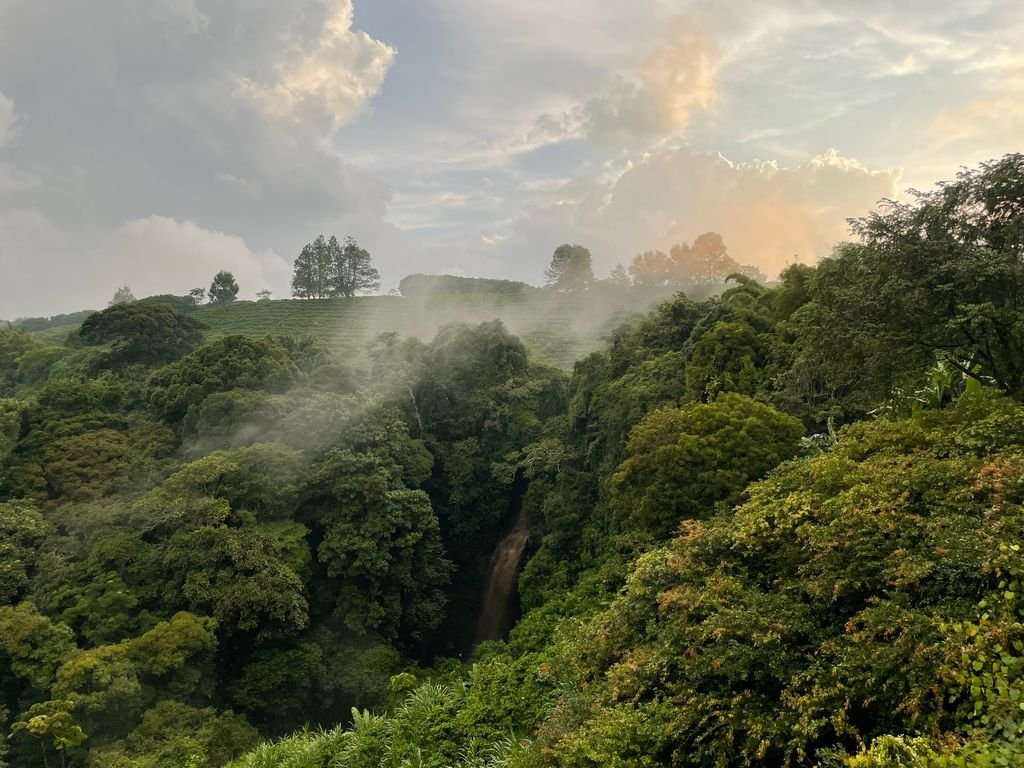
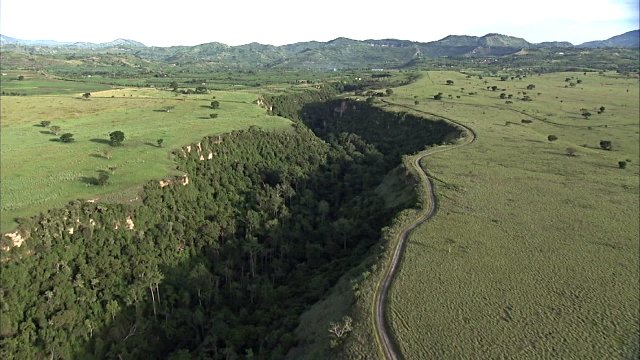
Bwindi trekking days start early and run on park schedules. You’ll feel the humidity in the forest and the slickness underfoot on muddy patches, even in drier months. That mix is exactly why medical + evacuation coverage belongs at the top of your checklist.
If you’re still shaping your route, lock in your itinerary first, then align coverage to it via Uganda tours and safaris planning.
Coverage to buy first: medical, evacuation, and repatriation
Your most important insurance decision is simple: choose benefits that handle a real emergency far from home, not just a missed connection. Prioritize emergency medical coverage, emergency evacuation, and repatriation as non-negotiables. Uganda’s highlights are in national parks and rural regions, and the distance between you and advanced care is the point.
Aim for a policy that clearly states:
Emergency medical treatment coverage (not “secondary only” unless you’re sure that works for you)
Emergency evacuation to the nearest appropriate facility
Repatriation coverage for return home if medically necessary
24/7 assistance line with case management
Direct-to-provider payment options where possible (so you’re not floating large costs)
Insider move: screenshot your insurer’s emergency assistance numbers and save them offline before you fly. Cellular service can drop during long drives, and you don’t want to hunt through email when you’re stressed.
For trip health planning that matches western Uganda circuits, keep health and emergencies in Uganda open while you compare policies.
Uganda travel insurance for trekking days: activity language that must be covered
Uganda travel insurance for trekking should explicitly cover guided trekking activities in rainforest terrain. Gorilla trekking in Bwindi Impenetrable National Park involves steep, uneven, sometimes muddy trails, and trek times can run from under an hour to over 4 hours depending on gorilla movement. Your policy wording has to match that physical reality.
Look for policy language that covers:
Guided trekking/hiking on uneven terrain
Medical treatment for sprains, falls, and minor injuries
Evacuation from remote areas (not just “ambulance” in a city context)
Trip interruption if you’re medically unable to continue
A practical detail that matters: plan your trekking day like a wet-weather hike even in July. Uganda’s dry season runs June–September, but Bwindi is rainforest and conditions vary. That damp-earth smell on the trail is normal; your insurance should treat the environment as expected, not “extreme.”
Pair this with packing discipline. Waterproof boots and gloves reduce slips and hand scrapes, which reduces the chance you ever need to use the policy. Use what to pack for Uganda as your final gear cross-check.
Trip cancellation and interruption for permit-driven itineraries
Trip cancellation and trip interruption coverage matters more on Uganda trips that revolve around fixed-date activities and limited availability. If your itinerary includes gorilla trekking, you’re working around regulated park systems and scheduled briefings. Once you commit, your financial risk shifts from “flights only” to “multiple prepaid components.”
Buy coverage that addresses:
Cancellation for covered reasons before departure
Interruption after departure, including additional transport and lodging
Missed connection and travel delay benefits that actually cover overnight costs
Clear documentation requirements (so you know what to keep)
Insider move: keep a single folder—digital and printed—with your tour confirmation, park activity confirmations, and flight itinerary. If you file a claim, speed comes from paperwork, not persuasion.
If you’re booking a gorilla-focused route, align your insurance dates to your exact trip length using 7 Essential Tips for a Gorilla Trek Uganda Adventure as your itinerary anchor.
Medical-related add-ons that earn their place in your policy
Your policy should reflect what you’re already planning for Uganda: vaccinations, preventive health steps, and realistic exposure to weather and terrain. You’ll feel temperature shifts between cool mornings and warm afternoons on the road, plus humidity in forest zones. A good policy supports that reality with practical benefits and clear exclusions.
Prioritize add-ons and features like:
Coverage for urgent care visits and prescriptions
Coverage for pre-existing conditions if you need it (rules vary by insurer and timing)
Coverage for medical transport between facilities if required
Coverage that does not exclude you for participating in a guided trek
Keep your preparation aligned with your health plan via vaccinations required for Uganda. The point is consistency: what your doctor recommends and what your insurer covers should not conflict.
Quick-fit policy matching by trip style
You don’t need a perfect policy. You need the right one for your route, your pace, and your risk tolerance. Use this table to match coverage priorities to how you’re traveling in Uganda.
Trip style | Core coverage focus | Logistics reality to insure | Practical trigger to buy early |
|---|---|---|---|
Bwindi gorilla trekking + Lake Bunyonyi recovery | Medical + evacuation, interruption | Trek duration under 1 hour to over 4 hours, uneven rainforest trails | The day you pay your first non-refundable deposit |
Western Uganda primates + safari circuit (Kibale + Queen Elizabeth + Bwindi) | Delay + interruption, medical | Multi-park drives, early starts, fixed activity days | As soon as your park days are set |
Cross-border Kigali entry/exit circuit | Interruption, missed connection, medical | Border timing, schedule dependencies | When flights and entry/exit city are booked |
Comfort-forward itinerary with domestic flights | Delay, missed connection, baggage, medical | Tight flight windows, luggage timing | Immediately after flight purchase |
Insider move: if you’re doing multiple parks, insure the whole chain. A single interruption day can cascade across your circuit.
Decision-point checklist before you buy
This is the moment to be transactional. Read the policy wording, confirm the benefits, then purchase. You’re not shopping for a brand name. You’re buying specific outcomes.
Confirm these items before checkout:
Policy dates cover door-to-door travel, not just nights in Uganda
Emergency medical and evacuation benefits are clearly stated
Trekking and guided hiking activities are covered by name or category
Claim documentation requirements are realistic for you to provide
Assistance contact methods work internationally (phone + online)
Buy your insurance within 24 hours of paying your first trip deposit if you need time-sensitive eligibility windows for certain benefits. That single step protects your investment while you finalize details like visas, routing, and park sequencing.
For travel admin that pairs with your insurance timeline, use how to apply for a Uganda visa and keep your documents organized in the same folder as your policy.
Key takeaways to buy the right coverage for Uganda
Uganda travel insurance should be built around emergency medical care, evacuation, and trip interruption because gorilla trekking in Bwindi Impenetrable National Park involves steep, uneven trails and trek times from under 1 hour to over 4 hours. July sits in the June–September dry season window, yet rainforest conditions still vary. Buy coverage the day you pay your first non-refundable deposit, insure your full door-to-door dates, and confirm trekking activity language in writing.
 Powered by TypeHero