
Gorilla Trekking in Uganda and Rwanda
Raw, Wild, Unforgettable Gorillas
Table of Contents
Let me take you deep into the emerald heart of East Africa, where the mist hangs heavy over volcanic peaks and the forest whispers secrets of giants. This is Gorilla Trekking in Uganda and Rwanda, a journey that’s as much about self-discovery as it is about witnessing one of the world’s most intimate wildlife encounters.
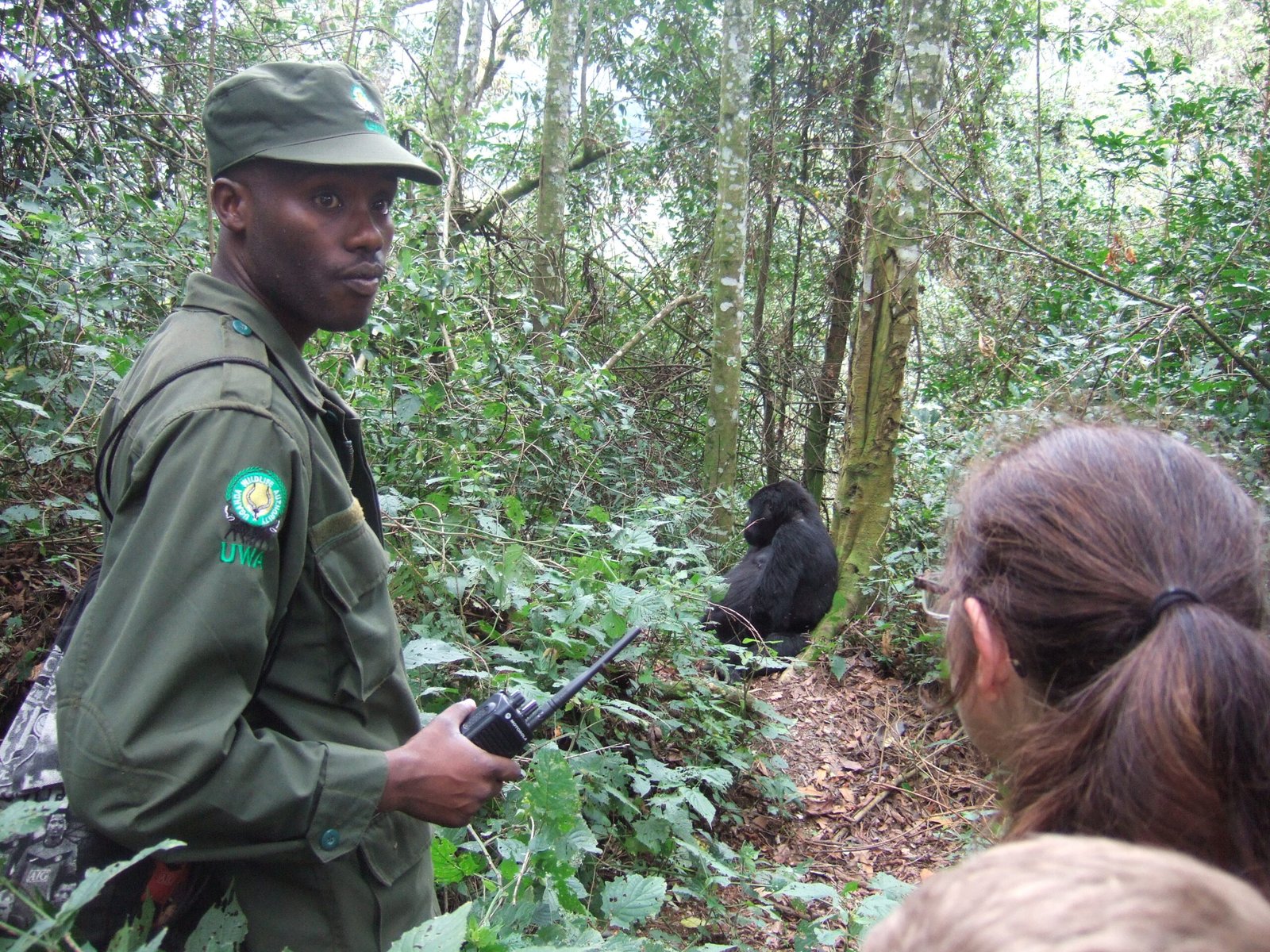
I still remember my first steps into Bwindi Impenetrable Forest, the earth soft and damp underfoot, the scent of wet moss filling the air, the distant roar of a waterfall merging with the chirps of exotic birds. And then, the forest fell silent and there they were: a family of mountain gorillas, eyes curious, chests thumping with life, teaching me humility in their gaze.
This journey isn’t just about spotting gorillas; it’s about connecting to the land, the people, and the conservation mission that keeps these incredible creatures alive. Every step, every breath, every bead of sweat contributes to the story of survival and hope.
Quick Glance Itinerary for Gorilla Trekking in Uganda and Rwanda
- Day 1: Arrival in Kampala, Uganda & travel to Bwindi
- Day 2: Gorilla trekking in Bwindi Impenetrable National Park
- Day 3: Cultural visit to local communities & craft markets
- Day 4: Trekking through Mgahinga Gorilla National Park
- Day 5: Golden bamboo forest exploration & crater hike
- Day 6: Rwanda border crossing & Volcanoes National Park trek
- Day 7: Gorilla habituation experience, wrap-up & reflections
Day 1: Arrival & Journey to Bwindi
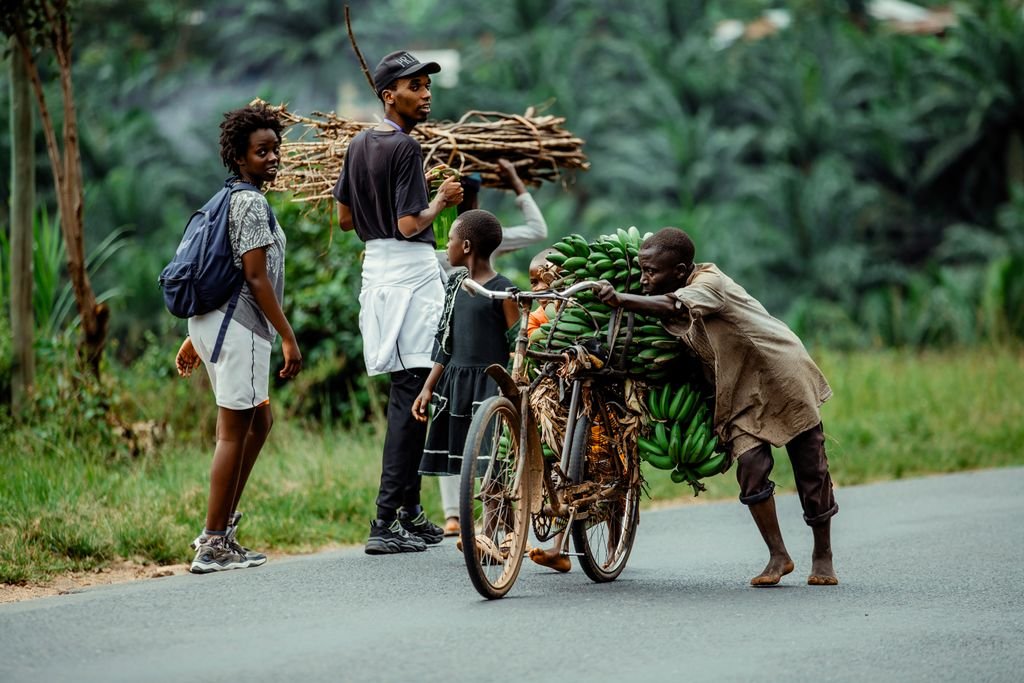
The adventure begins with a scenic drive from Kampala to Bwindi, a journey through rolling hills, tea plantations, and villages alive with color. The smell of wet earth after rain, the chatter of roadside children, and the occasional glimpse of baboons swinging from branches sets the tone: this is no ordinary safari.
Traveling with Amatsiko Tours, our guides shared stories of the forests, the gorillas, and the communities that rely on them. Each kilometer brought excitement. I could almost feel the anticipation of the forest gripping me before I even stepped foot in it.
Day 2: Gorilla Trekking in Bwindi
The hike begins pre-dawn, flashlights cutting through mist as we push past dense ferns and vines. The forest floor is slippery, every step a dance between balance and adrenaline. And then, the call: the chest-thumping of a dominant silverback echoing like a drum in the still air.
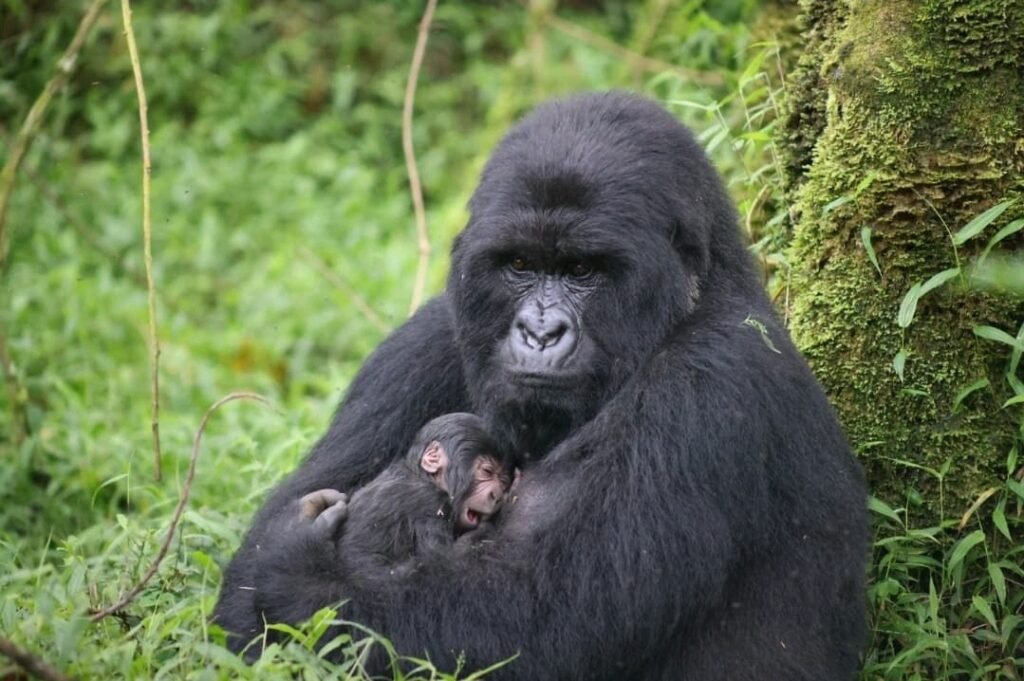
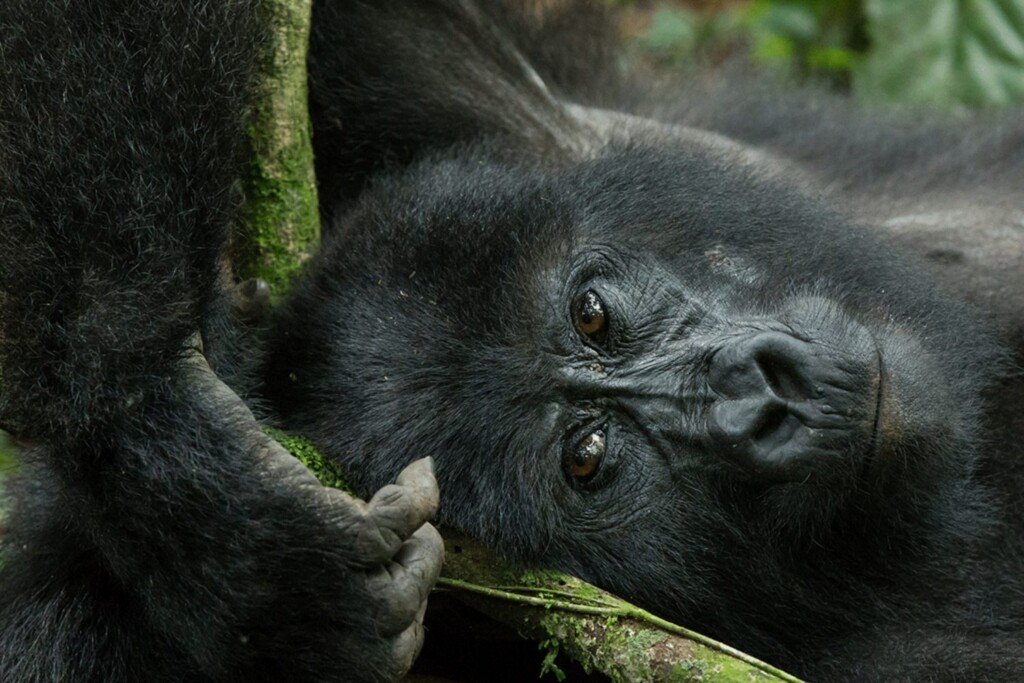
Standing just a few meters away, the gorilla family moves gracefully, oblivious to our presence. I could see their intelligence in the eyes of the youngsters, feel their immense strength in the gentle sway of the adults. I refilled my water bottle at the eco-lodge’s station, knowing every small action mattered. Here, tourism and conservation are inseparable; the very fee I paid ensures these gorillas thrive and local communities benefit.
Day 3: Cultural Immersion
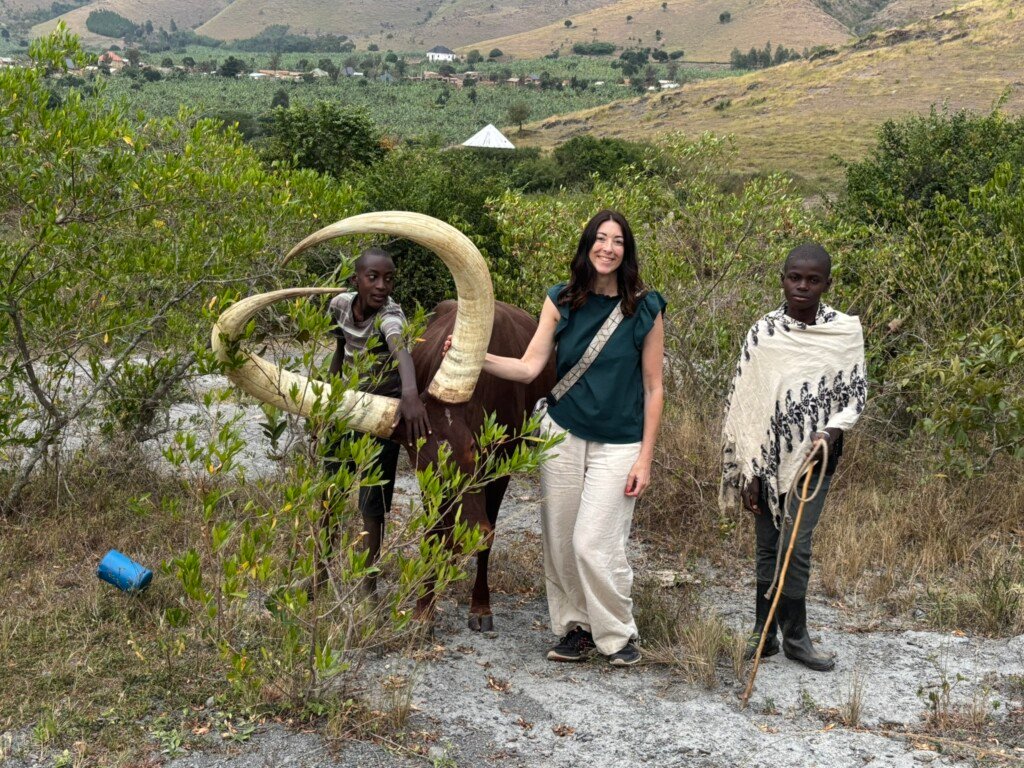
After an emotional trek, the day shifts to the local communities of Bwindi. Women weave intricate baskets and men carve masks, their hands steady from decades of tradition. I shared stories, laughter, and a cup of locally brewed banana beer, realizing that my visit wasn’t just for me, it was supporting livelihoods and cultural preservation.
Learning from the guides about anti-poaching patrols, community conservation funds, and the delicate balance of tourism and wildlife gave depth to the experience. This connection between humans and forest life is fragile yet powerful and it reminded me why every ethical decision matters.
Day 4: Mgahinga Gorilla National Park
Crossing into Mgahinga, the landscape transforms. Golden bamboo forests shimmer in the sunlight, volcanic slopes stretch endlessly, and the air tastes different crisp, earthy, volcanic. The trek here is physically challenging: steep ascents, muddy tracks, and thick undergrowth, but the promise of seeing another gorilla family keeps every muscle burning with excitement.
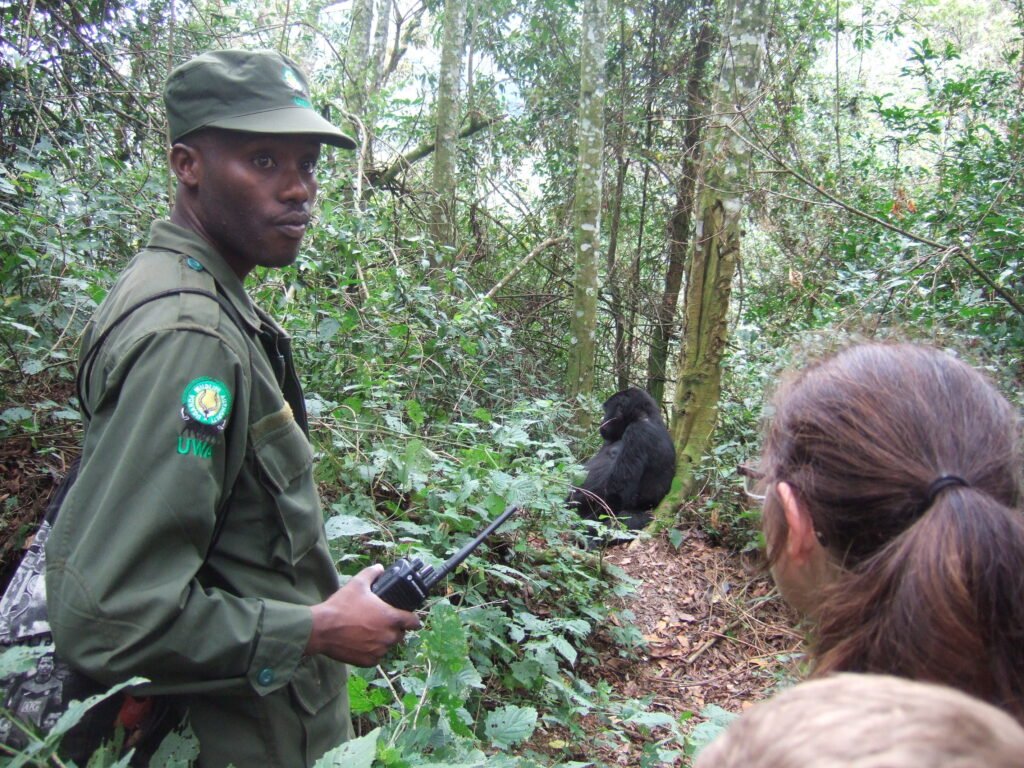
Our guide, smiling through sweat, explained how Mgahinga’s population is small but vital for genetic diversity. Trekking with local rangers felt intimate; every tree, stream, and trail felt like it belonged to them as much as to the gorillas. The first glimpse of a gorilla family here was like encountering a lost tribe of giants, gentle yet immense, familiar yet awe-inspiring.
Day 5: Volcanoes National Park, Rwanda
Crossing the border to Rwanda is seamless yet symbolic; one journey spanning countries, cultures, and conservation efforts. The volcanic peaks of the Virunga range dominate the horizon, and the trails are lined with vibrant flora unique to this high-altitude ecosystem.
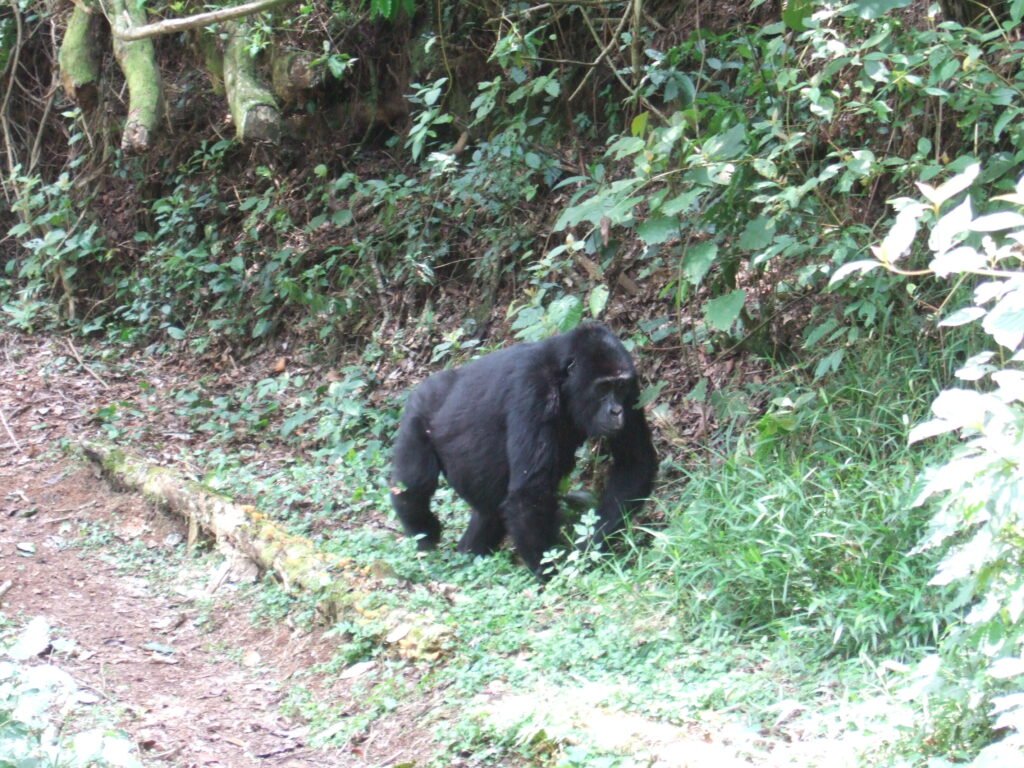
Hiking through the forest, I felt the strain of the climb in my legs and lungs, but then I heard the soft rustle of leaves , a juvenile gorilla peering through, inspecting us with curiosity. I held my breath, heart pounding, aware that this was not just a wildlife sighting, it was a privilege earned through respect and patience. Every dollar spent here supports veterinary teams, anti-poaching patrols, and education programs for the local Batwa communities.
Day 6: Conservation & Habituation Experience
Volcanoes offers a rare habituation trek, letting visitors witness the slow, careful process of gorillas getting accustomed to human presence. Observing the rangers at work, explaining behavior, feeding, and protecting gorillas reinforced the human-wildlife partnership. I realized that our presence, if conscious and respectful, actually amplifies their protection.
Sitting quietly among the forest giants, I felt a connection beyond words. The chest-thumping, the gentle grooming, the fleeting gaze of the silverback, each moment was raw, unfiltered, and transformative. These are the memories that imprint on your soul, reminding you why conservation is not optional but sacred.
Day 7: Reflections & Departure
The journey closes with a reflective morning, walking past trails lined with history and hope. I think of the local guides, the families benefiting from conservation fees, and the gorillas themselves, thriving against the odds. Every step of this Gorilla Trekking in Uganda and Rwanda adventure left me with awe, humility, and a deep responsibility toward the planet.
If you go, travel with intention: choose ethical operators, support local businesses, respect park rules, and embrace the challenge, the reward is immeasurable.
Travel Kindly: How to Leave a Positive Footprint Here
- Always trek with licensed, community-conscious operators like Amatsiko Tours.
- Refill water and reduce single-use plastic.
- Respect gorilla viewing rules: 1-hour maximum, maintain distance, no flash photography.
- Support local artisans and markets, a basket or carving helps families thrive.
- Share your story to raise awareness of conservation efforts.
Useful Info Box for Gorilla Trekking in Uganda and Rwanda
- Best time to go: June–September & December–February (dry seasons)
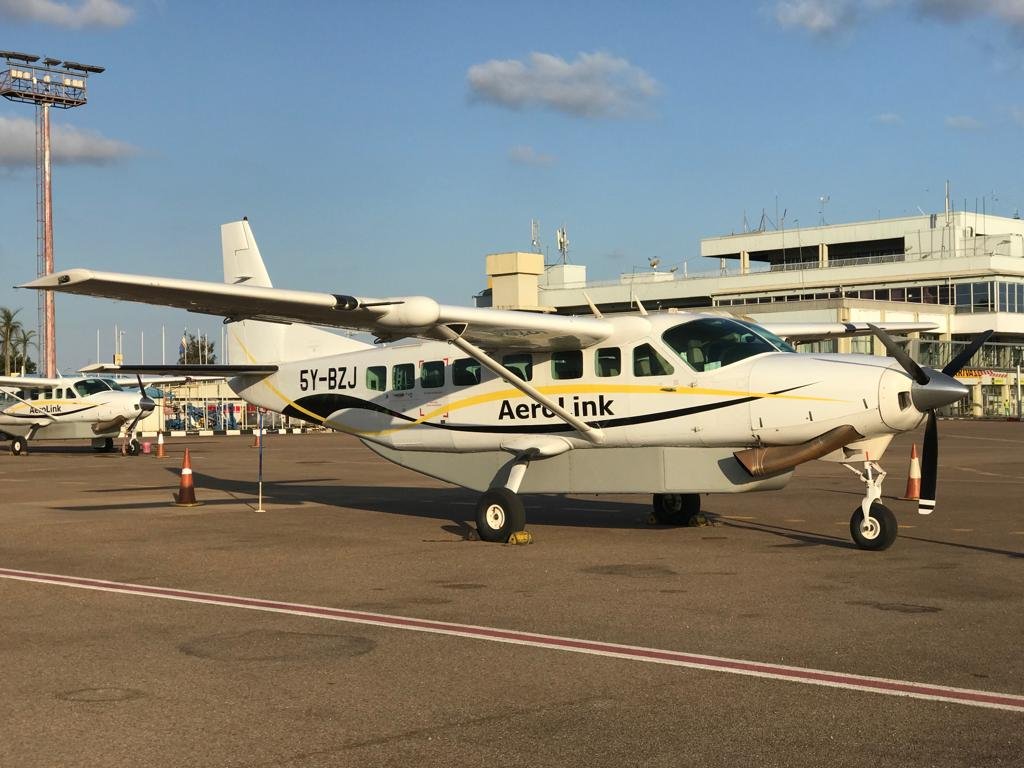
- How to get there: Fly into Kampala (Uganda) or Kigali (Rwanda); then transfer via 4×4 or domestic flight.
- Approx. duration: 7 days for the full cross-border experience
- Recommended operator: Amatsiko Tours
FAQ -Gorilla Trekking in Uganda and Rwanda
Q1: How fit do I need to be for gorilla trekking?
A: Moderate to high fitness. Trails are steep and muddy; expect 3–8 hours of trekking per day.
Q2: Can children see gorillas?
A: Minimum age is 15 for safety and protection of gorillas.
Q3: How many gorilla families can I see?
A: Typically 1 family per trek; maximum 8 visitors per family.
Q4: How do I reduce my footprint during trekking?
A: Use reusable water bottles, follow ranger instructions, stay on trails, and avoid flash photography.
Q5: Can I combine Uganda and Rwanda in one trip?
A: Yes, border crossings at Cyanika or Katuna make cross-border treks seamless for adventurous travelers.
Talk to Us About Your Uganda–Rwanda Gorilla Safari


One Comment