20 Must-Know Uganda Travel FAQs for First-Time Adventurers
Essential Tips for Every Traveler
Table of Contents
If you’re dreaming of misty mountains, dense jungles, and wildlife that feels like it’s straight out of a documentary, Uganda should be at the top of your bucket list. Let me take you on a journey through Uganda travel FAQs, where every answer will help you plan your adventure confidently. From gorilla treks to local street food, Uganda is an experience that touches the senses: the earthy scent of rain-soaked forests, the vibrant chatter of markets, and the thrill of spotting wildlife in its natural habitat.
Traveling responsibly in Uganda is not just an ethical choice—it deepens your experience. Supporting local guides, using eco-lodges, and respecting communities ensures that Uganda remains a wonder for generations to come.
General Uganda Travel FAQs
Do I need a visa to visit Uganda?
Yes! Most travelers require a visa to enter Uganda. You can apply online for an e-Visa, which is processed quickly and saves time at the airport. Citizens from East African Community countries may enter visa-free. Always check the latest travel advisories before your trip.
Travel Tip: Opt for a digital visa to reduce paper waste and speed your airport entry.
Is Uganda safe for tourists?
Uganda is generally safe for travelers, but standard precautions apply. Avoid traveling at night on isolated roads, keep your belongings secure, and listen to local advice. Tourist areas, national parks, and major towns are well-patrolled and welcoming.
Travel Tip: Hiring local guides not only boosts safety but also supports livelihoods.
What is the best time to visit Uganda?
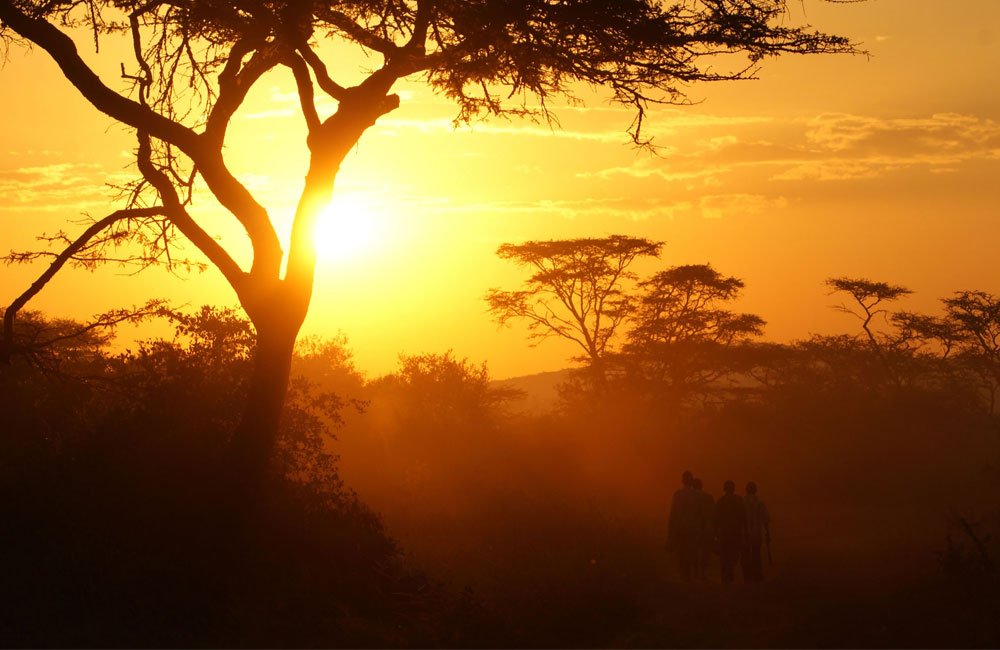
Uganda has two dry seasons: December–February and June–September, which are ideal for safaris and trekking. Rainy seasons (March–May, October–November) can make roads slippery but also bring lush green landscapes.
Travel Tip: Visiting in shoulder seasons often means fewer tourists and a more personal wildlife experience.
What currency is used in Uganda?
The Ugandan Shilling (UGX) is the official currency. Major towns accept credit cards, but cash is essential in rural areas.
How do I get around Uganda?
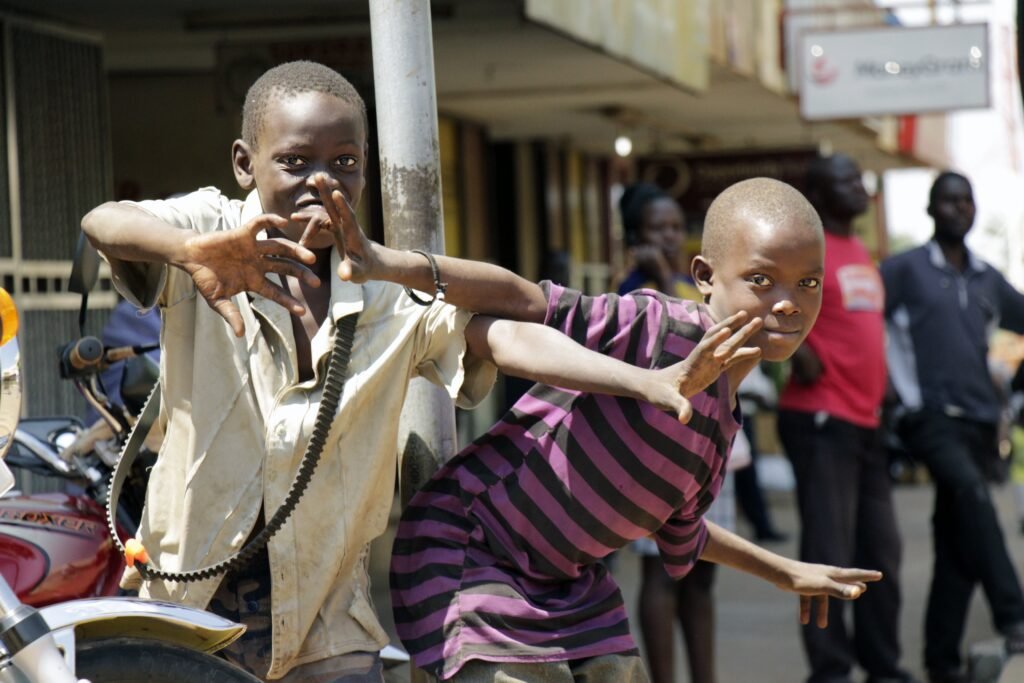
Local transport includes buses, taxis, and boda-bodas (motorcycle taxis). For safaris, 4×4 vehicles are recommended. Domestic flights save time for longer trips.
Safari & Wildlife Uganda Travel FAQs
Where can I see gorillas in Uganda?
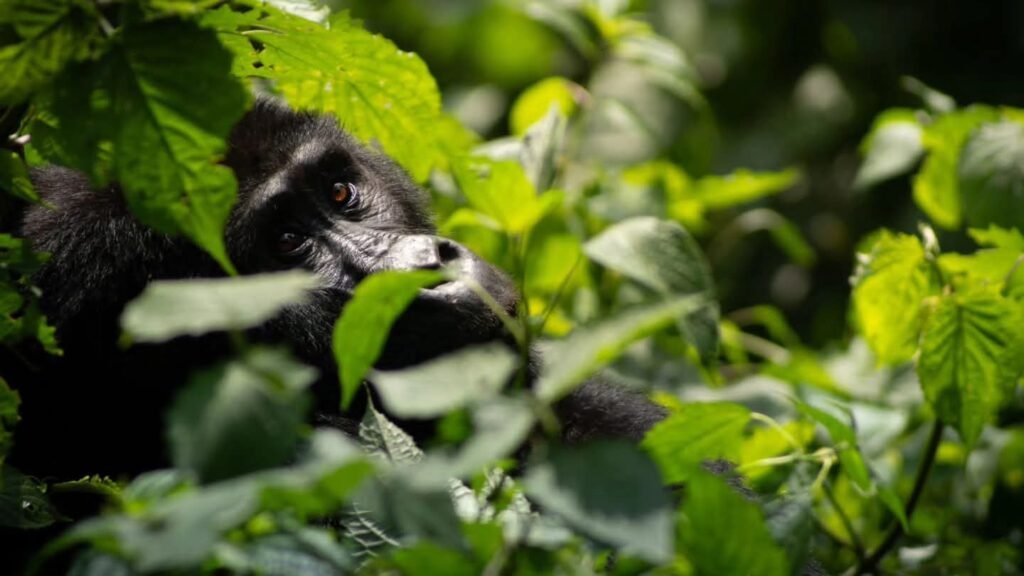
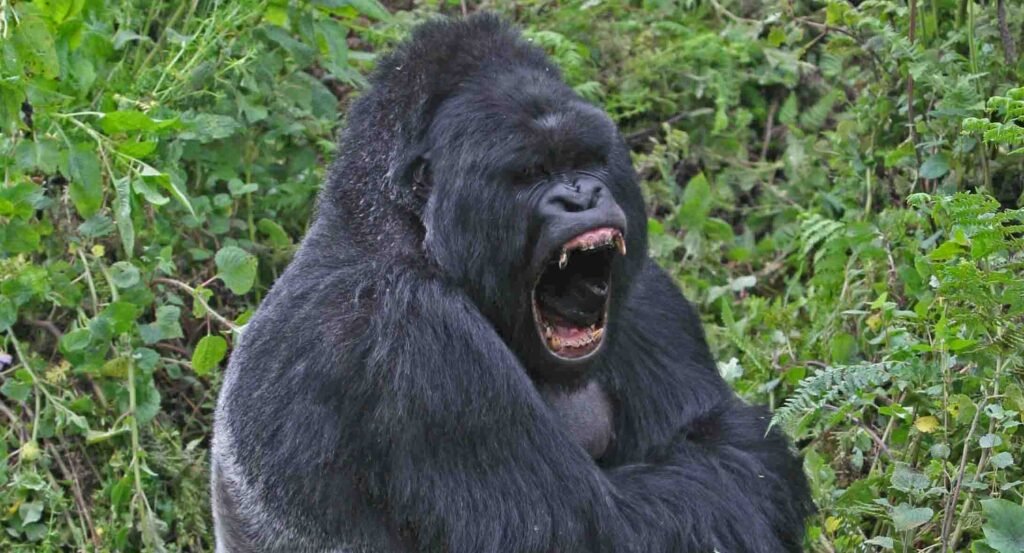
Bwindi Impenetrable Forest and Mgahinga Gorilla National Park are the top gorilla trekking spots. Witnessing gorillas in the wild is life-changing, but only 8 visitors per gorilla family per day are allowed to protect the animals.
Sustainable Tip: Always use licensed local guides—your fees directly support conservation and community programs.
What animals can I see on a safari in Uganda?
Uganda is home to the Big Five in Queen Elizabeth National Park, tree-climbing lions in Ishasha, and over 1,000 bird species. Expect elephants, hippos, crocodiles, and playful monkeys along the way.
How much does gorilla trekking cost?
Gorilla trekking permits in Uganda range from $800 to $1,500 per person, depending on the park and type of experience.
- Standard Gorilla Trekking Permit ($800): Allows you to spend one hour with a gorilla family in Bwindi Impenetrable Forest or Mgahinga Gorilla National Park. Your fees help fund conservation efforts and support local communities.
- Gorilla Habituation Experience ($1,500): Offers a longer, more immersive visit with gorillas as they adjust to human presence. This premium option is limited to a few visitors daily and is ideal for wildlife enthusiasts and photographers seeking an intimate encounter.
While these permits may seem expensive, every dollar contributes directly to protecting Uganda’s mountain gorillas and sustaining the livelihoods of families living near the parks.
Travel Tip: Book your permits well in advance, especially during peak seasons (June–September and December–February), and always go through licensed Uganda Wildlife Authority operators.
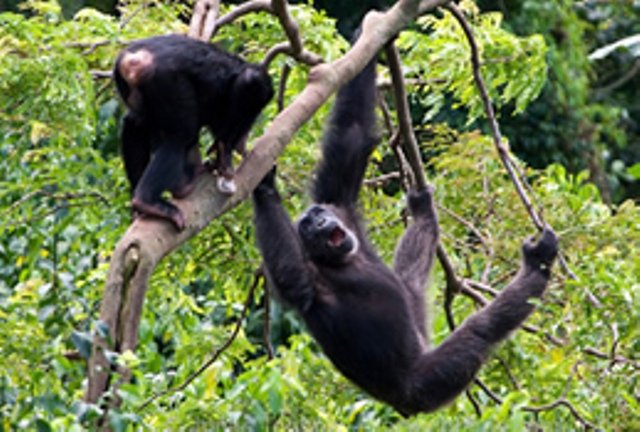
Can I go on a chimpanzee safari in Uganda?
Yes! Kibale Forest National Park offers unforgettable chimpanzee tracking experiences. Early morning hikes are magical, with misty forests and the echoing calls of chimps overhead.
Budget Travel Questions
How much does it cost to travel to Uganda on a budget?
Budget travelers can manage with $50–$100/day, staying in guesthouses, using local transport, and eating street food. Safaris are the biggest expense, but joining group tours can help reduce costs.
Are there affordable accommodations in Uganda?
Yes! Hostels, guesthouses, and community-run lodges offer clean, comfortable stays for budget travelers. Staying in local-run lodges directly benefits the surrounding communities.
How can I save money while on safari?
- Travel in a group tour
- Choose shared guides for gorilla trekking
- Eat at local markets instead of tourist restaurants
Luxury Travel Questions
What are the best luxury safari lodges in Uganda?
Chobe Safari Lodge, Buhoma Lodge, and Nkuringo Bwindi Lodge provide high-end comfort with eco-conscious practices. Expect private tents, gourmet meals, and guided treks with expert trackers.

Can I have a private gorilla trekking experience?
Yes! Some parks offer exclusive treks, perfect for honeymooners or wildlife enthusiasts seeking a personal experience. Booking in advance is essential.
What exclusive experiences does Uganda offer?
- Hot air balloon safaris over Murchison Falls
- Private boat trips to see hippos and crocodiles
- Cultural experiences in Batwa communities
Culture & Food – Uganda Travel FAQs
What local foods should I try in Uganda?
- Matoke (steamed plantains)
- Rolex (egg-filled chapati wrap)
- Luwombo (meat or vegetables cooked in banana leaves)
What cultural experiences should I not miss?
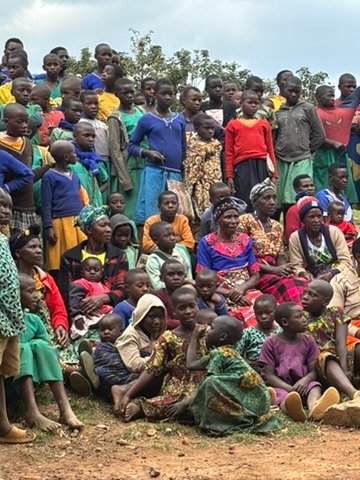
Attend traditional dance performances, visit Batwa Pygmy villages, and explore local markets. Participating respectfully supports community tourism.
Health & Safety Questions- Uganda Travel FAQs
Do I need vaccinations before visiting Uganda?
Yellow fever vaccination is mandatory. Malaria prophylaxis is recommended, along with standard vaccinations for hepatitis, typhoid, and tetanus.
Can I use credit cards or should I carry cash?
Cash is king outside big towns. ATMs are common in Kampala, Entebbe, and major tourist centers. Always carry small bills for local transactions.
Travel Kindly – Sustainable Tips for Uganda Travel
- Support local guides and lodges – your fees directly fund conservation.
- Minimize plastic use – refill water bottles at eco-stations.
- Respect wildlife – keep distance, don’t feed animals.
- Buy locally made crafts – your purchase supports artisans.
- Leave no trace – stick to paths, take all trash with you.
Conclusion
Uganda is a land of wonder—lush forests, incredible wildlife, vibrant culture, and warm, welcoming people. By following these 20 Uganda travel FAQs, you’ll arrive informed, inspired, and ready to leave a positive impact. Every gorilla smile, every sunset over Lake Victoria, every taste of local cuisine becomes richer when you travel responsibly.
When you go, remember: the best souvenirs are memories and experiences, and the best travel footprint is a positive one. Book your safari us today.