Beyond the Safari: Discover the Uganda That Changes You Forever
MEET THE REAL UGANDA
Table of Contents
Seven days. Countless stories. One unforgettable journey from Entebbe to Lake Bunyonyi and Kigali, discovering the people, traditions, and community initiatives that make Uganda so much more than a safari destination.
Introduction: What If the Best Part of Uganda Is Something You Never Expected?
Imagine arriving in Uganda for the first time.
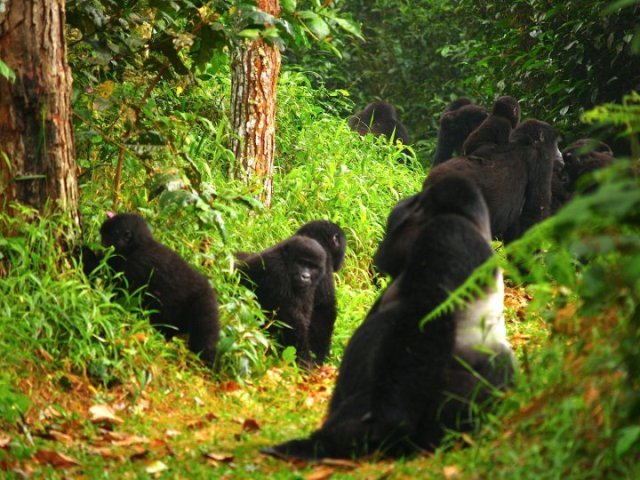
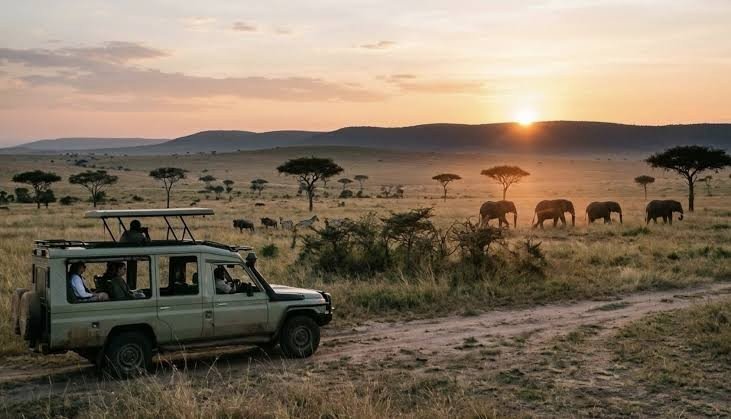
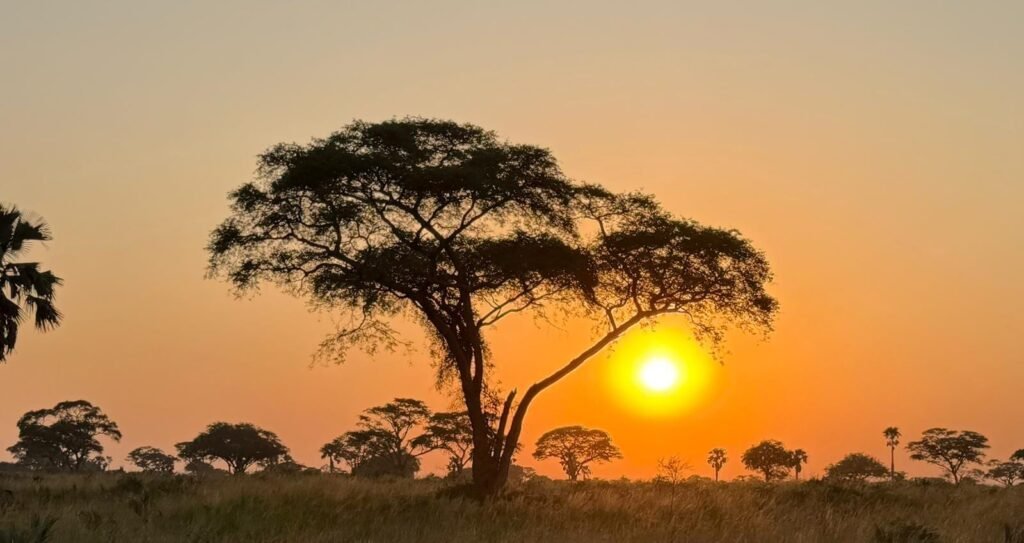
Perhaps you’ve spent months dreaming about African wildlife. You’ve imagined elephants walking across the savannah, mountain gorillas disappearing into misty forests, and sunsets painting the sky in shades of orange and gold.
And Uganda can absolutely give you those moments.
But what if the experience you remember most happens somewhere else?
Perhaps it’s the taste of a home-cooked meal shared with a local family. Perhaps it’s learning how a basket is woven by hand, listening to a story passed down through generations, or sitting beside Lake Bunyonyi as the morning mist slowly lifts from the water.
Or perhaps it’s a conversation at a local school that changes how you understand the relationship between travel and opportunity.
Welcome to the Uganda beyond the safari.
At Amatsiko Tours, we believe that discovering a country means getting to know the people who call it home. The landscapes might bring you here, but the connections you make can become the memories you carry for a lifetime.
That’s why I’d love to invite you on a different kind of adventure: a seven-day journey from Entebbe through southwestern Uganda, into the communities around Lake Bunyonyi, and finally across the border to Kigali, Rwanda.
We’re not going to rush from one attraction to another.
Instead, we’ll leave room for conversations, shared meals, unexpected discoveries, and the simple pleasure of being somewhere long enough to begin understanding it.
Along the way, we’ll explore how thoughtful travel can support local businesses, education, cultural traditions, and community initiatives.
Because sometimes the most rewarding way to see a country is to slow down and let its people show you what makes it special.
Your Seven-Day Journey at a Glance
- Day 1: Entebbe — Arrive gently, experience the lakeside atmosphere, and prepare for the adventure ahead.
- Day 2: The Road to Southwestern Uganda — Travel through changing landscapes and discover the everyday life that unfolds between destinations.
- Day 3: Lake Bunyonyi — Slow down beside one of Uganda’s most beautiful lakes.
- Day 4: Village Life and Cultural Encounters — Discover traditional crafts, local food, and the stories shared by community hosts.
- Day 5: Amatsiko Preparatory School — Explore the connection between tourism, education, and opportunity.
- Day 6: Community Tourism and Local Livelihoods — Discover how locally led experiences can create value for the people who welcome visitors.
- Day 7: From Uganda to Kigali — Cross into Rwanda with a deeper understanding of the journey you’ve experienced.
Seven days won’t reveal everything Uganda has to offer. That’s part of the beauty of travel: there’s always another story waiting to be discovered.
But this journey can offer something special: the chance to experience Uganda as a place of extraordinary landscapes, living cultures, community aspirations, and genuine human connection.
Day 1: Entebbe — Your First Taste of Uganda
Your journey begins in Entebbe, a lakeside town on the northern shores of Lake Victoria.
After a long international flight, there’s no need to fill every hour with activities. In fact, I would encourage you to do the opposite.
Take a breath.
Step outside and feel the warm air against your skin. Listen to the sounds of the town waking up or settling into the evening. Watch the light change over the lake, and allow yourself to arrive properly.
Travel often begins with a long list of expectations. We want to see everything, photograph everything, and make every minute count.
But the best journeys don’t always begin with excitement and movement. Sometimes they begin with a quiet moment when you finally realize that you’re somewhere new.
Depending on your arrival time, you might enjoy a relaxed walk, discover a local restaurant, or simply rest before the journey south. If you have time and energy, a visit to a local market or a conversation with your guide can offer an early glimpse into everyday Ugandan life.
Food is a wonderful place to start. Depending on what’s available, you might try matoke, a dish made from cooking bananas, or enjoy other familiar and unfamiliar flavors prepared with local ingredients.
Ask your guide about the food, the ingredients, and the traditions behind the dishes. You may discover that a simple meal opens the door to a much bigger conversation.
For practical planning, explore the official Uganda Tourism Board website, which provides information about destinations and tourism experiences across the country.
As you settle in, remember that your first interactions matter. Choose locally owned businesses where possible, be curious without making assumptions, and allow yourself to learn.
Tomorrow, the road will take you deeper into Uganda.
Tonight, let the journey begin gently.
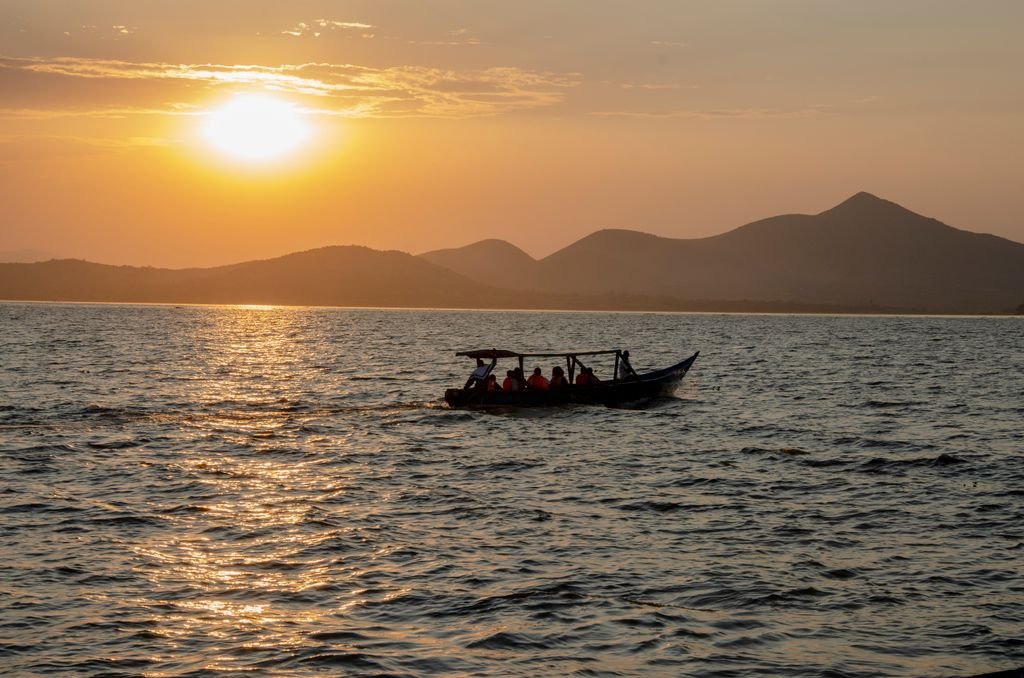
Day 2: The Journey South — Discovering Uganda Between the Destinations
Today, we leave Entebbe and travel towards Kabale and Lake Bunyonyi in southwestern Uganda.
This is a substantial journey, so it’s worth approaching it with realistic expectations. Rather than treating the drive as something to endure before the real adventure begins, let’s make the journey part of the experience.
As the kilometres pass, the scenery changes.
Busy urban streets gradually give way to smaller towns, roadside markets, farms, and green countryside. You might see traders arranging fresh produce, farmers tending their land, or people travelling between villages on their daily errands.
These ordinary scenes tell us something important about a country.
A destination isn’t only the place described in a guidebook. It’s also the people going about their lives while visitors pass through.
Where practical, arrange a few short stops with your driver or guide. Perhaps you’ll visit a local market, buy fresh fruit from a roadside vendor, or pause somewhere safe to admire the changing landscape.
These small moments can make a long drive feel more human and memorable.
They also create opportunities to support local businesses directly. Buying fruit, enjoying a meal at a locally run restaurant, or purchasing a handmade item from its maker allows your spending to reach people who live and work along the route.
Of course, always ask your guide about suitable stops, respect people’s privacy, and never photograph someone simply because they happen to be in front of a beautiful landscape.
The countryside is not a stage created for visitors. It is home to real people, families, farms, and communities.
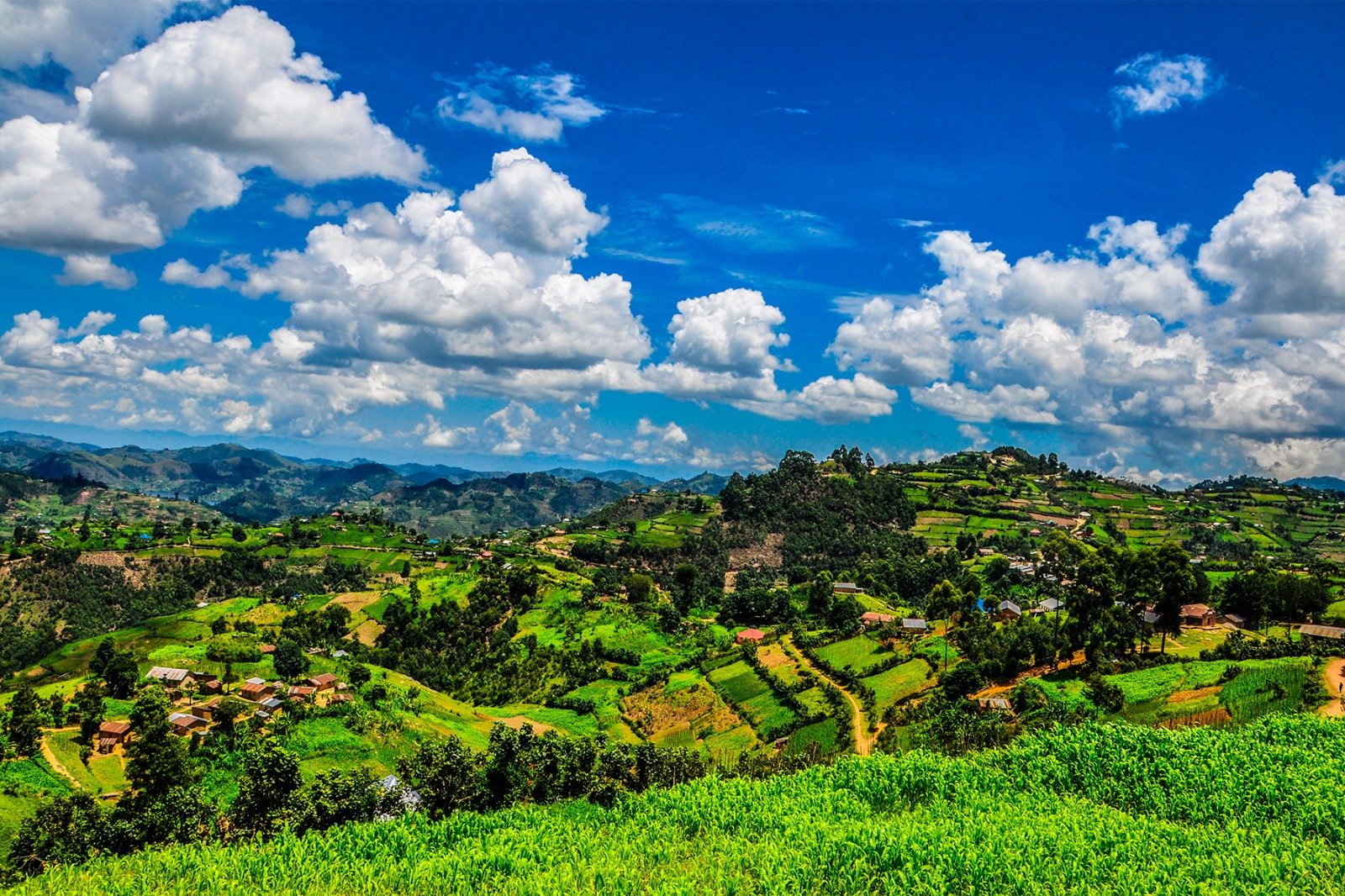
As the road climbs into southwestern Uganda, the hills become increasingly dramatic. Fields follow the contours of the land, and the scenery seems to unfold in layers of green.
Eventually, you approach Kabale, the gateway to the Lake Bunyonyi region.
After a long day on the road, the best plan may be a warm meal, a comfortable place to rest, and an early night.
Tomorrow, we slow down.
Travel note: Allow approximately seven to eight hours for the drive from Entebbe to Kabale as a planning estimate, with additional flexibility for traffic, road conditions, meals, and stops. The actual journey to your accommodation near Lake Bunyonyi may take longer.

Day 3: Lake Bunyonyi — Learning the Art of Slowing Down
Imagine waking up beside Lake Bunyonyi.
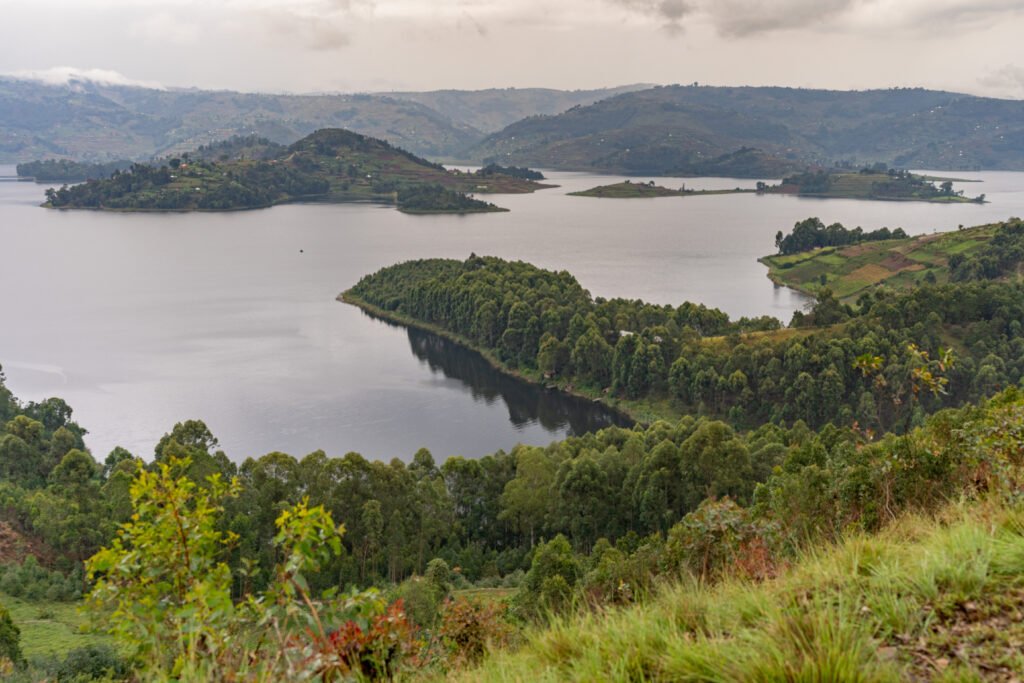
The air feels cool. Mist hangs over the water, softening the outlines of the surrounding hills. Somewhere nearby, a bird calls, and the first light of morning begins to reveal the islands scattered across the lake.
You sit quietly for a moment, perhaps with a cup of tea or coffee, and realize that there’s nowhere you urgently need to be.
This is the magic of slow travel.
Lake Bunyonyi, in southwestern Uganda, is known for its beautiful scenery, terraced hills, and numerous islands. It offers a wonderful opportunity to exchange a packed sightseeing schedule for a more relaxed experience shaped by nature and local life.
After breakfast, consider exploring the lake with a knowledgeable local guide. Depending on the conditions and the activities available, you might take a canoe or boat trip, learn about the surrounding communities, or simply spend time appreciating the landscape from the water.
A guide can help bring the scenery to life, explaining local history, daily life, and the stories associated with particular places.
One well-known landmark is Punishment Island, which has a difficult history associated with past practices affecting unmarried pregnant women. If you visit, approach the subject with sensitivity. Historical interpretation should acknowledge the human experiences involved rather than turning hardship into entertainment.
You might also spend part of the afternoon walking in the surrounding countryside or visiting a local community experience arranged with your host.
There is no need to fill the day with activities. Sit by the water. Watch the clouds move across the hills. Listen to the sounds around you.
And when you choose an activity, consider who benefits from your decision.
Booking a local guide, hiring a community-based boat operator, or purchasing lunch from a locally owned business can help support livelihoods around the lake.
Choose accommodation that can explain its approach to waste, water, energy, and local employment. Carry a reusable bottle where safe refill facilities are available, and avoid leaving rubbish behind.
Most importantly, remember that Lake Bunyonyi is more than a beautiful view. It is part of a living landscape where people work, raise families, grow food, and build their futures.
The more time you spend here, the more you begin to understand why a meaningful journey doesn’t always require more activities.
Sometimes it simply requires more time.
Discover more: Explore Amatsiko Tours’ community-based tourism experiences in Uganda to learn about ways to connect with local communities around Lake Bunyonyi.
Day 4: Village Life — The Beauty of Being Welcomed
Today, we move beyond the familiar sights and into a different kind of discovery.
We’re going to explore village life through experiences arranged with local hosts.
There is no single way to experience a Ugandan village. Communities have different histories, traditions, livelihoods, and ways of welcoming visitors. That’s why a meaningful visit should be organized with people who live there and who can decide how their culture and daily lives are shared.
Perhaps your day begins with a walk through the surrounding countryside. Your guide introduces you to a local craftsperson, farmer, or community host who has agreed to share part of their work with visitors.
You might learn how traditional baskets are made, discovering how patience, skill, and experience transform simple materials into objects that are both useful and beautiful.
If a cooking experience is available, you could join a host in preparing a traditional meal. Learn about the ingredients, the preparation, and the role food plays in family life.
Depending on the host and the experience arranged, you might encounter dishes such as matoke, groundnut sauce, beans, or other regional foods.
The best part isn’t necessarily learning to cook something new.
It’s the conversation that happens while you’re doing it.
You might ask where an ingredient comes from or how a particular dish is prepared for a special occasion. Your host might ask about food in your own country. Before long, the experience becomes an exchange rather than a performance.
That is what makes thoughtful cultural tourism so rewarding.
You aren’t simply observing another way of life. You’re being invited to learn something, while the person sharing that knowledge is recognized for their time, skills, and hospitality.
If you visit a craft workshop, consider buying something directly from the maker if you genuinely want it. Ask about the materials and techniques, and give the artisan the opportunity to explain the work behind the finished object.
If you take photographs, ask permission first.
And don’t assume that every family wants visitors, that every tradition is available for observation, or that every community experience should include children or private homes.
A respectful visit begins with consent.
For Amatsiko Tours, these kinds of encounters are central to the idea that travel can be both enjoyable and meaningful. Our community-based tourism guide offers another perspective on experiencing Uganda through local people, cultural activities, and community connections.
As the day ends, perhaps you’ll share a meal, return to your accommodation, or sit quietly reflecting on what you’ve learned.
You may find that the most memorable thing you take away isn’t a photograph of a basket or a dish you learned to prepare.
It may be the realization that meaningful travel begins when you stop expecting a destination to entertain you and start allowing it to teach you something.
Day 5: Amatsiko Preparatory School — When Travel Connects With Opportunity
Some travel experiences stay with us because of what we see.
Others stay with us because they change the questions we ask.
A visit to Amatsiko Preparatory School can be one of those experiences.
Located in the Kabale region, the school is part of the wider community work connected to Amatsiko. Its educational mission is especially meaningful because access to learning can shape the choices and opportunities available to children and families.
For visitors, the value of a school visit is not measured by how many photographs they take or how many activities they complete.
It begins with understanding.
Before visiting, arrange the experience with the school and ask what kind of engagement would genuinely be useful. The school may have particular priorities, schedules, or safeguarding requirements that determine what visitors can appropriately do.
Depending on the school’s needs and the visit agreed in advance, guests might learn about its educational work, speak with the responsible staff, or participate in a suitable activity under the school’s guidance.
The experience should never interfere with lessons or place an additional burden on teachers.
And it should never treat children as attractions.
Children deserve the same privacy, dignity, and protection that we would expect for children in our own communities. Ask before taking photographs, follow the school’s rules, and never publish identifying images or personal stories without appropriate authorization.
The most meaningful contribution may be listening to educators explain what they are working towards and learning how the school serves its community.
This is also an opportunity to understand how tourism can support education when an operator has a transparent and credible funding arrangement.
Amatsiko Tours explains its approach in its article, How Tourism Funds Our School.
The article describes how a portion of tour fees is allocated to support Amatsiko Preparatory School. Travelers interested in this model should read the details and ask the operator how contributions are handled, what they support, and how the organization communicates its results.
That transparency matters.
Responsible tourism should not rely on emotional photographs or vague promises. It should explain the relationship between a visitor’s spending and the benefits an organization claims to create.
It should also recognize that communities have their own aspirations and expertise. Tourism can contribute to local initiatives, but it cannot replace the voices and decisions of the people involved.
As you leave the school, take a moment to reflect on the wider meaning of your visit.
A holiday can create memories for the traveler. Through thoughtful partnerships and transparent arrangements, it can also contribute to something that matters in the place being visited.
That doesn’t make you a savior, and it doesn’t mean every trip must involve volunteering.
It simply means that your choices as a traveler can be made with greater awareness.
And sometimes, that awareness is the beginning of a more meaningful way to explore the world.
Learn more: Read How Tourism Funds Our School to understand the connection Amatsiko Tours describes between tourism revenue and education.

Day 6: Community Tourism — Discovering the Value of Giving Back
By now, the journey has begun to feel different.
You have travelled through Uganda’s countryside, spent time beside Lake Bunyonyi, learned from local hosts, and explored the relationship between tourism and education.
Today, let’s bring those experiences together.
Community tourism is often described as travel that involves local people. But the idea goes deeper than simply visiting a village or meeting a craftsperson.
At its best, community tourism gives local people a meaningful role in deciding how experiences are organized, how their knowledge is shared, and how the benefits are distributed.
It recognizes that the people who welcome visitors should not be invisible participants in their own destinations.
Around Lake Bunyonyi, a locally arranged experience might involve learning a craft, meeting a farmer, exploring the landscape with a local guide, or discovering a community initiative.
The exact activities will depend on availability, local priorities, and the arrangements made with hosts.
What matters is that the experience is genuine and that the people involved are fairly compensated.
When choosing an activity, ask a few simple questions.
Who organizes it? Who provides the experience? How are local participants paid? Is the activity designed with the community, and are its benefits explained clearly?
These questions aren’t intended to make travel feel complicated.
They’re simply a way to make more informed choices.
For example, buying a handmade basket directly from the person who made it creates a different relationship than purchasing an anonymous souvenir. Hiring a local guide allows you to benefit from someone’s knowledge while supporting their livelihood.
Choosing a locally owned restaurant can also help connect your spending to the people who prepare and serve your meal.
If you take part in a conservation or community project, make sure the activity has been arranged with the people responsible for it. Tree planting, clean-ups, and other initiatives are most useful when they respond to local needs rather than being organized simply to give visitors something to do.
This is one reason I encourage travelers to look beyond the number of attractions included in an itinerary.
A journey can be rich in experiences without being crowded with activities.
Sometimes, the best afternoon is spent listening to a local guide explain the landscape. Sometimes, it is learning about a community initiative from the people who run it. Sometimes, it is simply enjoying a meal and leaving with a better understanding of the place.
For more ideas, explore Amatsiko Tours’ article on regenerative travel in Uganda.
You can also consult the Uganda Tourism Board for official destination information and tourism resources.
As the day draws to a close, consider what you’ve learned during the week.
You may have arrived thinking about what Uganda could give you: beautiful scenery, cultural experiences, and a memorable holiday.
Now you may also be thinking about what your choices can contribute.
That is a wonderful shift.
Responsible travel doesn’t require you to be perfect. It asks you to be curious, considerate, and willing to make thoughtful decisions.
And those decisions can make a journey more rewarding for everyone involved.
Day 7: From Uganda to Kigali — Leaving With More Than Memories
Our final day begins with the journey from southwestern Uganda towards Kigali, Rwanda.
After several days around Lake Bunyonyi and Kabale, you may find yourself looking at the landscape differently.
The hills are still beautiful. The roads are still busy with everyday life. People are still working, travelling, shopping, and going about their routines.
But perhaps you’ve begun to notice more.
You may remember the person who explained how a basket was made, the meal you shared during a village experience, or the conversations that helped you understand the school and its community.
You may have learned that a destination cannot be understood through a handful of images or a list of famous attractions.
And you may have discovered that some of the best travel experiences happen when you give people time to share their stories in their own way.
The drive to Kigali offers an opportunity to reflect on those moments.
Depending on your departure arrangements, you will travel towards the Uganda–Rwanda border and continue to Kigali after completing the necessary border formalities.
Allow sufficient time for the journey, traffic, and immigration procedures. Your operator should confirm the route, transport arrangements, and expected arrival time before departure.
If you are travelling internationally, check your entry permissions and any applicable visa requirements in advance. The Uganda Directorate of Citizenship and Immigration Control provides official information about the East African Tourist Visa, which covers eligible tourism travel to Uganda, Kenya, and Rwanda under its stated conditions.
Visa eligibility and entry requirements depend on your circumstances, so consult the official guidance before travelling.
Kigali is the end of this particular journey, but it need not be the end of your interest in Uganda.
Perhaps you’ll return to explore Bwindi’s forests, discover more of the country’s national parks, or spend additional time learning about its many cultures and communities.
Perhaps you’ll tell friends about the people you met and the experiences that mattered most.
Or perhaps the biggest change will be something quieter: a willingness to approach unfamiliar places with more curiosity and fewer assumptions.
That, to me, is one of the great gifts of travel.
It reminds us that the world is larger and more complicated than the stories we hear from a distance. It gives us opportunities to listen, learn, and discover the connections that exist between people who may seem different at first.
You arrived in Uganda looking for an adventure.
You leave with something more personal: a collection of encounters that helped you see the country through a wider lens.
And perhaps that is the kind of journey worth taking.
Travel Kindly: How to Leave a Positive Footprint in Uganda
Responsible travel doesn’t need to be complicated. Small, thoughtful choices can help make your journey more rewarding while respecting the people and places you visit.
1. Choose locally owned businesses
Where practical, stay at locally owned accommodation, eat at local restaurants, hire local guides, and purchase crafts directly from their makers.
Ask questions about who provides an experience and how the people involved are compensated.
2. Treat cultural encounters as exchanges
Approach village visits with curiosity and respect. Listen to your hosts, follow their guidance, and ask permission before taking photographs.
Remember that not every tradition, home, or community activity is open to visitors.
3. Protect children’s privacy
If you visit Amatsiko Preparatory School or another educational initiative, follow the school’s safeguarding rules.
Do not assume that you can photograph children, enter classrooms, or participate in lessons. Arrange visits in advance and let the school determine what is appropriate.
4. Reduce waste and respect the environment
Carry a reusable water bottle where safe refilling is available, avoid unnecessary single-use plastics, and take your rubbish with you.
Follow local guidance around the lake, use established routes where appropriate, and choose activities that respect wildlife and natural habitats.
5. Ask how your spending makes a difference
Look for operators that can explain their local partnerships and community initiatives.
If an organization says that a portion of tour fees supports education or conservation, ask how the arrangement works and where you can find further information.
Responsible tourism is strongest when its claims are transparent and its activities are shaped by local needs.
Practical Information: Planning Your Seven-Day Journey
A meaningful trip also needs realistic planning. Here are the details to consider before setting off.
Best time to visit
Southwestern Uganda can be visited throughout the year, but weather conditions vary and can affect road journeys, walking, and outdoor activities.
The drier periods are often preferred for travel and outdoor exploration, while rainy periods can bring lush scenery and more challenging conditions.
Check current local forecasts before departure, especially if you plan to travel on rural roads or take part in activities on the lake.
How to get there
Start: Entebbe, Uganda
Most international visitors begin in Entebbe, where they can arrange an airport transfer and an overnight stay before travelling south.
Middle: Kabale and Lake Bunyonyi
The journey from Entebbe to Kabale is substantial. Allow approximately seven to eight hours as an initial planning estimate, with extra time for stops and road conditions.
Lake Bunyonyi lies in the southwestern region near Kabale. The exact transfer time depends on your accommodation and the route taken.
Finish: Kigali, Rwanda
From the Lake Bunyonyi region, travel towards the Uganda–Rwanda border and continue to Kigali.
The exact duration depends on the border crossing, traffic, road conditions, and your final destination in Kigali. Arrange the transfer in advance and avoid scheduling an international flight too close to your expected arrival.
How many days should you stay?
This itinerary is designed for seven days, but the journey works best when you allow time for rest and spontaneous encounters.
Day 2 is primarily a travel day. The following days focus on Lake Bunyonyi, village experiences, Amatsiko Preparatory School, and community tourism.
If you have additional time, consider extending your stay around the lake rather than adding several distant destinations.
Recommended local contacts
For travelers interested in arranging this kind of experience, begin with the organizations that operate the activities you want to visit.
- Amatsiko Tours: Contact the team through the official Amatsiko Tours website to discuss the route, community experiences, school visit arrangements, and transport to Kigali.
- Uganda Tourism Board: Consult the official tourism website for destination information and tourism resources.
- Uganda Immigration: Review the official East African Tourist Visa guidance and confirm the requirements that apply to your nationality and itinerary.
School visits and community activities should always be arranged in advance and confirmed with the people responsible for them.
Frequently Asked Questions About Cultural Experiences in Uganda
1. Is Uganda worth visiting beyond its wildlife safaris?
Absolutely! Uganda is famous for its mountain gorillas, elephants, and spectacular national parks, but there is much more to discover. Travelers can explore traditional food, local markets, crafts, rural communities, beautiful lakes, and cultural experiences led by local people. Spending time with community hosts can offer a deeper understanding of everyday life in Uganda while creating opportunities to support local businesses and livelihoods.
2. What is the best way to experience authentic Ugandan culture?
One of the best ways is to participate in cultural experiences organized in collaboration with local communities. Depending on the destination and what local hosts offer, you might learn about traditional cooking, visit a craft workshop, explore a village with a local guide, or discover the stories behind local customs. Choose experiences where community members help shape the activities and are fairly compensated for their time and knowledge. Remember that Ugandan culture is wonderfully diverse, with traditions varying between communities and regions.
3. Is Lake Bunyonyi worth visiting?
Yes! Lake Bunyonyi is a wonderful destination for travelers seeking beautiful scenery and a slower pace of travel. Located in southwestern Uganda, it is known for its green hills, islands, and peaceful lakeside atmosphere. Visitors can explore the area with local guides, enjoy boat trips where available, discover nearby communities, and spend time appreciating the landscape. It is also an excellent place to include in a longer cultural journey through southwestern Uganda.
4. How many days do you need to explore Uganda’s culture?
Seven days is a useful starting point for a journey combining Entebbe, southwestern Uganda, Lake Bunyonyi, village experiences, and community tourism initiatives. This allows time for travel between destinations while leaving several days for cultural encounters and relaxation. However, Uganda is a diverse country, and a seven-day itinerary cannot cover everything. If you have additional time, consider extending your stay rather than adding too many destinations to the same trip.
5. Can tourism help local communities in Uganda?
Yes, tourism can create opportunities for local communities when experiences are organized responsibly. Visitors can support local guides, accommodation providers, restaurants, artisans, and community-led initiatives through their spending. Some tourism operators also establish partnerships that direct part of their revenue towards education or other community projects. The important thing is transparency: travelers should be able to understand how a particular initiative works, who benefits, and how its impact is assessed.
At Amatsiko Tours, you can learn more about the relationship between tourism and education in our article, How Tourism Funds Our School.
6. What does responsible tourism mean when visiting a Ugandan village?
Responsible village tourism begins with respect for the people who live there. Choose experiences arranged with local hosts, listen to their guidance, ask permission before taking photographs, and respect private spaces and cultural boundaries. Buying crafts directly from artisans or hiring local guides can help support livelihoods. It is equally important to remember that communities are living places, not attractions created exclusively for visitors. The best experiences allow local people to decide how they wish to share their culture.
7. Can international travelers visit schools or community projects in Uganda?
In some cases, yes, provided the visit is arranged in advance and approved by the organization involved. For a school visit, the school’s educational priorities, safeguarding procedures, and privacy requirements must come first. Visitors should never assume they can enter classrooms, photograph children, or participate in lessons without permission. A meaningful visit focuses on learning about the organization’s work and engaging in ways that respect the people it serves.
Travelers interested in Amatsiko Preparatory School can read more about its connection with tourism through our school funding and community impact article.
8. Can I travel from Uganda to Rwanda during the same trip?
Yes, it is possible to combine Uganda and Rwanda in one journey, provided you meet the relevant entry requirements and arrange suitable transport. For this itinerary, travelers can begin in Entebbe, explore southwestern Uganda and Lake Bunyonyi, and then continue towards Kigali.
Travel times depend on the route, traffic, road conditions, and border formalities. Check your nationality-specific visa and entry requirements before departure. The Uganda Directorate of Citizenship and Immigration Control provides information about the East African Tourist Visa, which covers eligible tourism travel to Uganda, Kenya, and Rwanda under its stated conditions. Confirm that the visa and its conditions apply to your circumstances.
9. What is the best time of year to visit Lake Bunyonyi?
Lake Bunyonyi can be visited throughout the year, although weather conditions vary. Drier periods are often preferred for outdoor activities and road travel, while rainy periods can bring lush scenery and more challenging travel conditions. Your ideal travel dates will depend on your interests, accommodation preferences, and planned activities. Check the forecast and local travel advice before setting off.
10. How can I book a cultural and community-based tour in Uganda?
Start by choosing the experiences that interest you most, whether that’s Lake Bunyonyi, village visits, traditional crafts, local food, or community initiatives. Then contact a tour operator that can explain the itinerary, work with local hosts, and clarify how activities are organized.
Amatsiko Tours can be a starting point for discussing a journey that combines cultural discovery, time in southwestern Uganda, and community experiences. Visit the official Amatsiko Tours website to explore the available tours and discuss your travel plans.
Beyond the Safari: Your Ugandan Adventure Starts Here
Perhaps you’ve always dreamed of seeing mountain gorillas.
Perhaps you’ve imagined waking up beside Lake Bunyonyi, surrounded by green hills and the gentle sounds of the morning.
Or perhaps you’re looking for something more: an opportunity to discover a country through its people, learn about its traditions, and understand how your travel choices can support the communities you visit.
Whatever brings you to Uganda, your journey can be about more than the places you see. It can also be about the connections you make along the way.
At Amatsiko Tours, we believe that meaningful travel begins with curiosity, grows through genuine encounters, and becomes more rewarding when local people are respected and included.
That’s why we’d love to help you plan a journey that brings together Uganda’s remarkable landscapes, cultural experiences, and community initiatives.
Imagine spending time beside Lake Bunyonyi, learning from local hosts, discovering the work of Amatsiko Preparatory School, and exploring a different side of Uganda before continuing to Kigali.
Seven days can offer the beginning of a wonderful adventure, with enough time to slow down, connect, and appreciate the stories that make each place unique.
Ready to discover the Uganda beyond the safari?
Let’s create a journey that reflects what matters to you.
Whether you’re planning your first visit to Uganda, looking for authentic cultural experiences, or hoping to include community tourism in your itinerary, Amatsiko Tours can help you explore the possibilities.
👉 Explore Amatsiko Tours and start planning your Ugandan adventure.
Tell us what inspires you, when you’d like to travel, and what you’d most love to experience. Together, we can explore an itinerary that brings together culture, nature, local connections, and a more thoughtful way of travelling.
Come for the landscapes. Stay for the stories. Leave with a deeper connection.
And if you’ve already visited Uganda, we’d love to hear your story!
What was the moment that made your journey unforgettable? Was it a conversation with a local guide, a meal shared with a family, the view across Lake Bunyonyi, or an experience that changed the way you see travel?
Share your experience in the comments and inspire someone else to discover the Uganda beyond the safari.
Sometimes, the places that change us most are the ones that teach us to slow down and connect.