
7 Unforgettable Eco-tourism and Community Safaris Uganda Experiences for 2025
Eco-tourism and Community Safaris Uganda: A Journey of Wildlife, Culture, and Sustainability
Eco-tourism and Community Safaris Uganda offer travelers a unique opportunity to experience Uganda’s rich wildlife, breathtaking landscapes, and vibrant local cultures, all while contributing to sustainable development and community empowerment. These safaris go beyond traditional wildlife tours, integrating eco-friendly practices and immersive cultural experiences that benefit both visitors and local communities.
Table of Contents

Why Choose Eco-tourism and Community Safaris Uganda?
Uganda is often called the “Pearl of Africa” due to its extraordinary biodiversity and stunning landscapes. Eco-tourism and community safaris allow visitors to:
- Support local communities: Many tours allocate a portion of profits to education, healthcare, and community projects.
- Contribute to conservation: Responsible tourism helps protect endangered species and fragile ecosystems.
- Enjoy authentic experiences: Visitors interact with local artisans, farmers, and children, creating meaningful cultural exchanges.
For more on sustainable tourism practices, visit Global Sustainable Tourism Council
Top Destinations for Eco-tourism and Community Safaris Uganda
1. Bwindi Impenetrable Forest
Home to mountain gorillas, Bwindi offers eco-tourists the chance to trek in a pristine rainforest. Community-guided tours provide insight into local conservation efforts. Learn more about gorilla trekking at Uganda Wildlife Authority
2. Lake Bunyonyi
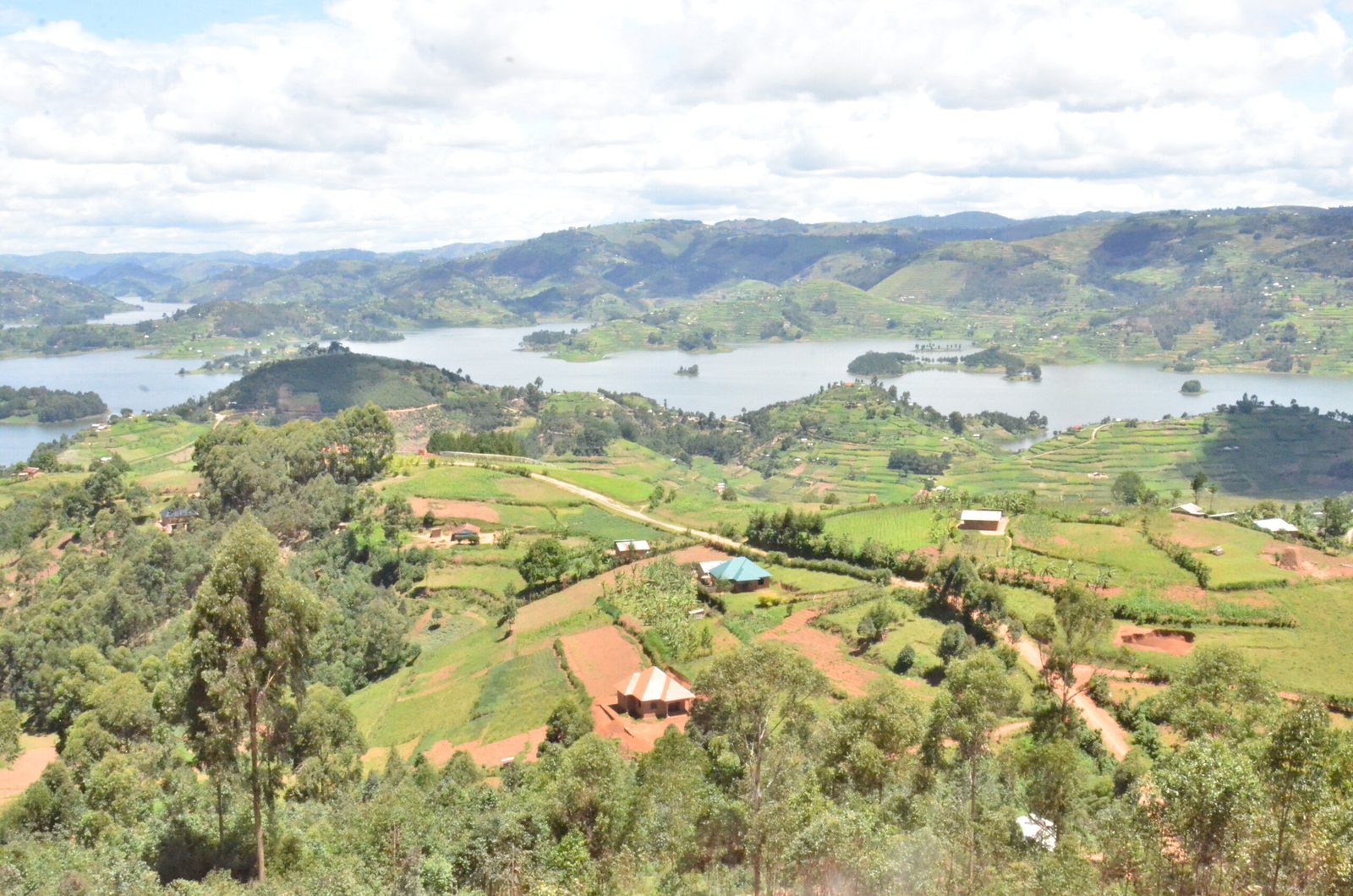
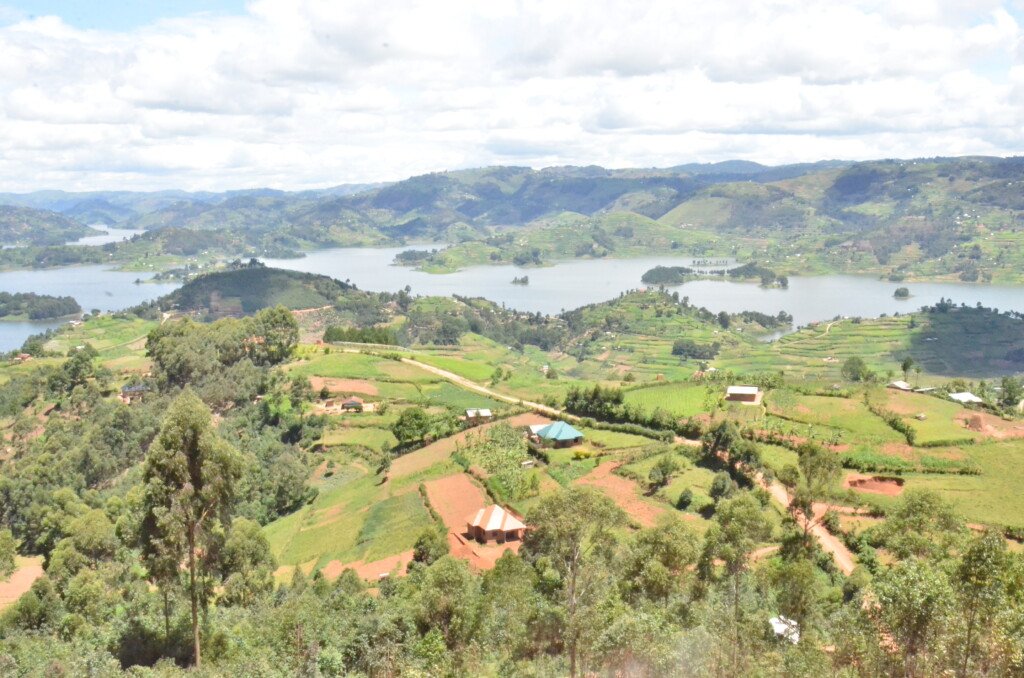
Known for its serene waters and terraced islands, Lake Bunyonyi is perfect for eco-friendly canoeing, community homestays, and birdwatching. Visiting local schools and farms allows tourists to experience daily life and support sustainable development.
3. Queen Elizabeth National Park
This park combines traditional safari experiences with community-led eco-tourism initiatives. Visitors can see tree-climbing lions, hippos, elephants, and also engage in local village visits that highlight traditional crafts.
4. Kigezi Highlands and Cultural Tours
Beyond wildlife, Uganda’s highlands offer immersive cultural experiences. Tourists can participate in gardening projects, cooking classes, and artisan workshops, directly supporting local families.
Benefits of Eco-tourism and Community Safaris Uganda
Environmental Sustainability: Eco-tourism minimizes carbon footprints and preserves habitats.
Economic Empowerment: Tourists directly support community initiatives, improving livelihoods.
Educational Value: Visitors gain awareness about conservation, culture, and sustainable living.
How to Plan Your Eco-tourism and Community Safaris Uganda Trip
Step 1: Choose a Certified Eco-tour Operator
Select operators committed to sustainable practices. Amatsiko Tours, for example, provides ethical safaris that allocate 20% of profits to local community projects Amatsiko Tours.
Step 2: Decide on Your Itinerary
Include a mix of wildlife adventures, cultural immersion, and community volunteer opportunities.
Step 3: Pack Responsibly
Bring eco-friendly essentials such as reusable water bottles, biodegradable toiletries, and minimal plastic.
Step 4: Respect Local Culture and Environment
Follow guidelines for interacting with wildlife and local communities.
Tips for Making Your Safari Memorable
- Hire local guides: Their knowledge enhances the experience and supports the local economy.
- Stay in eco-lodges or homestays: Minimizes environmental impact and fosters cultural exchange.
- Participate in community projects: Plant trees, assist schools, or support beekeeping initiatives.
Final Thoughts on Eco-tourism and Community Safaris Uganda
Eco-tourism and Community Safaris Uganda represent the future of travel—where adventure meets responsibility. By choosing sustainable experiences, tourists help preserve Uganda’s natural treasures while uplifting local communities. This type of travel not only creates memories but also leaves a positive impact on the people and environment.
For additional tips on eco-travel, see Responsible Travel