10 Powerful Reasons What Makes Uganda Ideal for Rich Bird Diversity (A Must-Visit Birding Paradise)
WHAT MAKES UGANDA IDEAL FOR RICH BIRD DIVERSITY?
The Ultimate, Authoritative Guide to Africa’s #1 Birding Destination
Table of Contents
If you’re searching for what makes Uganda ideal for rich bird diversity, you’ll quickly discover that Uganda is one of the most extraordinary birding destinations on Earth. Despite being a relatively small country, Uganda hosts over 1,090 bird species, representing nearly 50% of Africa’s bird population and 11% of the world’s bird species. This concentration of birds in such a compact area is unmatched anywhere else on the continent.
Uganda’s rich biodiversity is shaped by its unique geography, varied ecosystems, conservation policies, and strategic location at the transition zone between East, Central, and West Africa. Whether you are a seasoned birder or a traveler seeking meaningful nature experiences, Uganda offers unmatched opportunities. At Amatsiko Tours, we specialize in community-centered birding safaris that connect travelers to Uganda’s natural beauty while supporting education and conservation.
Below is a detailed, authoritative explanation of what makes Uganda ideal for rich bird diversity, backed by ecological, geographical, and scientific factors.
WHAT MAKES UGANDA IDEAL FOR RICH BIRD DIVERSITY
1. Uganda’s Strategic Location at the Ecological Crossroads of Africa
A major reason behind what makes Uganda ideal for rich bird diversity is its geographical position. Uganda lies at the intersection of East African savannah, Central African rainforest, and West African lowland ecosystems. This overlap allows bird species from different regions to coexist in one country.
Here, you can easily find:
• East African savannah species
• Central African forest species (rare outside Congo Basin)
• Albertine Rift montane species
• West African forest species
• Migratory species from Europe and Asia
This variety makes Uganda a natural “meeting point” for birds, resulting in exceptional species richness within a small area.
2. Habitat Diversity Across the Country
Another critical reason what makes Uganda ideal for rich bird diversity is the country’s range of habitats — the foundation of any thriving ecosystem.
Uganda’s habitat types include:
• Dense tropical rainforests (Bwindi, Kibale, Budongo)
• Afro-montane and bamboo forests (Mgahinga, Rwenzori)
• Papyrus wetlands and marshes (Mabamba, Bigodi, Lutembe Bay)
• Open savannah (Queen Elizabeth, Murchison Falls, Lake Mburo)
• Freshwater lakes and river systems (Victoria, Albert, Nile)
• Woodland and thornbush
• High-altitude moorland (Rwenzori Mountains)
Each habitat supports a unique community of birds. This ecological mosaic explains why Uganda can host so many species in such a compact territory.
3. A Haven for Rare and Endemic Species
One undeniable fact in what makes Uganda ideal for rich bird diversity is its concentration of rare and endemic birds. Uganda is part of the Albertine Rift, one of Africa’s most important biodiversity hotspots.
Rare Albertine Rift endemics include:
• African Green Broadbill
• Shelley’s Crimsonwing
• Rwenzori Turaco
• Handsome Francolin
• Rwenzori Batis
• Archer’s Robin-Chat
• Grauer’s Swamp Warbler
Other globally sought-after species include:
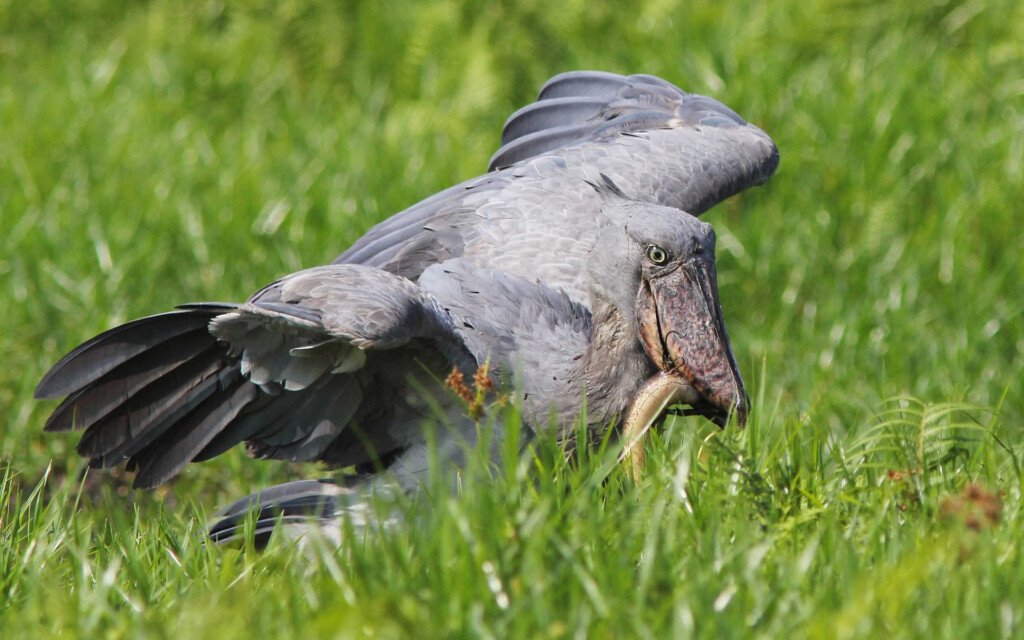
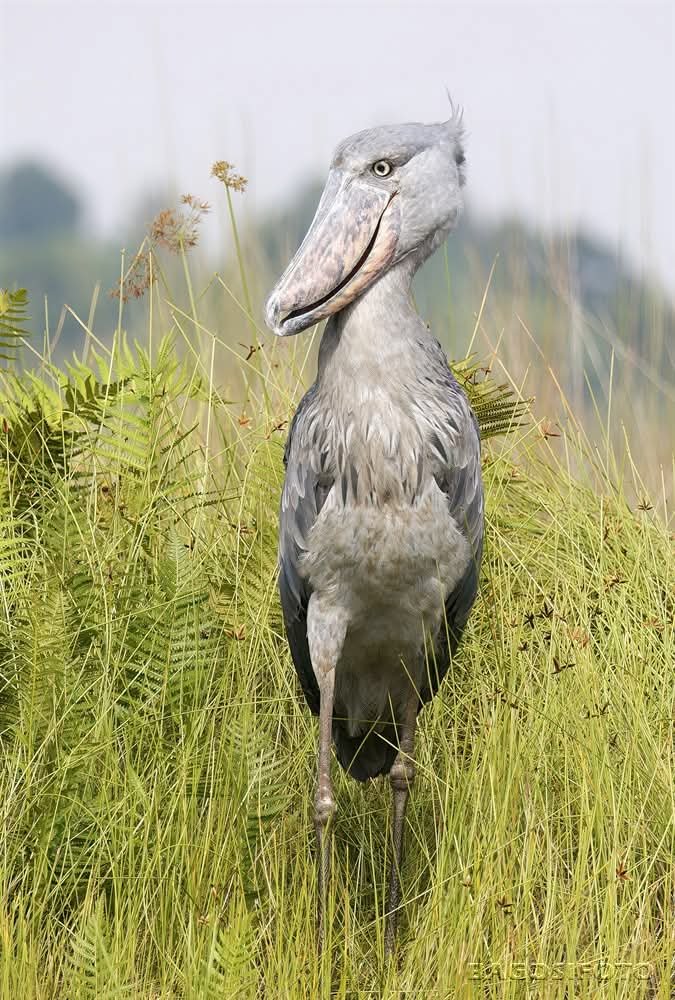
• Shoebill
• Green-breasted Pitta
• Nahan’s Francolin
• Papyrus Gonolek
• African Finfoot
• Doherty’s Bushshrike
• Yellow-footed Flycatcher
These species draw birders from across the world and place Uganda at the top of global birding lists.
4. Over 1,090 Bird Species in a Compact Country
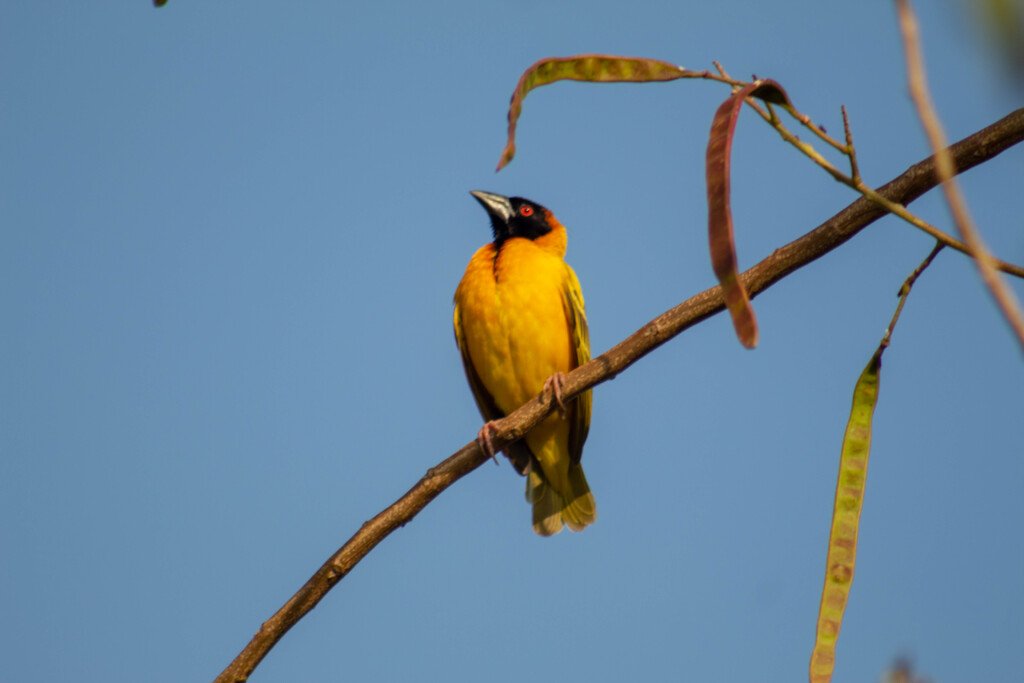
One of the strongest explanations for what makes Uganda ideal for rich bird diversity is the country’s extremely high bird count relative to its size.
Uganda covers only 241,000 km², yet it contains more species than much larger nations. This density means travelers can experience big birding numbers in a short period.
A well-structured birding safari can easily produce:
• 300–400 species in 7–10 days
• 500–600 species in 14–20 days
This makes Uganda extremely productive for birdwatchers.
5. World-Class Birding Destinations Across the Country
Another important factor in what makes Uganda ideal for rich bird diversity is the presence of numerous top-tier birding sites.
Bwindi Impenetrable National Park
A UNESCO World Heritage Site and a hotspot for Albertine Rift endemics.
Queen Elizabeth National Park
One of Africa’s richest birding destinations with over 600 recorded species.
Mabamba Swamp
The most reliable Shoebill location in East Africa.
Kibale National Park
A rainforest paradise known for the Green-breasted Pitta and forest species.
Murchison Falls National Park
Nile riverine birds, savannah species, and the iconic African Fish Eagle.
Bigodi Wetland Sanctuary
Community-managed area with diverse swamp birds.
Mgahinga Gorilla National Park
High-altitude specialists including the Rwenzori Turaco.
This accessibility of multiple birding zones is unique to Uganda and contributes immensely to its reputation.
6. Extensive Wetland Network – A Global Bird Habitat
Uganda’s wetlands cover approximately 11% of the country. These freshwater systems are crucial for explaining what makes Uganda ideal for rich bird diversity.
Important wetland species include:
• Shoebill
• Papyrus Gonolek
• Carruthers’ Cisticola
• White-winged Warbler
• Yellow Warbler
• Swamp Flycatcher
Wetlands also serve as feeding and resting grounds for thousands of Palearctic migrants.
7. Seasonal Migratory Patterns Add to Bird Richness
Uganda’s location on the East African Flyway explains even more of what makes Uganda ideal for rich bird diversity.
Every year, migratory birds arrive from:
• Europe
• Asia
• Middle East
• Northern Africa
These include:
• Eurasian bee-eaters
• European rollers
• Common sandpipers
• Spotted flycatchers
• White storks
• Steppe eagles
This seasonal movement dramatically increases species numbers.
8. Strong Conservation Policies & Protected Areas
Conservation plays a major role in what makes Uganda ideal for rich bird diversity.
Key conservation players include:
• Uganda Wildlife Authority (UWA)
• Nature Uganda
• BirdLife International
• Community-based programs like Amatsiko Tours initiatives
Protected areas help preserve habitats and bird populations, ensuring long-term sustainability.
9. Accessibility and Birding Convenience
Another practical reason what makes Uganda ideal for rich bird diversity is the ease of travel between birding ecosystems.
Uganda offers:
• Short driving distances
• Good national park infrastructure
• Well-trained bird guides
• Affordable permits
• Year-round accessibility
This makes Uganda one of the easiest countries for productive birding.
10. Uganda Offers Year-Round Birdwatching
Even during rainy seasons, birding remains productive. This stable climate is another major contributor to what makes Uganda ideal for rich bird diversity.
Dry seasons (best):
• June – August
• December – February
But birders can still see excellent species during wet seasons.

Conclusion
Understanding what makes Uganda ideal for rich bird diversity highlights why the country is consistently ranked among the world’s top birding destinations. From its strategic position and varied habitats to its rare species and conservation efforts, Uganda stands out as a unique and irreplaceable birdwatching jewel.
At Amatsiko Tours, our birding safaris are designed not only to provide exceptional wildlife encounters but also to create meaningful impact for local communities and conservation programs. Join us and experience Uganda’s breathtaking birdlife with expert guides who know the forests, swamps, mountains, and savannahs better than anyone.
Contact Us
info@amatsikotours.com
+256 777 476944
www.amatsikotours.com