
Murchison Falls National Park Uganda: Where the Nile Roars and the Wild Comes Alive (2026 Guide)
Murchison Falls National Park Uganda: Where the Nile Roars and the Wild Comes Alive
There are places in Uganda where nature doesn’t simply surround you, it takes over your senses. Murchison Falls National Park is one of them.
Table of Contents
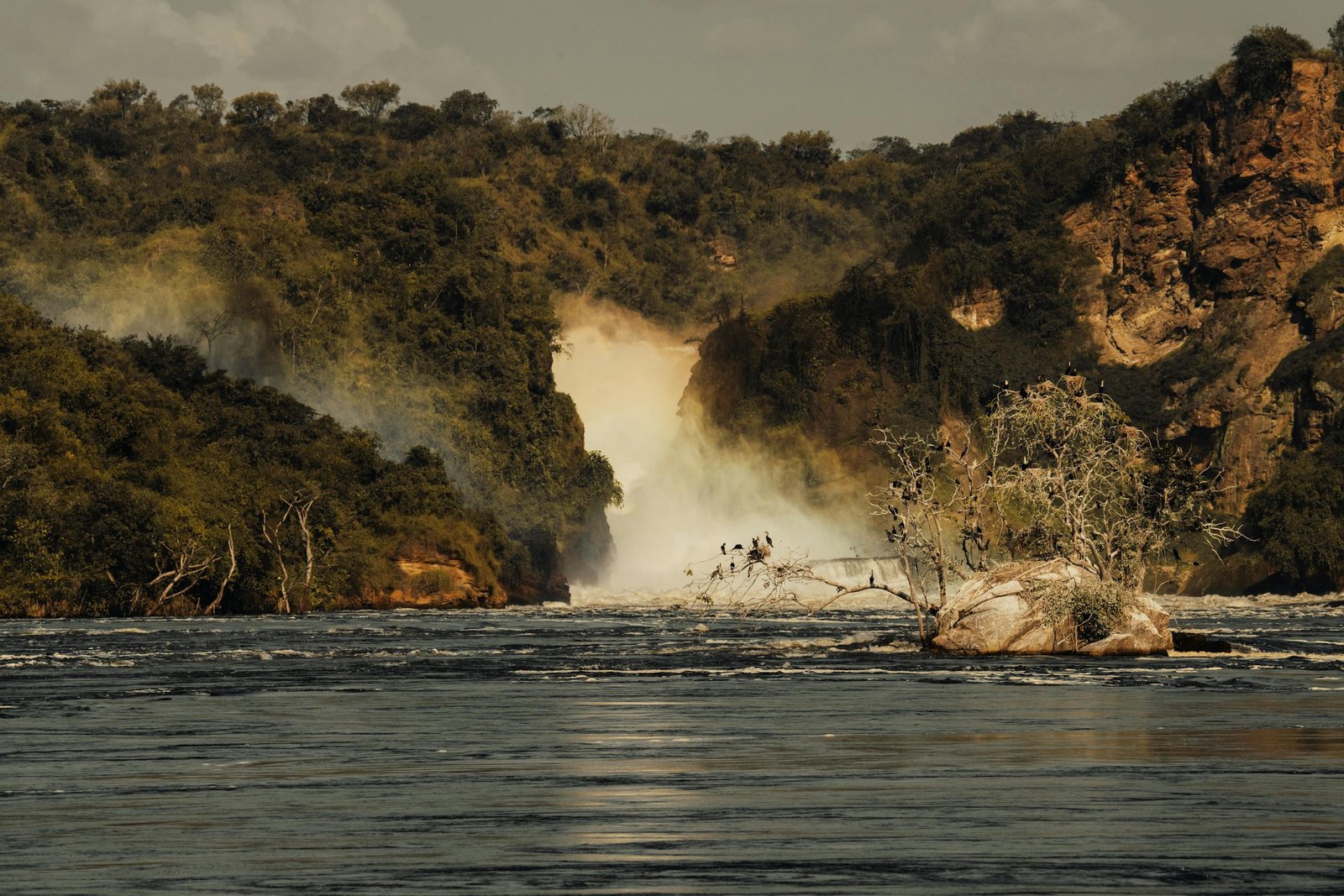
Imagine standing beside the Nile as the river gathers its enormous strength before being squeezed through a narrow gorge of rock. You hear the thunder before you see the falls. Mist rises into the warm African air, birds call from the surrounding woodland, and somewhere beyond the river, elephants move quietly through the grass. This is Murchison Falls a place where Uganda’s wildlife, landscapes, and mighty Nile come together in one unforgettable safari.
Let me take you into the heart of Uganda’s largest national park, where early-morning game drives can bring you face-to-face with elephants, giraffes, buffaloes and lions, while a boat safari reveals hippos, crocodiles and hundreds of waterbirds along the Nile. Beyond the famous falls, the wider Murchison Falls Conservation Area also opens the door to forest experiences, chimpanzee tracking, fishing and meaningful encounters with communities living around this remarkable landscape.
And there is another reason I love recommending Murchison Falls: your choices as a traveler can help keep this place thriving. Choosing locally owned services, using responsible guides, respecting wildlife, reducing single-use plastic and supporting community projects means that your safari can benefit not only the animals and landscapes you came to see, but also the people who call this region home.
So, pack your binoculars, leave a little room on your camera card, and come with me. Murchison Falls is waiting—with the Nile roaring at its heart.
An Overview of Murchison Falls National Park
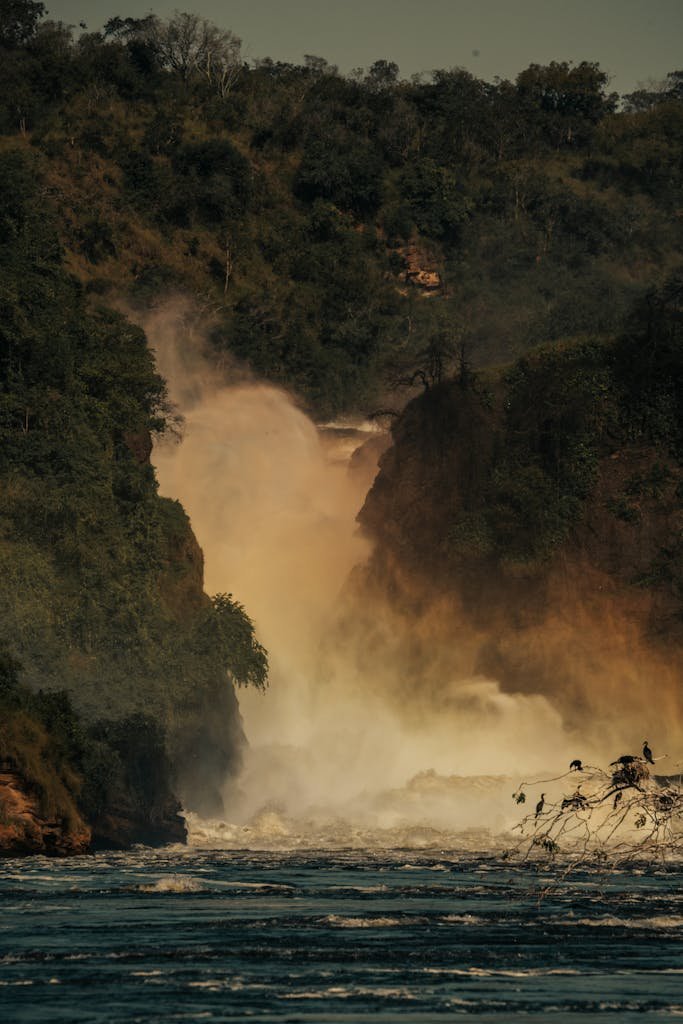
Stretching across 3,800+ square kilometres, Murchison Falls National Park is Uganda’s largest national park and one of the country’s most rewarding places to experience classic African wildlife. At its heart is the mighty River Nile, cutting across the park before being forced through the narrow gorge that creates the spectacular Murchison Falls.
But the waterfall is only part of the story. Drive into the park and the landscape quickly changes into wide savannah, woodland and riverine habitats where elephants, buffaloes, giraffes, antelopes and other wildlife move through the grasslands. In the northern sector, the open Buligi area is particularly famous for game viewing, while the Nile provides an entirely different perspective from the water.
Murchison Falls National Park also forms part of the wider Murchison Falls Conservation Area, alongside the Karuma Wildlife Reserve and Bugungu Wildlife Reserve. Just south of the park lies Budongo Forest, adding an exciting forest dimension to a safari here, particularly for travelers interested in chimpanzees, birds and ancient tropical trees.
Geographically, Murchison Falls sits in northwestern Uganda, within reach of several towns and cities including Masindi and Gulu. For travelers coming from Kampala or Entebbe, the journey by road is part of the adventure, taking you away from Uganda’s busy urban centres and gradually into a landscape of villages, farms, woodland and open countryside.
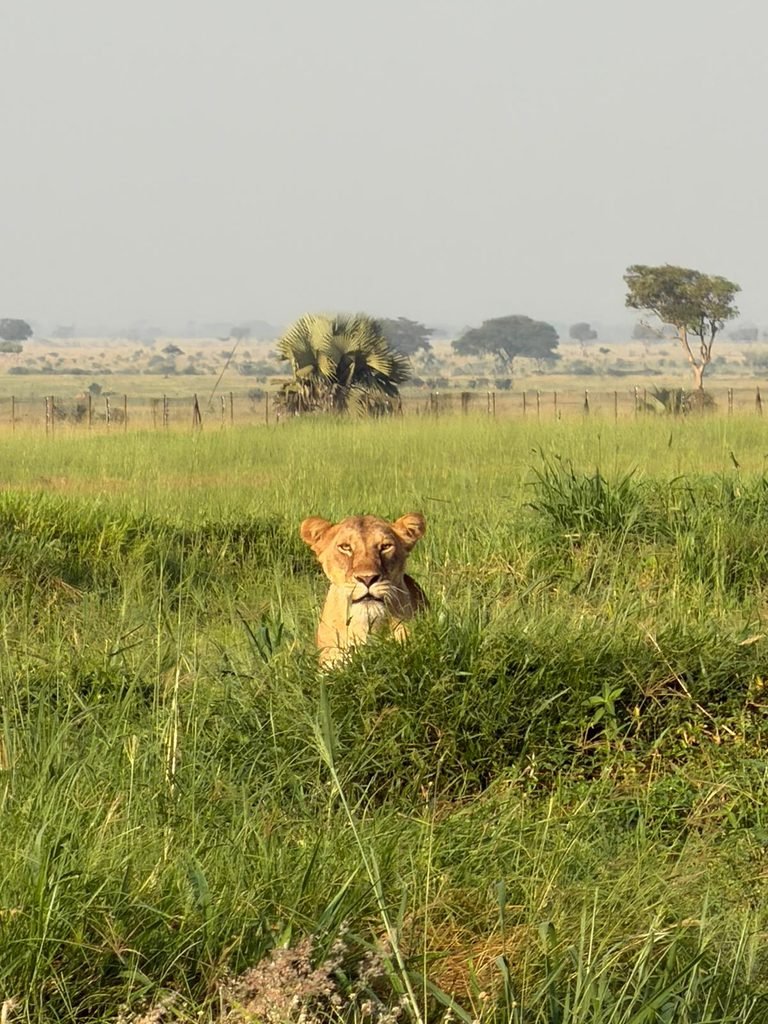
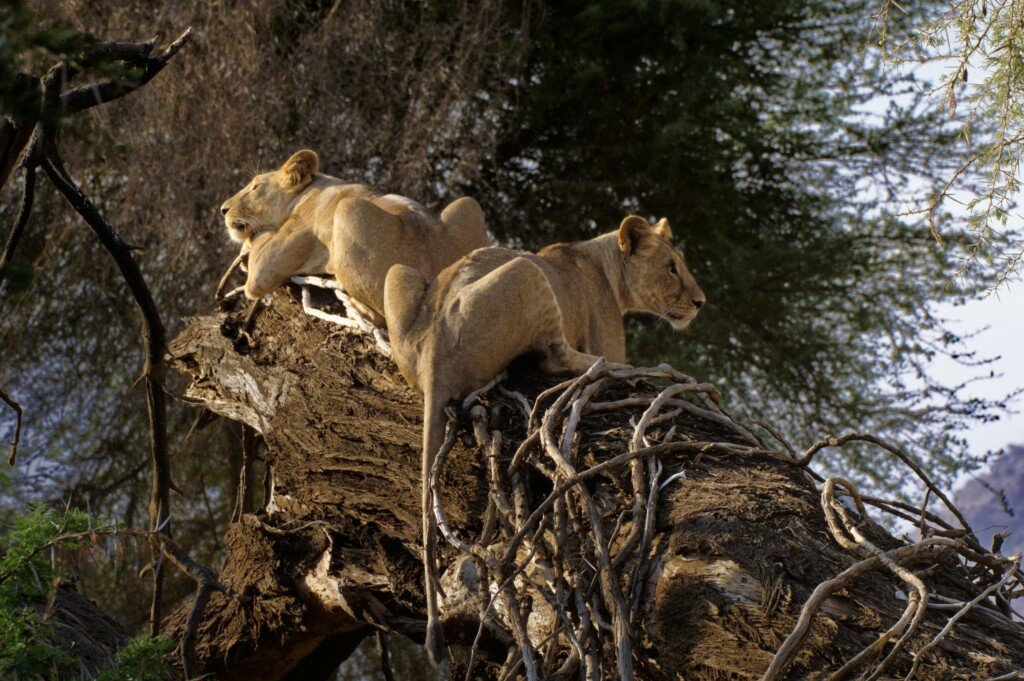
One of the things that makes Murchison Falls special is this combination of experiences. In a single trip, you can watch a lion resting beneath a tree in the morning, drift past hippos on the Nile in the afternoon, and stand above the falls as millions of litres of water thunder through the gorge. Traveling through the surrounding communities and choosing local guides, accommodation and services also gives your visit a chance to contribute to livelihoods connected to this remarkable conservation landscape.
Top Things to Do in Murchison Falls National Park
Murchison Falls is not the kind of destination where you spend your whole safari sitting in one vehicle and ticking animals off a list. The magic comes from experiencing the park from different angles from the open savannah to the Nile, from the roar of the falls to the quiet shade of Budongo Forest.
1. Go on a Wildlife Game Drive
The first time you enter the savannah in the early morning, there is a wonderful feeling that anything could happen. The grass is still silver with dew, the light is soft and golden, and your guide slows the vehicle whenever something moves in the distance.
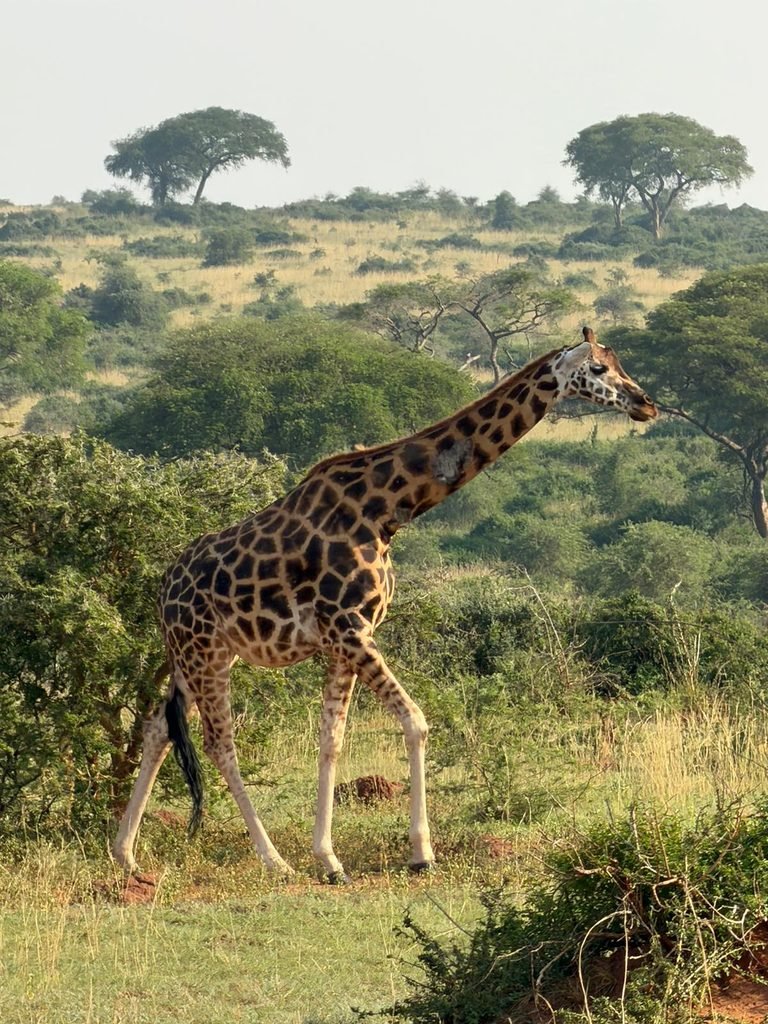
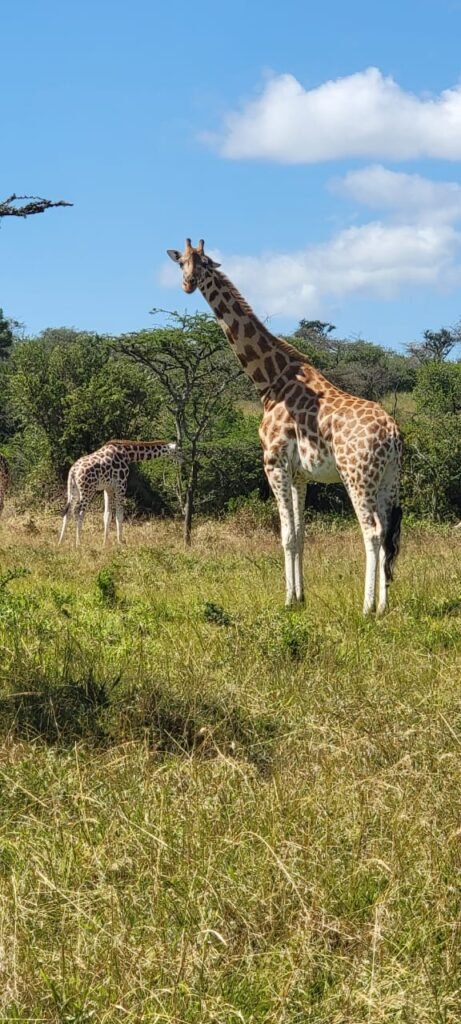
Murchison Falls is particularly famous for wildlife viewing in the northern sector, including the Buligi area. Depending on the season and your luck, you may encounter large herds of elephants and buffaloes, Rothschild’s giraffes, Uganda kob, hartebeest, oribis and warthogs. Lions are also regularly encountered, while leopards are more elusive and require patience and a good guide.
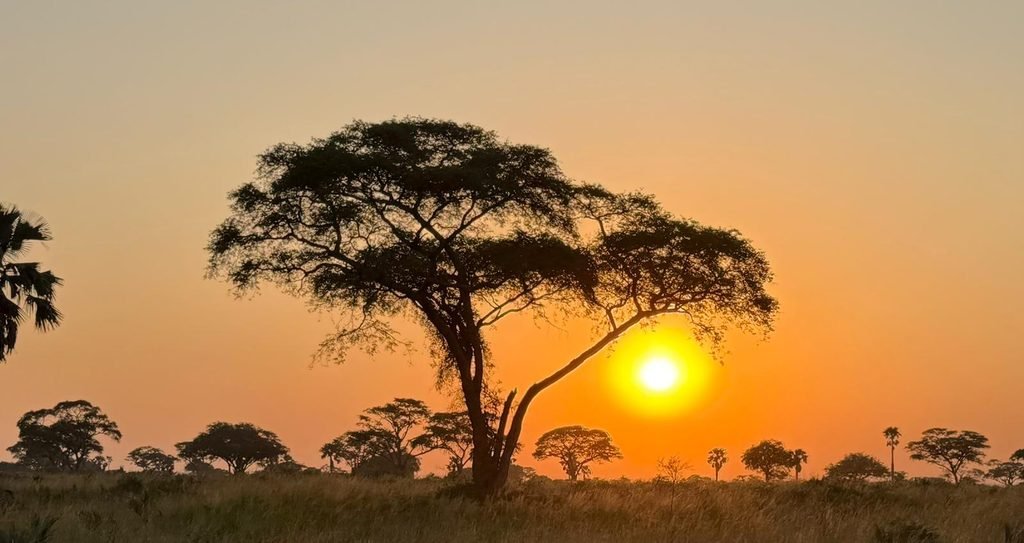
Early morning is usually the most exciting time to be out because the temperatures are cooler and many animals are active. A late-afternoon drive can be equally beautiful as the sun begins to drop and the savannah turns warm and golden.
One of the simplest ways to make your game drive more responsible is also one of the most rewarding: slow down. Give animals space, follow your guide’s instructions and avoid encouraging a driver to chase wildlife simply to get a closer photograph. Sometimes the most memorable sighting is the one you watch quietly from a respectful distance.
2. Cruise the Nile by Boat
If the game drive shows you the land of Murchison Falls, the boat safari reveals its beating heart.
Leaving from the Paraa area, the boat follows the Nile towards the base of the falls. The scenery gradually unfolds around you: hippos rise and disappear in the water, crocodiles lie motionless along the banks, elephants may come down to drink, and colourful kingfishers flash across the river like tiny sparks of blue and orange.
Then the sound begins to change.
Long before the falls come fully into view, you can hear the enormous power of the water. The Nile funnels through the narrow gorge, creating the dramatic spectacle that gives the park its name. When the boat reaches the base, the spray hangs in the air and the roar of the river seems to fill everything around you.
Bring binoculars and keep your camera ready, but don’t forget to put it down occasionally. A responsible boat safari is about more than getting the perfect photograph. Choosing a licensed operator, respecting wildlife distances and keeping noise under control helps protect the river environment while allowing other passengers and wildlife to enjoy the same experience.
3. Stand Above the Murchison Falls
There is something almost surreal about standing beside the Nile and watching such a massive river disappear into a narrow cleft in the rock.
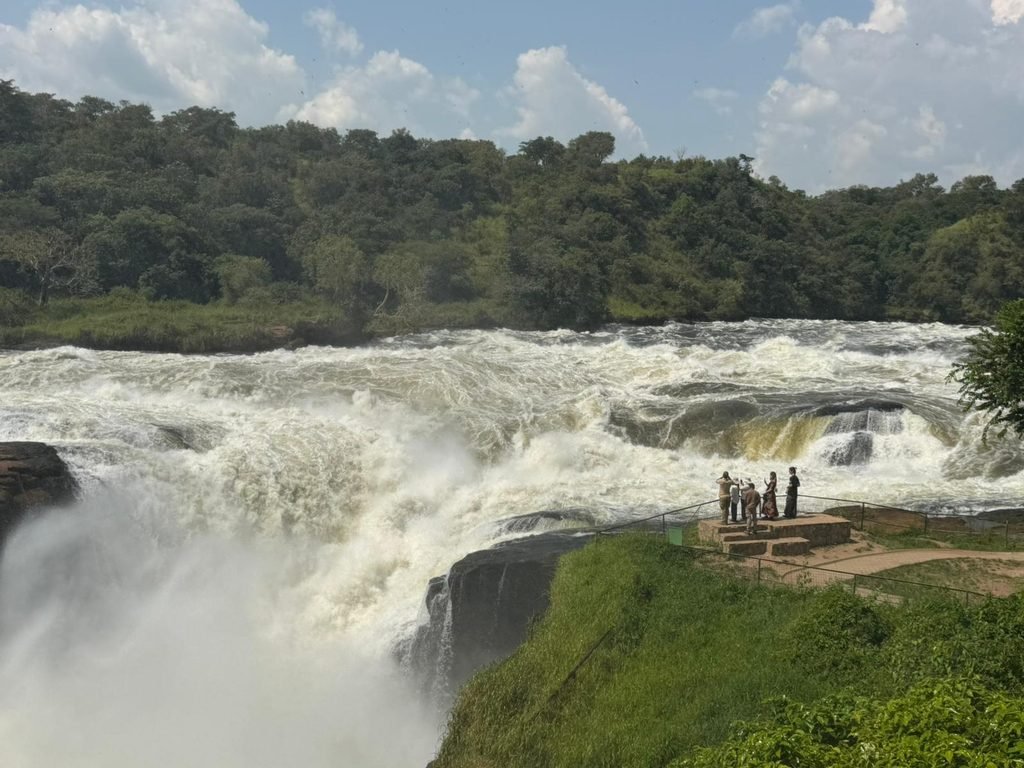
At the Top of the Falls, the water rushes through the gorge with extraordinary force before continuing downstream. Mist rises from below, the surrounding vegetation glows in the sunlight, and the constant thunder of the river makes conversation feel almost unnecessary.
Allow yourself time here rather than treating the falls as a quick photo stop. Walk to the viewpoints, feel the cool spray on your face and watch the water as it twists through the rocks. It is one of those moments when the sheer scale of nature makes you feel very small—in the best possible way.
Follow the designated paths and viewpoints, especially around wet or slippery sections. The falls are powerful and unpredictable, so this is a place where respecting barriers, guides and safety instructions matters far more than getting an adventurous photograph.
4. Meet the Chimpanzees of Budongo Forest
A safari in Murchison Falls doesn’t have to end when you leave the savannah.
Just south of the park, Budongo Forest offers a completely different experience. The open grasslands disappear behind you and you enter a world of towering trees, filtered sunlight and the constant sounds of the forest. Leaves rustle overhead, insects hum around you, and every now and then the calls of chimpanzees break through the canopy.
Chimpanzee tracking here offers the chance to observe these fascinating primates in their natural environment, accompanied by trained guides. The experience is very different from watching wildlife from a safari vehicle: you move on foot, listen carefully and follow the clues left by animals moving through the forest.
This is also an excellent opportunity to make your visit support conservation and local livelihoods. Use authorized trekking services, follow the rules around the chimpanzees and maintain the required distance. The goal isn’t to make the animals come closer to you—the privilege is being allowed into their world without disturbing it.
5. Discover Murchison’s Birdlife
You don’t have to be a specialist birder to enjoy the birds of Murchison Falls.
Along the Nile and across the savannah, birds are everywhere. Watch for Goliath herons standing beside the water, African fish eagles scanning the river, pied kingfishers hovering above the surface and grey crowned cranes moving through the grasslands. With more than 400 recorded bird species in the wider area, keen birders can easily spend hours looking upward.
The experience becomes even more rewarding when you have a knowledgeable local guide who can identify calls and explain the behaviour of the species you encounter. Sometimes the smallest sighting—a flash of colour in a tree or an unfamiliar call from the reeds—can become one of the highlights of the day.
Carry binoculars, keep your voice low and avoid playback of bird calls simply to attract birds for photographs. Giving birds the freedom to behave naturally makes for a much more genuine wildlife experience.
6. Try Sport Fishing on the Nile
For anglers, the Nile offers a completely different way to experience Murchison Falls.
The waters around the falls are known for Nile perch, and sport fishing can be arranged in designated areas with the appropriate permissions and experienced guides. Instead of moving from one wildlife sighting to another, you spend hours beside the river, watching the current, listening to the water and waiting for that sudden movement on the line.
It is a slower experience, but that is precisely its appeal. The Nile becomes less of a backdrop and more of the main character.
Fishing here needs to be carefully regulated because the river is part of a protected ecosystem. Use authorized operators, follow current fishing regulations and respect restricted areas. If you are practicing catch-and-release, handle fish carefully and follow your guide’s instructions to minimize stress to the animal.
7. Explore the Landscape on Foot and Connect with Local Communities
Some of the most memorable moments around Murchison Falls happen away from the major safari attractions.
Depending on where you stay and the activities available during your visit, guided nature walks can reveal details that are easy to miss from a vehicle—the tracks pressed into the soil, medicinal plants, insects hiding in leaves and the different sounds of the savannah as you move quietly through it.
You can also look for opportunities to meet communities living around the conservation area and learn about local traditions, crafts, food, music and everyday life. Experiences connected to local communities are particularly meaningful when they are community-led and fairly paid, rather than simply being a staged performance for visitors.
Buy crafts directly from artisans when possible, ask before photographing people and take the time to listen. A few extra minutes spent talking with someone who lives beside the park can give you a completely different understanding of Murchison Falls—and your spending can become part of the local economy that makes tourism worthwhile.

Best Time to Visit Murchison Falls National Park
Murchison Falls can be visited throughout the year, but the experience changes with the seasons. If your main goal is classic wildlife viewing, the generally drier periods from June to September and December to February are particularly appealing. With less rain, some roads are easier to navigate and wildlife can be easier to spot as animals gather around remaining water sources.
June to September is a popular time for safari. The savannah is often relatively dry, visibility can be excellent and mornings are especially beautiful for game drives, with soft light stretching across the grasslands. It is also a wonderful season for combining game drives with a boat safari along the Nile.
December to February brings another generally drier period. Days can be warm, but early mornings on safari are often wonderfully cool. If you’re hoping for that classic golden-sunlight safari experience, getting out early is well worth it.
Don’t completely rule out the wetter months, though. March to May and October to November can bring greener landscapes, fewer visitors and excellent birdwatching opportunities. After rainfall, the park can feel especially fresh—the grass becomes vibrant, the air smells of wet earth and the landscape takes on a completely different character. Some roads may become more challenging, so local advice and an experienced driver are particularly valuable.
If you are visiting mainly for wildlife, I would lean toward the drier months. If you prefer lush scenery, birds, photography and a quieter atmosphere, the greener seasons can be wonderfully rewarding. And whatever month you choose, the early morning and late afternoon remain some of the most magical hours to be in the park, when the light is softer and wildlife is often more active.
The best time for you is ultimately the season that matches the experience you want. Murchison Falls doesn’t have just one face—and seeing the park in a different season can make it feel like an entirely new journey.
| Season | What to expect |
|---|---|
| June–September | Drier conditions, excellent game viewing |
| December–February | Generally dry, good for safari |
| March–May | Greener scenery, fewer visitors, strong birding opportunities |
| October–November | Transitional/wetter period, lush landscapes |
Where to Stay in Murchison Falls National Park
Choosing where to sleep in Murchison Falls can be part of the safari itself. Imagine waking to the sounds of birds along the Nile, watching elephants move through the wilderness near your lodge, or sitting outside your tent in the evening as the African sky fills with stars.
There is accommodation for different budgets and travel styles, from comfortable safari tents and camping to intimate luxury lodges overlooking the Nile. Rather than choosing simply by price, think about where you want to be, how much comfort you need and what kind of experience you want to have.
Luxury: Chobe Safari Lodge
For travelers looking for a more traditional full-service safari lodge, Chobe Safari Lodge remains one of the established choices in the Murchison Falls area. Its setting beside the Nile gives guests beautiful river views, while the property offers a range of accommodation styles, dining and leisure facilities.
It can be a particularly good choice if you want to combine safari activities with time to relax at the lodge. After an early game drive, you can return for breakfast and spend some quiet time overlooking the river before heading out again in the afternoon.
Boutique Luxury: Nile Safari Lodge
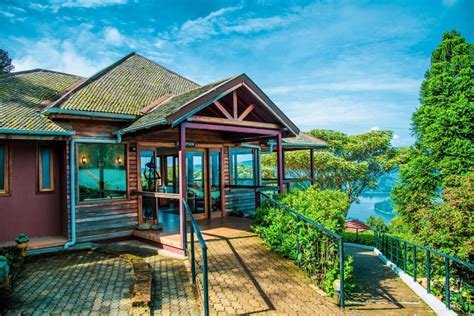
If your priority is privacy, scenery and a quieter riverside atmosphere, Nile Safari Lodge is one of the standout luxury options. The lodge sits on the southern bank of the Nile and has a small-scale feel, with eight secluded accommodation units and space for up to 25 guests. Its 2026 information highlights river views, an infinity pool, locally inspired dining and activities including boat cruises, game drives and guided nature walks.
What I particularly like about this kind of stay is that the river becomes part of your everyday experience. Instead of simply returning to a hotel after your safari, you continue to hear and see the landscape around you. For couples, honeymooners or travelers celebrating a special occasion, it offers a more intimate way to experience Murchison Falls.
Mid-Range & Eco-Conscious: Murchison River Lodge
For travelers who want comfort without losing the feeling of being close to nature, Murchison River Lodge is an interesting option. The lodge offers thatched cottages, river cabins, safari tents and camping, making it suitable for different types of travelers. Its accommodation is currently promoted as 100% solar powered, with views toward the Nile and a relaxed, off-grid atmosphere.
This is also the kind of property that fits naturally into a responsible safari story. Staying somewhere that uses solar power and offers several accommodation levels allows you to enjoy the landscape while keeping your footprint in mind. Current 2026 rates range from camping to more comfortable cottages and cabins, so it can work for couples, families and travelers with different budgets.
Inside the Park: Pakuba Safari Lodge
If your priority is being inside the national park and close to the northern-sector game-viewing areas, Pakuba Safari Lodge is worth considering. The lodge offers en-suite accommodation, a swimming pool, restaurant and other facilities, while its location puts you in a strong position for exploring the surrounding wildlife areas.
One of the pleasures of staying in a lodge inside a wildlife area is that the safari atmosphere doesn’t completely disappear when the game drive ends. Wildlife can sometimes move through or near lodge grounds, so guests need to follow safety instructions and never approach animals independently.
For Budget Travelers: Camping & Community-Based Stays
If your idea of safari luxury is falling asleep to the sounds of the African night rather than having a large room, consider camping or community-based accommodation around the park.
Options can change over time, so I recommend checking current availability before publishing a specific budget property as a permanent recommendation. This is also an area where working with a local Ugandan tour operator can be valuable: they can help match your budget with accommodation that is actually operating during your travel dates.
For travelers interested in community tourism, look beyond simply finding the cheapest bed. A locally owned guesthouse, community campsite or cultural experience can turn part of your accommodation budget into direct support for people living around the conservation area.
My Tip: Choose Your Location Before Your Room
When planning a Murchison Falls safari, don’t choose accommodation based only on photographs or room prices. Look at the location in relation to the activities you want to do.
If game drives in the northern sector are your priority, staying closer to those areas can reduce driving time. If the Nile and relaxation are more important, a riverside lodge may be a better fit. And if you’re combining Murchison Falls with chimpanzee tracking in Budongo Forest, think about how your accommodation fits into the route.
The best lodge isn’t necessarily the most expensive one. It is the one that makes the kind of safari you dreamed about easier, more comfortable and more meaningful.
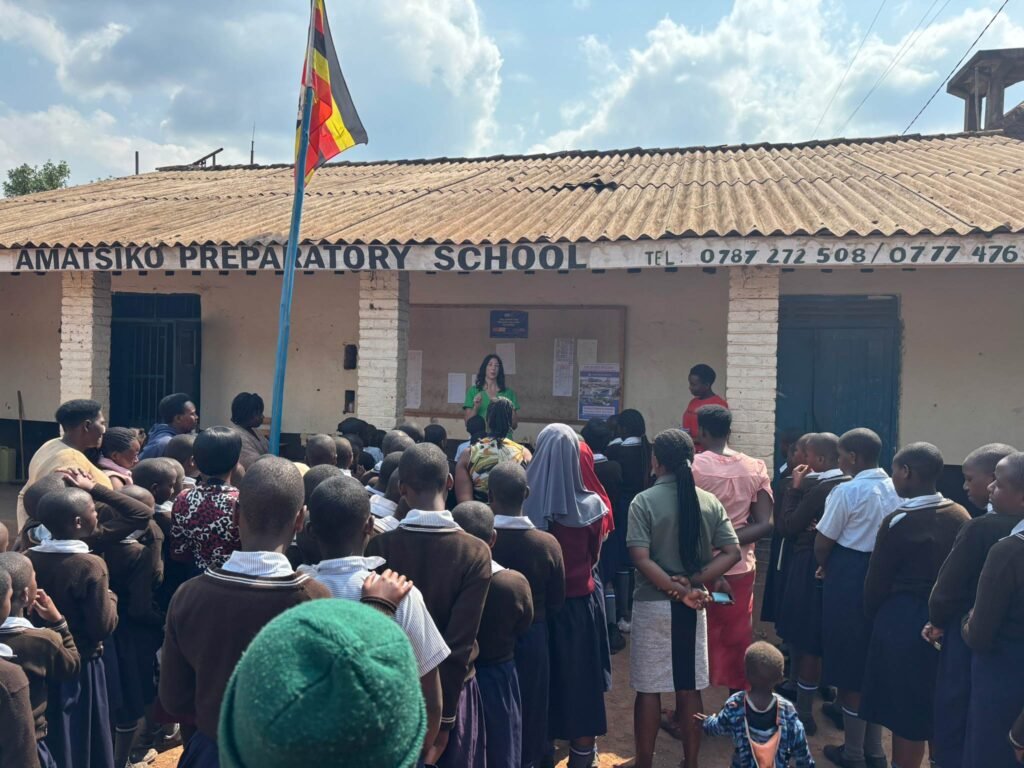
By booking with tour operators like Amatsiko Tours, your stay also supports local communities and conservation efforts.
How to Get to Murchison Falls National Park
Part of the adventure of visiting Murchison Falls is the journey into the wilderness. Leave Kampala behind and the city gradually gives way to smaller towns, farmland and open countryside before the landscape becomes increasingly wild.
By Road: The Classic Uganda Safari Journey
For most travelers, reaching Murchison Falls by road is the most practical option, especially when the visit is part of a longer Uganda safari.
From Kampala or Entebbe, many itineraries travel north-west towards Masindi before continuing towards the park. Depending on your exact starting point, entrance gate and lodge, the journey can take several hours, so I recommend treating the drive as part of the experience rather than simply trying to arrive as quickly as possible.
The advantage of traveling by road with a local safari operator is that the journey can become part of your Uganda experience. You pass through rural communities, see everyday life outside the country’s main tourist centres and can stop along the way when appropriate. A knowledgeable local driver-guide can also choose the most practical route based on your accommodation and current road conditions.
Which Park Entrance Should You Use?
Murchison Falls has several access routes, so your entrance should ideally match where you are staying and what you want to see.
The Paraa area is particularly important for travelers planning boat activities on the Victoria Nile and for accessing the northern and southern sides of the park via the ferry. Other gates and approaches can be more convenient depending on whether your itinerary is focused on the northern game-viewing sector, Budongo Forest or the southern part of the conservation area.
This is one reason I recommend confirming your exact route with your lodge or tour operator before setting off. A small difference on the map can mean a very different driving time once you’re on safari roads.
By Air: A Faster Way Into the Wilderness
If you have limited time—or simply want to spend more of your holiday actually in the wilderness—flying to Murchison Falls is another option.
Scheduled and charter safari flights can connect the region with Entebbe and other safari destinations, with airstrips serving different parts of the Murchison Falls area. Commonly used airstrips include Pakuba, Chobe and Bugungu, although the most convenient option depends on your lodge and current flight schedule.
Flying gives you a completely different first impression of the landscape. From the air, the scale of the savannah and the winding Nile becomes visible in a way that is difficult to appreciate from the road.
If you choose to fly, consider combining the flight with a longer stay rather than using it simply to shorten the trip. Spending an extra night or two in the park can make the journey worthwhile and gives you more time for game drives, the Nile and the surrounding conservation area.
My Recommendation
If you have the time, go by road at least once. The gradual transition from urban Uganda to rural landscapes and finally to the savannah is part of the story.
If your itinerary is tight, or you’re connecting Murchison Falls with another national park, a safari flight can save valuable travel time.
Whichever option you choose, use an experienced local operator and confirm the latest road, ferry and flight arrangements before traveling. Access conditions can change, and your lodge’s exact location should always be considered when planning the final route.
Travel Tips for Visiting Murchison Falls National Park
A little preparation can make your Murchison Falls safari much more comfortable—and help you enjoy the wilderness without disturbing it.
Start Your Safari Early
Some of the most magical moments in Murchison Falls happen soon after sunrise. The air is cooler, the light is softer and wildlife can be particularly active.
Pack your camera and binoculars the night before so you can leave your lodge without rushing. There is something special about driving into the savannah while the sky is turning from deep blue to gold and the first rays of sunlight begin touching the grass.
Bring Binoculars
You don’t need an enormous camera lens to enjoy Murchison Falls. A good pair of binoculars can be just as valuable.
A distant giraffe may suddenly become a detailed portrait. A tiny kingfisher on a branch beside the Nile can turn into one of the highlights of your boat safari. And when your guide spots something hiding in the grass, binoculars let you appreciate the sight without asking the vehicle to move closer.
Dress for the Safari
Choose light, comfortable clothing and bring a lightweight jacket or sweater for early mornings. A hat, sunglasses and sunscreen are useful during the hotter parts of the day, while comfortable closed shoes are a good choice if you’re planning guided walks.
Neutral, natural-looking clothing is generally preferable for wildlife viewing. Most importantly, dress for comfort—you may spend several hours in a safari vehicle, and the African sun can be surprisingly strong.
Carry Reusable Water
Safari days can be long, so staying hydrated matters. Instead of buying several disposable plastic bottles every day, bring a reusable water bottle and refill it wherever safe drinking-water facilities are available.
Ask your lodge or safari operator about refill stations before you travel. It is a tiny habit, but over a full safari it can significantly reduce the amount of plastic you use.
Give Wildlife Space
One of the most important safari rules is simple: let the animals remain wild.
Stay inside the vehicle unless your guide tells you that it is safe to leave. Never feed wildlife, call animals toward the vehicle or pressure your driver to move closer for a photograph. Keep voices low around animals and follow the instructions of your guide and park authorities.
The most beautiful wildlife encounters are often the ones where the animal barely notices you are there.
Be Careful With Photography
Murchison Falls is a photographer’s dream, from sunrise over the savannah to elephants beside the Nile and mist rising around the falls.
But the photograph should never become more important than the animal or the place. Avoid blocking other visitors’ views, don’t use flash around wildlife when it could disturb them, and never leave the vehicle or approach an animal simply to get a better angle.
Sometimes the photograph you take from a respectful distance tells a better story anyway.
Support the People Around the Park
A safari doesn’t happen in isolation. Guides, drivers, lodge staff, craft makers, farmers and many other people living around the conservation area are part of the tourism story.
Where possible, choose locally owned businesses, hire qualified local guides, buy crafts directly from artisans and pay fairly for cultural experiences. If you visit a community project, approach it with curiosity rather than treating people’s daily lives as a photo opportunity.
Your spending can become part of the reason tourism continues to create value for communities around Murchison Falls.
Travel With Patience
Wildlife does not follow an itinerary.
You may spend an hour searching for a lion and find nothing, only to turn a corner later and discover elephants crossing the road. You might plan the perfect photograph and instead end up watching a family of warthogs for twenty minutes.
That’s safari.
Bring patience, leave some space in your schedule and allow your guide to read the landscape. The unexpected moments are often the ones you remember longest.
Suggested Murchison Falls Safari Itineraries
There is no single perfect way to experience Murchison Falls. If you have only a few days, you can still see the highlights. With more time, however, the experience becomes slower and richer—you can combine savannah wildlife with the Nile, the forest and communities around the conservation area.
Here are three ways I would plan the journey.
3-Day Murchison Falls Safari: The Classic Experience
Day 1 — Travel to Murchison Falls + Afternoon Game Drive
Set off early from Kampala or Entebbe and make your way towards Murchison Falls. The journey takes you from Uganda’s busy capital into quieter countryside, with villages, farms and changing landscapes along the way.
After arriving and settling into your lodge, head out for your first game drive if time allows. The late afternoon light can be beautiful across the savannah, and you may encounter elephants, giraffes, Uganda kob, buffaloes and other wildlife before returning to your lodge for dinner.
Day 2 — Nile Boat Safari + Murchison Falls
Start the morning with a boat safari along the Nile towards the base of Murchison Falls. This is one of those experiences where it pays to slow down. Watch hippos surface beside the boat, crocodiles bask on the banks and birds move through the reeds and trees.
After lunch and some time to relax, visit the Top of the Falls. Stand above the gorge and watch the Nile force its way through the narrow rock passage. The roar is immense, the air is filled with spray, and suddenly the statistics you’ve read about the waterfall make sense.
Day 3 — Morning Game Drive + Return Journey
Wake early for one final game drive. Morning is a wonderful time to be in the park, when the light is soft and wildlife can be active before the heat of the day builds.
After breakfast, begin your journey back towards Kampala or continue to your next destination. If you are traveling with a private guide, ask whether there is an interesting community, food or cultural stop that can be incorporated into the journey rather than simply driving straight back.
Best for: First-time visitors, couples, families and travelers with limited time.
4–5-Day Murchison Falls & Budongo Forest Safari
Day 1 — Travel to Murchison Falls
Travel from Kampala or Entebbe towards Murchison Falls, arriving in time for an afternoon game drive if your schedule permits.
Spend the evening at your lodge listening to the sounds of the surrounding landscape. After dark, the atmosphere changes completely—the savannah becomes quieter, the sky fills with stars and the sounds of nocturnal wildlife replace the daytime activity.
Day 2 — Full Wildlife & Nile Experience
Begin with an early morning game drive in the northern sector, spending time exploring the savannah rather than rushing from sighting to sighting.
Later, take a boat safari along the Nile towards the falls. This gives you two completely different perspectives of Murchison Falls on the same day: wildlife from the land and the river ecosystem from the water.
Day 3 — Top of the Falls + Relaxed Exploration
Use the morning for the Top of the Falls experience and time around the waterfall. Rather than rushing through it, allow yourself to walk between viewpoints, take photographs and simply listen to the river.
The afternoon can be kept flexible. Depending on your interests and lodge location, you might choose another game drive, a nature experience or simply some quiet time beside the Nile.
Day 4 — Budongo Forest & Chimpanzee Experience
Leave the savannah behind and head towards Budongo Forest.
The change is remarkable. Tall trees replace open grassland, the air becomes cooler beneath the canopy and the sounds of the forest surround you. With an authorized guide, take part in a chimpanzee tracking experience and learn about the forest ecosystem and the work being done to protect it.
Spend the night according to your onward itinerary, either near Budongo or in the wider Murchison area.
Day 5 — Final Wildlife Experience + Continue Your Journey
If your schedule allows, enjoy one final morning experience before continuing towards your next Ugandan destination.
This itinerary works particularly well for travelers who want more than a traditional game-drive safari. You experience the park, the Nile and the forest while also allowing enough time for the journey to feel less rushed.
Best for: Wildlife lovers, photographers, birders, primate enthusiasts and travelers who prefer a slower safari.
7-Day Uganda Safari: Murchison Falls as Part of a Bigger Journey
If you have a full week, I would use Murchison Falls as one chapter of a broader Uganda adventure rather than spending the entire seven days in the park.
Day 1 — Kampala/Entebbe to Murchison Falls
Travel north-west towards Murchison Falls, stopping along the way for lunch or selected cultural experiences. Arrive and settle into your lodge.
Day 2 — Game Drives + Nile Boat Safari
Spend the morning exploring the savannah and the afternoon experiencing the Nile by boat. This gives you the two classic Murchison Falls experiences in one day.
Day 3 — Budongo Forest
Explore Budongo Forest and, where available and appropriate for your itinerary, take part in a chimpanzee tracking experience. Spend time learning about the forest rather than treating the chimpanzees as simply another item on a wildlife checklist.
Day 4 — Murchison Falls + Continue South
Visit the Top of the Falls and then begin traveling south towards your next destination.
Day 5 — Kibale Forest
Continue to the Kibale area for one of Uganda’s great primate experiences. Depending on your interests and permits, this can include chimpanzee tracking or another forest activity.
Day 6 — Queen Elizabeth National Park
Continue towards Queen Elizabeth National Park for a game drive and the chance to experience another of Uganda’s very different landscapes.
Day 7 — Final Safari Experience + Return/Continue
Enjoy a final wildlife or nature experience before continuing to your next destination or returning towards Kampala/Entebbe.
This seven-day route gives you something Murchison Falls alone cannot: a taste of Uganda’s extraordinary variety, from the Nile and northern savannah to tropical forest and the wildlife-rich landscapes of western Uganda.
Best for: First-time visitors to Uganda who want a broader safari rather than focusing on one park.
Continue Your Uganda Safari Journey
Murchison Falls can easily be the beginning of a much bigger Uganda adventure. If you have more time after exploring the Nile, savannah and Budongo Forest, consider adding some of these destinations to your journey:
Queen Elizabeth National Park
Continue south for another classic Uganda safari, where open savannah, crater landscapes, elephants, lions and the famous Kazinga Channel create a completely different wildlife experience.
Explore: Queen Elizabeth National Park – Wildlife & Craters
Bwindi Impenetrable Forest
If mountain gorilla trekking is on your Uganda wish list, continue towards the forests of southwestern Uganda. The experience is very different from Murchison Falls, taking you from open savannah into the misty world of ancient rainforest.
Explore: Bwindi Impenetrable Forest – Gorilla Trekking Adventure
Lake Bunyonyi
After several days of safari, Lake Bunyonyi offers a beautiful change of pace. Slow down beside the water, explore the islands and enjoy the cool highland scenery.
Explore: Top 7 Things to Do at Lake Bunyonyi
Combine Murchison Falls with Kibale
For travelers interested in primates, adding Kibale Forest creates a wonderful contrast with Murchison Falls. You can move from watching elephants and giraffes on the savannah to walking beneath the forest canopy in search of chimpanzees.
Tip: If you’re planning a longer Uganda itinerary, ask your local tour operator to design the route around the experiences that matter most to you rather than simply trying to visit as many parks as possible.
Travel Kindly: How to Leave a Positive Footprint at Murchison Falls
A safari is more than a chance to see wildlife. Every time you enter Murchison Falls National Park, you are entering a living landscape that supports wildlife, conservation teams, guides, lodge staff and communities around the park.
The good news is that traveling responsibly here doesn’t have to feel complicated. A few thoughtful choices can make your experience better while helping protect the place you came to see.
1. Give Wildlife the Space It Deserves
That elephant crossing the road may be the photograph you’ve been waiting for, but don’t let the excitement tempt you to get too close.
Stay in the vehicle unless your guide says it is safe to leave, never feed animals and don’t encourage drivers to chase wildlife or block its path. Keep noise low around animals and allow them to move naturally.
The most beautiful safari moment isn’t necessarily the closest one. Sometimes watching an elephant family quietly cross the savannah from a respectful distance feels much more special.
2. Choose Local and Community-Based Services
Your safari budget can do more than pay for accommodation and transportation.
Whenever possible, choose locally owned businesses, work with qualified Ugandan guides and drivers, buy crafts directly from local artisans and take part in community experiences where the people involved are fairly compensated.
When you buy something handmade from a local craftsperson or enjoy a meal prepared by a community-based business, you’re taking home more than a souvenir—you are helping tourism circulate through the communities that live alongside this remarkable landscape.
3. Reduce Plastic During Your Safari
Safari days can involve long hours on the road, which makes bottled water an easy habit to fall into.
Instead, carry a reusable bottle and refill it at safe drinking-water stations provided by your lodge or tour operator. Ask before filling from any natural water source—untreated river or lake water should never be assumed to be safe to drink.
You can also reduce unnecessary packaging by carrying reusable toiletry containers and refusing disposable items you don’t need.
It may seem like a small gesture, but imagine every traveler doing the same throughout the year. Fewer bottles and less waste mean a cleaner landscape for both wildlife and people.
4. Respect People as Much as You Respect Wildlife
Murchison Falls is not an empty wilderness. People live, work and build their livelihoods around the conservation area.
If you meet local communities, ask permission before taking photographs of people, especially children. Be curious about local traditions without treating someone’s culture as a performance created solely for visitors.
If you visit a cultural project, craft workshop or community initiative, take the time to listen and learn. Spending money directly with community members is one of the simplest ways tourism can have a positive local impact.
5. Leave the Landscape as You Found It
The easiest rule is also the most important: take nothing from the park and leave nothing behind.
Keep food wrappers and other waste with you until you can dispose of them properly. Don’t collect rocks, plants, feathers or other natural objects as souvenirs. Stay on designated routes and follow instructions from your guide and park authorities.
And when you photograph the landscape, remember that the view belongs to the experience—not your luggage. Leave the natural environment where you found it so the next traveler can feel that same sense of wonder.
A Safari That Gives Something Back
Responsible travel doesn’t mean seeing less. In many cases, it helps you see more.
You notice the guide who knows the name of a bird by its call. You stop to listen to a craftsperson explaining how a traditional item is made. You choose a refill station instead of another plastic bottle. You sit quietly while an elephant family moves across the road.
These small choices turn a safari from something you simply consume into an experience you share with a place and its people.
Murchison Falls National Park: Practical Information
📍 Location: Northwestern Uganda, within the wider Murchison Falls Conservation Area
Recommended stay:
Allow 3 days / 2 nights for the classic Murchison Falls experience. If you want to combine the park with Budongo Forest, chimpanzee tracking, birding or a slower safari, 4–5 days gives you considerably more breathing room.
Best time to visit:
Murchison Falls can be visited year-round. The generally drier periods of June–September and December–February are particularly popular for wildlife viewing. The wetter months bring greener scenery, fewer visitors and rewarding birding opportunities.
Getting there by road:
Most road safaris from Kampala or Entebbe travel towards the Murchison Falls area via Masindi, although the best route depends on your accommodation, entrance gate and onward itinerary. Allow several hours for the journey and treat the drive as part of the adventure.
Getting there by air:
Safari flights can connect the Murchison Falls area with Entebbe and other destinations in Uganda. Airstrips such as Pakuba, Chobe and Bugungu serve different parts of the conservation area. Your tour operator or lodge can advise which airstrip is most convenient for your stay.
Paraa Ferry:
The ferry across the Nile at Paraa is an important connection for visitors traveling between the southern and northern sides of the park. Check the current operating arrangements before your trip, particularly if your itinerary depends on a specific crossing.
Main experiences:
Game drives • Nile boat safari • Top of the Falls • Birdwatching • Budongo Forest • Chimpanzee tracking • Sport fishing • Guided nature and community experiences
Where to stay:
Accommodation ranges from luxury riverside lodges to safari tents, cottages and camping. Choose your base according to the activities you want to prioritize and the part of the conservation area you plan to explore.
Responsible travel:
Carry a reusable water bottle, follow wildlife-viewing rules, keep a respectful distance from animals, avoid unnecessary plastic and support locally owned businesses and community-based experiences where possible.
Planning your safari:
For help combining Murchison Falls with other Ugandan destinations, speak with a local safari operator who can coordinate transport, accommodation, activities and the most practical route for your travel dates.
Conservation:
Murchison Falls is part of a protected conservation landscape where tourism, wildlife protection and surrounding communities are closely connected. Before traveling, check the latest guidance and regulations from the Uganda Wildlife Authority and your accommodation or tour operator.
Before You Go
Park fees, activity fees, ferry arrangements, accommodation rates and flight schedules can change. Always confirm the latest information before your safari rather than relying on figures published several years ago.
Murchison Falls: A Safari You Will Carry With You
There is a moment at Murchison Falls when everything seems to come together.
The Nile is roaring through the narrow gorge. Mist hangs in the warm air. Somewhere beyond the river, an elephant is moving through the grass, while birds call from the trees and the last light of the day stretches across the savannah.
That is what makes Murchison Falls so special. It isn’t just the waterfall, the elephants, the giraffes or the boat safari. It is the feeling of moving through a landscape where the river, wildlife, forests and people are all part of the same story.
And if you travel thoughtfully—choosing local services, respecting wildlife, reducing waste and supporting communities around the conservation area—you can become part of that story in a positive way.
Whether you have three days for a classic safari or a full week to explore Murchison Falls and other parts of Uganda, I hope you give yourself enough time to slow down and enjoy the unexpected moments. Sometimes the sight you remember most isn’t the one you planned for.
It might be the golden light of sunrise over the savannah.
The sudden splash of a hippo beside your boat.
A giraffe appearing silently between the trees.
Or the thunder of the Nile as you stand above Murchison Falls.
This is Uganda at its wildest—and I would love for you to experience it.
Ready to Explore Murchison Falls?
If you’re planning a safari in Uganda and would like help creating an itinerary around Murchison Falls, Budongo Forest or other national parks, get in touch with Amatsiko Tours.
We can help you plan the route, accommodation, wildlife experiences and local activities around the kind of journey you want—not simply a list of places to tick off.
Start planning your Murchison Falls adventure: Get in touch with Amatsiko Tours
And when you return, I’d love to hear about your experience. What was the moment that stayed with you—the wildlife, the Nile, the waterfall, or something completely unexpected?



2 Comments