
Is Uganda Safe to Visit Now? Real Insights for Gorilla Trekkers and International Travelers from Bwindi
Is Uganda safe to visit now? I am writing this from the edge of Bwindi Impenetrable National Park. The mist has just lifted from the forest canopy, and guests are gathering for their evening briefing before tomorrow’s gorilla trek. The scene is quiet, almost magical: the sound of birds, distant monkey calls, soft conversation around the fire, and that particular mix of excitement and nervousness that always appears the night before travelers meet the mountain gorillas.
Table of Contents
In moments like this, it becomes very clear that Uganda is not only a headline. It is a living, breathing place full of forests, wildlife, and welcoming communities. Yet many travelers planning a visit understandably ask the same question:
“Is Uganda safe to travel to right now?”
As a local tour operator based here in Uganda and traveling with guests across national parks every week, my responsibility is to give calm, accurate, on-the-ground guidance. This article is not about politics or speculation. It is about what travelers actually experience, especially those coming for gorilla trekking and safari.
What travelers are experiencing on the ground right now?
The reality experienced by international visitors in Uganda’s tourism regions is far more ordinary and far more beautiful than the dramatic tone of global news.
Across the country, travelers continue to:
- trek mountain gorillas in Bwindi and Mgahinga
- enjoy game drives in parks such as Queen Elizabeth and Murchison Falls
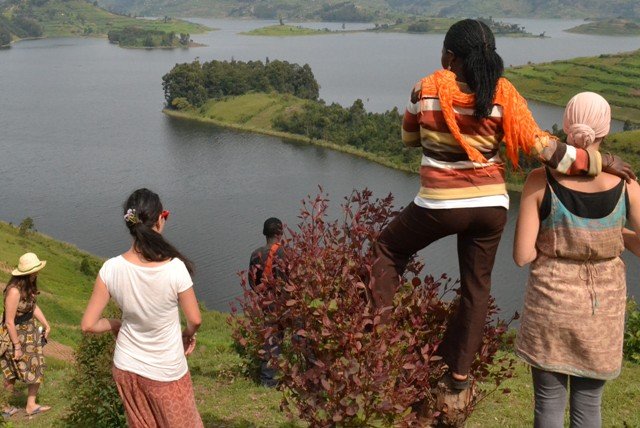
- relax at Lake Bunyonyi and other scenic lakes
- walk with zebras in Lake Mburo National Park
- engage with local communities and cultural experiences
- stay at lodges and eco-camps operating normally
Airport arrivals continue. Permits are issued. Rangers guide treks. Lodges prepare meals and light campfires. Sunrises and sunsets happen exactly as they did last year and the year before.
Most tourism destinations in Uganda are located far from major cities and political centers, in rural, natural environments whose daily rhythms revolve around wildlife conservation and guiding visitors.
As an operator traveling constantly between Entebbe, Bwindi, Queen Elizabeth, Lake Bunyonyi, and other parks, I meet guests who are:
- birdwatching beside crater lakes
- smiling after seeing lions or elephants for the first time
- emotionally moved after their gorilla encounter
- enjoying quiet time disconnected from busy city life
Their experience is dominated not by worry but by wonder.
Gorilla trekking in Uganda: what is happening now?
For many travelers, Uganda is synonymous with one thing: mountain gorillas.
Uganda protects the largest remaining population of mountain gorillas in the world, primarily within:
- Bwindi Impenetrable National Park
- Mgahinga Gorilla National Park
Gorilla trekking continues under the same controlled, conservation-focused system that has operated successfully for years. Each day, small groups of visitors, accompanied by experienced rangers and trackers, hike into the forest to spend a strictly limited time observing a habituated gorilla family.
Visitors still receive:
- full safety and conservation briefings each morning
- professional ranger escort throughout the trek
- clear health and distance guidelines to protect gorillas
- unforgettable, respectful viewing experiences
The emotion on people’s faces after trekking has not changed. Some cry, some laugh, some simply fall silent. To share space with a mountain gorilla is one of the world’s rarest privileges, and Uganda remains one of the very few places you can experience it.
If your main travel question is:
“Can I still go gorilla trekking in Uganda?”
The practical answer is yes — gorilla trekking is operating normally in Bwindi and Mgahinga, and parks are welcoming guests every day.

Balanced, realistic travel guidance
Responsible travel also requires clear thinking. Uganda, like any country, deserves to be approached with awareness and respect. Here are practical, level-headed guidelines for international travelers:
- follow official travel advisories issued by your country
- avoid political gatherings or demonstrations if they occur
- travel with a licensed, reputable local tour operator
- listen to your guide’s instructions at all times
- keep normal travel awareness as you would anywhere
- ensure your travel insurance is active and appropriate
Most safari itineraries involve time in vehicles, parks, forests, lodges, boats, and rural communities. The rhythm is nature-centered rather than crowd-centered. For many travelers, Uganda ends up being quieter and calmer than they expected.
Hope, resilience, and the spirit of Ugandan tourism
Uganda’s tourism industry is built not only on wildlife and scenery but on people.
Behind every safari are:
- rangers who track and protect gorillas
- lodge staff who welcome guests like family
- drivers and guides who share deep knowledge of the land
- community projects and schools supported by tourism income
- artisans and farmers whose livelihoods depend on travelers
When visitors continue to travel, they do more than take photographs. They support conservation funding, anti-poaching efforts, education programs, healthcare access, and small businesses in remote areas.
This is why hopeful, responsible travel matters. Tourism in Uganda is a lifeline that benefits real families and real ecosystems.
Standing today in Bwindi, watching fog rise from the hills, it is impossible not to feel the quiet strength of this place. Forests regenerate. Gorillas raise playful infants. Communities adapt. Visitors arrive with curiosity and leave with deep respect.
Uganda’s story has always included resilience.
What I personally see every day as a tour operator
Because I am constantly on the road with guests, my understanding of Uganda is not theoretical. It is lived.
In recent days and weeks, I have:
- watched excited guests practice gorilla-trekking etiquette before entering the forest
- seen elephants crossing the road at sunset in Queen Elizabeth National Park
- listened to laughter during canoe rides on Lake Bunyonyi
- observed guests learning how local communities grow food, make crafts, and tell stories
- helped travelers celebrate birthdays and anniversaries in lodges overlooking vast landscapes
These moments rarely appear in international headlines, but they define the reality of travel here.
Travelers often tell me at the end of their trip:
“I was nervous before coming, but now I wish I had stayed longer.”
That shift—from uncertainty to deep appreciation—is one of the most rewarding parts of my work.
So, should you travel to Uganda now?
Only you can make that final decision, and it should always be informed and comfortable.
Here is the clear, balanced picture:
- tourism activities are operating
- gorilla trekking continues
- national parks remain open
- lodges are welcoming guests
- guides and rangers are working as usual
- visitors on the ground are enjoying their trips
If you are drawn to Uganda because of gorillas, wildlife, culture, birdlife, or landscapes, there is every reason to look forward with hope rather than fear.
Uganda remains one of Africa’s most rewarding destinations — not because it is perfect, but because it is authentic.
Travel confidently with Amatsiko Tours
We are Amatsiko Tours, a Uganda-based tour operator specializing in:
- gorilla trekking safaris
- classic wildlife safaris
- community-based and responsible travel
- meaningful cultural immersion
- tailor-made private itineraries
We operate directly in the regions where you will be traveling, including Bwindi, Mgahinga, Queen Elizabeth, Lake Bunyonyi, and beyond. We are constantly in communication with lodges, park authorities, and local communities, and we base our advice on real conditions, not distant speculation.
If you are planning a trip and have questions or hesitations, you are very welcome to reach out to us.
We will give you clear, honest guidance, help secure gorilla permits, design itineraries, and support you from the moment you land until the moment you depart.
FAQs
1. Is Uganda safe to visit now for international tourists?
Yes. Major tourism areas, including Bwindi, Queen Elizabeth, Murchison Falls, and Lake Bunyonyi, remain calm and operational. Visitors spend most of their time in national parks and lodges away from political centers.
2. Are safaris and gorilla trekking still operating in Uganda?
Yes. Safaris and gorilla trekking are operating normally. Treks in Bwindi and Mgahinga continue under ranger supervision and established conservation protocols.
3. What should tourists avoid when traveling in Uganda?
Avoid political gatherings or demonstrations, follow your guide’s advice, and monitor official travel advisories from your country. This is standard practice for any international destination.
4. Do I need a local tour operator for travel in Uganda?
It is strongly recommended. A licensed Ugandan tour operator manages gorilla permits, transport, safaris, accommodation, and provides up-to-date local guidance.
5. How do conditions feel on the ground right now?
On the ground, tourism areas are peaceful. Guests are trekking gorillas, enjoying safaris, staying in lodges, and moving through airports without disruption. The atmosphere in parks is focused on nature and wildlife.
If you are asking “Is Uganda safe to visit now?” and still feel unsure, we are here to support you.
We are Amatsiko Tours, operating across Uganda’s national parks and gorilla trekking regions. We provide real-time updates from the field and design safe, meaningful safaris for travelers worldwide.
We will be happy to guide you and help you plan your journey with confidence.
A hopeful, unforgettable journey to Uganda is absolutely possible — and we would be honored to help make it real for you. Book your safari today



One Comment