
Slow Travel in Uganda: 9 Meaningful Ways to Experience the Pearl of Africa
Travel slower. Feel more. Connect deeply.
Table of Contents
Slow travel in Uganda is changing how the world explores Africa
Slow travel in Uganda is quietly redefining what it means to explore Africa — moving away from rushed itineraries and checklist tourism toward journeys rooted in time, connection, and presence.
Uganda is not a destination meant to be consumed quickly. It is a place that reveals itself slowly: through conversations, shared meals, forest walks, and moments of stillness that stay with you long after the journey ends.
For international travelers, slow explorers, and travel partners, Uganda offers something rare — a country where slow travel feels natural, not forced.
At Amatsiko Tours, slow travel is not a trend. It is a philosophy.
What Is Slow Travel in Uganda?
Slow travel in Uganda is about depth over distance.
Instead of seeing everything, travelers choose to:
- Stay longer in fewer places
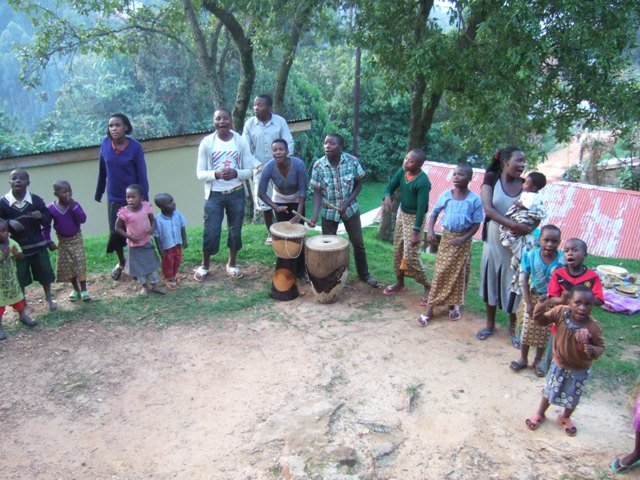
- Engage with local communities
- Travel at a human pace
- Reduce environmental impact
- Build meaningful relationships
In Uganda, slow travel fits seamlessly into daily life. Community rhythms, cultural traditions, and nature itself encourage you to pause, listen, and participate.
This is slow travel not as an idea — but as a lived experience.
Why Uganda Is Perfect for Slow Travel
Uganda naturally supports slow travel because of:
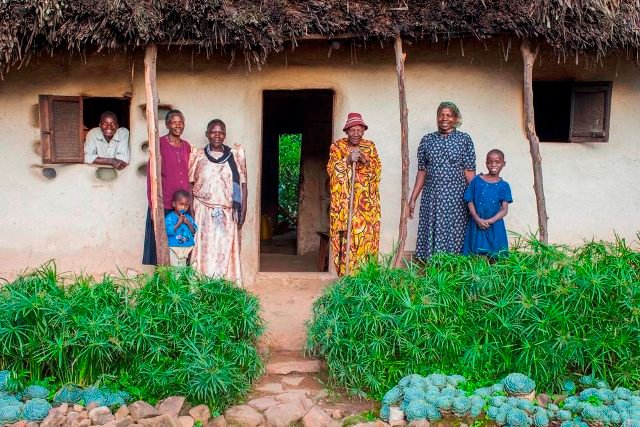
- Its welcoming, community-oriented culture
- Rich cultural diversity across regions
- Accessible nature and wildlife
- Opportunities for learning and exchange
- Fewer crowds compared to mass destinations
Rather than rushing between highlights, slow travelers in Uganda discover layers of meaning — cultural, ecological, and human.
9 Meaningful Ways to Experience Slow Travel in Uganda
These experiences reflect how slow travel in Uganda comes alive on the ground.
1. Spend Time in One Community, Not Many Places
Slow travel begins with staying put.
Instead of hopping between towns, travelers spend several days in one community — learning names, routines, and stories. Over time, relationships grow naturally, and experiences deepen.
This approach benefits both travelers and host communities, creating trust instead of transactions.
2. Share Food, Not Just Restaurants
Food is one of the most powerful slow travel experiences in Uganda.
Cooking with local families, visiting markets, and learning traditional recipes turn meals into cultural exchanges. Food becomes a story of land, seasons, and family.
By eating locally and communally, travelers directly support households and small producers.
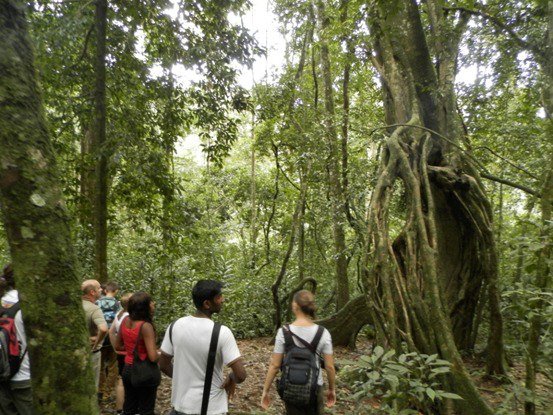
3. Walk Instead of Drive Whenever Possible
Walking changes everything.
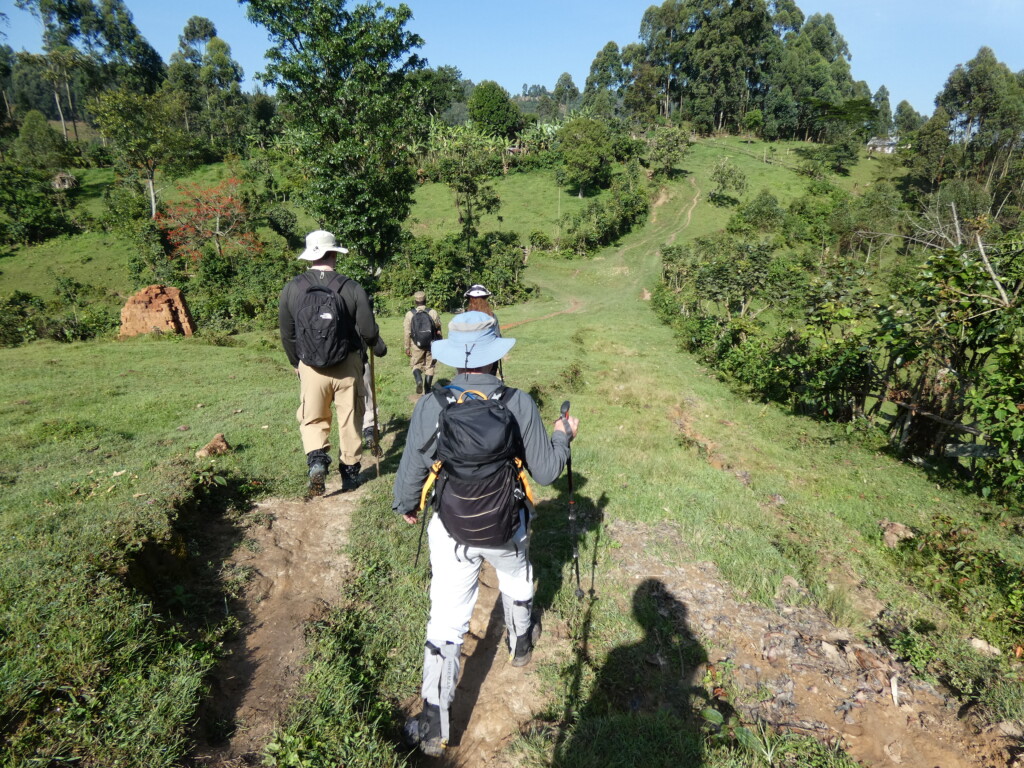
Village walks, guided nature trails, and informal strolls allow travelers to notice details — greetings, sounds, smells, daily life. Conversations happen naturally, and understanding grows.
Slow travel in Uganda is often experienced best on foot.
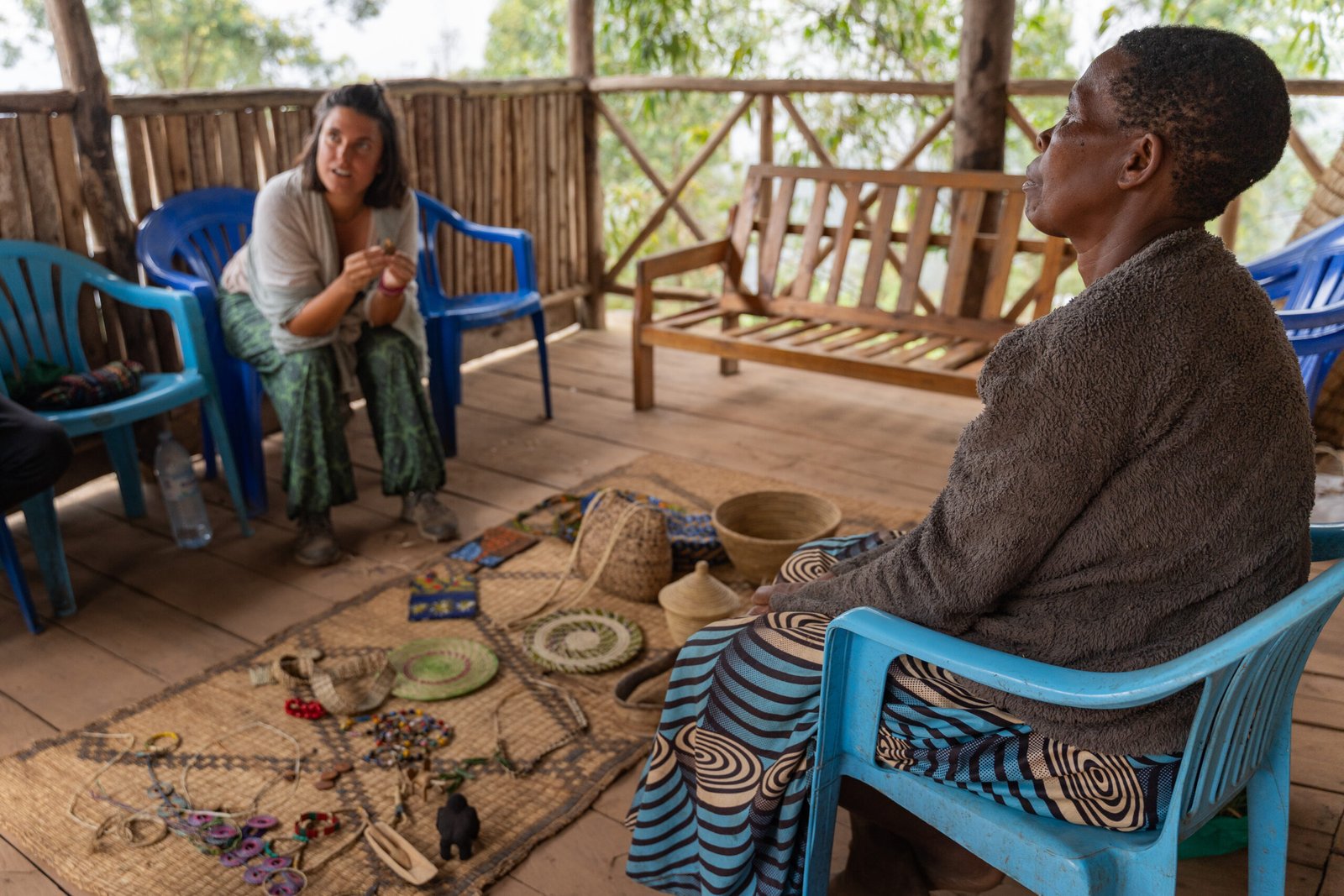
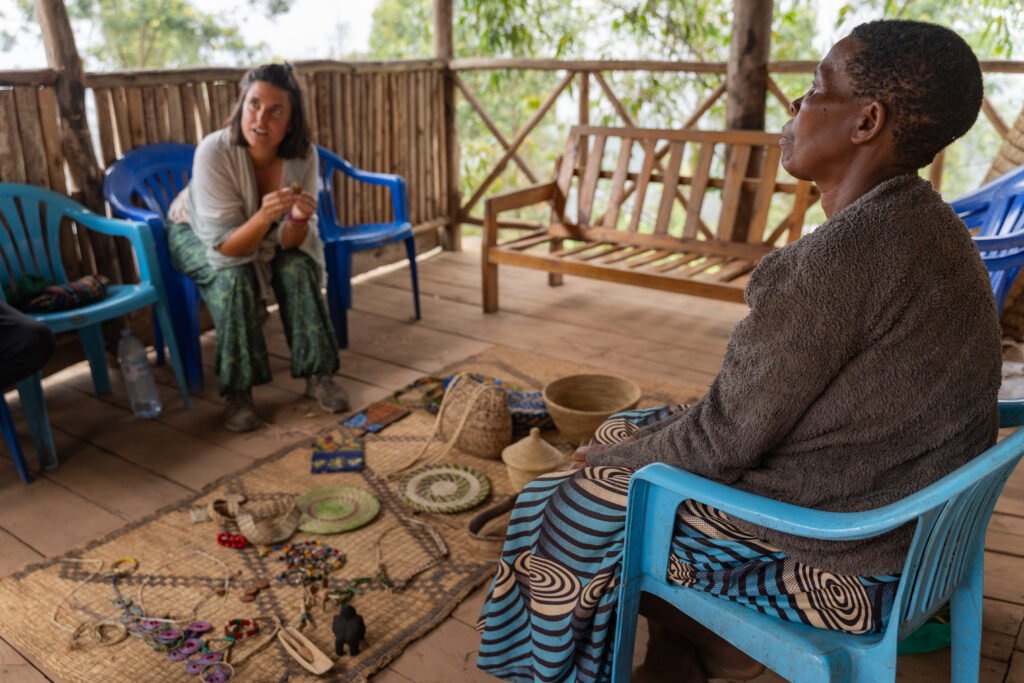
4. Learn a Skill or Craft From Local Artisans
From basket weaving to bark cloth making, Uganda’s crafts carry generations of knowledge.
Slow travelers spend time learning these skills directly from artisans, understanding not just the technique, but the cultural meaning behind it.
These experiences support livelihoods and keep traditions alive.
5. Experience Nature Through Local Knowledge
Slow travel doesn’t remove wildlife — it deepens the encounter.
Guided walks in forests, wetlands, and community conservation areas reveal how nature supports local life. In places like Mabamba Swamp or Kibale Forest, slow exploration allows learning, not just observation.
Nature becomes a classroom, not a spectacle.

6. Travel by Rhythm, Not Schedule
In Uganda, life does not always follow a strict timetable.
Slow travelers adapt to local rhythms — morning markets, afternoon rest, evening gatherings. This flexibility reduces stress and opens space for authentic moments.
Letting go of rigid schedules is part of the journey.
7. Stay in Locally Owned Lodges and Homestays
Where you sleep matters.
Locally owned lodges and homestays keep tourism income within communities and offer richer cultural insight. Hosts share stories, meals, and daily life — turning accommodation into experience.
This is slow travel with lasting impact.
8. Create Space for Reflection and Rest
Slow travel includes doing nothing — intentionally.
Time for journaling, reading, watching daily life, or simply being present allows experiences to settle and meaning to emerge.
Uganda’s landscapes invite reflection.
9. Travel With Purpose and Humility
Slow travel in Uganda works best when travelers arrive with curiosity, respect, and openness.
Listening more than speaking, asking before photographing, and approaching experiences with humility transforms travel into exchange.
This is where journeys become personal.
How Slow Travel in Uganda Supports Experiential Tourism
Slow travel is the foundation of Uganda experiential tourism.
By staying longer and engaging deeper, travelers:
- Strengthen community-based tourism
- Reduce environmental pressure
- Support cultural preservation
- Create shared value
This approach aligns perfectly with Uganda’s future as a destination focused on experience, not volume.
Why Amatsiko Tours Leads Slow Travel in Uganda
Slow travel requires care, patience, and local trust.
At Amatsiko Tours, slow travel is designed through:
- Long-term community partnerships
- Flexible, immersive itineraries
- Respect for culture and environment
- Co-creation with local hosts
For travelers and partners seeking meaningful journeys, Amatsiko Tours offers slow travel experiences rooted in integrity and connection.
Travel Kindly: Slow Travel Tips for Uganda
To practice slow travel well in Uganda:
- Stay longer in fewer places
- Choose local guides and operators
- Respect cultural norms and privacy
- Support local food and crafts
- Travel with curiosity and patience
Small choices create big impact.
Final Reflection: Slow Travel Changes the Way You See Uganda — and Yourself
Slow travel in Uganda is not about seeing less.
It is about feeling more, learning more, and carrying those experiences home with you.
Uganda rewards those who slow down. It opens gently, generously, and honestly — one conversation, one walk, one shared meal at a time.
Useful Information at a Glance
- Best time to travel slowly: Year-round
- Ideal length: 10–21 days
- Best starting point: Entebbe
- Travel style: Community-based, experiential, slow
- Best for: Slow travelers, conscious explorers, travel partners
Frequently Asked Questions (FAQs)
What is slow travel in Uganda?
Slow travel in Uganda focuses on spending more time in fewer places, engaging deeply with communities, culture, and nature.
Is Uganda good for slow travelers?
Yes. Uganda’s culture, landscapes, and community life naturally support slow, meaningful travel.
How long should a slow trip to Uganda be?
Ideally between 10 and 21 days for deeper engagement.
Is slow travel in Uganda sustainable?
When led by local operators like Amatsiko Tours, it supports communities and protects nature.
Who is slow travel in Uganda best for?
Slow travelers, educators, conscious tourists, and long-stay visitors.





One Comment