
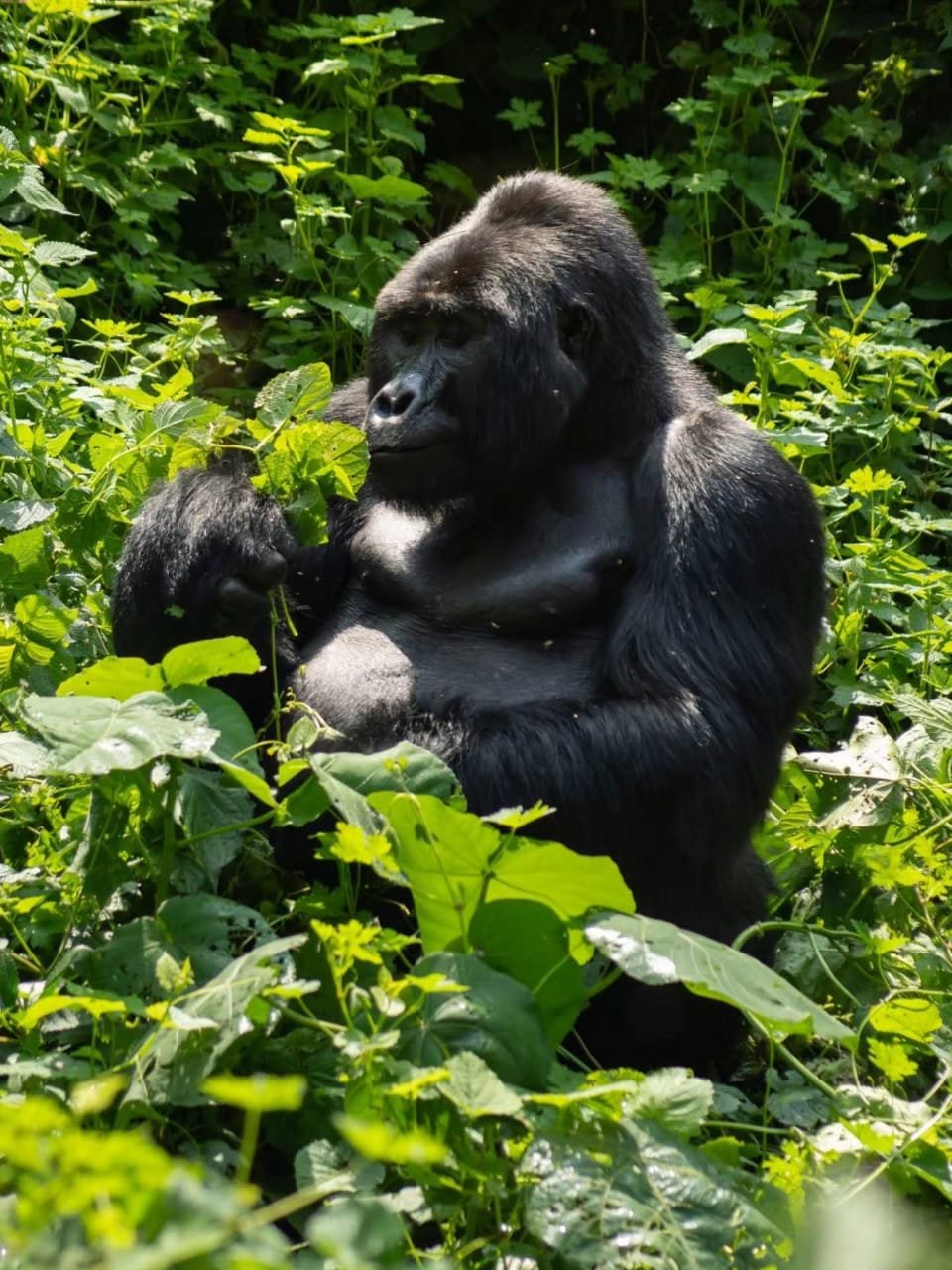
3-Day Bwindi Trek Itinerary: Daily gorilla trek and community visit
Table of Contents
Daily Gorilla Trek Schedule
Is there a gorilla trek every day on this 3-day itinerary?
Information about a 3-day Bwindi Trek itinerary having a gorilla trek every day is not provided in the inputs, including how many trek days are scheduled within three days. Only a general trek-day flow and typical durations in Bwindi are described, plus examples of multi-day structures where gorilla trekking appears on a single day.
What does a typical gorilla trekking day in Bwindi look like?
A typical trek day starts early with a transfer to the park briefing point. Rangers and guides brief you on trail expectations, group movement, safety, and gorilla viewing protocols. You’re then allocated to a habituated gorilla group and begin the trek with professional trackers and guides. Time in the forest varies with gorilla movement, then you return to the trailhead and transfer back to your lodge.
How long can a Bwindi gorilla trek take?
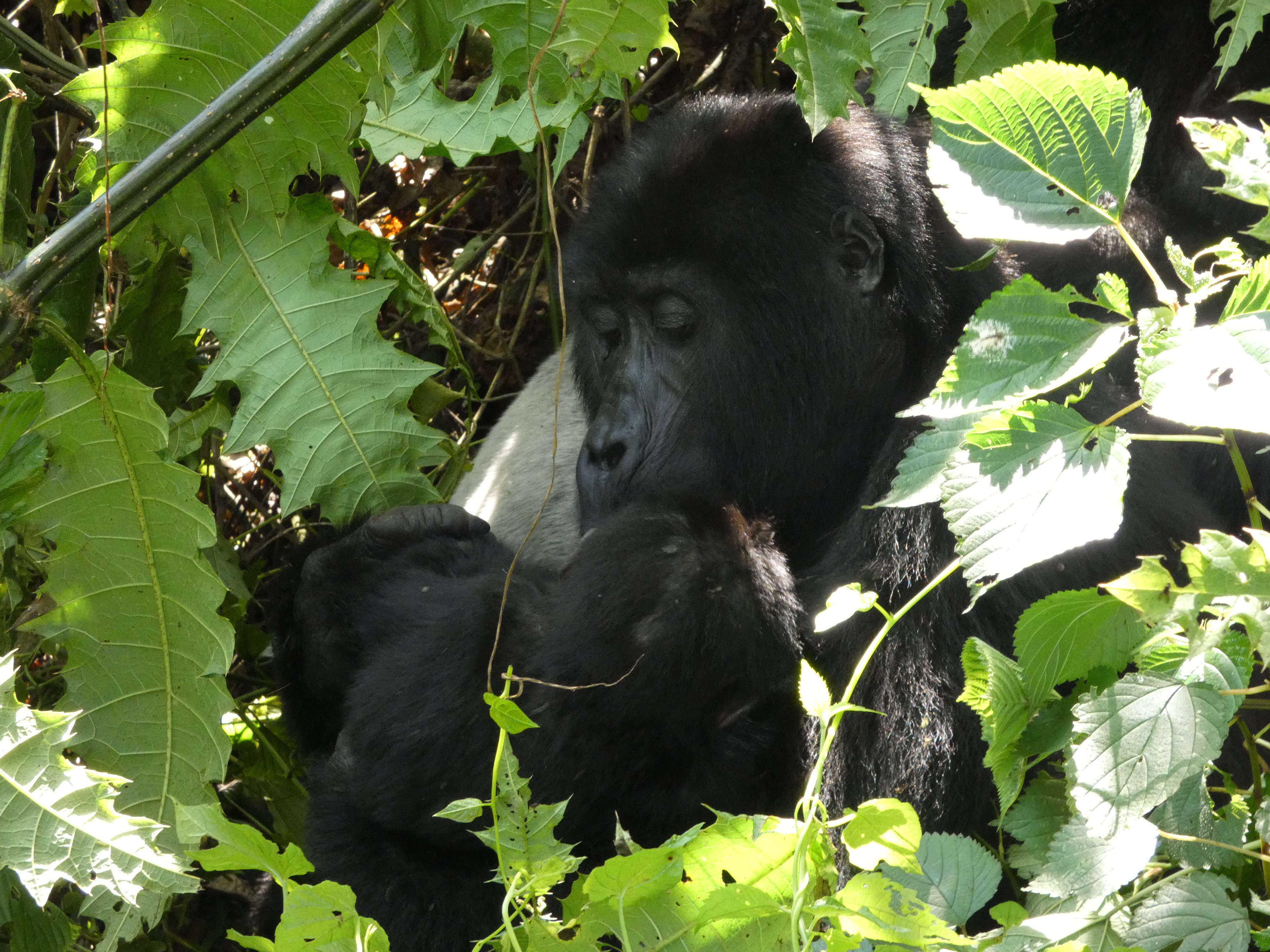
Bwindi treks can take from under an hour to over 4 hours, depending on gorilla movement. The time you spend hiking is not fixed, so your day needs flexibility. Expect an early start, and plan for a range of conditions on the trail rather than a predictable, timed hike.
What are the trails like during gorilla trekking in Bwindi?
Trails in gorilla habitat can be steep, uneven, and muddy in sections. You may move through dense vegetation, slopes, steps, and slick patches that require careful footing. Even in July, conditions can vary because Bwindi is a rainforest, and forest trails can still be muddy.
Can guides match the trek difficulty to my hiking ability?
Yes. Trek difficulty varies in Bwindi, and guides can match groups to hikers’ abilities. If you want extra support on the trail, porters are available to help with carrying a daypack and providing added stability on steep or uneven sections.
What should I pack for a gorilla trekking day?
Bring waterproof hiking boots, long-sleeved clothing, and light gloves for vegetation and grip. Pack a daypack with water, snacks, sunscreen, rain gear, and a camera (no flash). Sturdy gaiters can help with mud and ants. A face mask is recommended to help protect gorillas from human-borne illnesses, since gorillas are susceptible to respiratory infections.
Community Visit And Immersion
What does “community immersion” include on this itinerary?
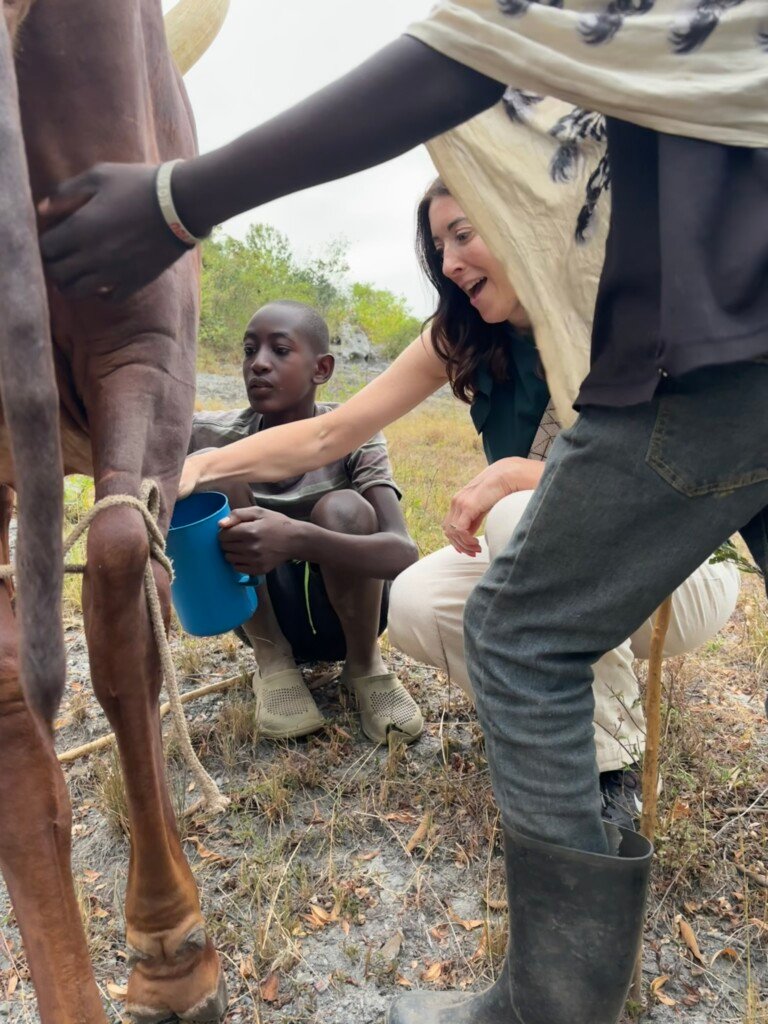
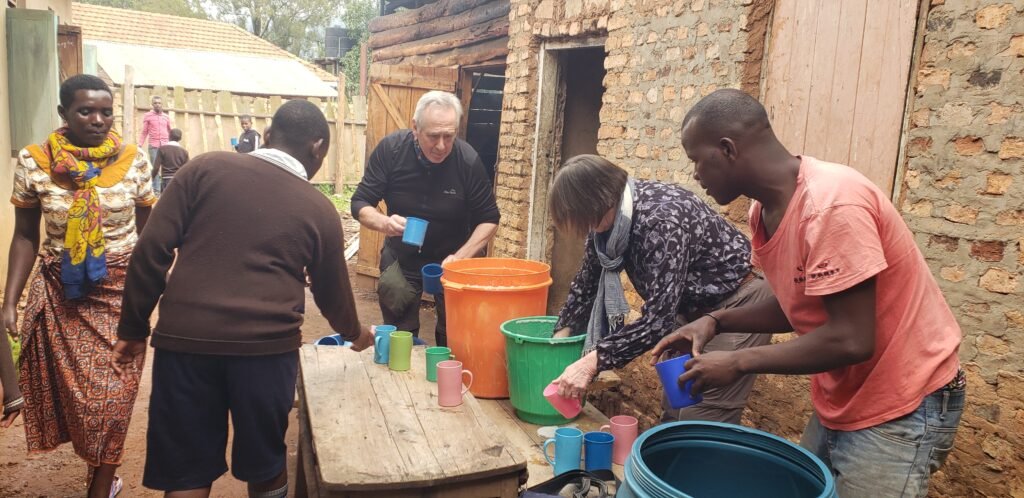
Community immersion is described as pairing wildlife experiences with local stories, cultural exchange, and community benefit. It can include school visits and volunteering at Amatsiko School, village-based experiences in the Kabale/Lake Bunyonyi region, and activities such as cooking lessons and shared meals, craft demonstrations (consent-led), and meetings with local knowledge holders where available and appropriate.
What happens during a visit or volunteering block at Amatsiko School?
Amatsiko School can be included as a scheduled visit and/or a structured volunteering block. Activities referenced include volunteering at the school and participating in school-linked community projects, such as school garden projects (where available in program design) and learning visits that connect education, conservation, and community development.
How should I approach photos and interaction during community visits?
Community experiences are designed as exchange, not spectacle. Participation should be consent-led, especially for photos and close interaction. Your guide and local liaisons can help with context and translation. You’ll get the most from the visit when you allow time for conversation and hands-on participation, such as cooking, crafts, or farming activities where scheduled.
Does this itinerary include a Batwa community visit?
A Batwa community visit is described as a component that can be included in Bwindi/Lake Bunyonyi area itineraries, presented as ethically briefed, consent-led, and fairly compensated cultural exchange. The inputs do not confirm it is included in this specific 3-day itinerary, so it should be treated as an optional module rather than a guaranteed stop.
July Trek Conditions And Planning
What are July conditions like for gorilla trekking in Uganda?
July is part of Uganda’s dry season window (June–September). It’s commonly associated with more accessible roads for overland travel and strong trekking conditions compared with wetter months. Even so, Bwindi is a rainforest, so you should still be prepared for uneven, steep, and sometimes muddy forest trails and for early starts on trekking days.
Do I need to plan around permit availability in July?
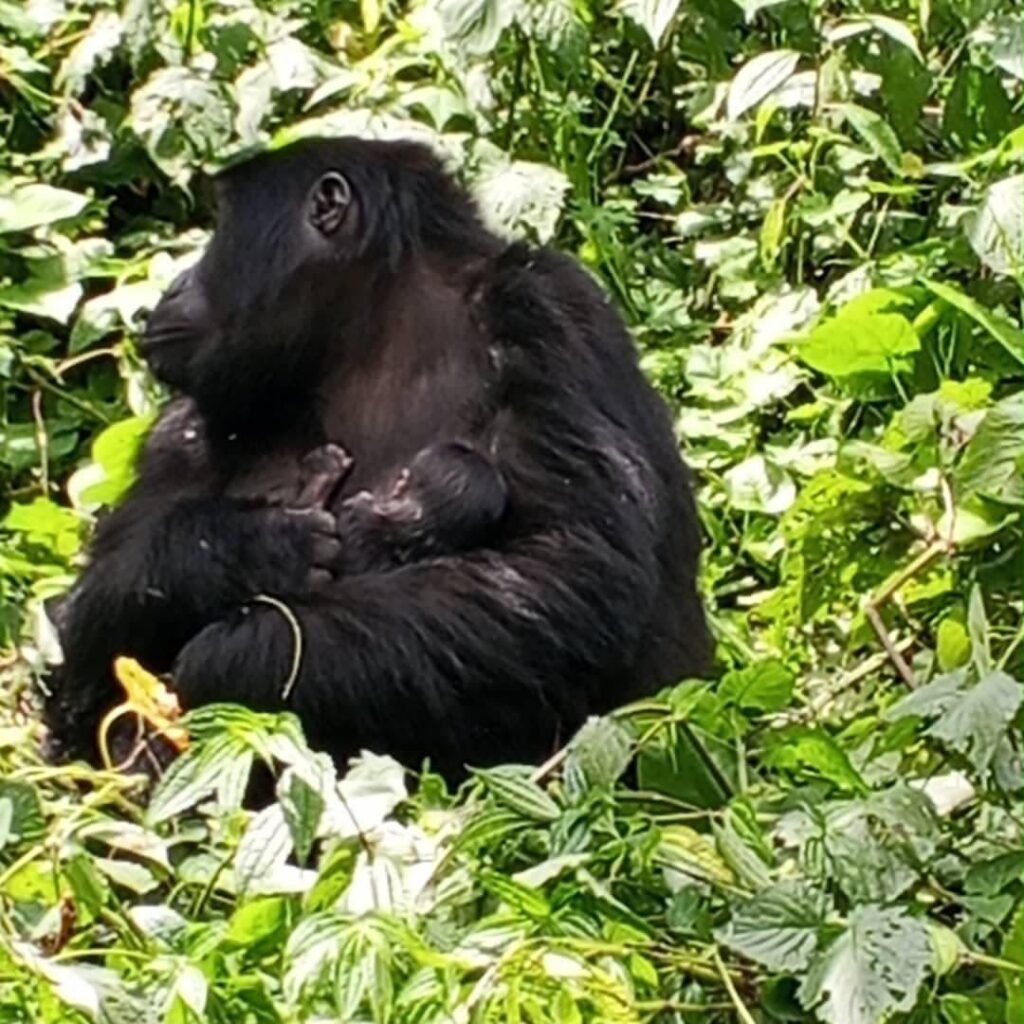
Yes. Dry season months are widely seen as “best time” windows, which can correlate with higher interest in gorilla trekking and the need to plan around permit availability. The inputs do not provide timelines or booking rules, but they do flag permit availability as an operational consideration during peak-demand periods like July.
 Powered by TypeHero

2 Comments